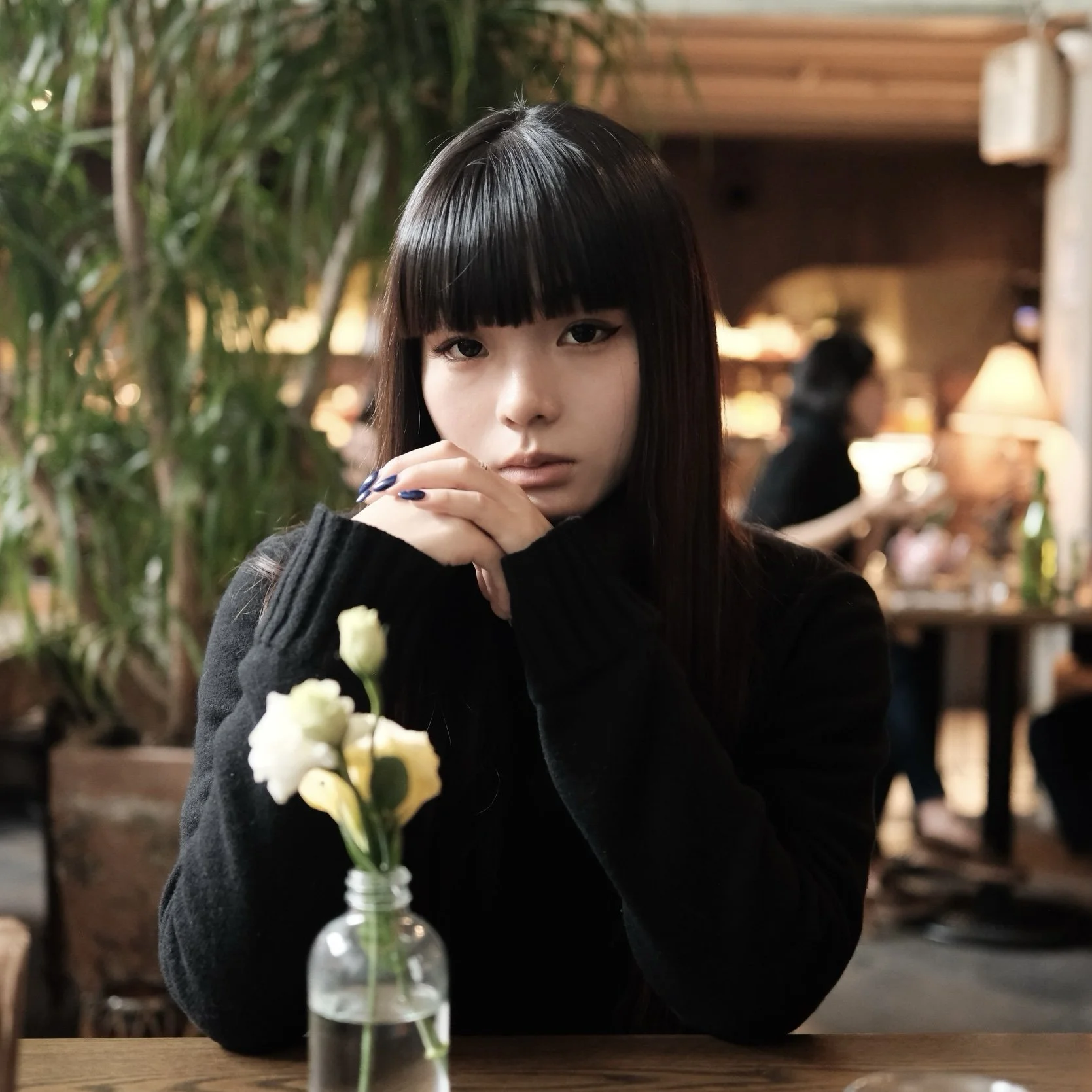
The Otherworldly Paintings of Yilin Zhang
Myth, Monstrosity, and Tender Disaster
Yilin Zhang (b. 1998, China) lives and works between Shanghai, London, and Athens, Georgia. She is currently pursuing a PhD in Art at the University of Georgia, after receiving her MFA from the Royal College of Art and her BFA from the China Academy of Art. Centered on painting, her practice also spans printmaking, installation, performance, and writing. Shaped by her transcultural experiences across China, the United Kingdom, and the United States, her work explores mysticism, trauma, mythology, monstrosity, supernatural phenomena, and science fiction through a comparative and intuitive lens. Her works have been exhibited internationally at venues including the LATITUDE Gallery New York, Venice Arsenale, Shanghai West Bund Art Center, Tate Modern, Ugly Duck, MartinGoya Home Gallery, and Lyndon House Art Center. Recently, she has been selected as the Finalist Artist of the 20th Arte Laguna Prize, the Lyndon House Merit Award Winner, and a top 10 artist in the 1st Hyper Youth Award.
In her recent series Fairy Child, Wild Rain, she draws inspiration from Ming-Qing Chinese ghost and romance literature alongside New Weird fiction to explore the entangled relationships between human and more-than-human worlds. In her practice, innocence is conceived as an experience of body horror. Writing and painting are woven together, spilling across one another through embodied, cross-media practices. Through body-mediated abstract paintings made with pastel and mixed media, ghostly beauty and seductive illusions begin to emerge across these imagined landscapes. Across these intertwined forms, she explores how qing —a distinctly non-Western mode of affect emerges as an entangled, possessing, and incantatory force that inhabits worlds.
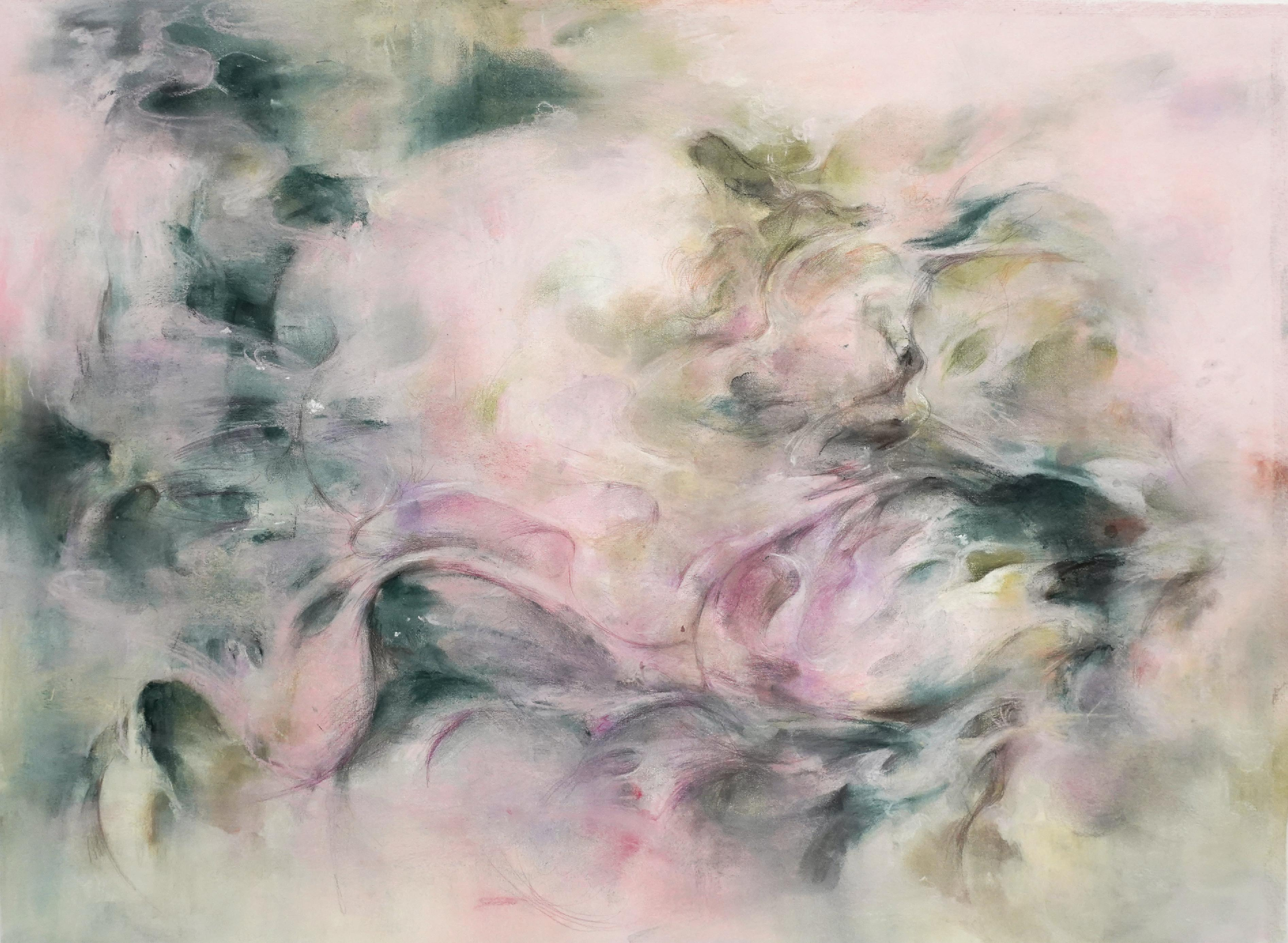
Yilin Zhang, I love you ritually, 2025, soft pastel and pencil on paper, 76 x 57 cm, Image Courtesy of Yilin Zhang
Susie:
You said your work explores mysticism, trauma, mythology, monstrosity, supernatural phenomena, and science fiction, why do you want to explore these topics?
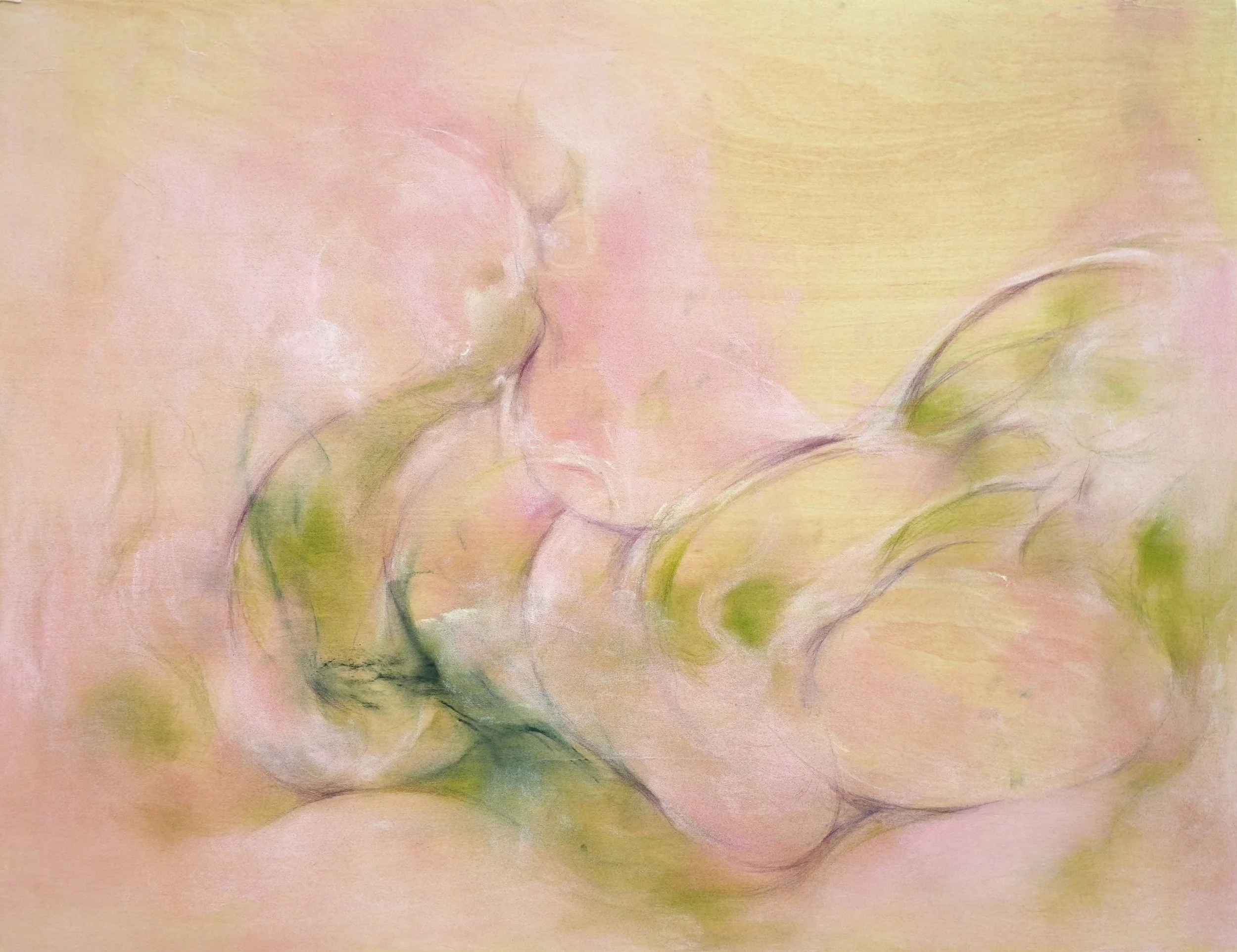
Yilin Zhang, The Fox Spirit, and A Trap of the Silver Dodder Blossom, 2026, soft pastel and pencil on wood panel, 14 x 18 inch, Image Courtesy of Yilin Zhang
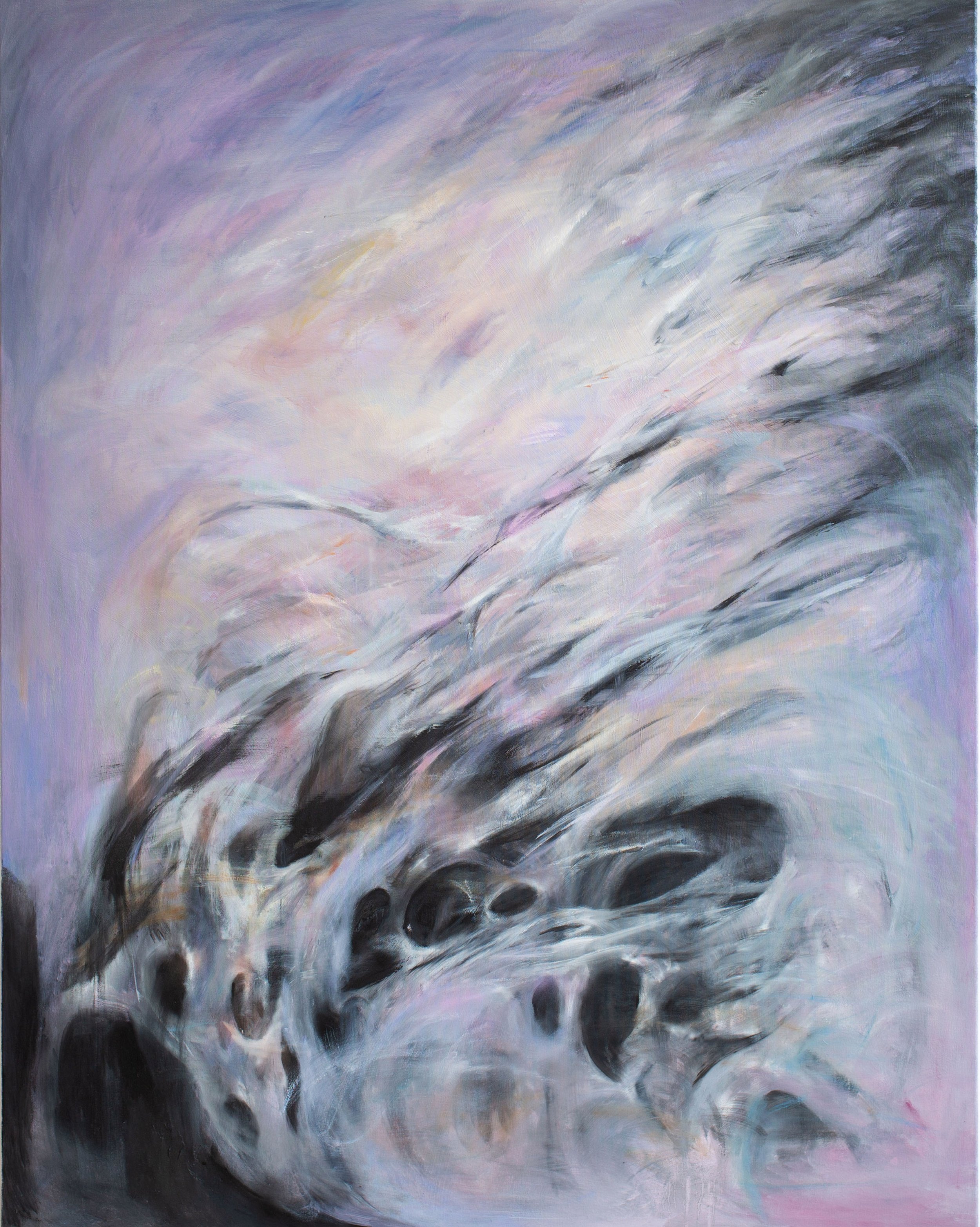
Yilin Zhang, Enchanted, 2023, oil on canvas, 120 x 150 cm, Image Courtesy of Yilin Zhang
Yilin Zhang:
From a young age, I've always been fascinated by things that seem fantastical, mysterious, and eerie. One particularly vivid memory is of a bookshelf in my elementary school library filled with books about paranormal phenomena and near-death experiences, most of which presented the mysteries of the supernatural from a scientific perspective. As a child, I would secretly read them with a mixture feeling of fear and a yearning for the unknown, as if these were secrets hidden under my pillow. Later, I got to know modern astrology. My Sun and Venus are conjunct in the 12th house, which represents 'all unseen realms'—the subconscious, dreams, prisons, mental hospitals, monasteries, mental illness… In classical astrology, the 12th house is even considered malefic, but for me, my initial encounter with astrology felt like a secret escape route, a code to another world. The existence of the 12th house seems to explain why I'm drawn to these things.
As for mythology and science fiction, I believe humans possess two extraordinary abilities: storytelling and drawing. For me, mythology, science fiction, or folklore are not entirely acts of fiction, or rather, fiction is not simply an escape from reality. Mastering narrative skills and imbuing things with meaning is something people have been doing since ancient times. Just as founders of tech brands tell stories to consumers, for me, storytelling and drawing are essentially acts of worldbuilding. But worldbuilding isn't as distant as the term itself seems. Wolf writes in Building Imaginary Worlds that children are captivated from a young age by worldbuilding games, such as constructing fortresses with different props or playing roles in a particular world. Many adults gradually lose this fascination as they grow up, but I think I still retain that element. The same applies to drawing. Drawing can be understood as a form of subcreation, as Wolf describes it; even the artist is like a 21st-century magician, with even the most 'realistic' works containing a deceptive narrative and an ambition to create reality.

Yilin Zhang, The Interrupted Dream, 2025, acrylic on linen, 120 x 80 cm, Image Courtesy of Yilin Zhang
Susie:
What are the differences between your creations of Fairy Child, Wild Rain and Enchanted series?
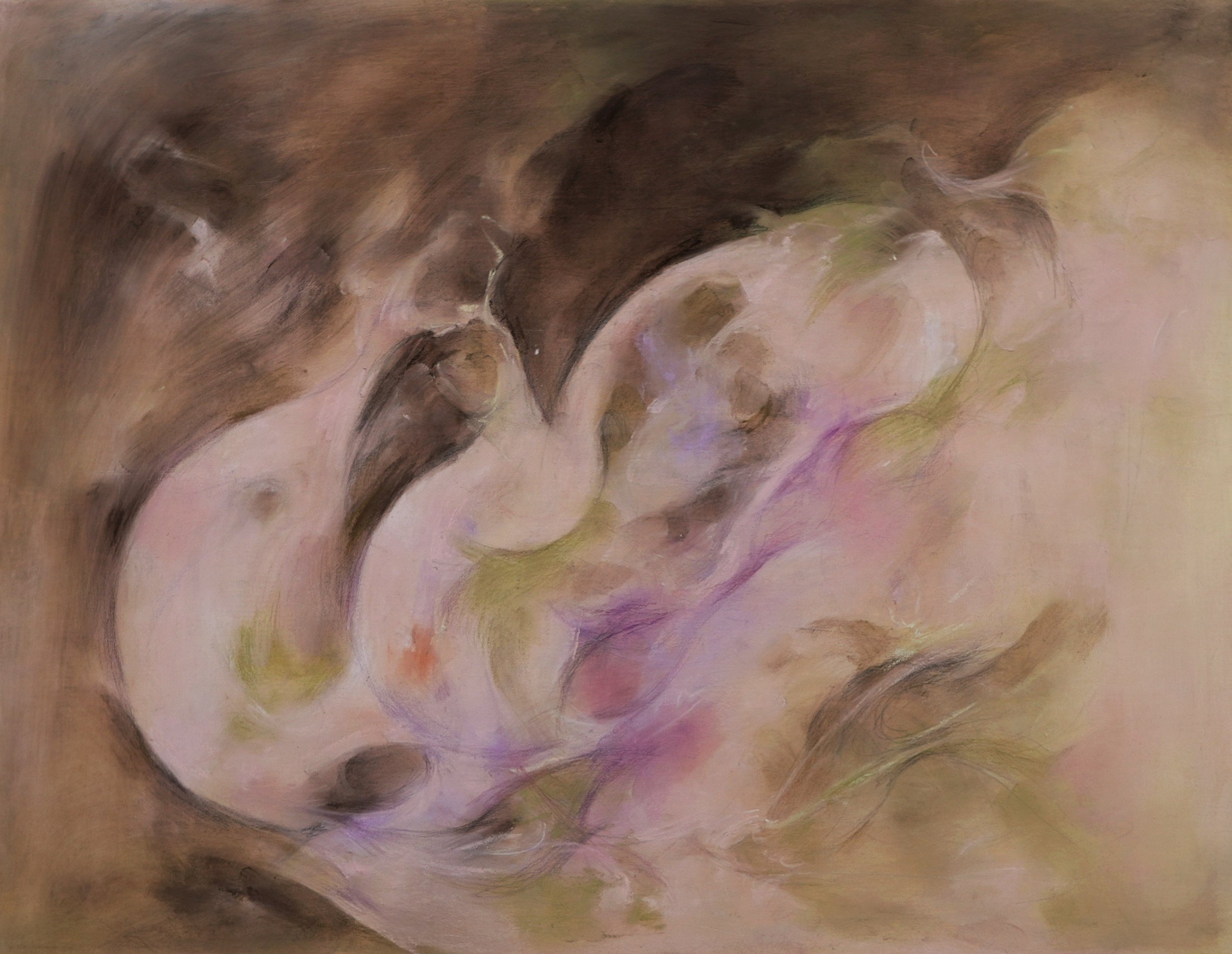
Yilin Zhang, Wandering in Repose with the Rabbit God, 2026, soft pastel and pencil on wood panel, 14 x 18 inch, Image Courtesy of Yilin Zhang
Yilin Zhang:
There are indeed significant differences, but let's start with the commonalities. My work from 2019 to the present has consistently explored the organic/semi-organic forms of living organisms. I enjoy the combination of mechanical, industrial materials with very fleshy elements; for example, for a period I was particularly interested in soft robots and dynamic sculptures. In other words, I'm interested in forms that exist between human and non-human life. However, on an emotional, affective, or impactful level, these two works are completely different.
When I created Enchanted series, I was studying in the UK. I chose that name because at that time I was fascinated by these alien-like bodies in a state of being under a spell or incantation. For example, I really liked Sun Yuan and Peng Yu's Can't Help Myself; to me, that giant mechanical arm looked very sad because of this terrifying feeling—the manufactured 'life' itself was unable to control or change itself. At that time, my feelings about violence and physical movement were relatively direct. This work was painted with oil paint and oilstick, and there were already many areas painted, but my understanding of the properties of oil paint itself was limited at the time. By the time I got to the Fairy Child Wild Rain series, I felt I had become much more complex, and my understanding of violence had changed. I seemed less obsessed with overt violence. Violence can be a seemingly gentle process; in fact, it is precisely extreme gentleness that creates violence. So this entire series is about gentle disasters, tender disaster, in English, which I came up with, but the disaster here comes from Maurice Blanchot's L’Écriture du désastre, where désastre (dis-star) signifies the fate of separation from the stars. Also, all these series have drawn inspiration from literature, but the specific literary sources have changed. The introduction to Enchanted mentions that this kind of strangeness is related to Dr. Frankenstein's monster, so it is indeed gothic literature. Then, in the latest Fairy Child series, I was more influenced by the descriptions of 'qing'—a non-Western emotion—in Ming and Qing dynasty literature and supernatural tales. Therefore, in the universe of 'qing' character in Ming and Qing dynasty Chinese literature, qing's affect constantly alters the boundaries of the body, often manifesting as interspecies love, such as the story of Xiangyu, a peony spirit, and Yinling, a fox girl, from Liaozhai.
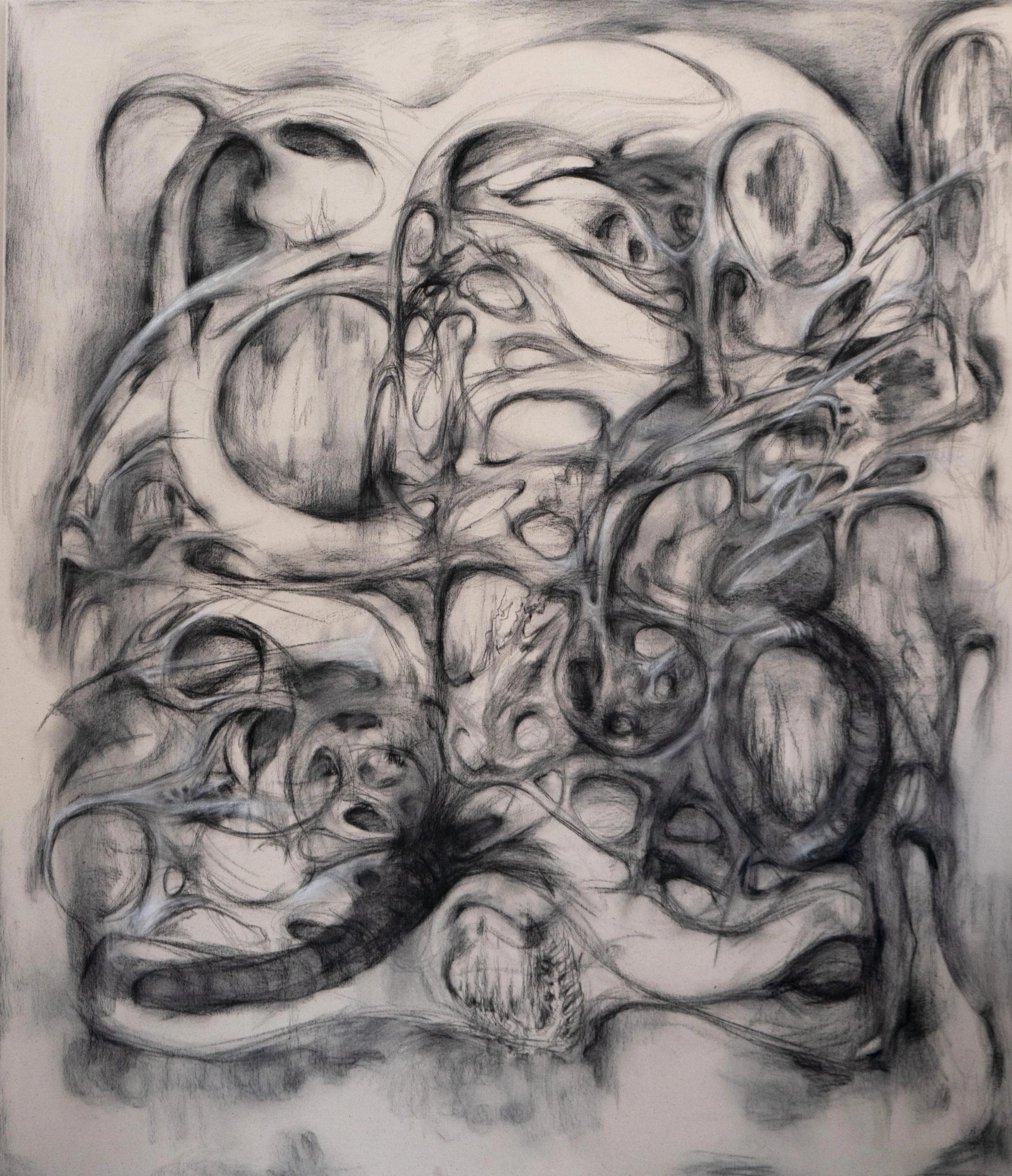
Yilin Zhang, Enchanted, 2023, graphite on canvas, 100 x 120 cm, Image Courtesy of Yilin Zhang
While creating this series, my grasp of my own painting language has evolved considerably. Although I believe my paintings can indeed be understood as abstract/semi-abstract, I am very aware that my creative process and techniques are very different from most abstract painters, especially Western abstract painters. For example, this kind of abstraction is not achieved through the stacking, blending, and splashing of paint and brushstrokes, nor is it like cold abstraction, which relies on geometric/flatness to control the structure and texture of the image. I approach the details of the painting with a more cautious approach. The feeling I want to convey—the mutual penetration, erosion, and engulfing of boundaries—is more in line with the materials I currently use: pastels, colored pencils, acrylics, and the mineral pigments I'm experimenting with. Therefore, the images you see now may not have the same striking visual impact as before, but rather appear gentle and sorrowful, beautiful yet unease.
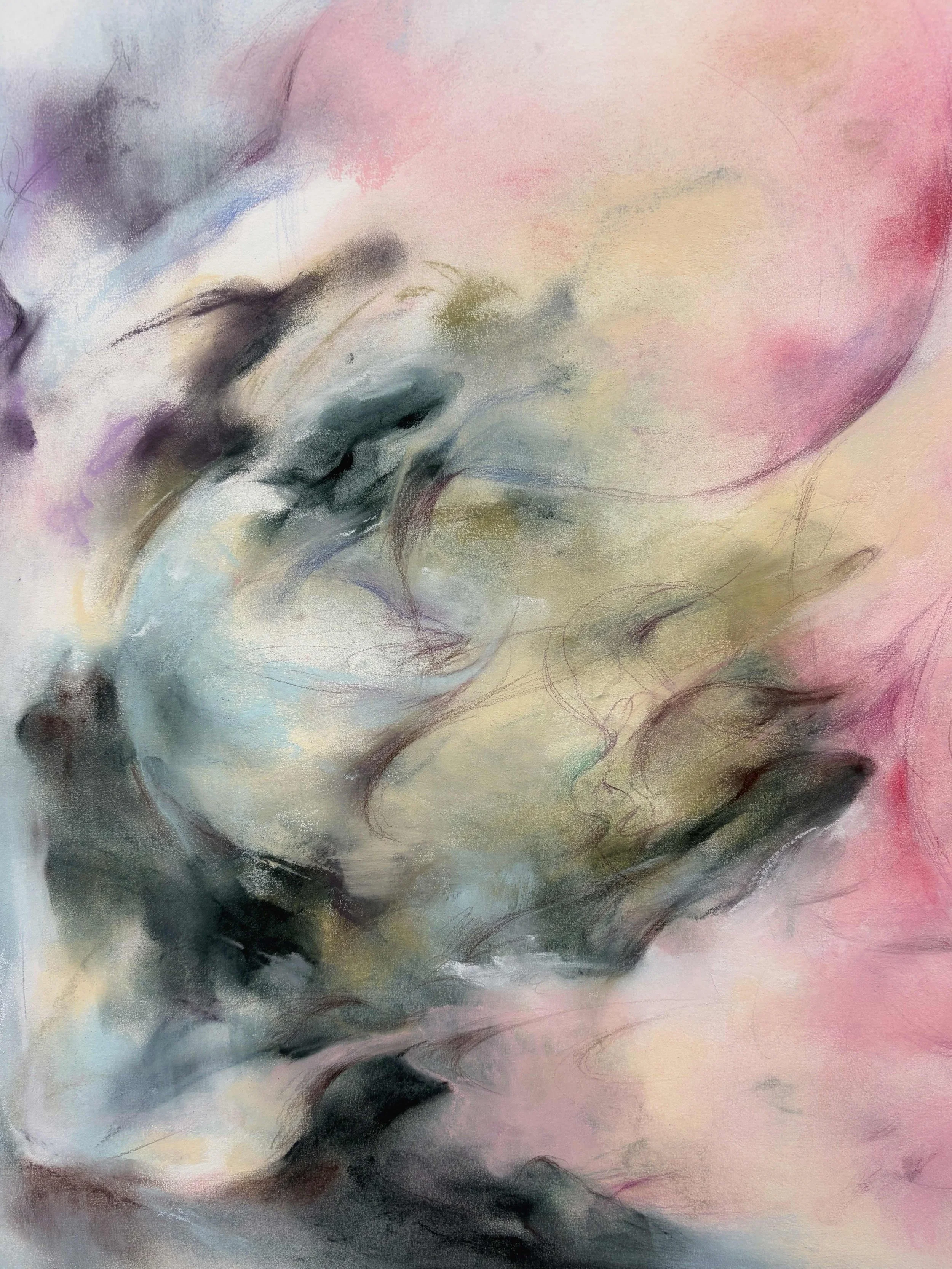
Yilin Zhang, This is how we lose the spell, 2025, soft pastel and pencil on paper, 76 x 57 cm, Image Courtesy of Yilin Zhang
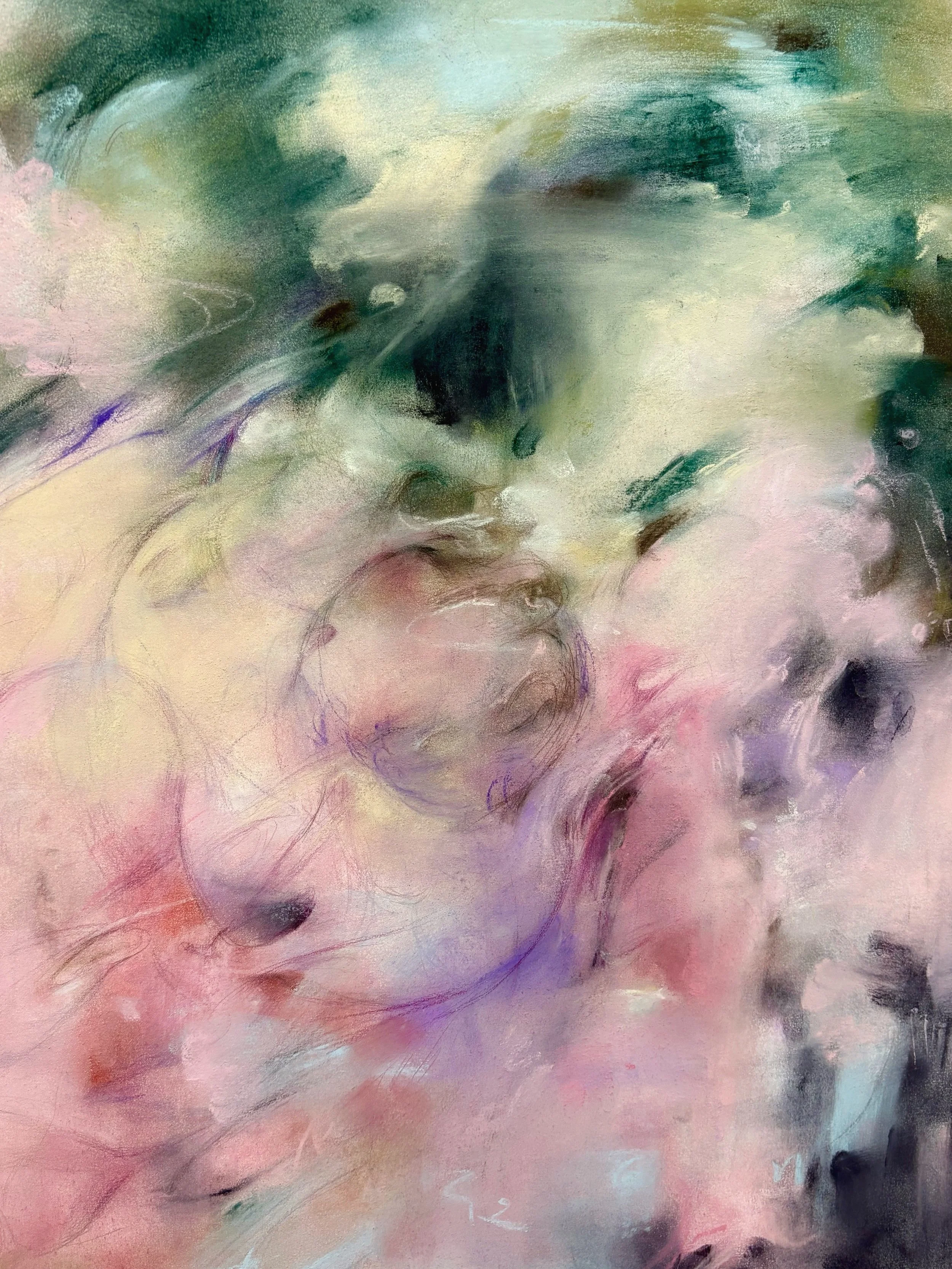
Yilin Zhang, This is how we lose the spell, 2025, soft pastel and pencil on paper, 76 x 57 cm, Image Courtesy of Yilin Zhang
Susie:
Have you conducted research on ancient Greek mythology, astrology, and tarot?
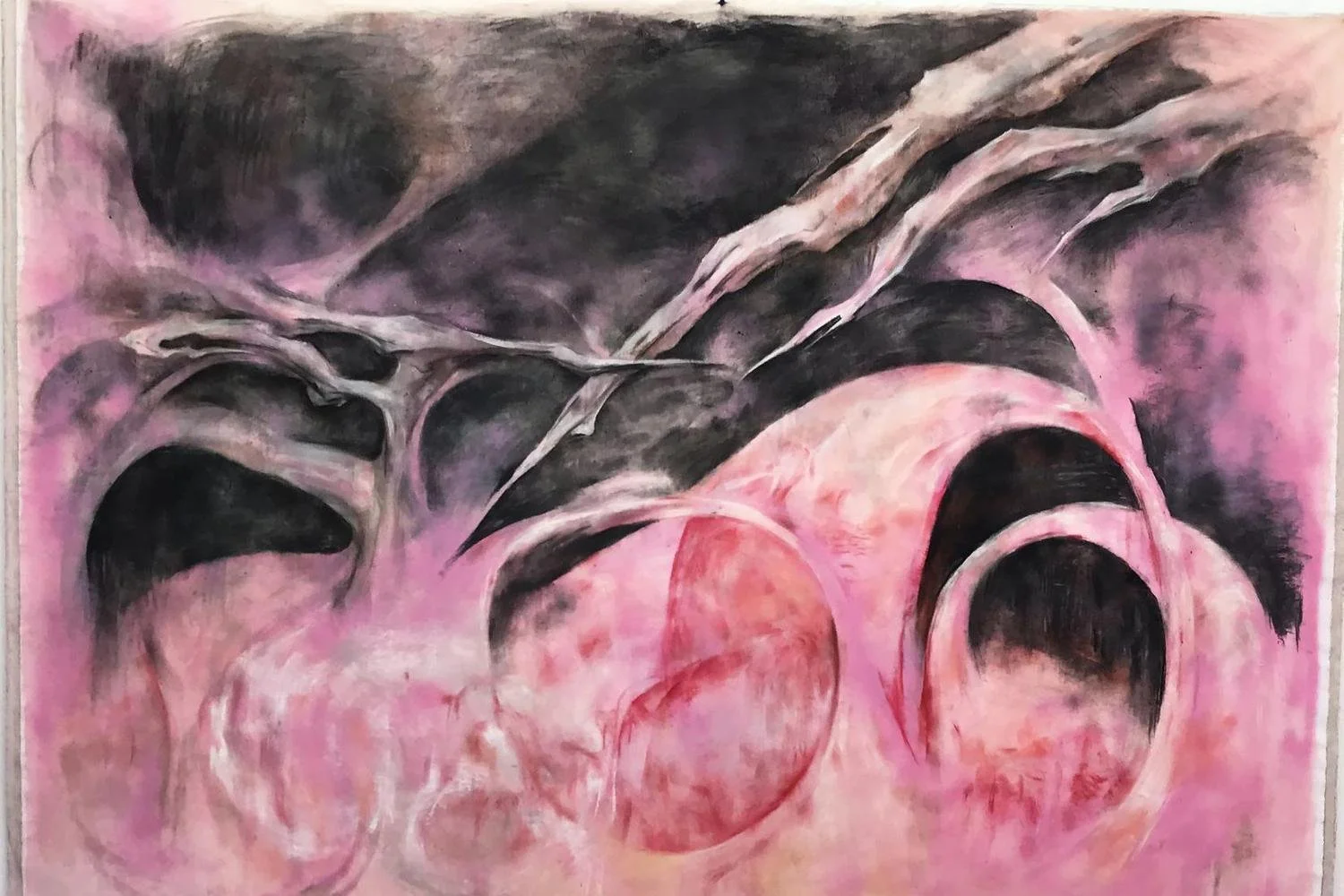
Yilin Zhang, Borderline, 2020, mixed media on canvas, 220 x 170 cm x 2, Image Courtesy of Yilin Zhang
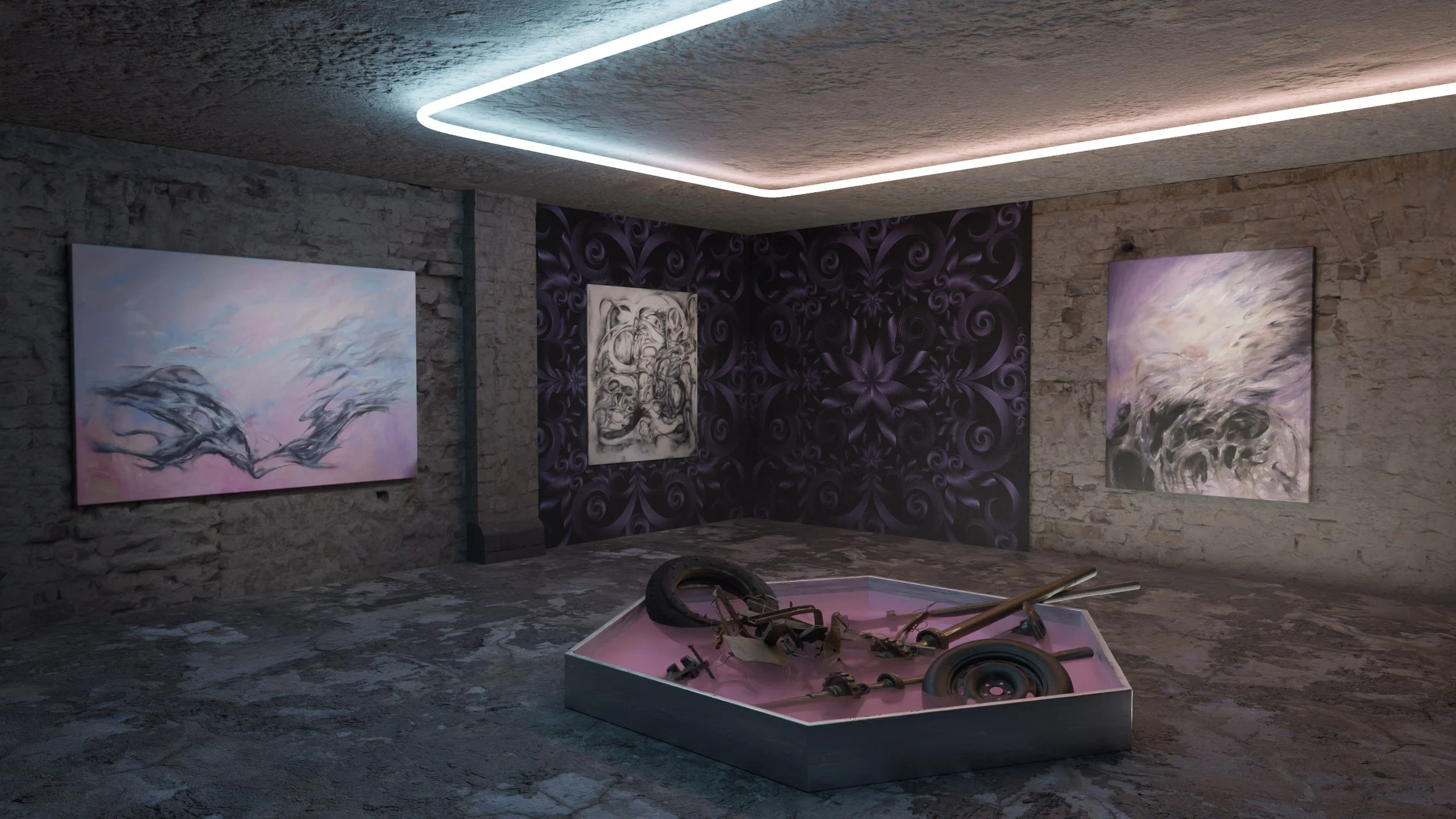
Enchanted, Exhibition View, 2023, Image Courtesy of Yilin Zhang
Yilin Zhang:
Yes, but probably mainly astrology and tarot. I have indeed been practicing astrology, tarot, and Eastern numerology for many years. My master's thesis at the Royal College of Art was about astrology as an alternative healing method. To be honest, I'm not an expert on Greek mythology, but myth has always fascinated me.
Susie:
Regarding art and healing, how do you understand healing in your 2019 work Go back ?
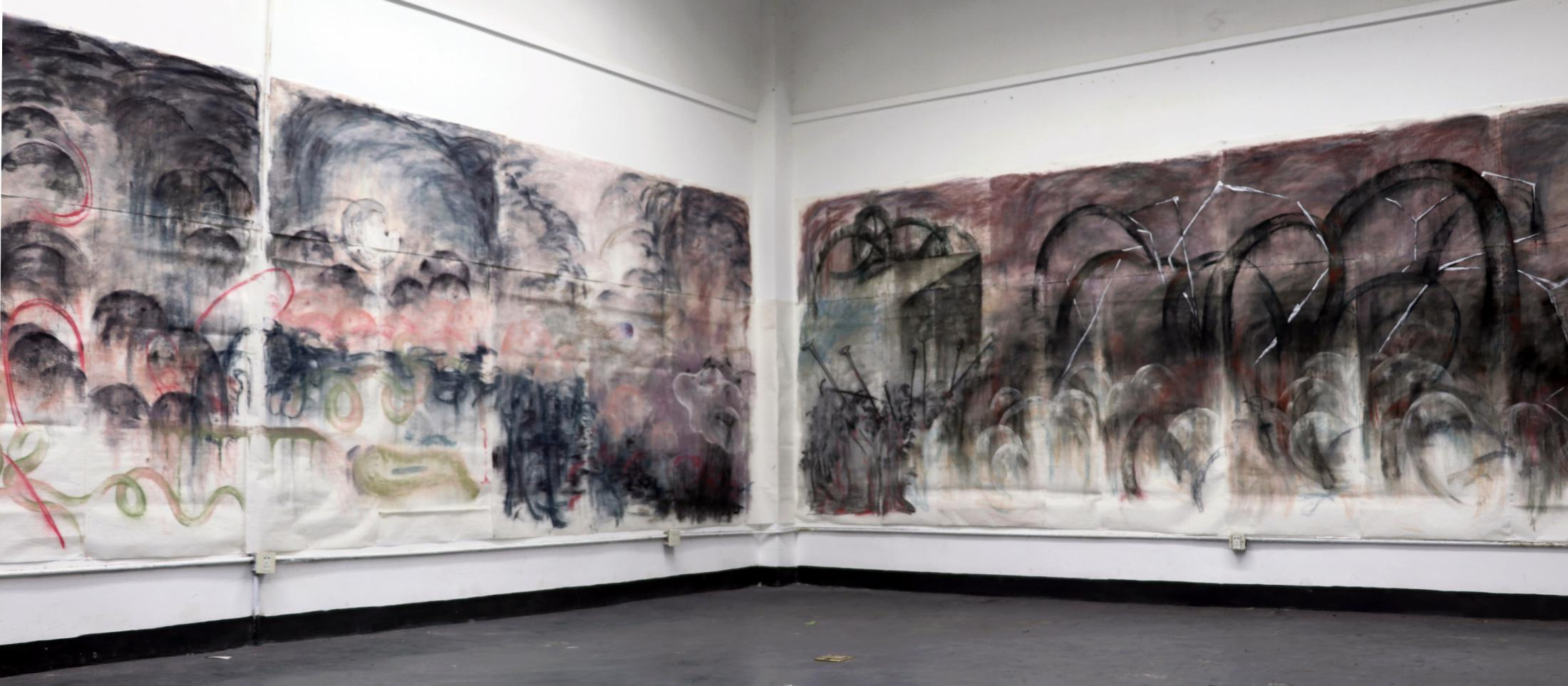
Yilin Zhang, Go back, 2019, graphite, pastel, pencil on paper, Image Courtesy of Yilin Zhang
Yilin Zhang:
I feel like my understanding was quite superficial back then. However, most of my work in the later stages of my undergraduate studies was about expressive art therapy and destigmatizing mental illness, taking many different forms; this is one of them. Actually, at the time, I felt unable to face many things in life, so this piece wasn't posted online much, and I eventually painted it over with white paint. Looking back now, it seems incredible—I painted an 11-meter-long picture and then painted it over. I remember when I was interviewing for schools in the UK, the teachers said I was very ambitious. But I don't think I'm ambitious. It's just that painting has revealed to me secrets about myself that I didn't even know existed.
Many of my inspirations at the time came from reading Carl Gustav Jung's The Red Book. He wrote that he would have each of his patients create a red book, in which all illusions could be preserved through symbols, metaphors, and personal myths.. During my undergraduate years, I also really liked the work of Louise Bourgeois; I remember the shock I felt when I saw her solo exhibition at the Long Museum. So, my understanding of healing at that time was probably very shallow—just summoning and pouring out pain and illusions, and then organizing them through visual language, though I myself couldn't face it, haha.
I may not use the word ‘healing’ very often now, and I'm less willing to have my work understood as art therapy... not because I think they're unimportant, but because I've passed that stage. And I want to distinguish my work from a potentially functional or medical sociological affirmative model.
Susie:
From China Academy of Art to Royal College of Art, and now you are studying for your Doctor's degree, do you feel any changes in your creative process or state of mind during this period?
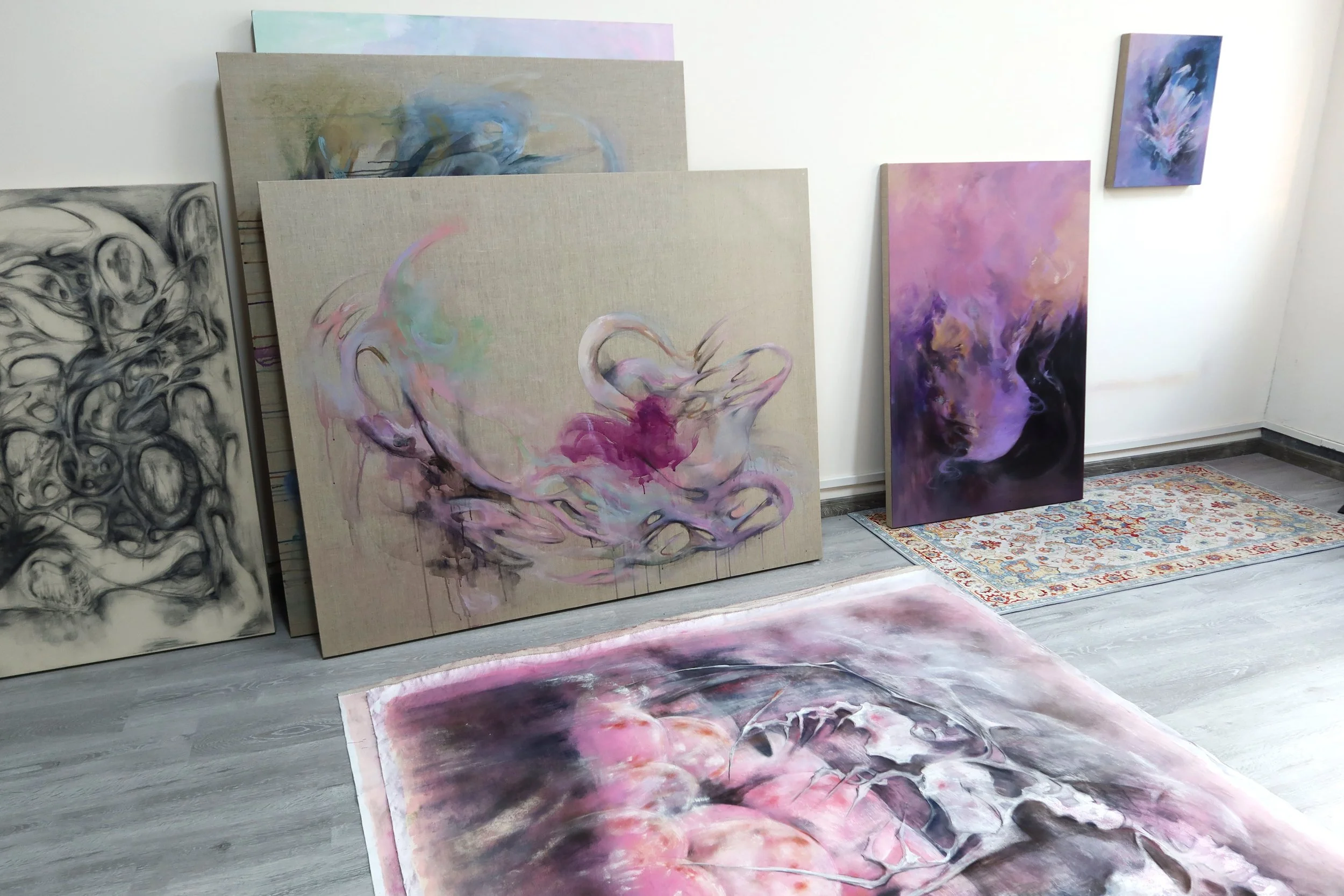
Yilin Zhang’s studio Image Courtesy of Yilin Zhang
Yilin Zhang:
This question is a bit broad, but there are definitely many changes. I don't think I'm the kind of creator who has always had an easy journey. Even during my undergraduate studies, I didn't feel like I had to become an artist. In the Chinese context, the word 'artist' seems too big and too distant. My time at China Academy of Art was probably the most carefree, because I didn't have the burden of 'I want to become an artist' at that time. Moreover, China Academy of Art was the first utopian environment in my life. I had previously attended a key high school in Jiangsu, where there were very few people studying art, and art was very much marginalized. When I arrived at China Academy of Art, I felt for the first time that everyone was studying art, and there were many strange people here, making me seem less strange. So I had a strong sense of belonging at that time. I felt that creation was more natural and free at that time. So, besides printmaking (my major), I also did oil painting, installation art, sound art, performance art, and even studied 3D and programming. For a period of time, I even did performance art in some underground scenes in Shanghai. I have always felt that China Academy of Art, or Hangzhou, is a part of my youthful memories. At that time, creating seemed to be on par with things like going to the 'garbage street' in Zhuantang at midnight to eat fried rice noodles and singing songs before climbing over the wall back to my dormitory. It was just a part of life.
Being at the Royal College of Art felt distinctly different, as it was a place where most people were unequivocally aware of themselves as artists, and London also gave me a sense of competitiveness. However, I seemed to be in a state of slow exploration and growth at that time. I found many memories of London to be painful, a haunted place shrouded in fog. In my later ethnographic works, I wrote that studying there felt like becoming a ghost in the classroom of the world's top art school. Whether I spoke up or not, expressed myself or not, it seemed as if I was not being seriously seen. Of course, this is just my personal experience.
After coming to the United States, I feel like I'm gradually becoming a more solid and settled version of myself. Reflected in my creative state, I feel like I can spend more time exploring and improving myself. My understanding of media has shifted from an exploratory state to a state of coexistence, such as living alongside painting and so on. Of course, this may be because the place where I'm pursuing my PhD in the United States is particularly rural (laughs).
Another thing is that pursuing a PhD has given me a very legitimate reason to write. Actually, I have always enjoyed writing, but as a visual artist, it seemed like this part was somewhat 'irrelevant to my main profession'. However, now as a PhD student, writing is also part of my main profession. Literature has returned to my life, which is the happiest thing for me since last year. Another thing is that the academic environment in the United States is very good. And I am at a public university in the south, where people are very simple, enthusiastic, and supportive. There are very few Chinese people in our art school, so whenever I go to an exhibition opening, I am always asked, 'How did you end up here?' I feel like the locals here look at me as if I am some kind of alien from outer space, haha. A rather memorable impression is that last semester when I said I was researching monsters, my American classmates joked that we were a house of little monsters.
Susie:
What themes would you like to explore in your future work?
Yilin Zhang:
Actually, I probably won't have many new themes to explore for a while; I want to slowly continue with my current Fairy Child series. Unlike before, I'm not exploring different media and creative themes as much anymore. I feel like I'm currently entangled, dealing only with the themes that are important to me at this stage. However, I will be exploring materials and creative language more. Since coming to the US, I've taken a painting class for the first time, because I was previously in printmaking and hadn't taken any painting classes before. I really like my current teacher's philosophy that painters are alchemists, so they need to spend every day in the lab (studio). To truly explore painting itself, you need to delve deeper rather than expand outwards, so my recent explorations will focus on the materiality of painting language and materials. I really like the texture of some sculptures and textile works, especially soft sculptures, kinetic and mechanical sculptures. I think sculpture, compared to painting, is easier to create a material state that confronts fragility and strength. If I finish my current painting or hit a bottleneck, I might try this direction. Besides this, I've started catching up on Chinese art history, literature, and visual culture, and I'm particularly interested in the Song and Ming-Qing dynasties. Spending a long time abroad can lead to confusion about one's identity, history, and culture. Back in China, I was interested in Western philosophy, especially postmodernism and post-structuralism, but after going abroad, I realized that Western philosophical theories didn't address my specific questions. Now, I feel increasingly ignorant about China's own painting and literary traditions. Also, the new series includes written works (mainly novels), so I will continue writing.