Curating Visibility
Shuhan Zhang on Curatorial Methods and Value Production in Platformized Contexts
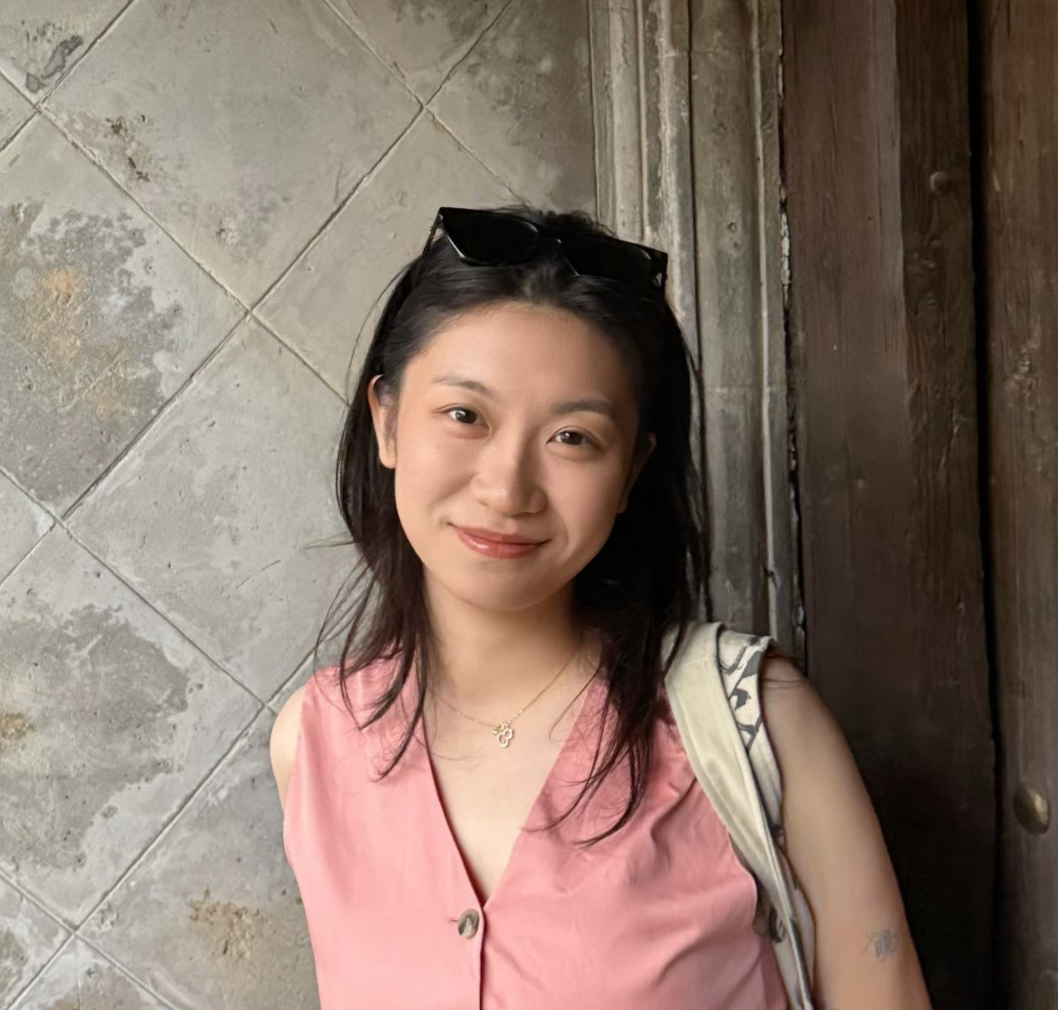
Shuhan Zhang is a curator, art writer, and researcher whose practice spans exhibition-making, art publishing, emerging artist research, digital communication, and the art market. Her work examines how art is viewed, interpreted, and assigned value across different institutional and media environments. She co-founded the art platform ArtEchive and serves as its editor-in-chief, developing ongoing forms of documentation and discussion through artist interviews, critical writing, thematic research, exhibitions, and archival projects. As an independent curator, she also initiates exhibitions and cross-cultural collaborations in different cities, exploring the relationships among artists, institutions, audiences, and broader public contexts.
This August, Zhang will curate After Throwing at E.SCAPE Art Space in Shanghai. Drawing on Iris Marion Young’s phenomenological research, the exhibition begins with the bodily act of “throwing like a girl” to examine how gender norms shape movement, perception, and the experience of space. By focusing on the body after the act of throwing, the exhibition considers how gestures and habits that appear natural are formed through social structures, family relationships, care, age, and everyday spatial experience.
These concerns also inform Zhang’s long-term research on visibility. For her, visibility is not only about whether an artwork receives attention, but also about how it is interpreted, how artists enter the evaluative systems of institutions, media, and markets, and how attention is distributed and transformed through curating, writing, digital platforms, and social relationships. Curating is therefore not simply a practice of display, but also a way of organizing relationships, producing knowledge, and intervening in processes of value formation.
Beginning with the curatorial methods behind After Throwing, this conversation explores how Zhang translates bodily experience into spatial relationships, negotiates the tension between theory and artworks, and connects these questions to platform visibility, art communication, and value production. How artworks become visible, who interprets them, and how they enter longer-term cultural memory remain central concerns across her curatorial, writing, and platform practices.
April Liu: Compared with the title of Iris Marion Young’s “Throwing Like a Girl,” After Throwing appears to shift the focus toward a broader context and open up further discussion and reflection. What does “after” mean to you?
Shuhan Zhang: “Throwing Like a Girl” provided an important theoretical starting point for the exhibition, yet I wanted the project to move beyond a visual restatement of this classic text. Young examines how gender norms enter the body, producing hesitation, contraction, and self-limitation in women’s movements. She argues that women both engage with the world through their bodies and view their bodies from an external perspective, occupying the positions of acting subjects and observed objects at the same time. What interests me most is whether this division persists after the action has taken place.
After Throwing does not describe the successful mastery of a correct throwing technique or a linear journey from oppression to freedom. The ball has already left the hand, yet the body still carries the aftereffects of the movement: the breath has not fully settled, the gaze continues to follow the ball, and the arm has not completely withdrawn. The action has occurred, while the relationships between the body and itself, space, and the gaze of others remain unstable.
“After” therefore points to a suspended temporality that accommodates repetition, withdrawal, hesitation, and incompletion. The exhibition stays with this moment before integration, reconsidering subjectivity and dignity. Dignity may emerge through strength, as well as through acknowledging division and developing the capacity to reinterpret one’s own circumstances.
April Liu: How do you negotiate the relationship between theory and artworks in your curatorial practice while preventing the works from becoming mere illustrations of theory?
Shuhan Zhang: This is a concern I remain highly attentive to throughout the curatorial process. When a curator begins with a complete and closed theoretical framework and then searches for works that can support it, artistic practices can easily be reduced to examples serving an argument, while aspects of the works that extend beyond the curatorial theme may be overlooked.
My method is closer to a form of back-and-forth research. Theory helps me formulate questions, while artworks, materials, and on-site experience continually revise the theory. In After Throwing, Iris Marion Young’s discussion of bodily hesitation and spatial restriction provided an important starting point. The selection of works was primarily based on how artists engage with the body, materiality, space, care, trauma, and relations of viewing, rather than on whether their works directly corresponded with Young’s theory.
I pay attention to how the body appears within a work, whether it is acting, pausing, or waiting; how the work rearranges the positions of the viewer and the viewed; and whether its materials retain traces of touch, wear, mending, or use. These questions remain connected to theory while preserving the complexity of the works themselves.
Through engaging with specific works, I found that bodily restriction can take many forms, including contraction, stillness, exaggeration, repetition, decoration, humor, and excessive exposure. Artists may also use materials, images, and performance to translate, negotiate, or reject bodily norms, demonstrating their agency in relation to disciplinary structures.
The value of research lies in allowing concepts to become more precise through their encounters with artworks. Works also need to retain the capacity to resist the curatorial framework. The elements that cannot be fully absorbed into the curatorial argument often reveal the limits of the concept itself.
I try to preserve three levels of analysis: how artists interpret their own practices, what the works actually present through their forms and materials, and what effects the works produce after entering exhibition, media, and institutional environments. These levels may support one another or diverge. Curators and researchers need to present these differences so that the artworks, the artists’ own accounts, and the curatorial interpretation can each retain their integrity.
April Liu: Based on After Throwing and your account of it, you do not seem to understand curating as simply selecting works around a theme. What, for you, is curating actually doing?
Shuhan Zhang: I increasingly understand curating as the organization of relationships rather than merely the selection of artworks. These relationships include those among artworks, space, texts, and audiences, as well as the relationships connecting artists with institutions, communication media, market systems, and public discussion.
Curating certainly involves constructing a narrative, but that narrative should not simply be a single storyline written in advance by the curator. It should also be capable of accommodating contradictions, ruptures, and inconsistencies among the works.
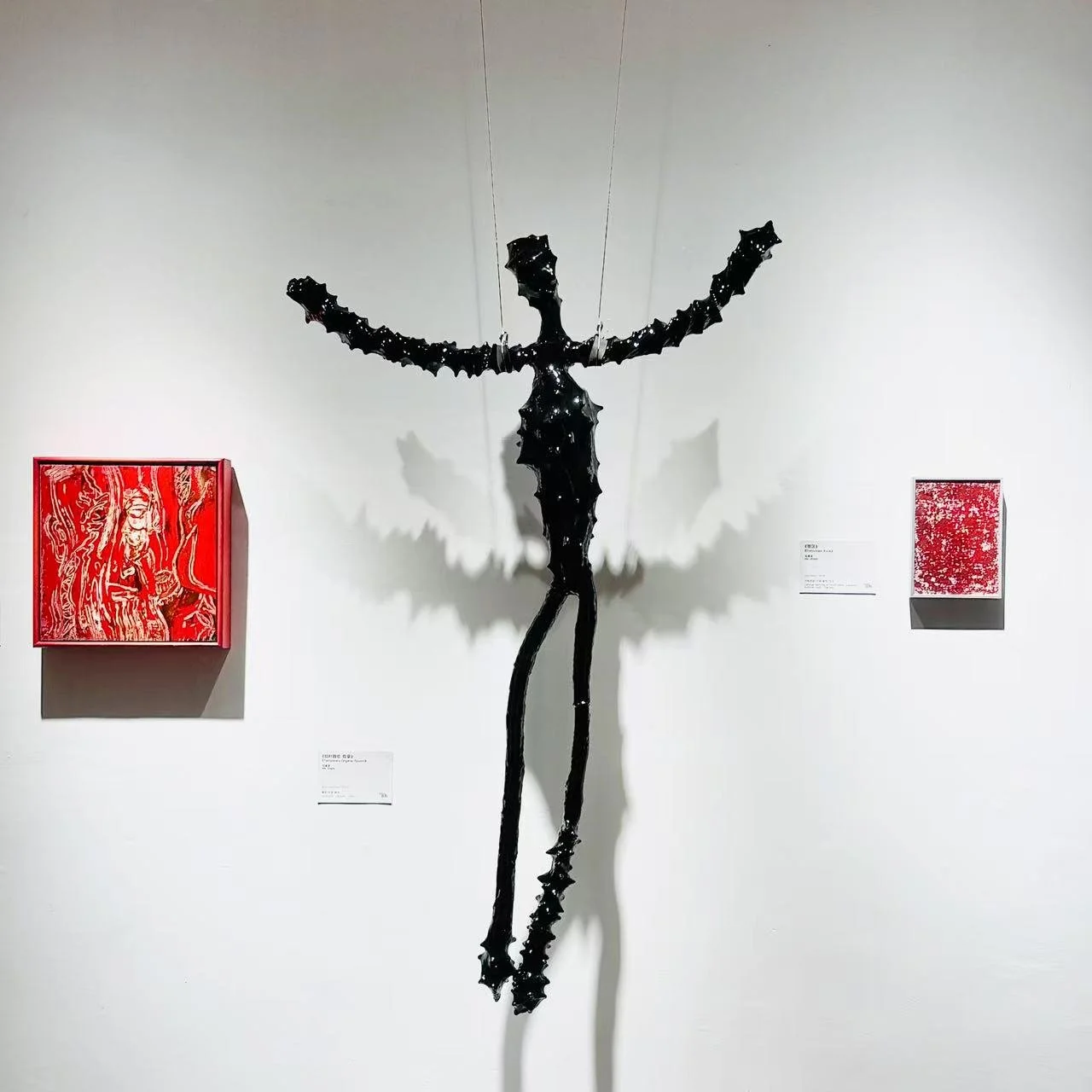
Installation view of Learn to Fly, co-curated by Shuhan Zhang, E.SCAPE Art Space, Shanghai, 2024. Courtesy of the curators.
In After Throwing, I did not want all the works to collectively illustrate a unified female experience. Women’s bodily experiences are shaped by class, age, cultural background, and family structure, and cannot be compressed into a stable narrative of identity.
Curating is therefore not about eliminating differences, but about establishing a structure in which differences can appear together.
I believe the core of curatorial work is deciding which relationships are worth establishing, which relationships need to maintain a certain distance, and which conflicts should not be easily resolved. The curator is not the person who provides the sole interpretation of the artworks, but someone who creates the conditions in which different interpretations can emerge.
In this sense, curating also involves power. Curators select who enters an exhibition, determine how works are viewed, and provide language for certain experiences, while inevitably excluding other works and narratives. Curatorial methods must therefore include reflection on the curator’s own position. Curators do not only organize artworks; they also distribute space, interpretive resources, and visibility.
April Liu: You describe curating as a research method. How is it different from conventional academic research?
Shuhan Zhang: Curating is not merely a form through which research results are presented. It can also participate in posing questions, organizing materials, and testing relationships. Exhibitions allow images, objects, sounds, texts, archives, and bodily experiences to be placed together within the same space. Different materials do not need to be completely translated into a single language. This allows curating to produce forms of knowledge that may be difficult to generate through an academic paper alone, including spatial knowledge, perceptual knowledge, and relational knowledge.
However, this nonlinearity does not mean that curating can lack logic. On the contrary, research-based curating requires a more rigorous distinction among different kinds of relationships: which connections derive from historical facts, which come from artists’ explicit statements, which are based on material or formal similarities, and which are interpretive hypotheses proposed by the curator.
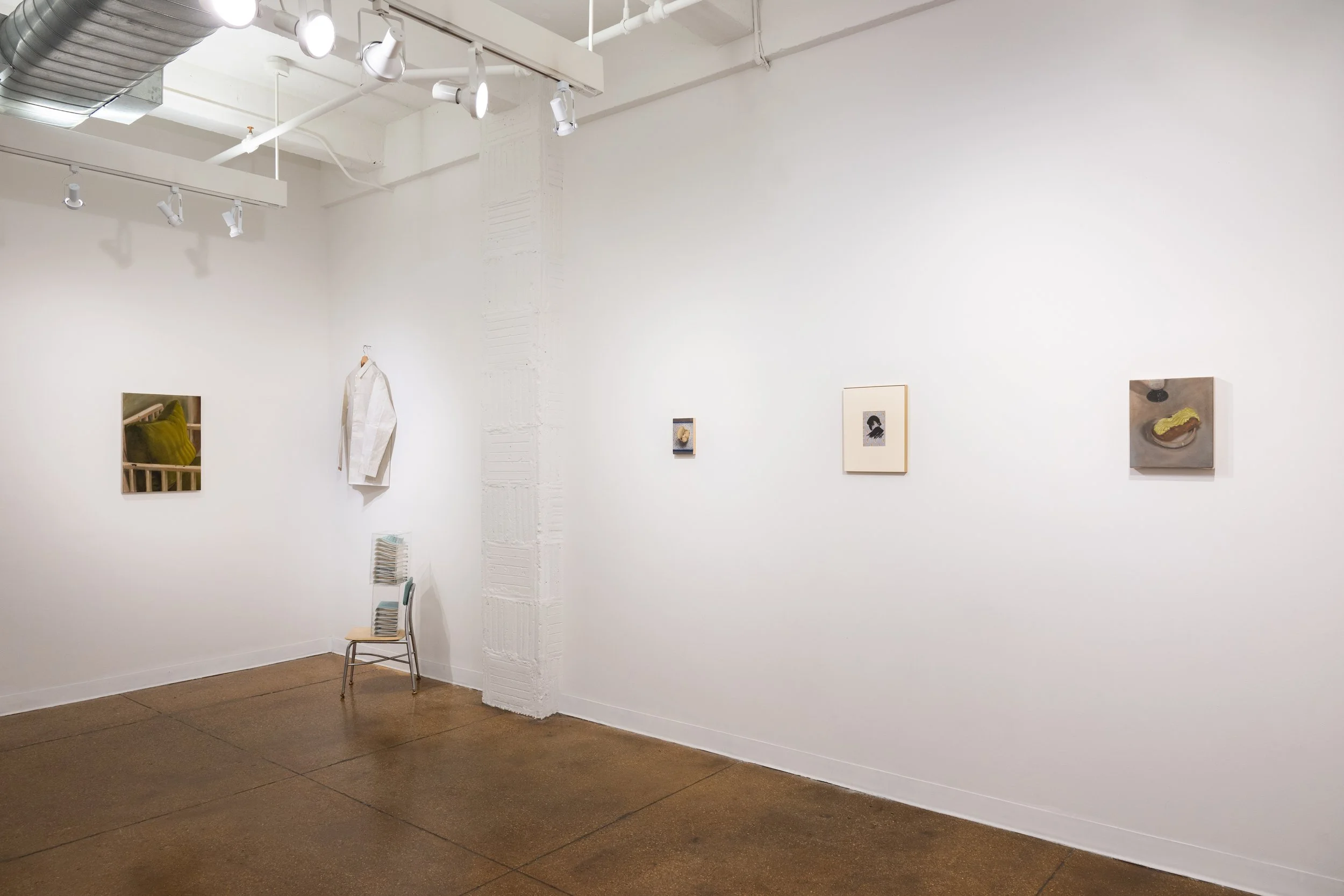
Installation view of The Bitterest Ice Cream, curated by Shuhan Zhang, FLOHAUS Gallery, New York, 2026. Courtesy of the curator.
I also distinguish between “research-based curating” and “the decoration of research.” Including large amounts of literature, timelines, or theoretical terminology in an exhibition does not automatically make it research-based. The key question is whether the research question has genuinely altered the selection of works, the spatial structure, the form of the texts, and the audience’s route through the exhibition.
For me, an exhibition is a hypothesis that can be tested. The curator proposes that a certain relationship may exist among the works and then observes, through spatial presentation, whether that relationship can be perceived, whether it produces new understanding, or whether it reveals problems in the exhibition space.
The knowledge produced through curating also needs to be documented. After an exhibition ends, its spatial relationships disappear, and audience experiences are difficult to preserve in their entirety. Interviews, images, reviews, on-site observations, and archival construction are therefore not supplementary tasks. They are important means through which curatorial research can continue to be discussed.
April Liu: After Throwing discusses how women become aware that they are being watched. How does your understanding of “visibility” relate to this condition of being viewed?
Shuhan Zhang: There is indeed a connection between the two, although they operate at different analytical scales. In After Throwing, being watched is first understood as a bodily experience. While acting, a woman may simultaneously imagine how her body is being evaluated from the outside. She acts through her body while also treating it as an object being observed. This division changes the way an individual uses space.
When I extend this question into the art ecosystem, I begin to ask whether artworks and artists, after entering public space, also continually adjust the ways they appear because they anticipate external evaluation.
Artists certainly have agency, but they also know which kinds of works are more likely to be selected by institutions, which kinds of images are more suitable for social media, and which kinds of personal narratives are more likely to be used by the media. Over time, external mechanisms of viewing may enter into the internal processes of artistic creation and self-representation.
Visibility is therefore not simply a matter of communication after a work has been completed. It may also influence artistic, exhibition, and career decisions in advance.
From the gaze directed at women’s bodies to the ways artists and artworks are viewed by institutions, platforms, and markets, I am concerned with how viewing is transformed into an organizing force. It not only determines what people see, but also influences how those being viewed act, explain themselves, and imagine possible futures.
April Liu: How do you define “visibility” in your research?
Shuhan Zhang: I understand visibility as the conditions and processes through which artistic subjects enter public perception, interpretive systems, and networks of value.
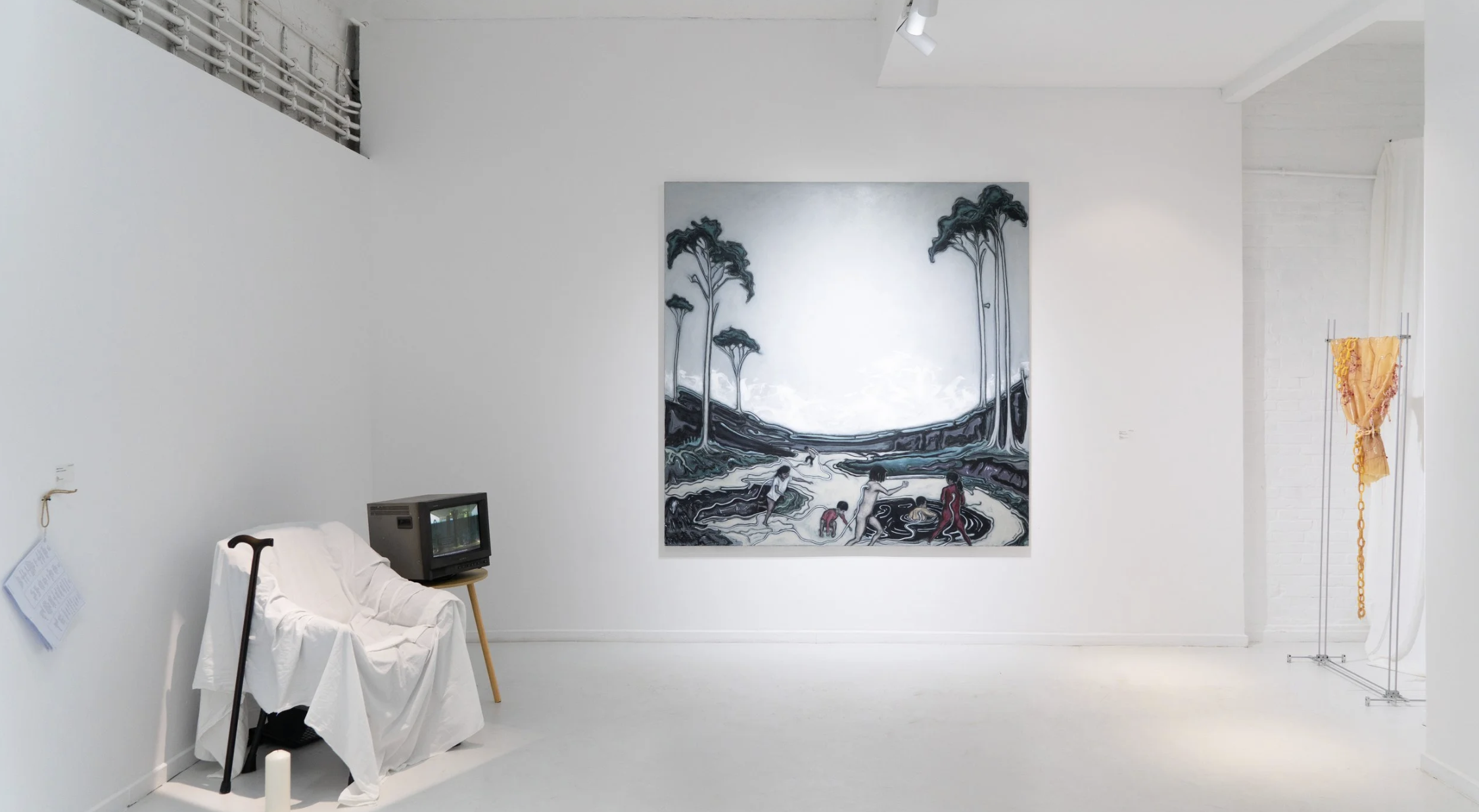
Installation view of Spreading Growth, co-curated by Shuhan Zhang, Bonian Space, Beijing, 2025. Courtesy of the curators.
I distinguish four interconnected levels. The first is access visibility: whether a work has the opportunity to be seen. The second is interpretive visibility: whether it receives sufficient contextual support through interviews, curatorial texts, criticism, or archives. The third is institutional visibility: whether an artist gains sustained recognition from institutions, curators, galleries, and researchers. The fourth is transformative visibility: whether attention develops into exhibitions, collaborations, collections, research, or career opportunities.
These levels do not form a linear progression. High visibility does not necessarily lead to institutional recognition, and institutional exposure does not automatically create a stable market. Visibility is therefore not an inherent quality of an artwork, but a condition produced through media, space, relationships, and institutional judgment.
April Liu: What kind of method does your concept of “visibility curating” describe?
Shuhan Zhang: For me, “visibility curating” remains a working concept rather than a closed theoretical model. It describes an expanded curatorial perspective in which curators not only organize the spatial relationships among artworks but also consider how works enter public view and how exhibition meanings are selected, compressed, amplified, and reinterpreted across different communication environments.
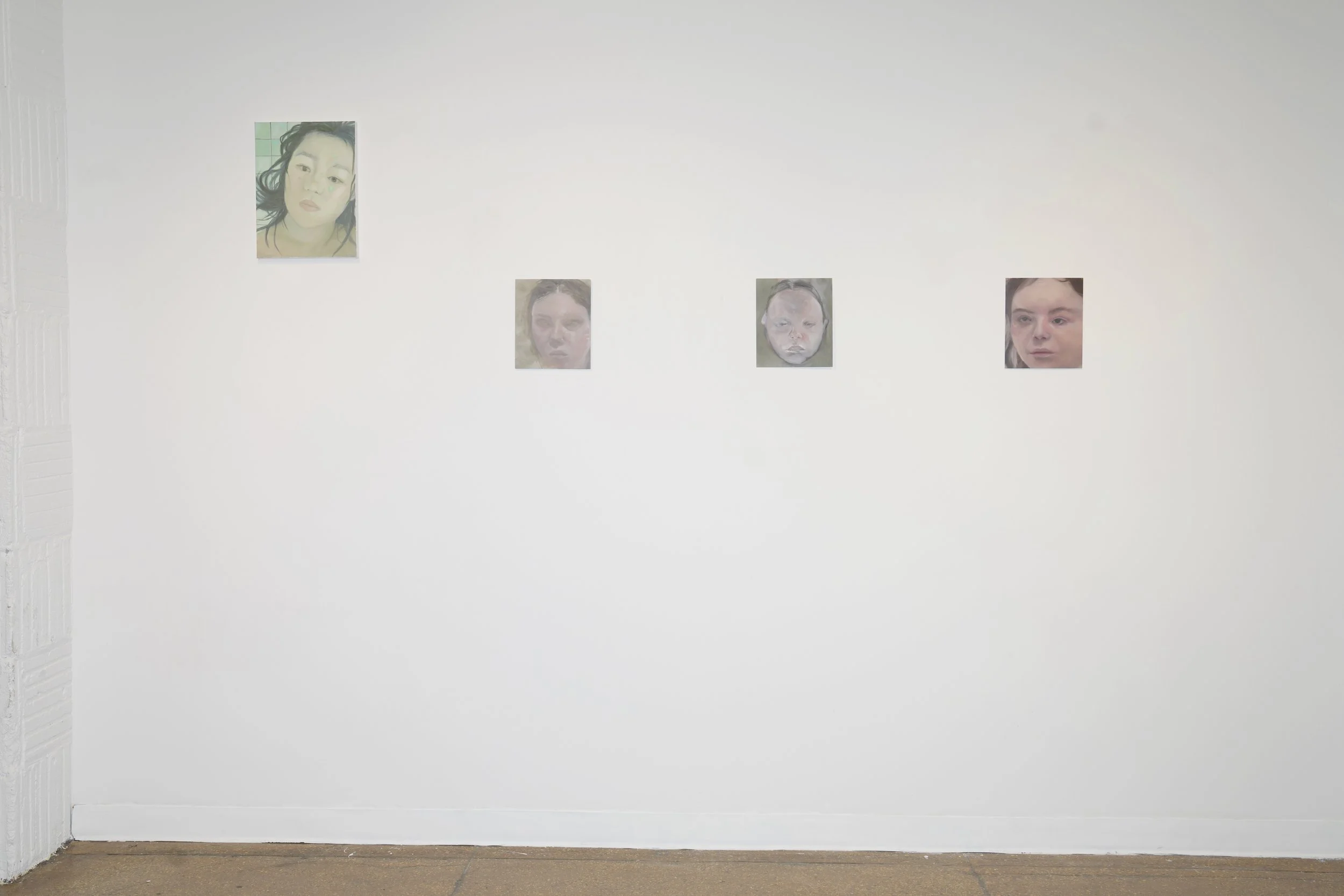
Installation view of After the Face, curated by Shuhan Zhang, FLOHAUS Gallery, New York, 2026. Courtesy of the curator.
I usually analyze a project through six stages: production, selection, framing, distribution, reception, and transformation. These stages examine the conditions under which artists create, why certain works are selected, how exhibitions provide interpretive frameworks, how works reach audiences, how they are received and recirculated, and whether that attention is transformed into reputation, collaboration, sales, research, or archival value.
Together, these stages form a “visibility chain.” It helps curators identify where a work gains opportunities and where it may be simplified, obscured, or misinterpreted. Visibility curating does not seek maximum exposure; rather, it asks curators to remain attentive to how an exhibition’s meaning shifts across different stages of circulation.