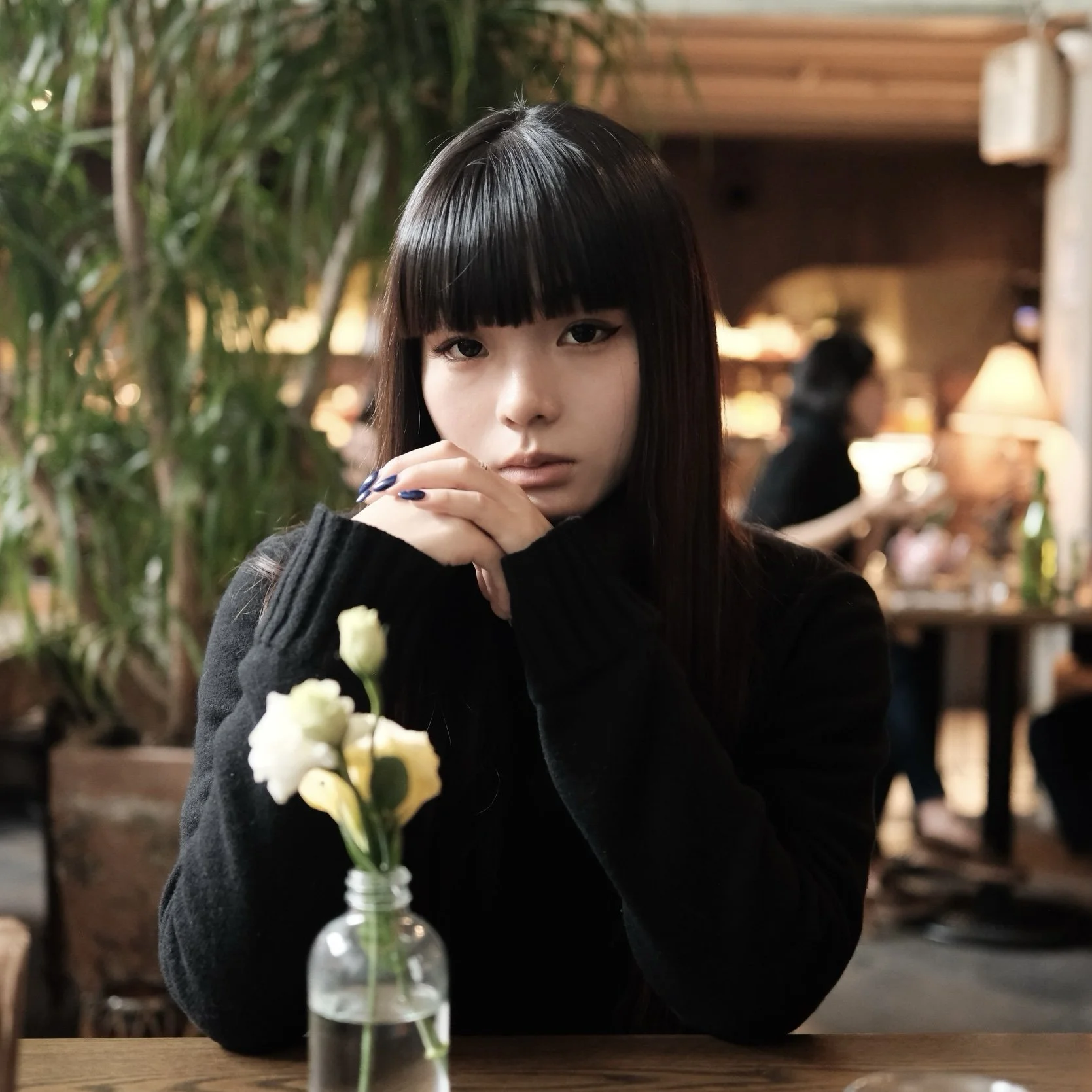
People, Places, Feelings
A glimpse of Nanjing and California through the lens of Chenyang Zhou
Chenyang Zhou is a photography artist who earned a Bachelor of Arts degree in Art from University of California, Davis. Dedicated to analog photography, he uses a poetic narrative perspective to observe and explore the relationships between people and their environments, memory and reality.
Susie:
In your early photography series Tunnel Journey (2020-2022), you documented immigrants from China and the United States in black and white photography, photographing in different countries. What are your feelings about documenting this series?
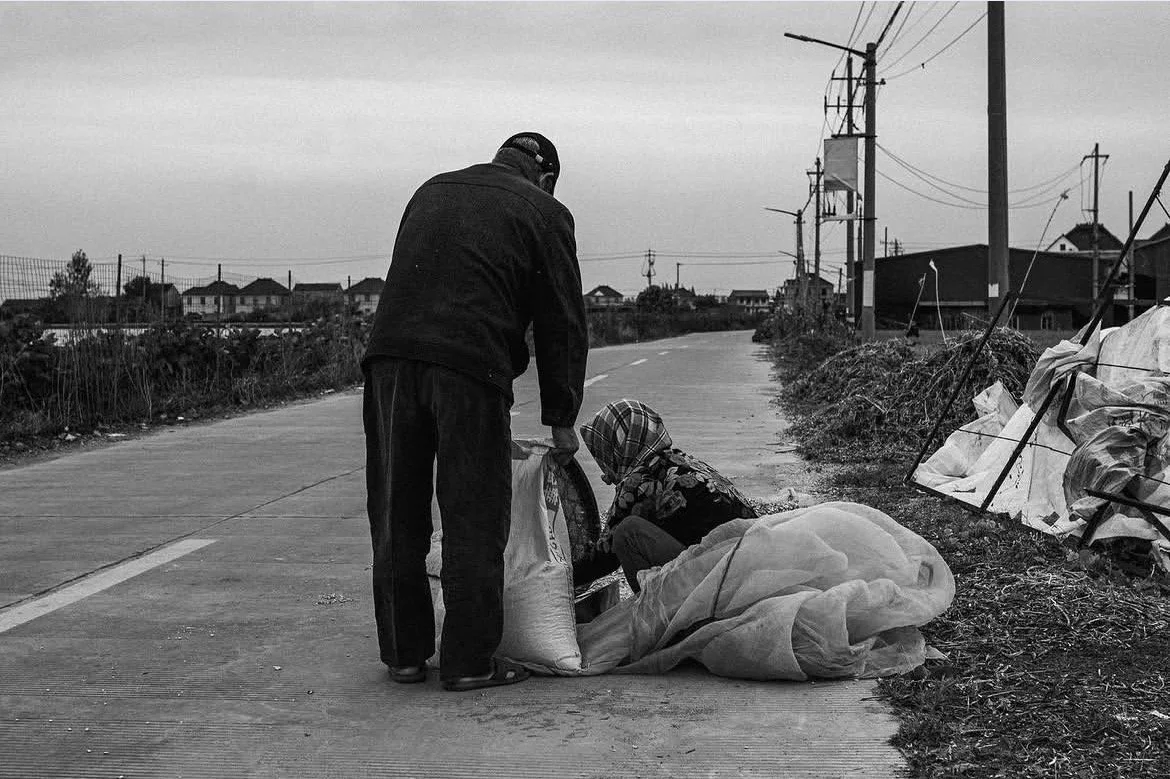
Chenyang Zhou, Countryroad, 2021, Inkjet Print on Matte Paper, 8*10 inches, Image Courtesy of Chenyang Zhou
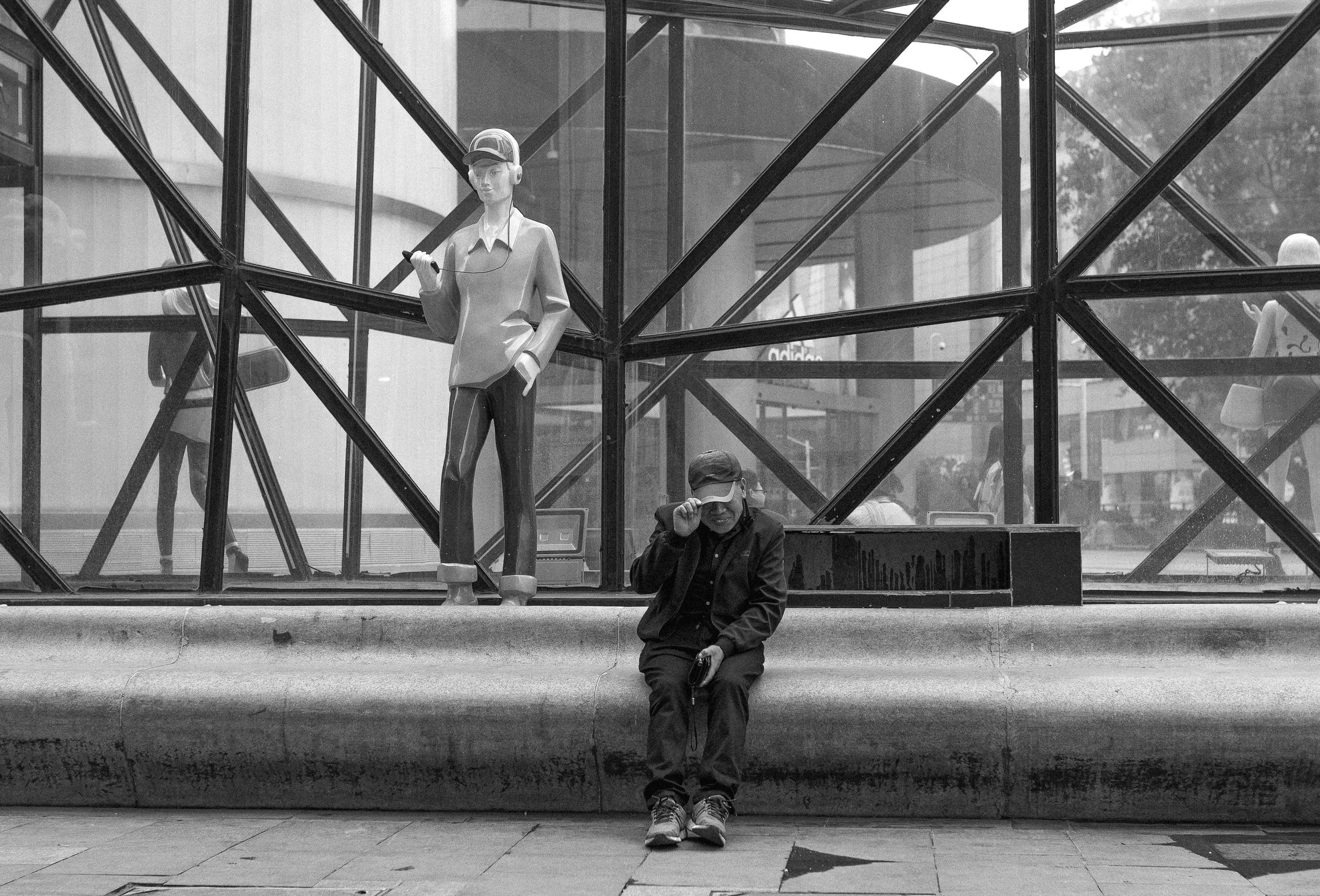
Chenyang Zhou, A Man at a Shopping Complex, 2021, Inkjet Print on Matte Paper, 8*10 inches, Image Courtesy of Chenyang Zhou
Chenyang Zhou:
From my current perspective, my most immediate feeling is that 'the photography I was doing at that time is what I am now trying to abandon, especially after realizing that almost all of my photography is a reflection of my inner self.' This series was captured and sorted based on my feeling of being 'in the middle' between my hometown and a foreign land, from high school to college in the United States, however, it is hard for me to approach either destination. As for the reason for using the symbol of 'tunnel', firstly, the tunnel itself is a place that connects two locations, and its internal space allows for the travel and migration of people or vehicles. I always imagine that all 'two places' can actually be connected by a tunnel. Secondly, the environment inside the tunnel is often dark with mystery and uncertainty. If a tunnel is long enough, then the person traveling through it will not know where the other end leads to.
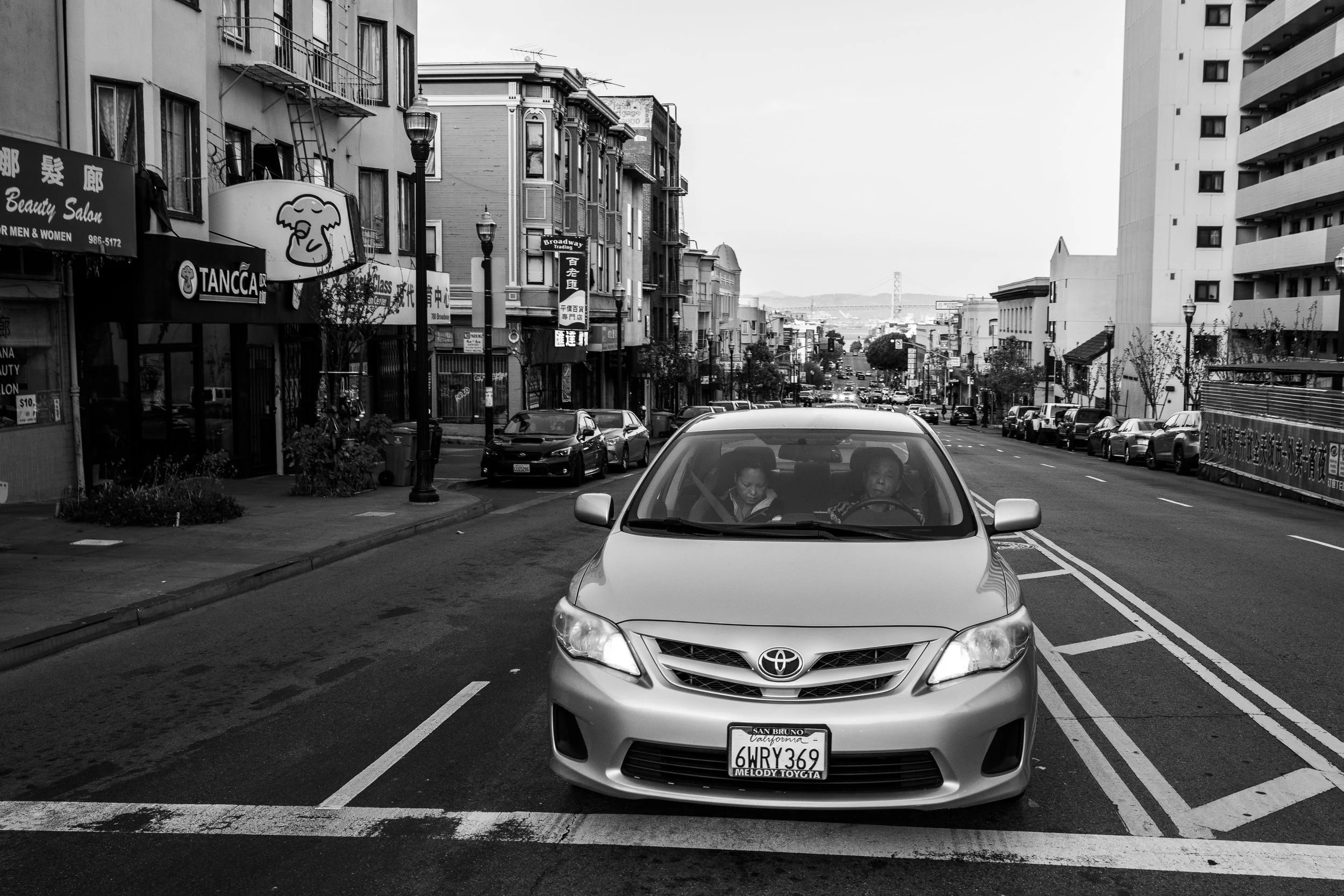
Chenyang Zhou, SF Chinatown at Traffic Light, 2022, Inkjet Print on Matte Paper, 8*10 inches, Image Courtesy of Chenyang Zhou
The photos here were taken in Chinatown, San Francisco, USA; Nanjing, China; and the countryside of my hometown. The images taken in China date back to the 2020–2021 period, when I returned home during the pandemic. The conceptual framework for Tunnel Journey, however, did not begin to take shape until 2022, while I was photographing in Chinatown. Consequently, during my earlier shoots in China, I did not approach the work with a specific project in mind; rather, having just begun to systematically study photography, I was simply documenting the scenes around me (in form, these early works were influenced by photographers such as Robert Frank and Henri Cartier-Bresson). As for the specific arrangement of these images, my intention was to compare the conditions of people from the two countries, who share a common origin but live in vastly different environments.
Another point is, as I mentioned earlier, I would project my self-identity issues onto the photography of Chinatown, which was entirely based on my self-interpretation and projection of some emotions and states exhibited by the subjects being photographed. Now, I find this very arrogant.
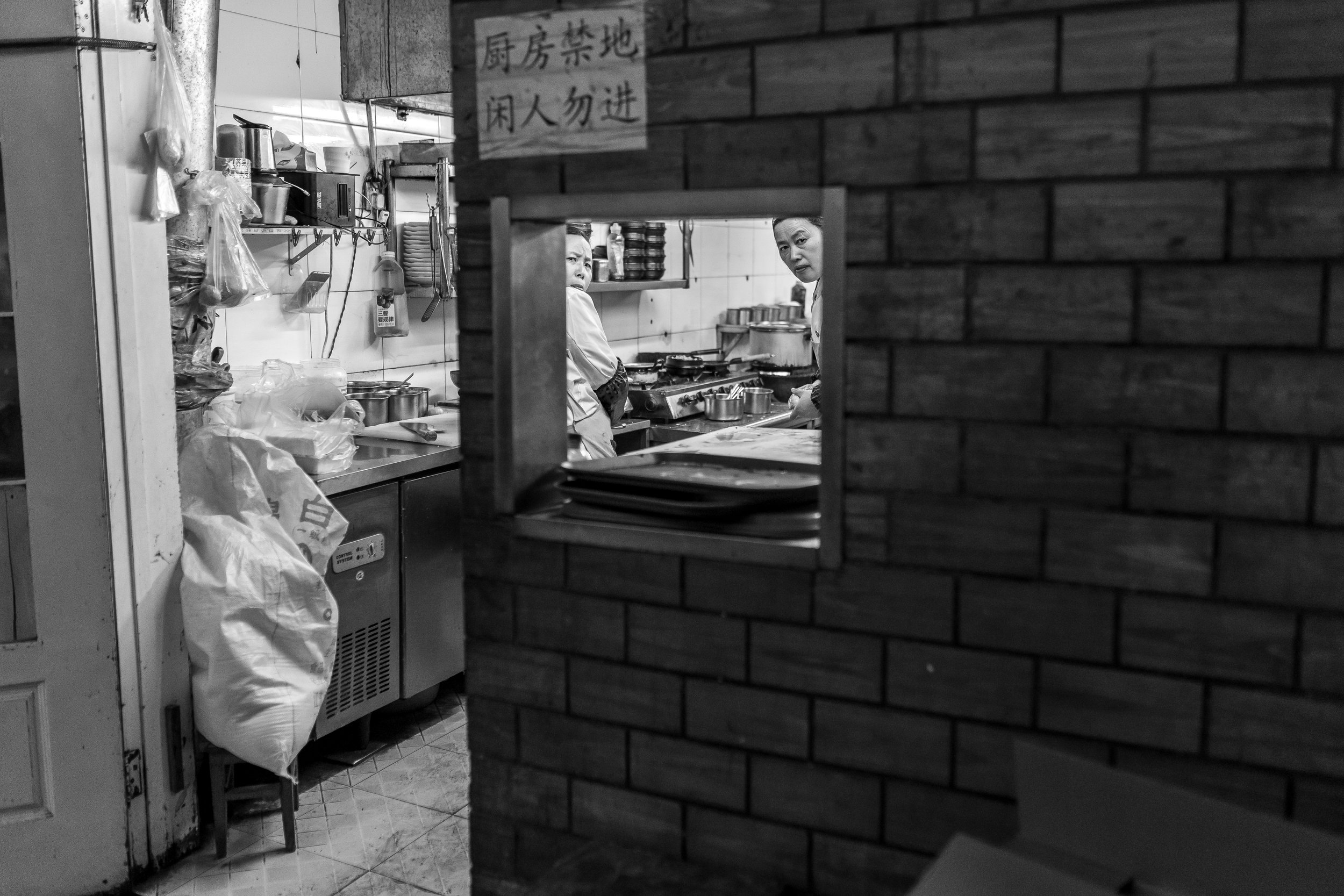
Chenyang Zhou, Kitchen, No Entry, 2022, Inkjet Print on Matte Paper, 8*10 inches, Image Courtesy of Chenyang Zhou
Susie:
The Island series in Jiangxinzhou in Nanjing, China, is more specific than those in the United States, focusing on the people and spaces on the island. You mentioned that you changed equipment to achieve better results and you also empathized with the people you photographed. What inspired you to document this marginalized region?
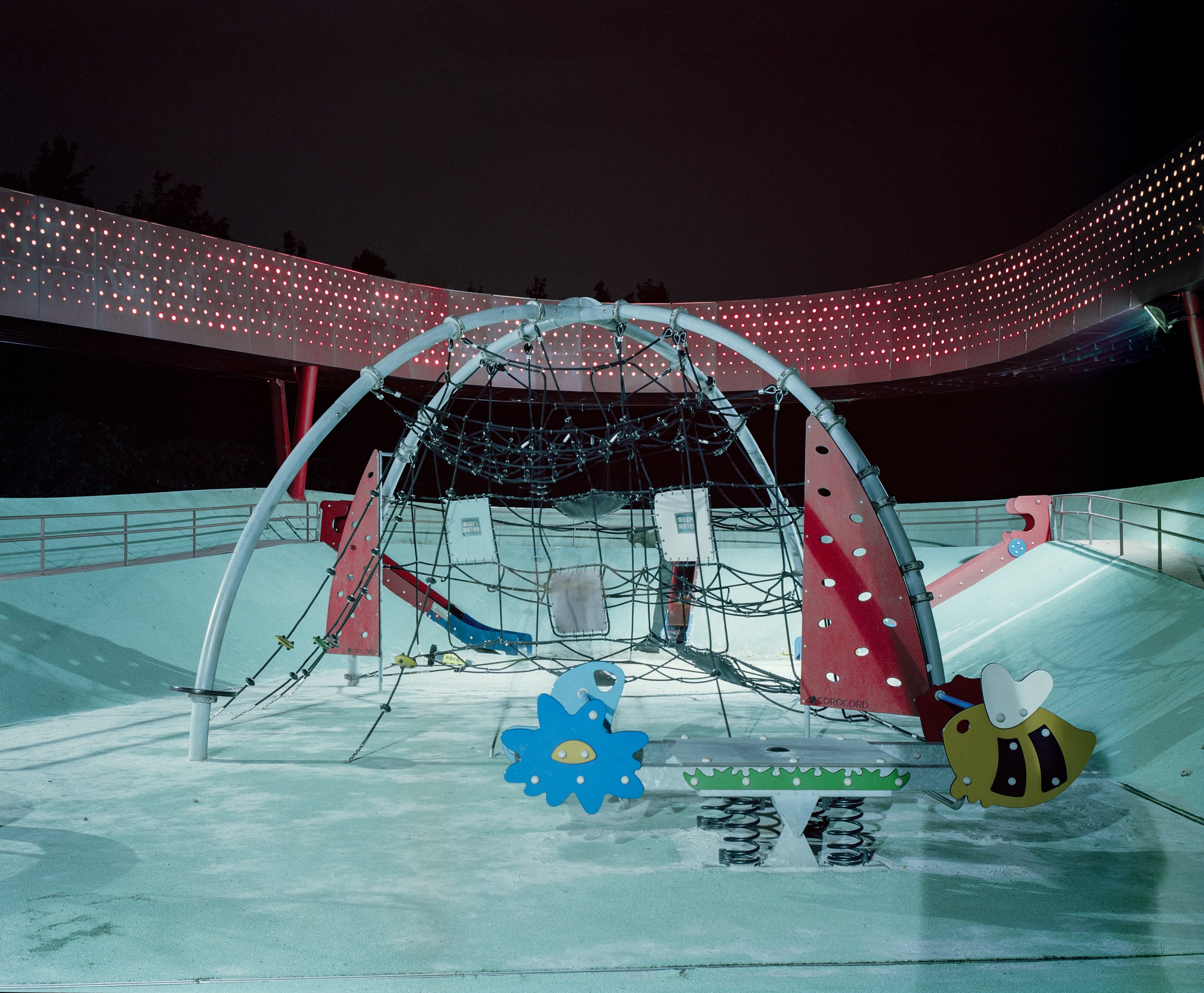
Chenyang Zhou, Playground, the Island series, 2025, Inkjet Print on Matte Paper, 12*14 inches, Image Courtesy of Chenyang Zhou
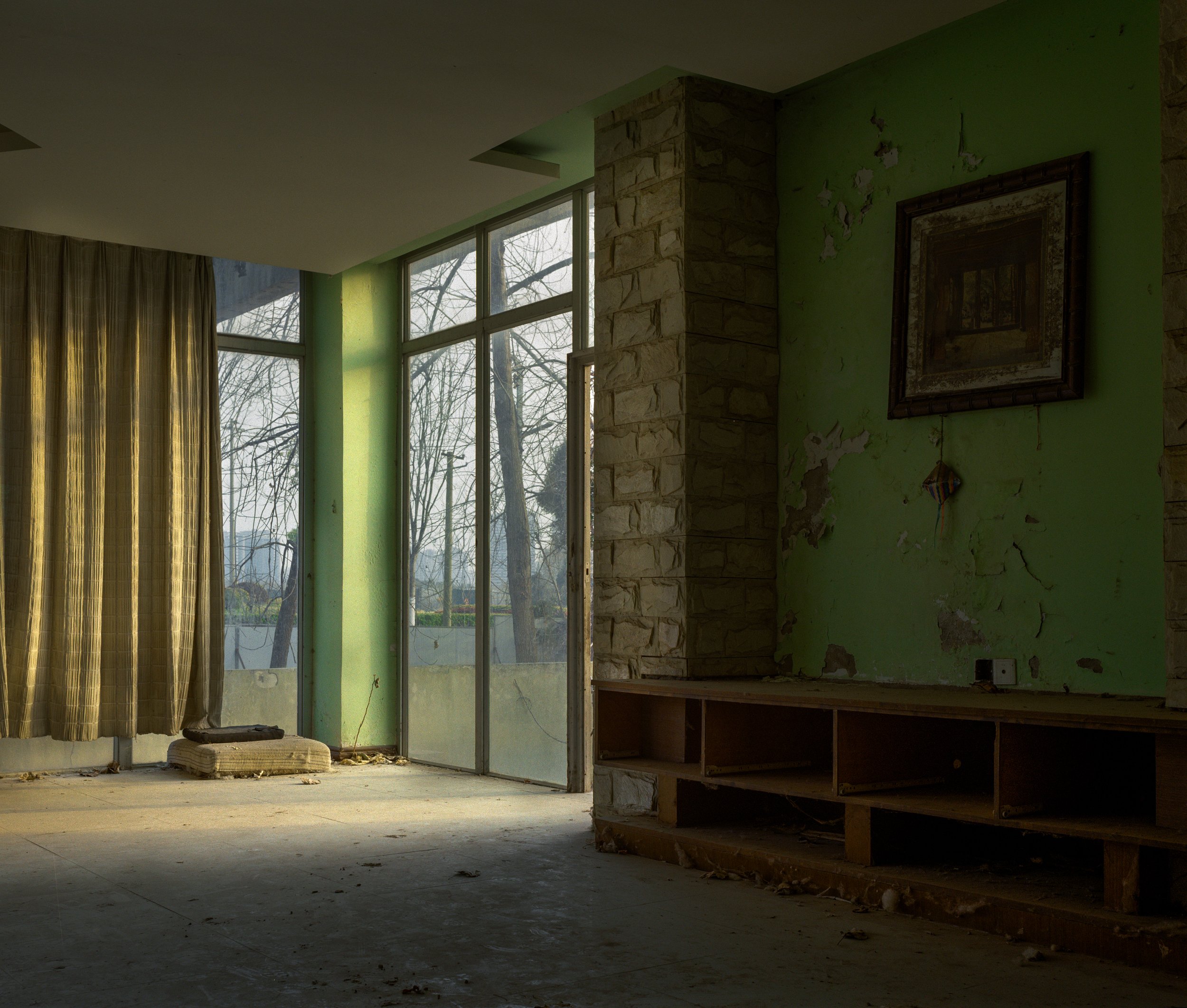
Chenyang Zhou, Greenhouse, the Island series, 2025, Inkjet Print on Matte Paper, 12*14 inches, Image Courtesy of Chenyang Zhou
Chenyang Zhou:
Because I felt the changes, which is the reason why I wanted to record. I first came to know about this place when my parents moved to Jiangxinzhou Island. In 2020, after returning home due to the pandemic, I stepped onto this land for the first time. I remember very clearly that there was a place on the island called Qigan Ferry, and across the river from the ferry was the Hexi CBD. Then, across the street was a small town, which was in the state of a well-known urban village. At that time, I would just hang around and take a walk or ride a bike along the road around the island.
Three years later, I returned, I was shocked by the changes on the island. There were various new constructions, a sudden increase in tourists (in 2020, there were basically no tourists), including the disappearance of the small town across the ferry. Suddenly, I realized that I should take some photos, perhaps out of a fascination and obsession with things that were about to disappear. After taking photos for a long time, I would feel a special connection with this place (some places and stories that only I know or have been to, similar to the feeling that I share a common secret with this land), and I would want to continue taking photos.
Susie:
Who are typically chosen for photography in the Island series?
Chenyang Zhou:
The pictures underneath were probably from my first 2 or 3 rolls of films back when I just started taking photos in the island. The entire idea of this project was yet obscure at the time, and I would just go to the more distant areas on the island and let myself respond freely to what was coming at me. Therefore, the portraits that I took, at least for these three photos underneath, were all the workers or residents who I once encountered in those rather remote places. The elderly man in Man Working in His Fields, for example, lives at the south end of the island, on a 'capital-unutilized' grassfield, in a house that he had built decades ago. His house was surprisingly beautiful, surrounded by the trees he planted, which genuinely intrigued me and made me curious about the owner, leading me to take the portrait of him. I guess these kinds of portraits set a tone for the human subjects in this project I chose to take, including but not limited to the ones based locally on the island, usually in their own niches and somewhat overlooked.
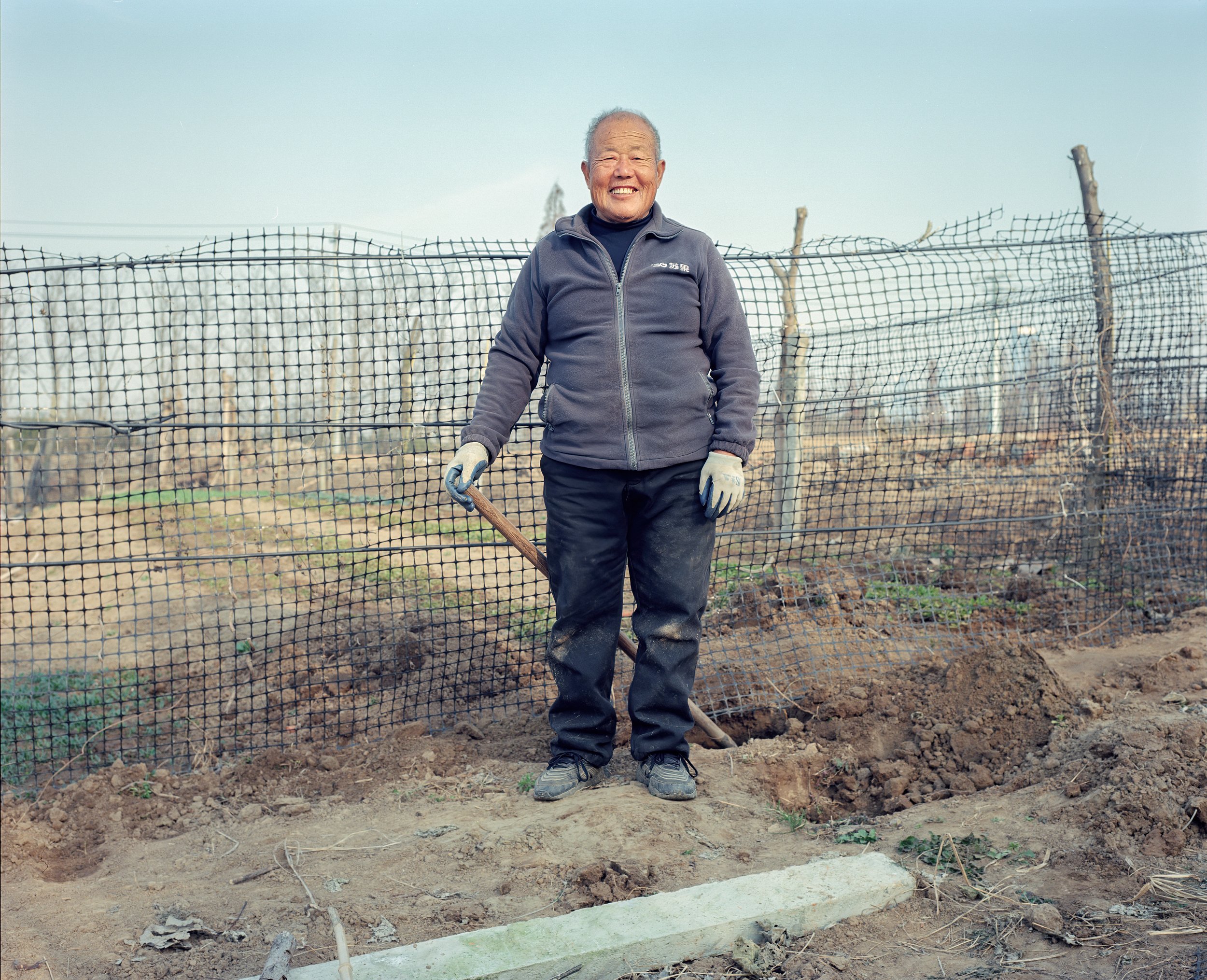
Chenyang Zhou, Man Working in His Fields, the Island series, 2024, Inkjet Print on Matte Paper, 12*14 inches, Image Courtesy of Chenyang Zhou
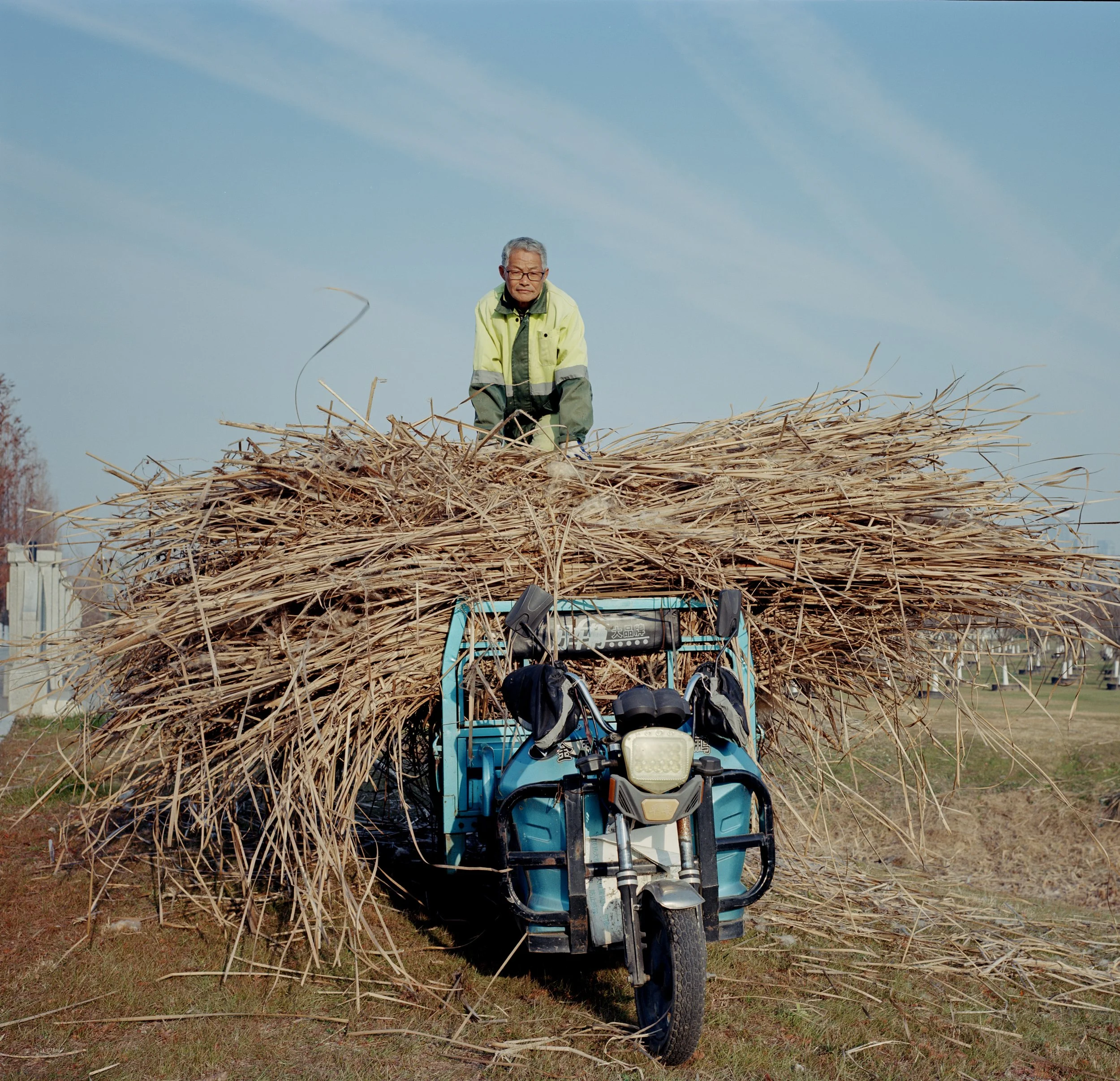
Chenyang Zhou, Man on Hay, the Island series, 2024, Inkjet Print on Matte Paper, 12*14 inches, Image Courtesy of Chenyang Zhou
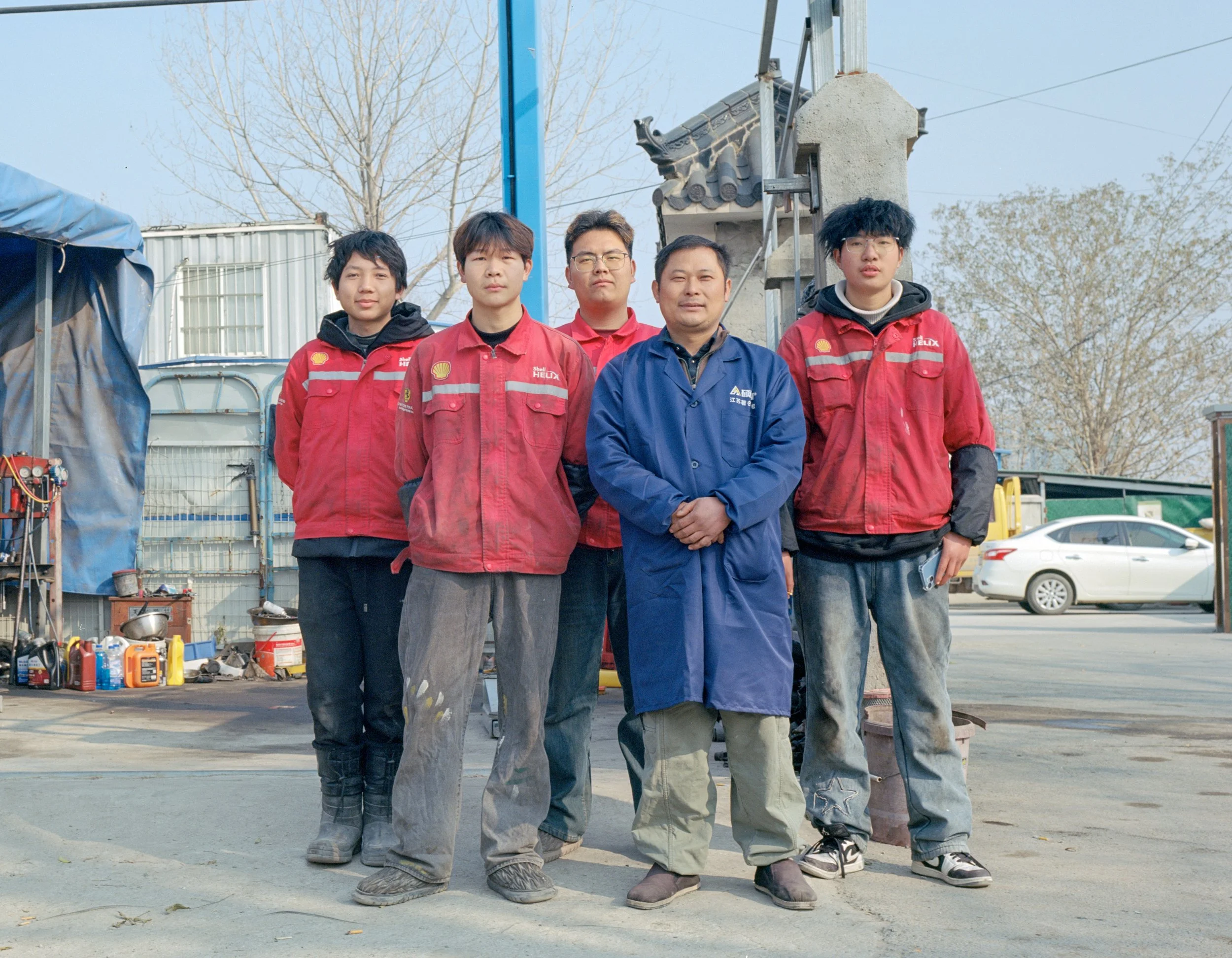
Chenyang Zhou, Auto shop Crews, the Island series, 2024, Inkjet Print on Matte Paper, 12*14 inches, Image Courtesy of Chenyang Zhou
Susie:
Did you try to know their stories?
Chenyang Zhou:
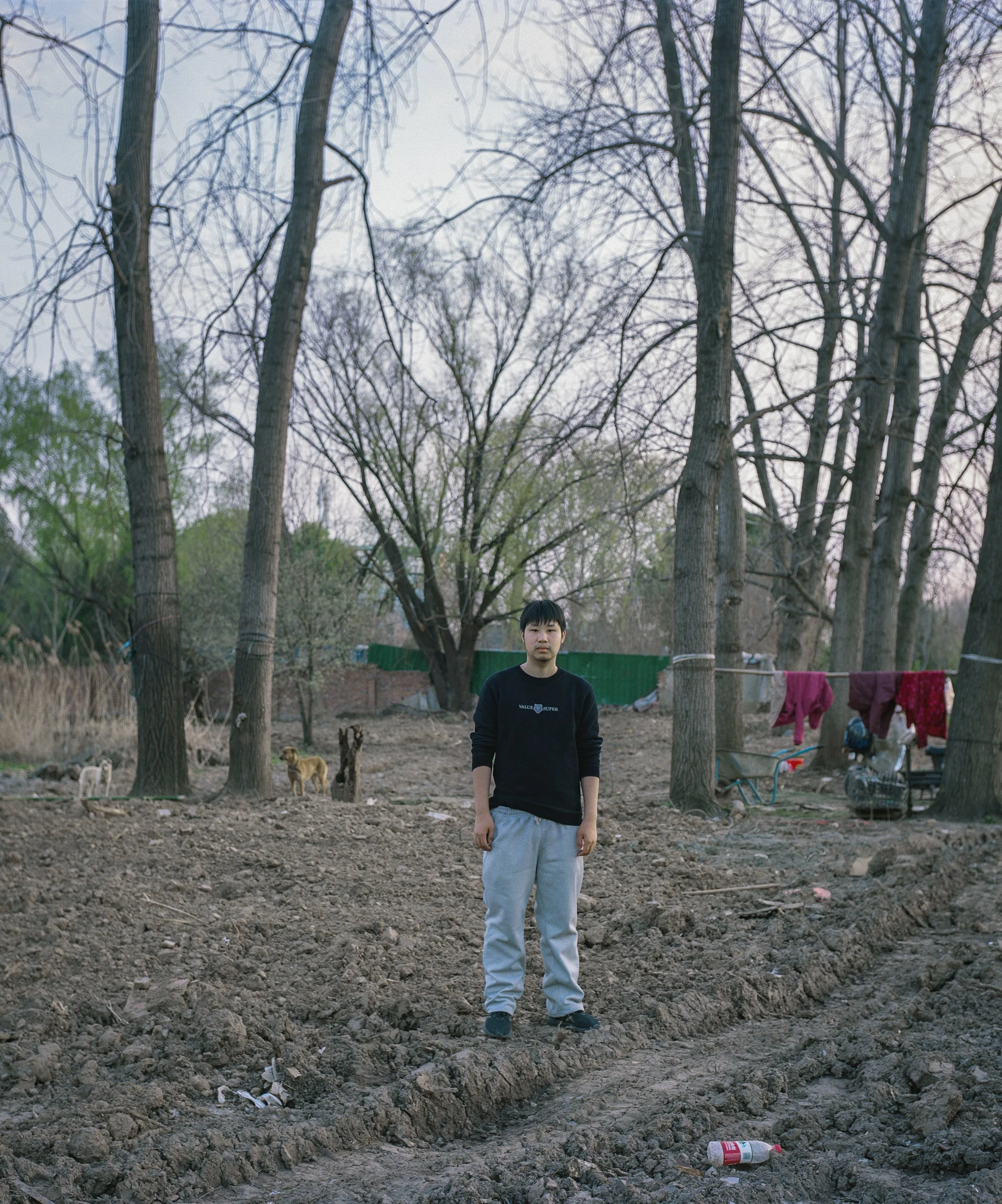
Of course I do by talking with them and learning their stories. Of all the stories, the one that struck me the most was that of a mother and her son. They lived in makeshift tents on a patch of grass hidden behind tall trees on the island. I photographed them twice, three months apart. By the time I returned for the second image, their shelter had already been dismantled by the city. I encountered the son alone. He told me they had received compensation of around 80,000 RMB—just over 10,000 USD—and had since moved in with a family friend living in resettlement housing on the island. At seventeen, he carried a quiet uncertainty about the future. He was not going to college, while they considered relocating even farther out, in search of a new place to live. Their precarious situation struck me, yet made me gain some faith in my project - to witness and capture something so fleeting within the vast current of urbanization. That was just one story among many – a man who paid a good amount of rent just to live in the half-demolished apartments, a young woman who had recently undergone thyroid surgery and had a scar on her neck, an elderly man who raised some geese under a bridge, and a man who lived in an abandoned pagoda and worked as a trainer for local security guards.
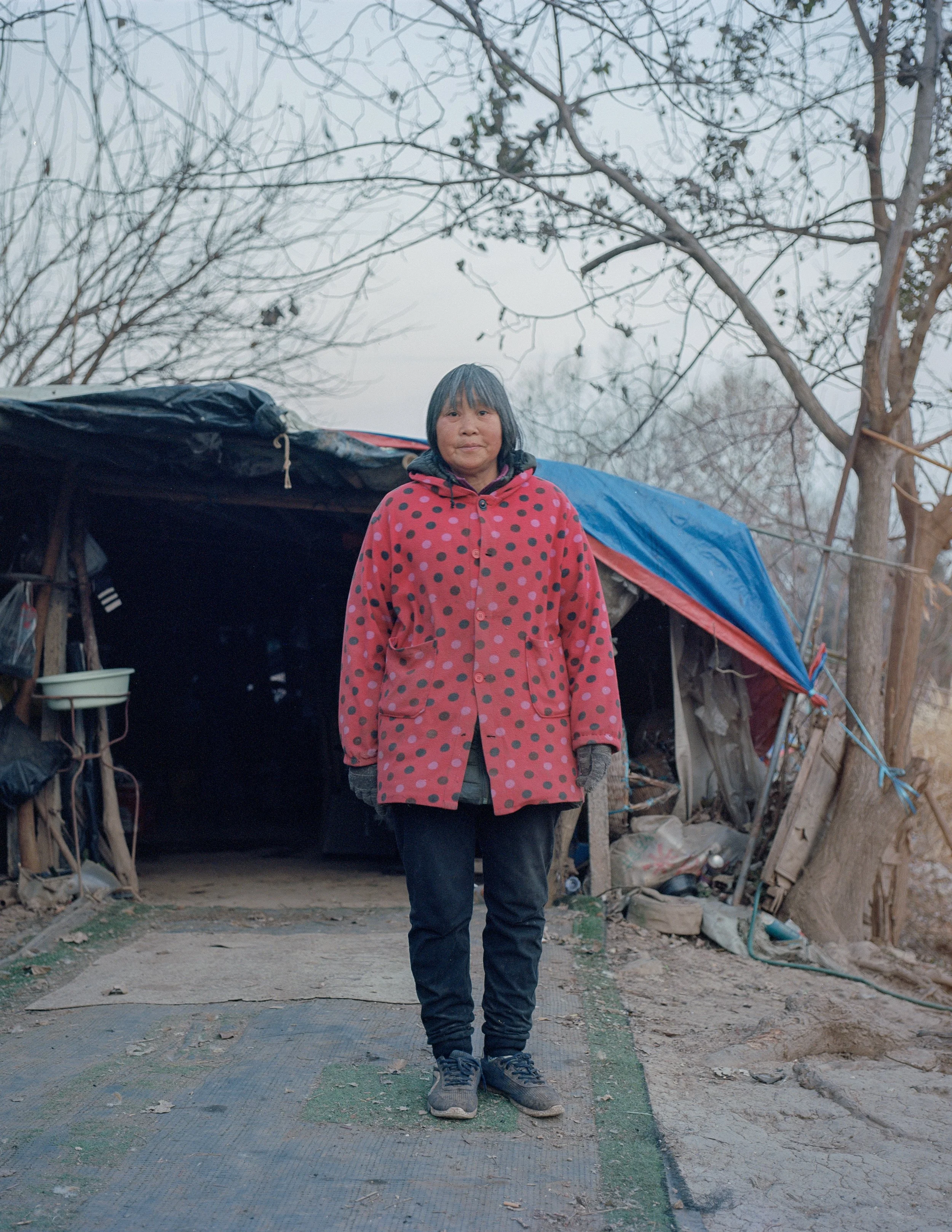
(Left)Chenyang Zhou, The Mother, the Island series, 2025, Inkjet Print on Matte Paper, 12*14 inches, Image Courtesy of Chenyang Zhou
(Right)Chenyang Zhou, The Son, the Island series, 2025, Inkjet Print on Matte Paper, 12*14 inches, Image Courtesy of Chenyang Zhou
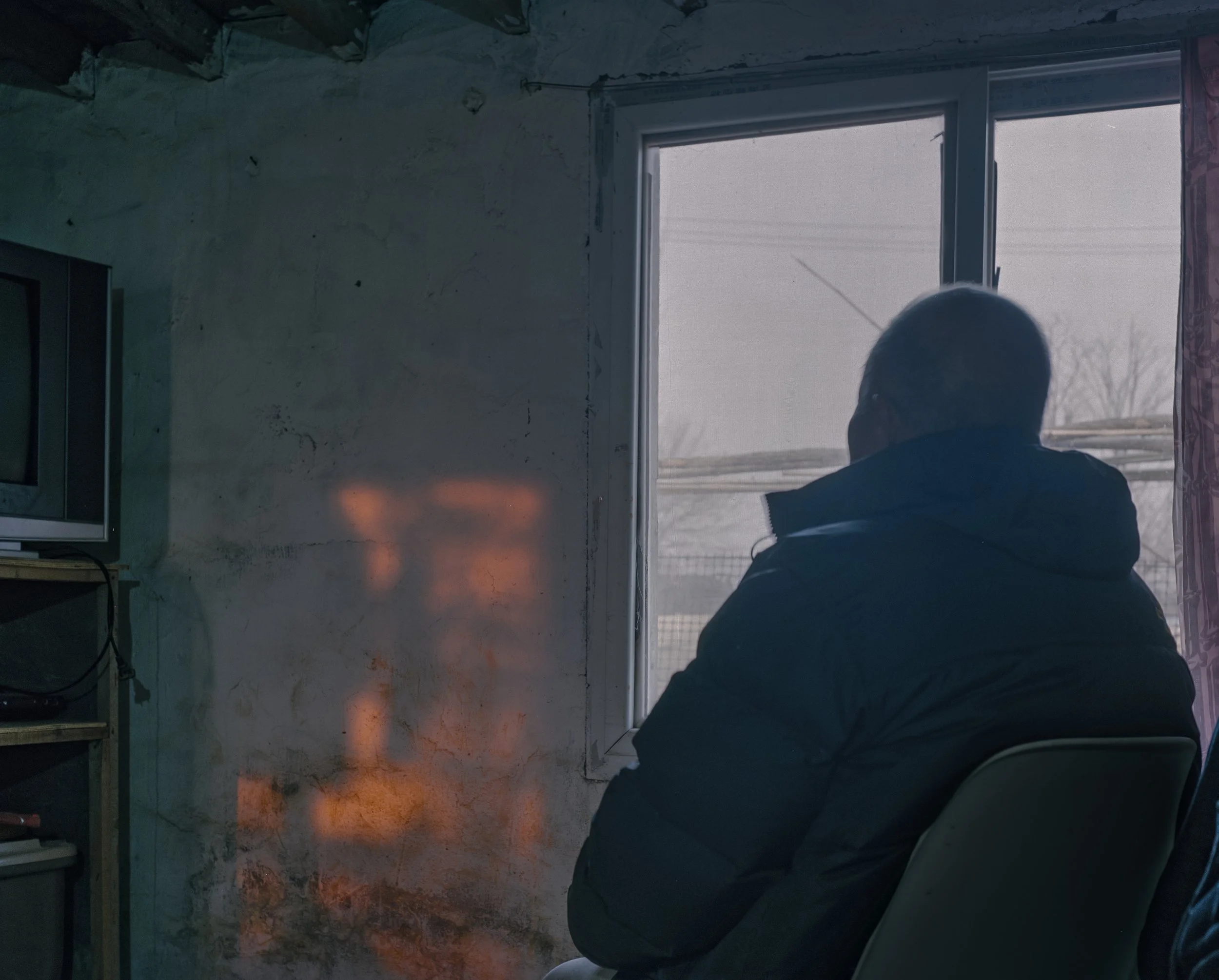
Chenyang Zhou, In the Room, the Island series, 2025, Inkjet Print on Matte Paper, 12*14 inches, Image Courtesy of Chenyang Zhou.
Susie:
Over the past two years, how has your mindset changed during the photography of this project? Do you prefer to document in a more objective way, or with more personal feelings?
Chenyang Zhou:
Honestly speaking, my mentality has been constantly shifting between the subjective and the objective. At this point after two years, however, I think the project is really a mixture of both of some degrees of objective documentary, and maybe to a greater extent, my subjective perception of the place. Achieving the objective truth is difficult, almost impossible, as every decision-making process, from choosing locations to composing a portrait, in the creation is inevitably subjectively determined by me. Meanwhile, I also do not intend for the whole project to become completely subjective. Especially when it comes to photographing people, preserving the situation as truthfully as possible is a form of respect for the ones being photographed. But when it comes to objects or landscapes, I tend to bring in more of my own aesthetic choices. As a result, when these two approaches come together, I hope that they can reach an equilibrium, and perhaps this balance can also create some sense of magical realism within the reality of the project.
Susie:
From the perspective of sociology, how is gentrification reflected in Jiangxinzhou?
Chenyang Zhou:
Jiangxinzhou has been going through urbanization quite rapidly in recent years. With demolition and reconstruction come quieter, underlying concerns—gentrification among them. Unlike the more familiar, often abrupt forms seen in the United States, the changes unfolding on this island are more subdued, easily overlooked, and less visibly harsh. In China’s development process, there are policies designed to compensate homeowners: when their houses are demolished, they are typically resettled into newly built community apartments—known as resettlement housing—or offered monetary compensation. Amid the dramatic rise in housing values over recent decades, many of these compensated homeowners have, in effect, become wealthier, emerging as beneficiaries of urban transformation. Yet the costs of modernization are borne elsewhere. Migrant populations—long a defining feature of China’s cities since the Reform and Opening-Up era—are often the most vulnerable. Drawn to urban centers for work but unable to afford central rents, they settle in peripheral areas like this Island. As the island develops and resettlement housing replaces older structures, rents and living costs inevitably rise. Those without property ownership are pushed further outward, forced to relocate if they wish to remain within reach of the city’s opportunities. Without urban household registration, their voices carry little weight. In contrast, homeowners—fortified by compensation—become the stakeholders of this transformation, the ones who stand to gain from the very process that displaces others.
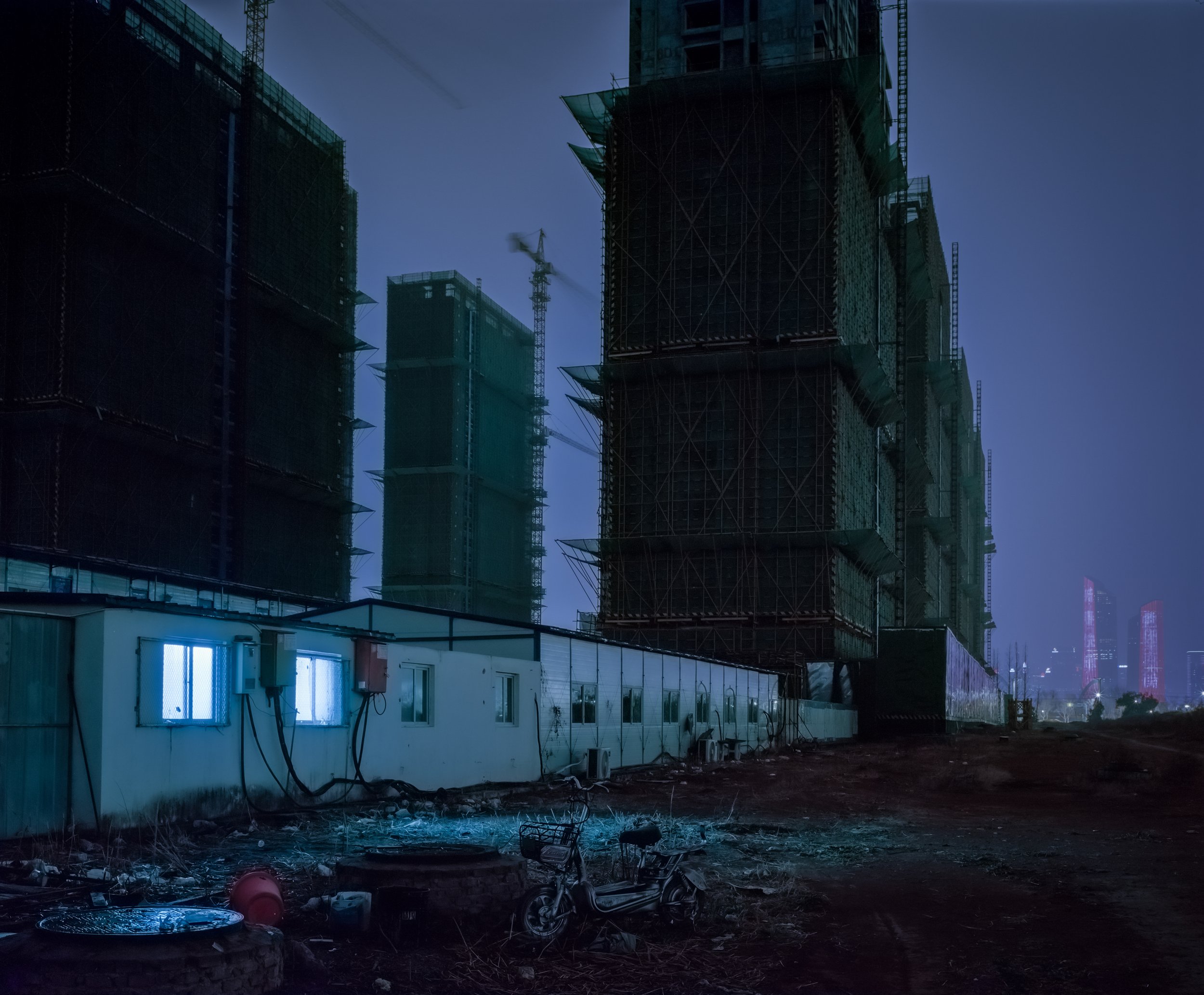
Chenyang Zhou, Night at the Construction Site, the Island series, 2025, Inkjet Print on Matte Paper, 12*14 inches, Image Courtesy of Chenyang Zhou.
Susie:
Do you consider yourself a documentary photographer?
Chenyang Zhou:
I don't see it that way; in fact, I believe it is quite difficult to truly become a documentary photographer. I consider myself merely a photographer who ‘borrows existing people and things from the real world to satisfy my own creative, imaginative, and expressive needs.’ Part of the reason for this is that I am not adept at constructing staged scenes, and another part is that I don't particularly enjoy drawing. Moreover—and I must admit this—the real world is truly fascinating, so why not simply ‘draw upon what is at hand’? However, during the creative process, my work inevitably incorporates elements of personal romanticization or ‘poetic’ expression (at least in my recent projects); naturally, this places it outside the strict realm of documentary photography. That said, we must remain vigilant against the romanticization of reality! Of course, in my current creative practice, I inevitably engage in deeper and more sincere interactions with my subjects than I did in the past; consequently, certain documentary qualities do become interwoven into the broader body of work—though, for me, the documentary aspect serves more as a byproduct.
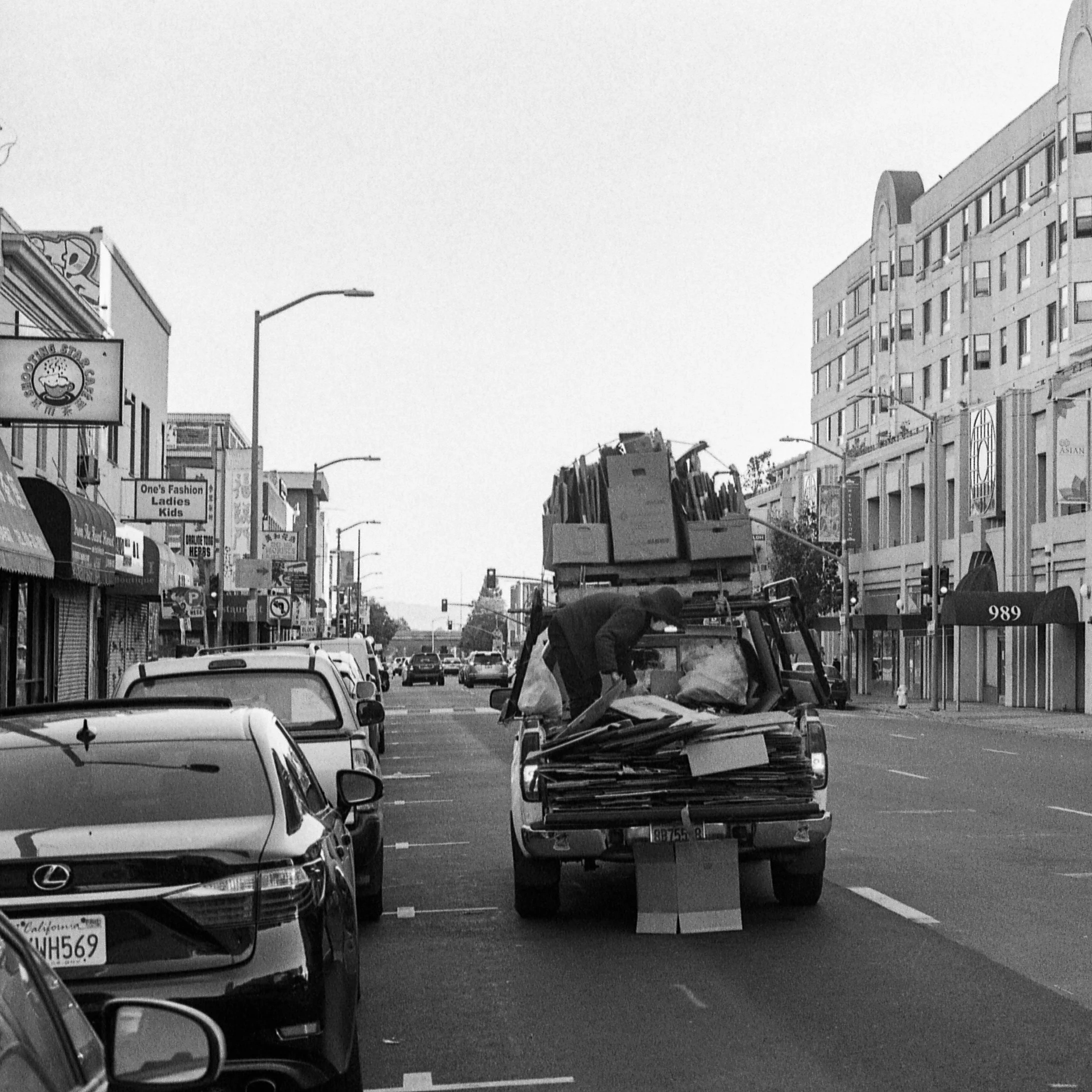
Chenyang Zhou, In the Streets of Oakland Chinatown, 2022, Analog Print, 8*10 inches, Image Courtesy of Chenyang Zhou
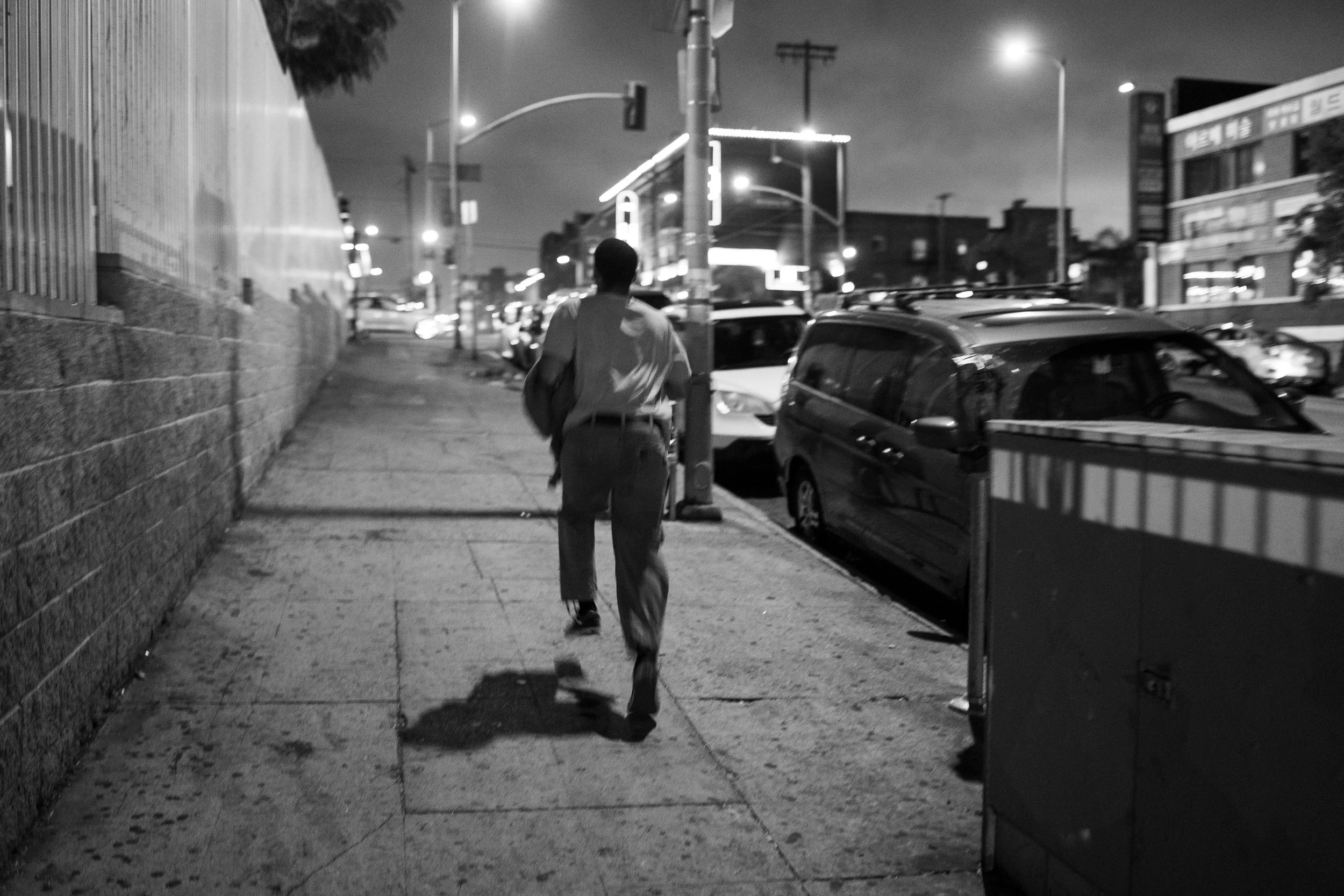
Chenyang Zhou, LA Street Run, 2022, Inkjet Print on Pearl Paper, 8*10 inches, Image Courtesy of Chenyang Zhou
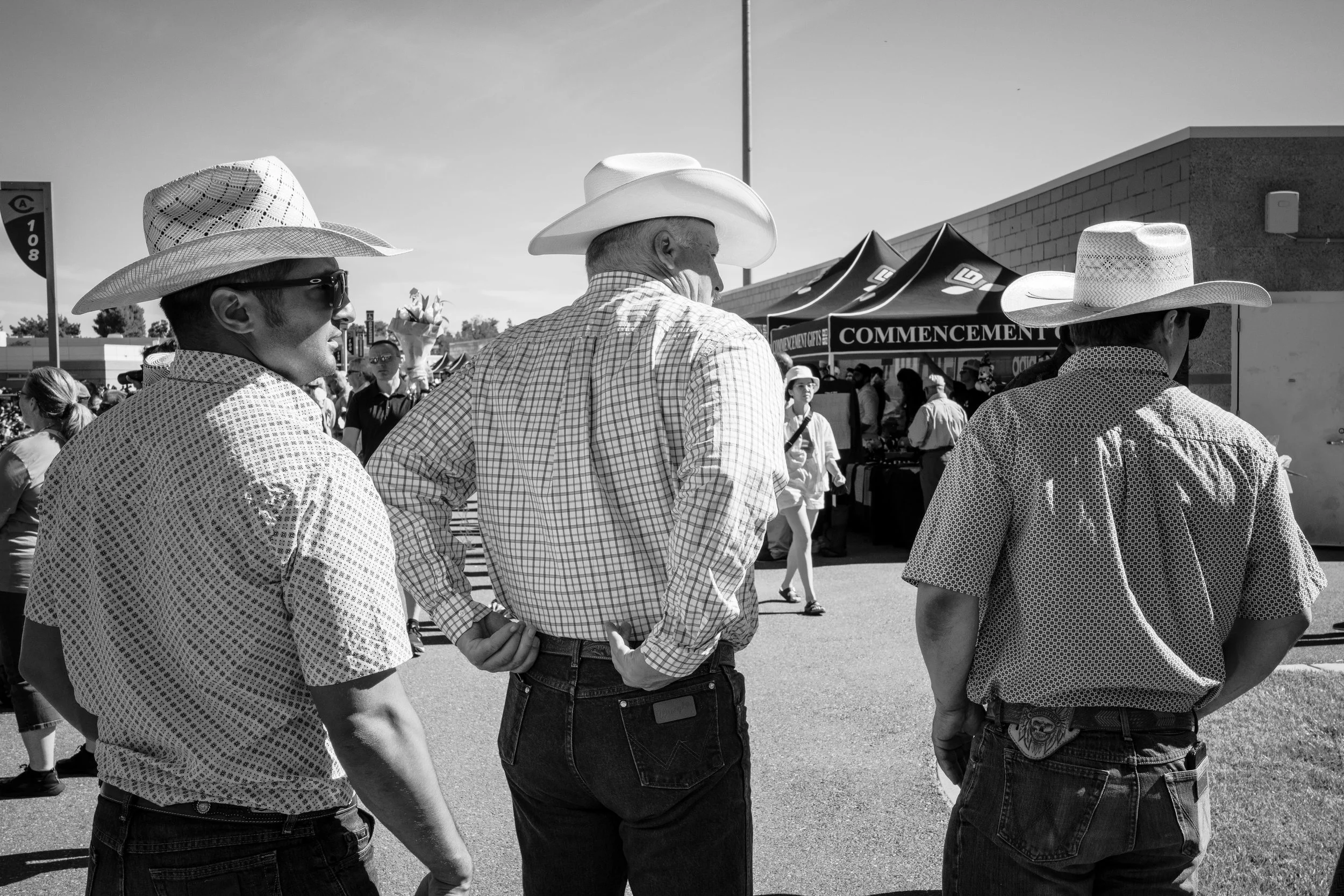
Chenyang Zhou, Cowboys at UC Davis Graduation Ceremony, 2022, Inkjet Print on Pearl Paper, 8*10 inches, Image Courtesy of Chenyang Zhou
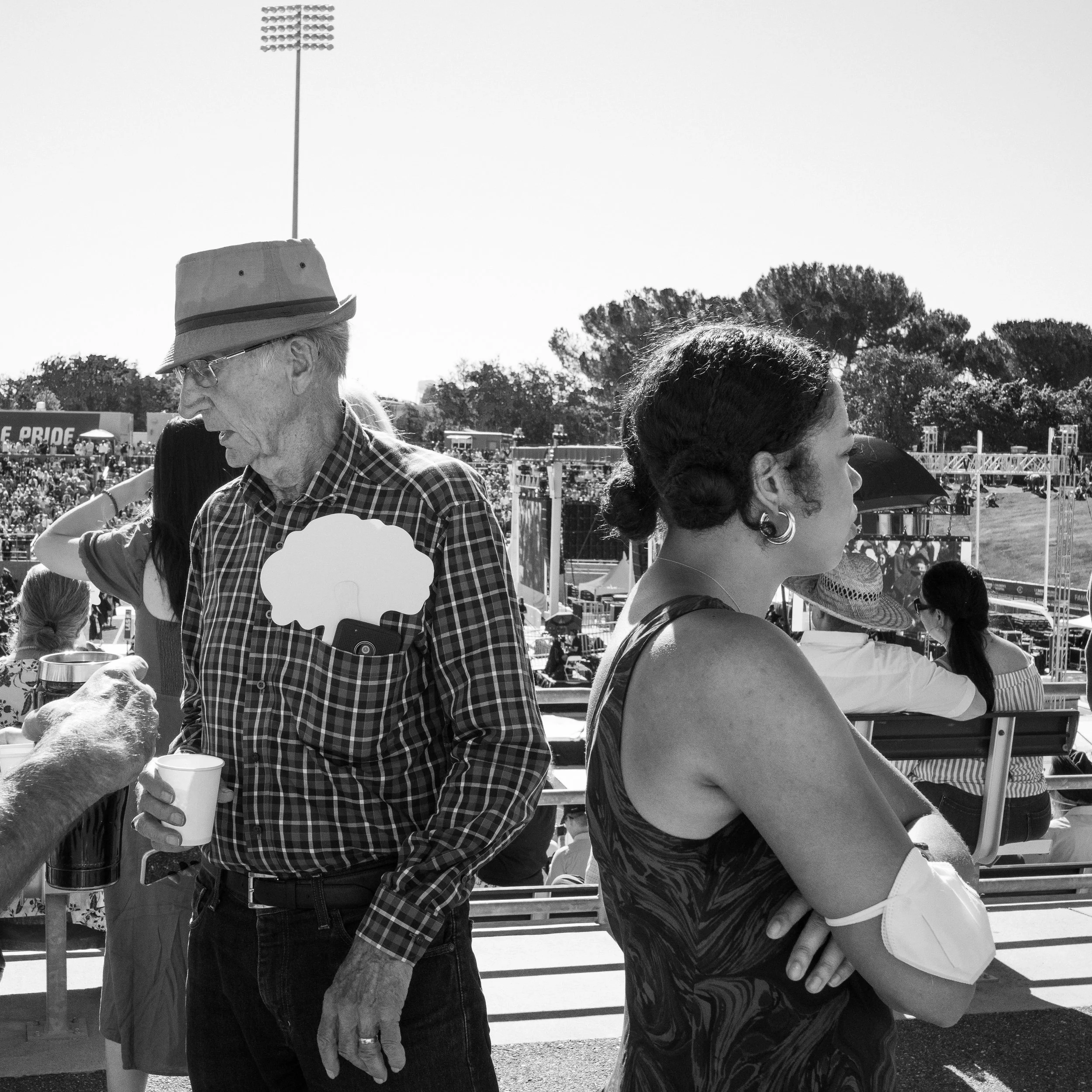
Chenyang Zhou, UC Davis Graduation Ceremony, 2022, Inkjet Print on Pearl Paper, 8*10 inches, Image Courtesy of Chenyang Zhou
Susie:
Did anything interesting happen during your street photography in New York and Los Angeles?
Chenyang Zhou:
Actually, nothing particularly dramatic happened, largely because—at the time—I had very little direct interaction with the people I was photographing. Everyone I encountered was actually quite friendly and pretty chill. Sometimes I’d even be out shooting in downtown LA as late as 1 or 2 in the morning—haha! I was pretty lucky, though; I never ran into any real danger. The city just takes on a completely different vibe at night. There was one time in LA, however, when I wandered into a residential neighborhood. I had my camera up to my eye, lining up a shot, when a Latino guy called out to me. He and a group of friends were sitting on the porch of a house; the guy who’d stopped me started grilling me, asking what exactly I was taking pictures of. I told him I was just a student (haha!) who had simply wandered into the area while walking around. He then gave me a warning: be careful, and don't go around snapping photos just anywhere. Looking back on it now, I suspect they might have been a gang—but since I seemed harmless enough, they just gave me a friendly heads-up. So, avoid taking photos in residential areas at night in Los Angeles.
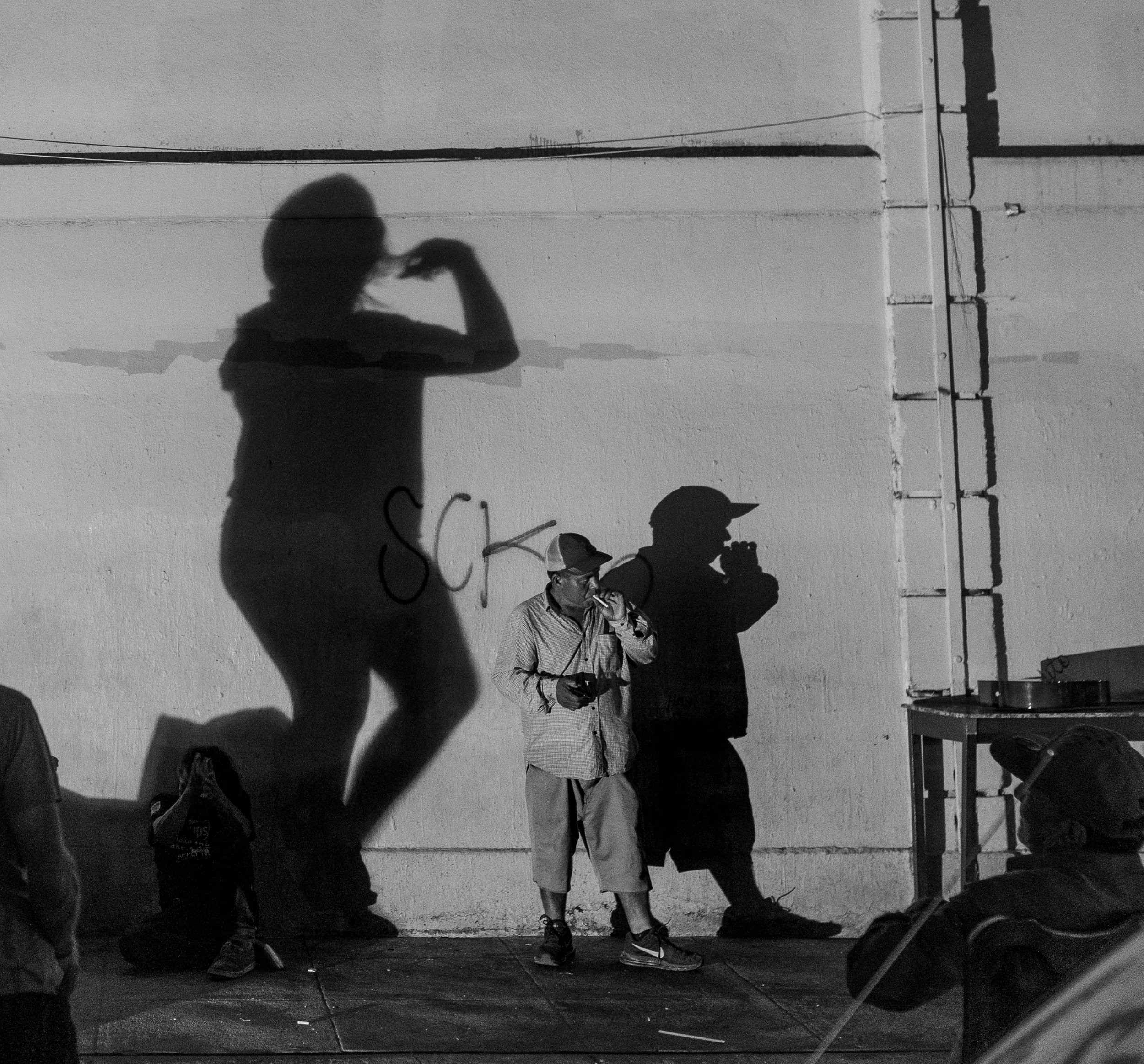
Chenyang Zhou, LA Night, 2022, Inkjet Print on Pearl Paper, 8*10 inches, Image Courtesy of Chenyang Zhou
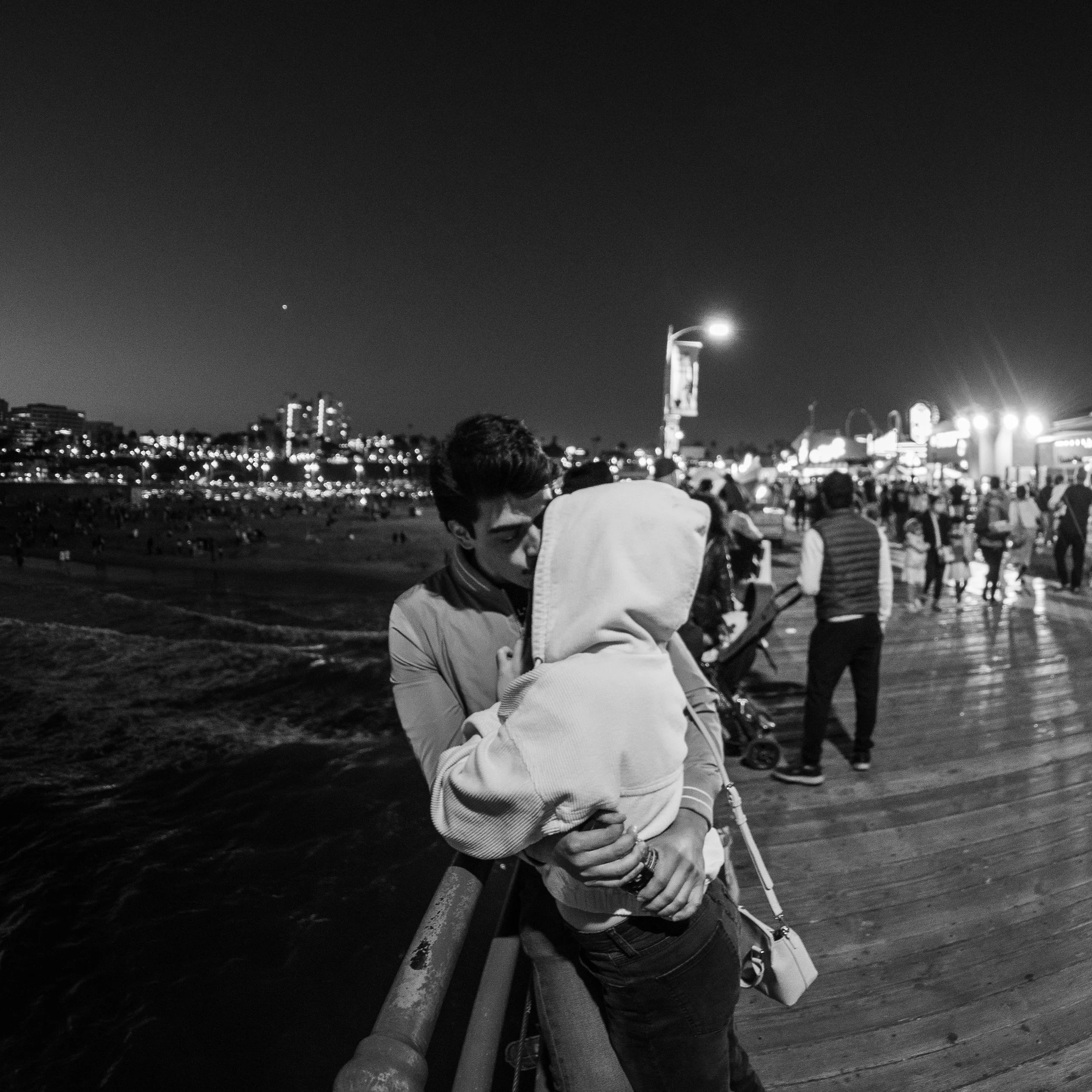
Chenyang Zhou, Santa Monica Pier on the 4th of July, 2022, Inkjet Print on Pearl Paper, 8*10 inches, Image Courtesy of Chenyang Zhou
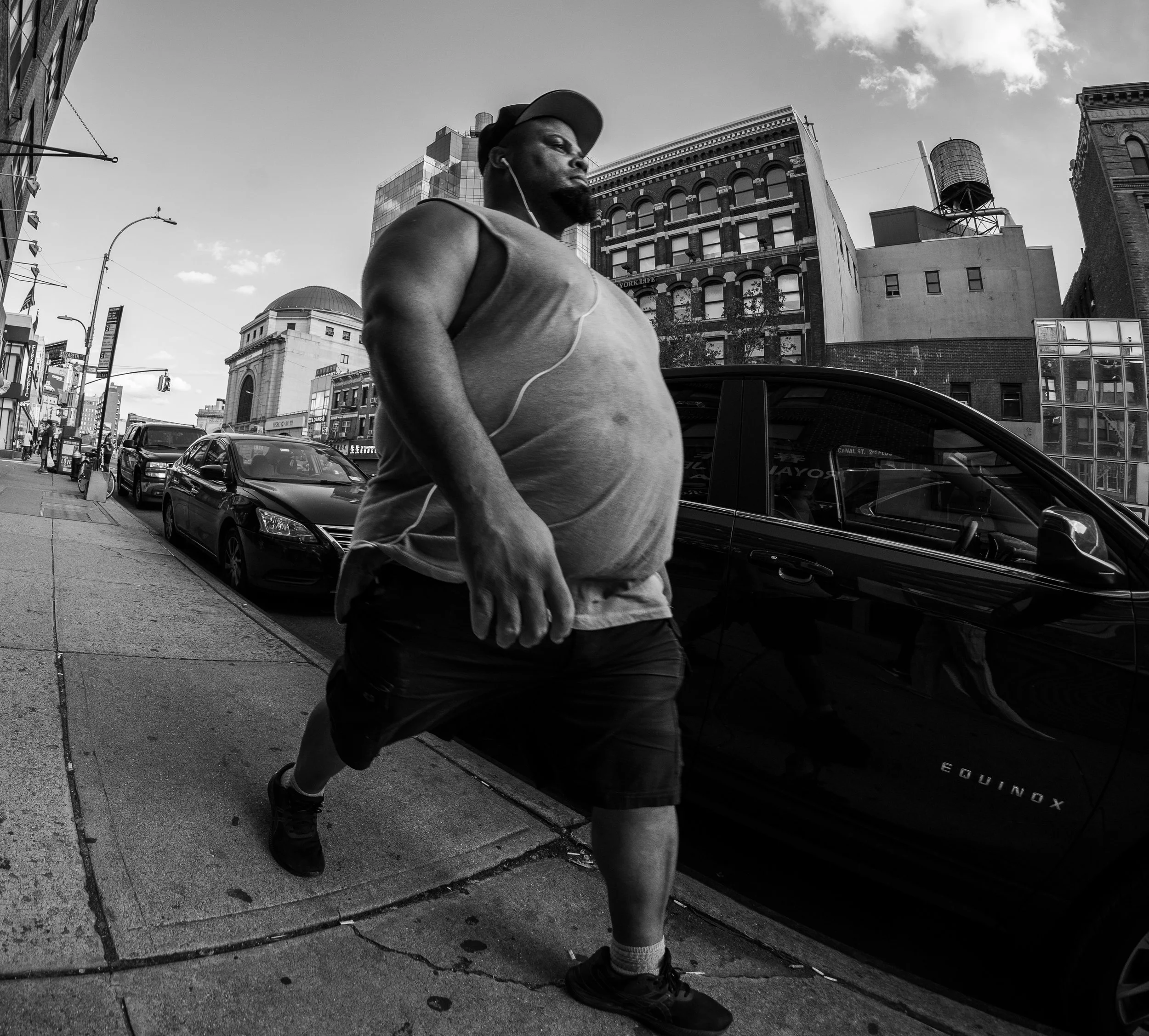
Chenyang Zhou, Fisheye in New York City’s Street, 2022, Inkjet Print on Pearl Paper, 8*10 inches, Image Courtesy of Chenyang Zhou
Susie:
There are numerous crosses appearing in your works. Why did you want to photograph them?
Chenyang Zhou:
The journey of photographing crosses began in the autumn of 2023, when I had just graduated from undergraduate studies and was looking for a job during my Optional Practical Training (OPT) period. My daily commute involved driving back and forth for a total of three hours. With so much time spent on the road, I came across many crosses of various shapes and sizes standing by the side of the road. Actually, I had encountered this phenomenon during my high school years, when I lived with a local host family who were Catholic. Often, when I rode in the hostess's car, I would see her making the sign of the cross and praying as she passed by these crosses. She explained to me at the time that these crosses were erected in memory of people who had died in road accidents. Later, after further research, I learned that this custom originated from Latin American culture, and such installations are called ‘descansos’, which in Spanish originally means ‘rest’ or ‘repose’ , similar to the English phrase ‘rest in peace’. With this understanding, when I faced these crosses in 2023, I felt a sense of melancholy. Standing in front of these various descansos, I seemed to glimpse the passing of life. Some descansos were well-maintained, while others might only have a pale cross left. Some had died young, and some had been there for decades .....
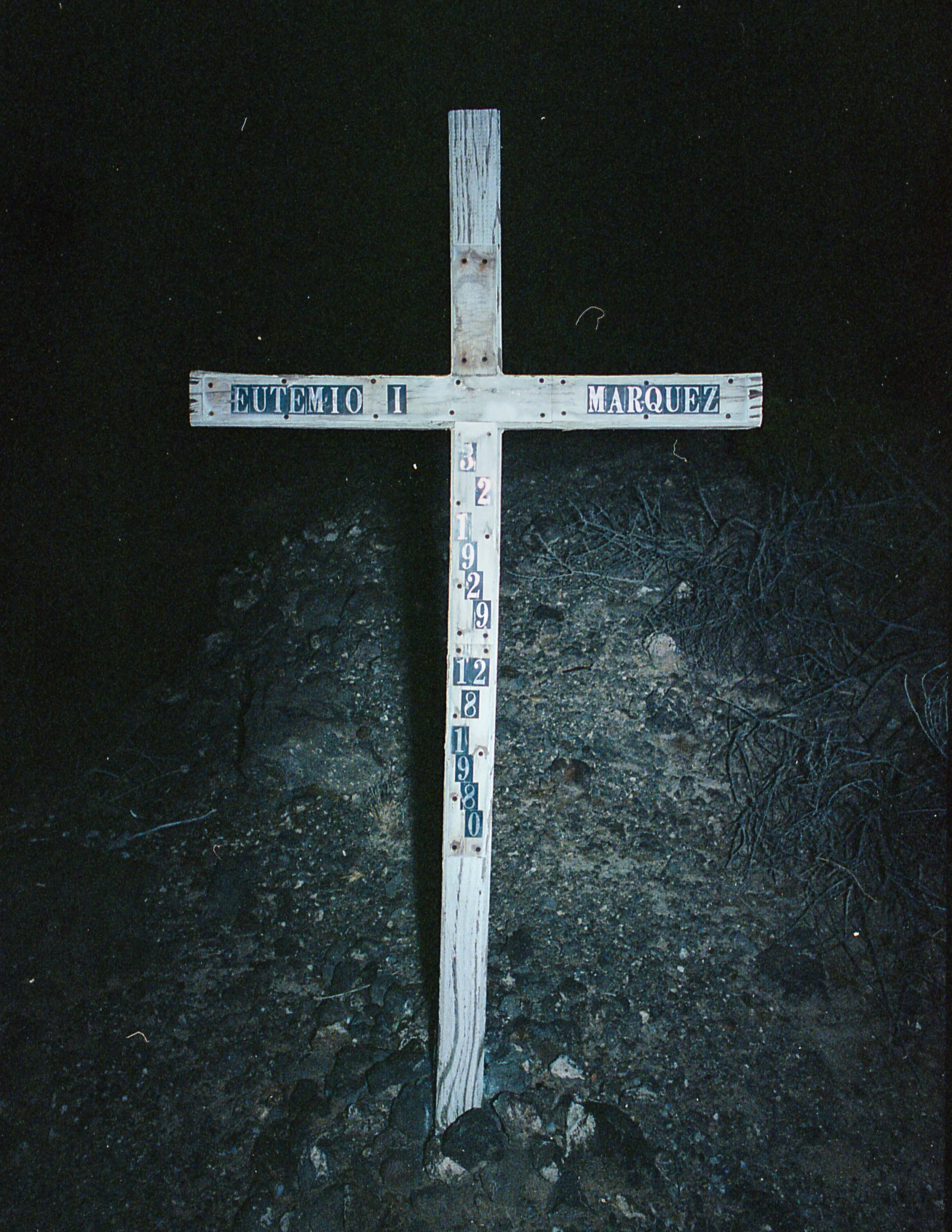
Chenyang Zhou, Descansos, Santa Fe, NM, 2025, Inkjet Print on Matte Paper, 8*10 inches, Image Courtesy of Chenyang Zhou
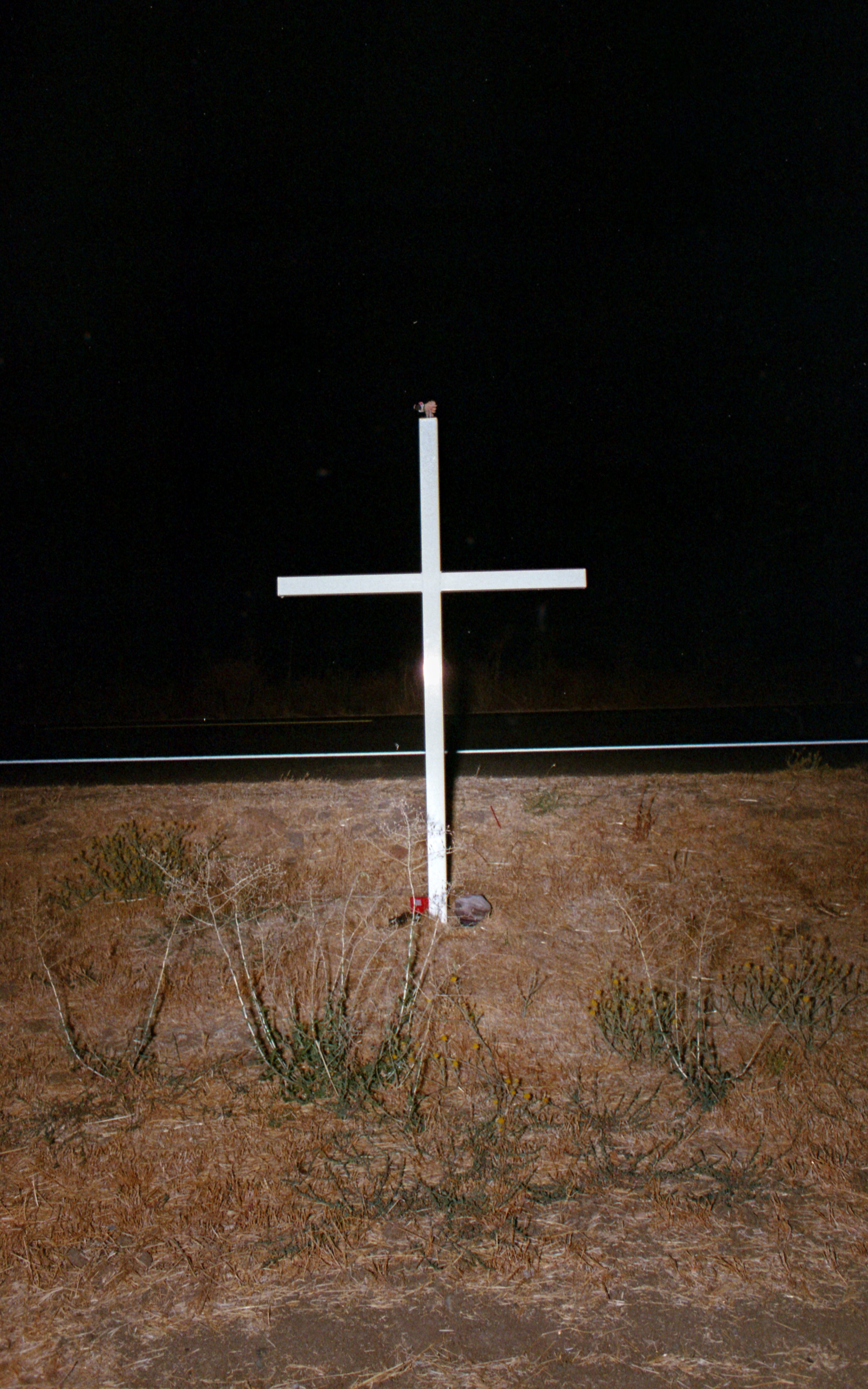
Chenyang Zhou, Descansos, Davis, CA, 2024, Inkjet Print on Matte Paper, 8*10 inches, Image Courtesy of Chenyang Zhou
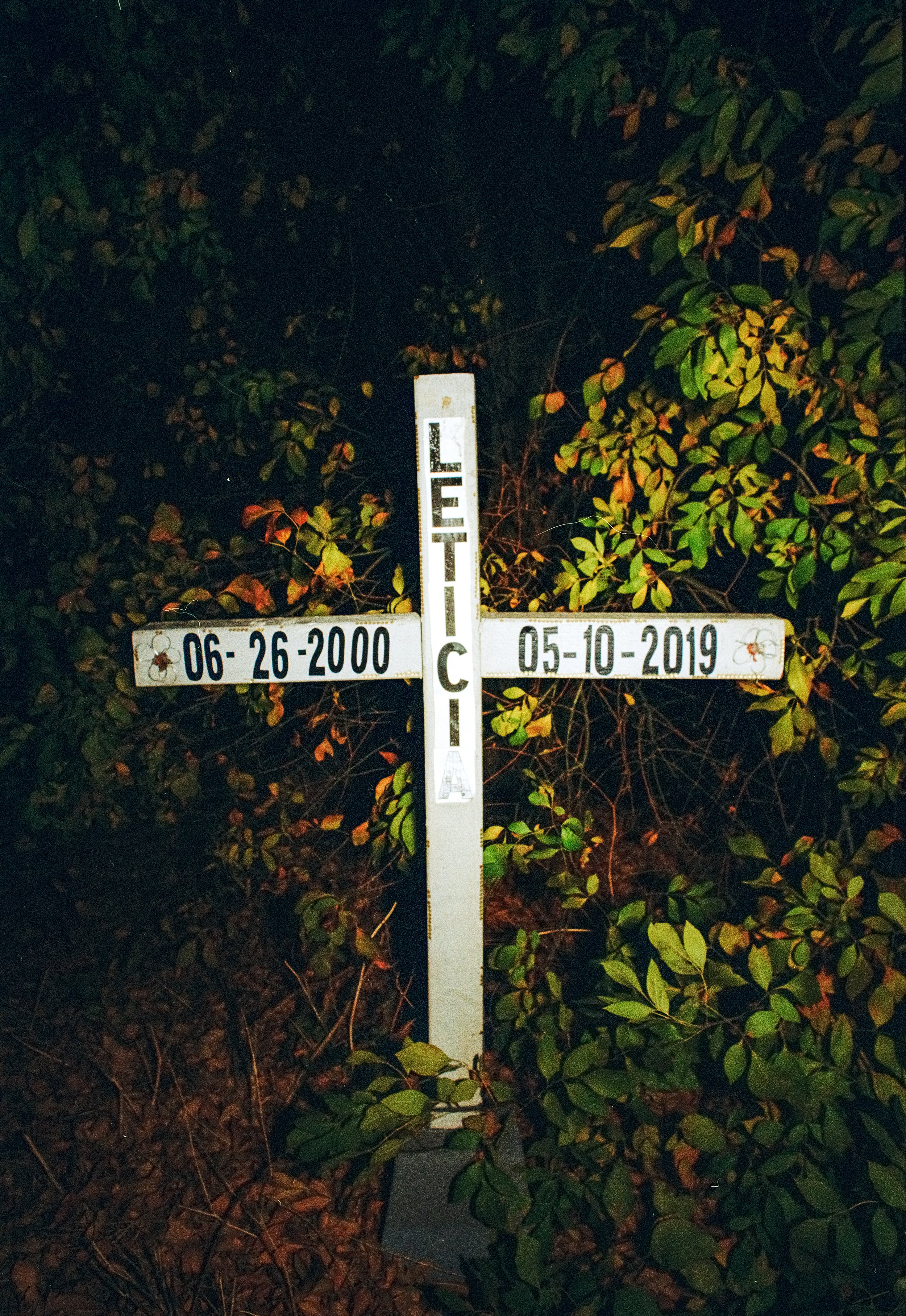
Chenyang Zhou, Descansos, I-80, 2024, Inkjet Print on Matte Paper, 8*10 inches, Image Courtesy of Chenyang Zhou