

Tunnel Wandering by Zehao Li
Cyanotype Film August 25 2025
Intro
“I search for answers in the tunnel. I reach out to feel the wind but all I can touch is my shadow.”
Tunnel Wandering
Interpretation
隧道漫步(Tunnel Wandering) is built on two threads: a vivid dream about answering an impossible question, and the slow, hands-on process of making images through cyanotype. They form a work about searching for truth, only to find it shifting or slipping away.
In the dream, the artist finally gives the right answer to the question, but can’t remember it after waking up. This missing answer hangs over the film, suggesting a truth that is not a final discovery… but maybe an ongoing pursuit, one that lives in the act of looking, even when nothing clear appears.








From the Artist
“Tunnel Wandering is my graduate thesis work.
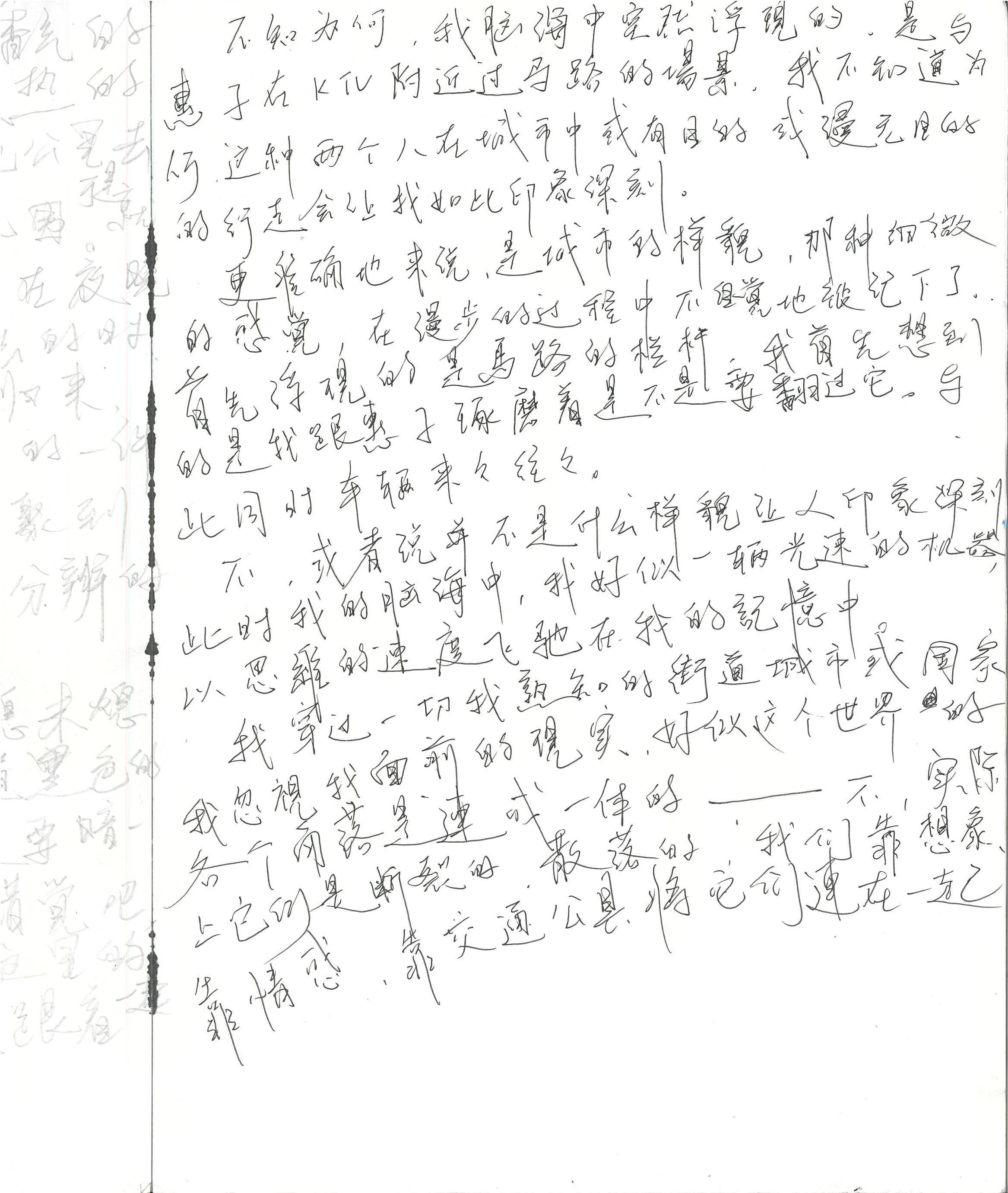
The keywords I give to this piece are ‘dream’, ‘subconscious’, ‘expression’, ‘photography’, and ‘truth’. It began with a dream I once had. I wrote the dream down: on the surface, it was about searching for an answer. The dream stayed with me so vividly that, for the first time, I felt the urge to turn a dream into a work of art.
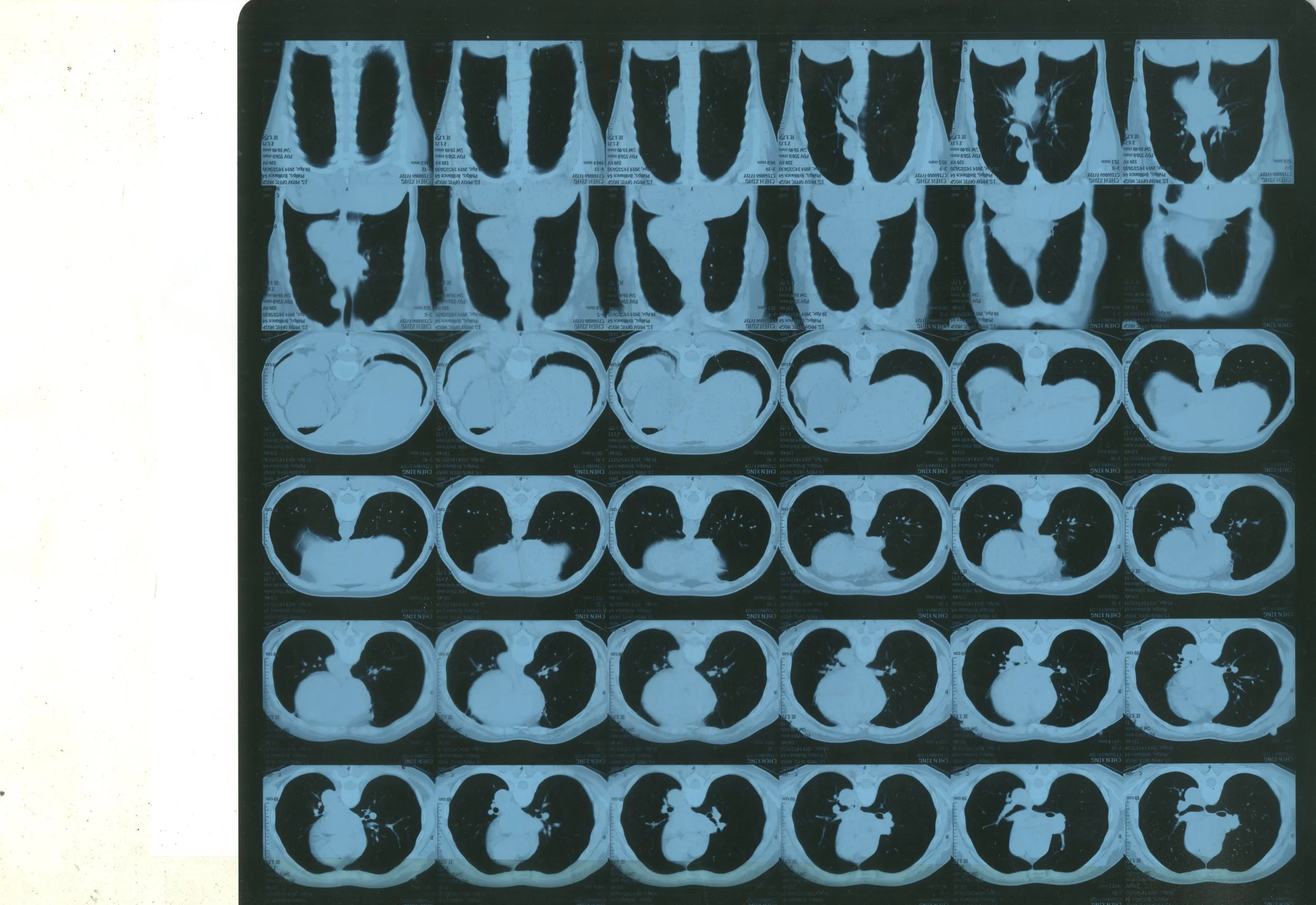
The other creative thread comes from photography. After watching Antonioni’s Blow-Up, I couldn’t forget a detail: the photographer repeatedly enlarging, zooming in a photo, eventually revealing a murder scene within it. The act of developing film left a deep mark on me, as if there were a strange magic to it.
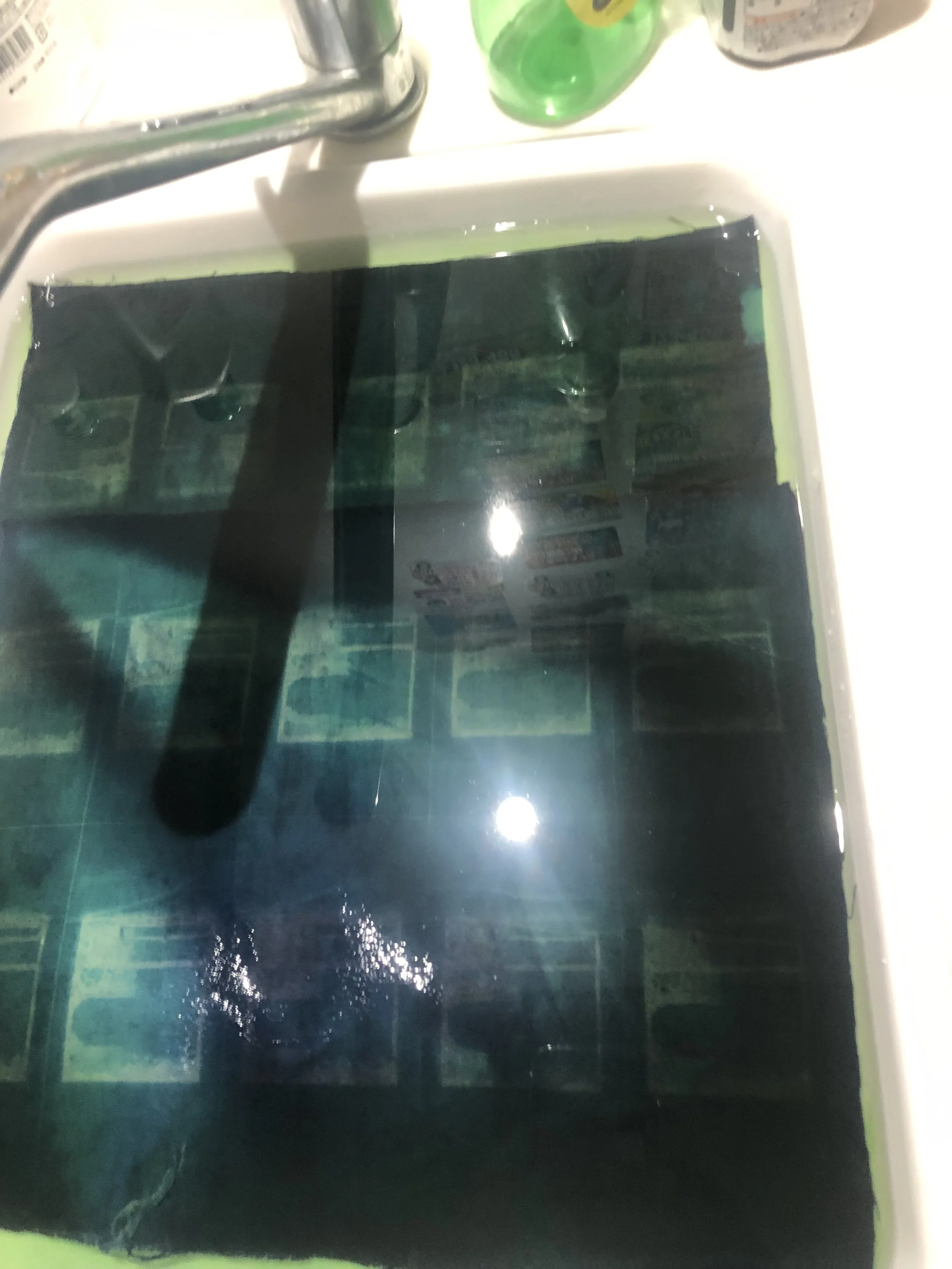
Wanting to understand this feeling, I went to a darkroom to learn film development. In that dim red, silent space, the only sound was the photograph sliding into the developer.
Once I understood the process, I realized that every stage of development could become part of the creative act. A photograph is not fixed the moment the shutter closes. I began thinking more about the relationship between the photograph and truth — the same question Antonioni poses in Blow-Up. Can a photo truly reflect reality?
Sometimes, I feel photography is less a ‘record’ than a ‘misreading,’ so I chose to play the role of a ‘failed’ photographer. Out of my interest in photography, I started to see a subtle connection between my dream and the photographic process. The idea of using photography to capture a dream began to take shape.
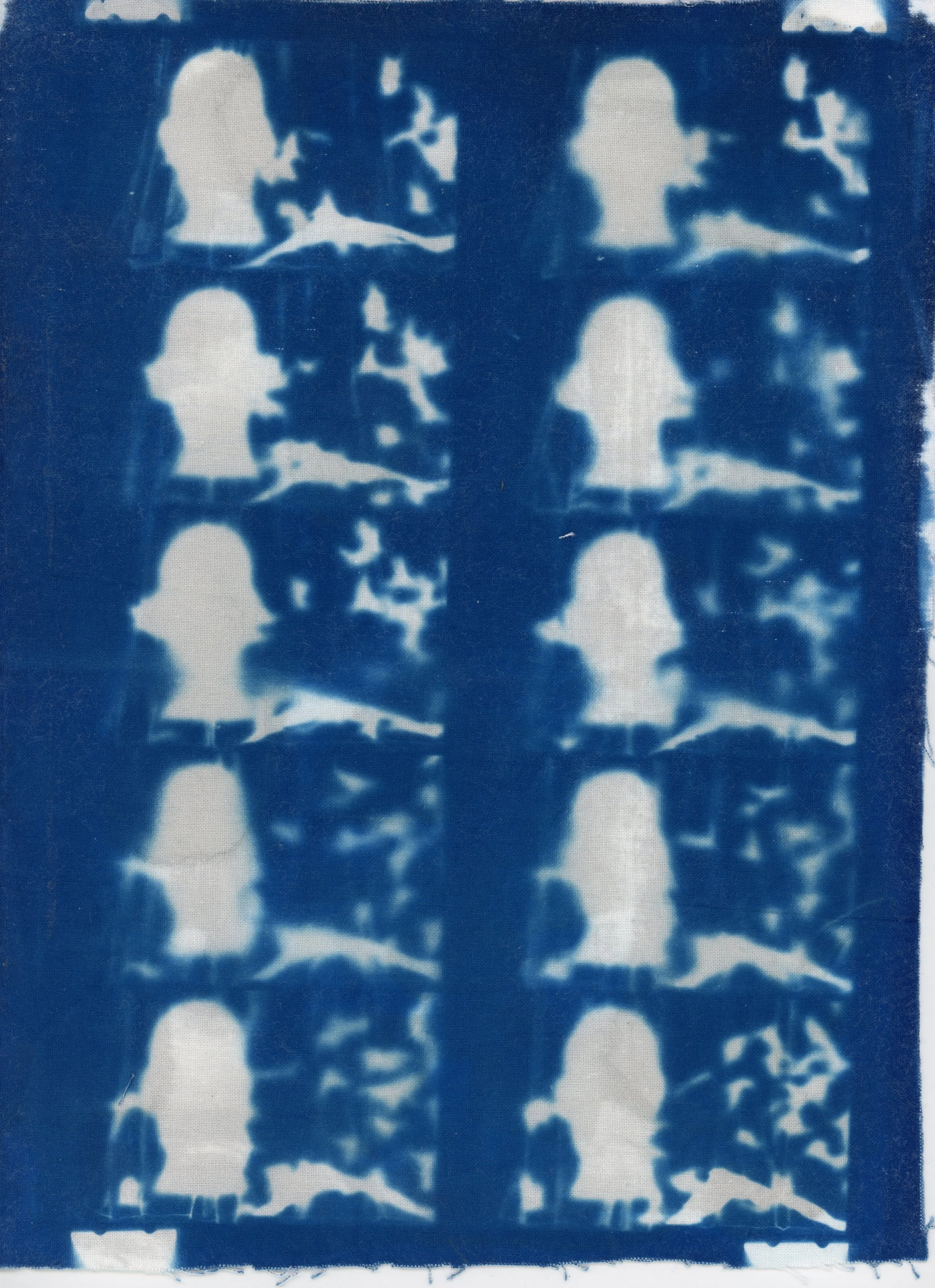
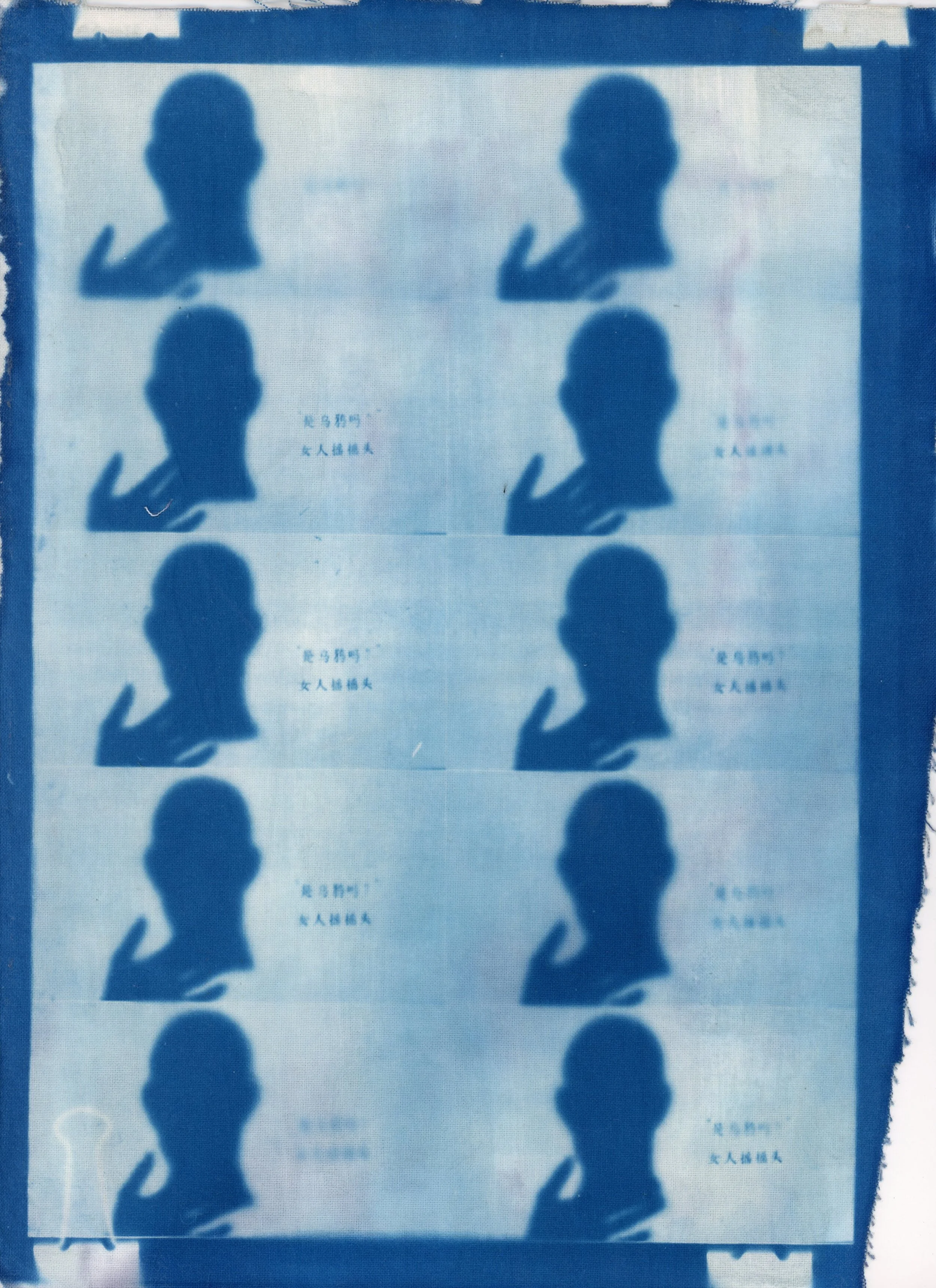
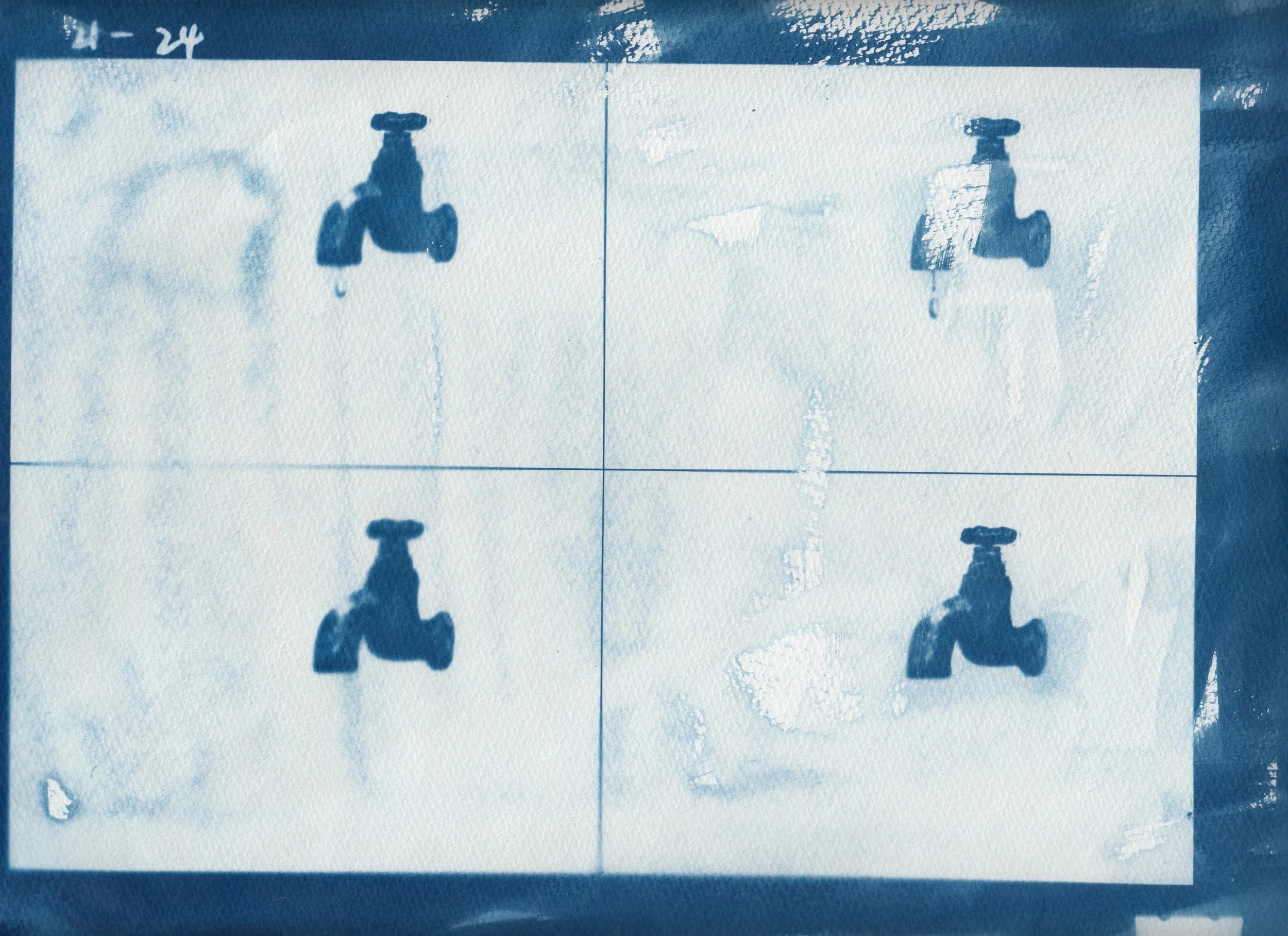
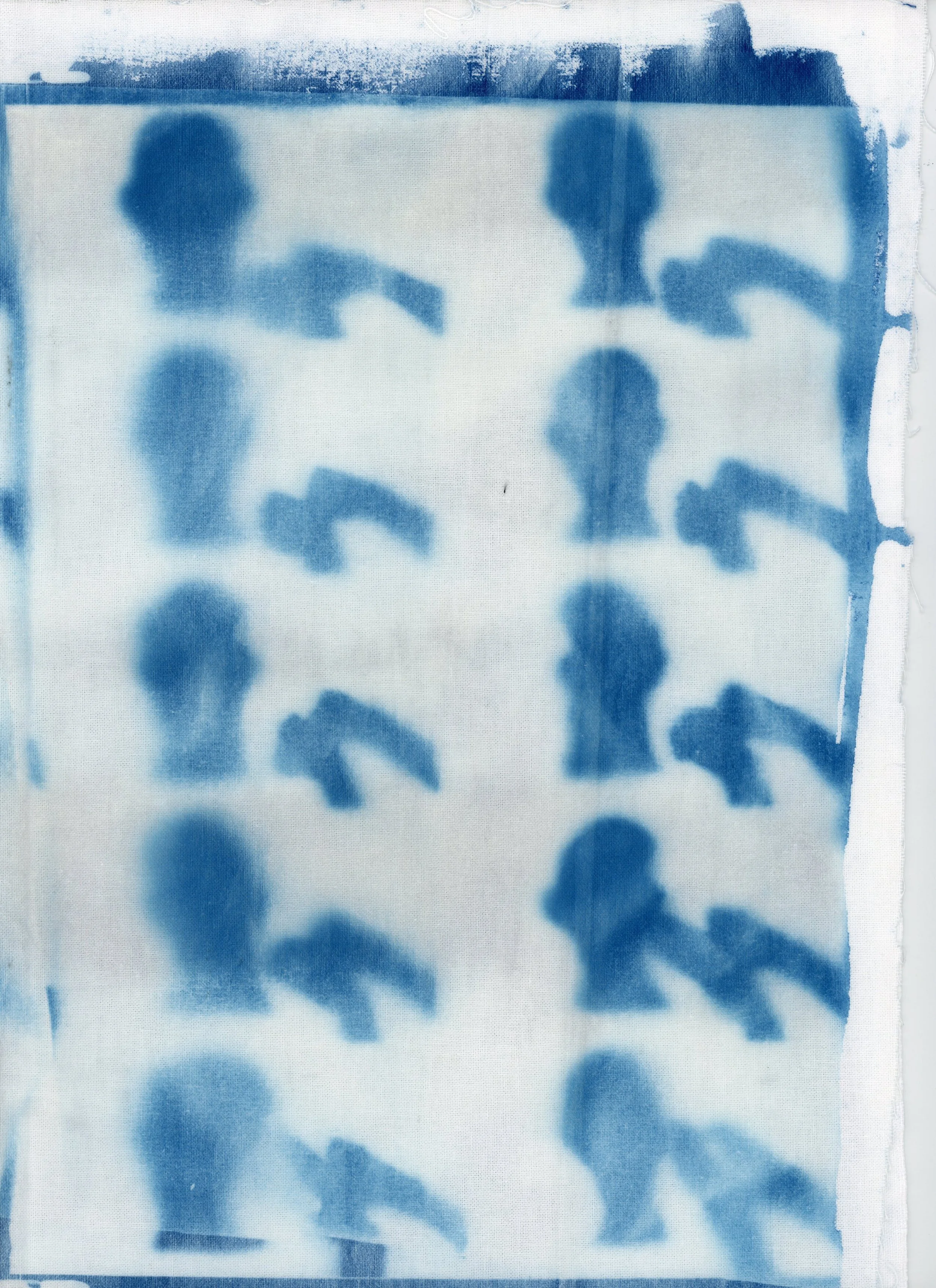
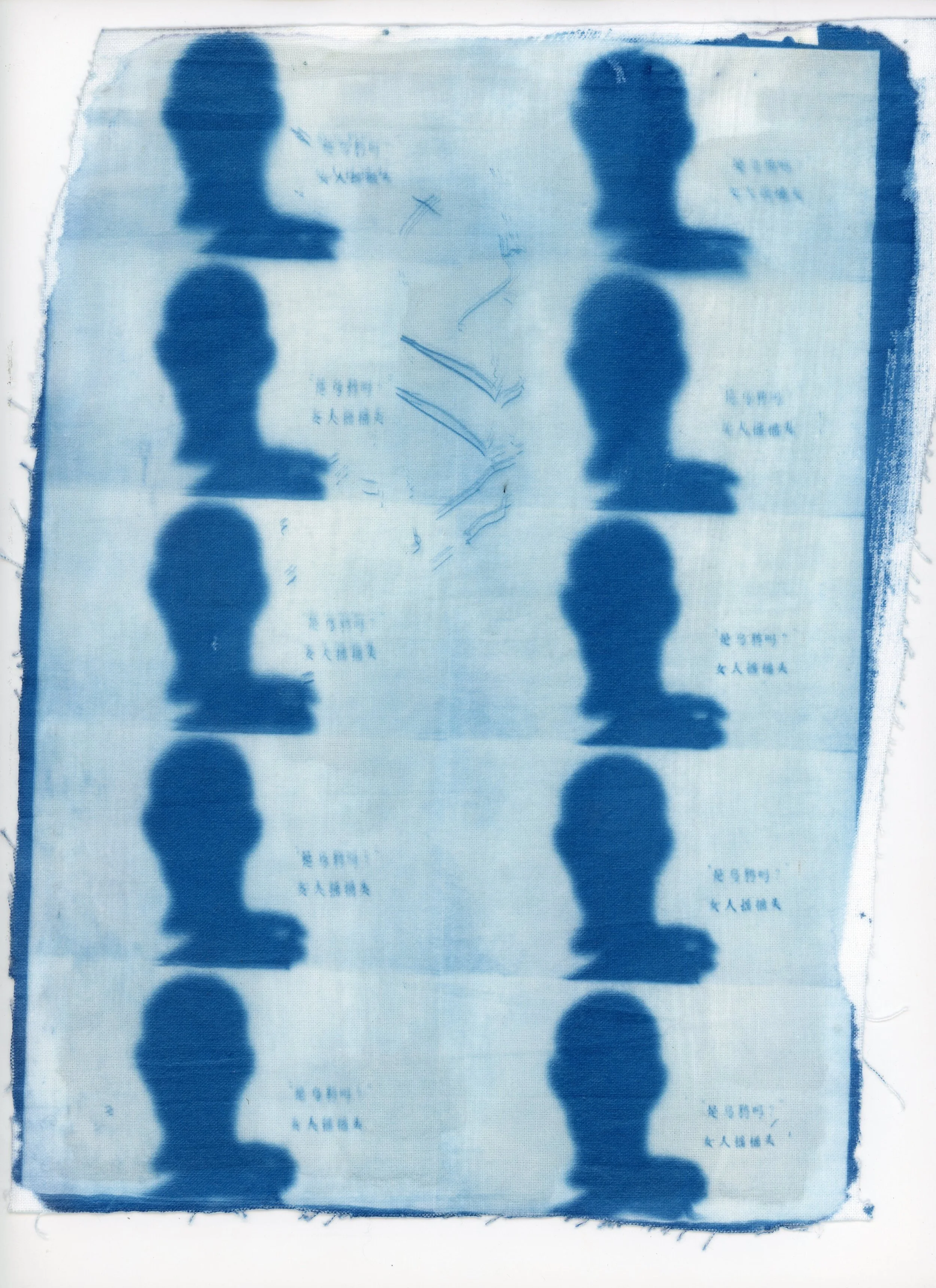
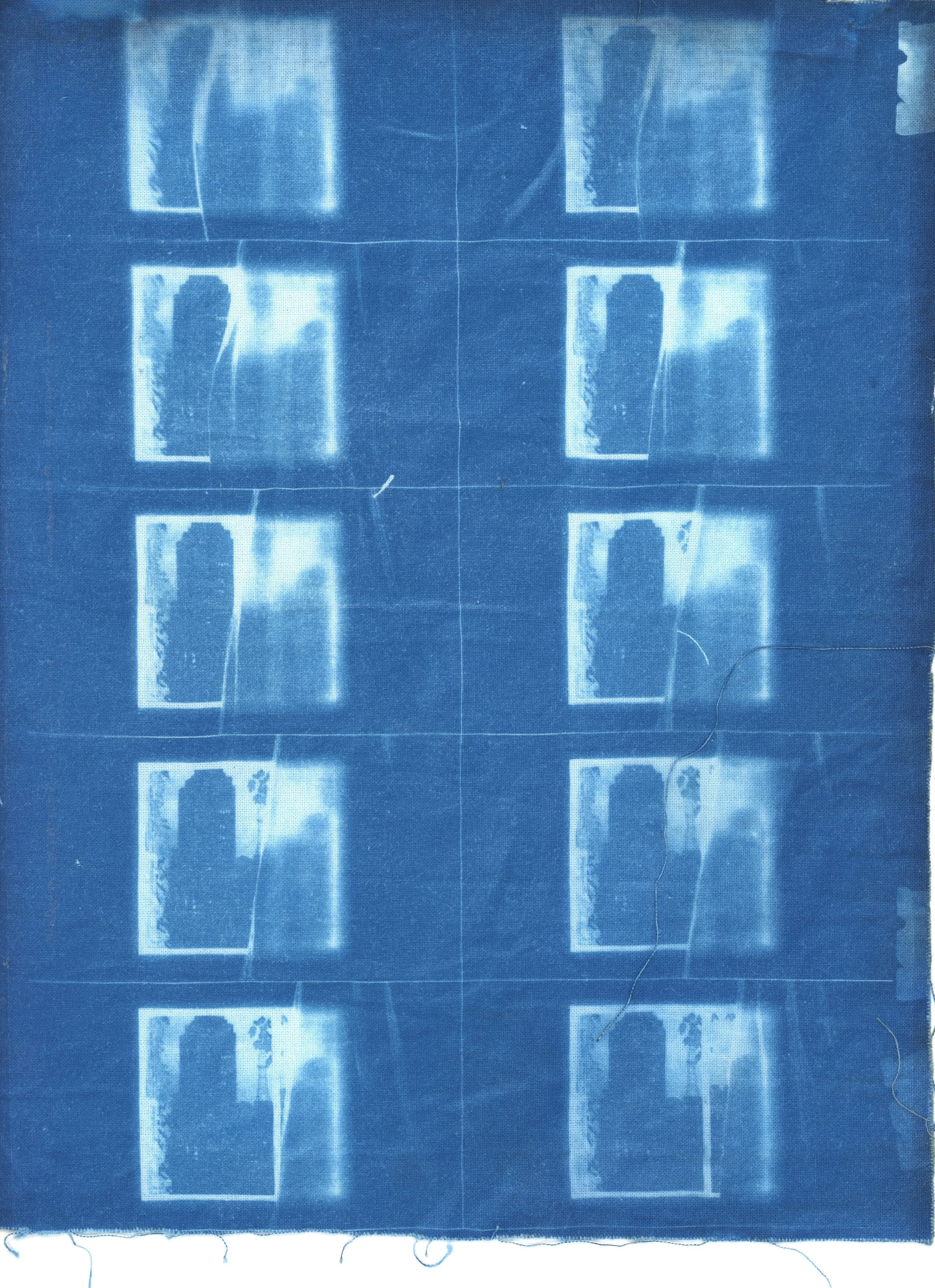
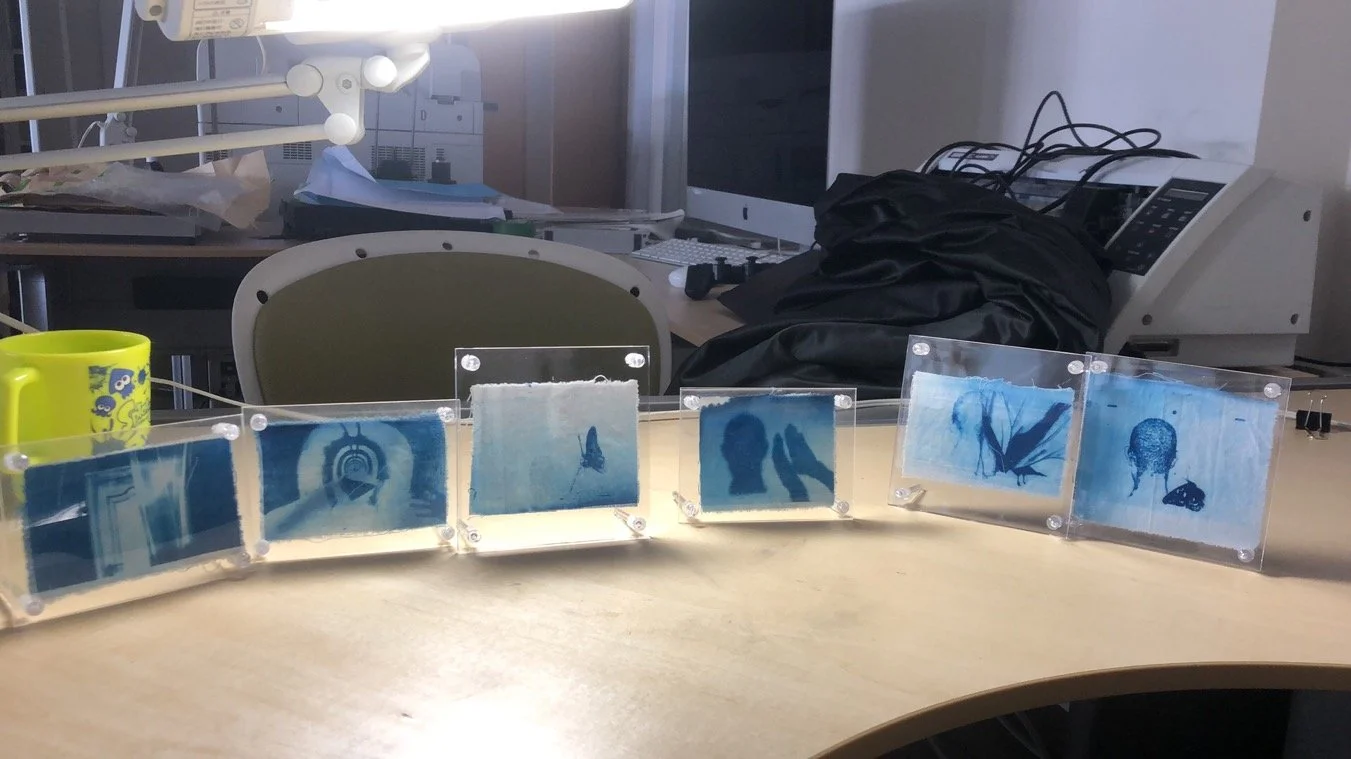
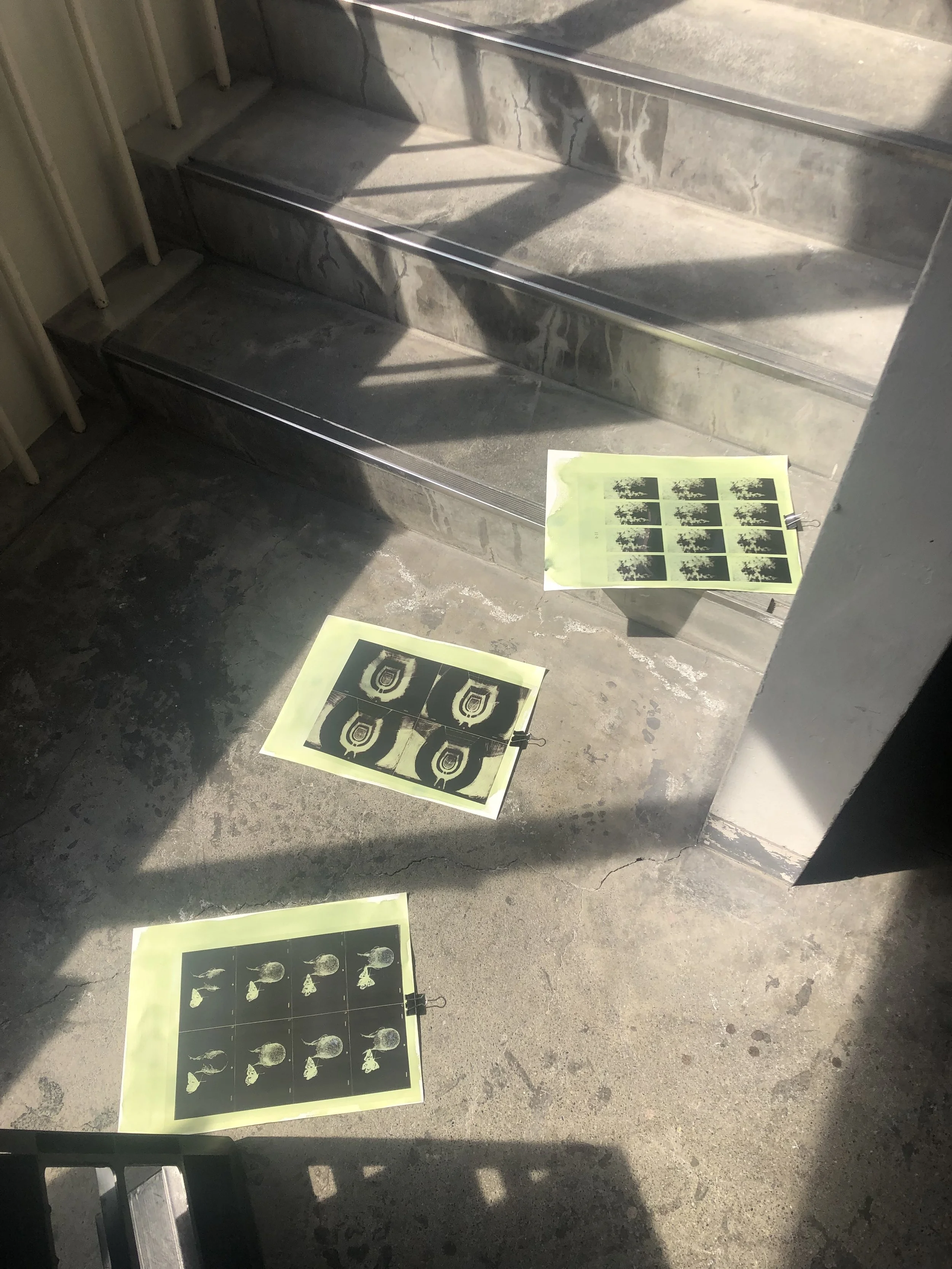
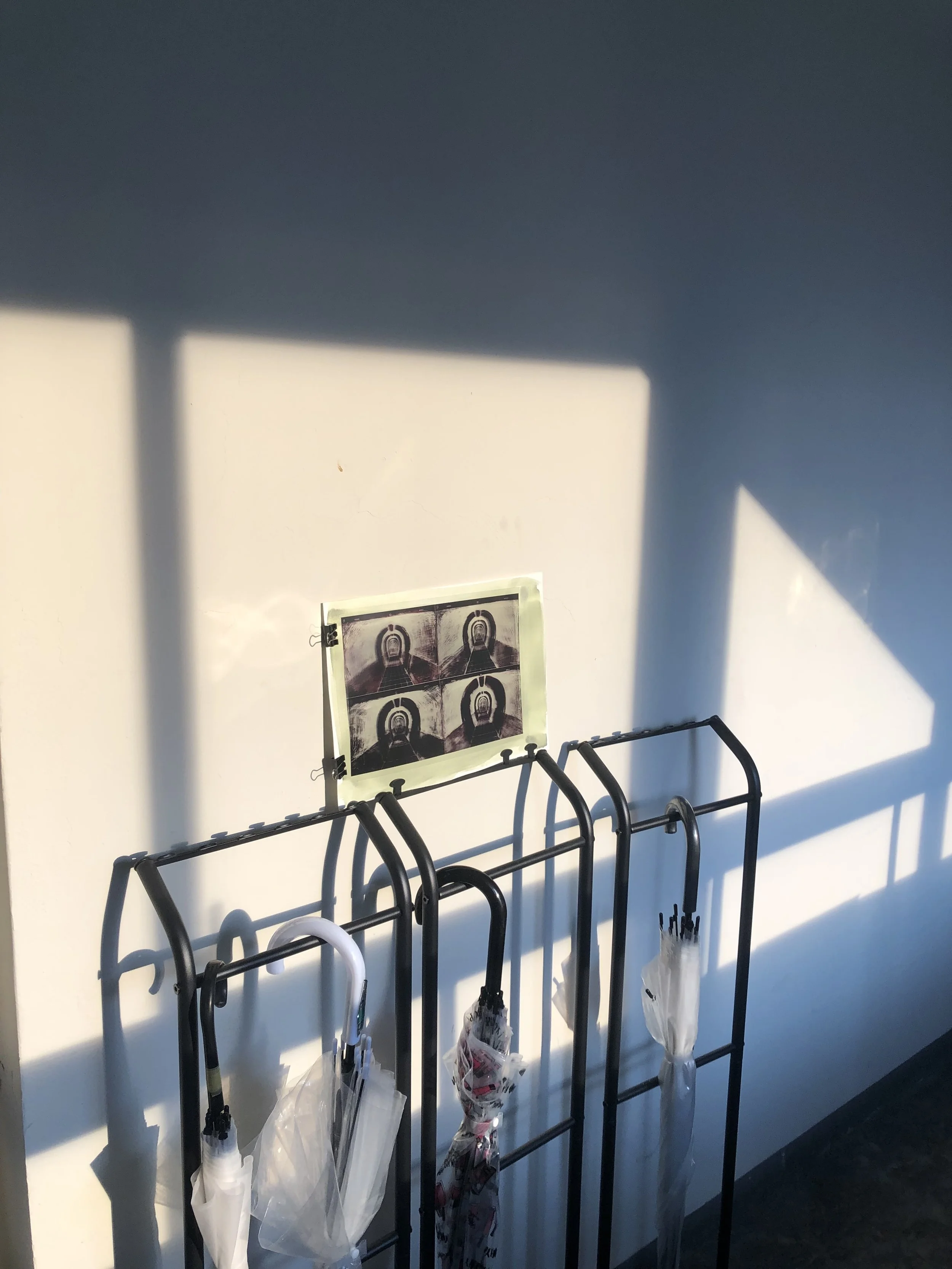
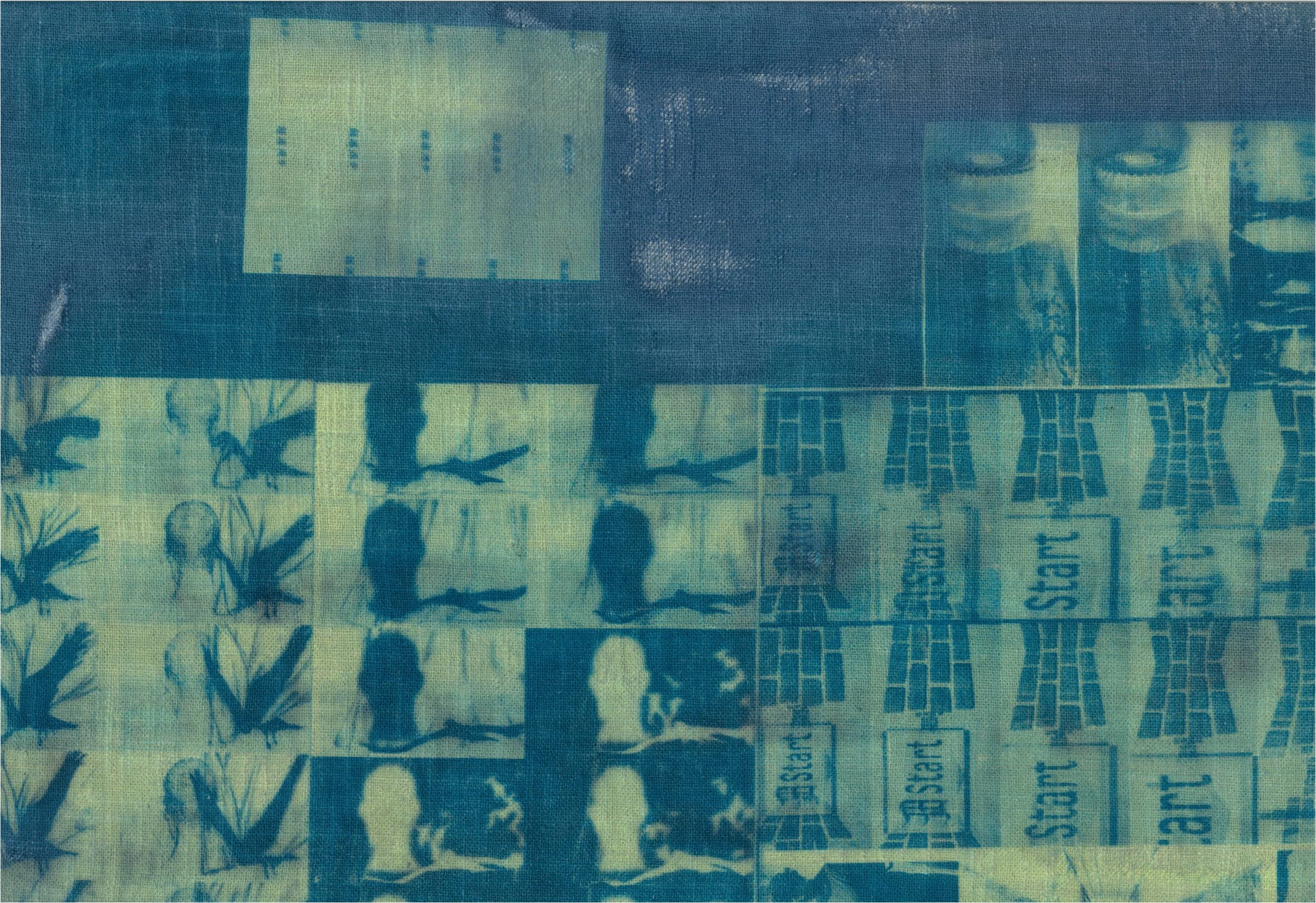
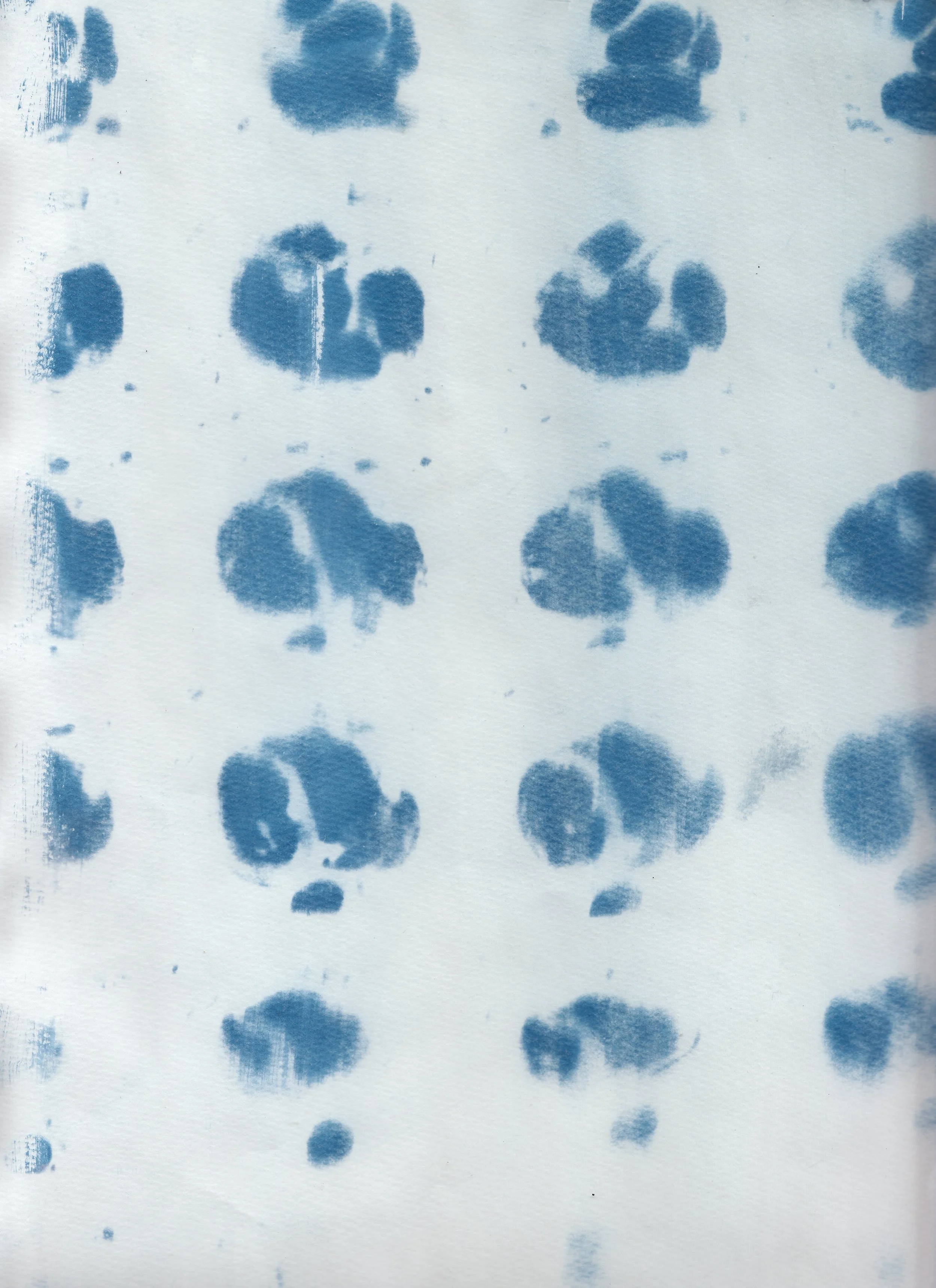
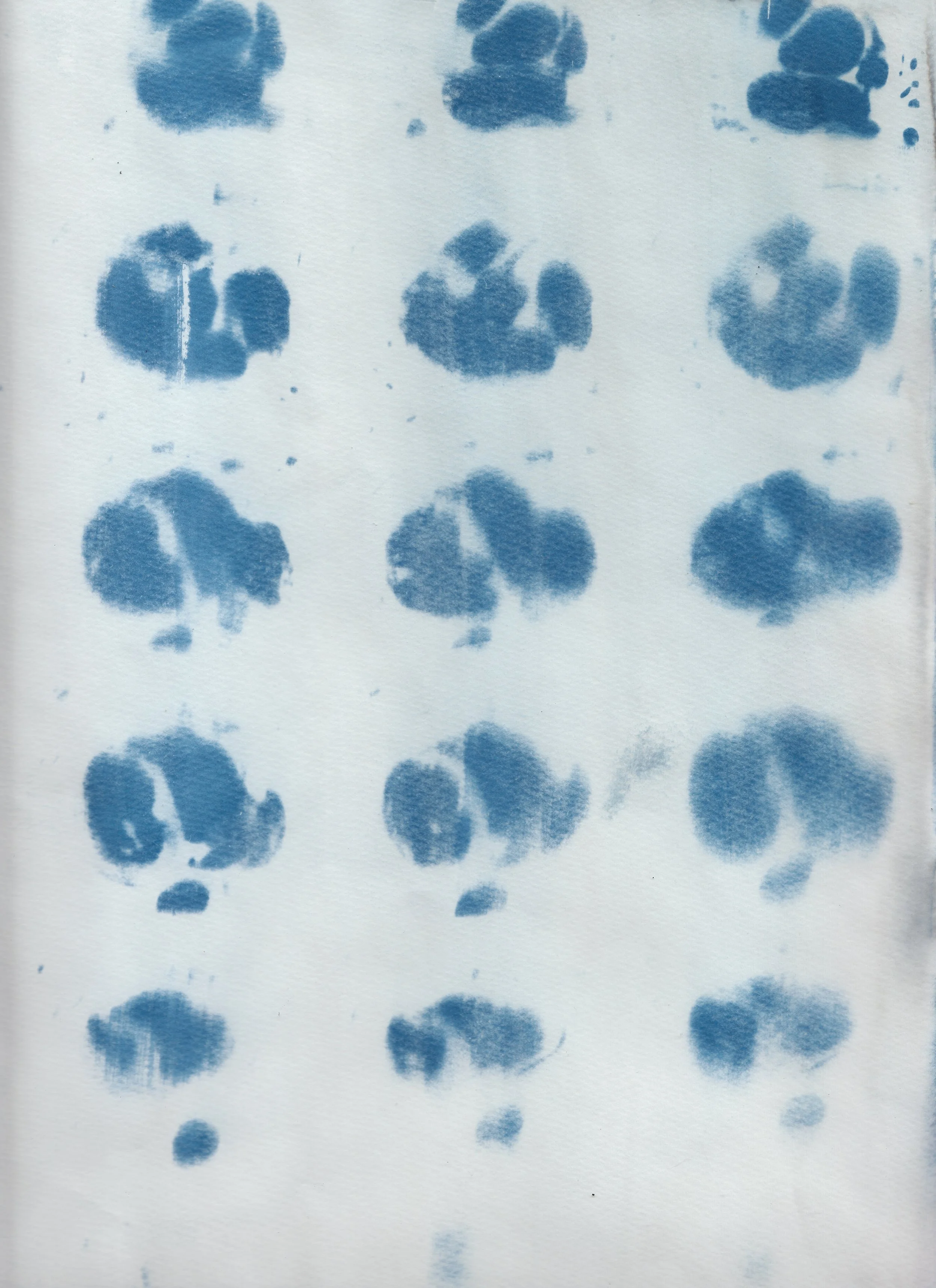
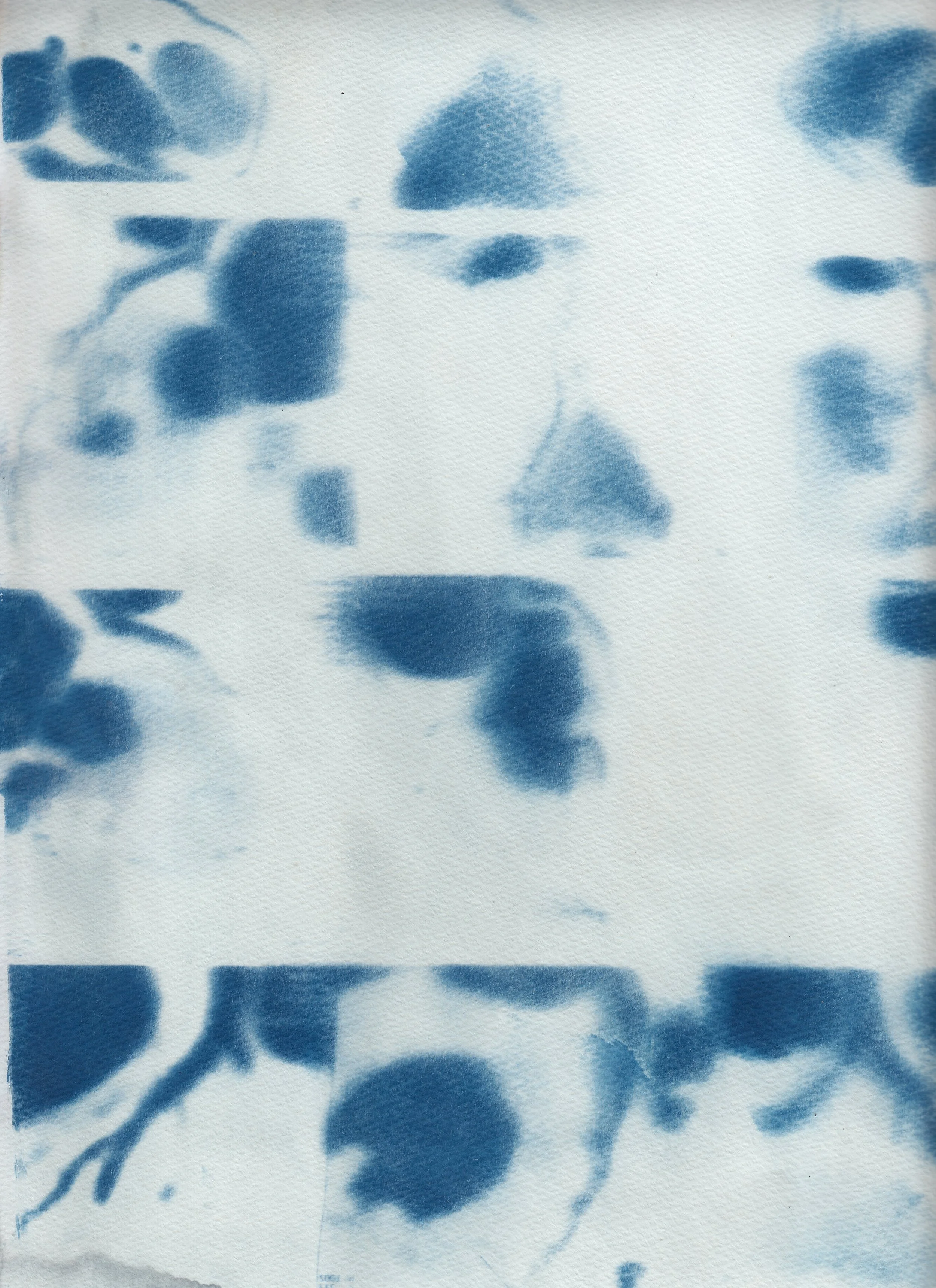
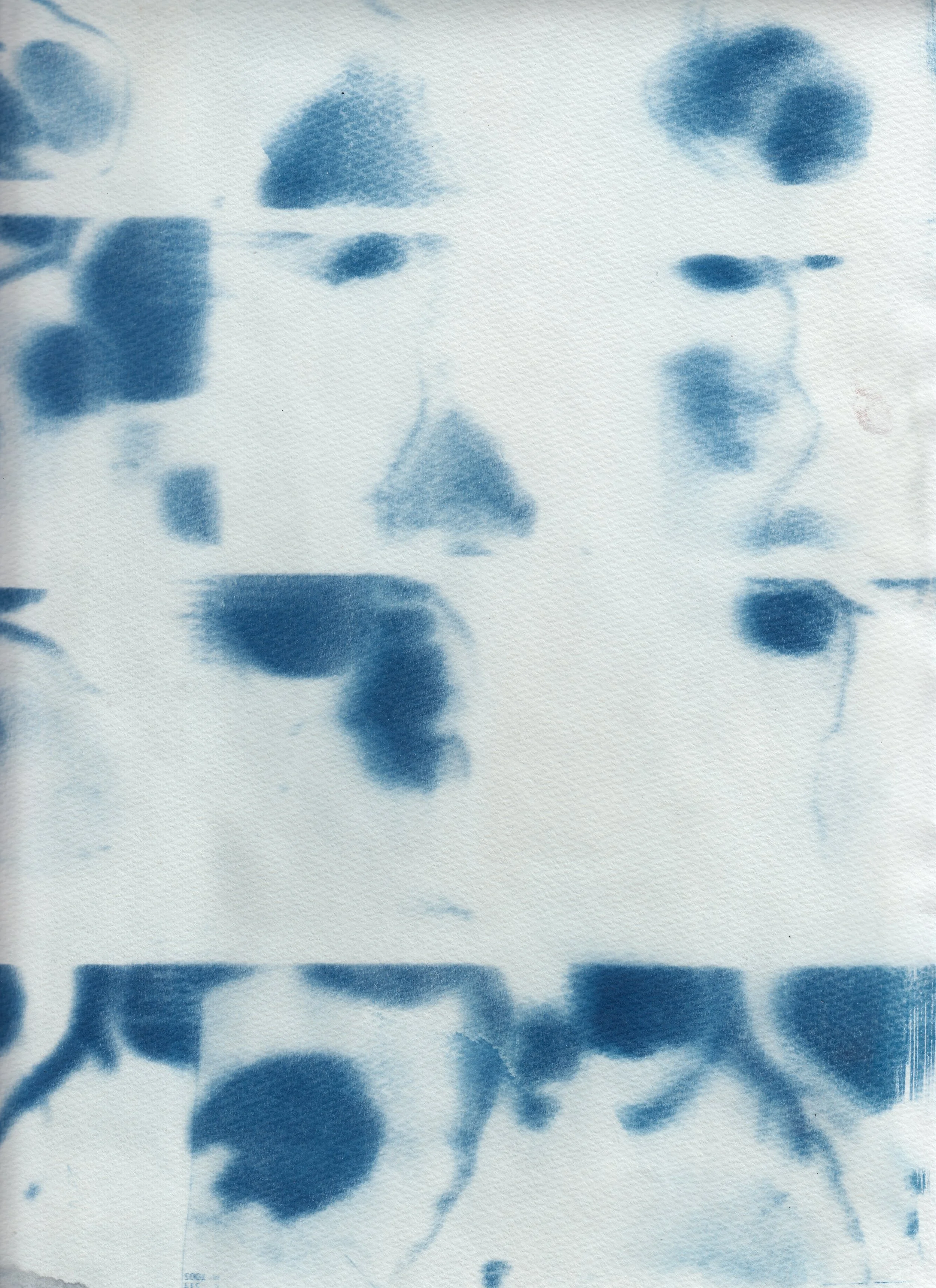
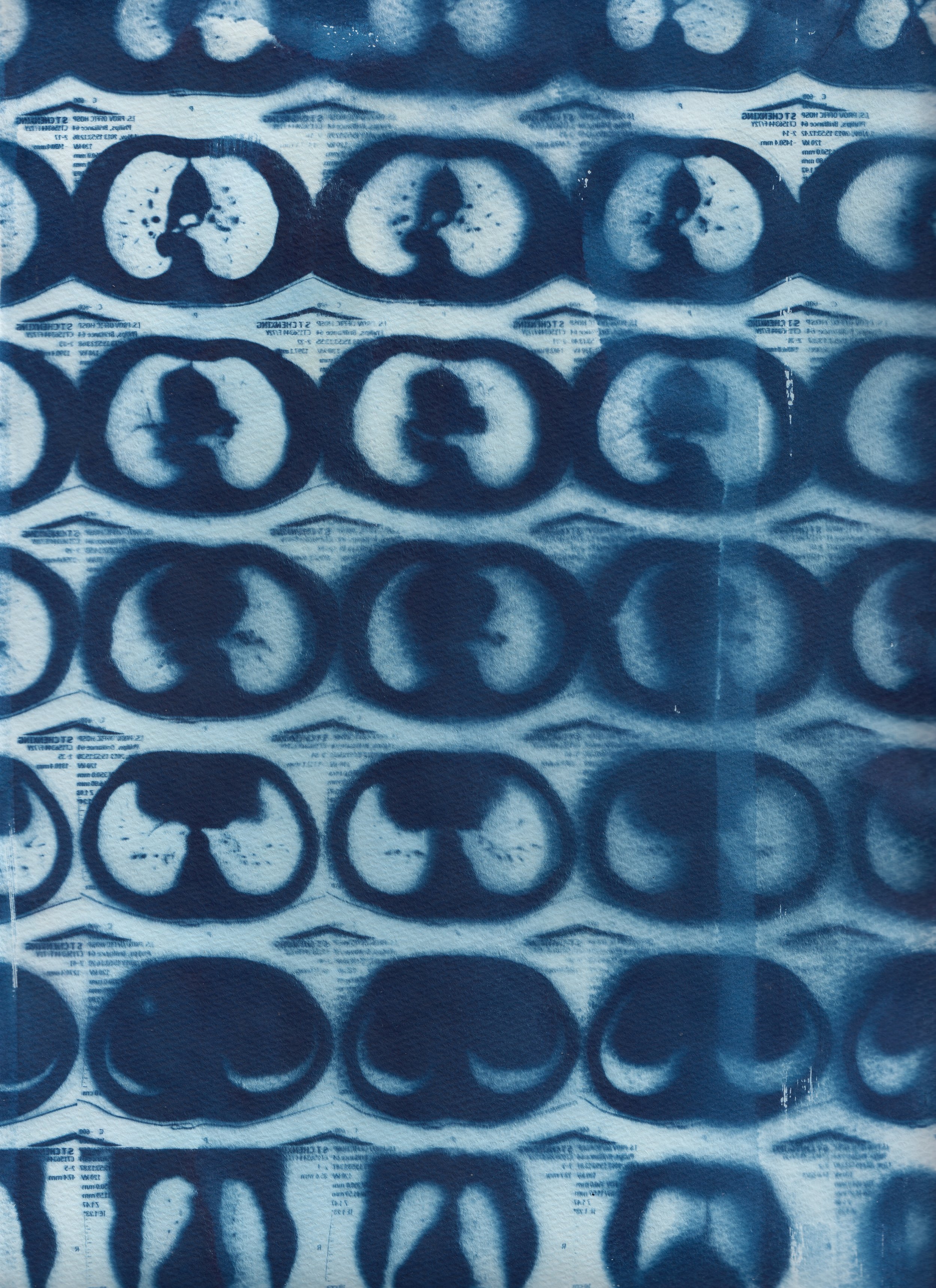
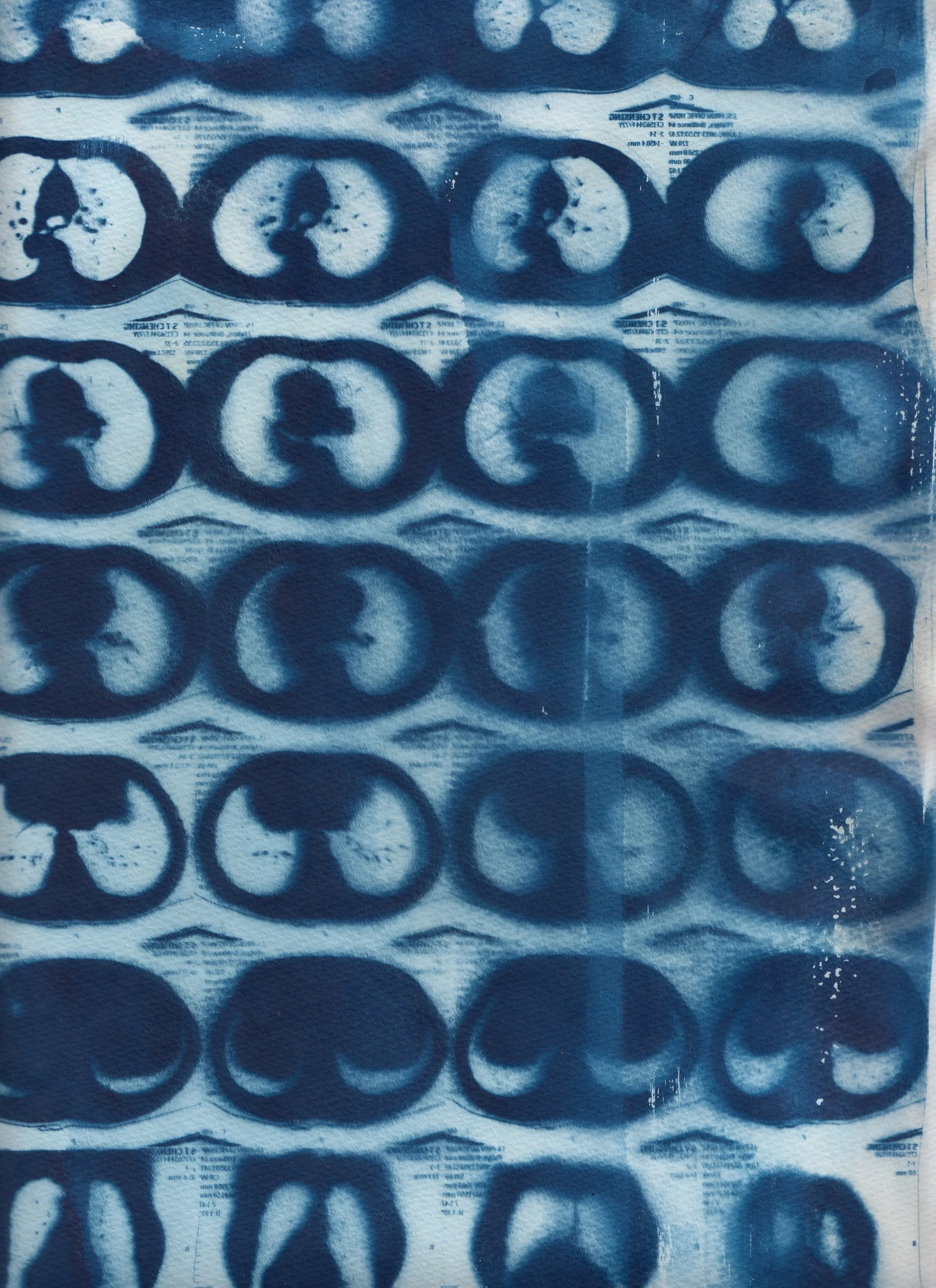
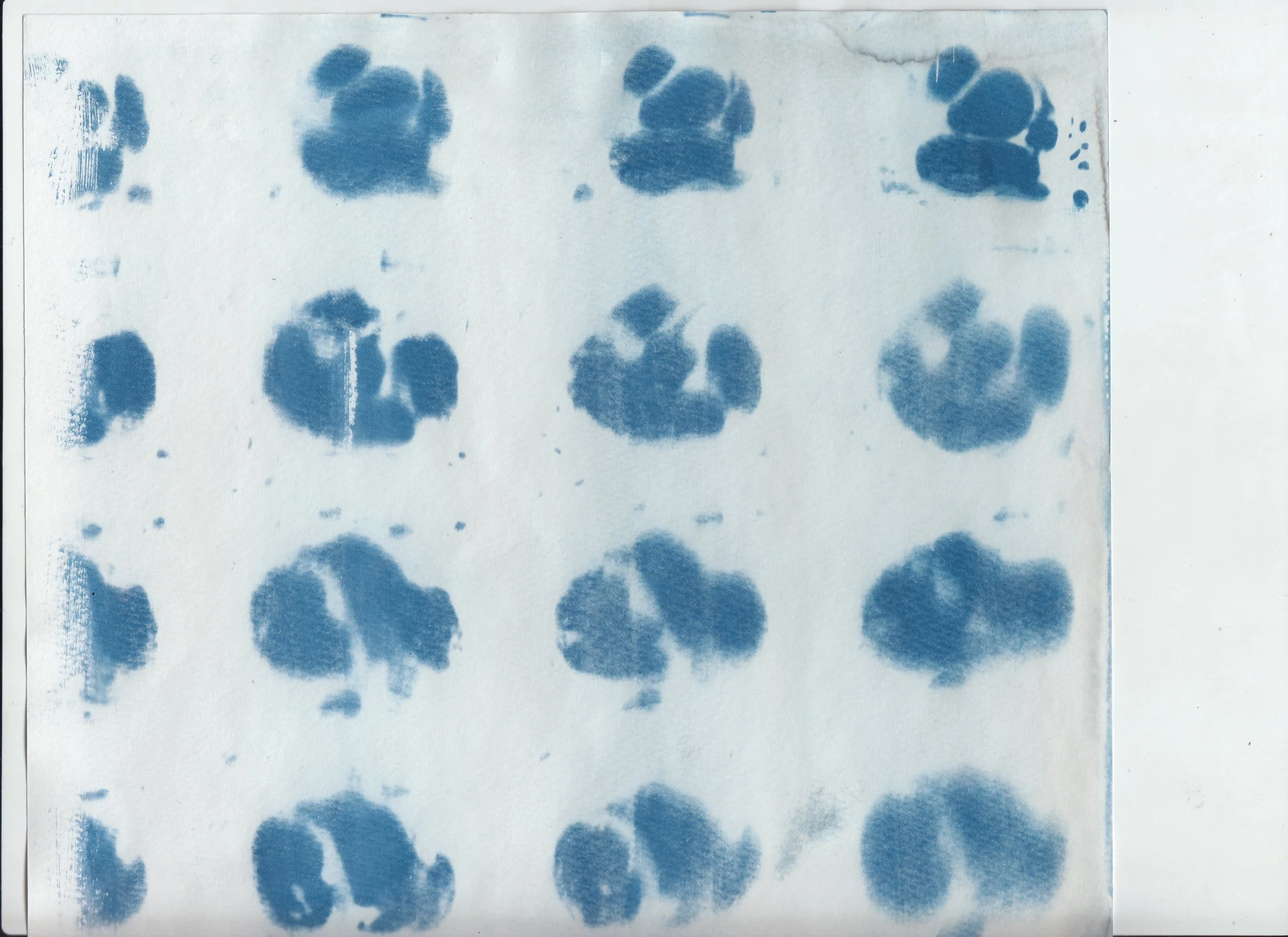
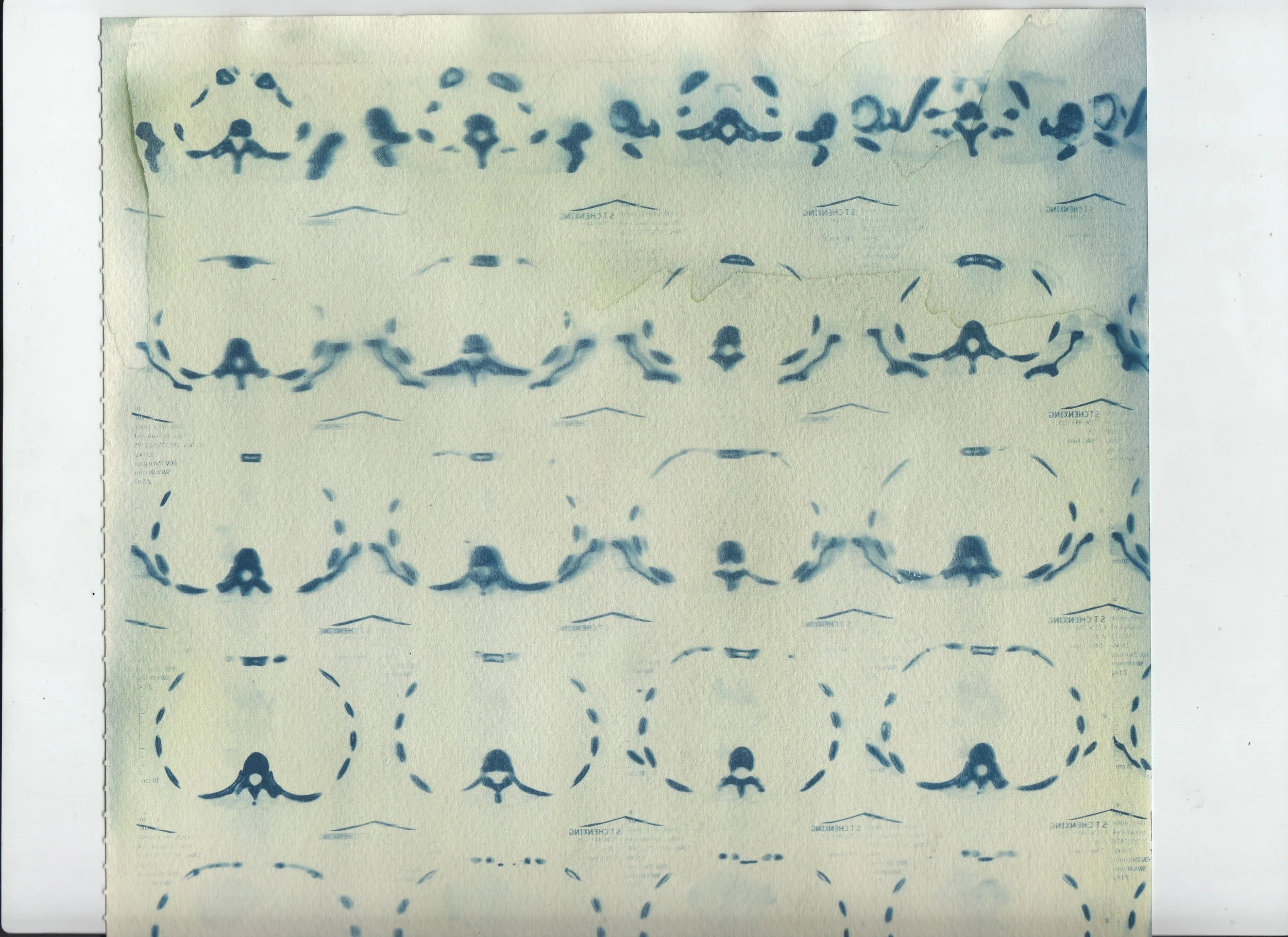
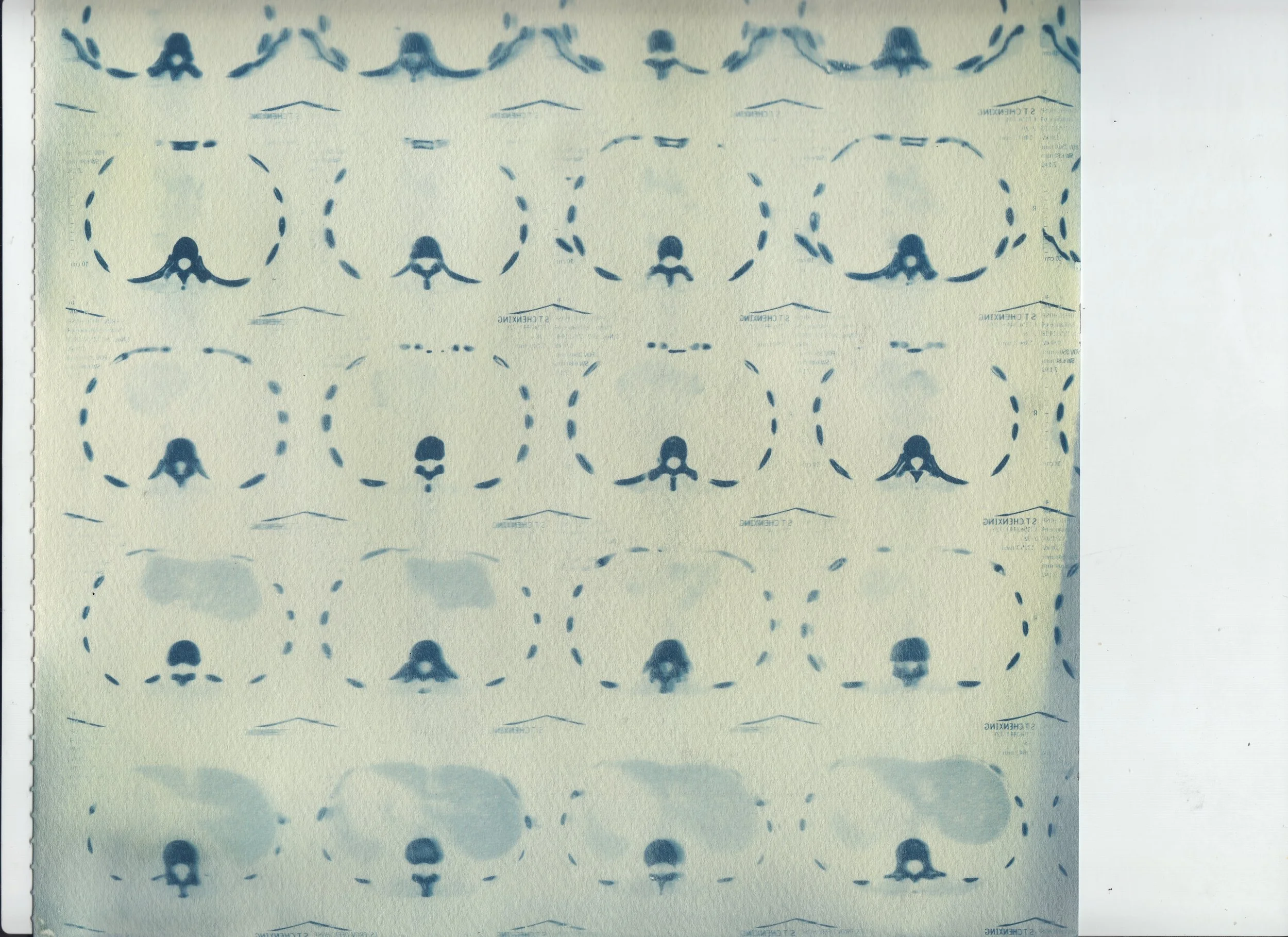
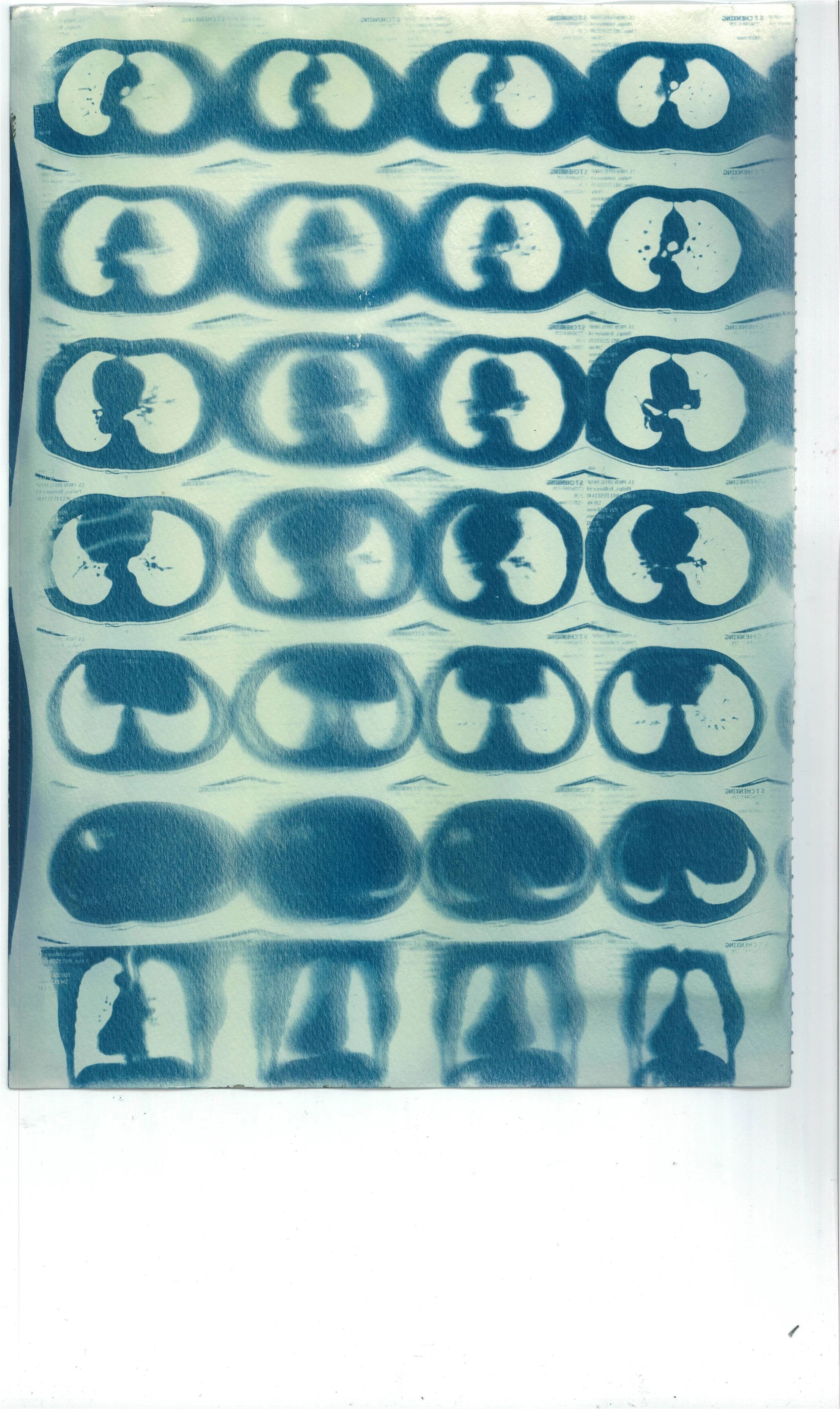
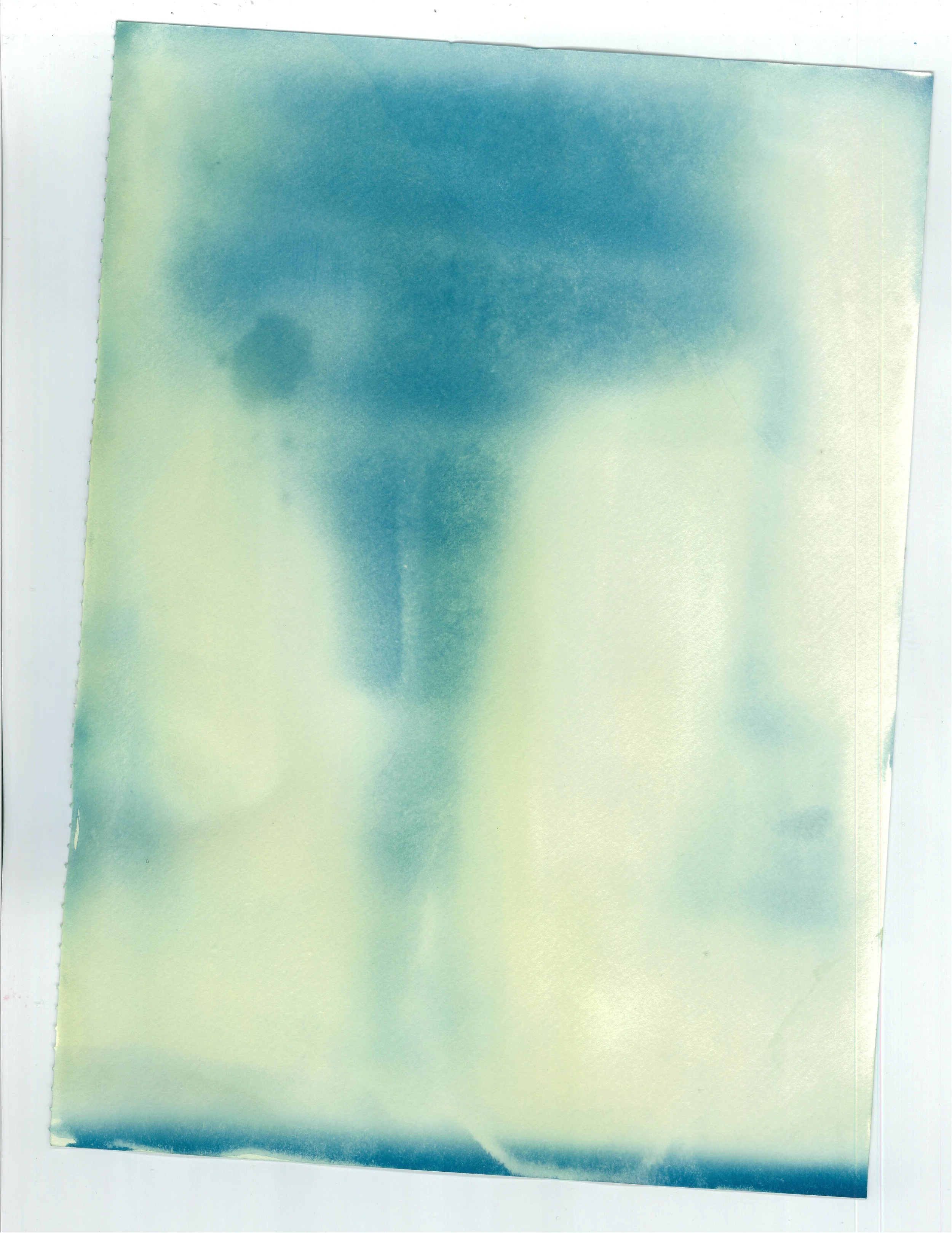
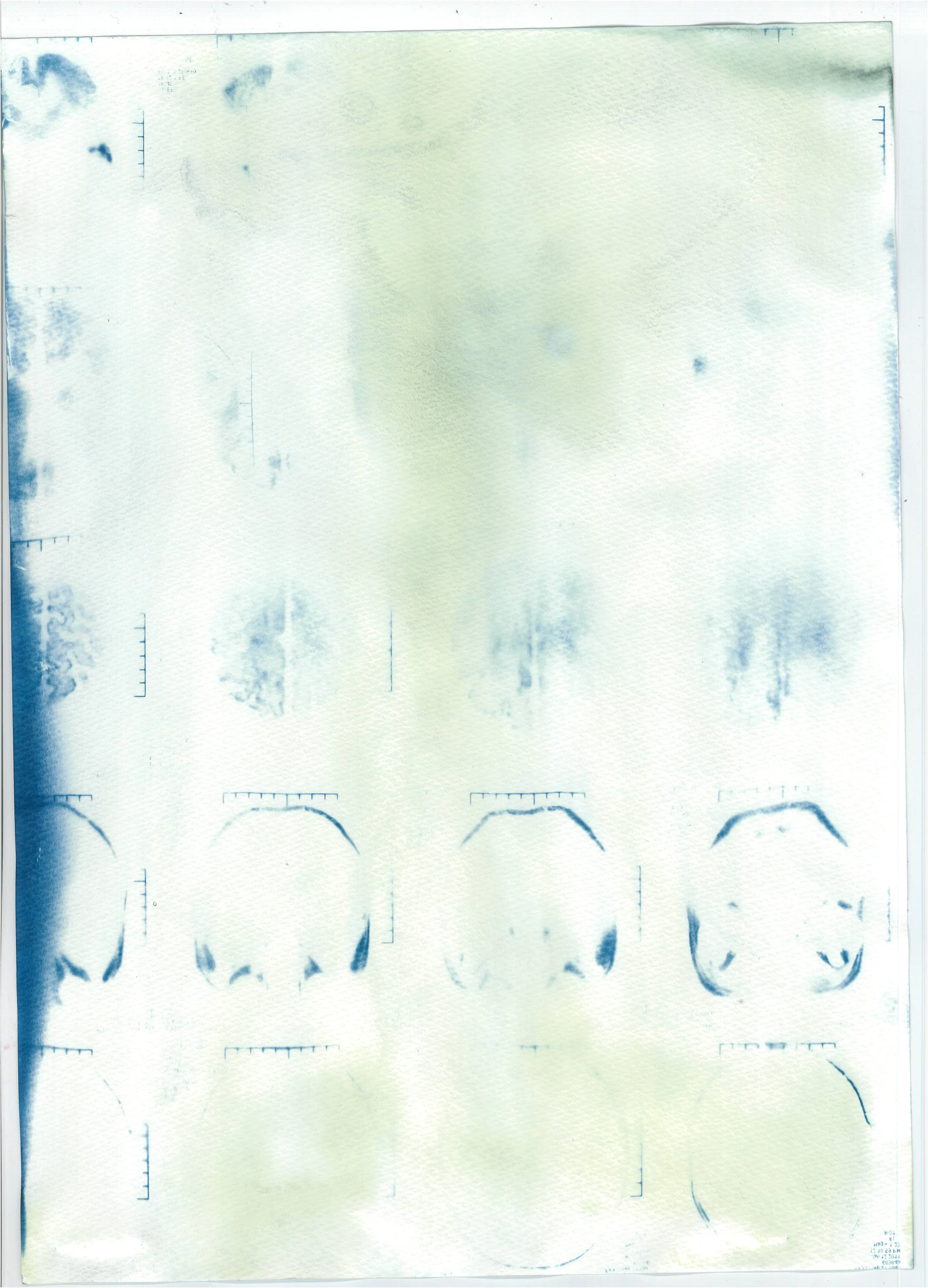
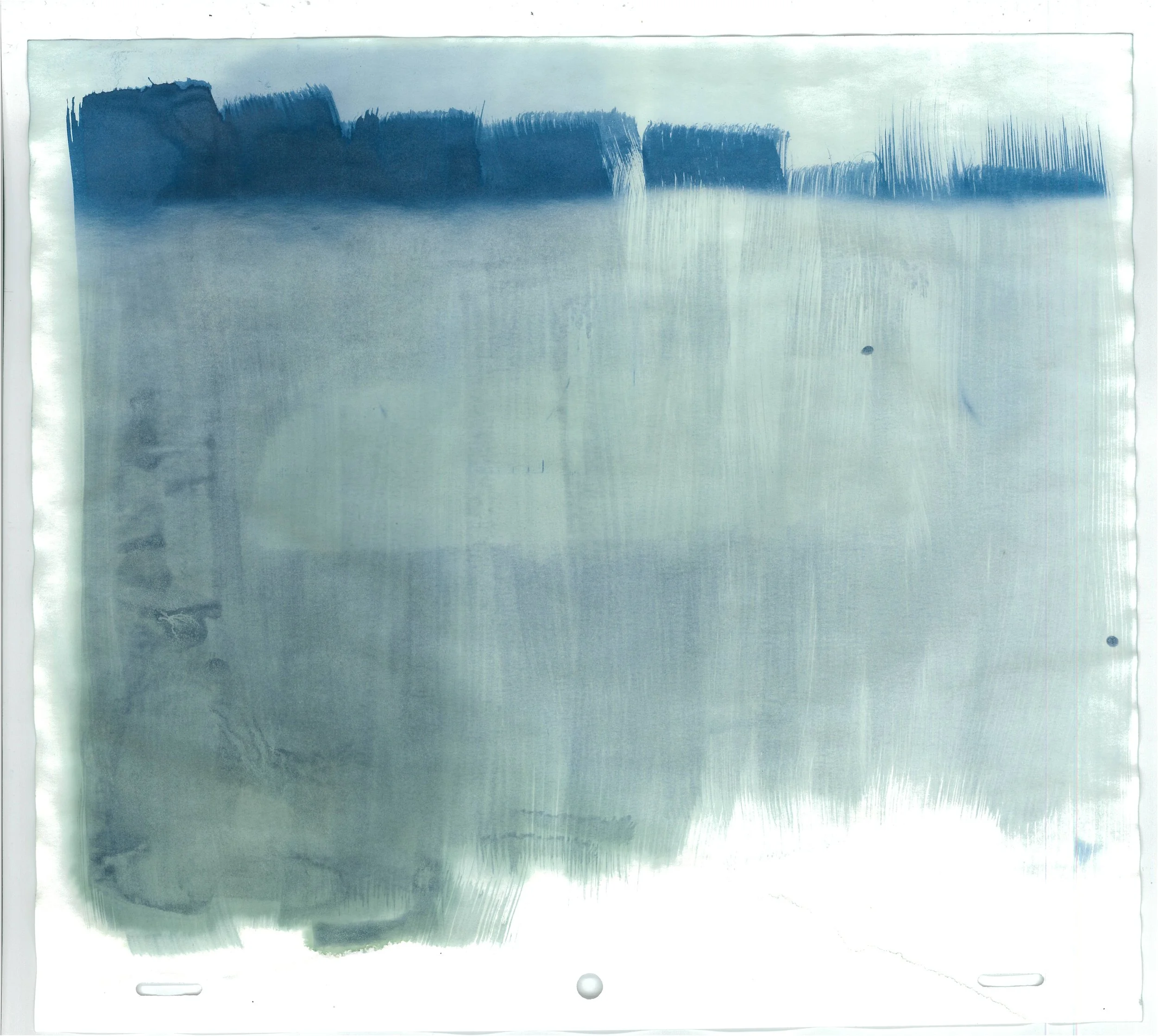
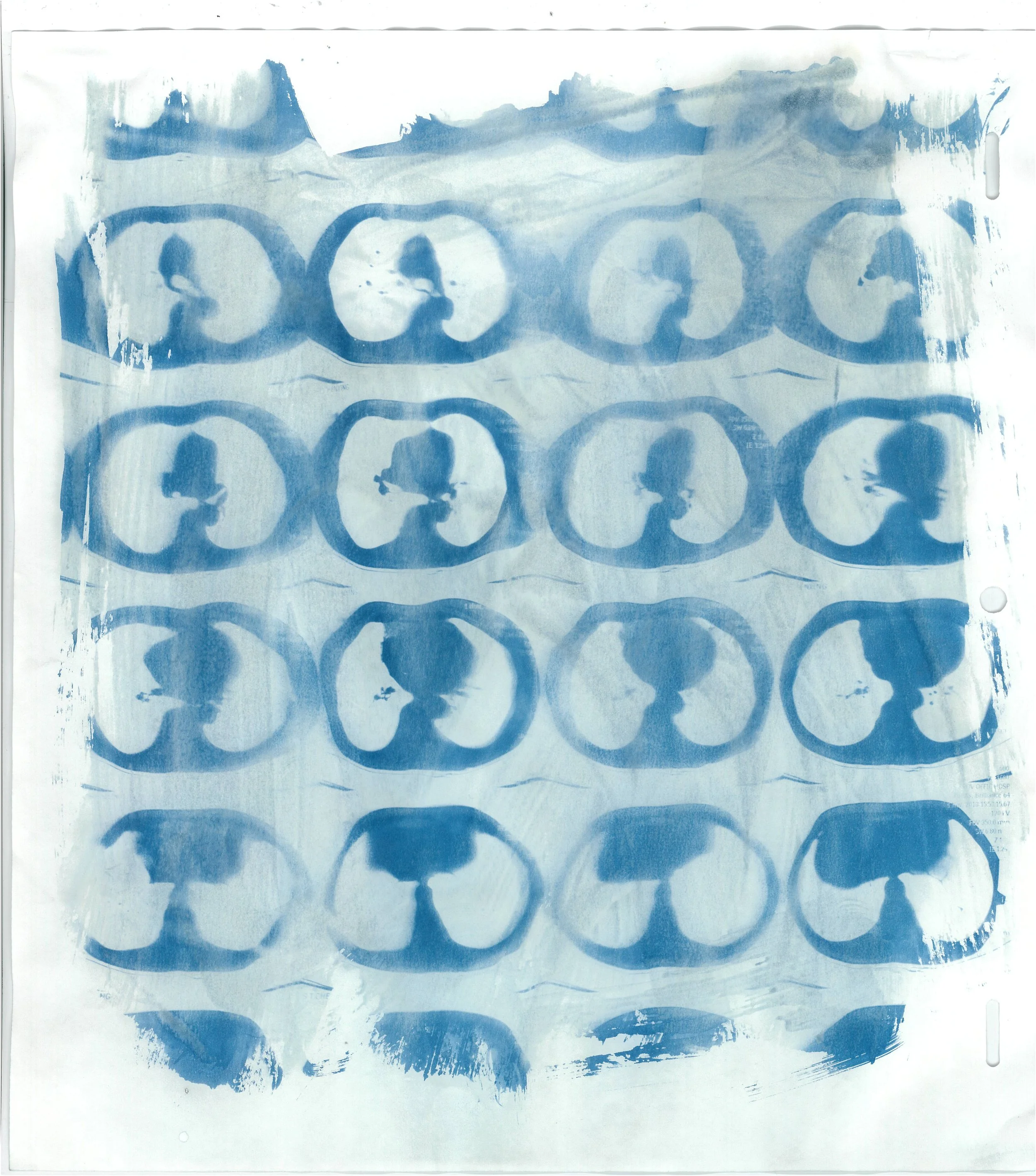
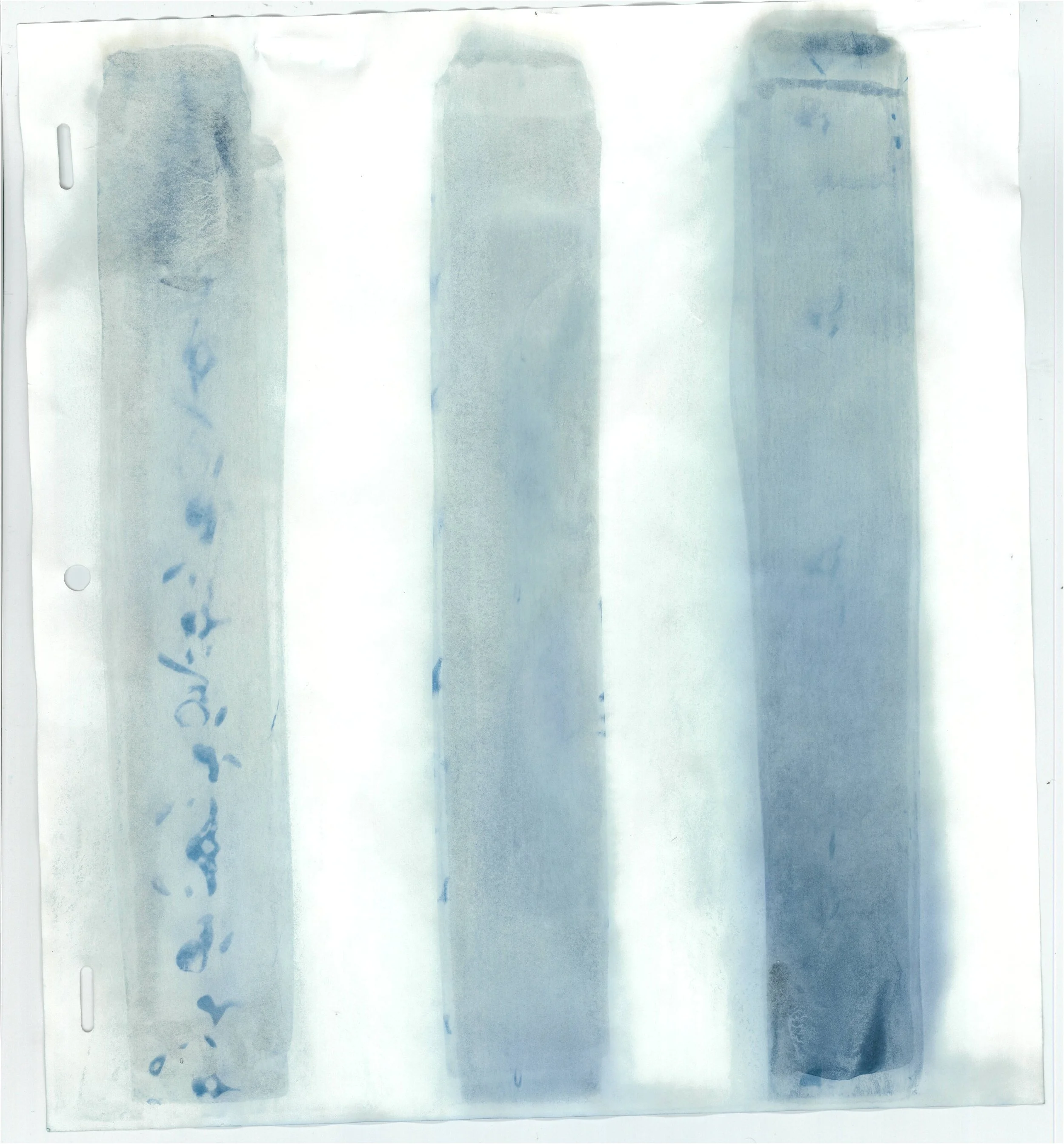
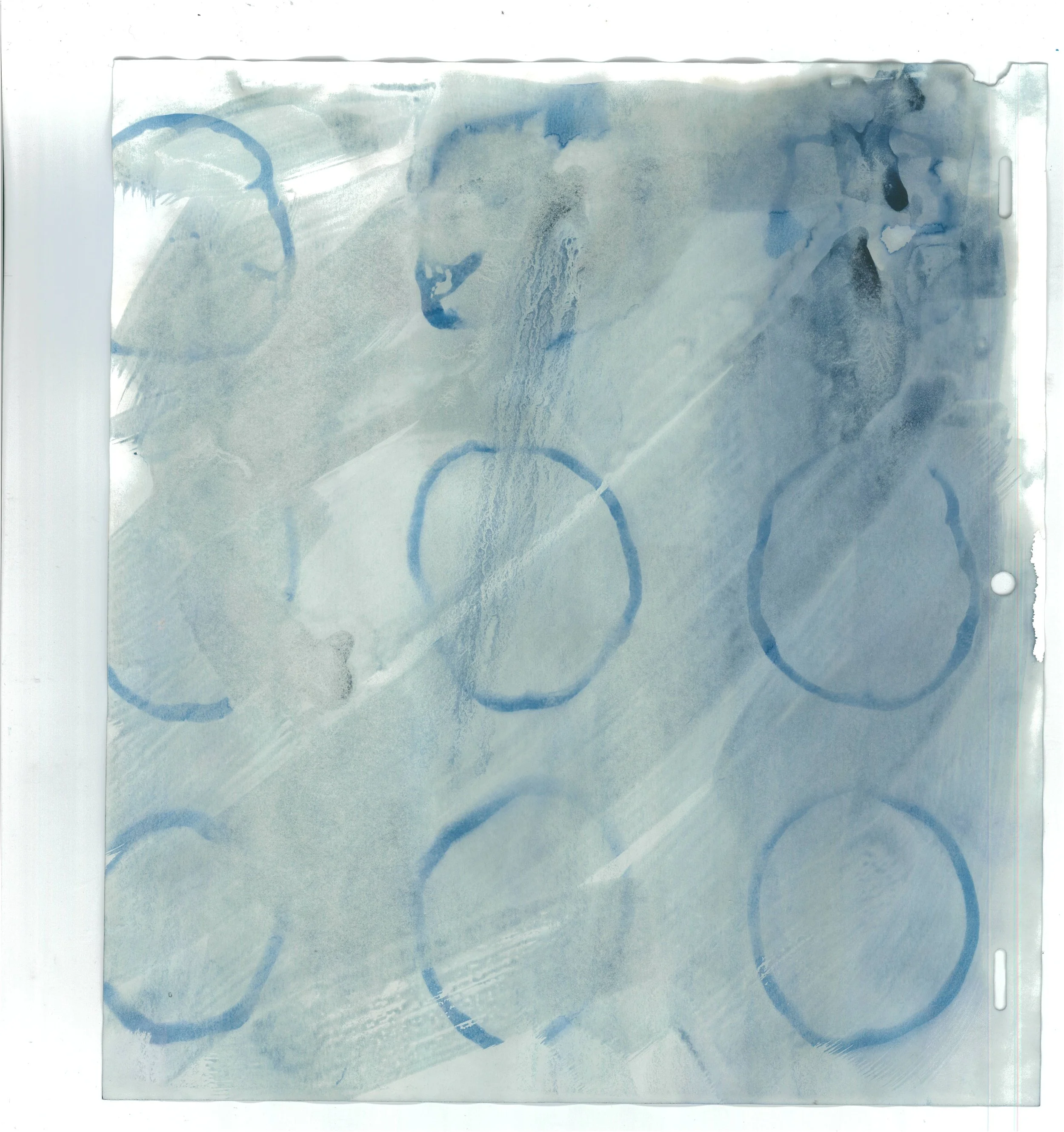
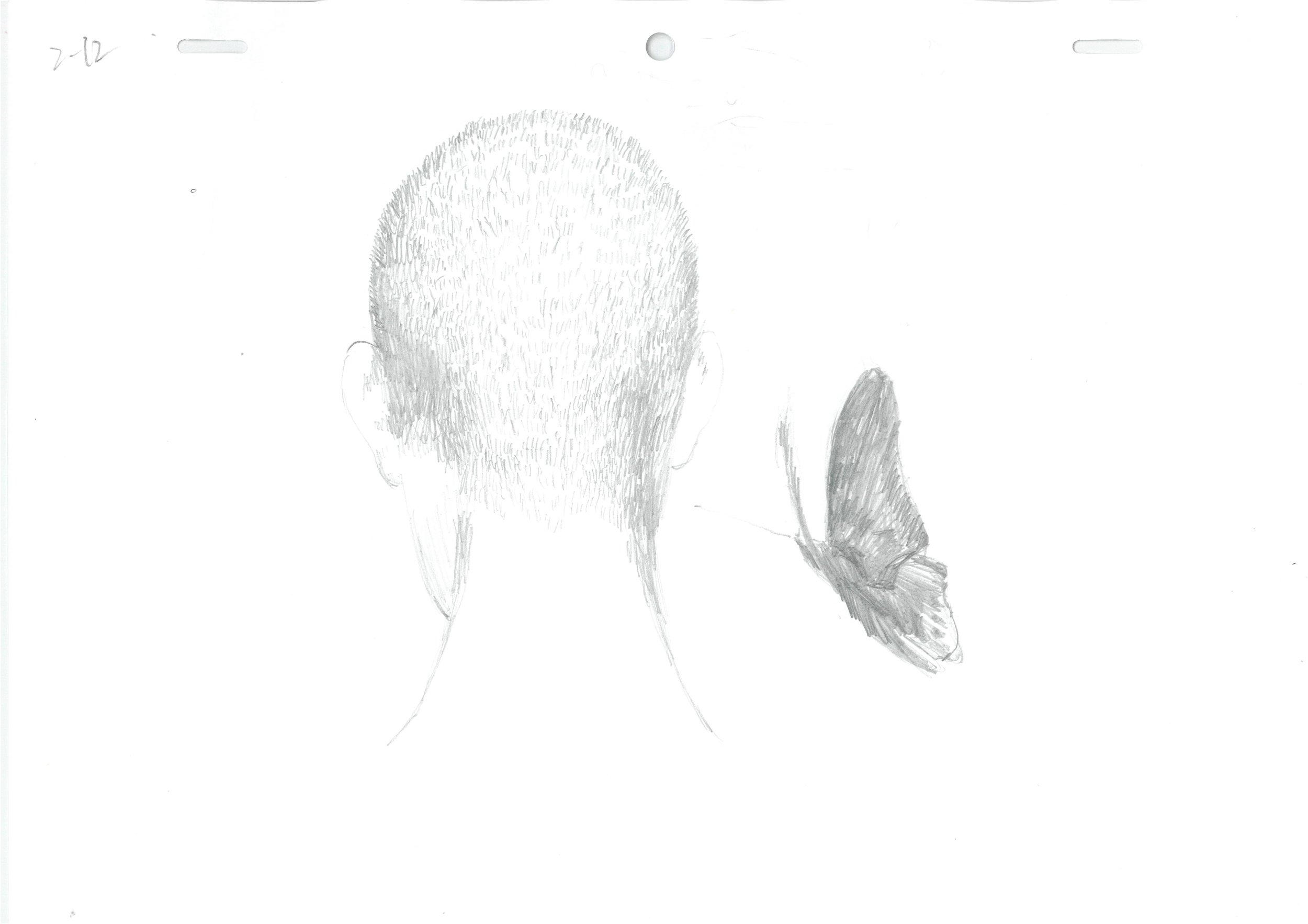
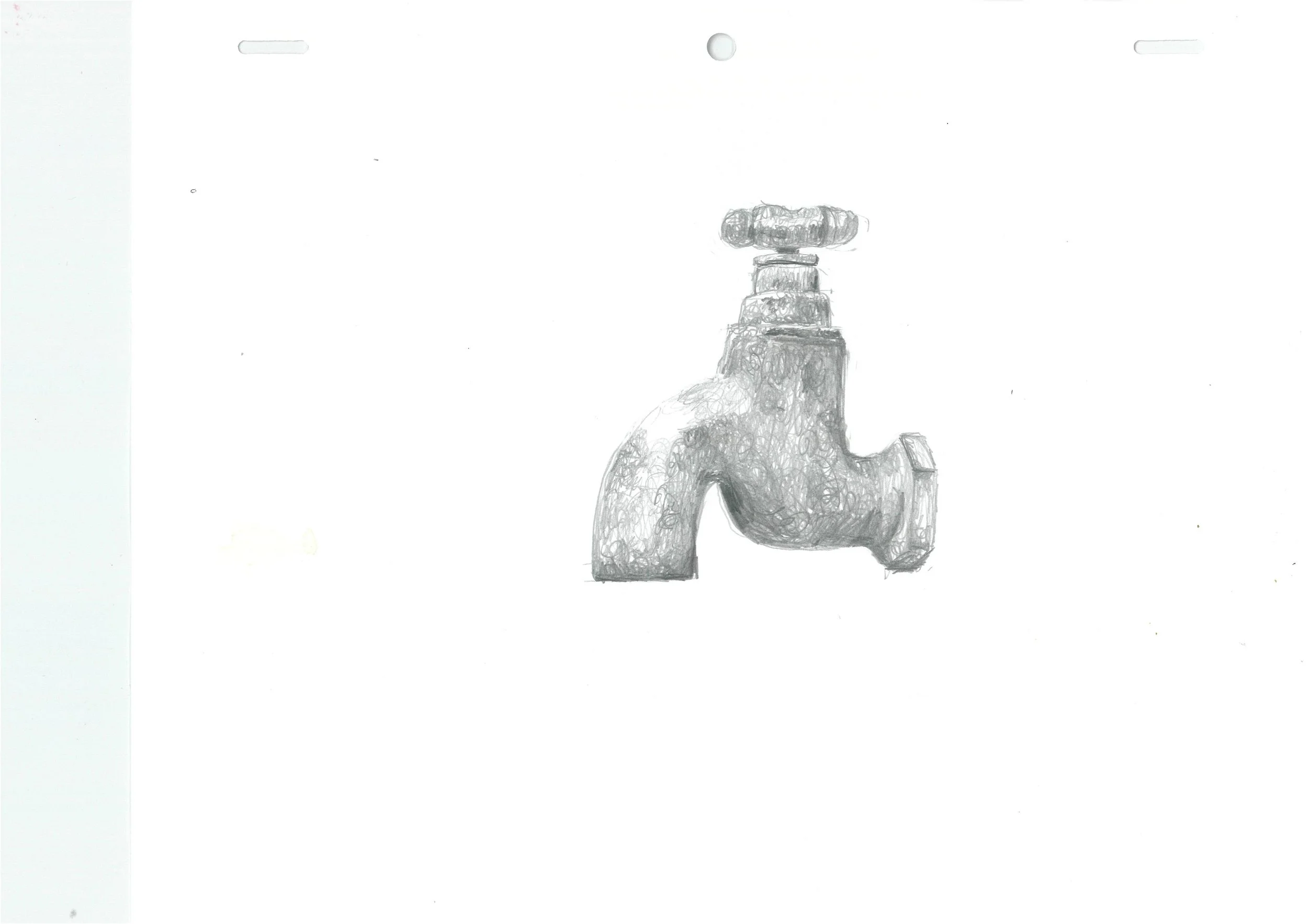
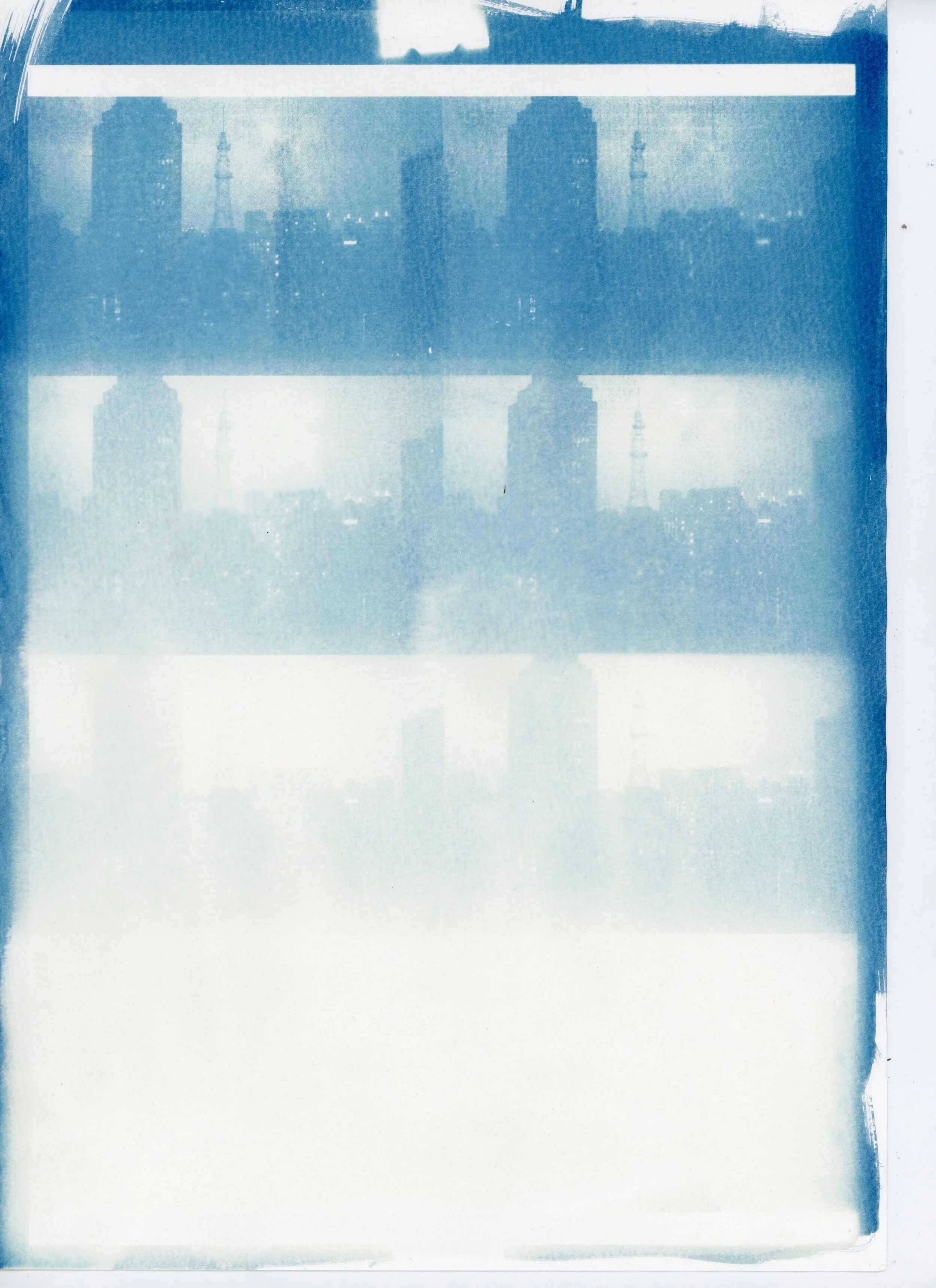
I chose cyanotype, an early photographic printing process. Compared with film development, cyanotype is simpler and better suited for animation. I transferred hand-drawn and photographic images onto paper or fabric using this method.
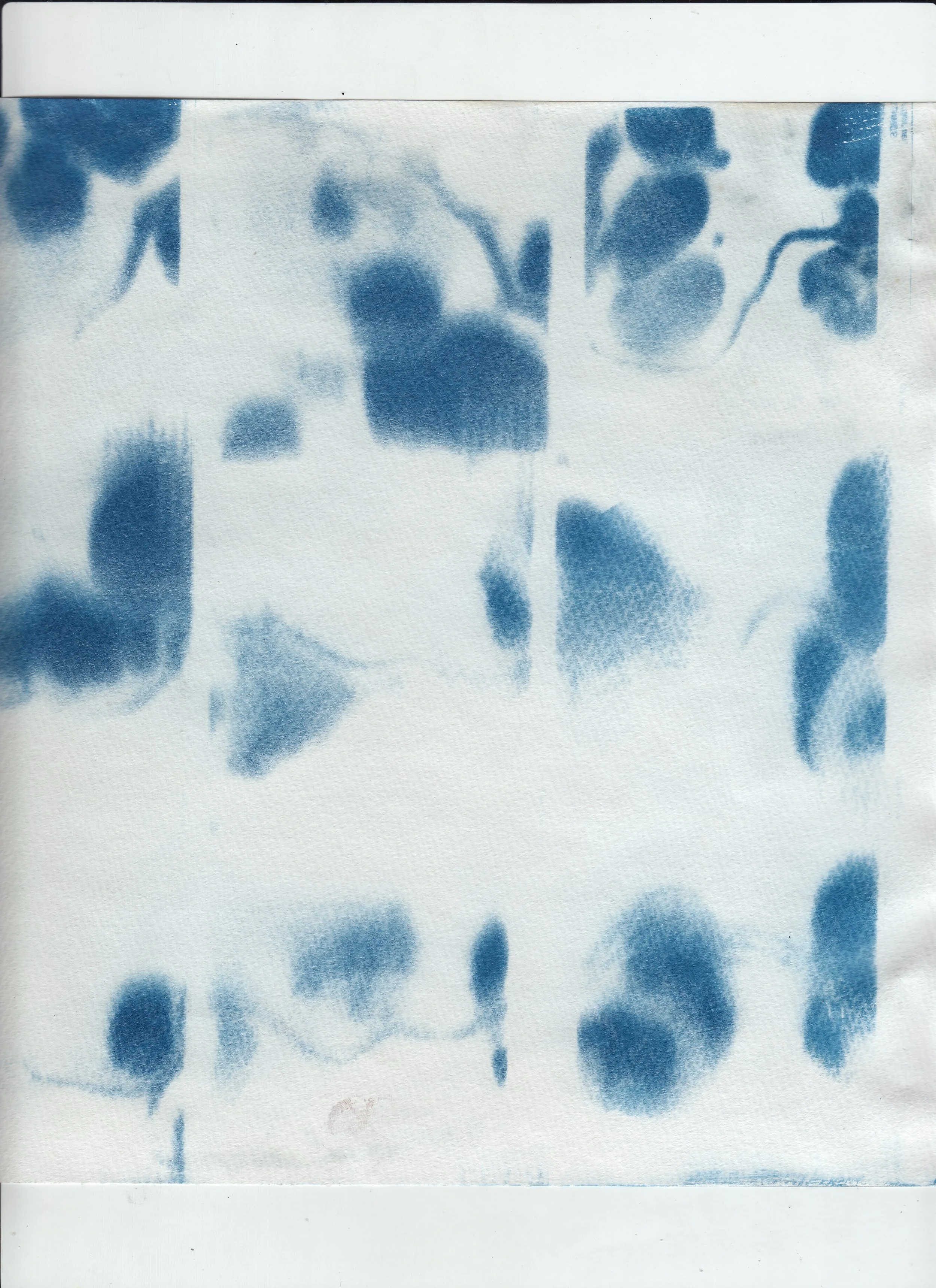
Because cyanotype relies on ultraviolet light for exposure, the result depends on controlling the time under sunlight (as well as weather and other factors). At first, I wasn’t skilled, and many prints ‘failed’ — too faint, too empty. But after a while, I began using these ‘failures’ intentionally: selecting different papers, inserting tracing paper or foam to create blurred exposures, and so on.
Dreams and photography seem completely opposed, yet in some invisible way, they are connected.
The relationship between truth and falsehood is deeply complex. We often say dreams are unreal, yet we also say ‘what you think of by day appears in your dreams,’ as if they sometimes reveal truths we don’t want to admit. We say photography records reality, and we treat photos and videos as evidence — yet we also say ‘the sunset’s color doesn’t come out in the photo’ or ‘she looks better in person.’
AI, photo editing, and beauty filters further undermine the idea of photography as a standard of truth. Photography creates a world of images — another world, another kind of reality.”
For full interview, read here.



Interview with Zehao Li
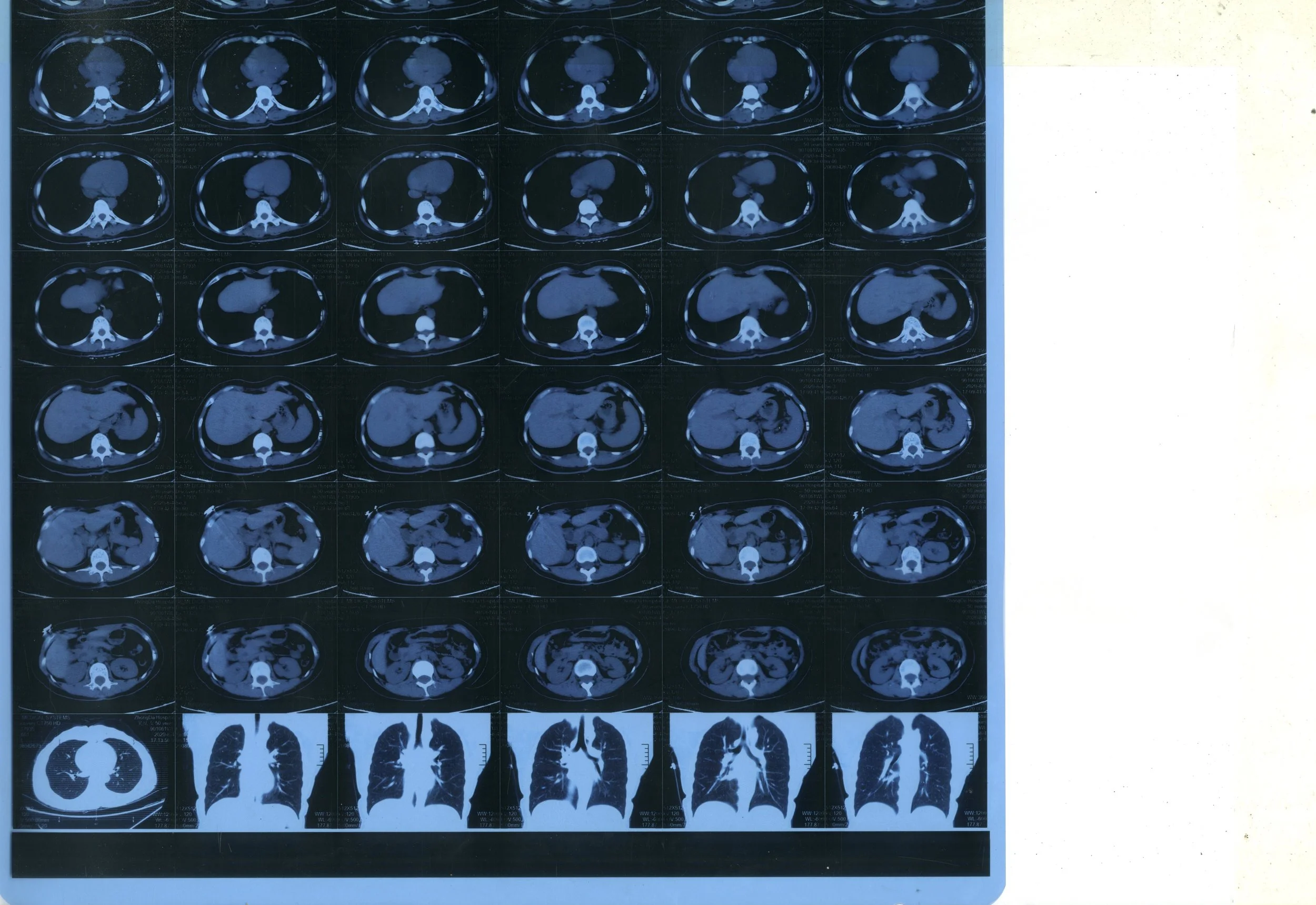
Photography as Misunderstanding
“Photography is less an objective reflection of reality than a flawed, distorted creature” Li Zehao reveals how Tunnel Wandering(2023) embraces misunderstandings of photography to uncover another kind of reality
August 25 2025