
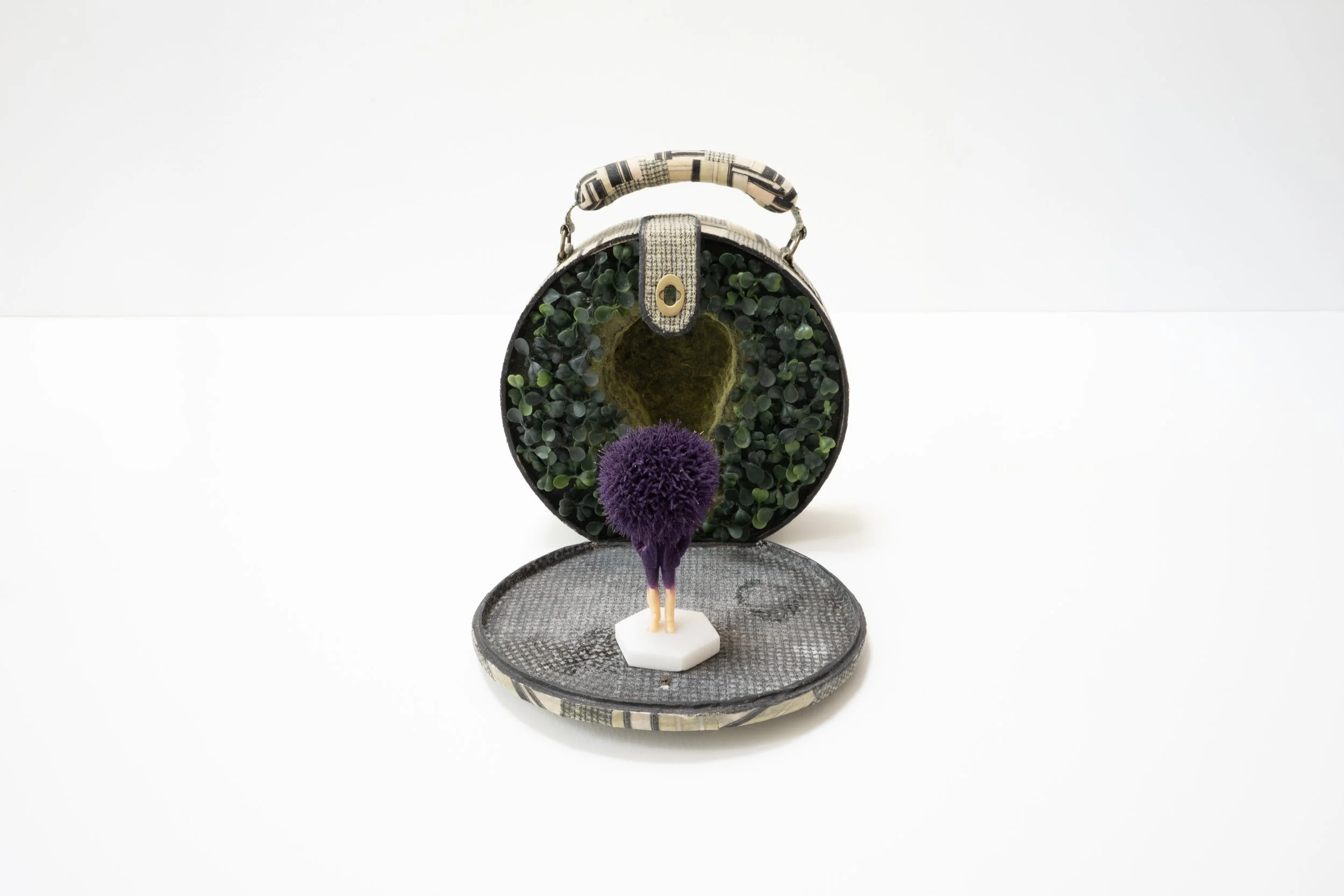
Samaritans by Robert Ortbal
Sculpture October 26 2026
About the Artist
At 63, Ortbal has been making things his whole life. Sculptor, Professor at California State University Sacramento, recipient of the Eureka Fellowship — one of the largest prizes for individual artists in the Bay Area — his résumé is distinguished. But what drives him is harder to name than any award, he describes his studio method as elliptical: a core set of ideas at the center, individual works orbiting them, some close to the light, some distant and isolated. The thread between them, he insists, is always there if you take the time to look. His thinking, as he once put it in Artillery Magazine, takes place in “the bending of a wire, the coating of a surface, or the juxtaposition of forms.”
Summer in 2025, that thread became visible through an exhibition at the Pence Gallery in Davis, for a solo show called Encounters, and through a body of work that had been quietly building for years: the Samaritans.
Samaritans
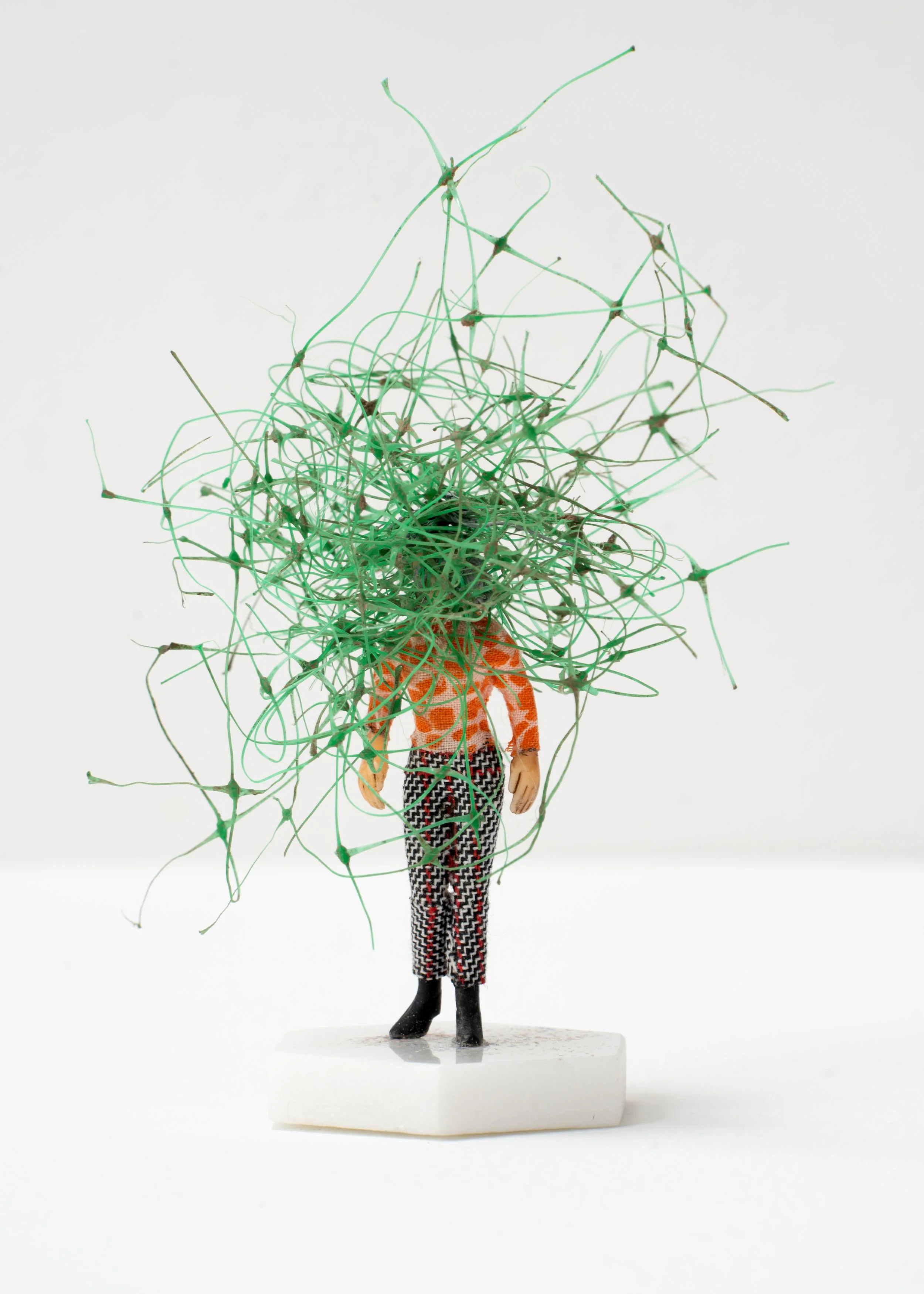
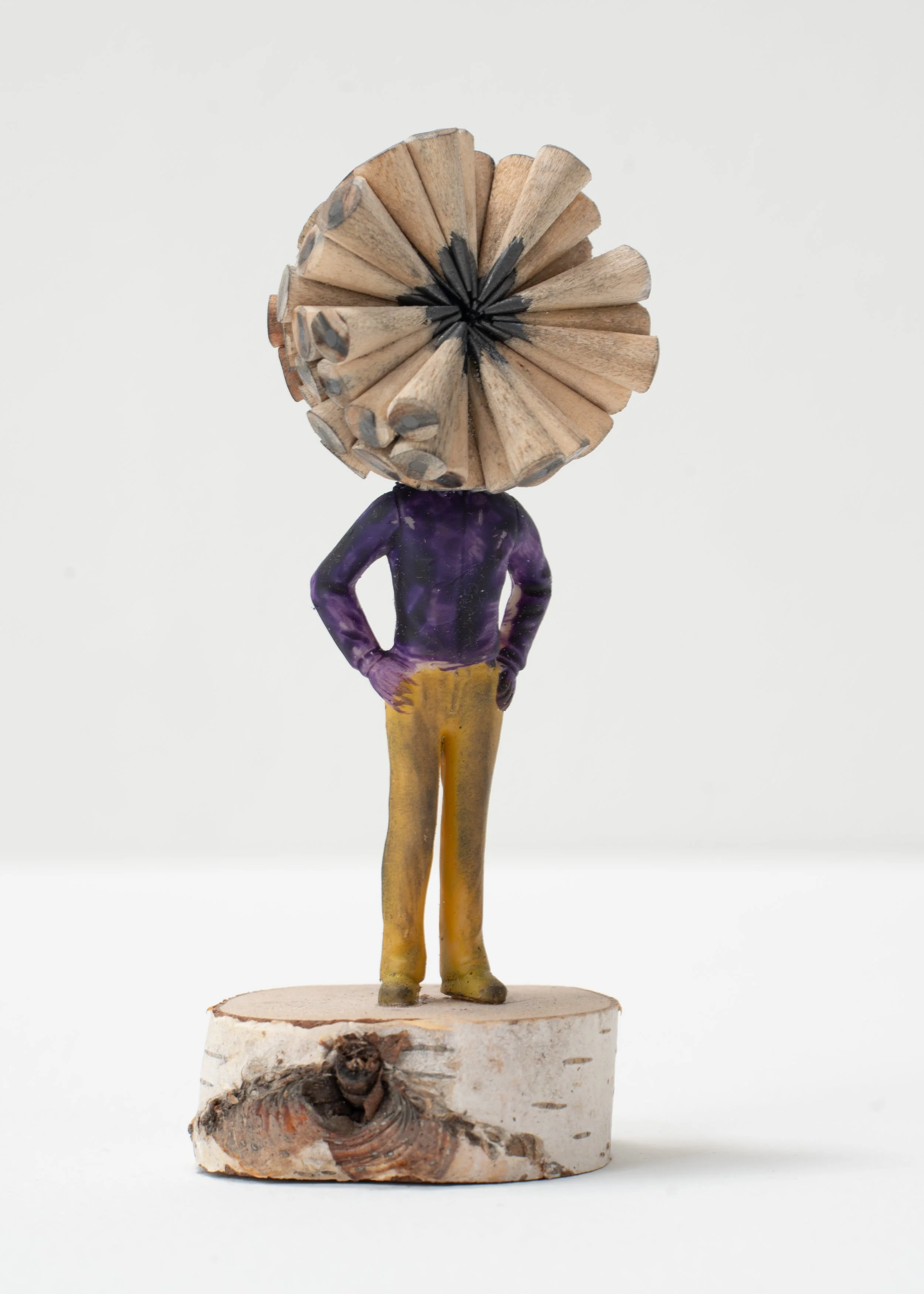
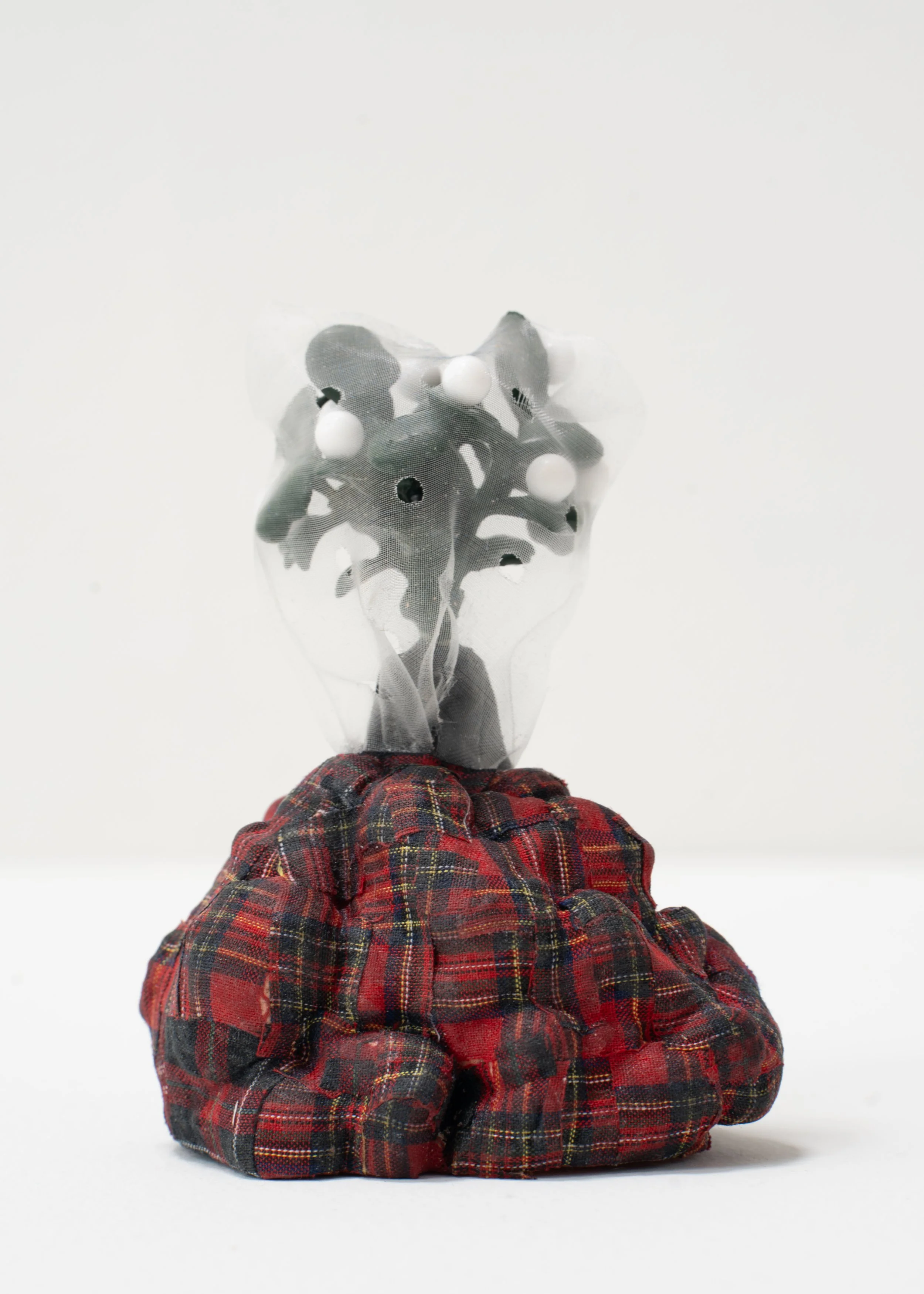
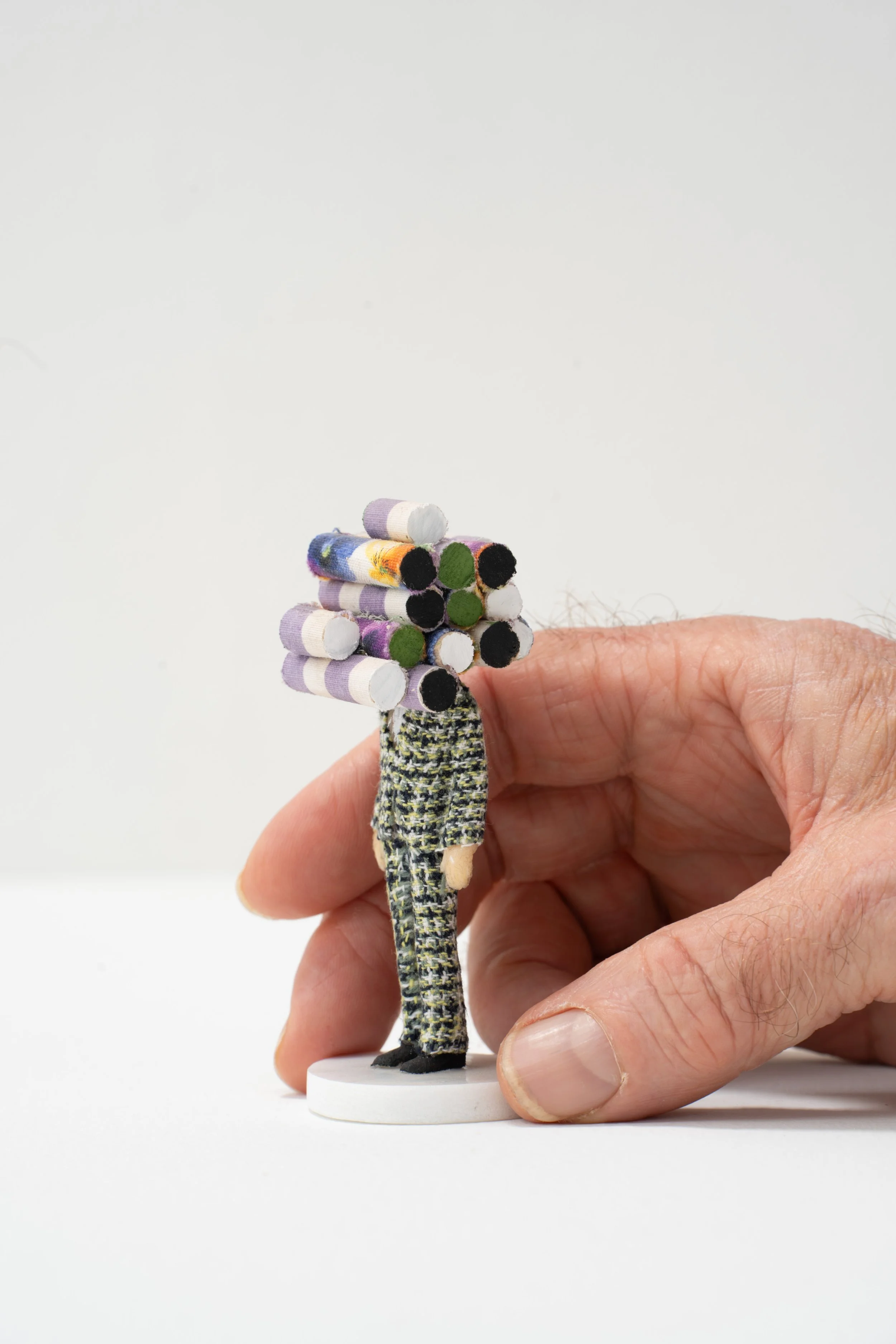
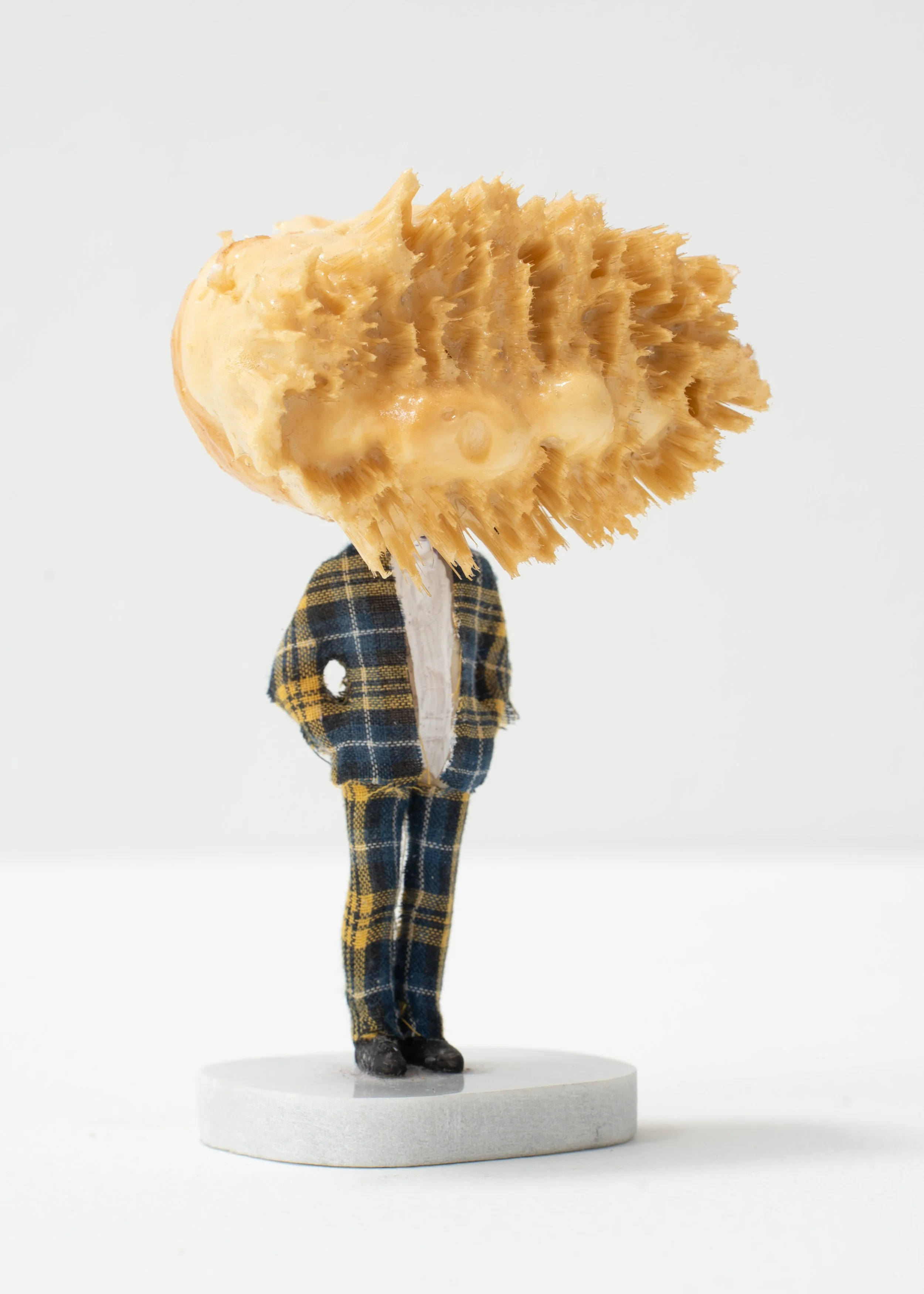
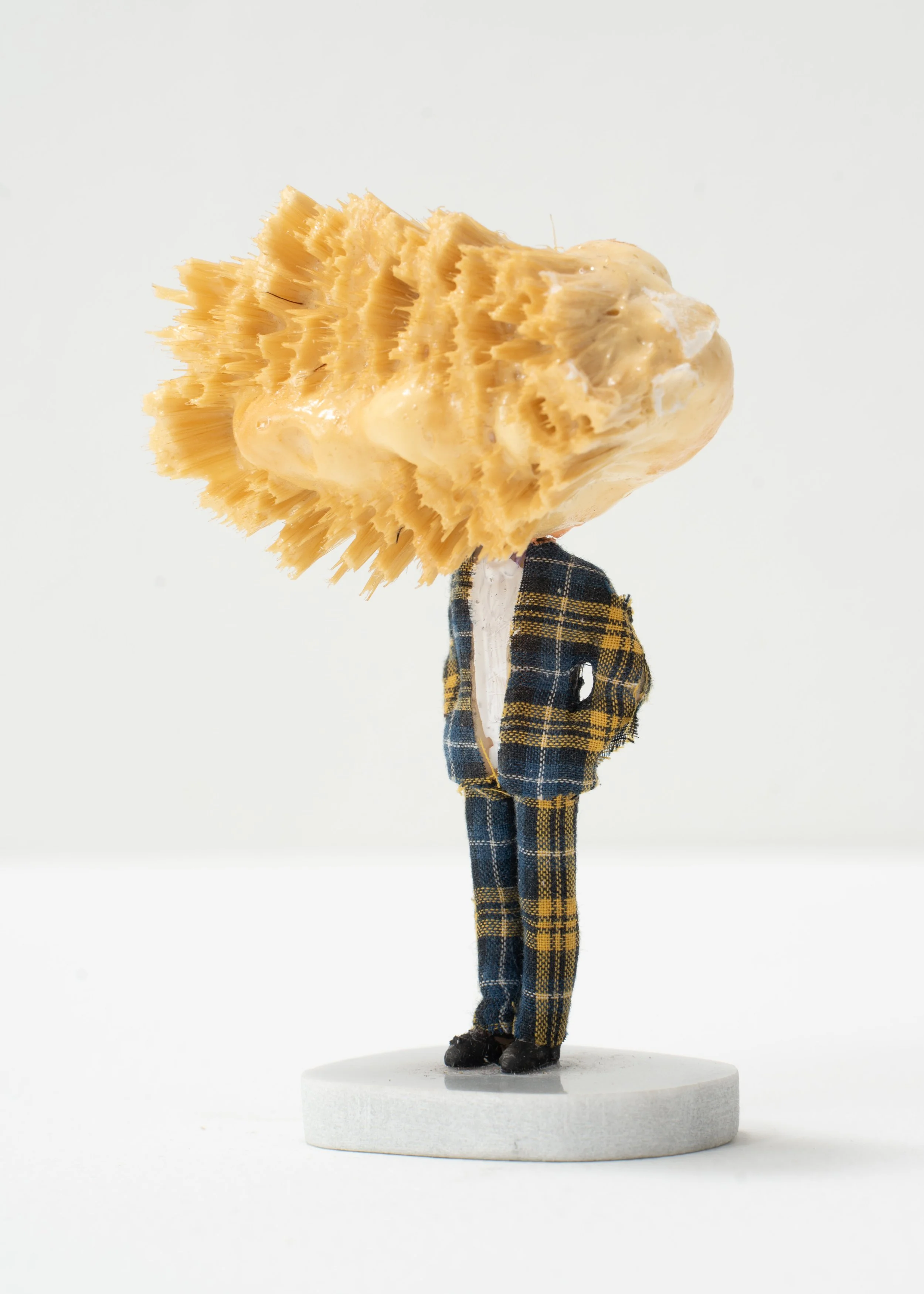
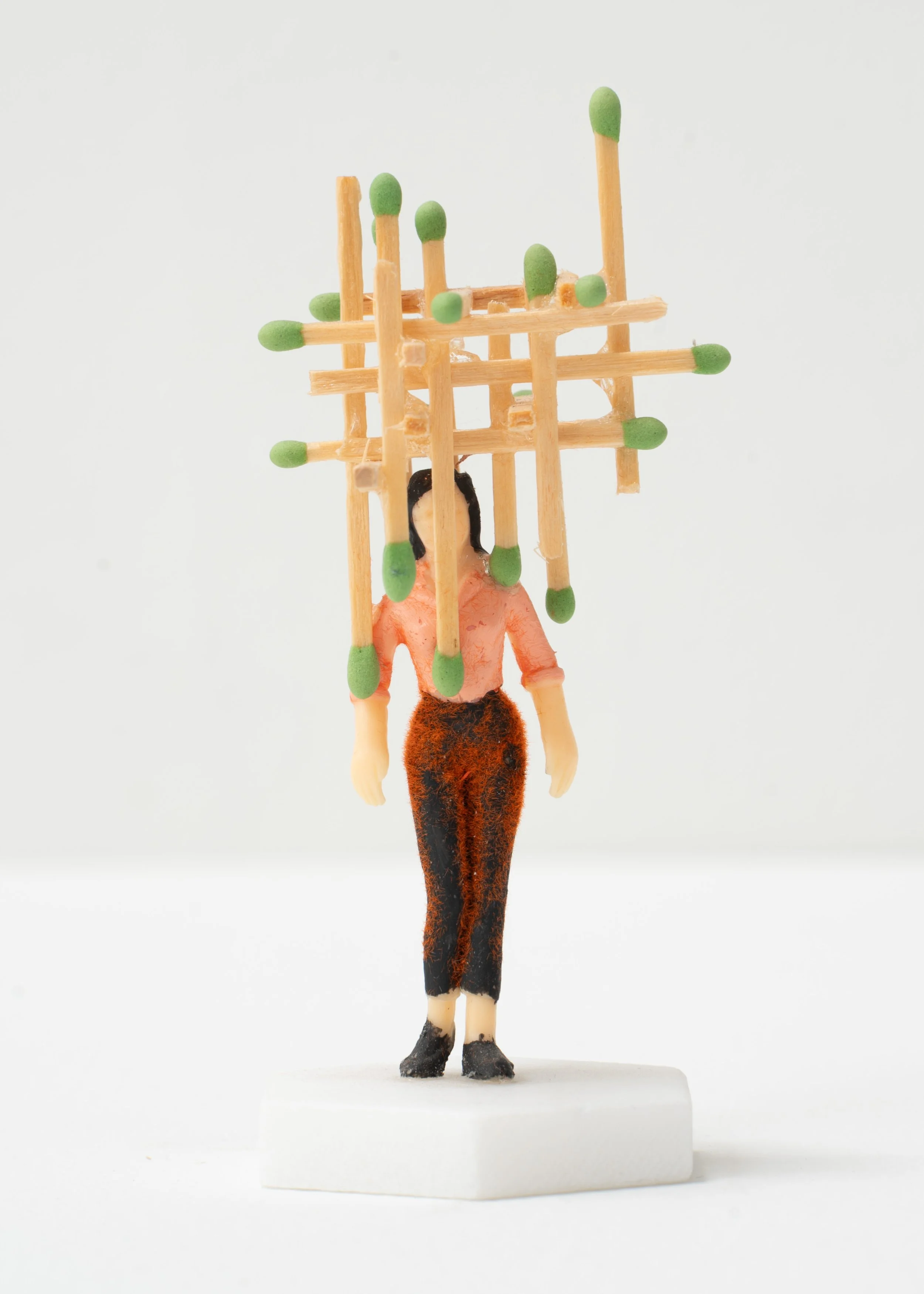
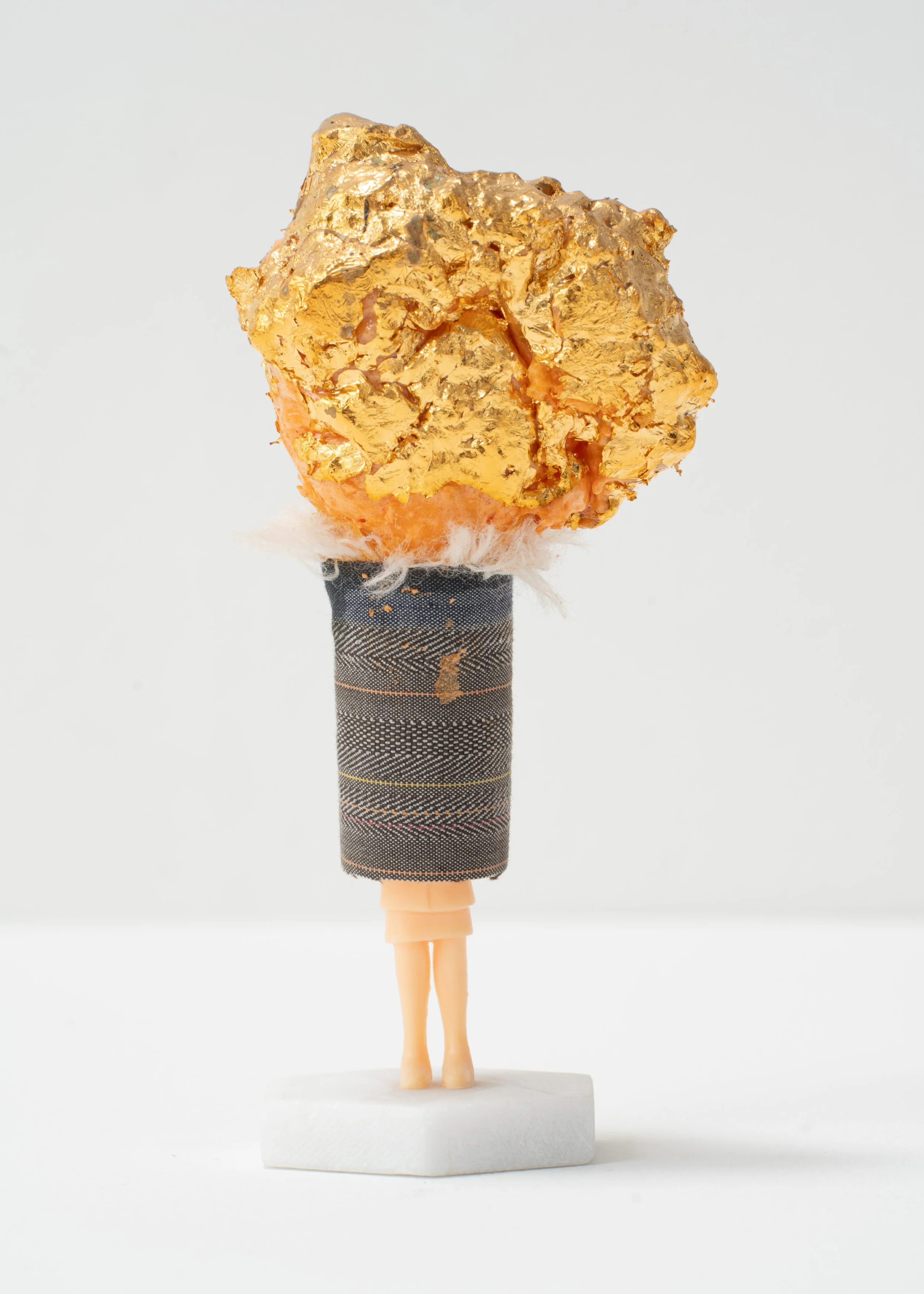
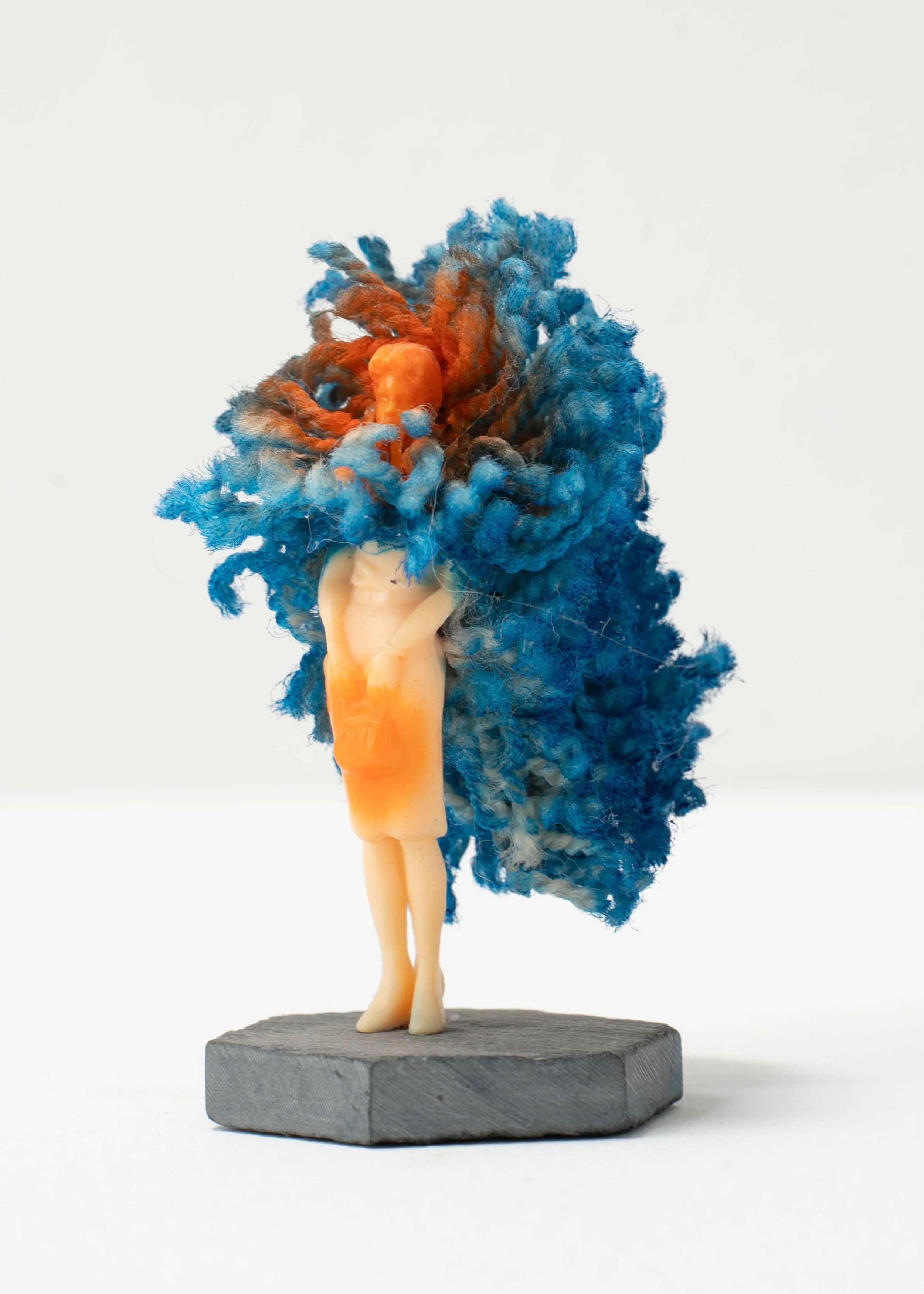
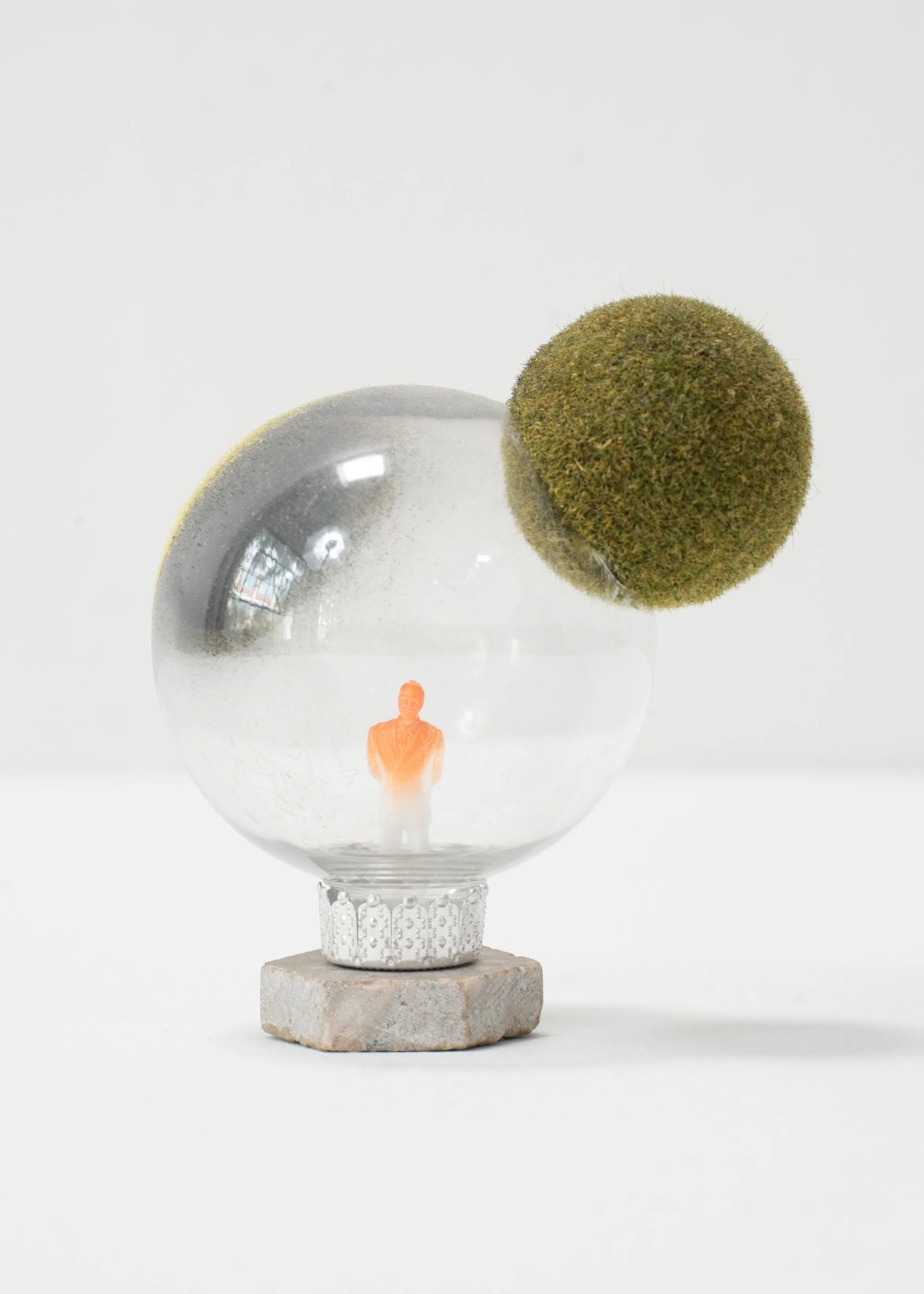
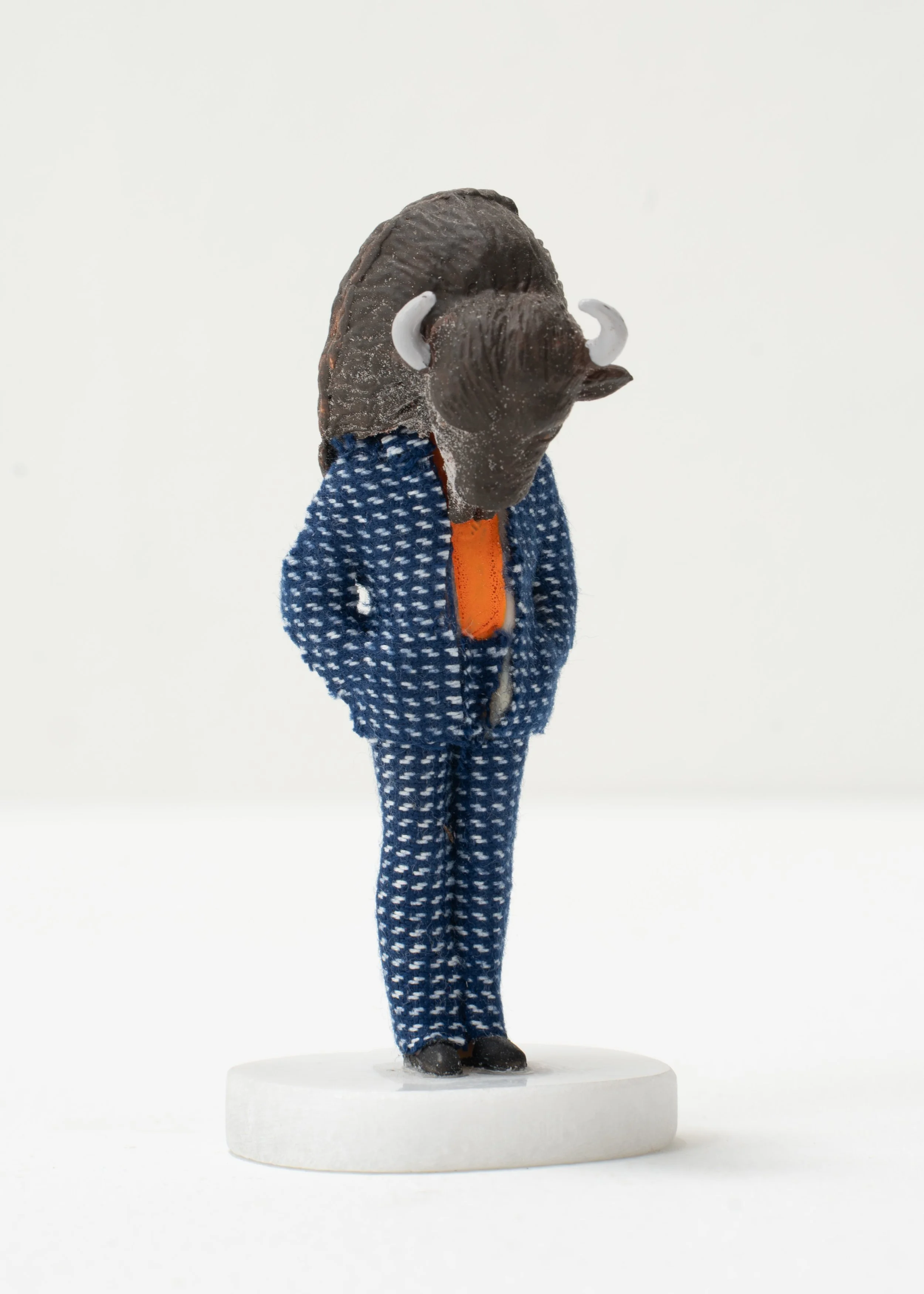
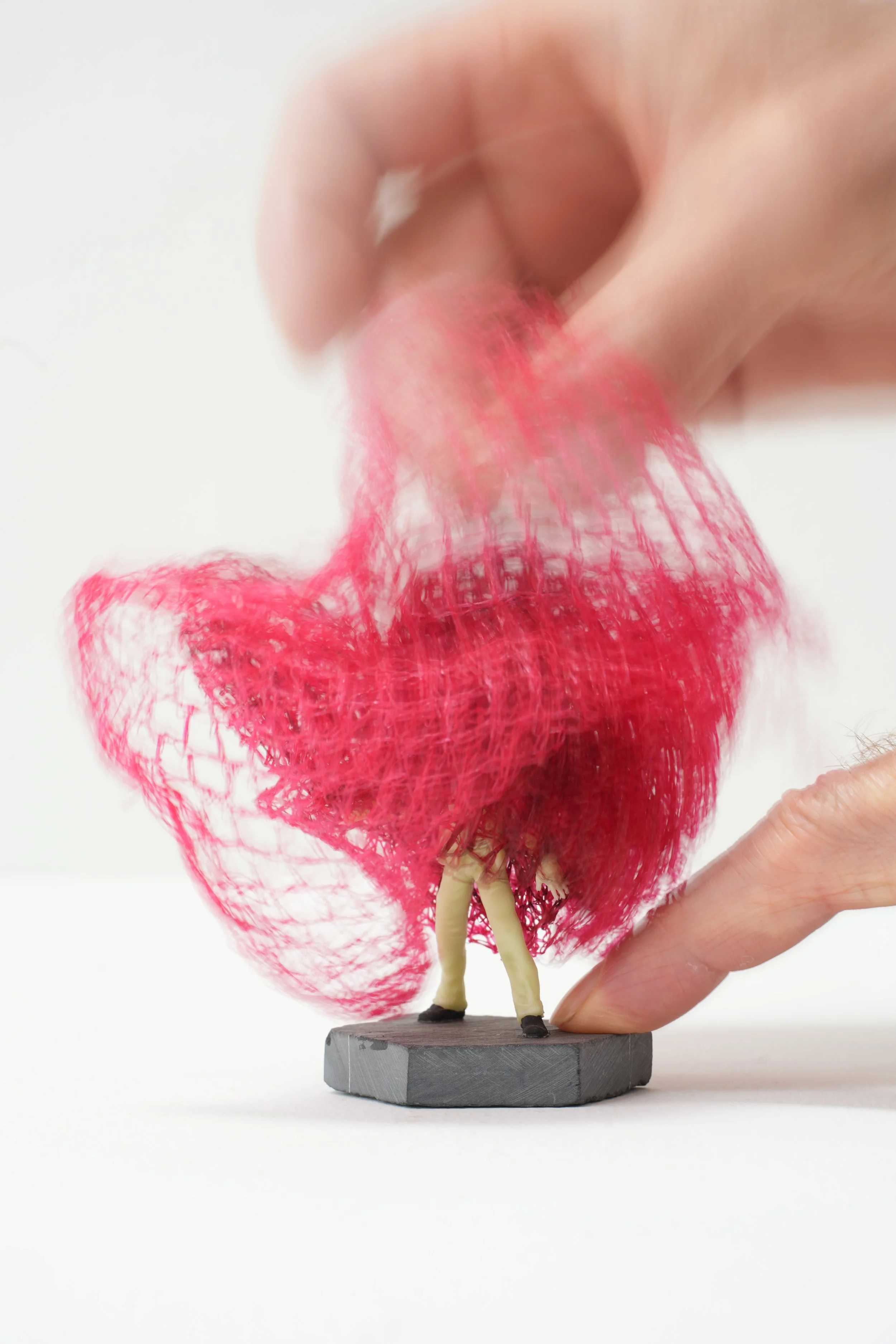
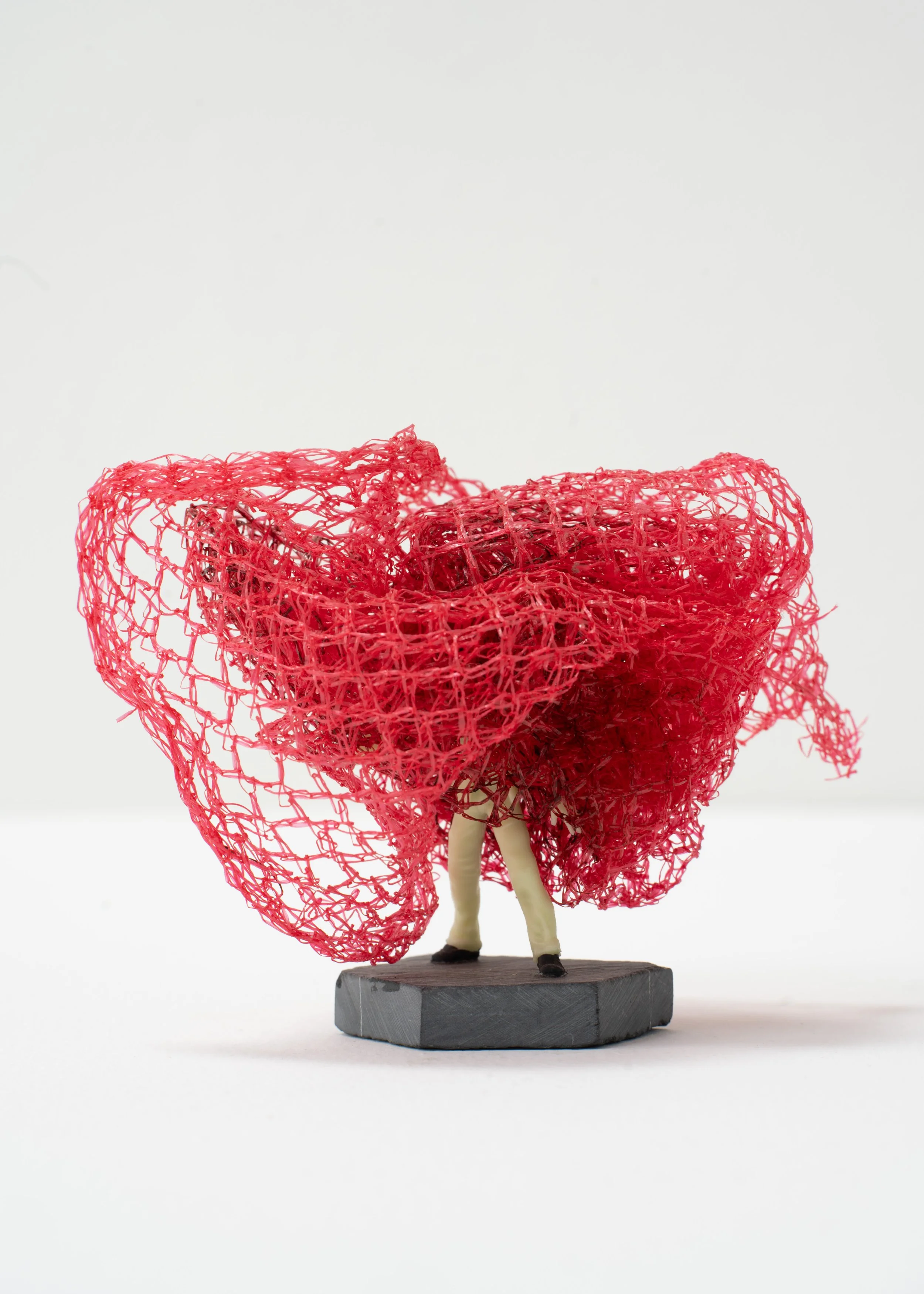
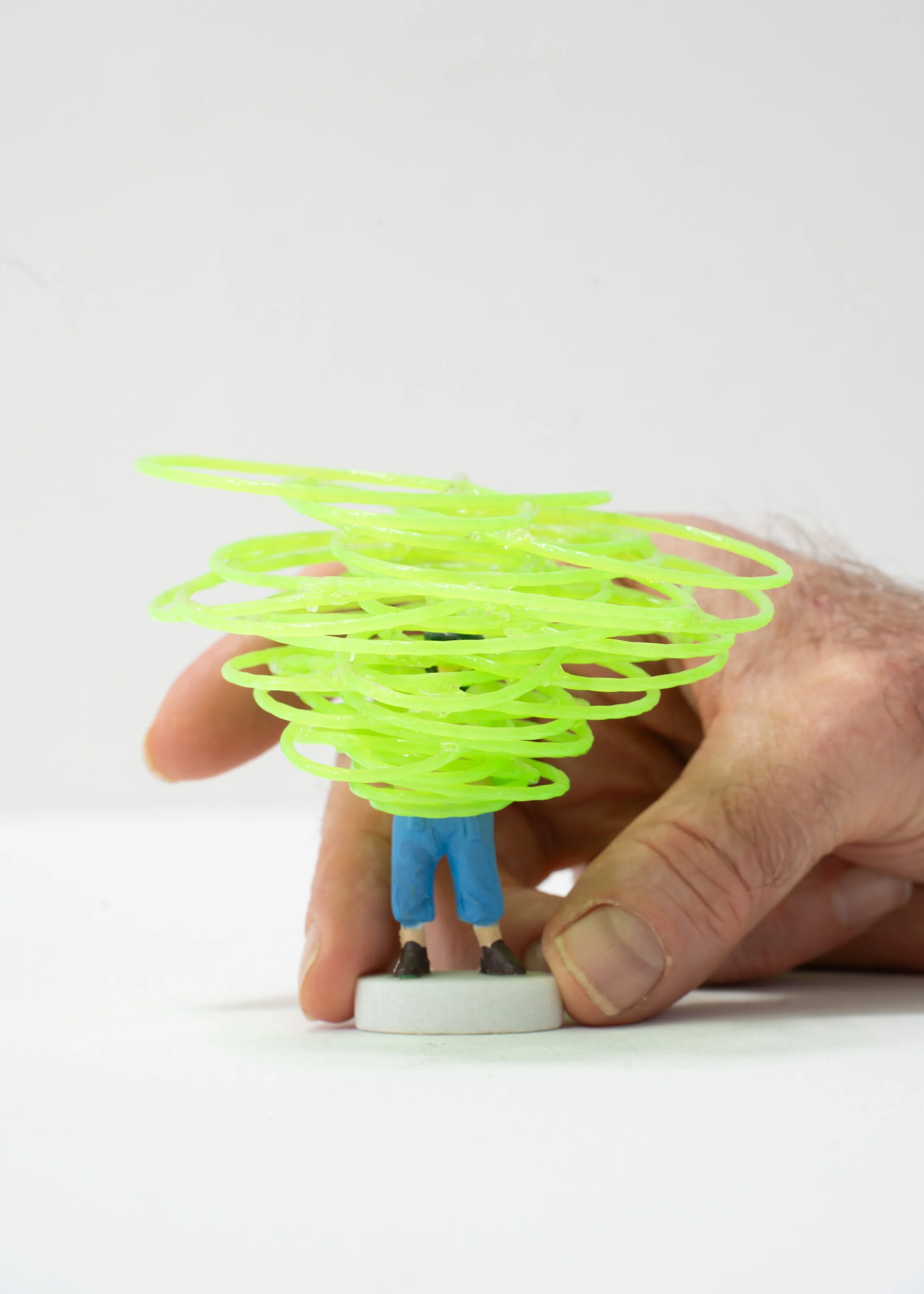
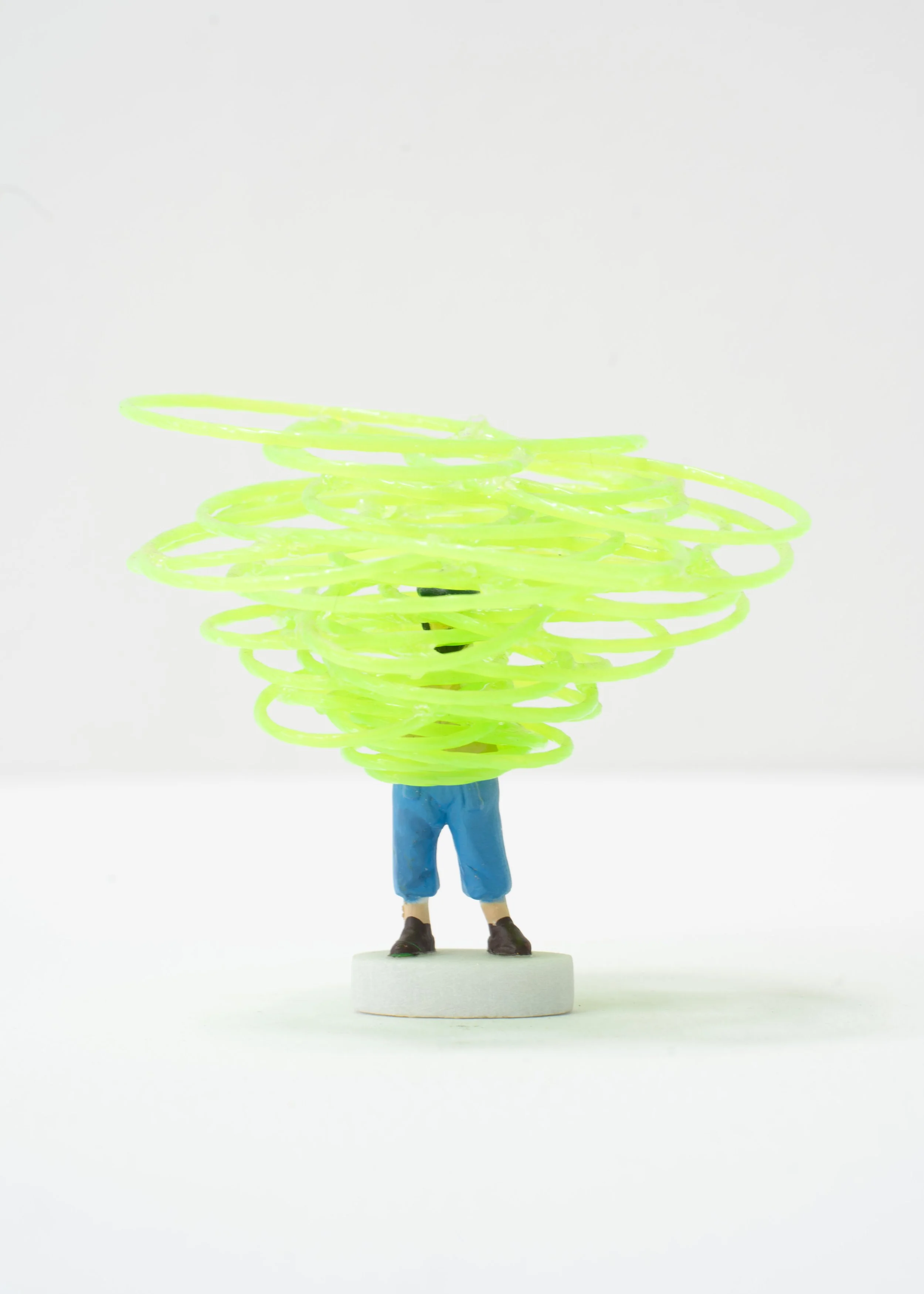
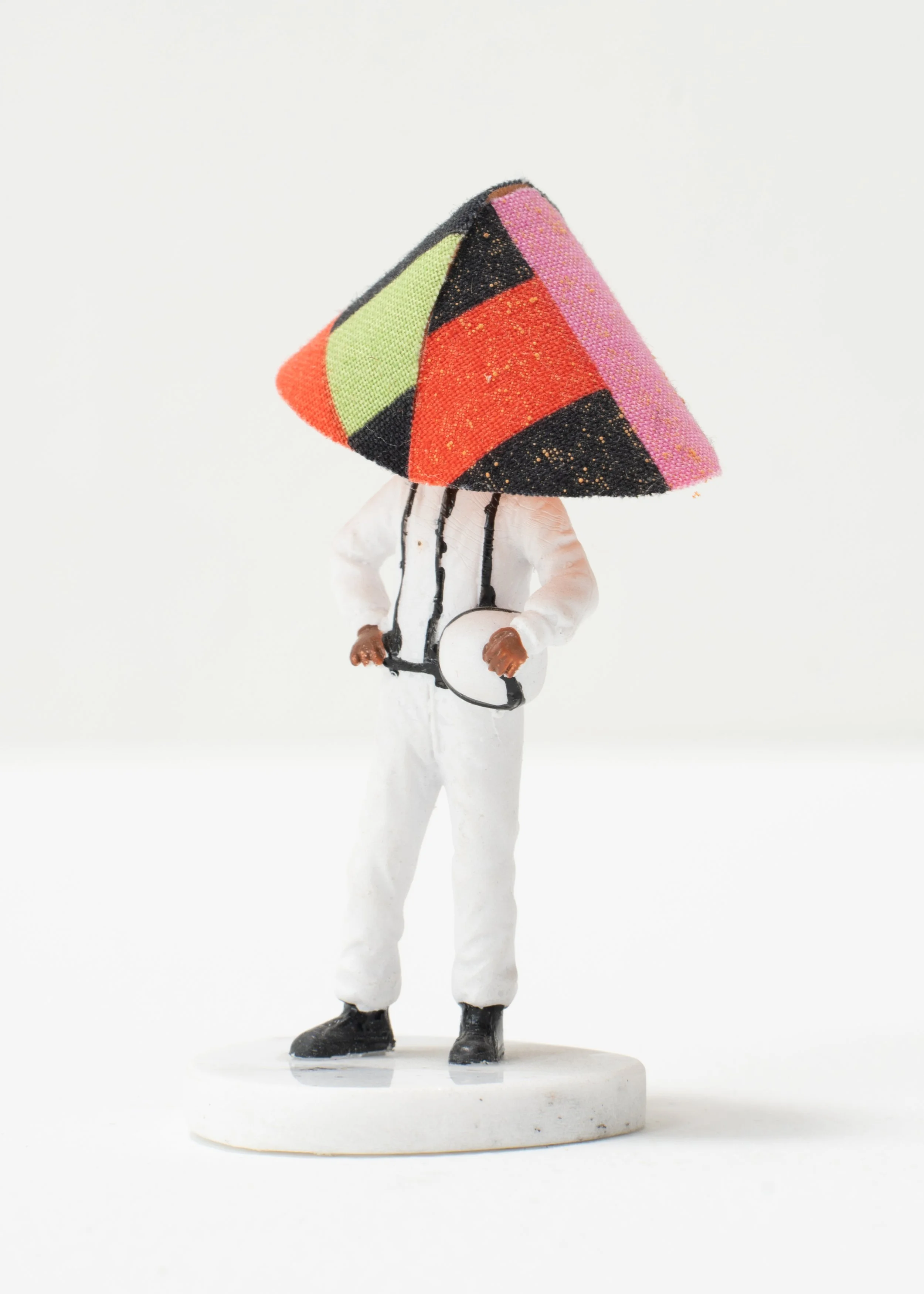
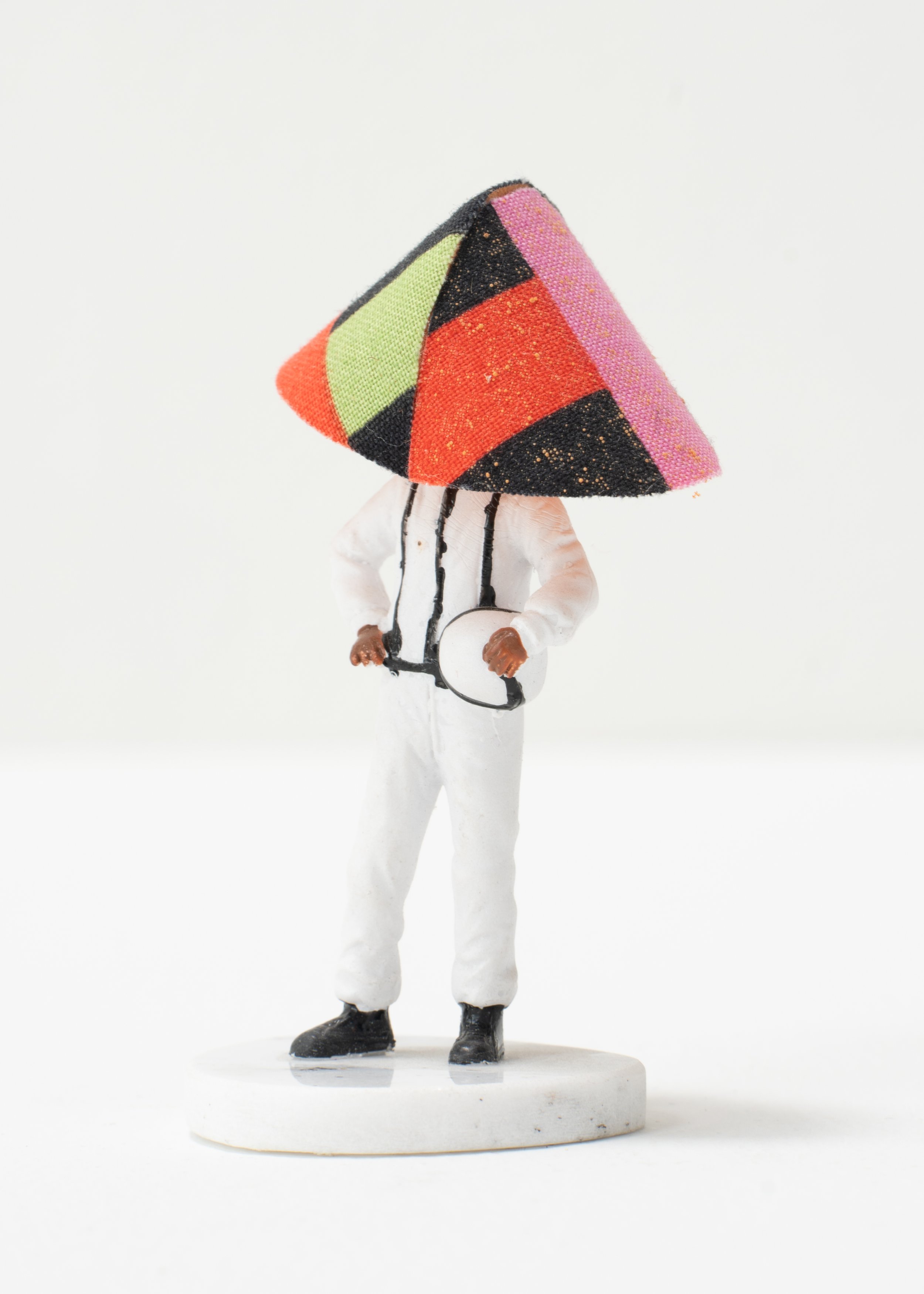
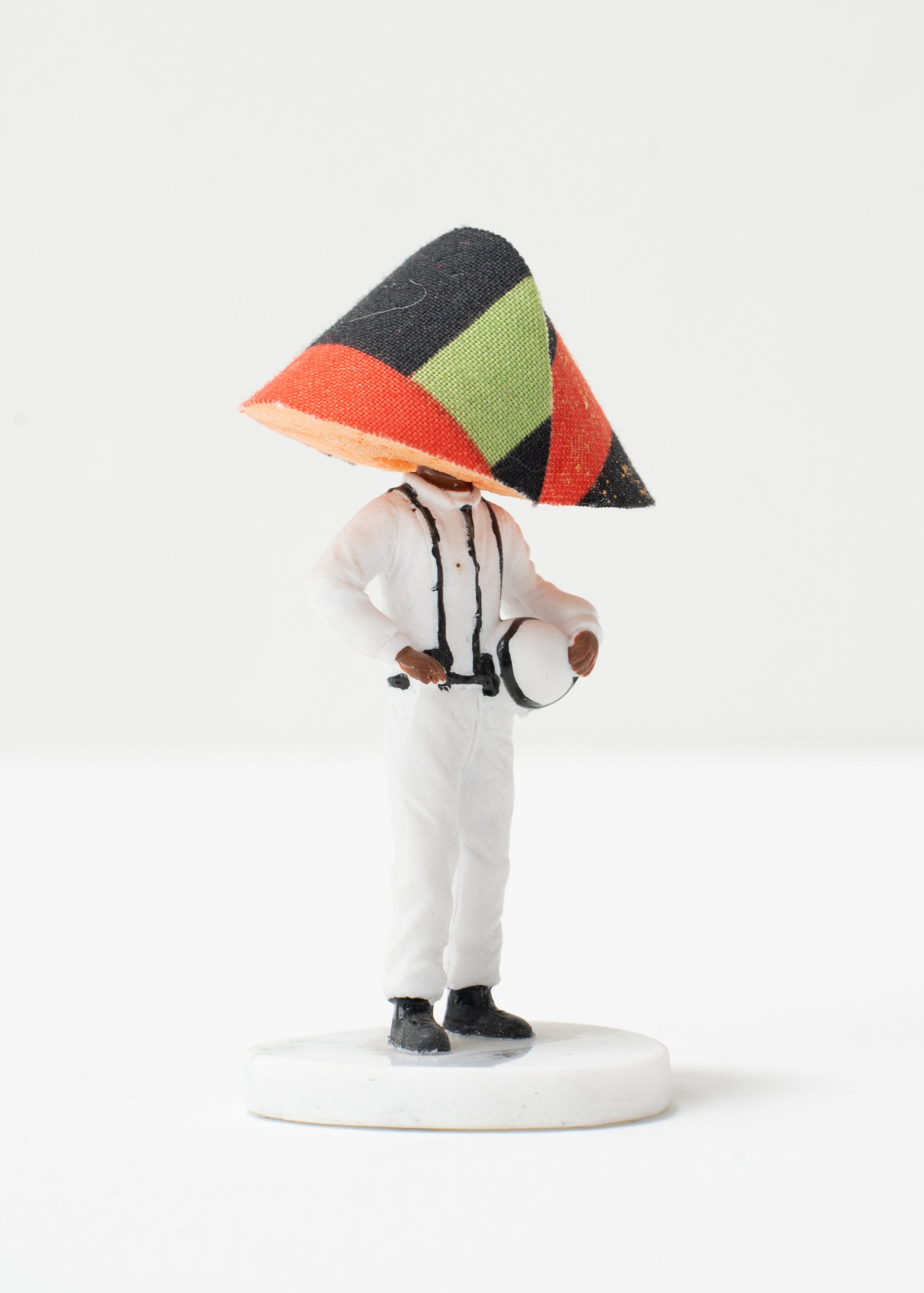
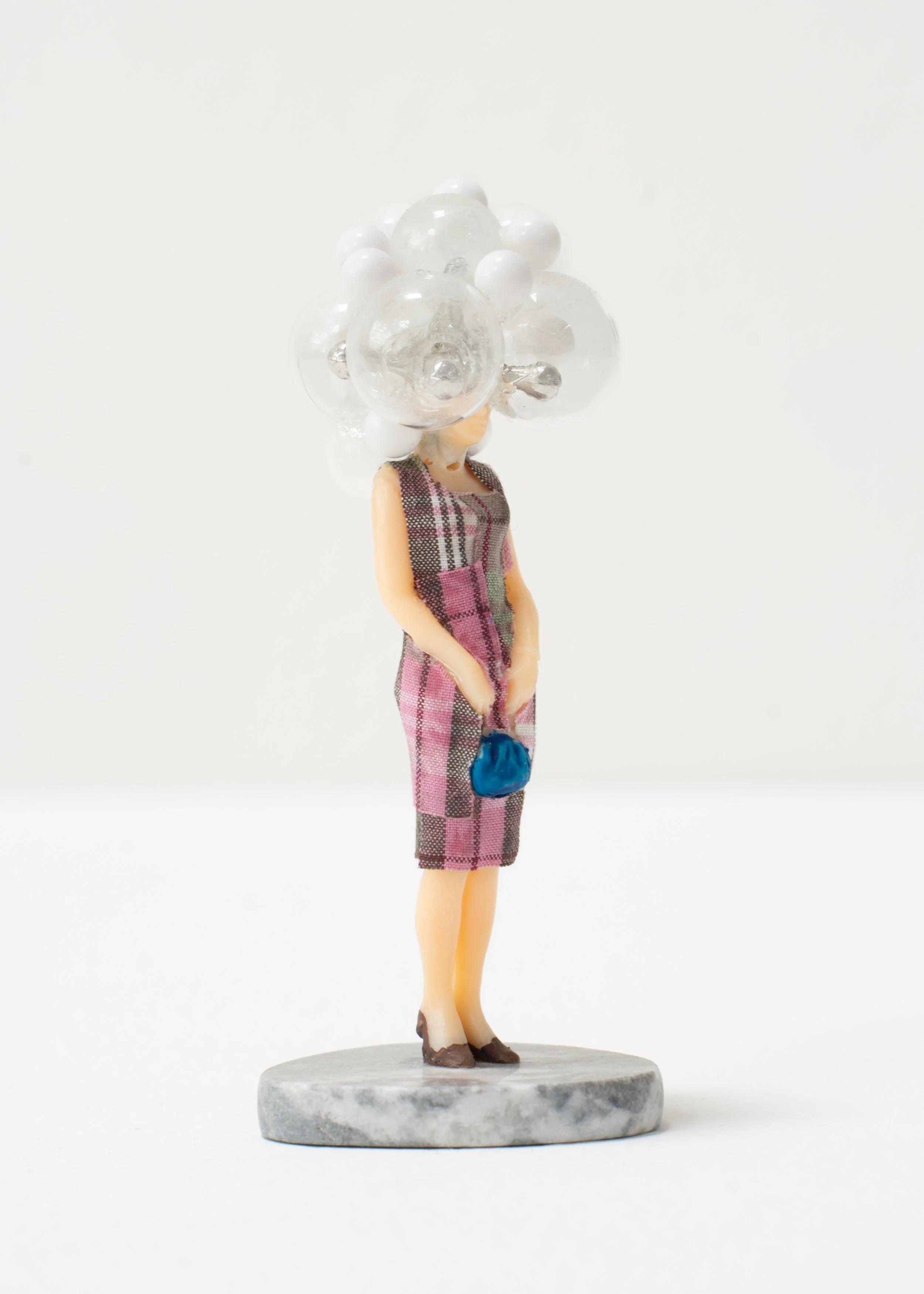
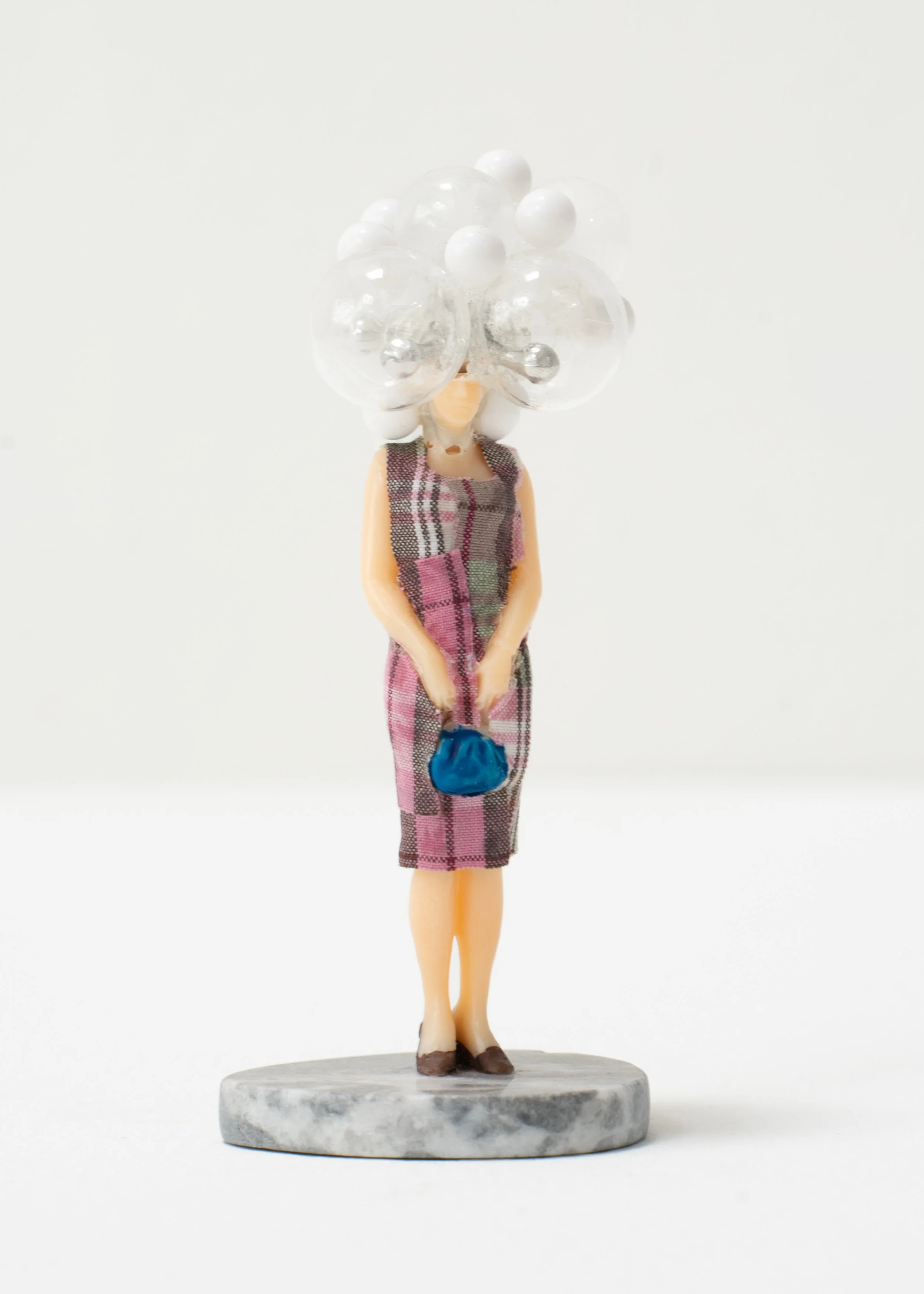
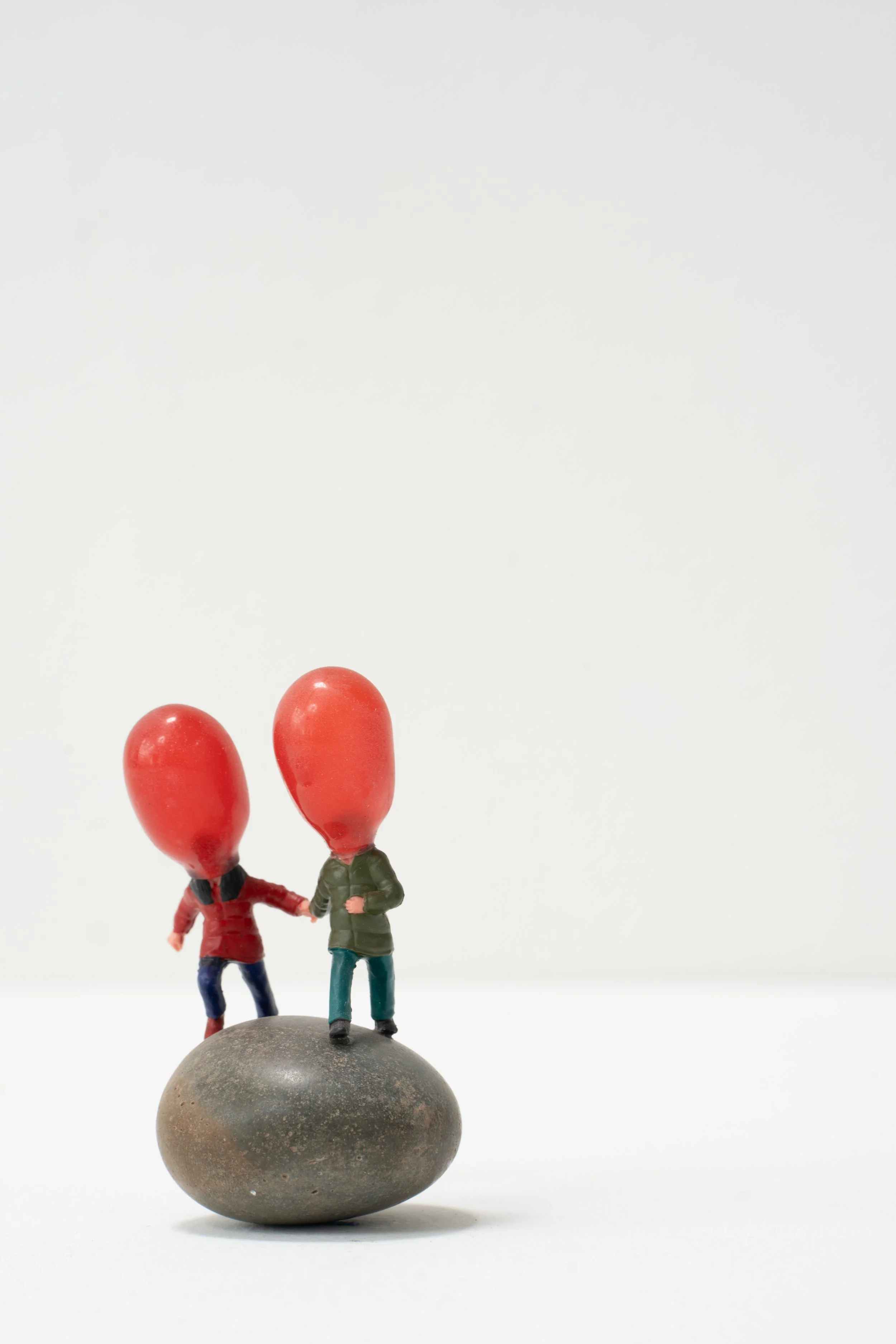
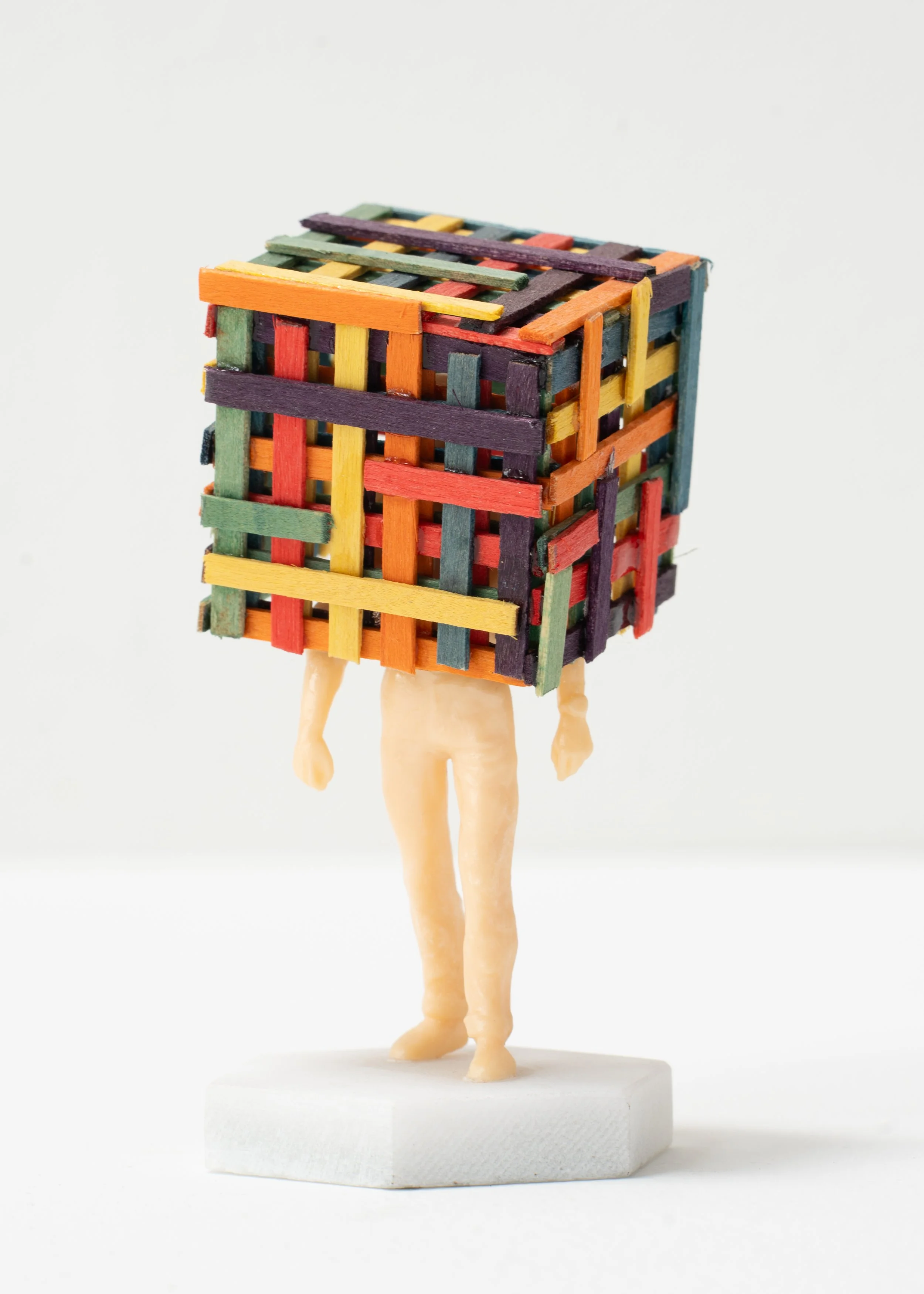
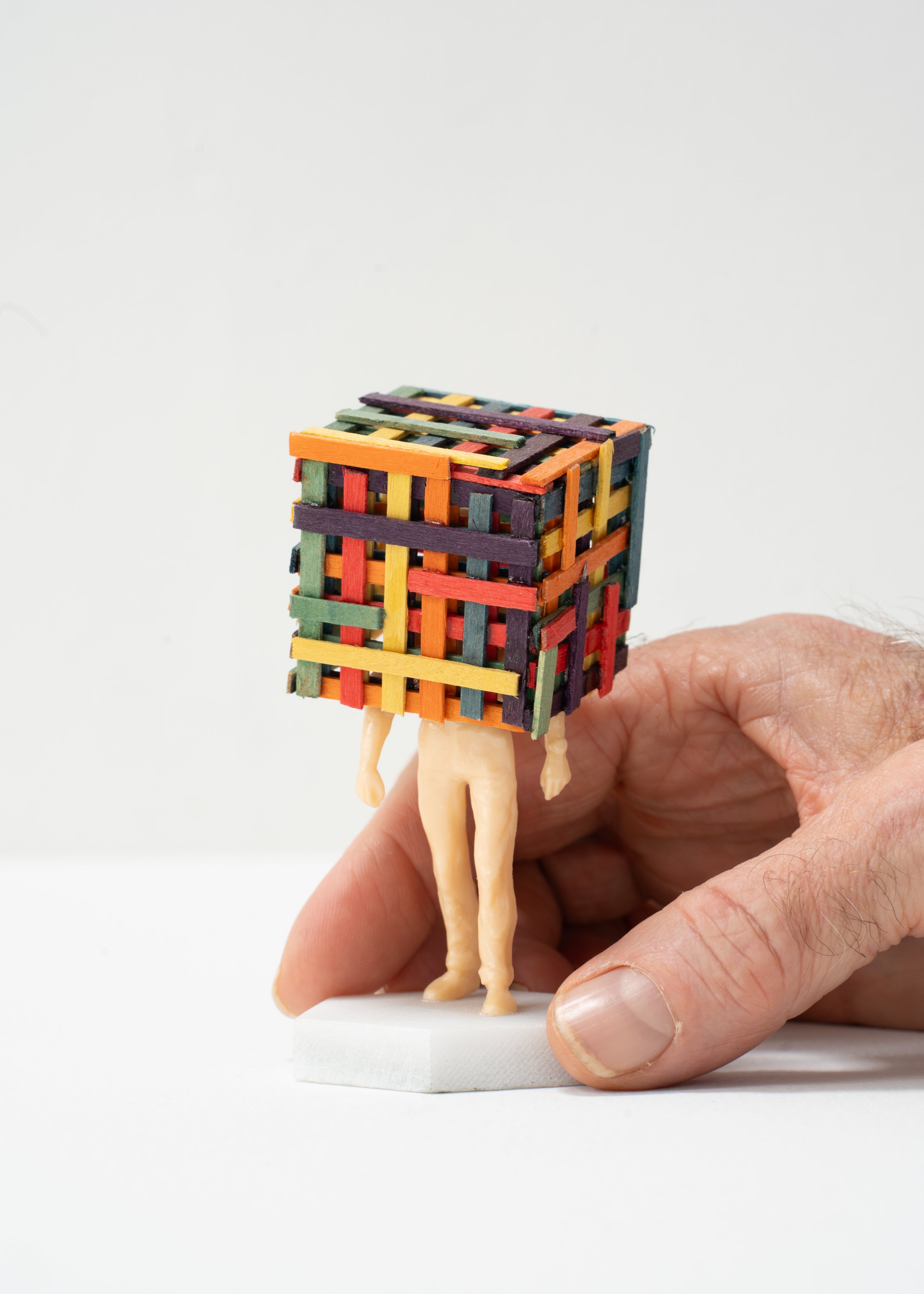
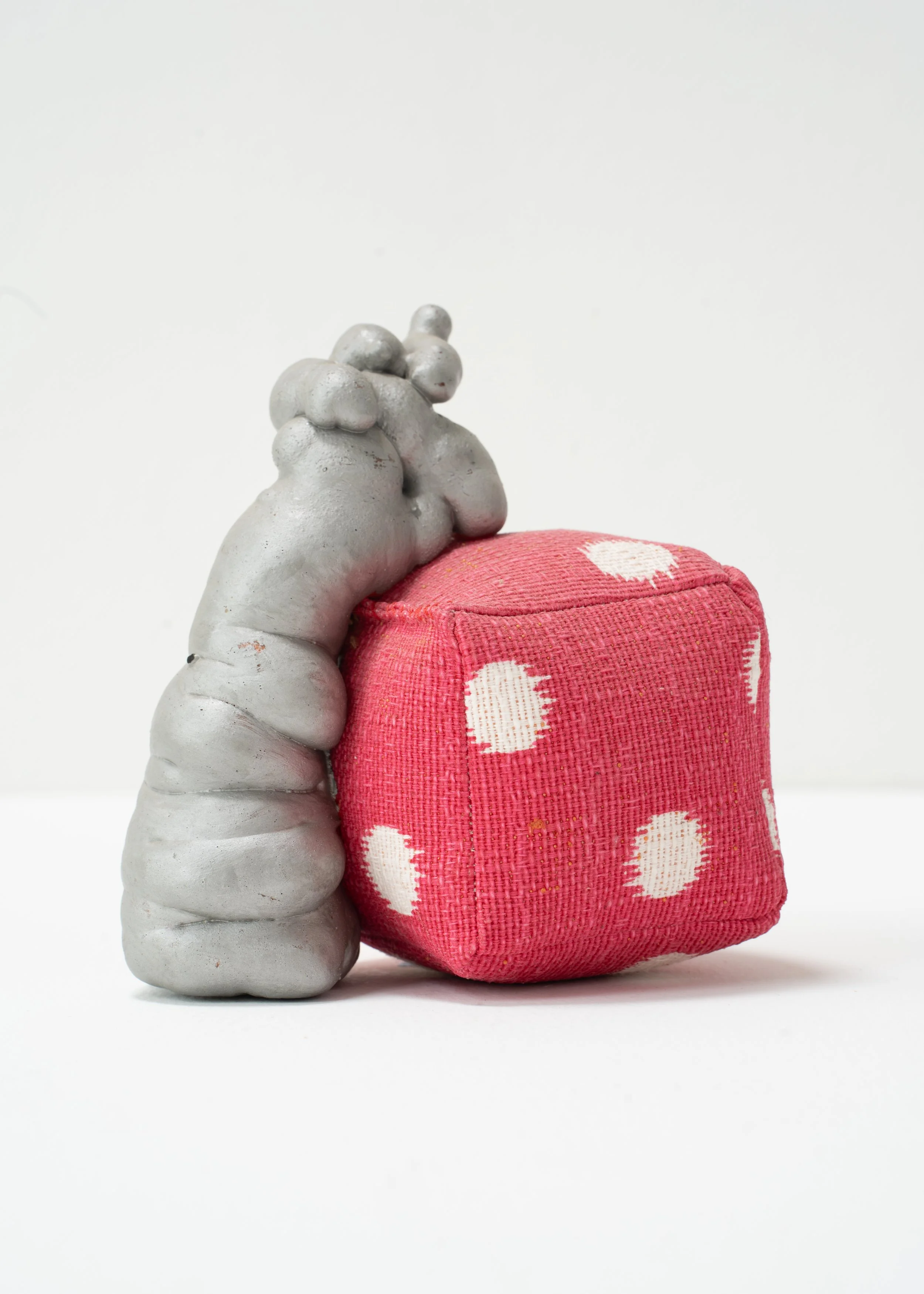
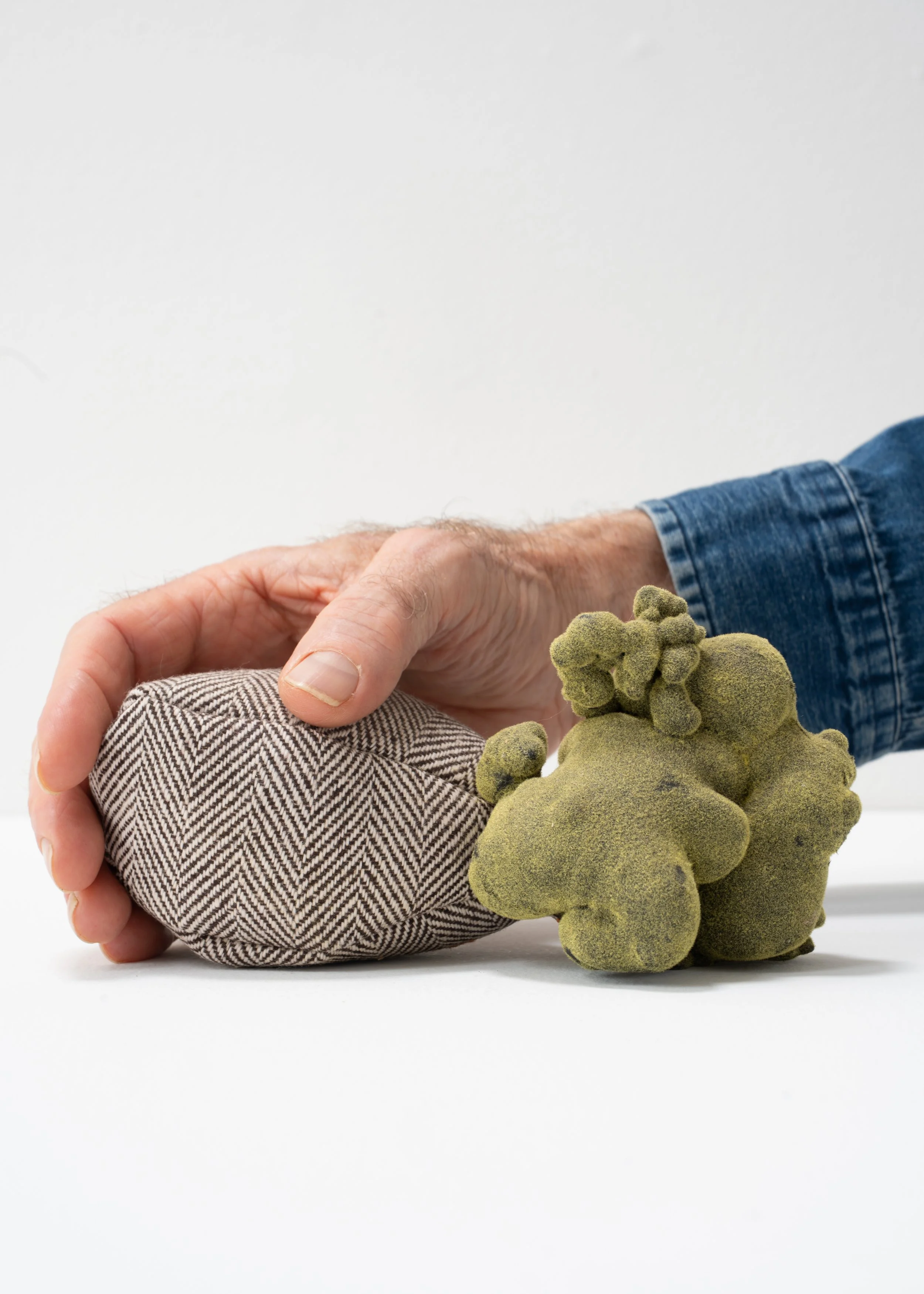
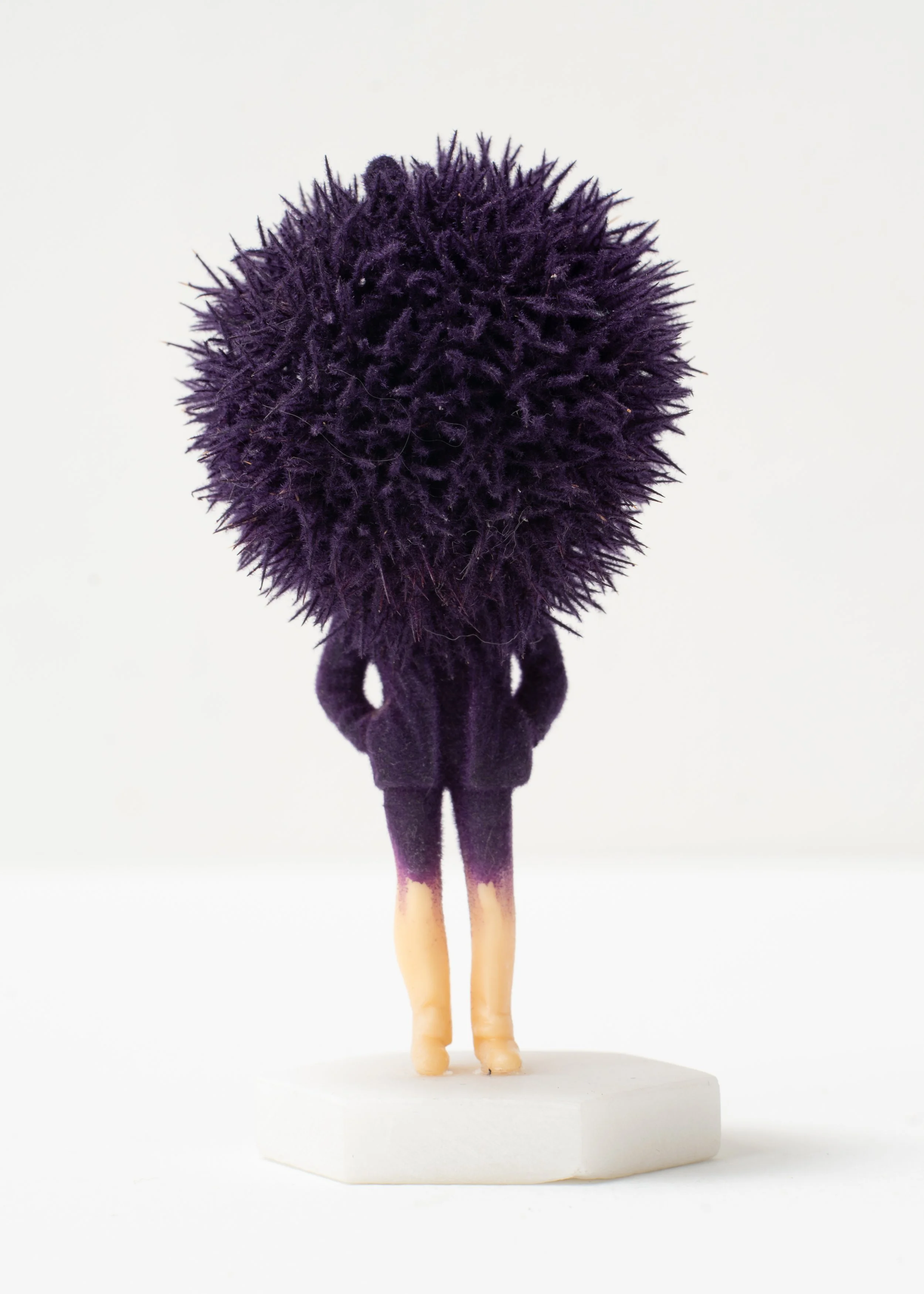
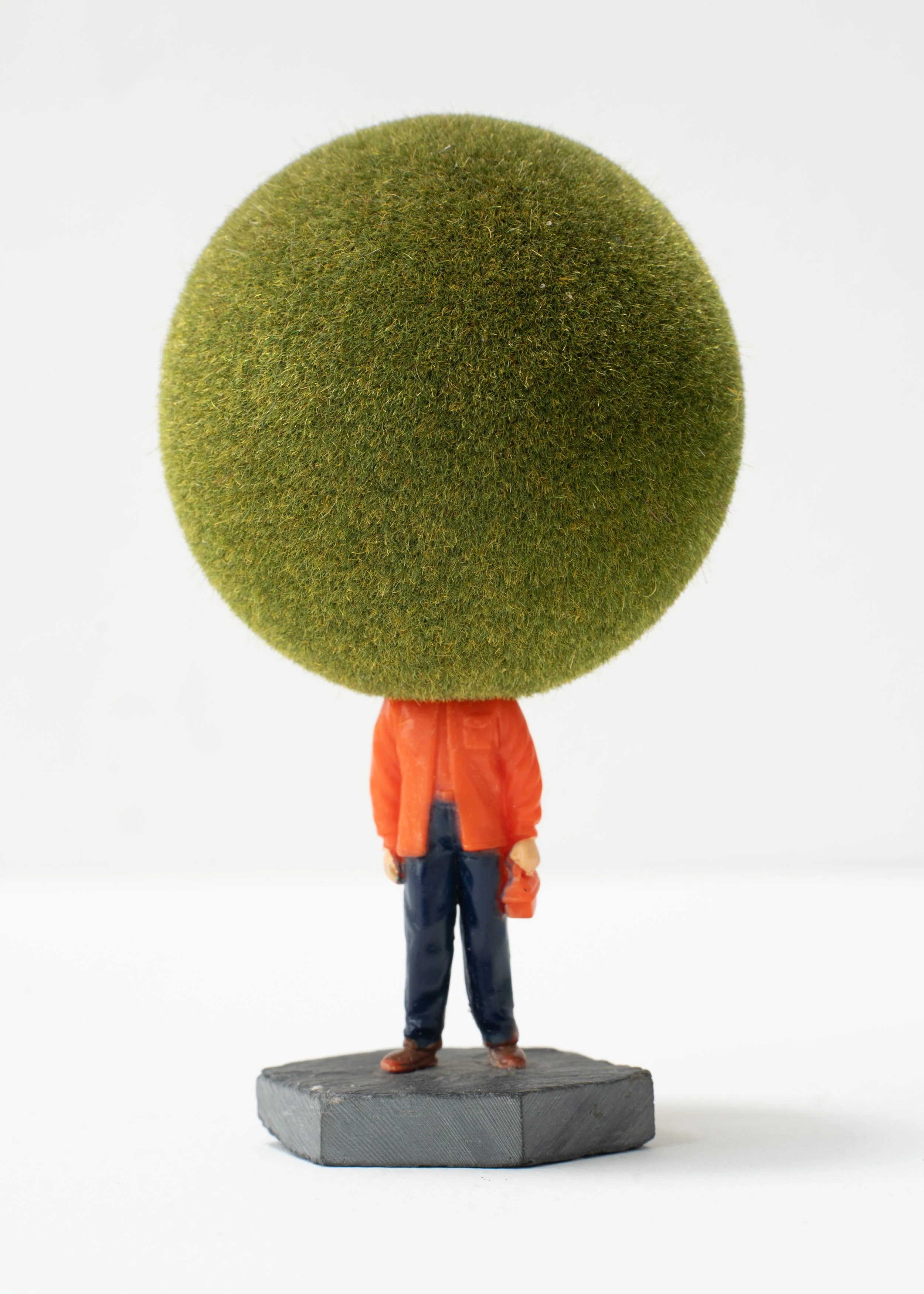
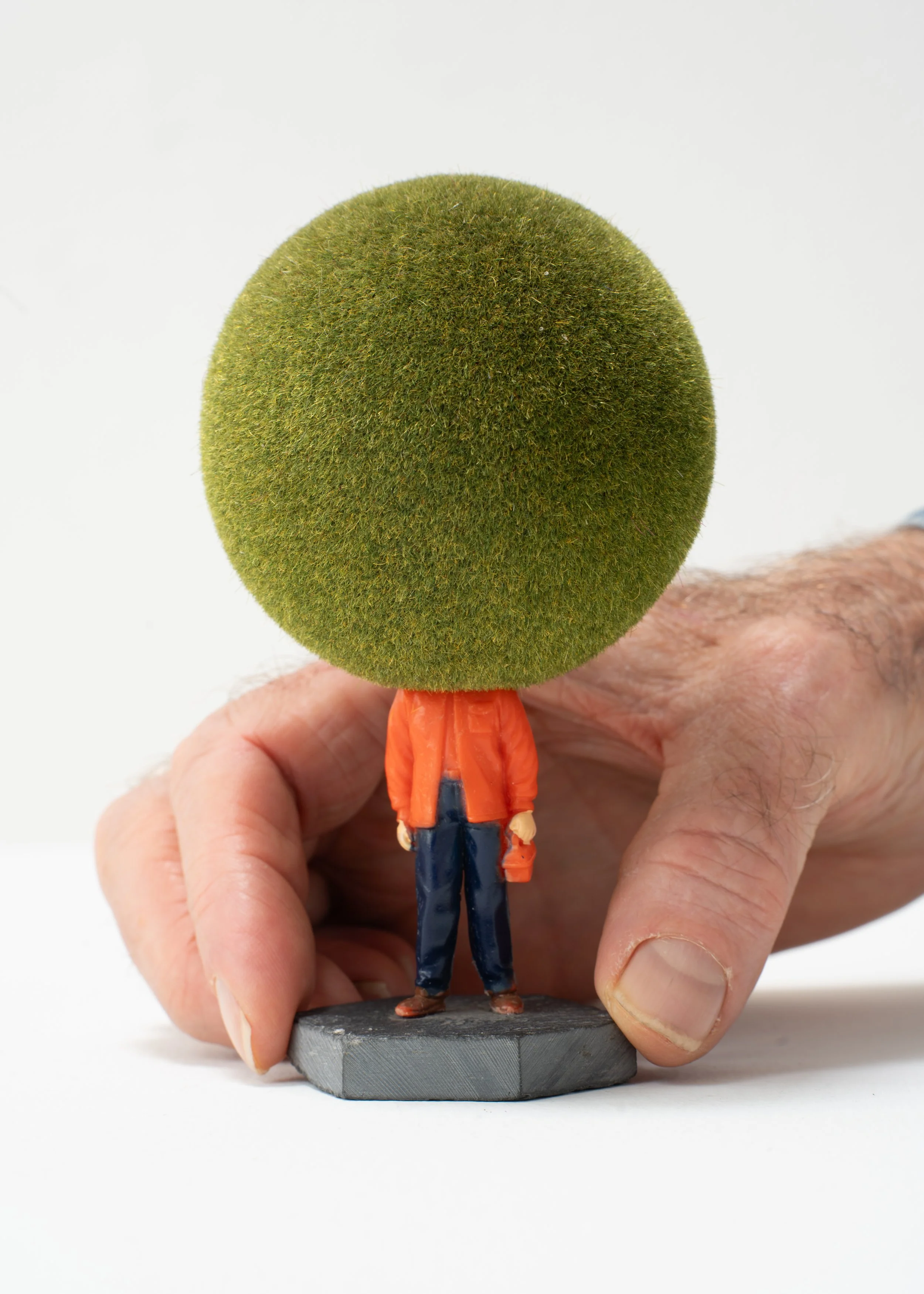
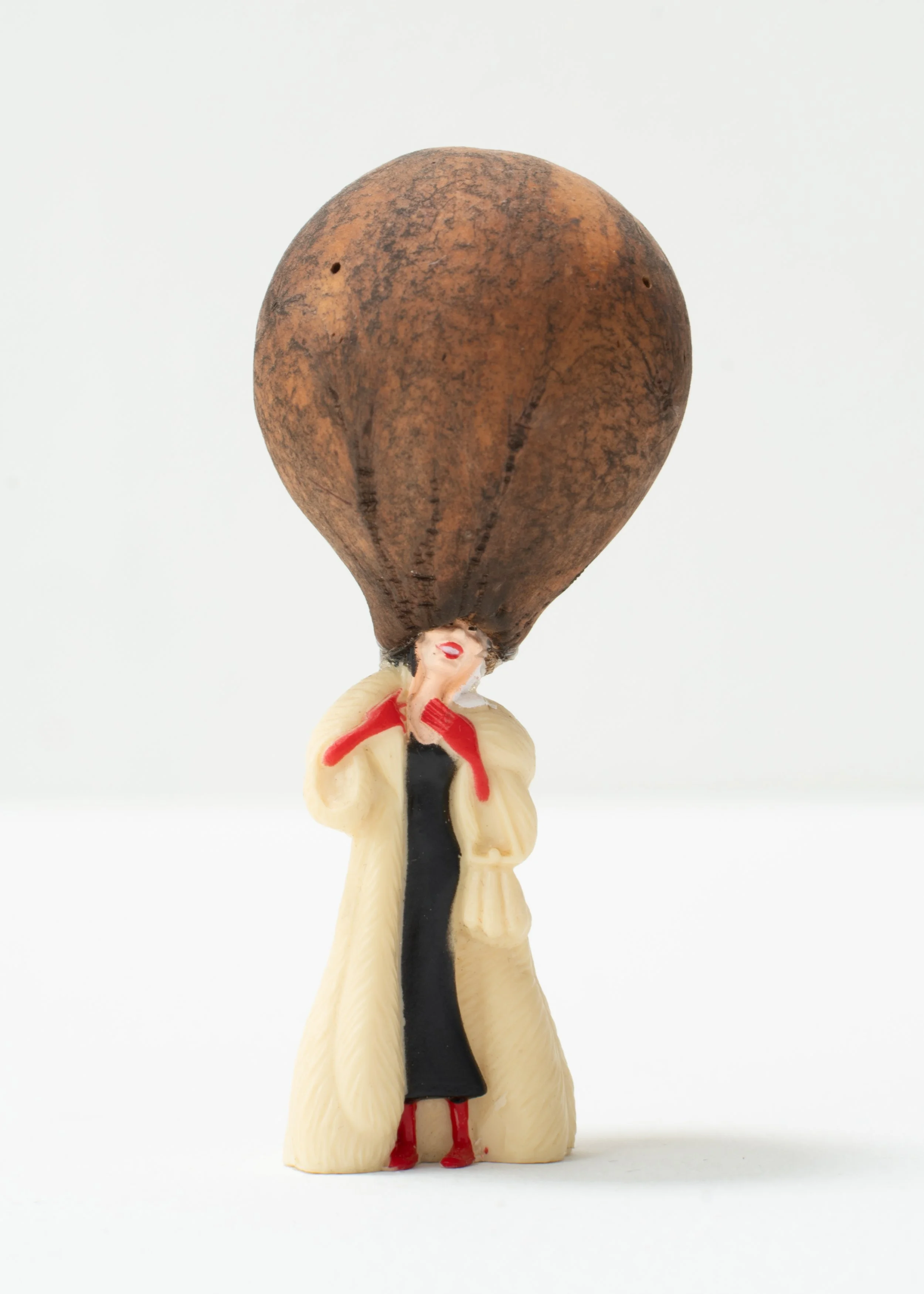
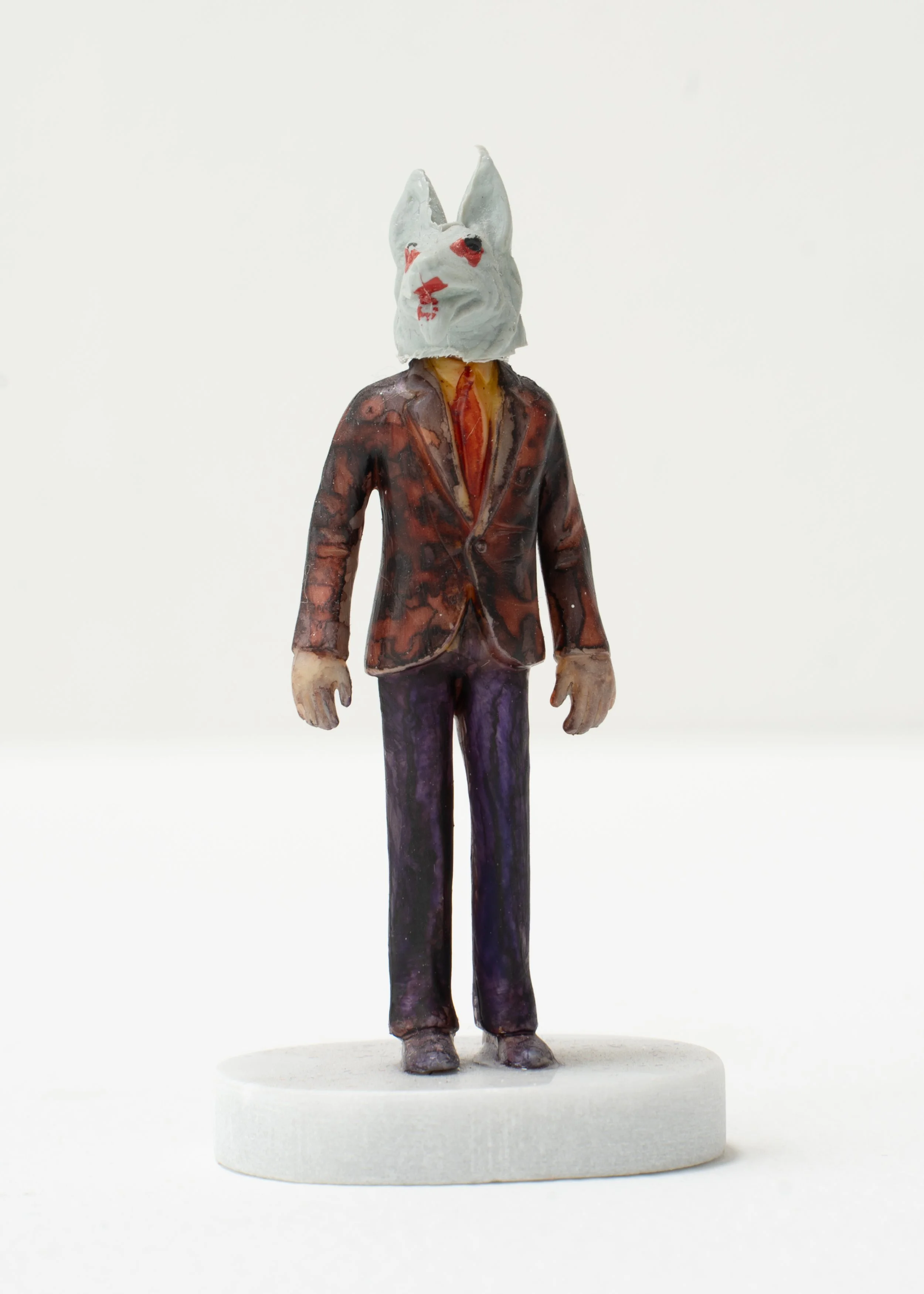
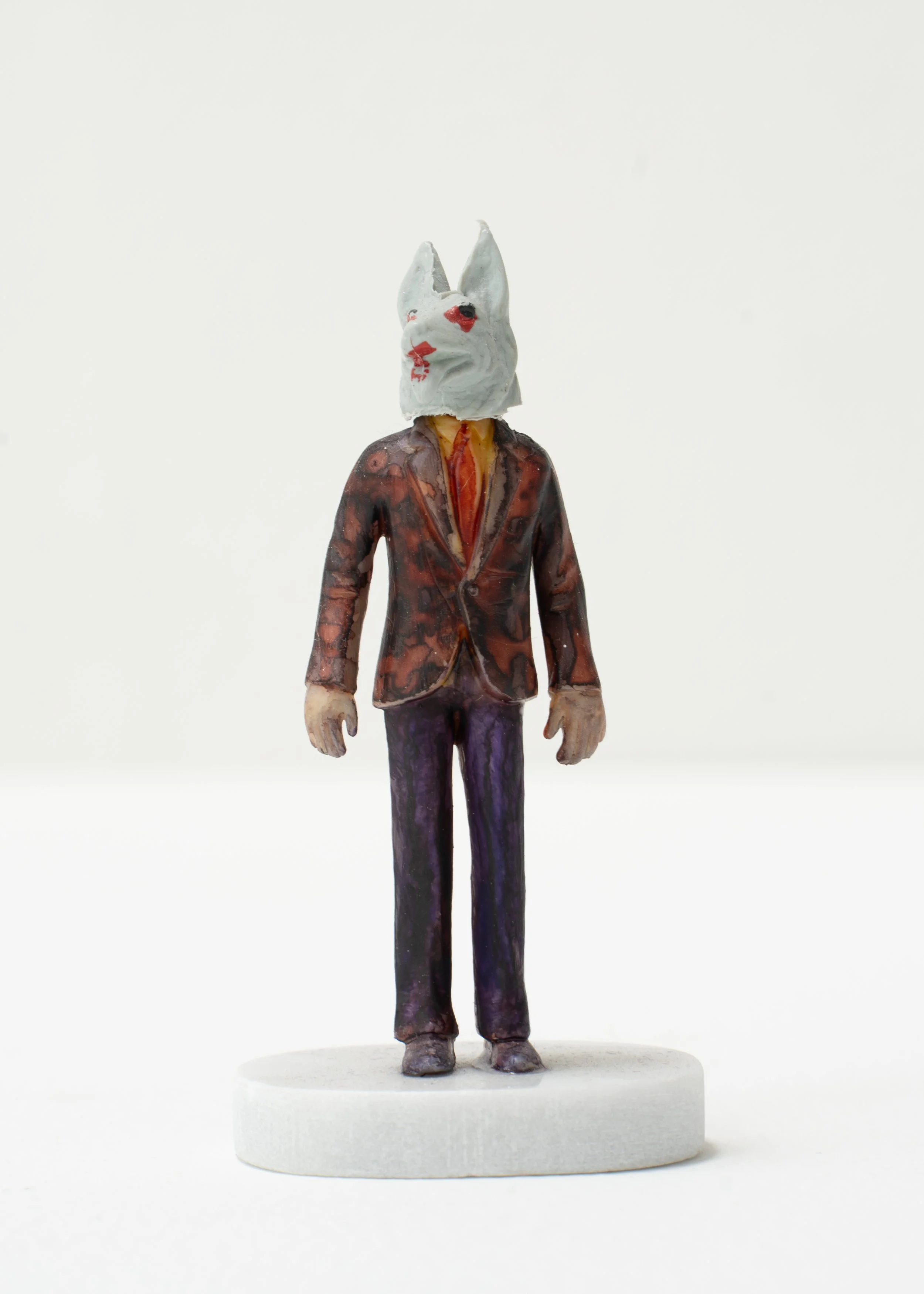
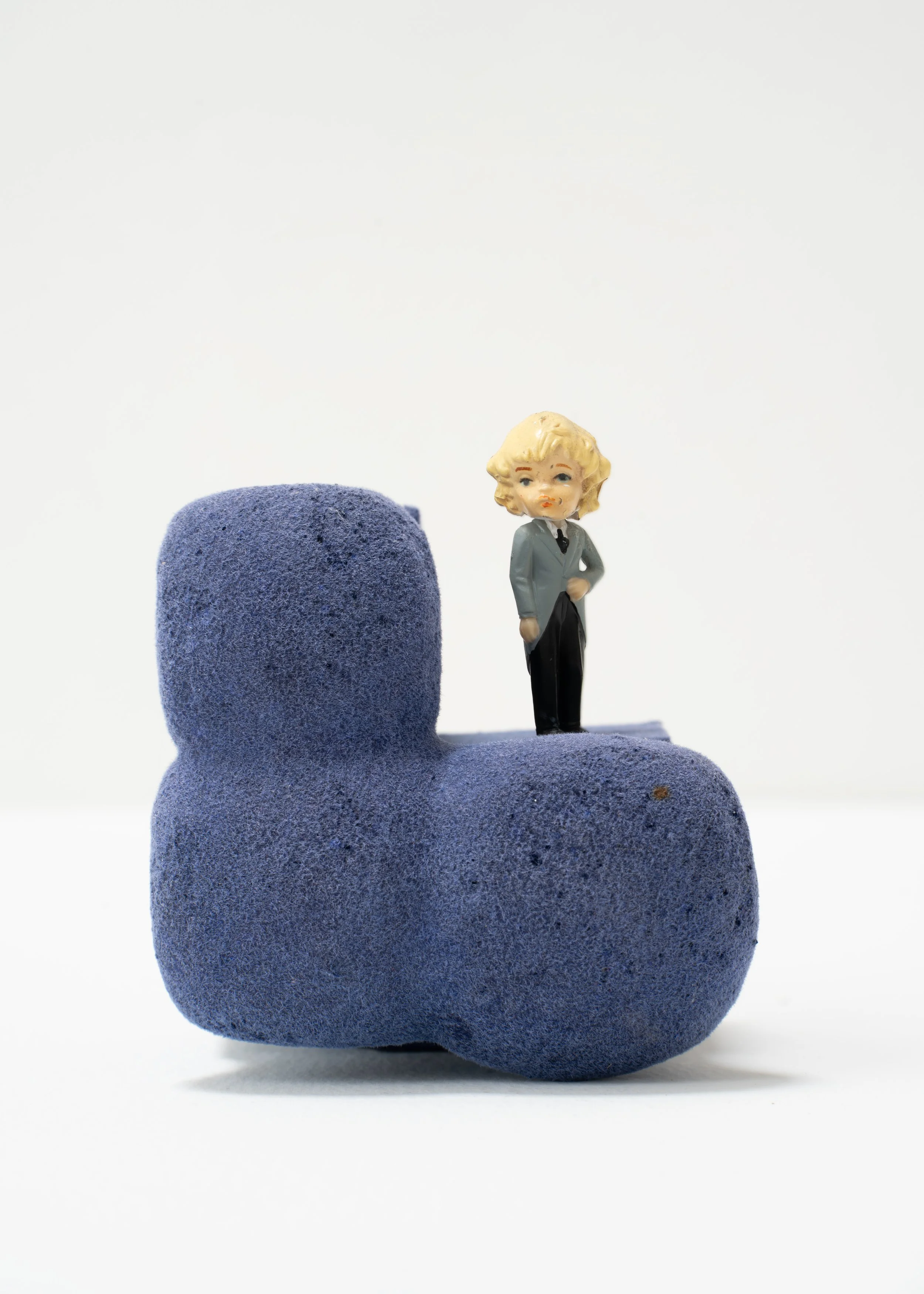
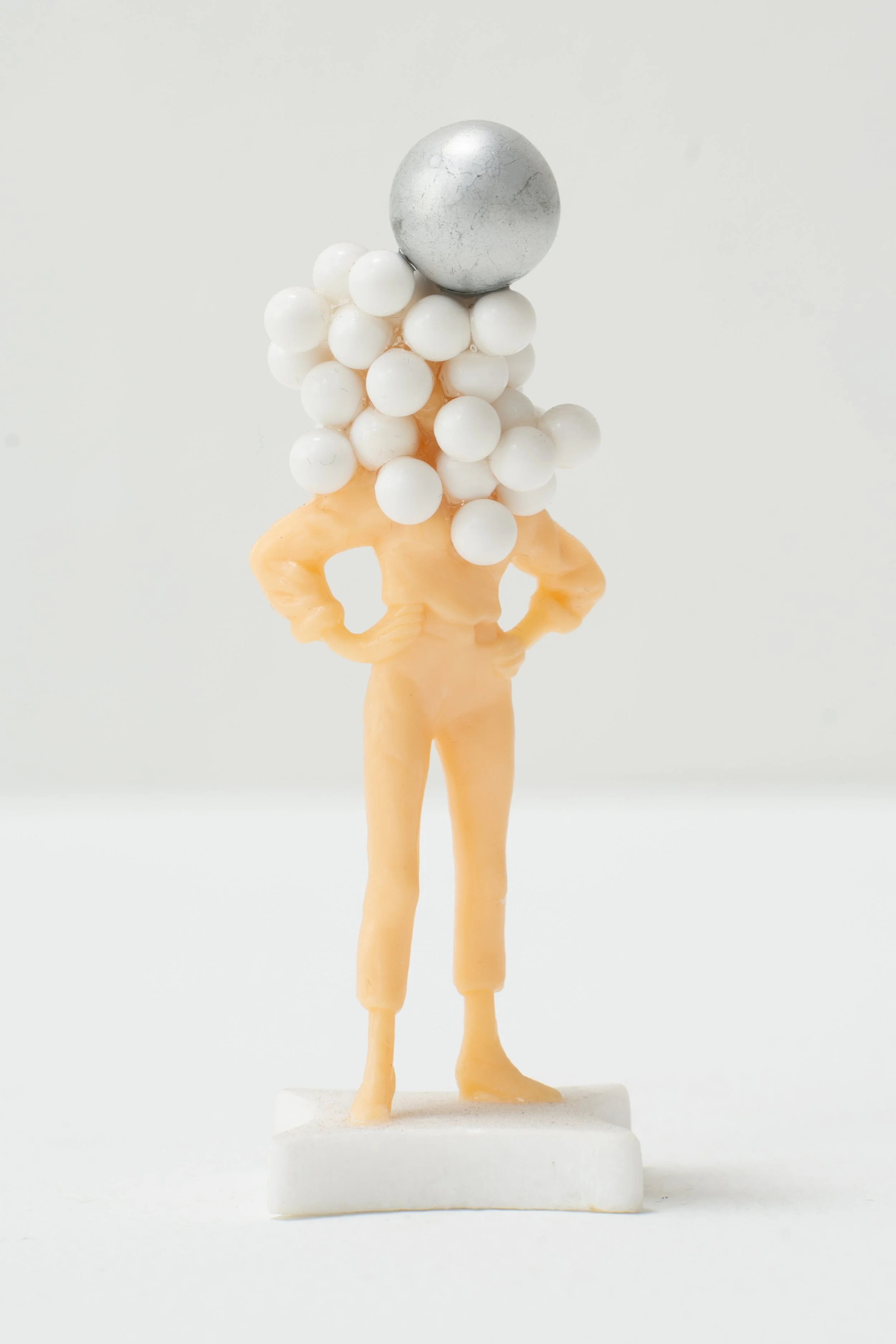
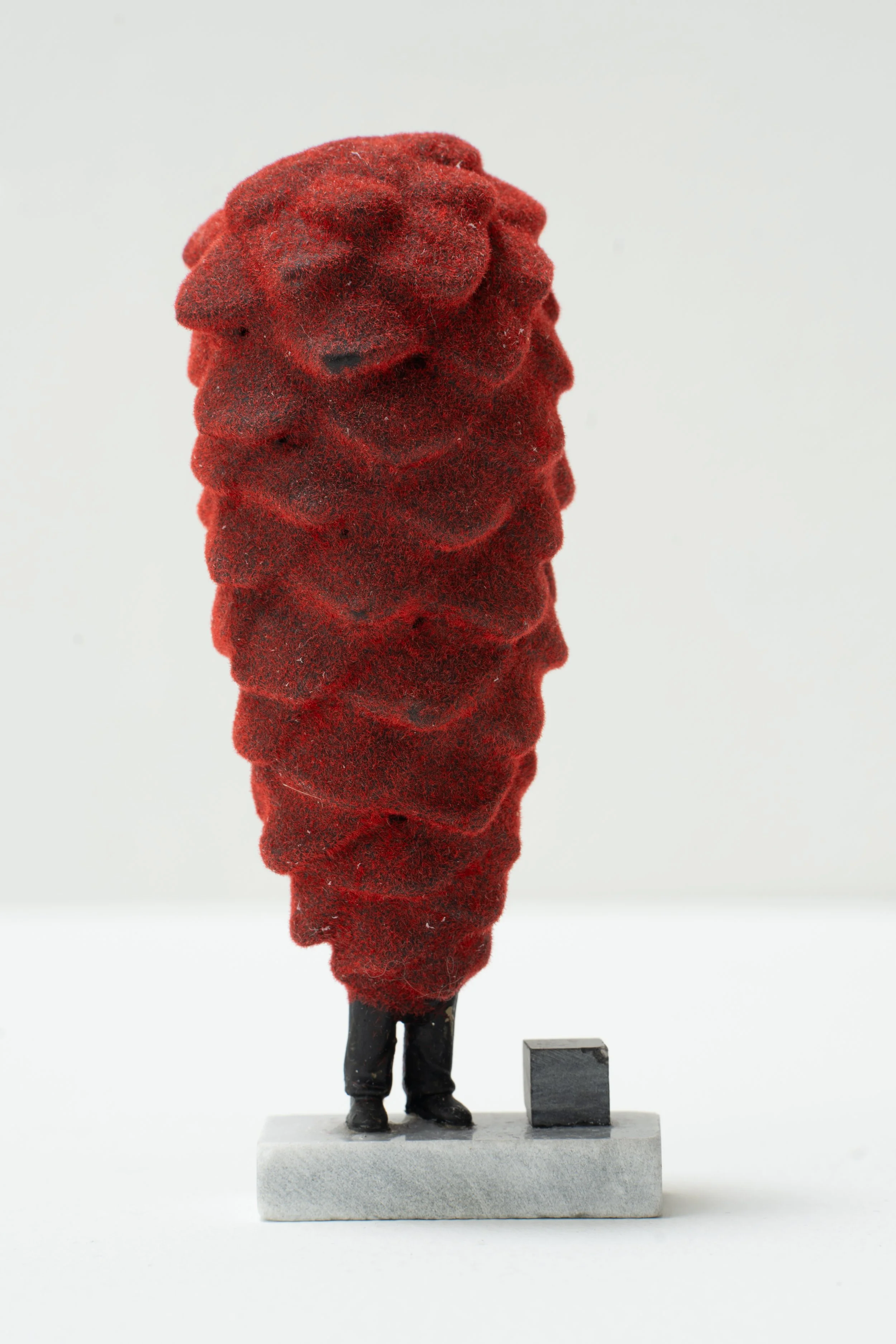
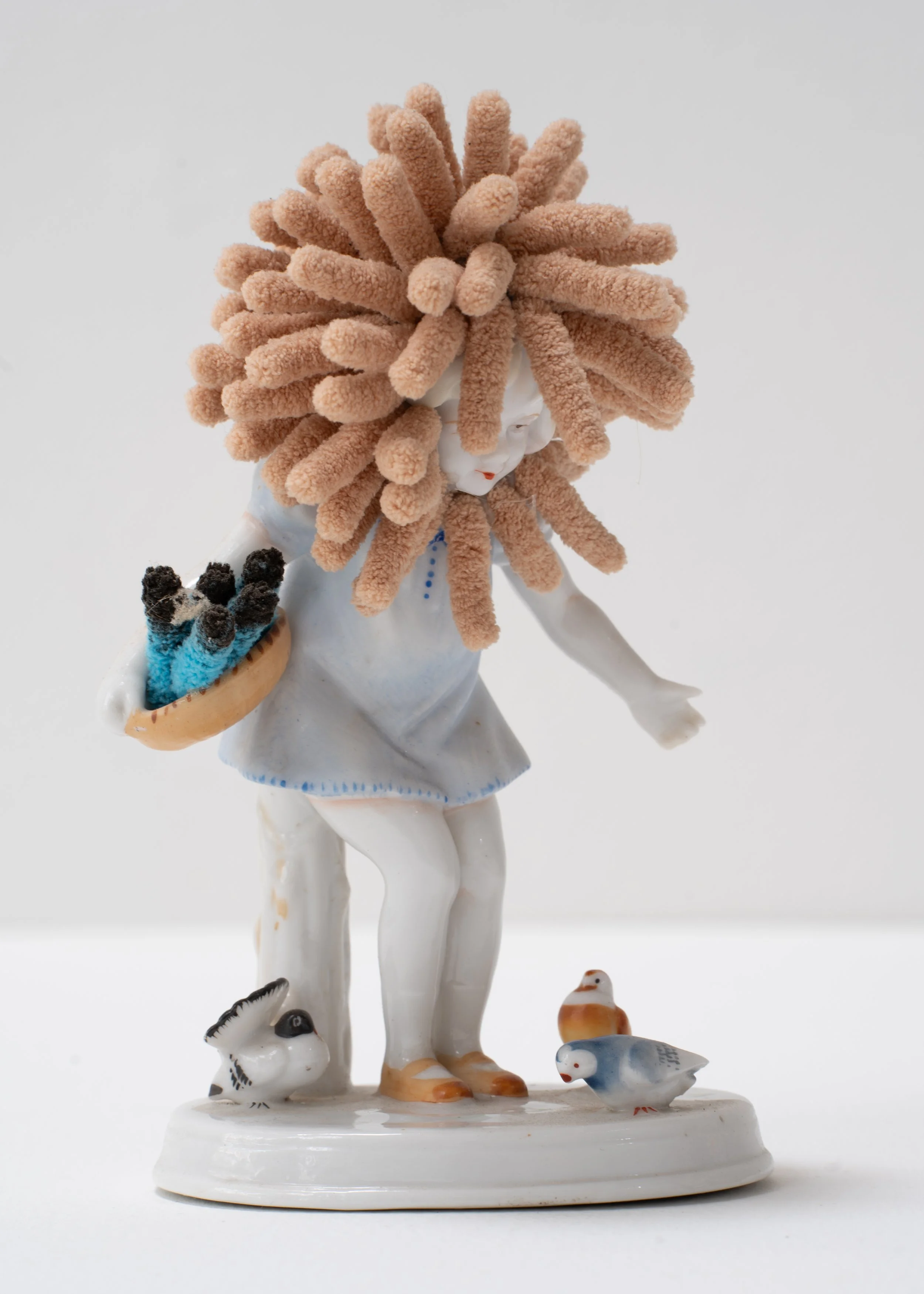
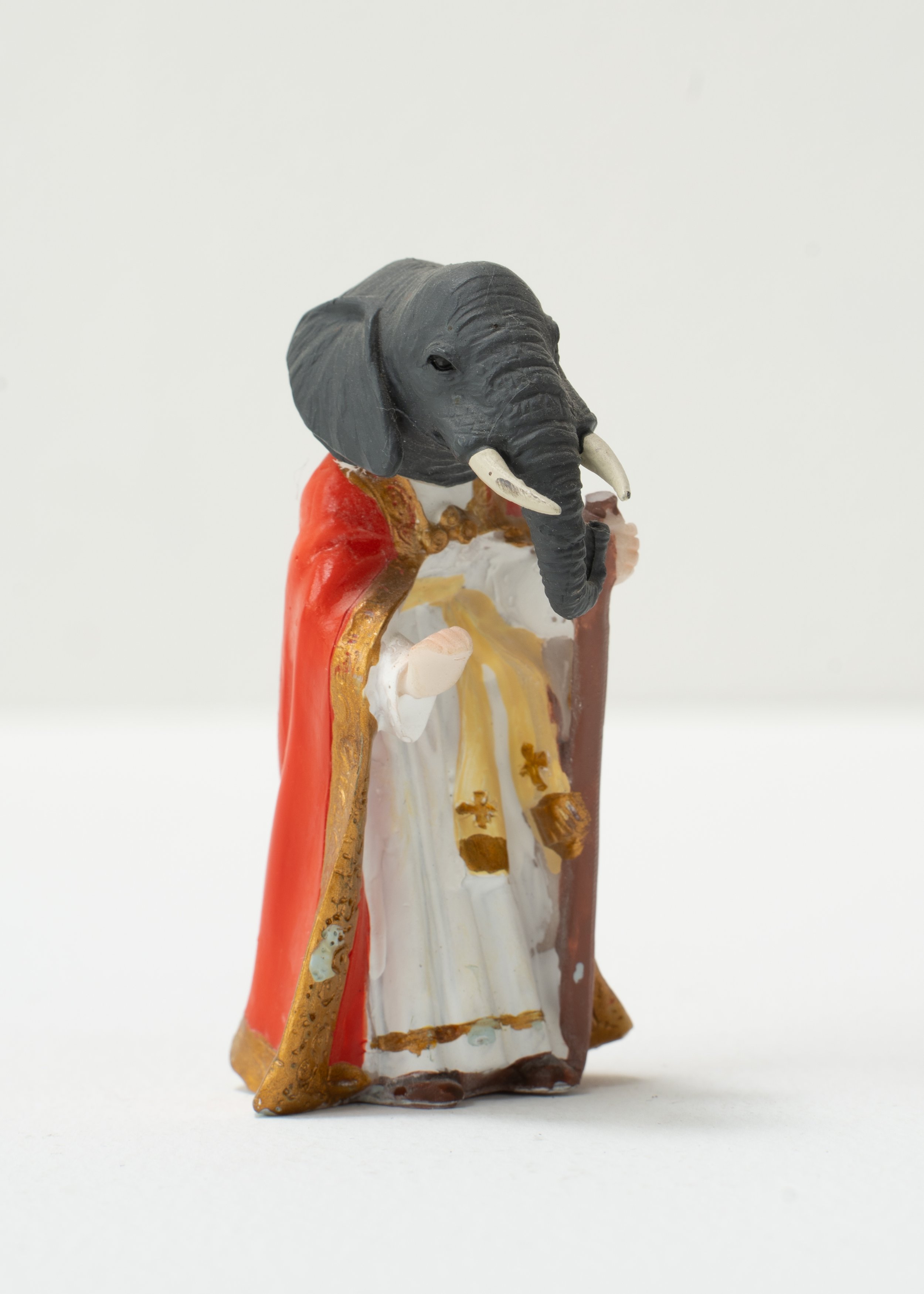
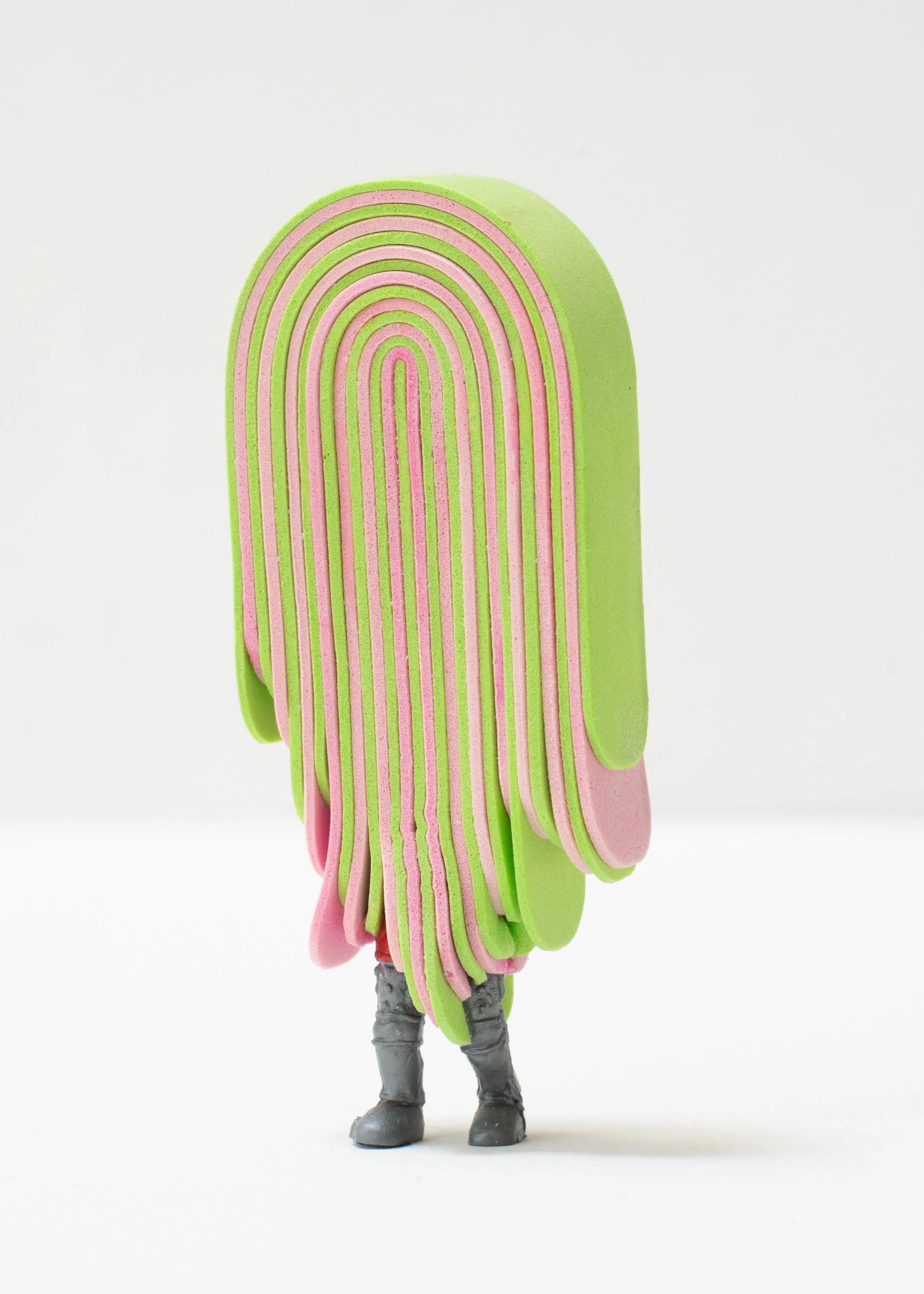
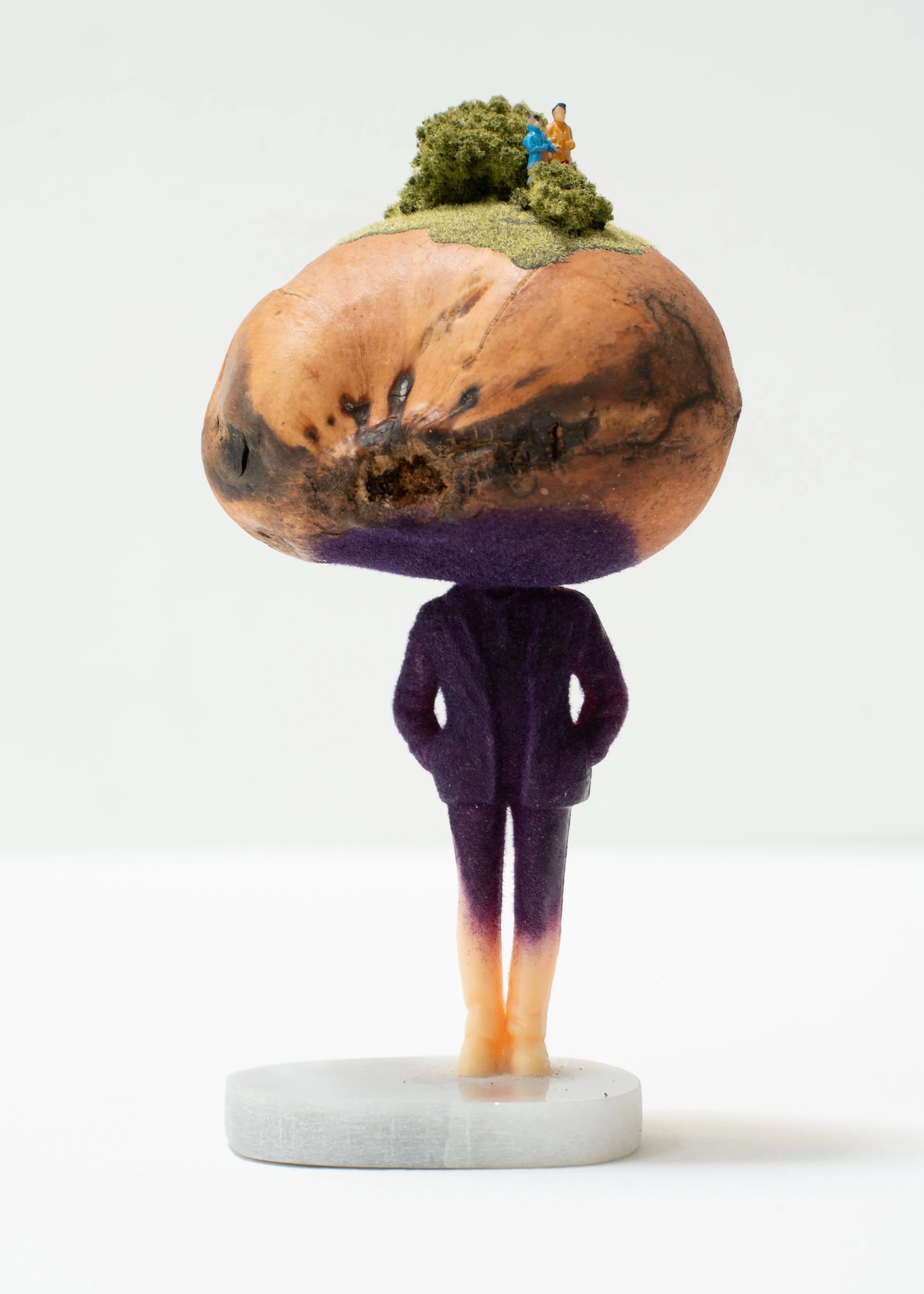
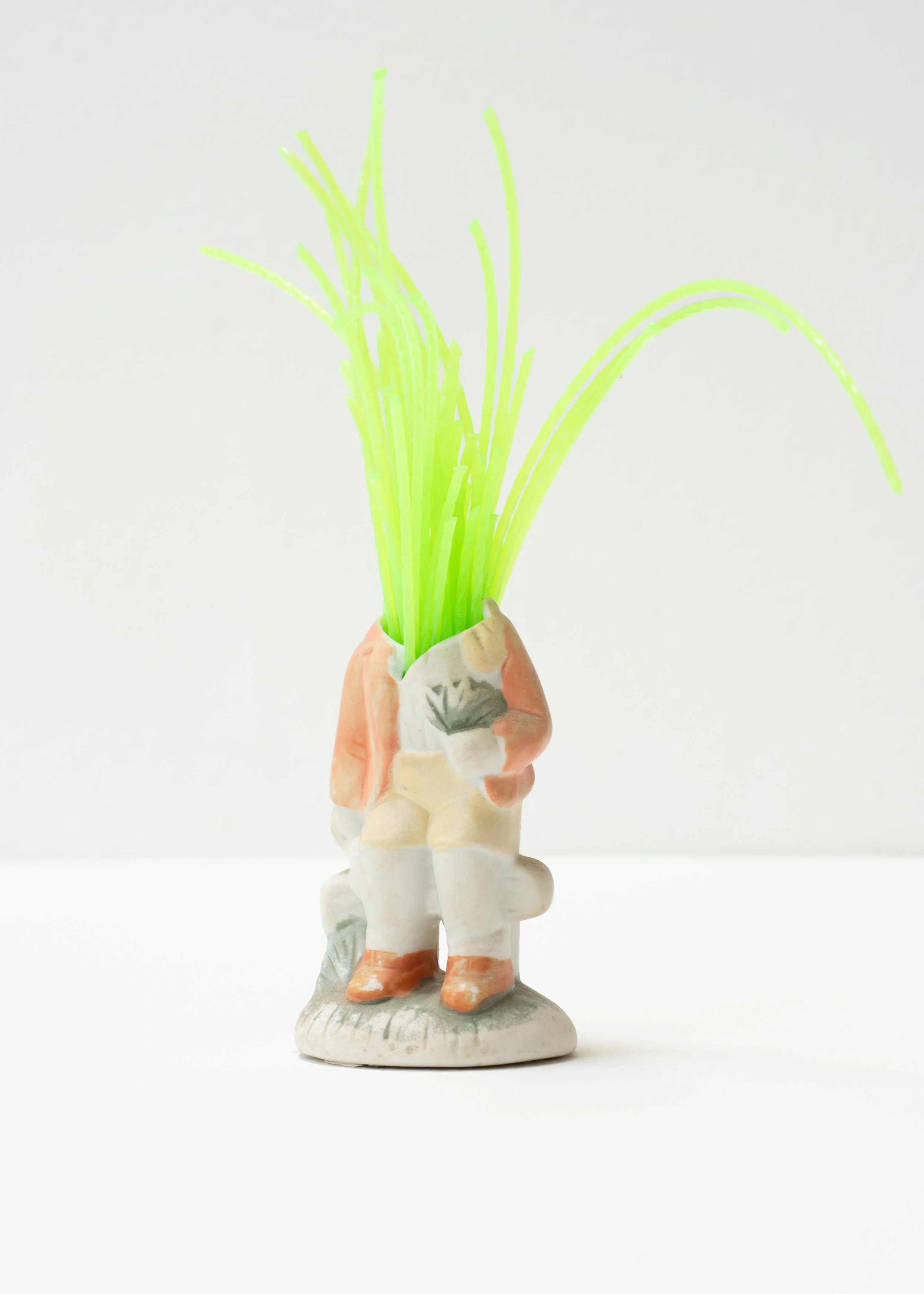
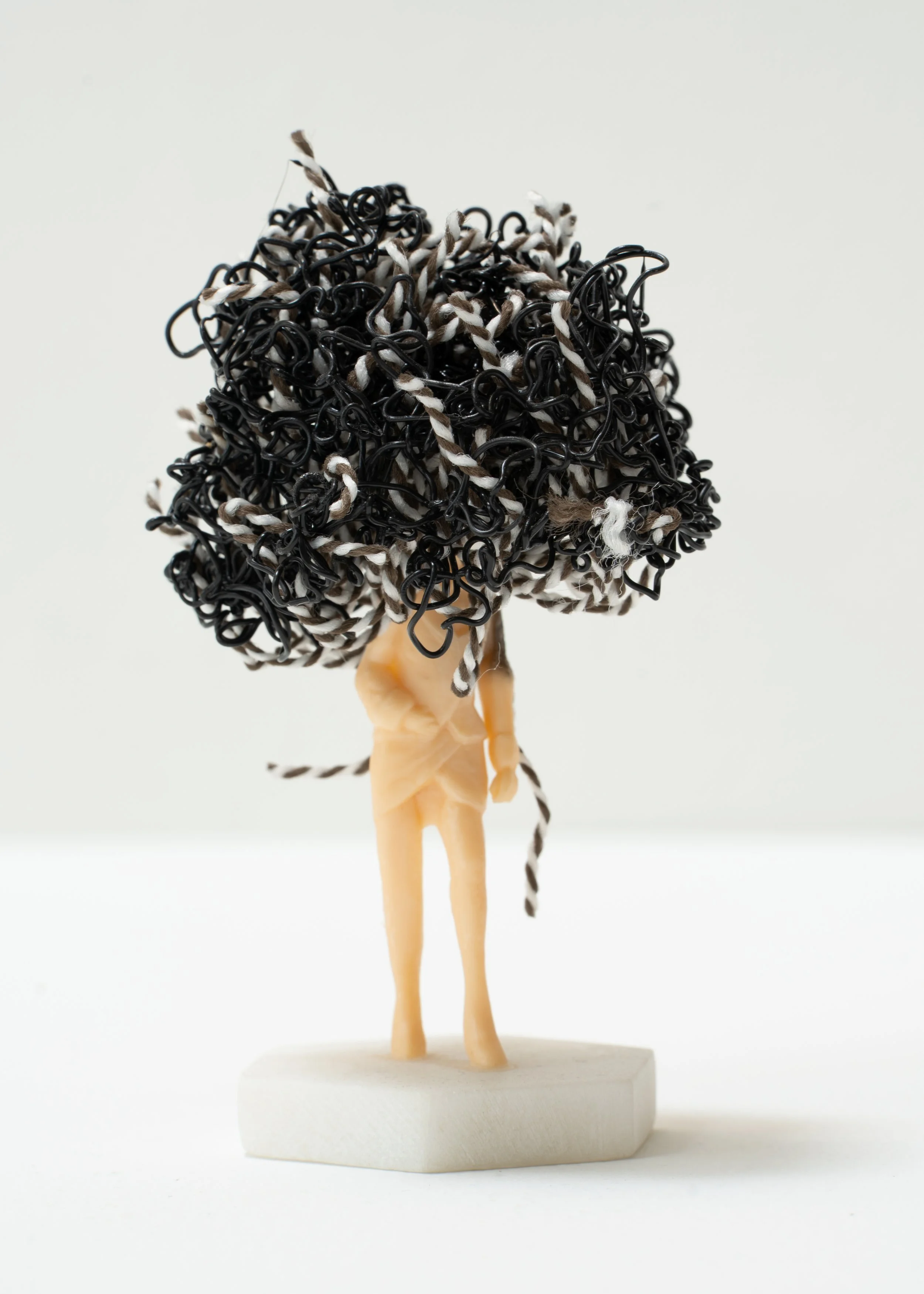
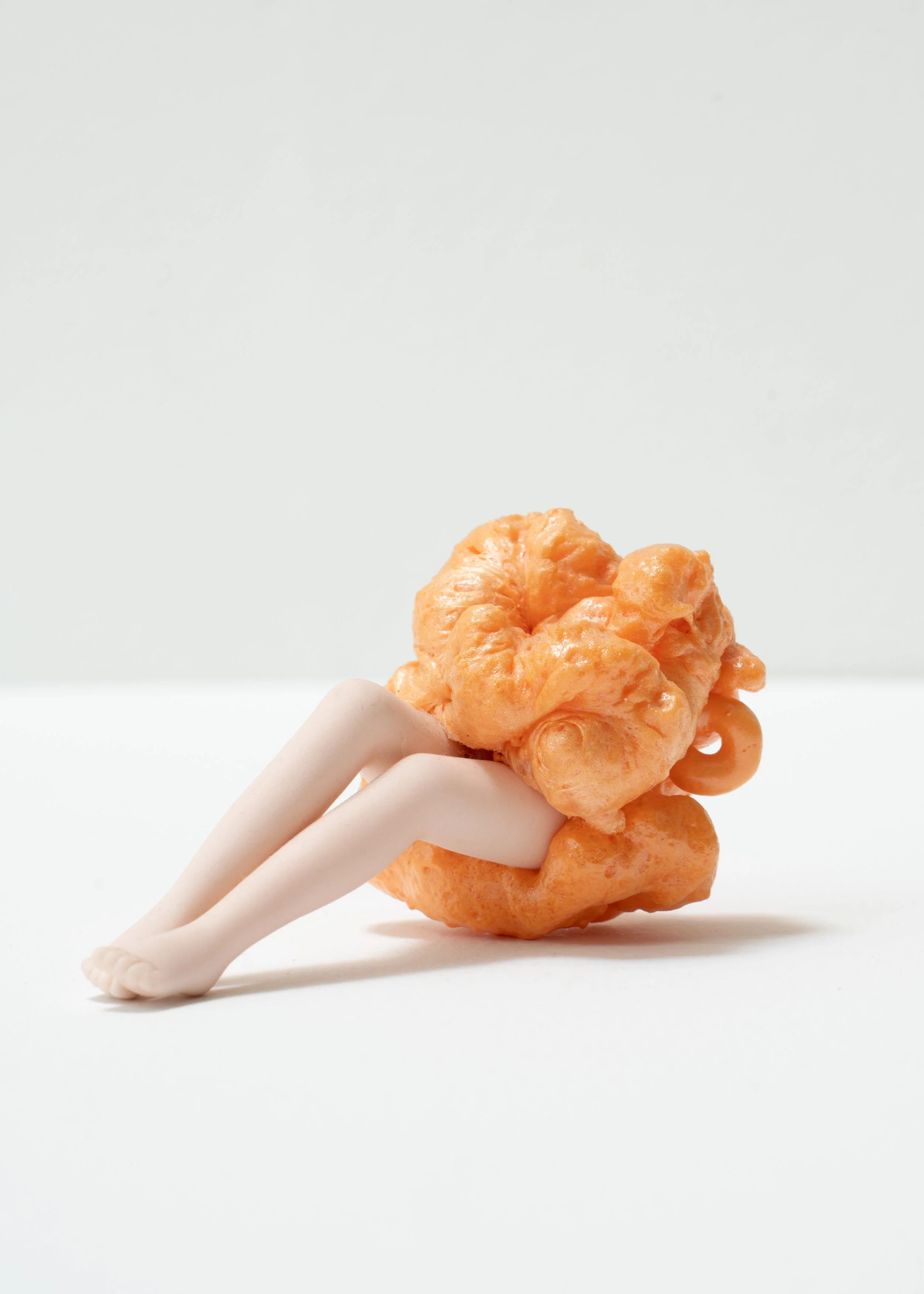
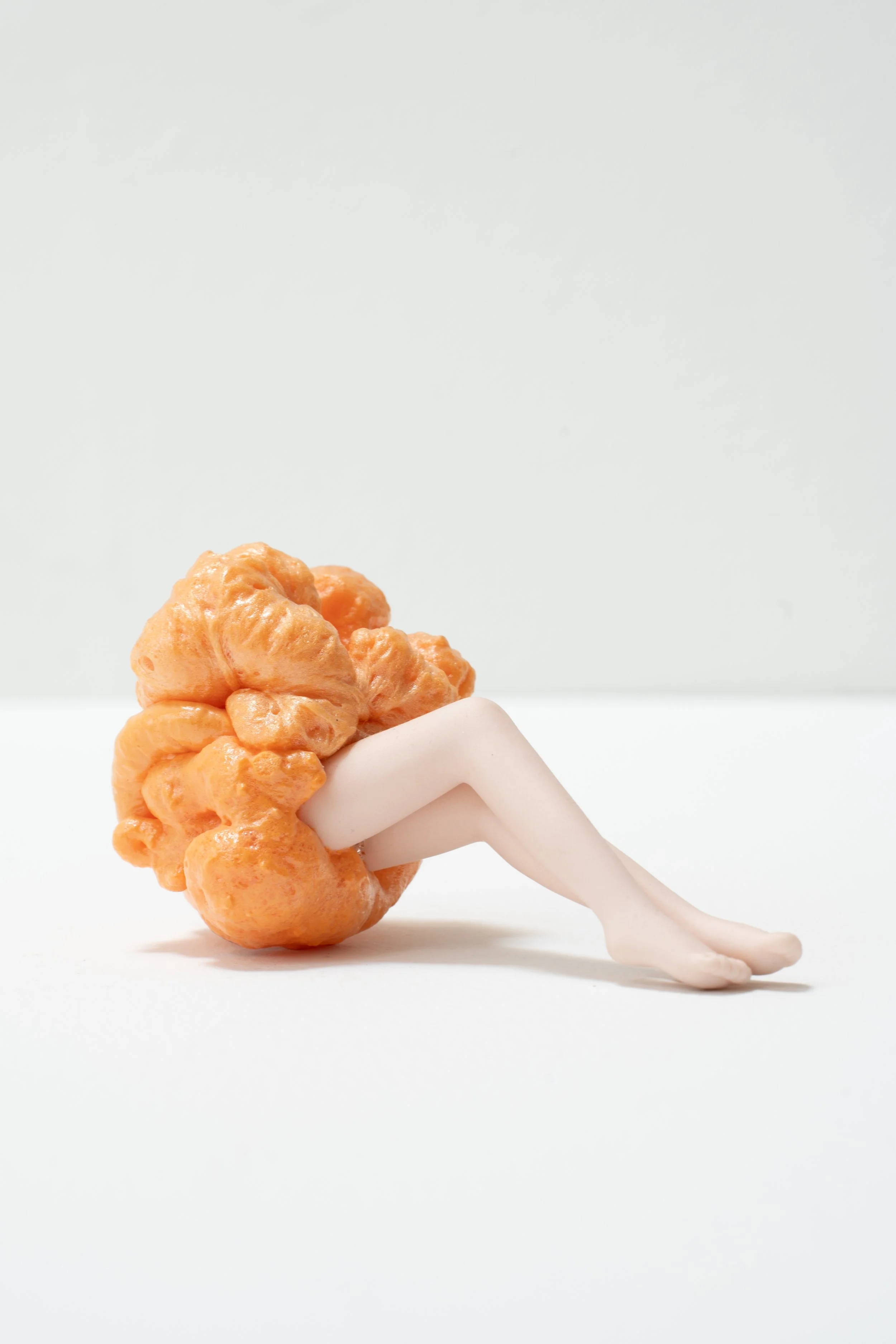
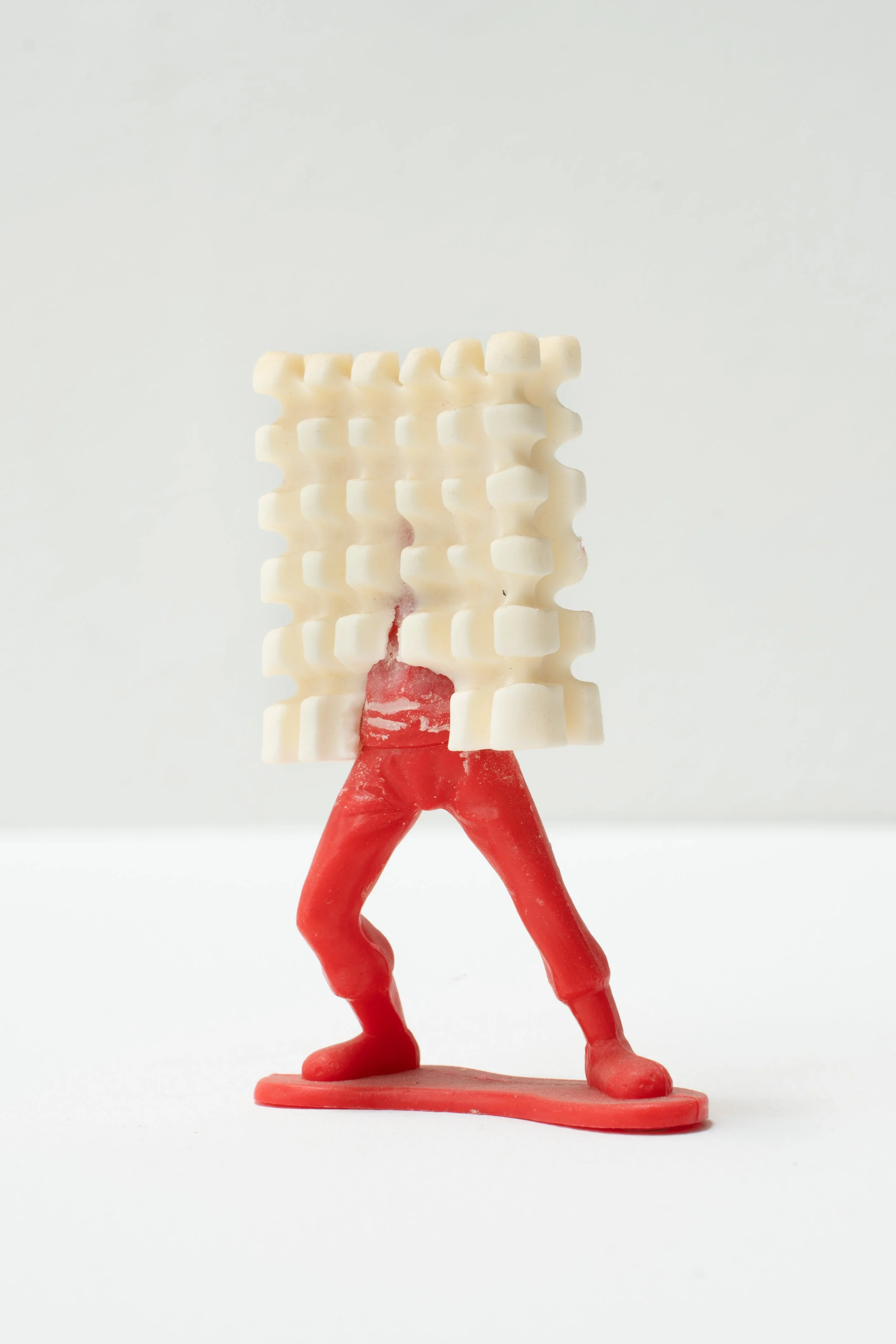
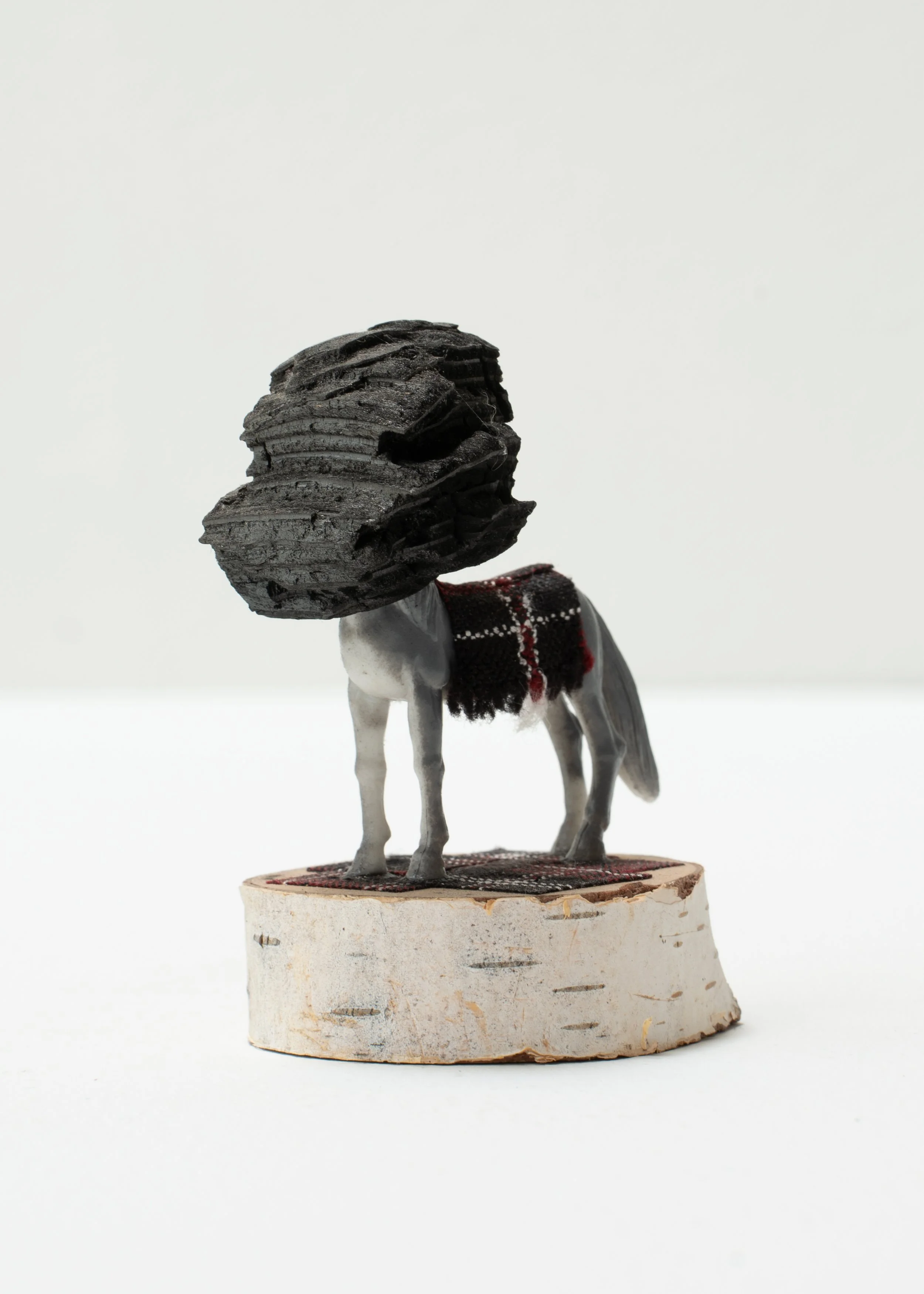
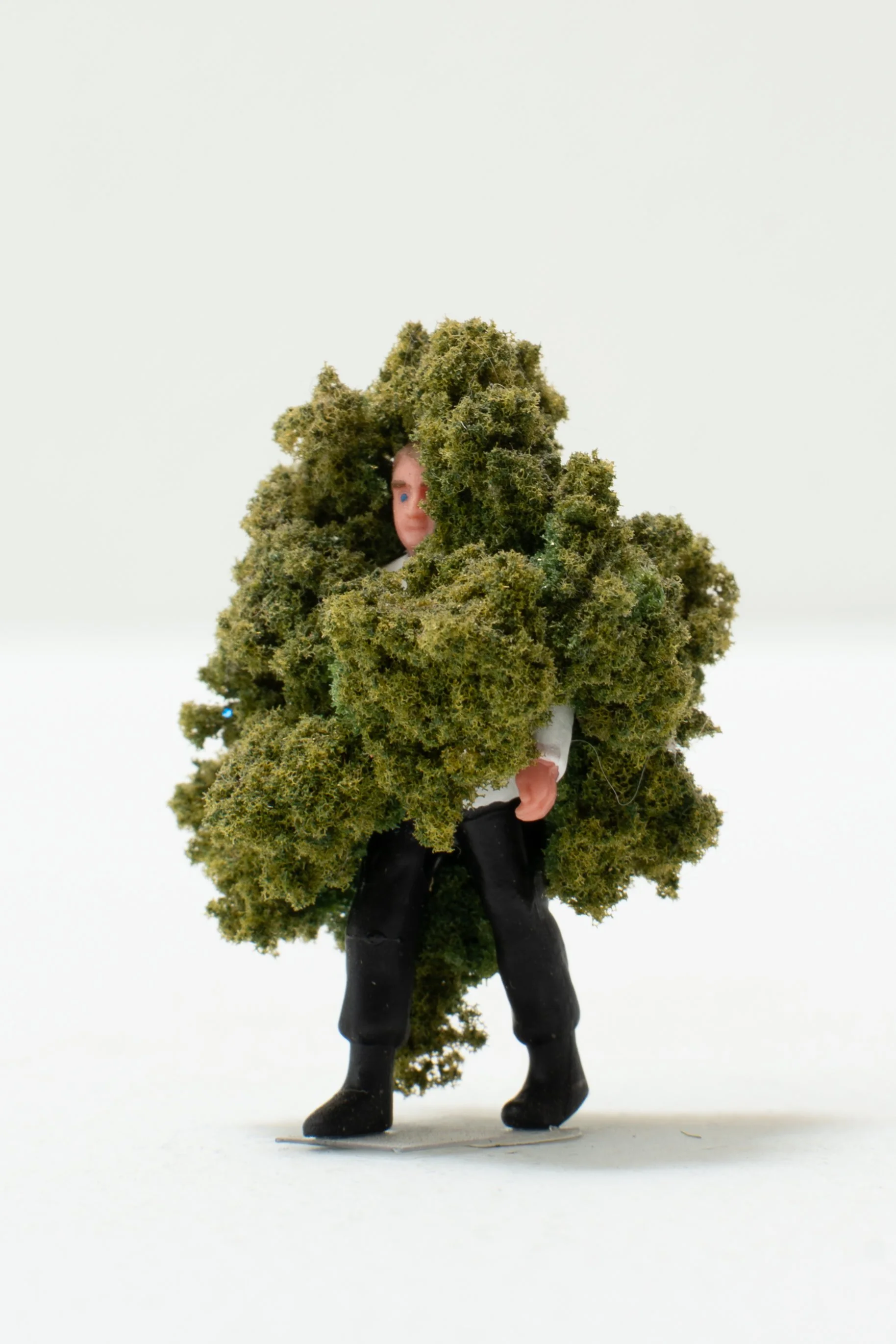
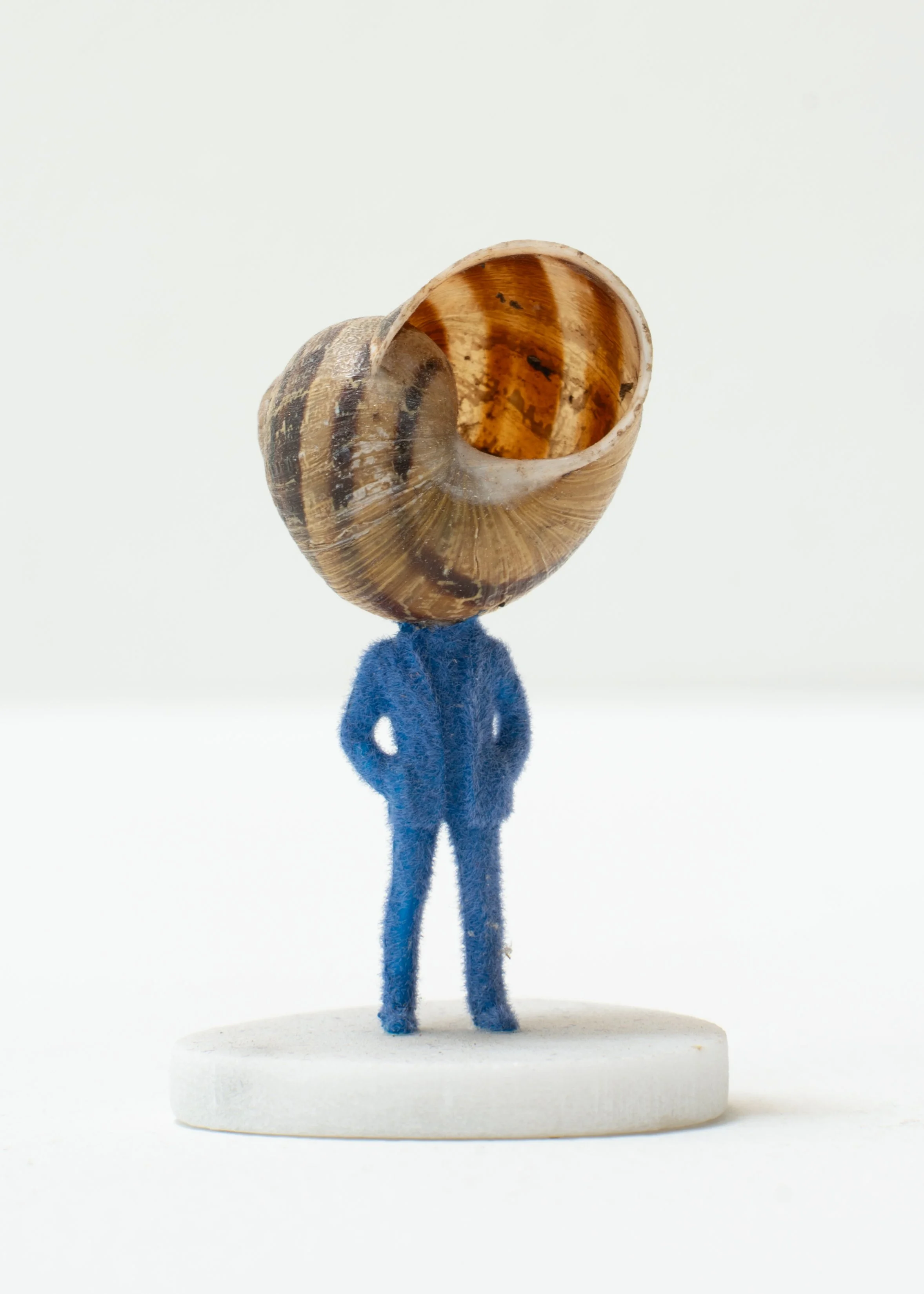
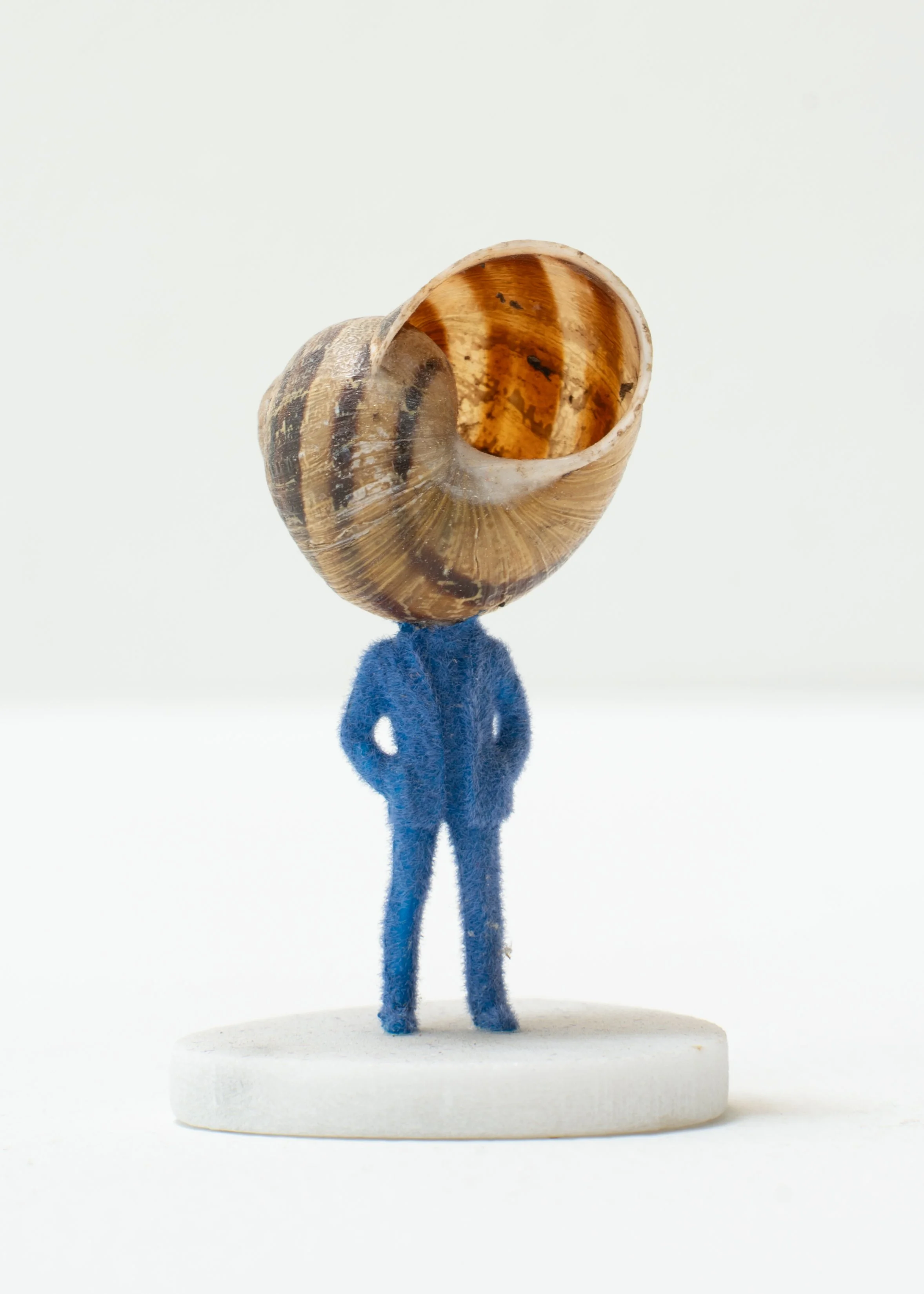
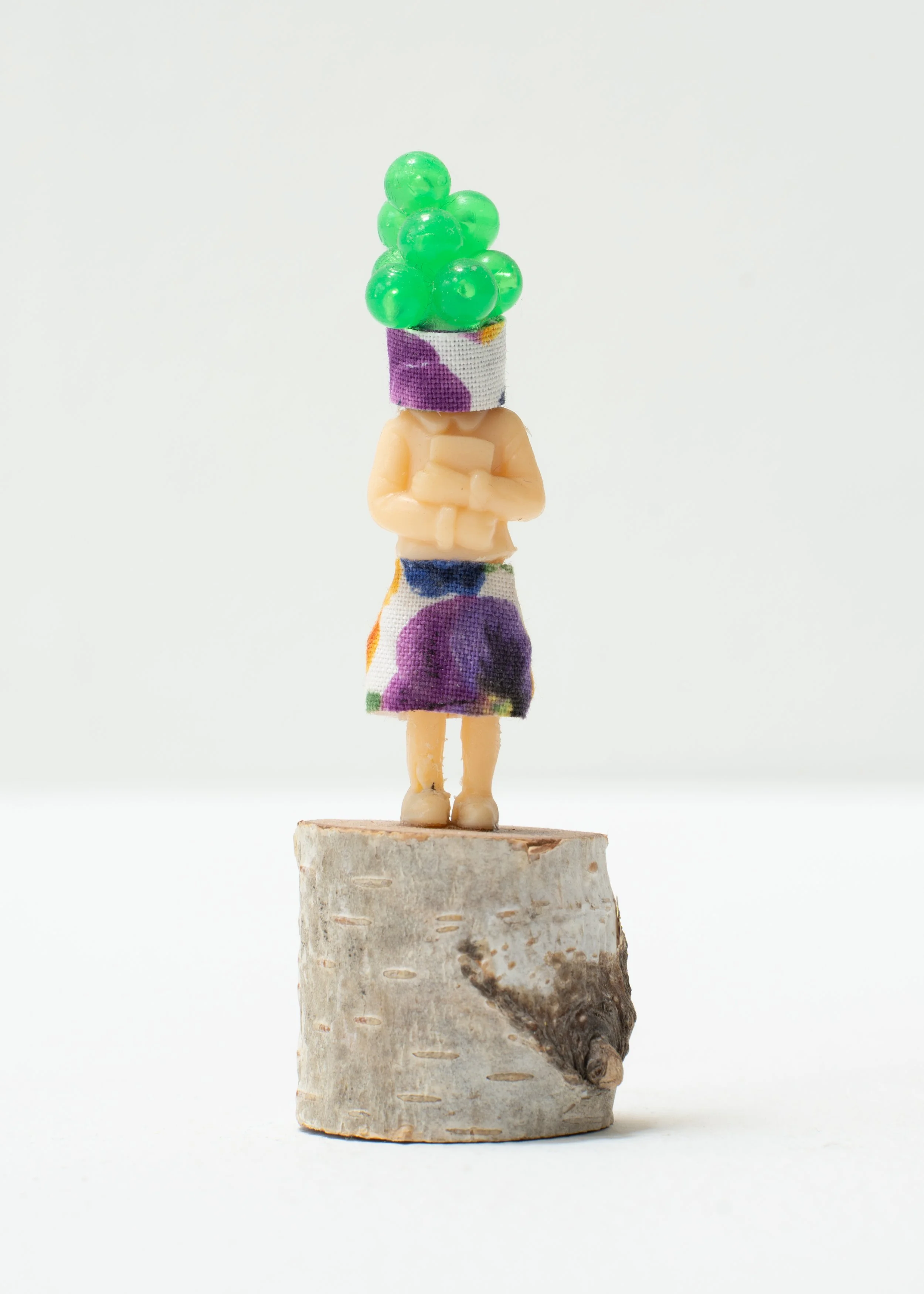
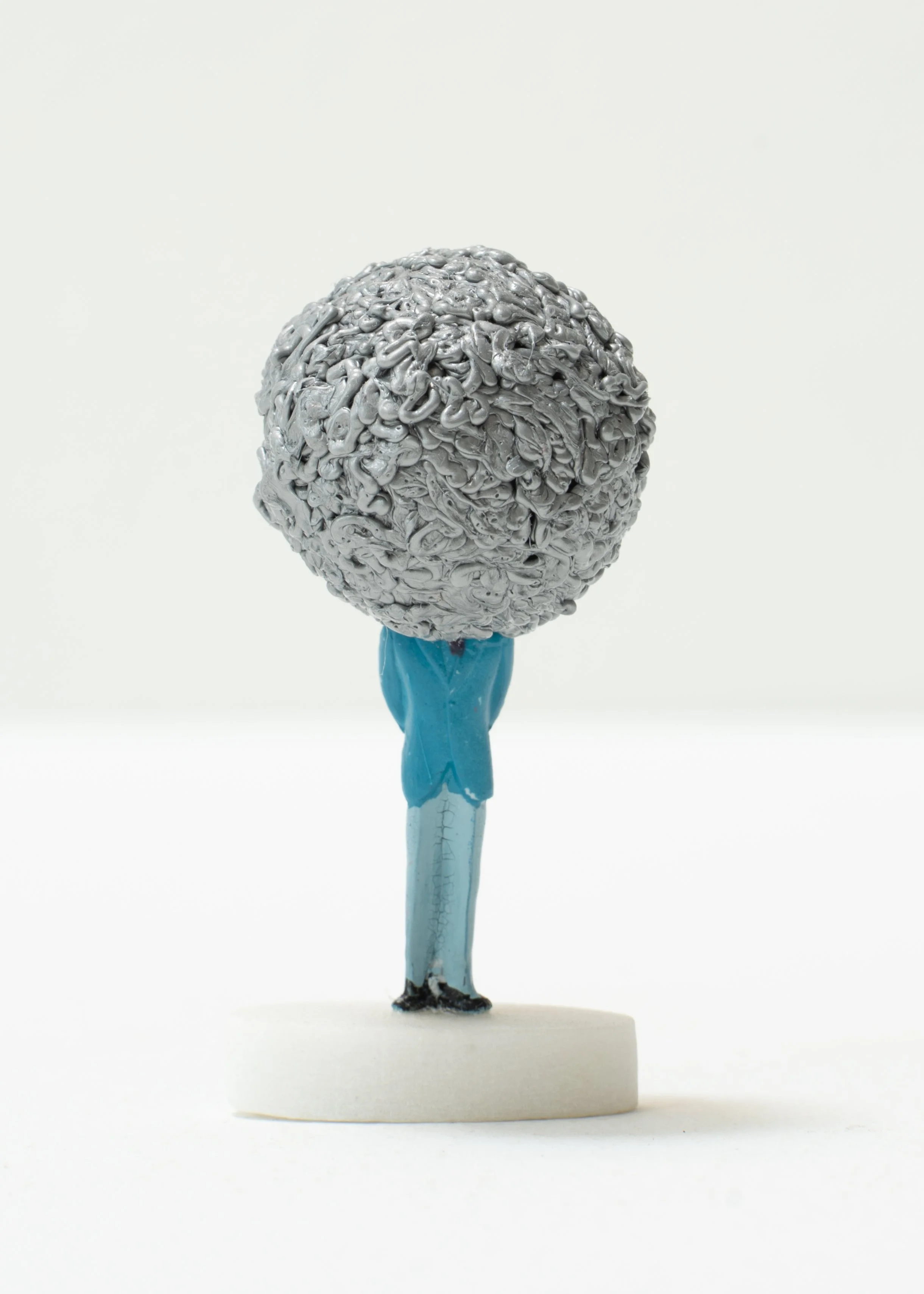
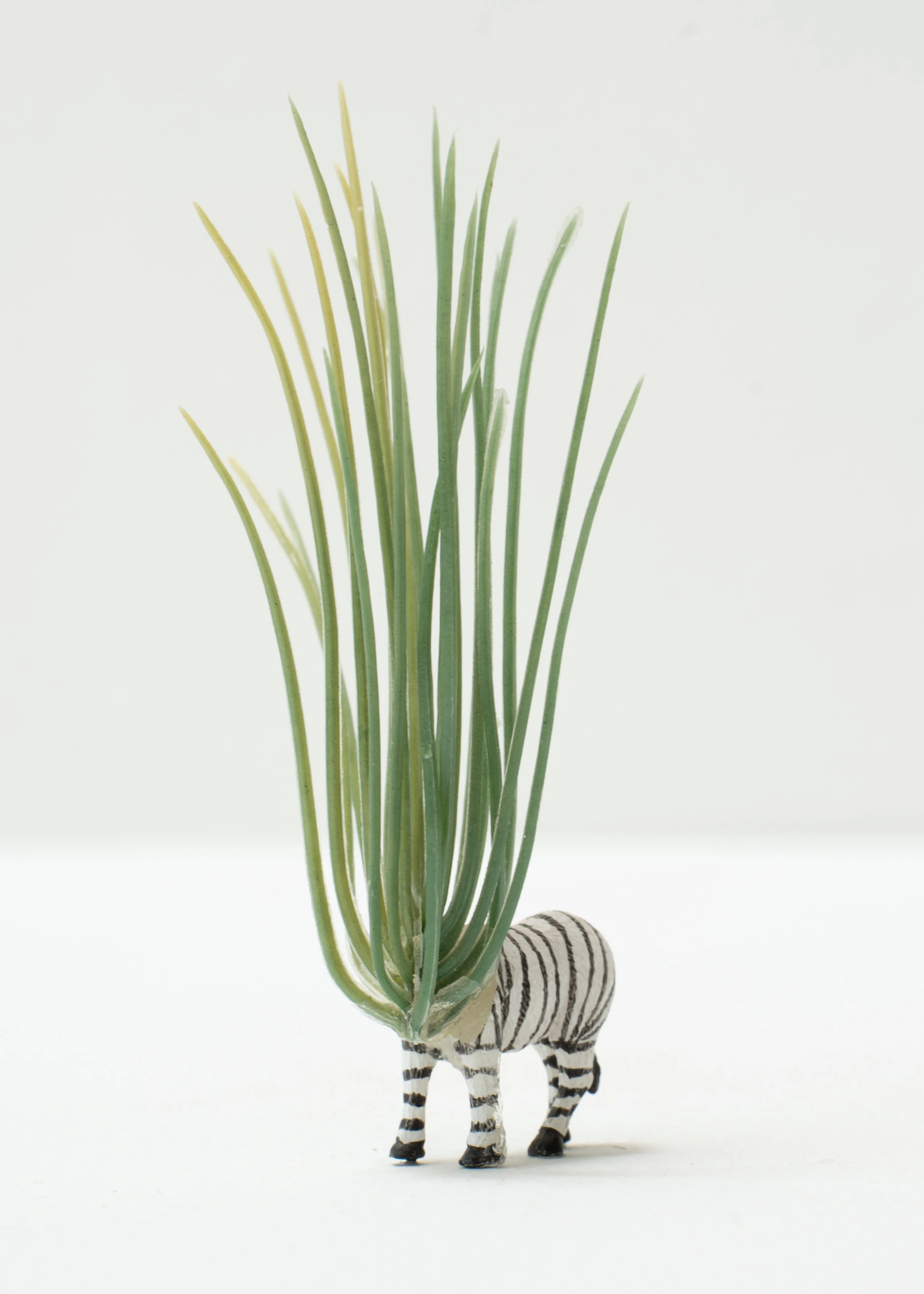
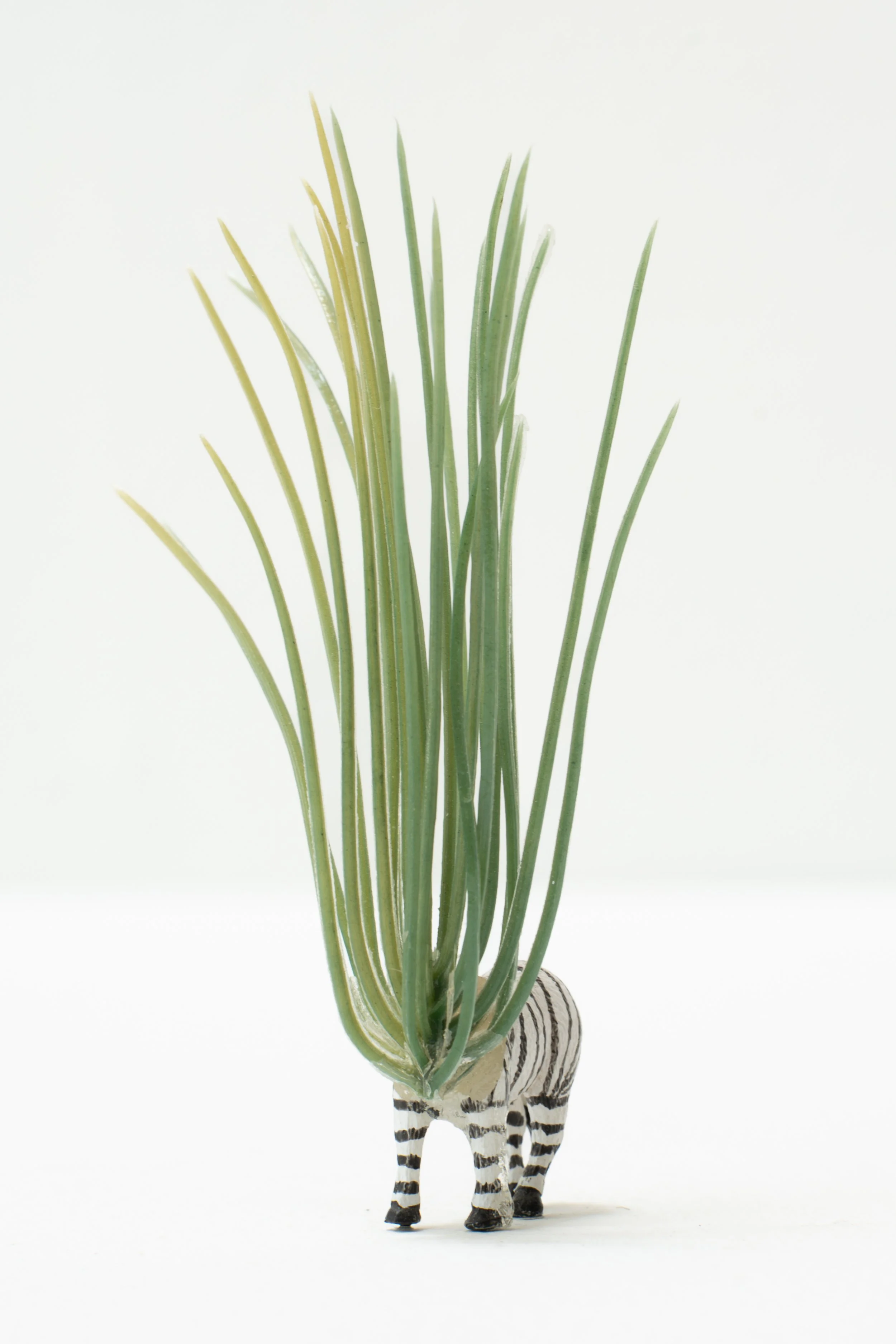
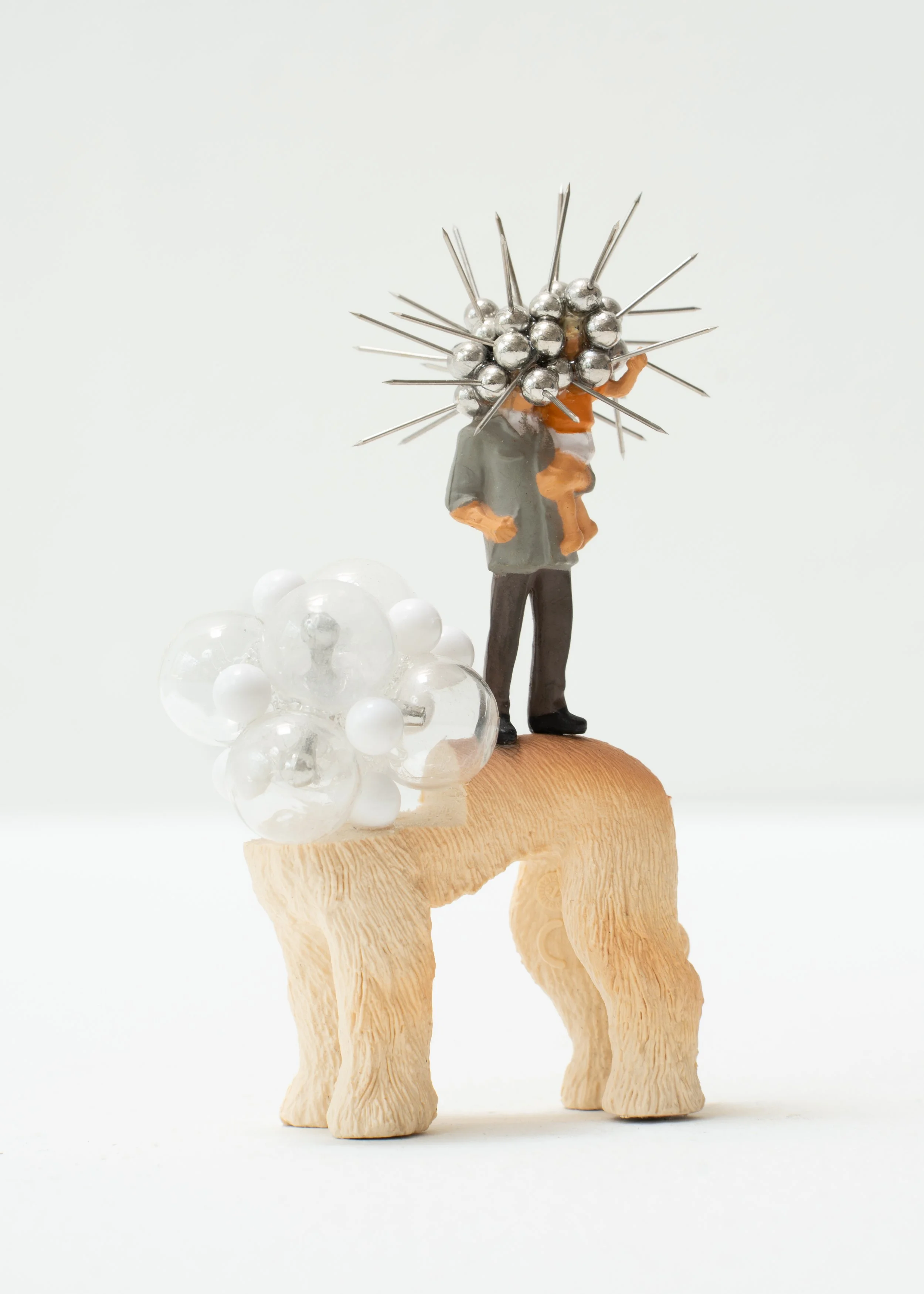
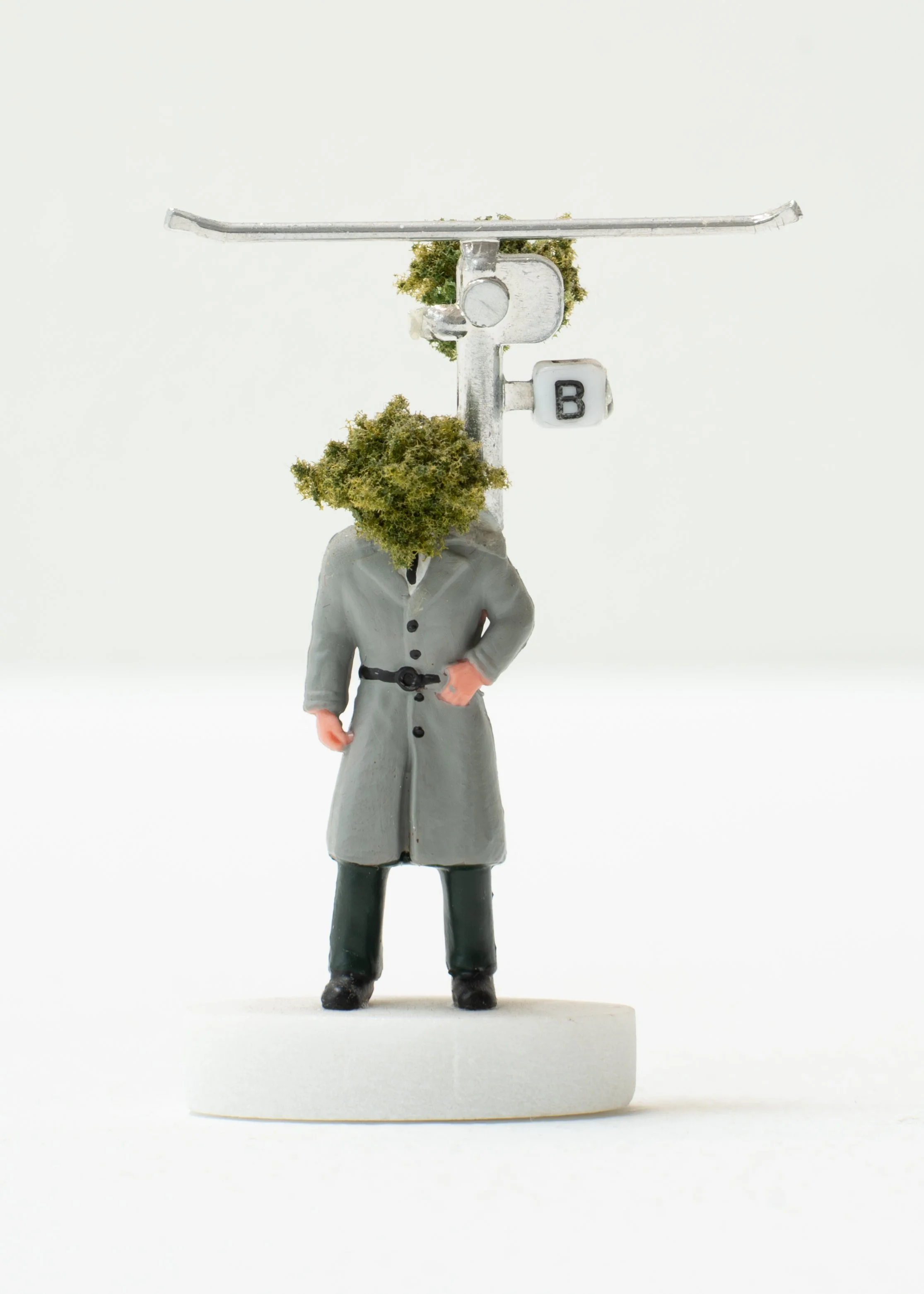
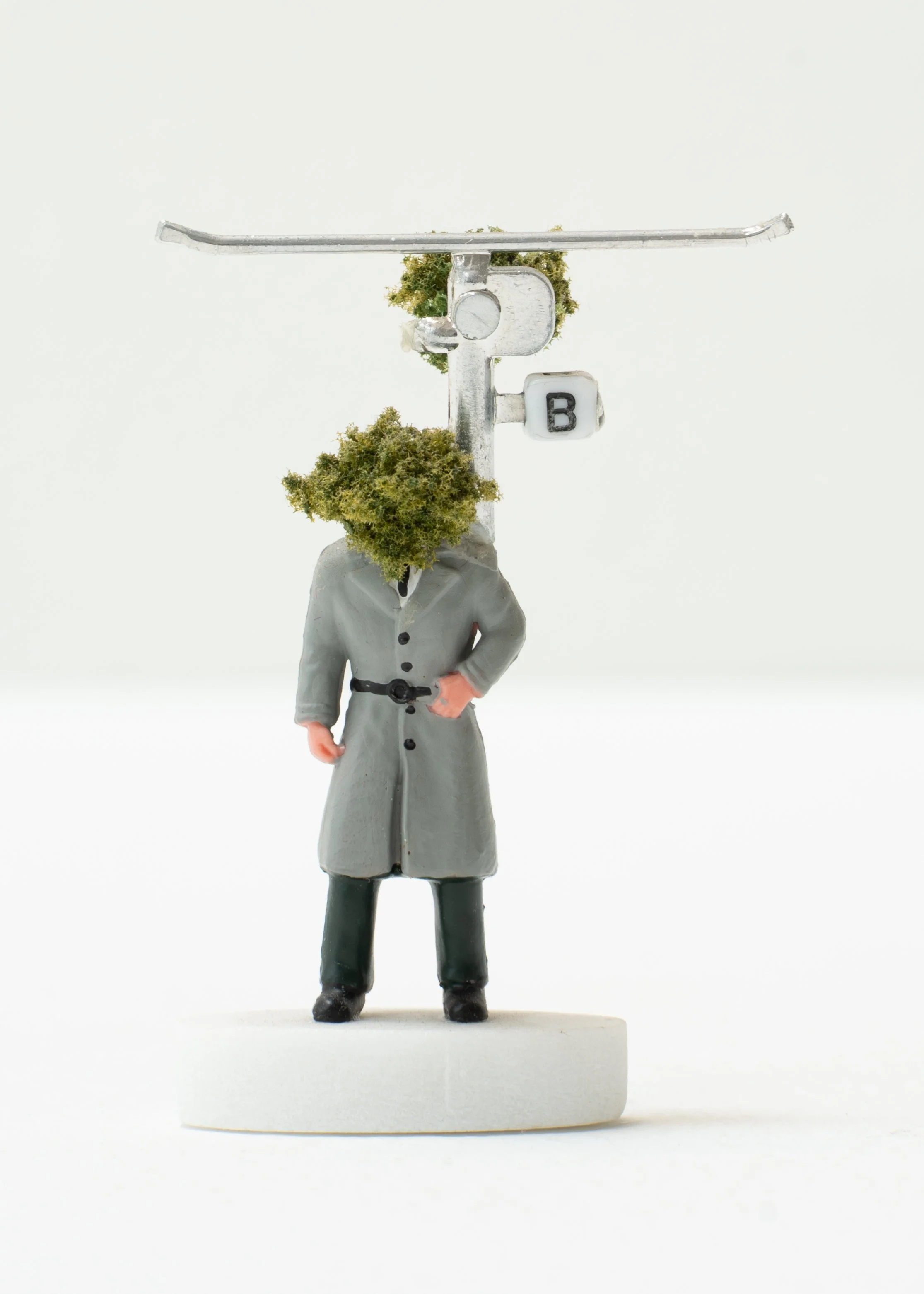
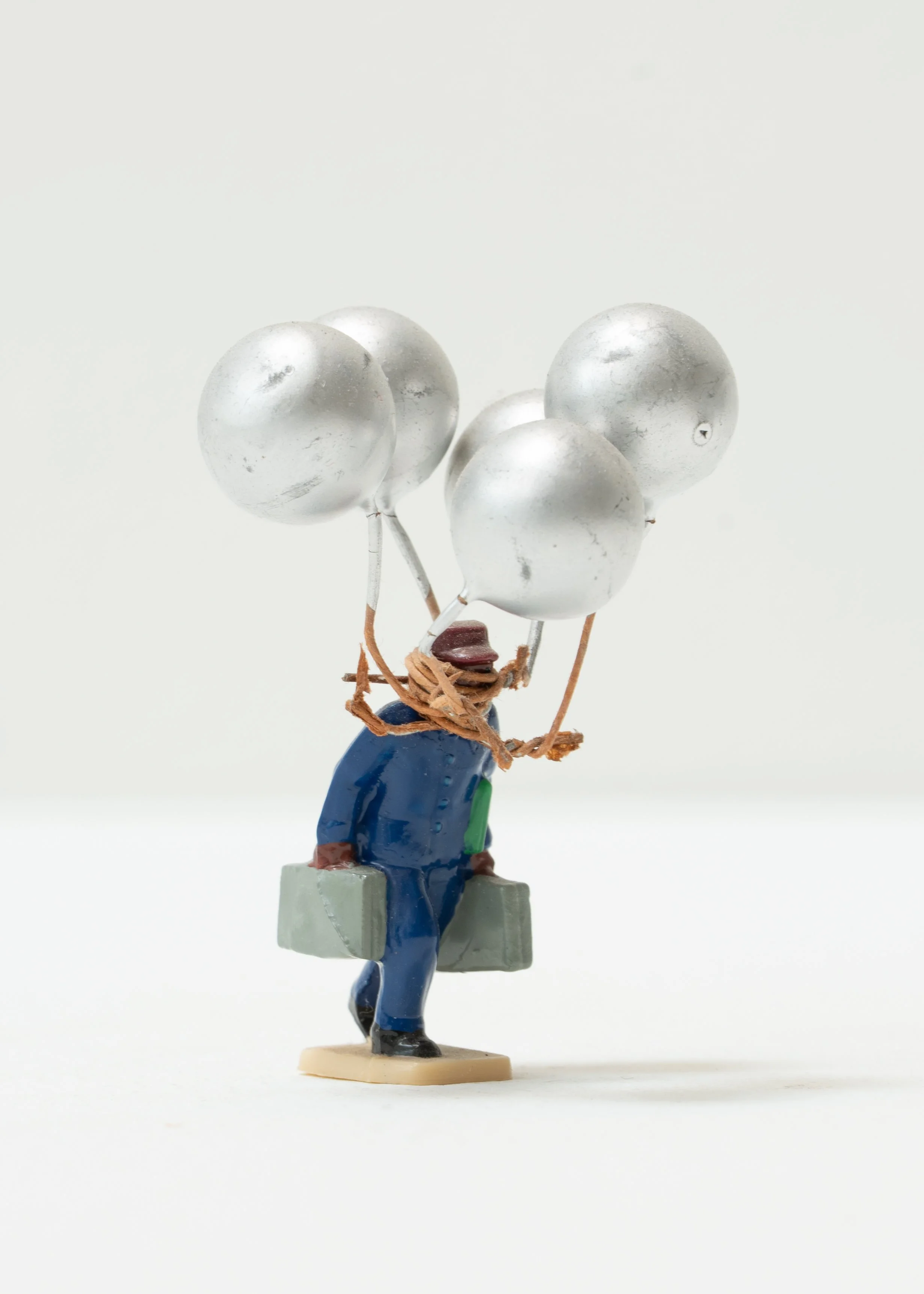
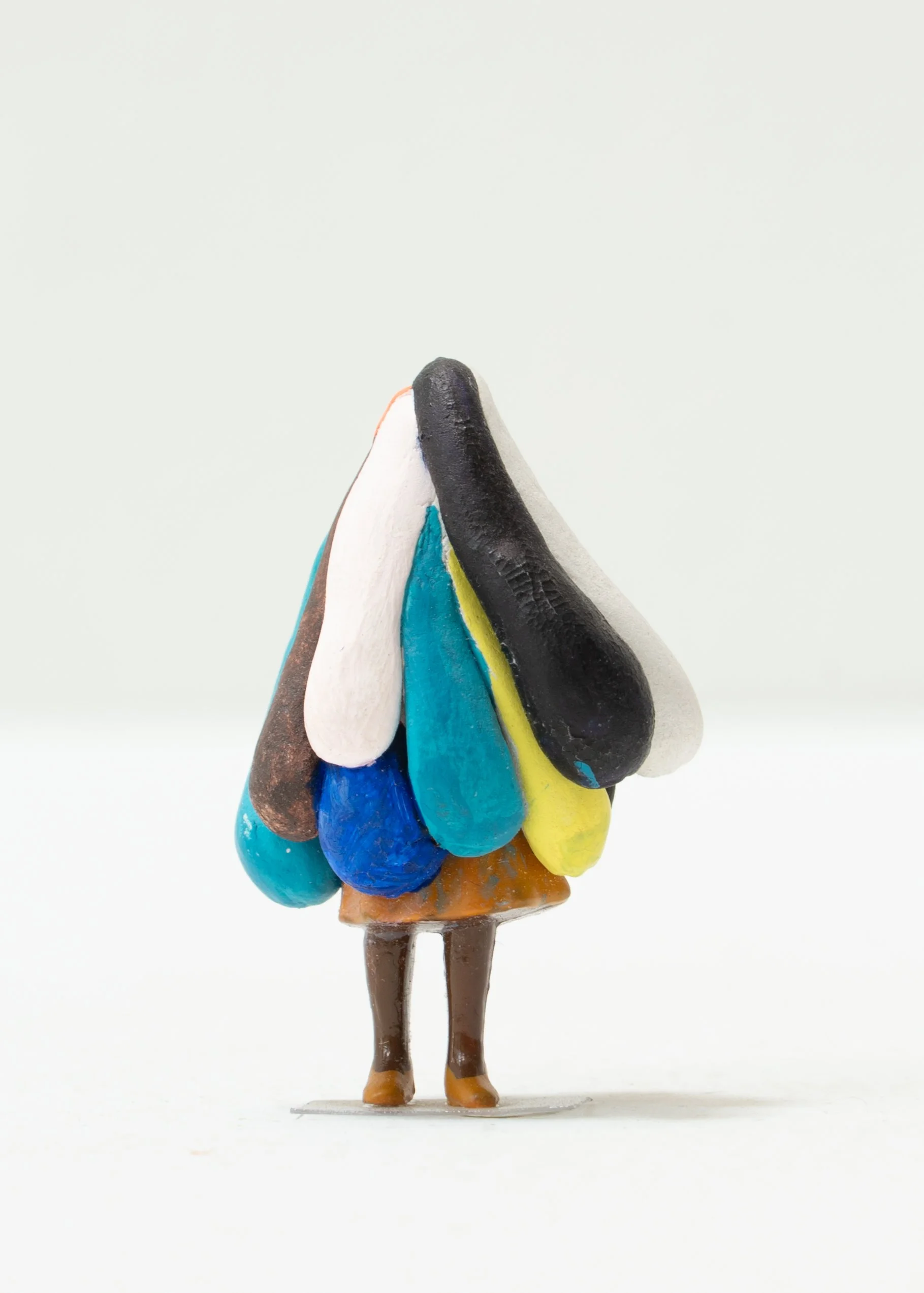
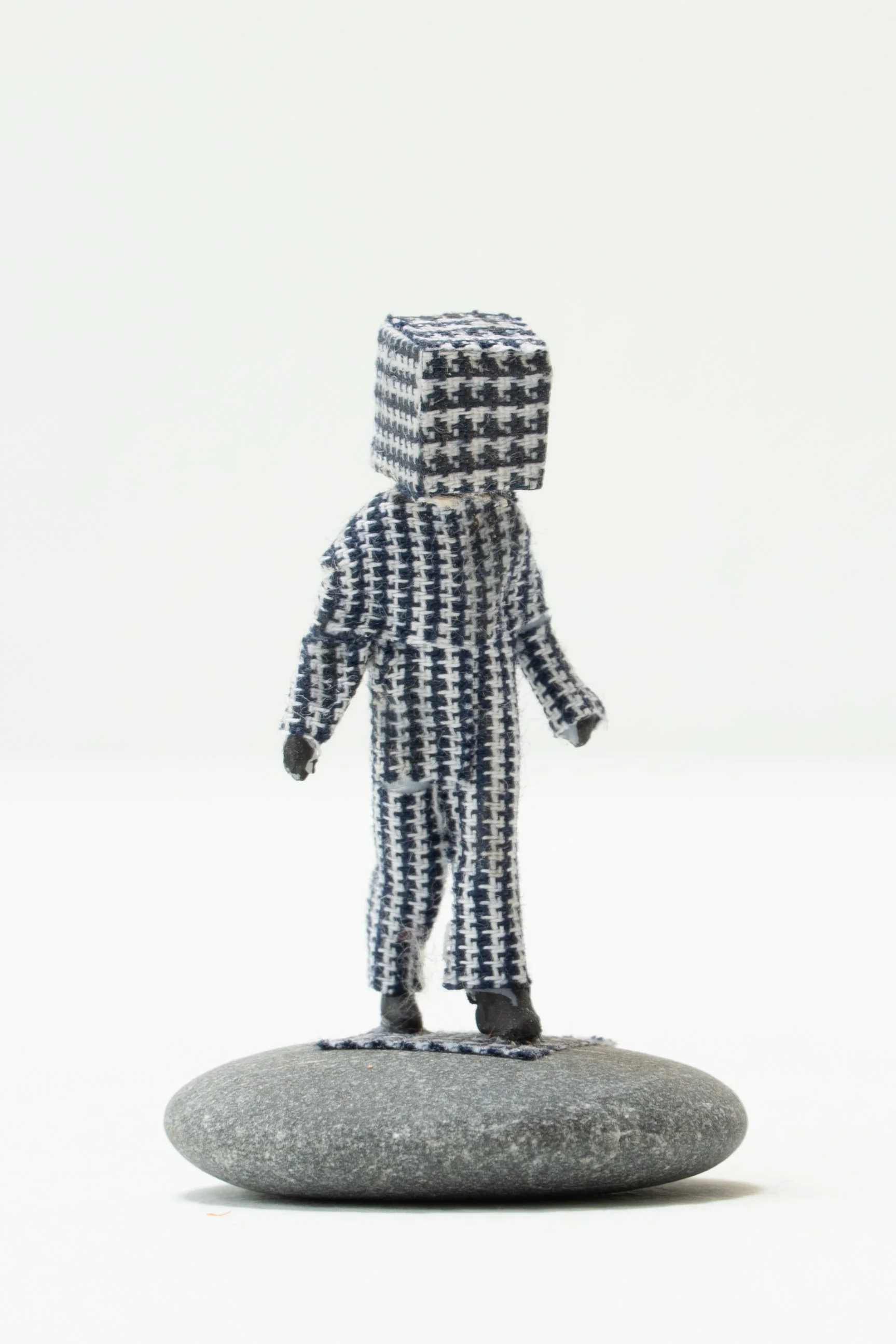
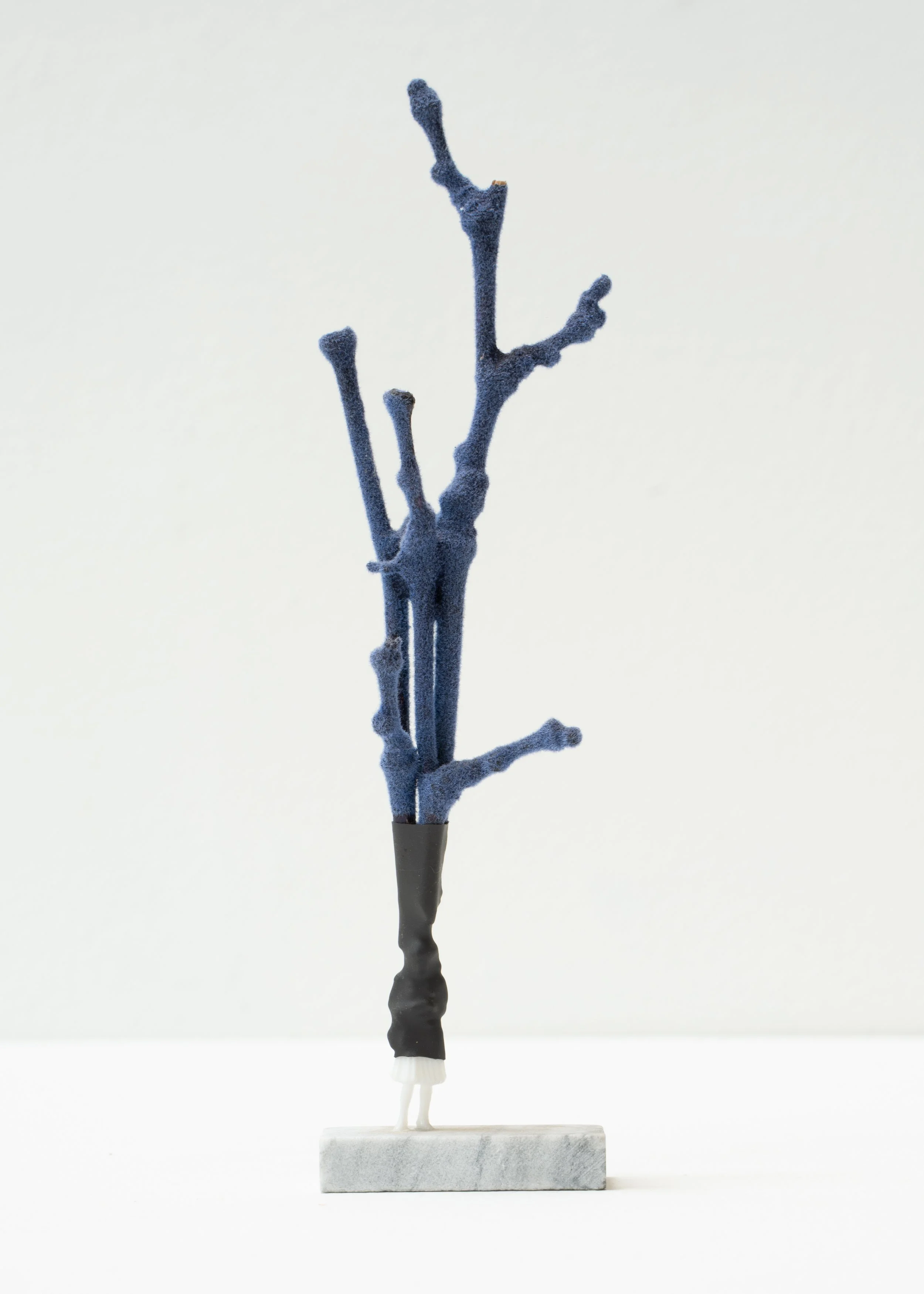
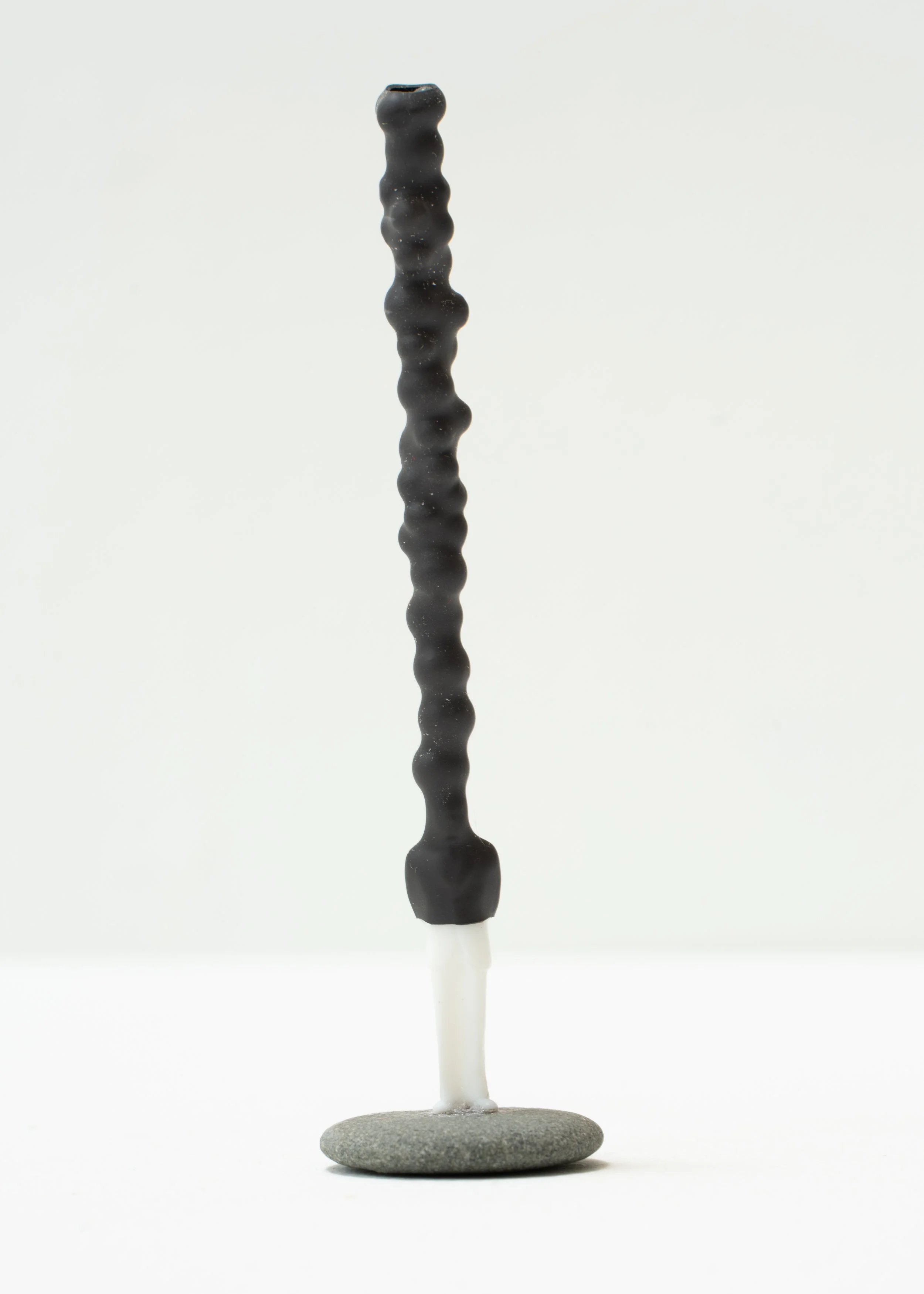
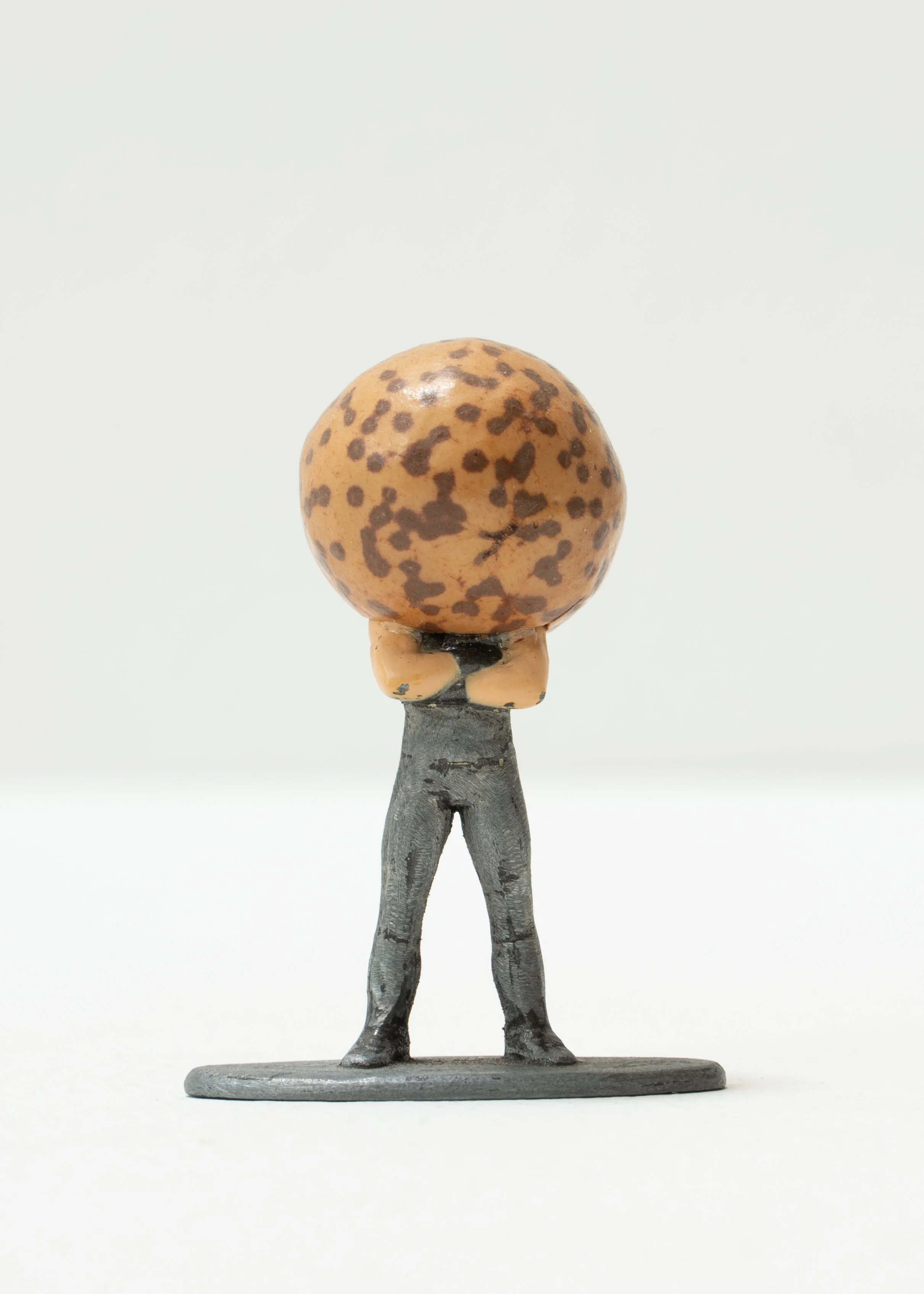
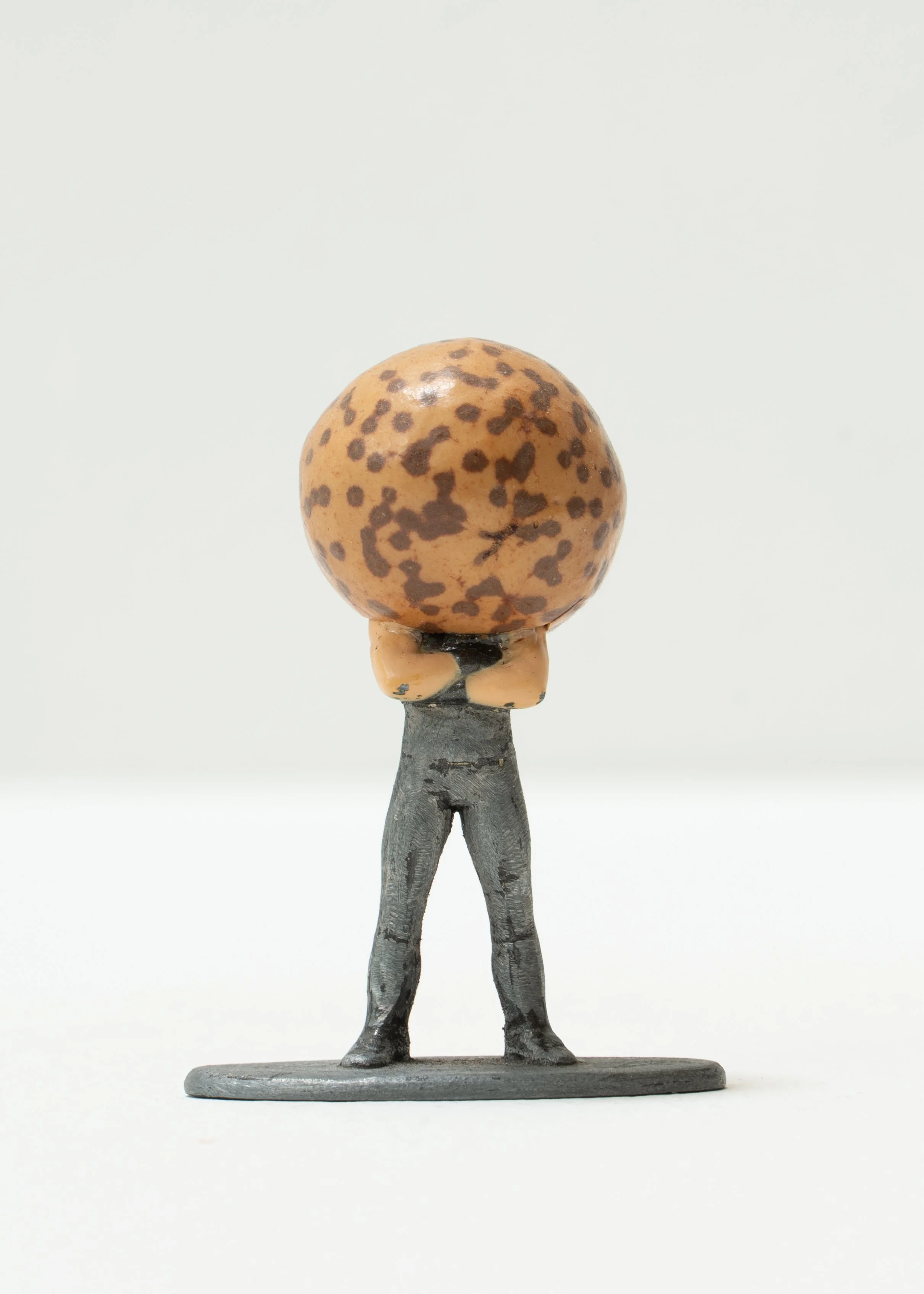
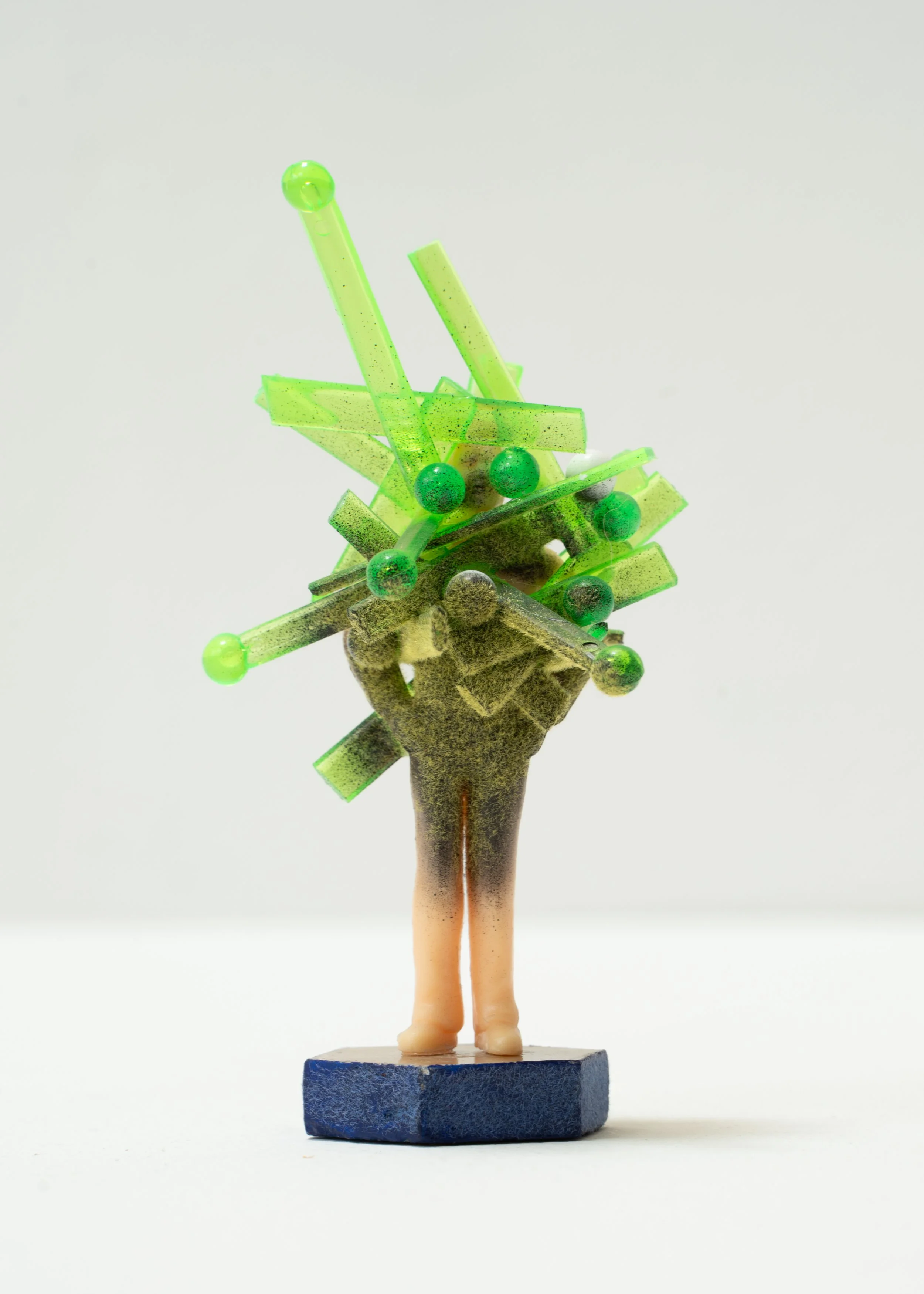
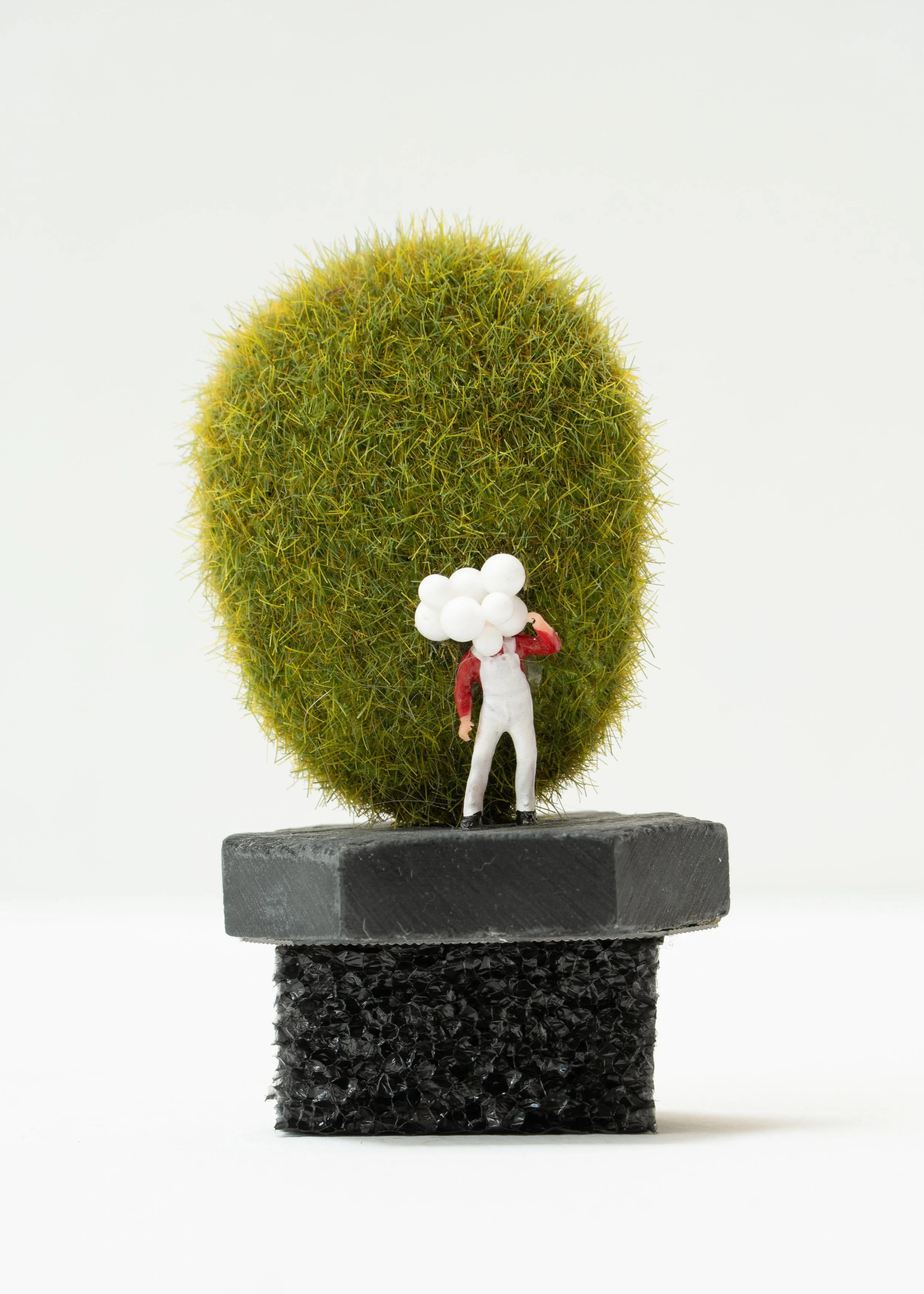
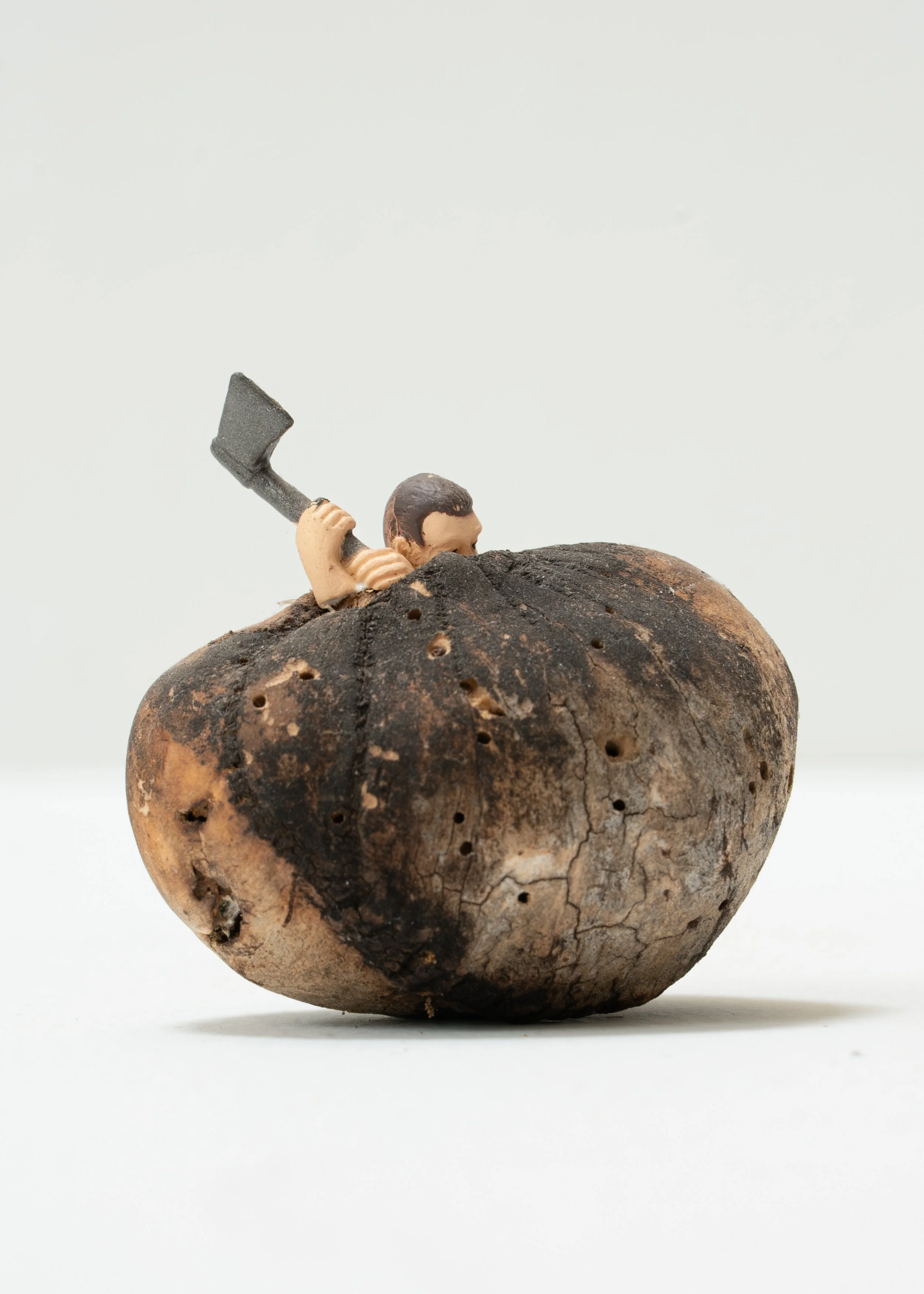
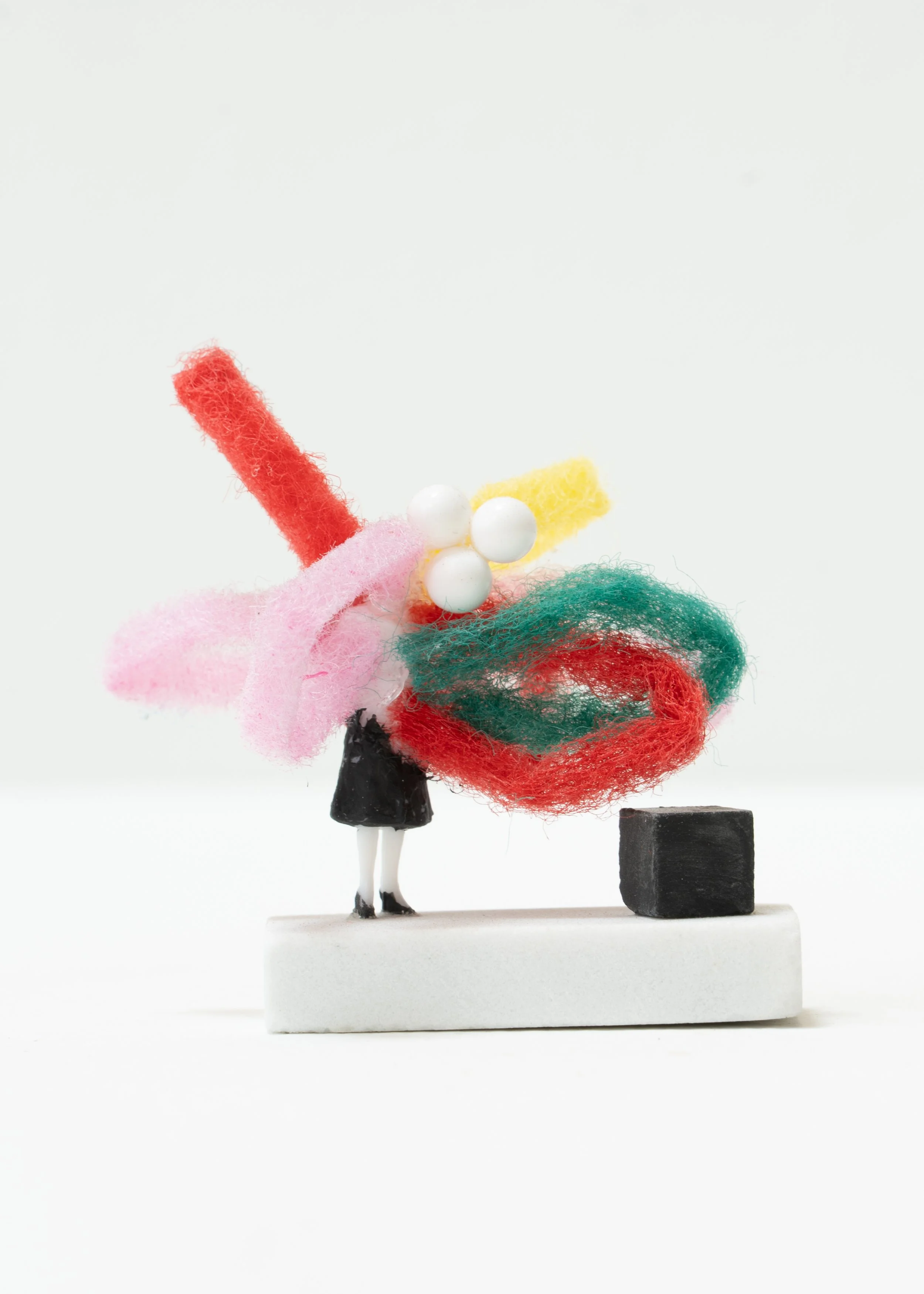
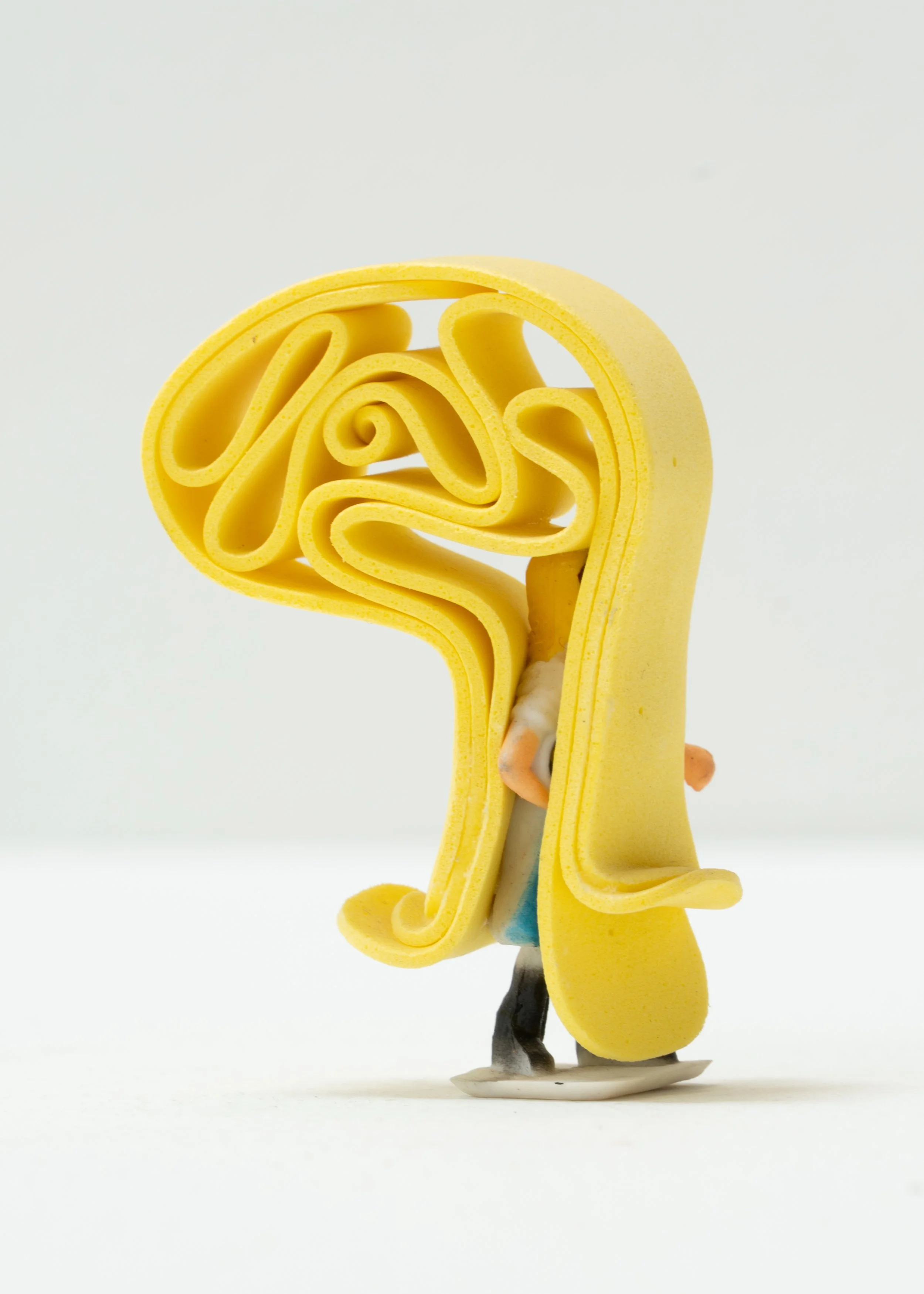
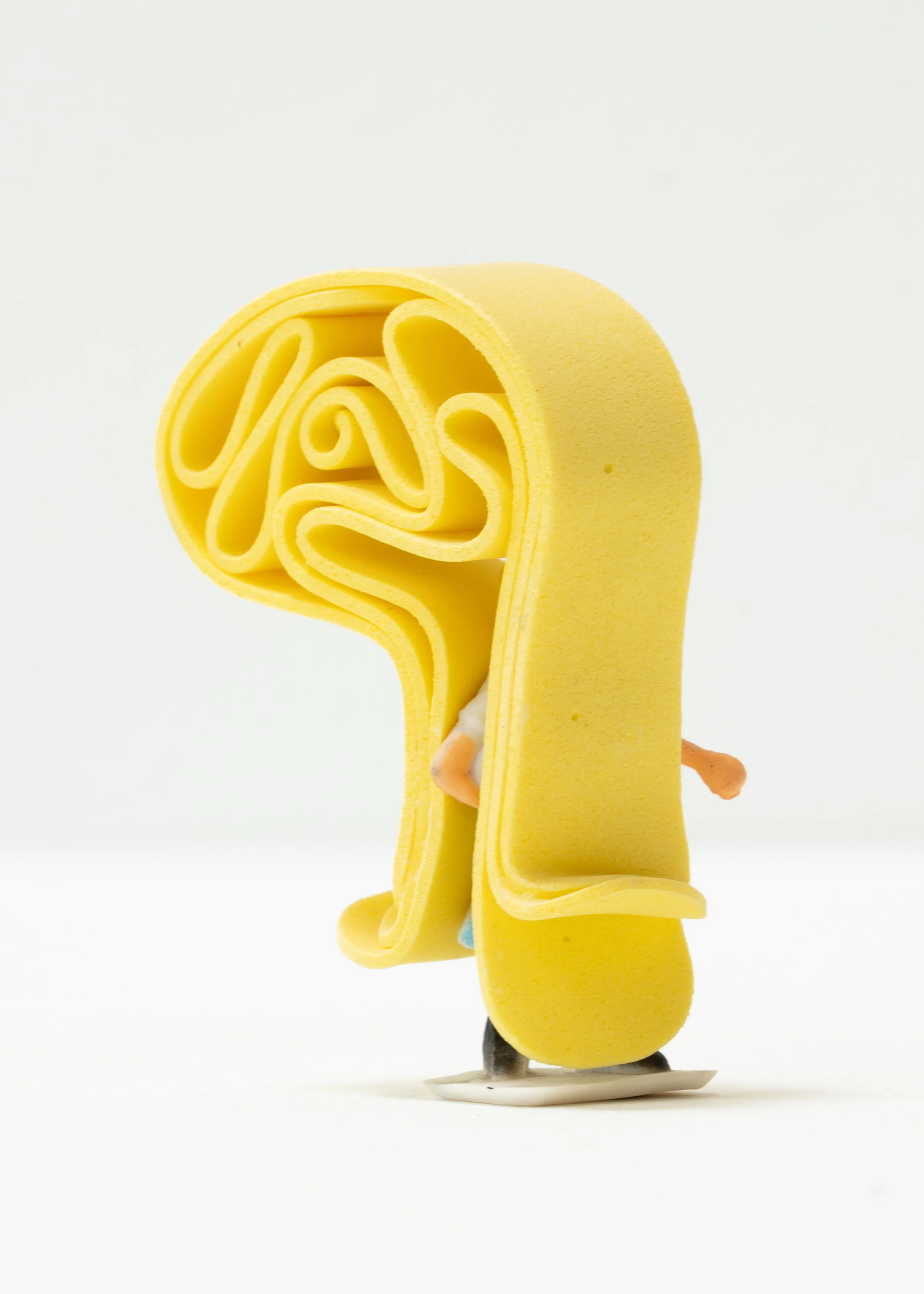
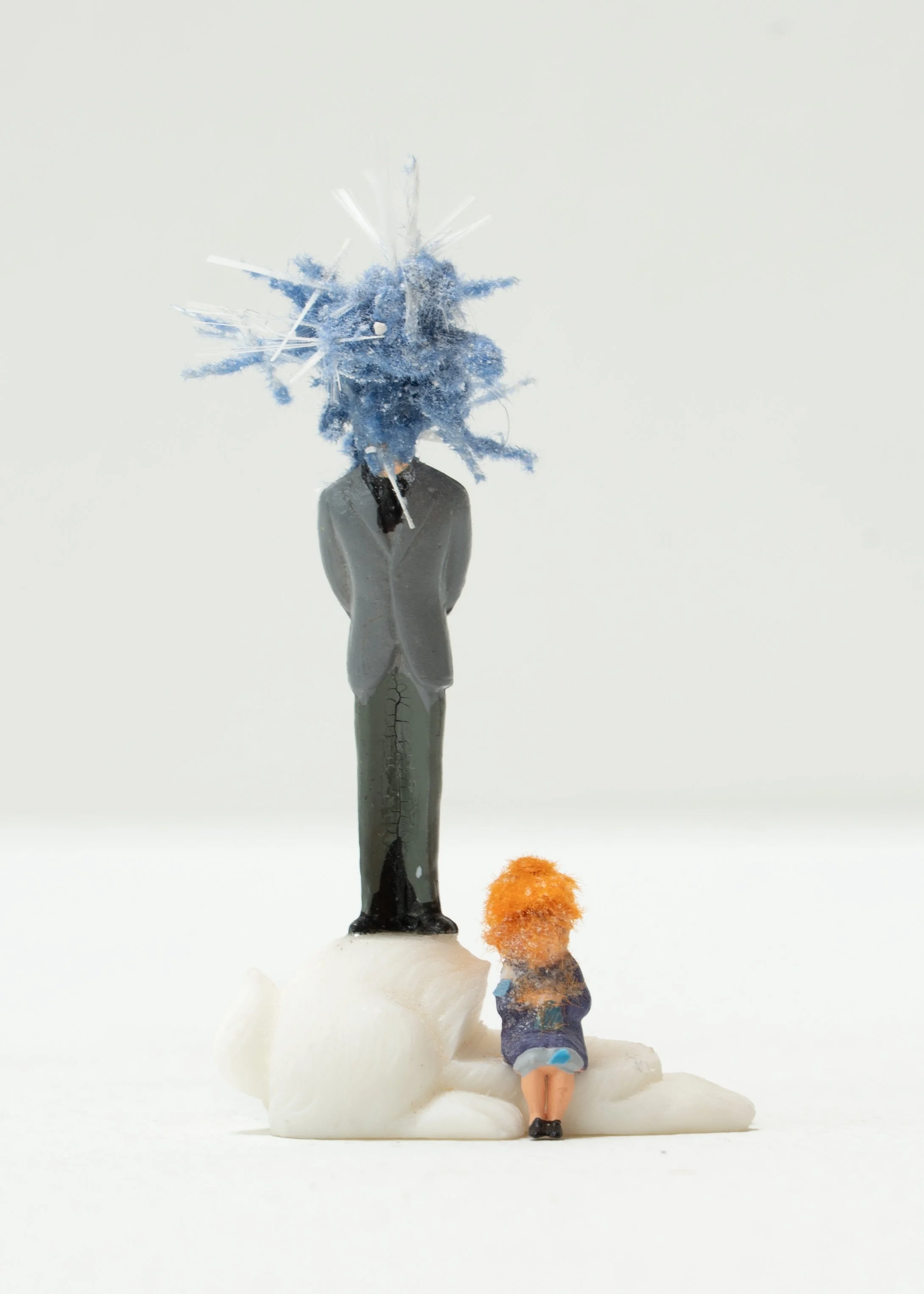
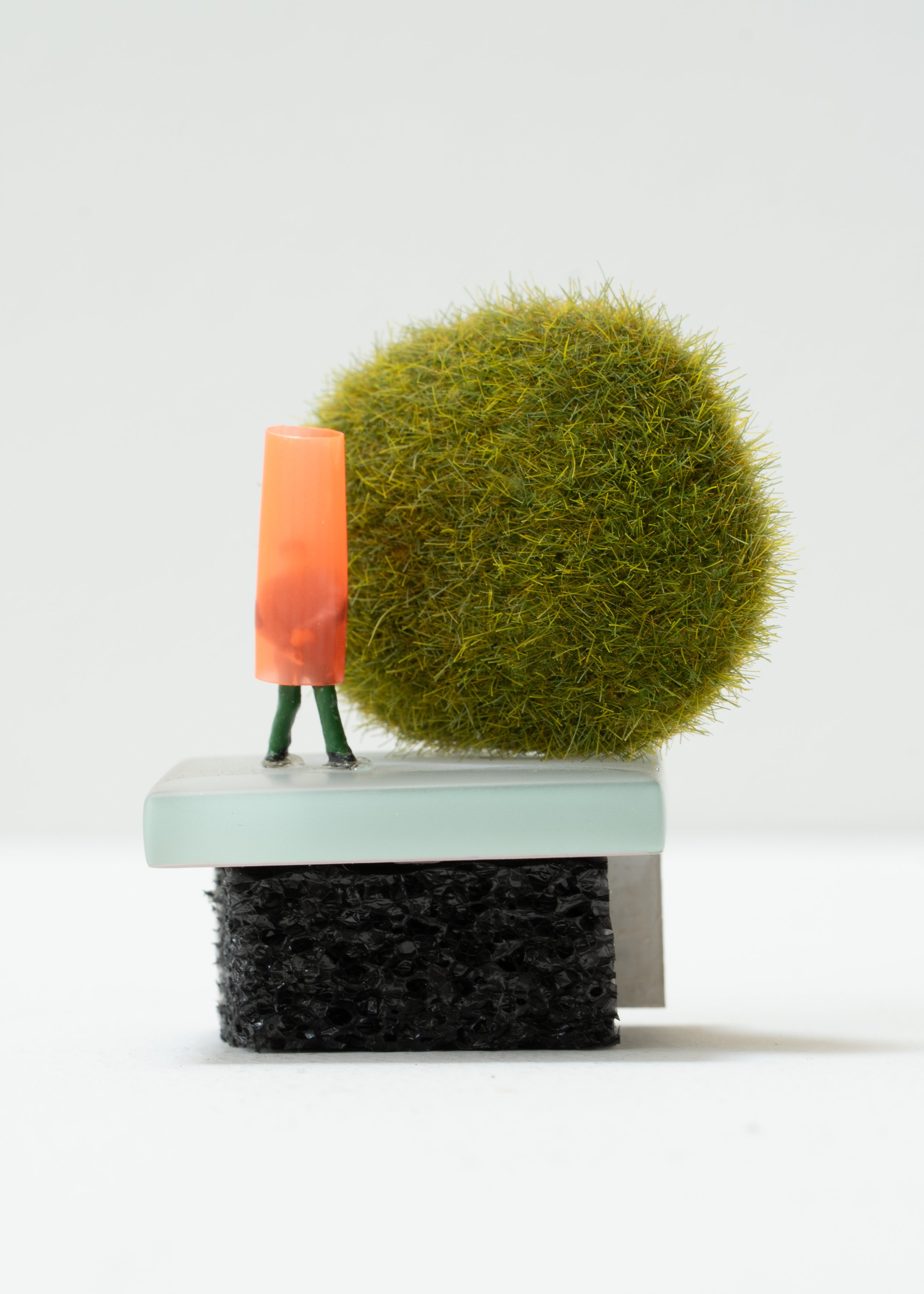
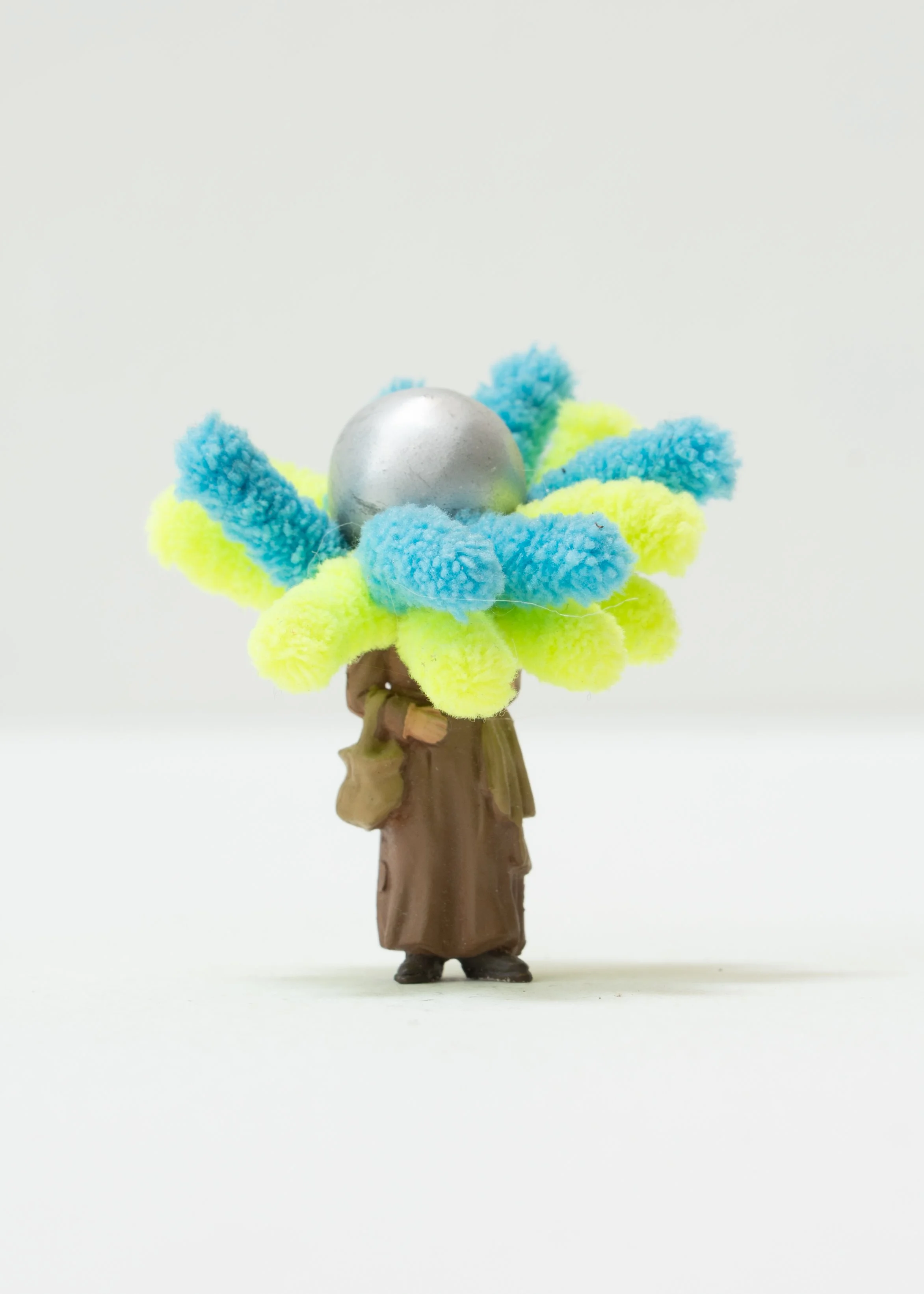
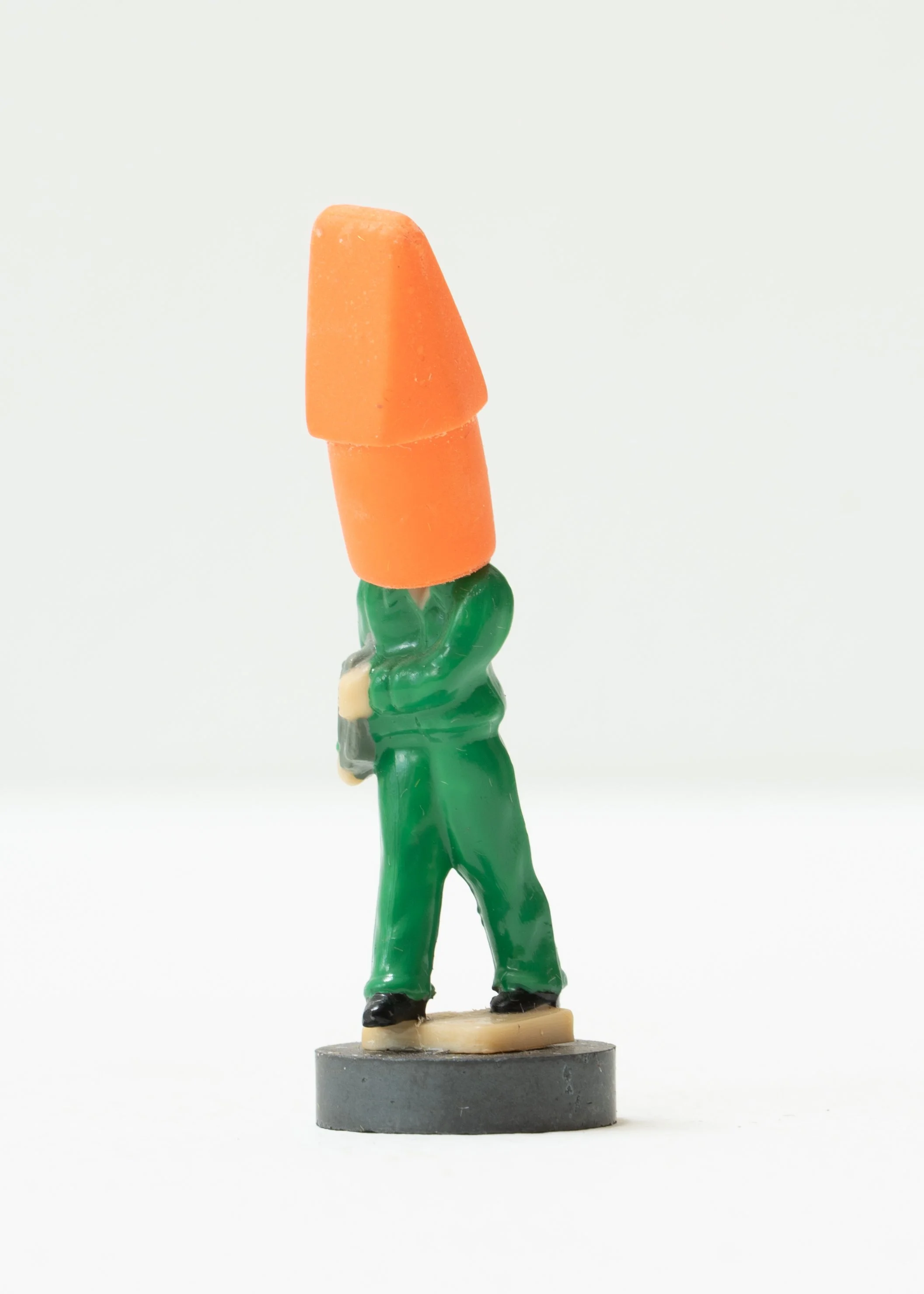
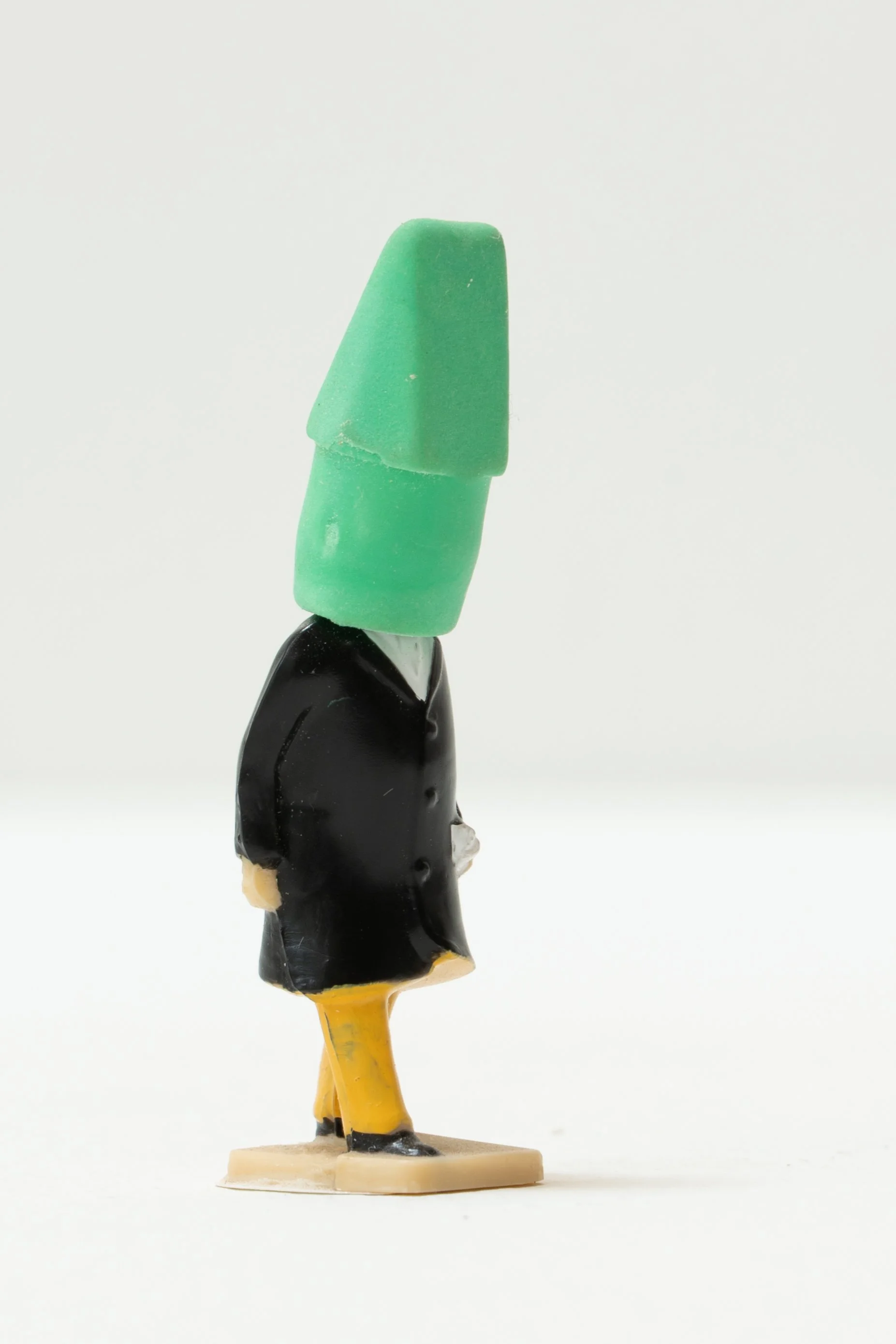
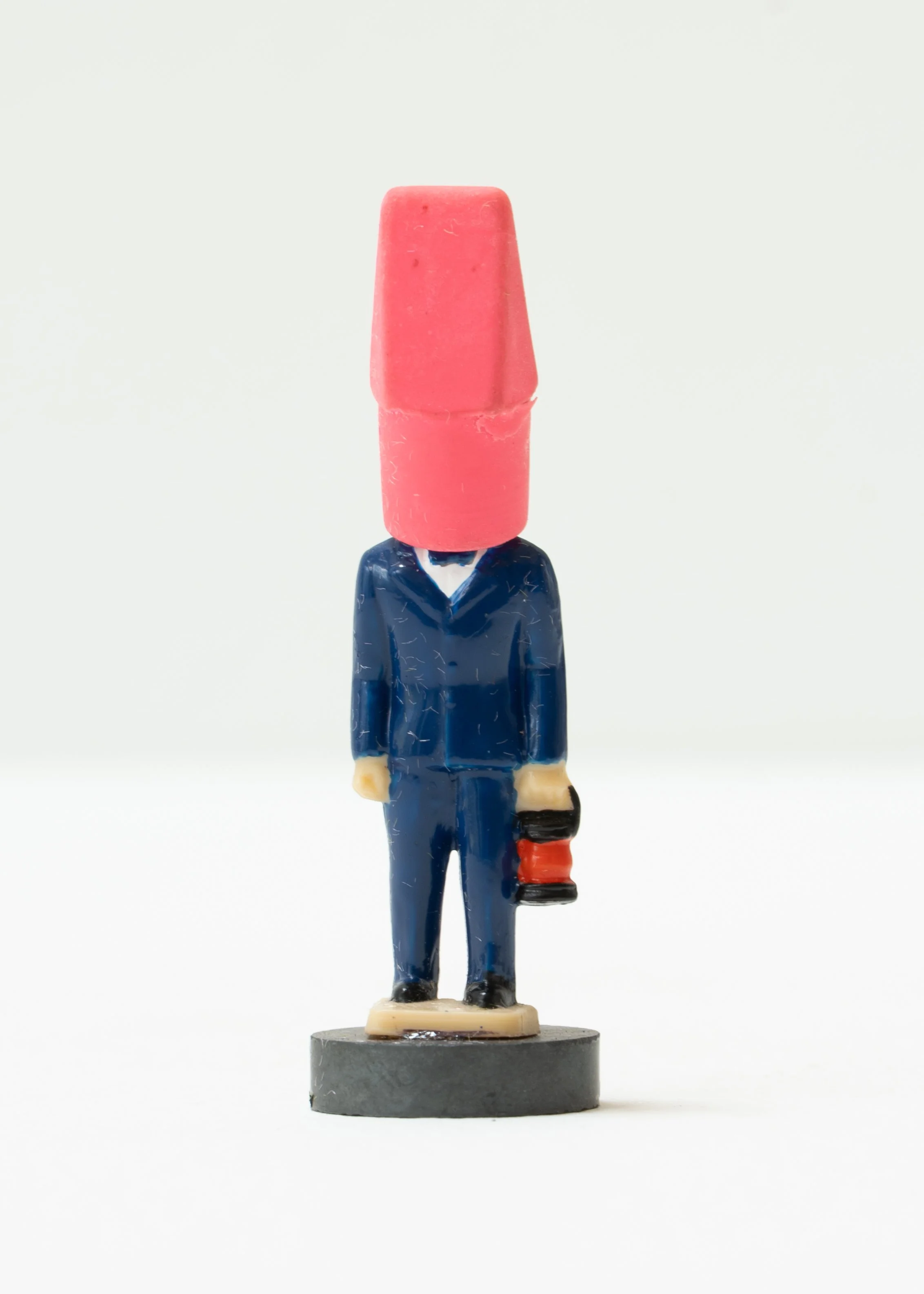
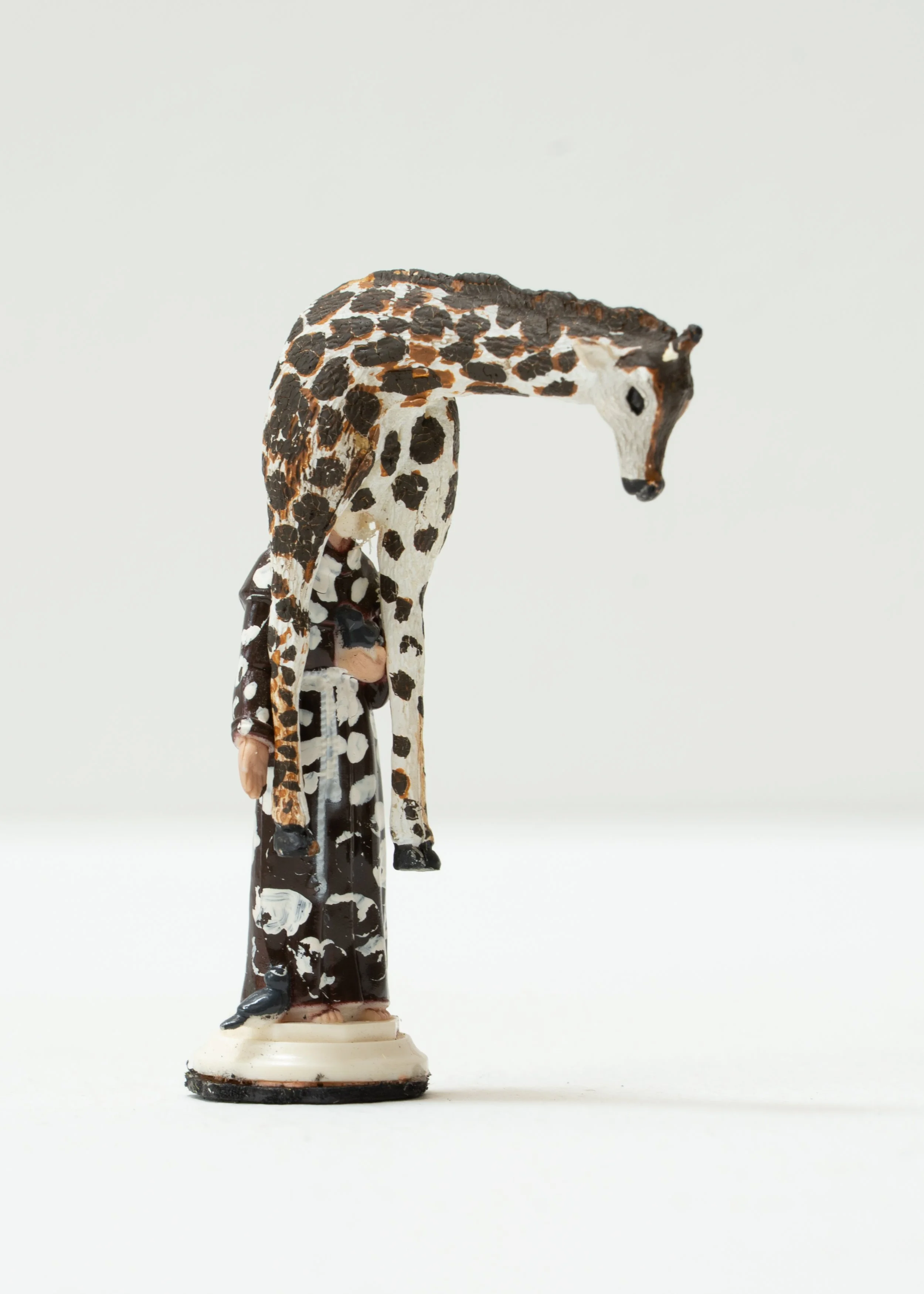
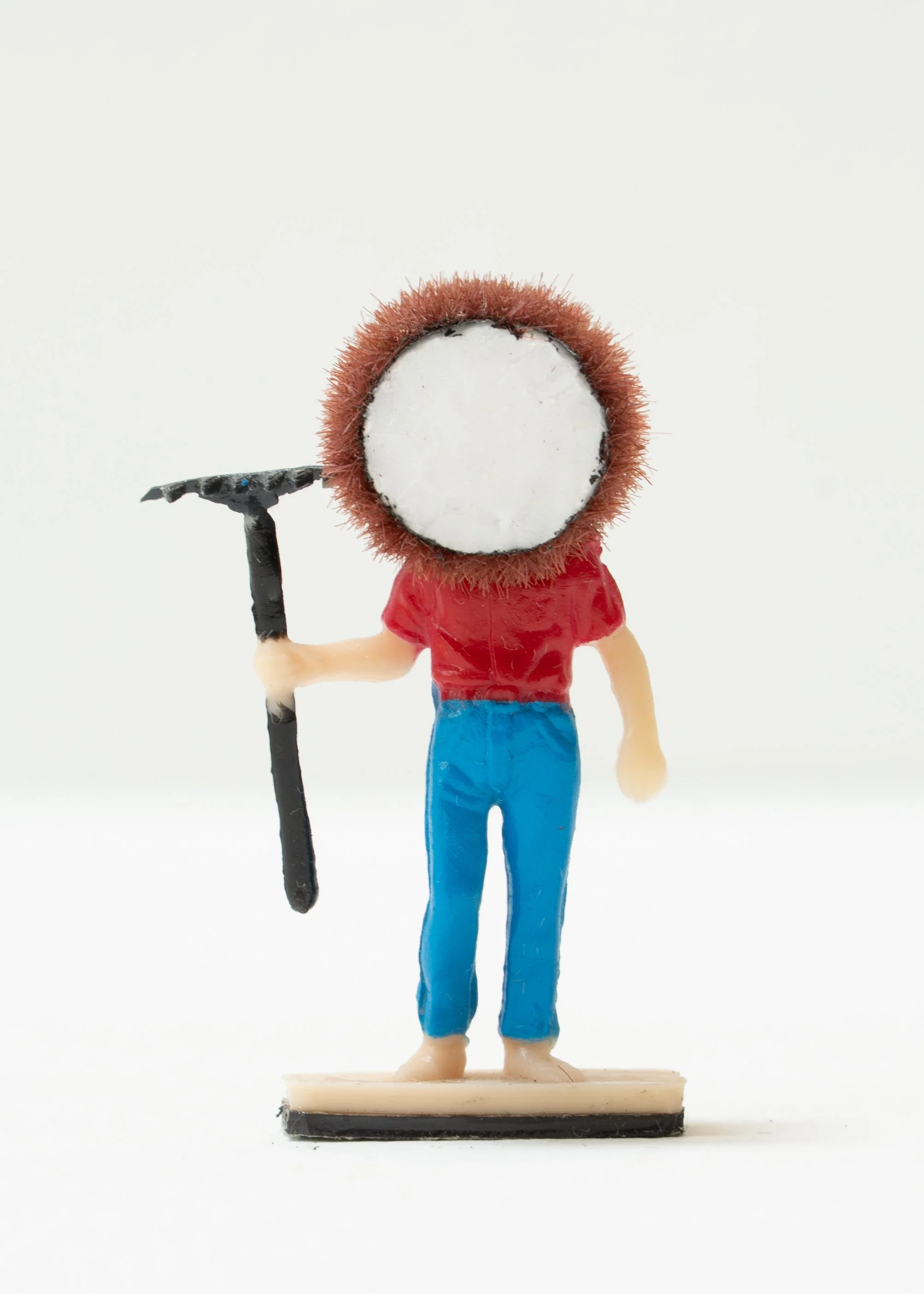
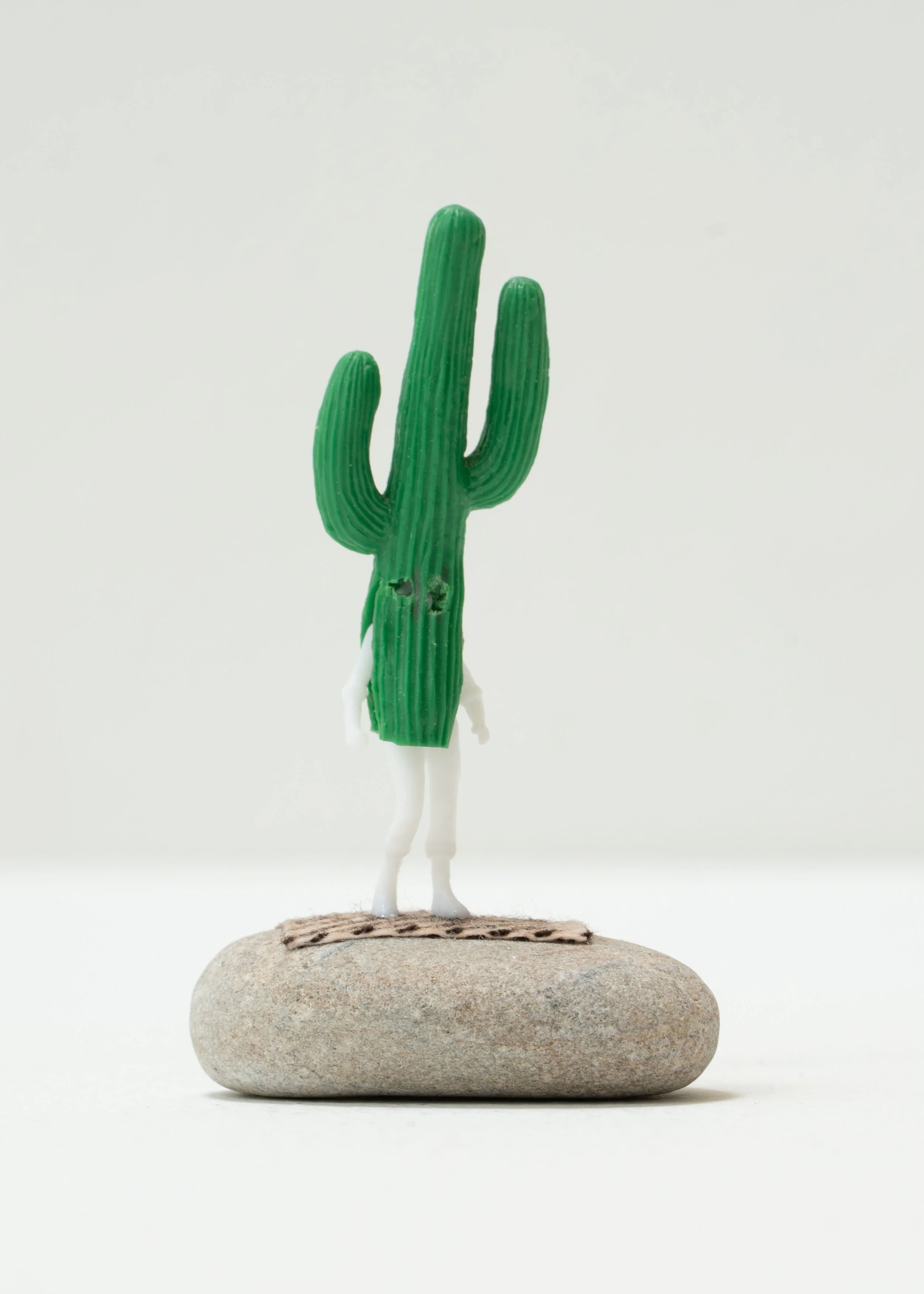
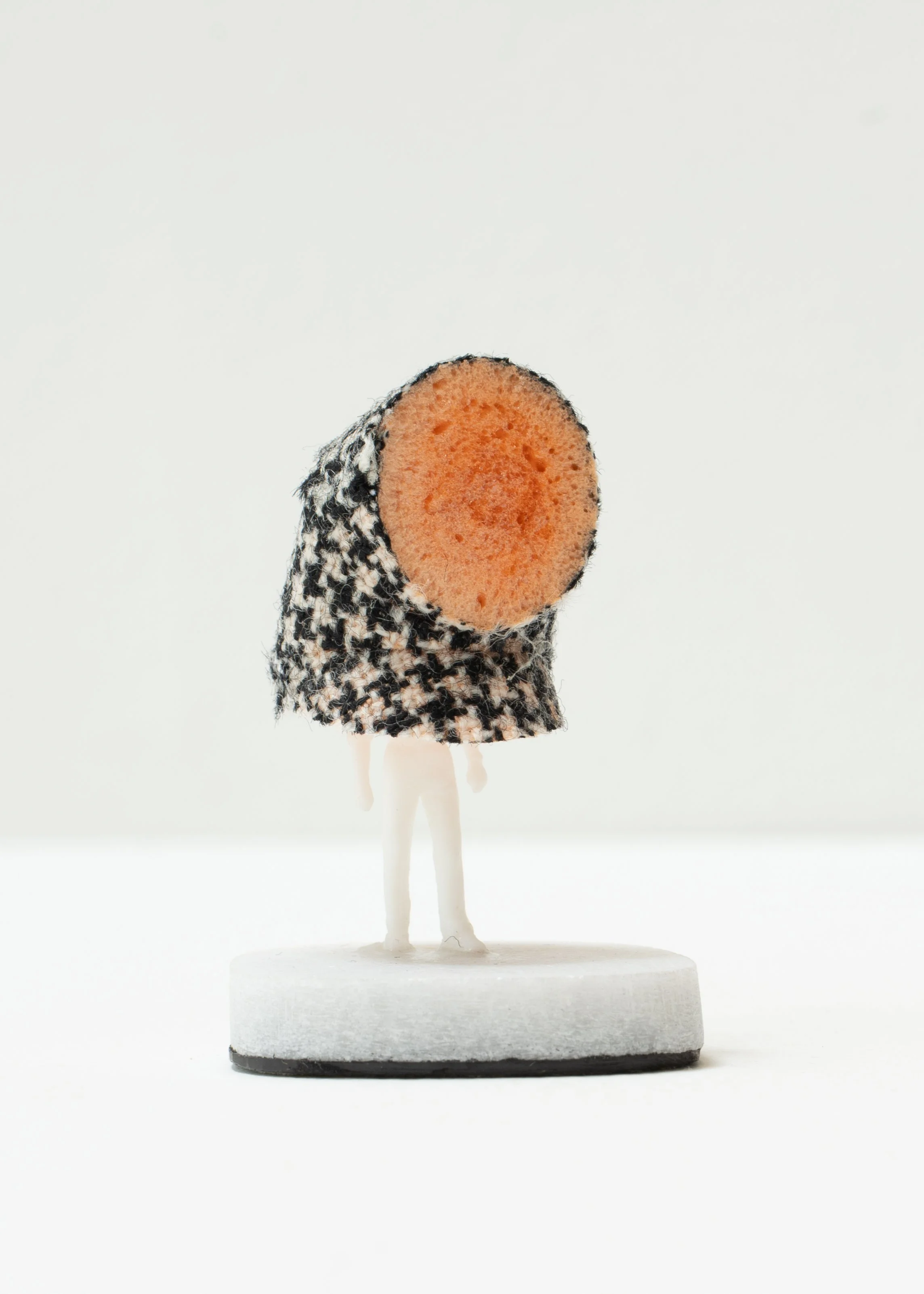
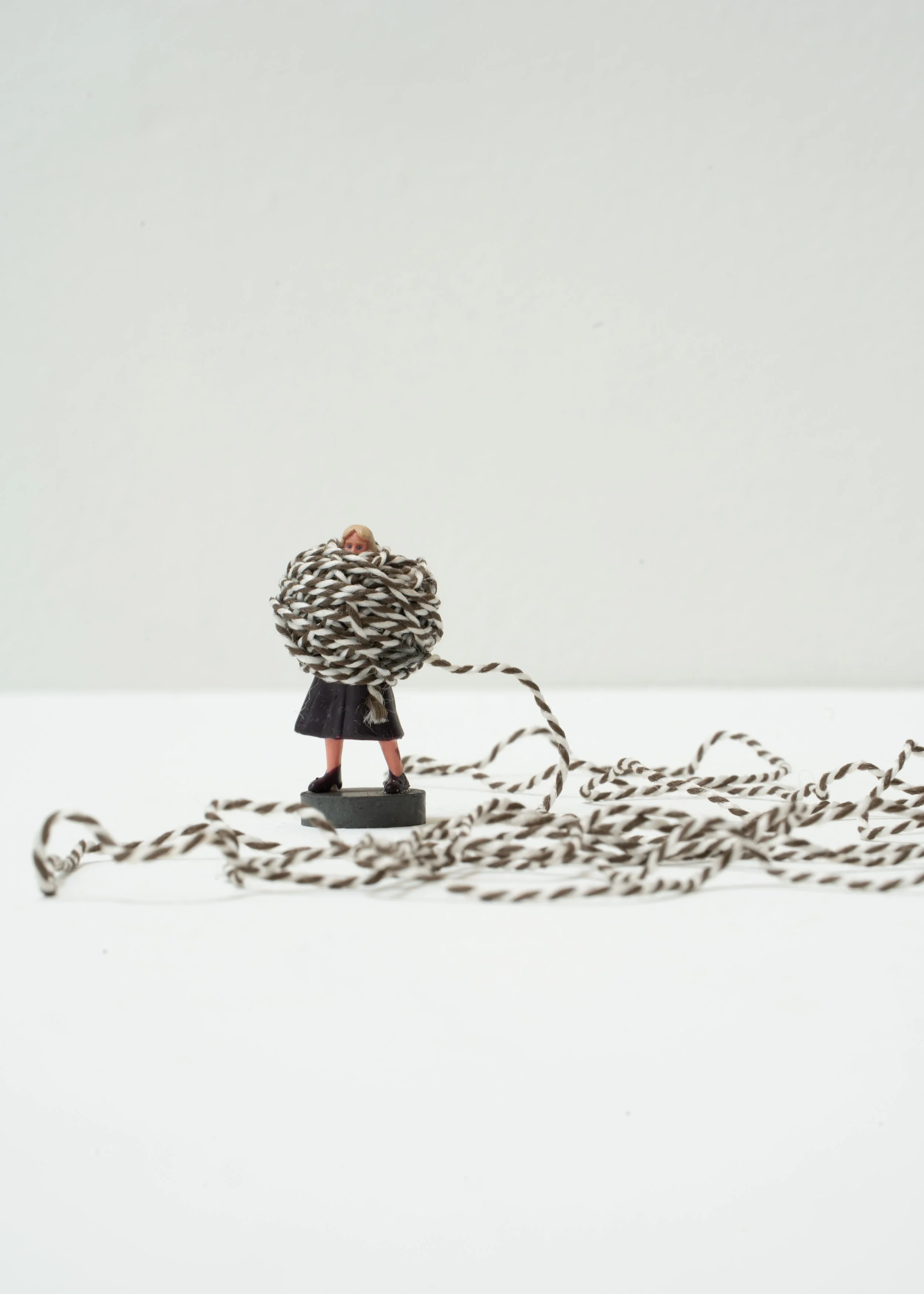
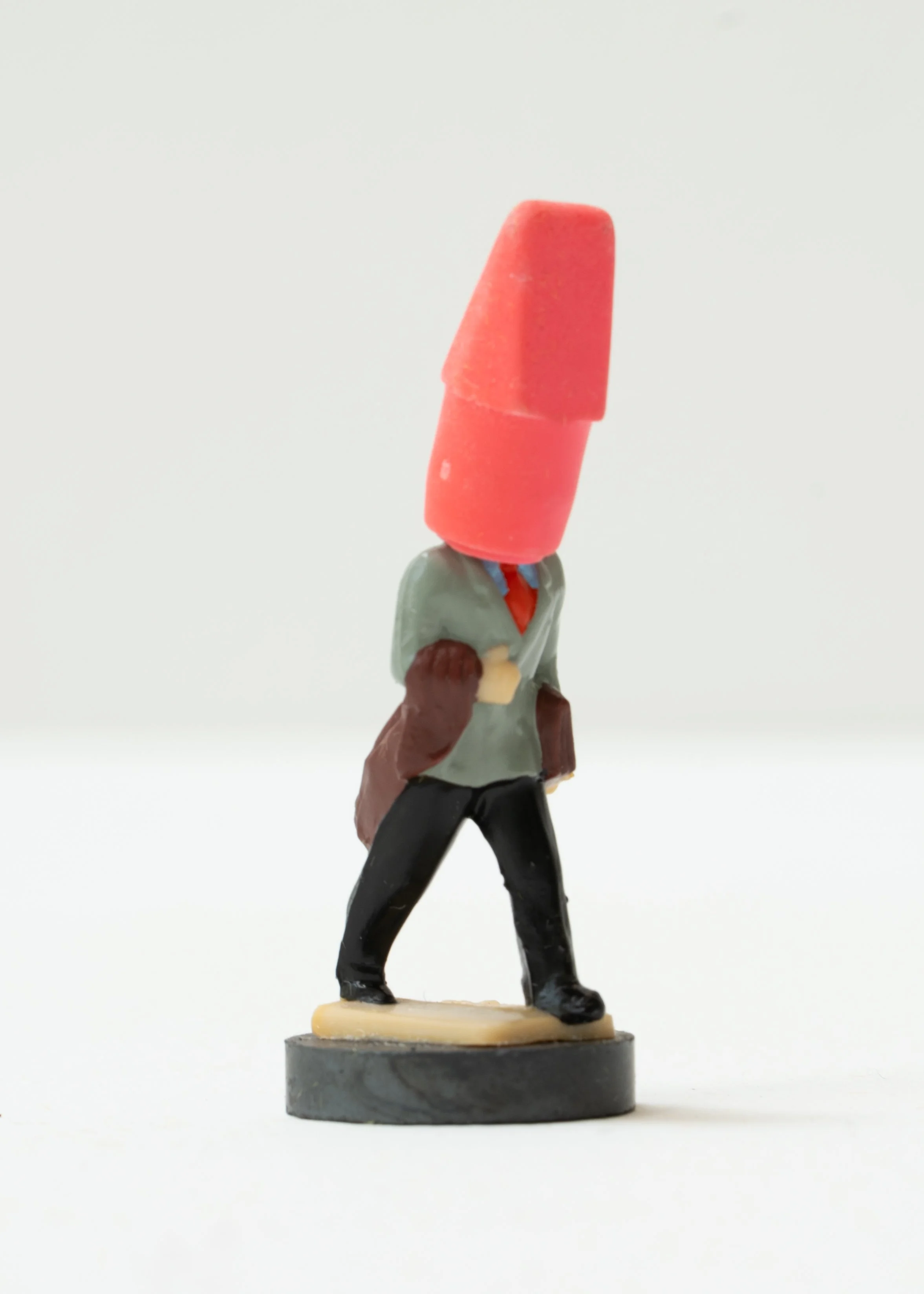
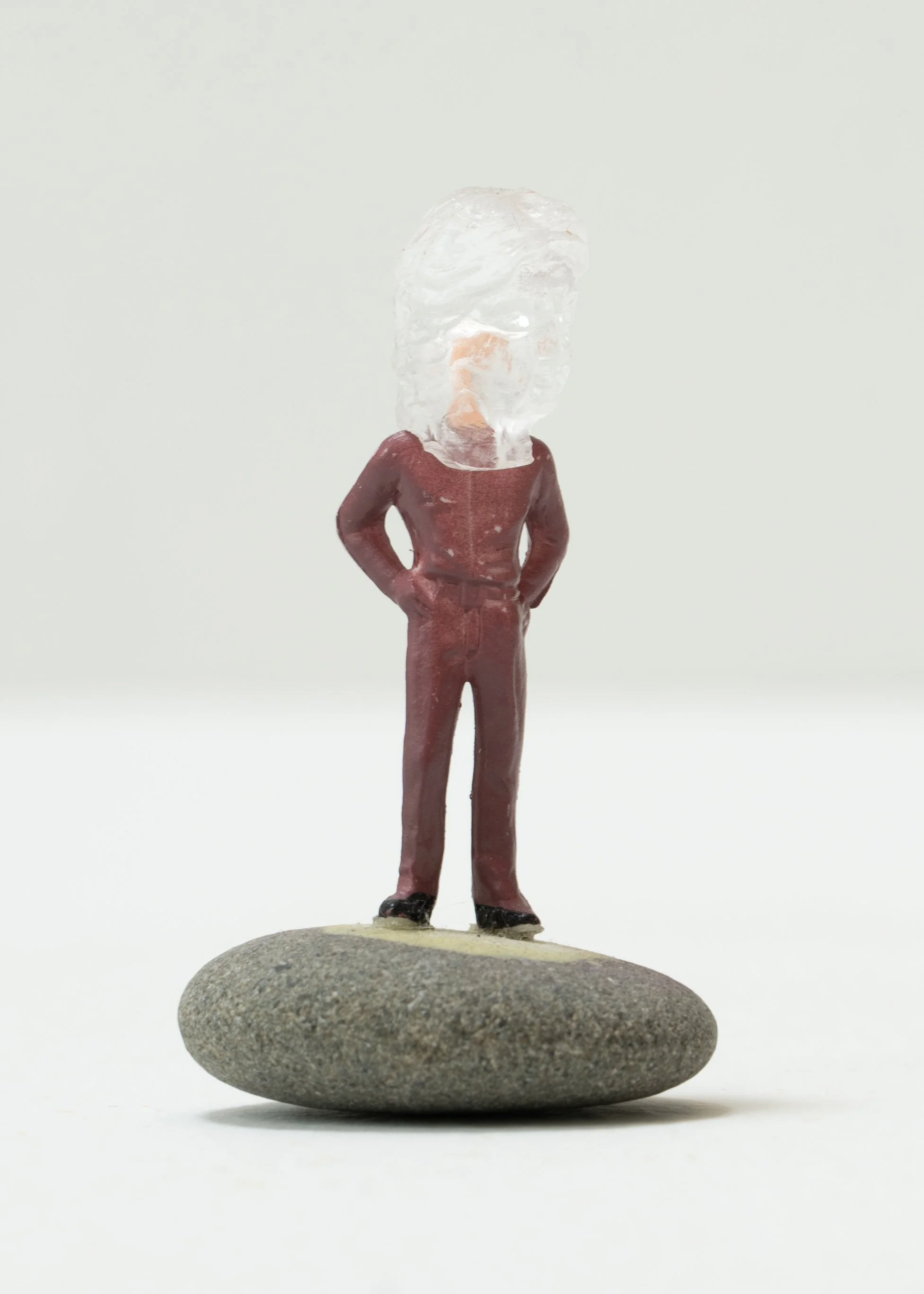
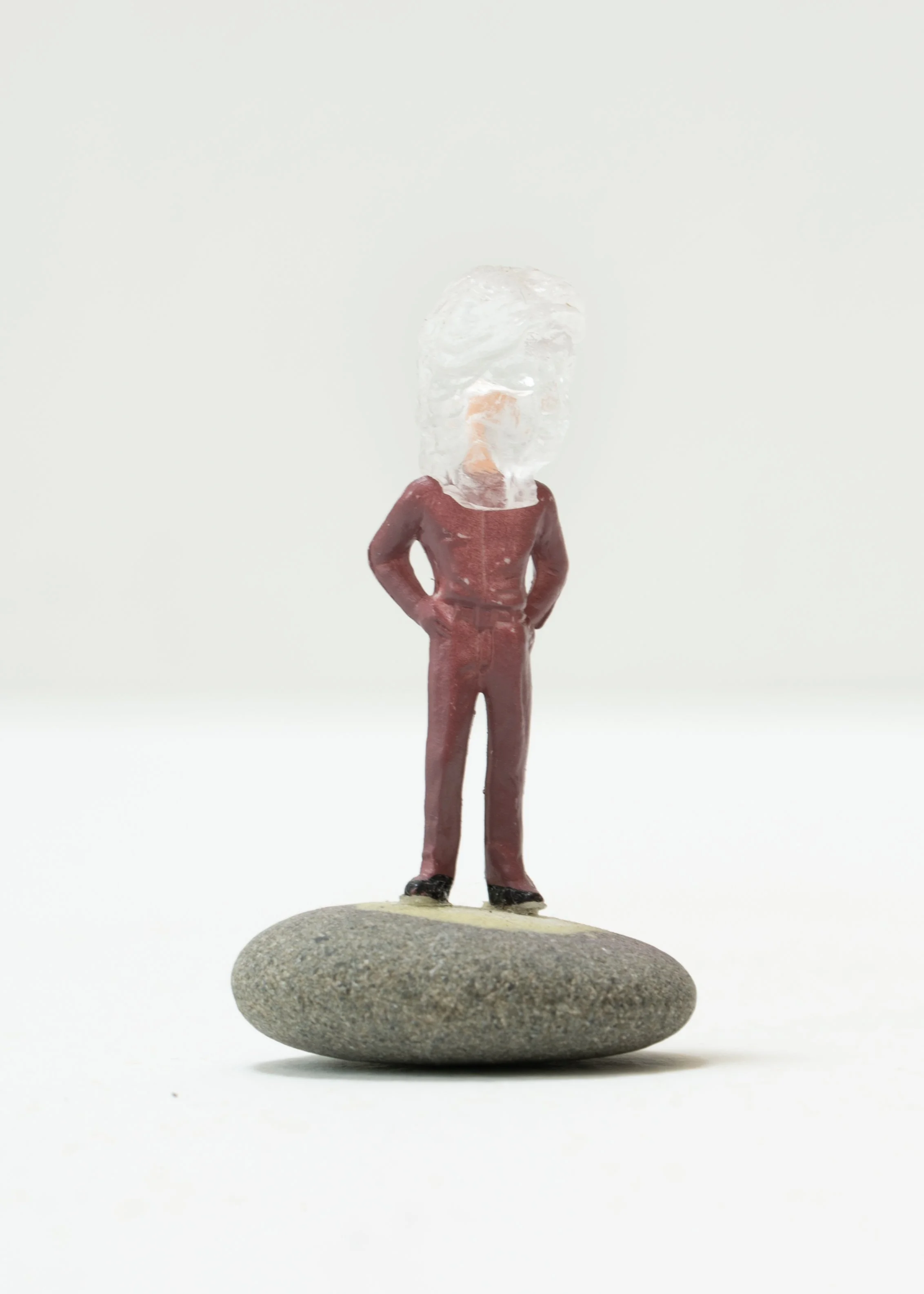
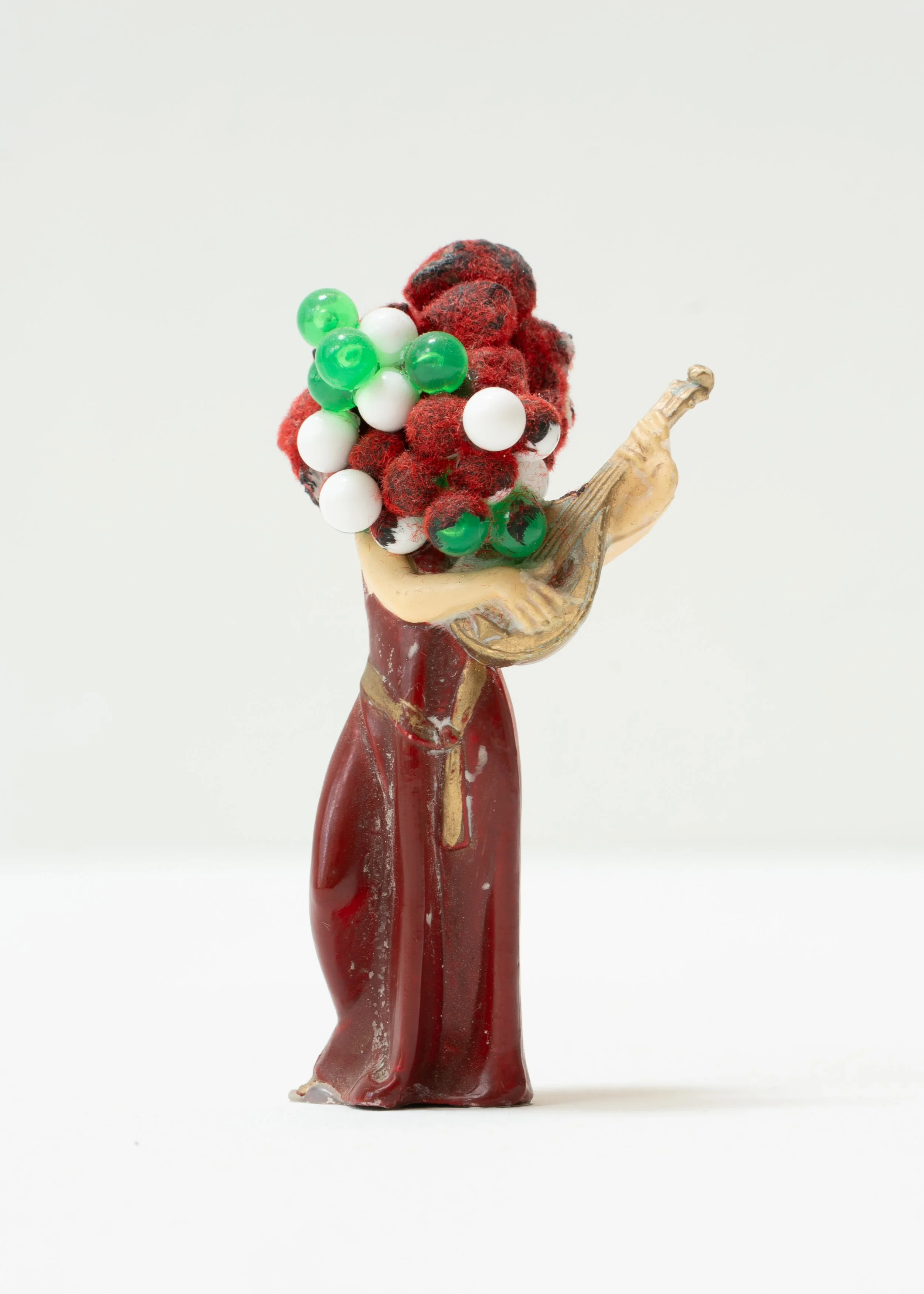
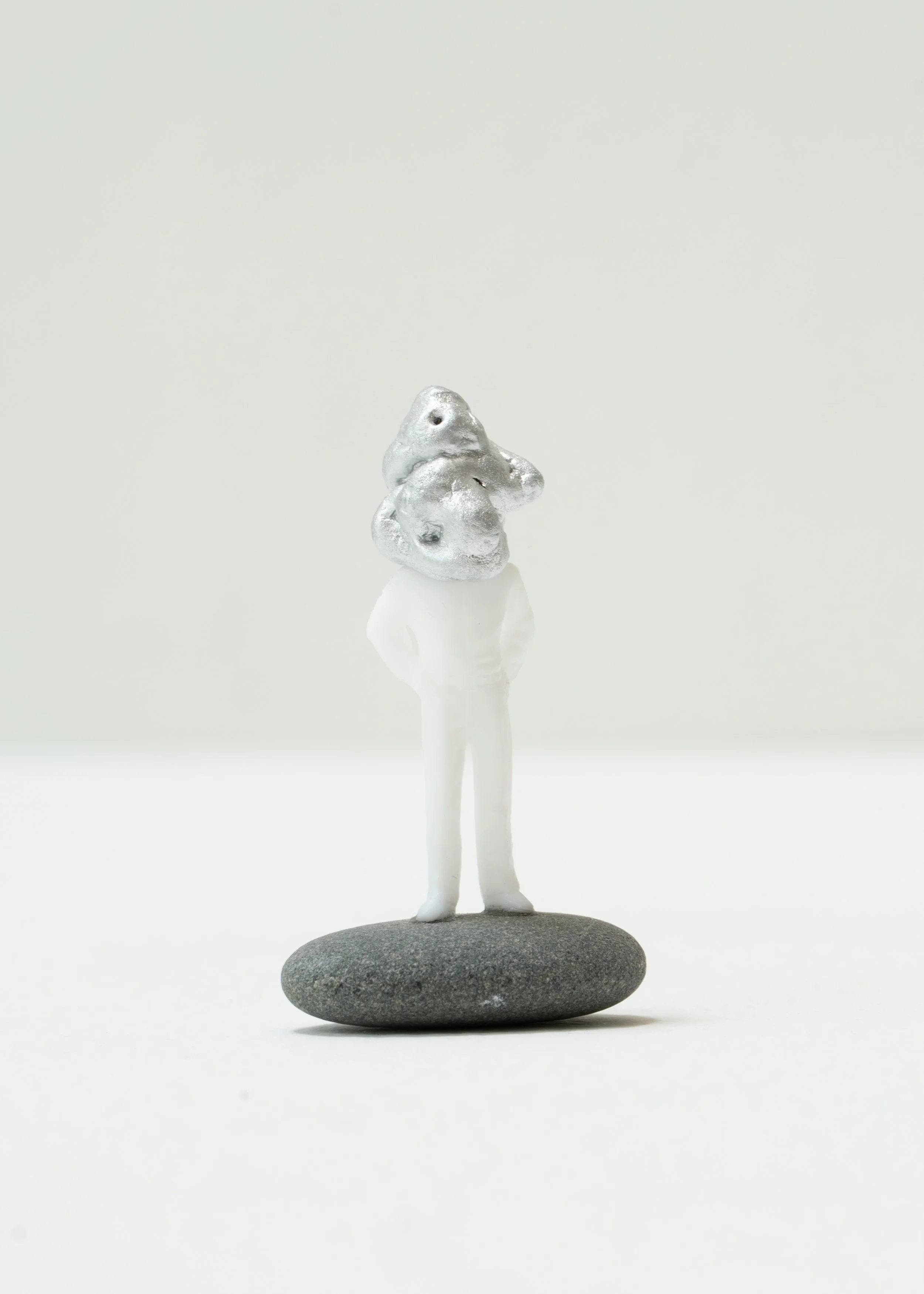
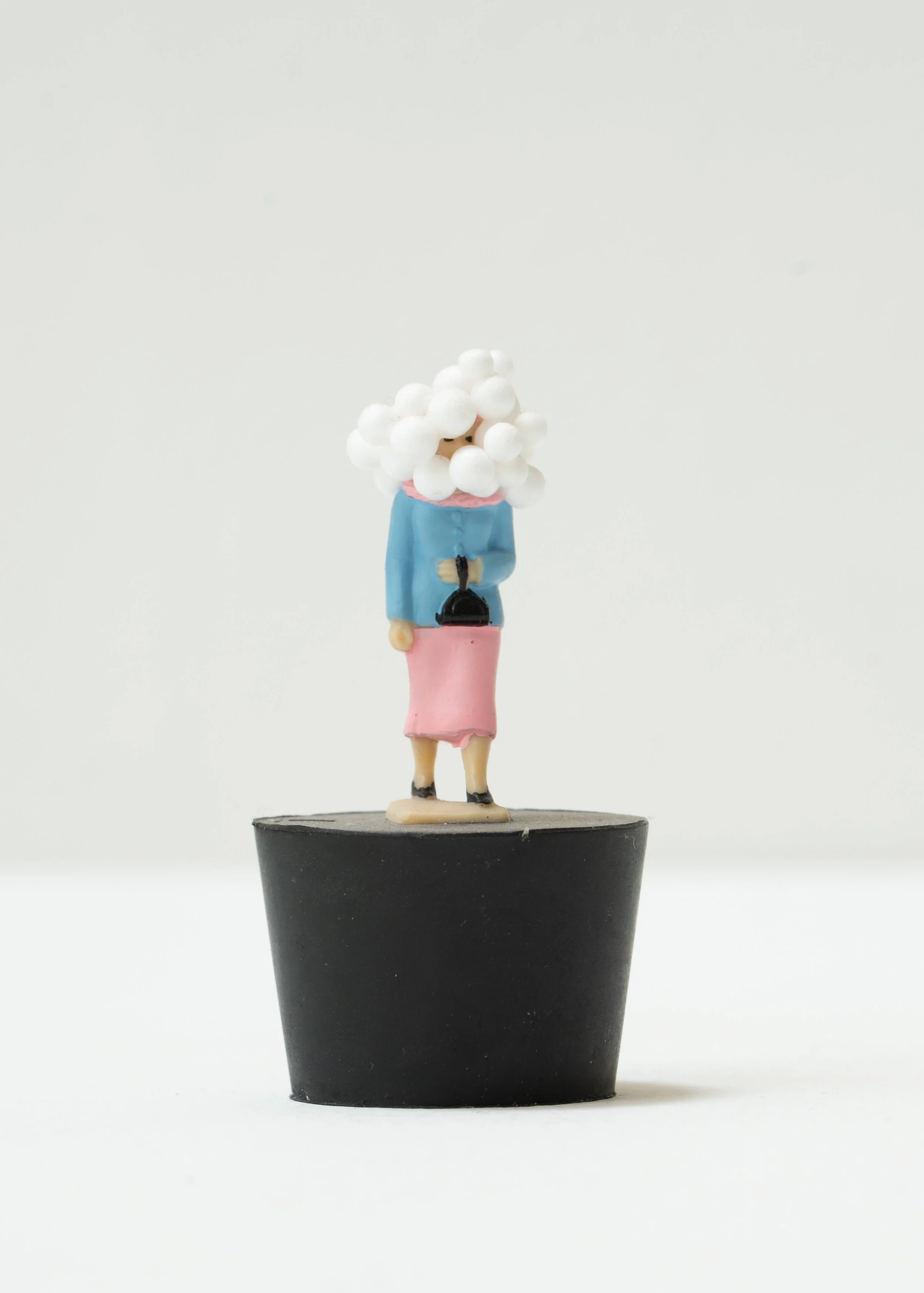
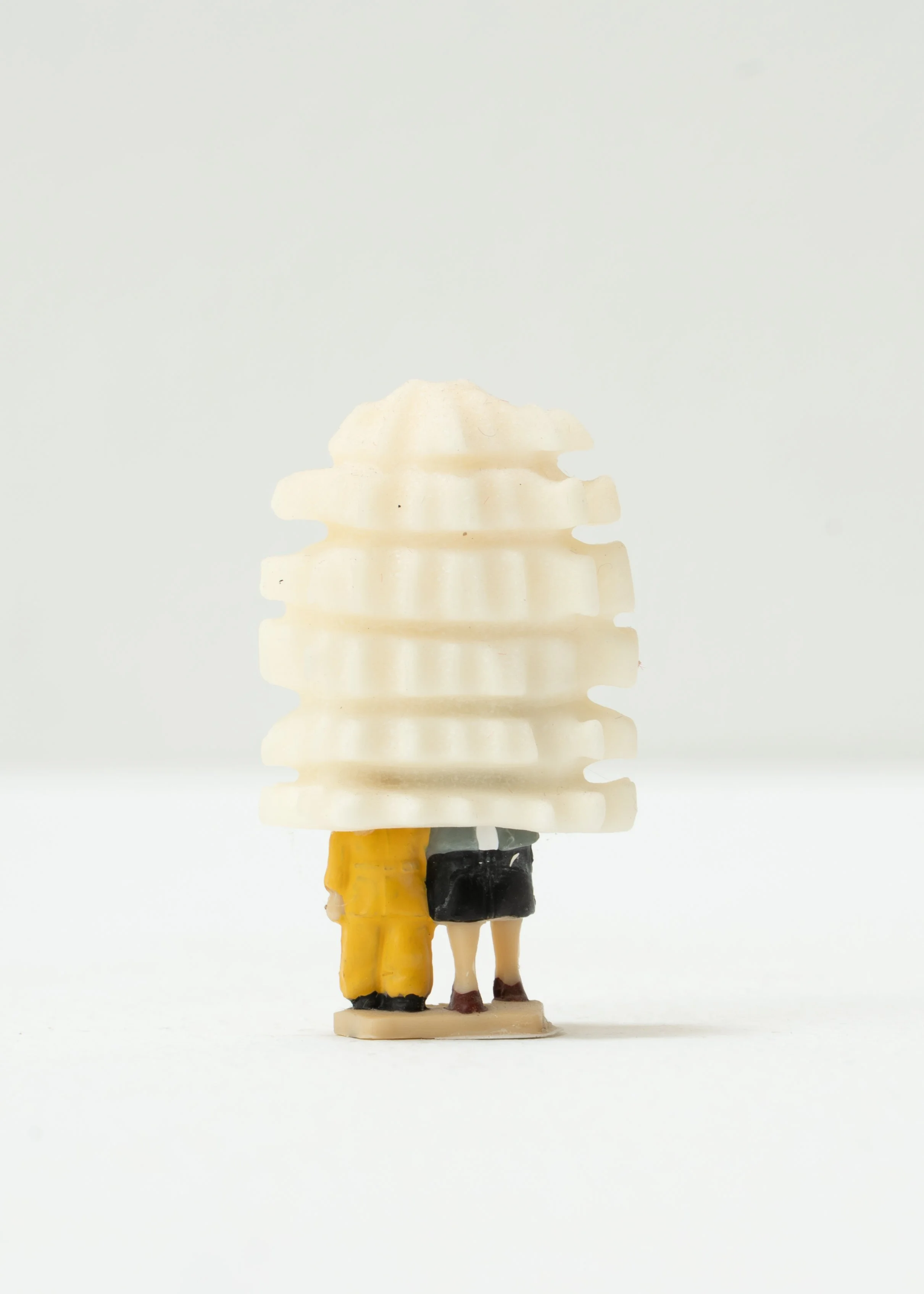
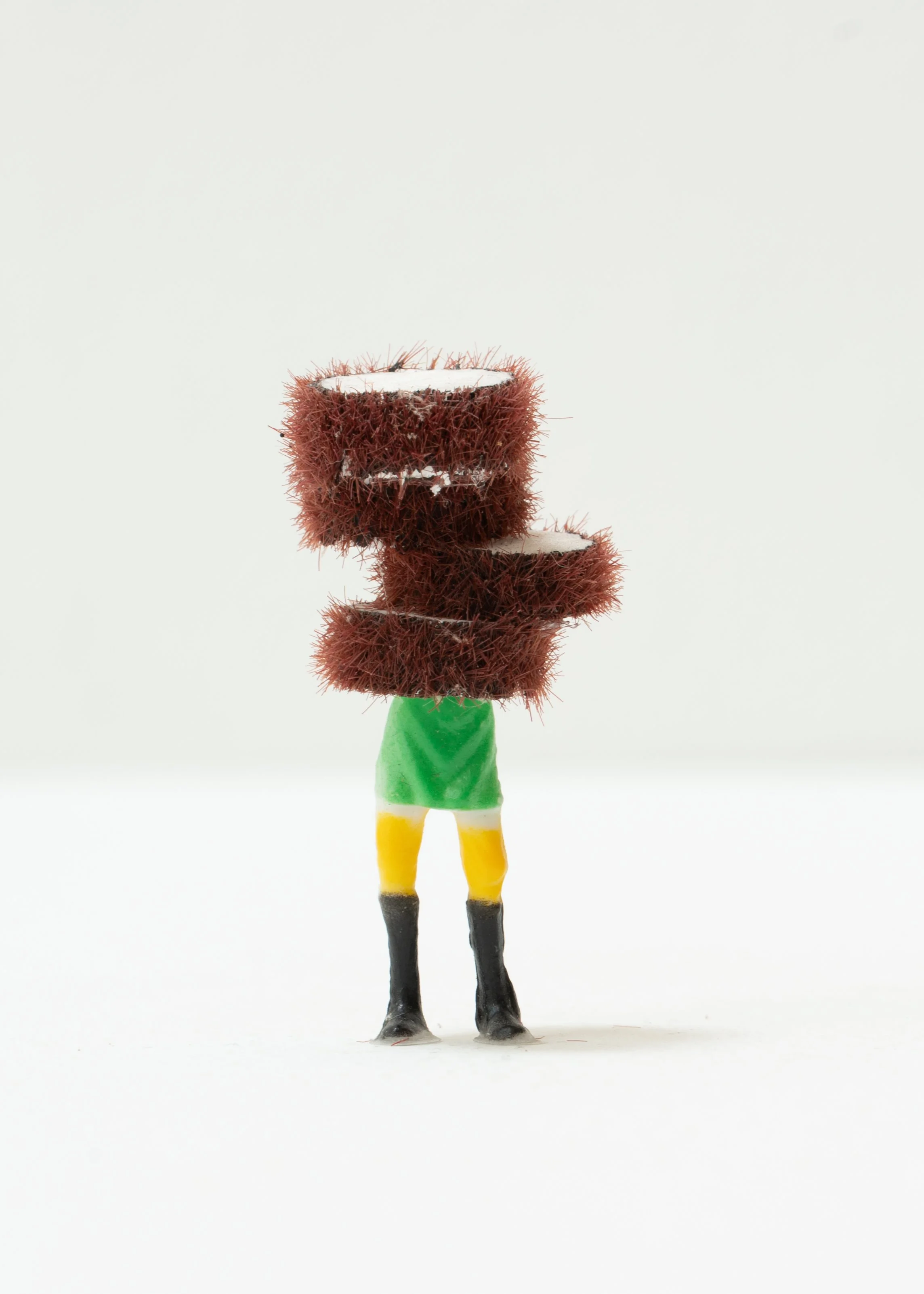
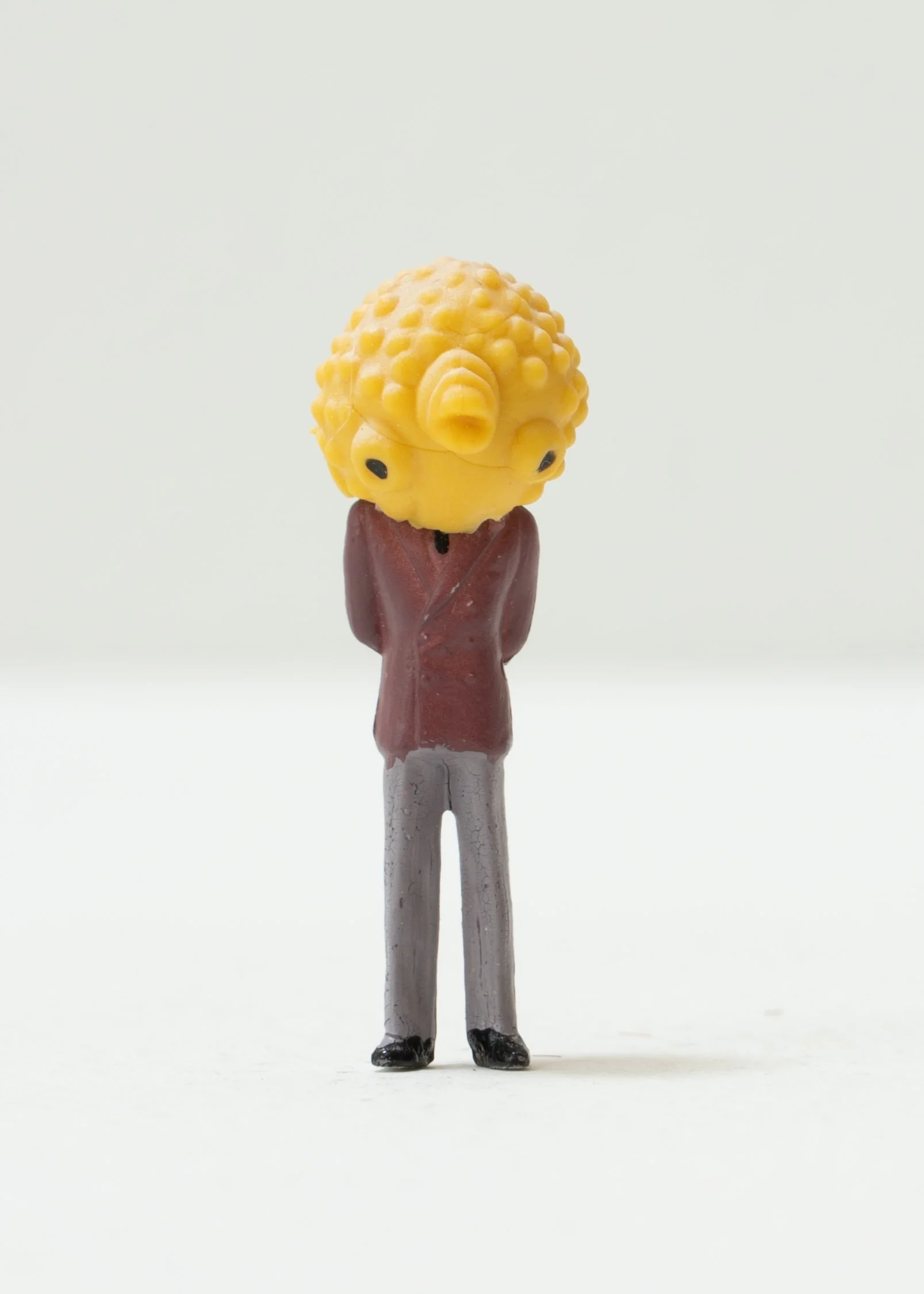
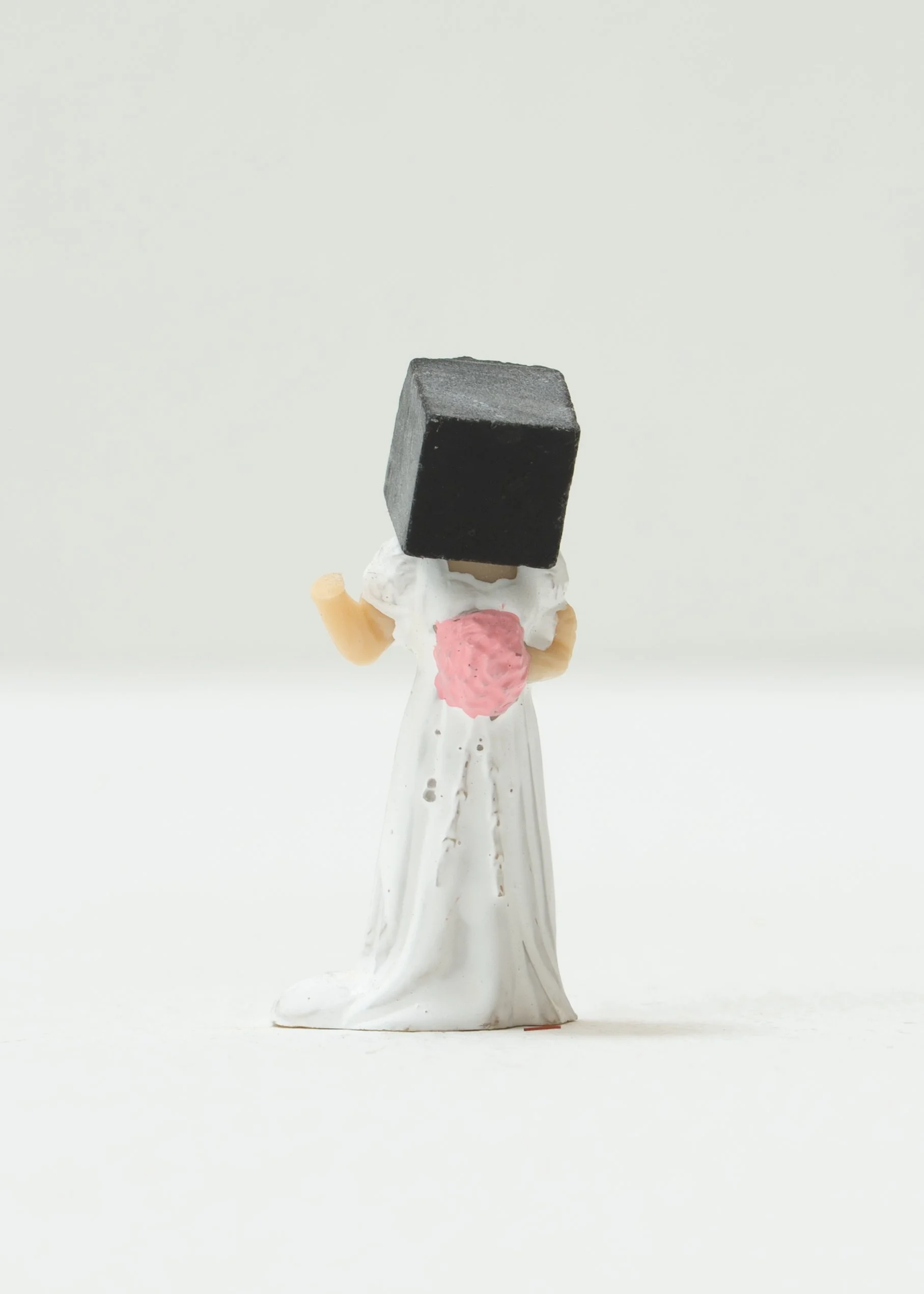
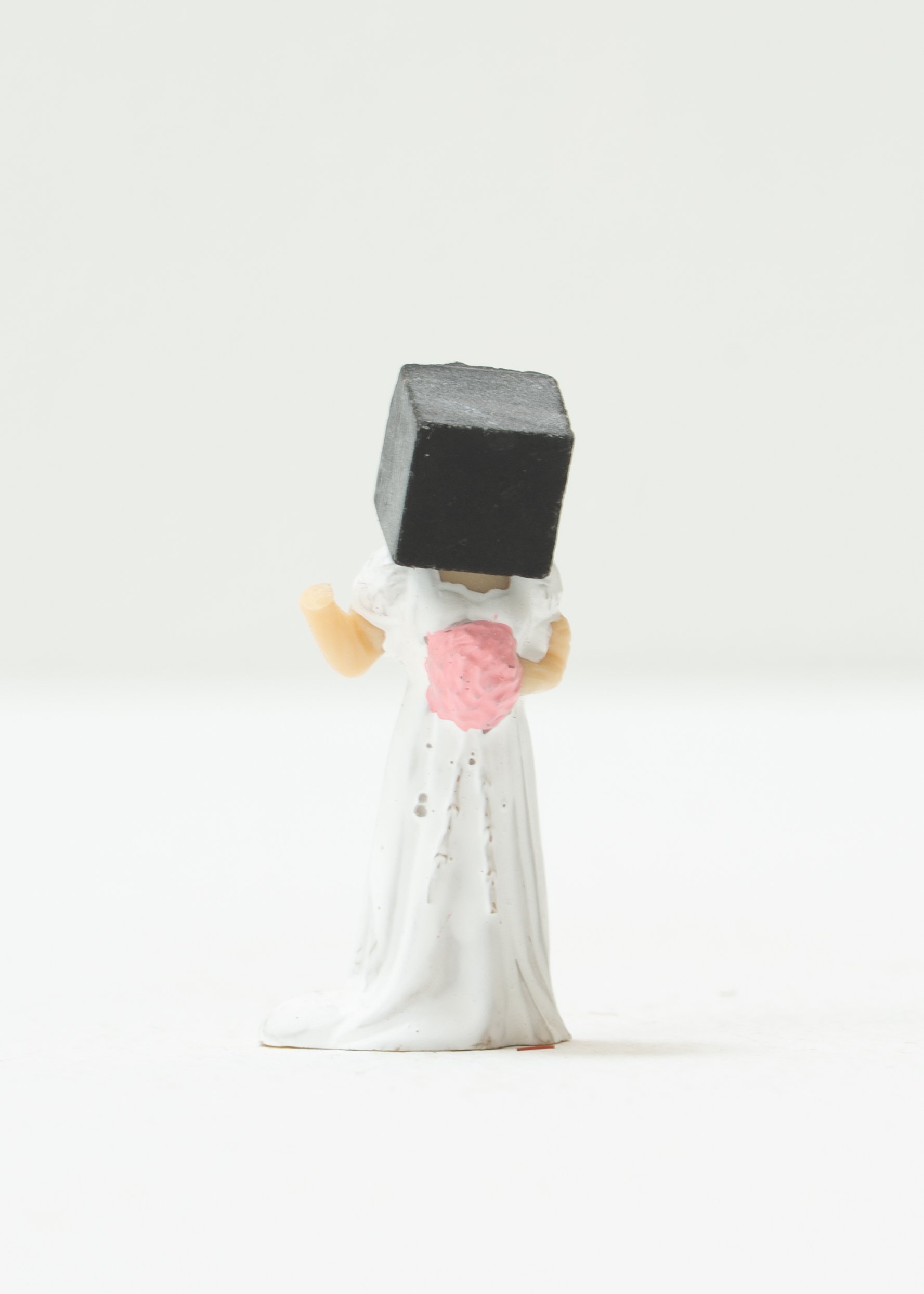
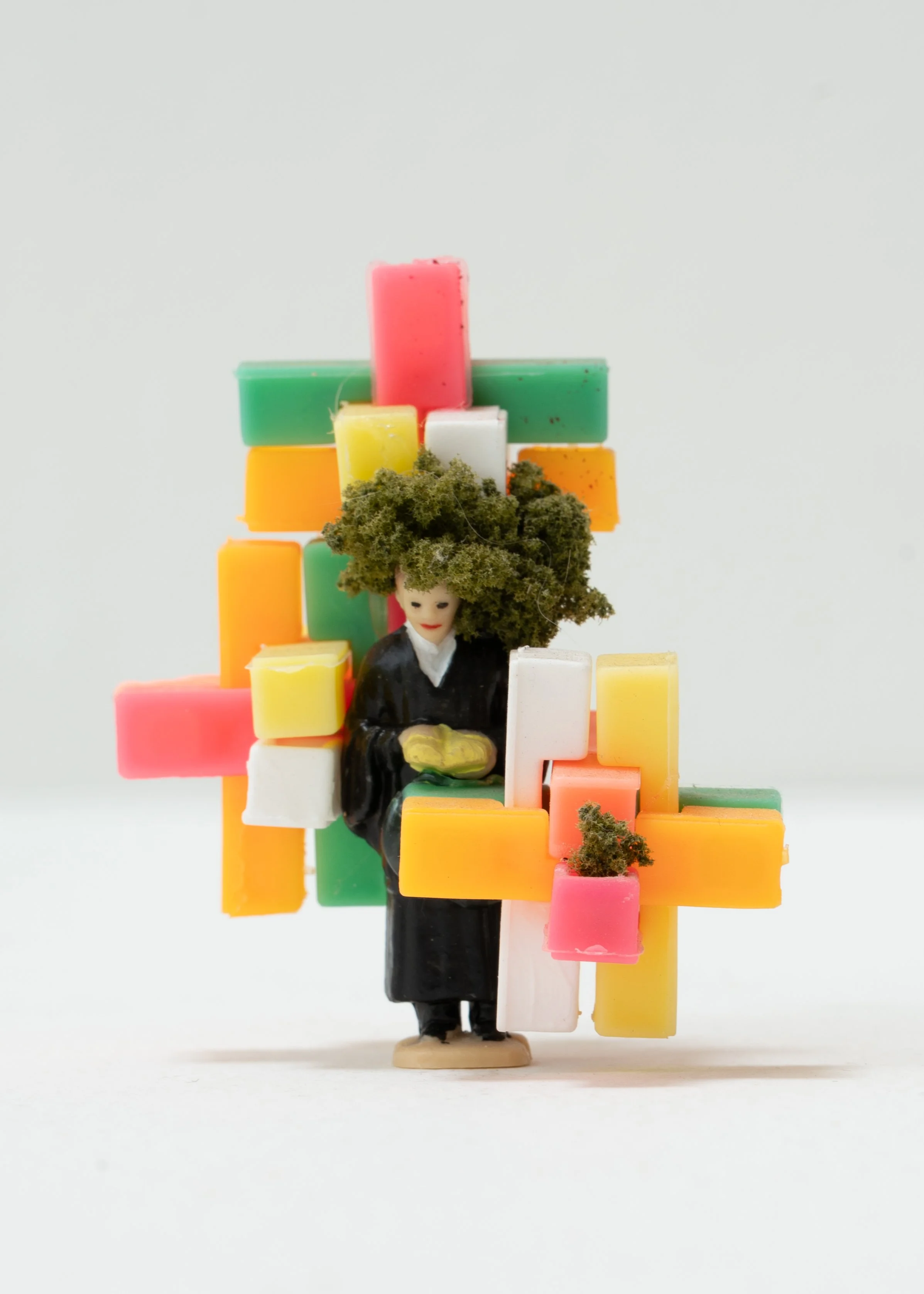
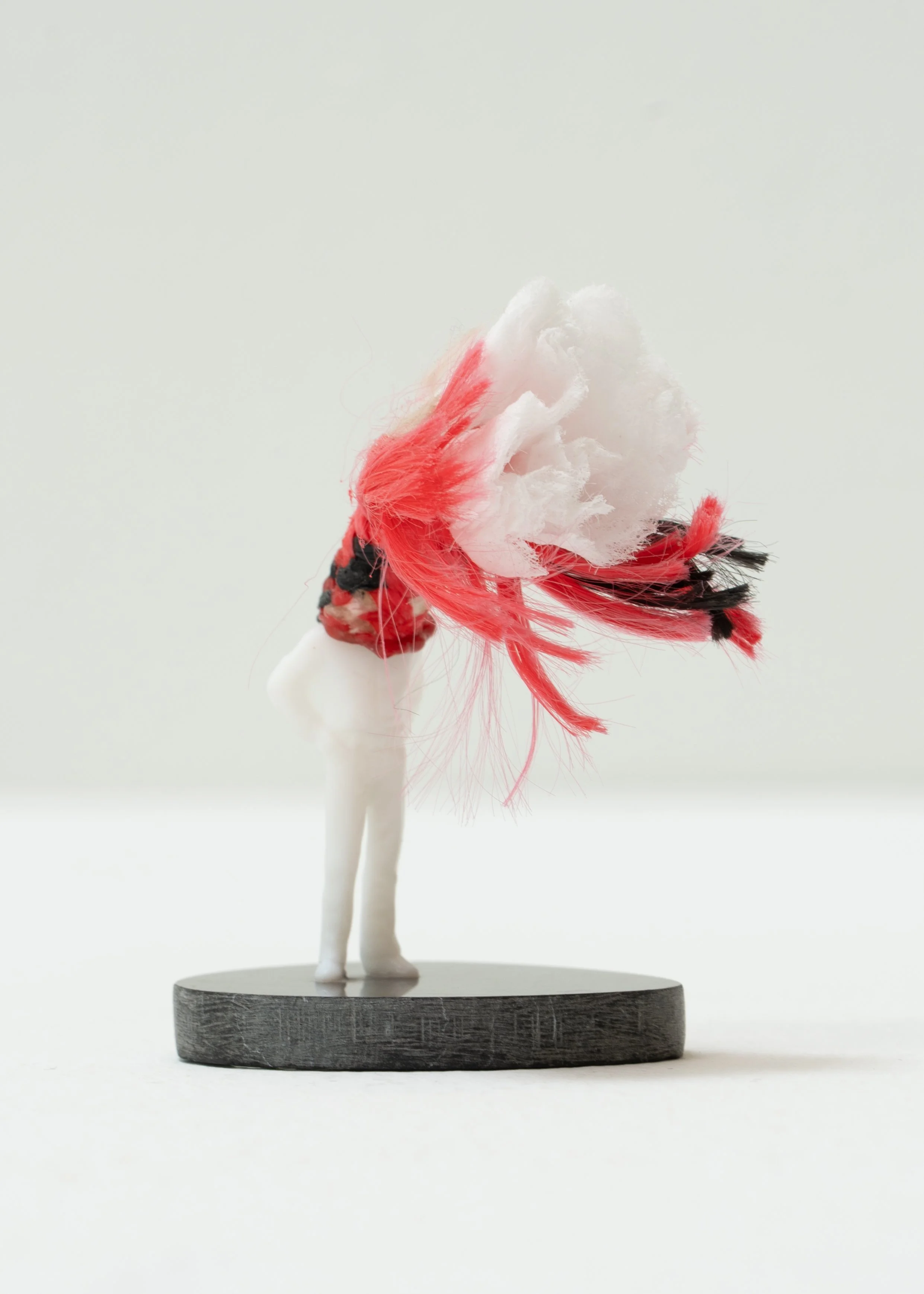
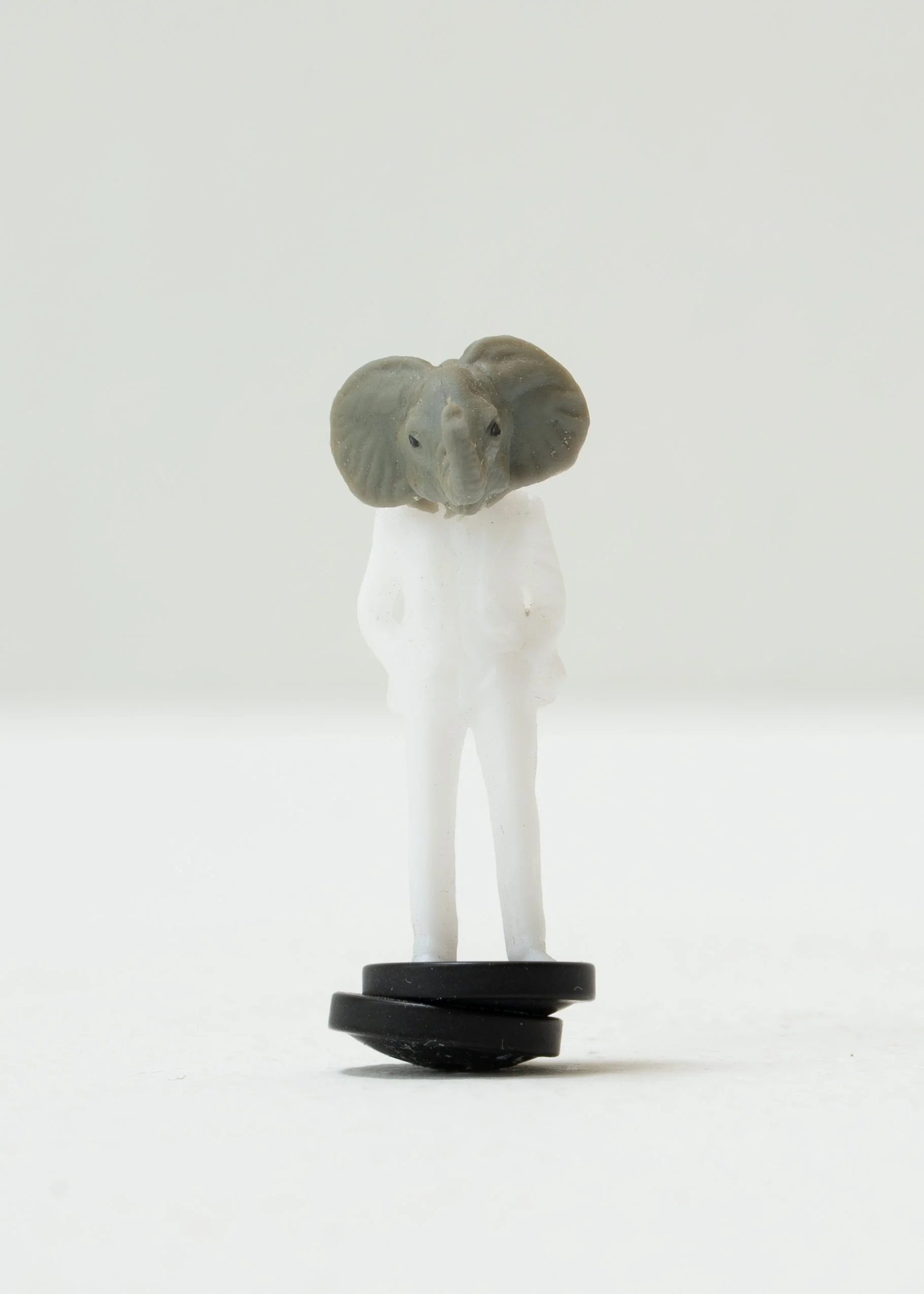
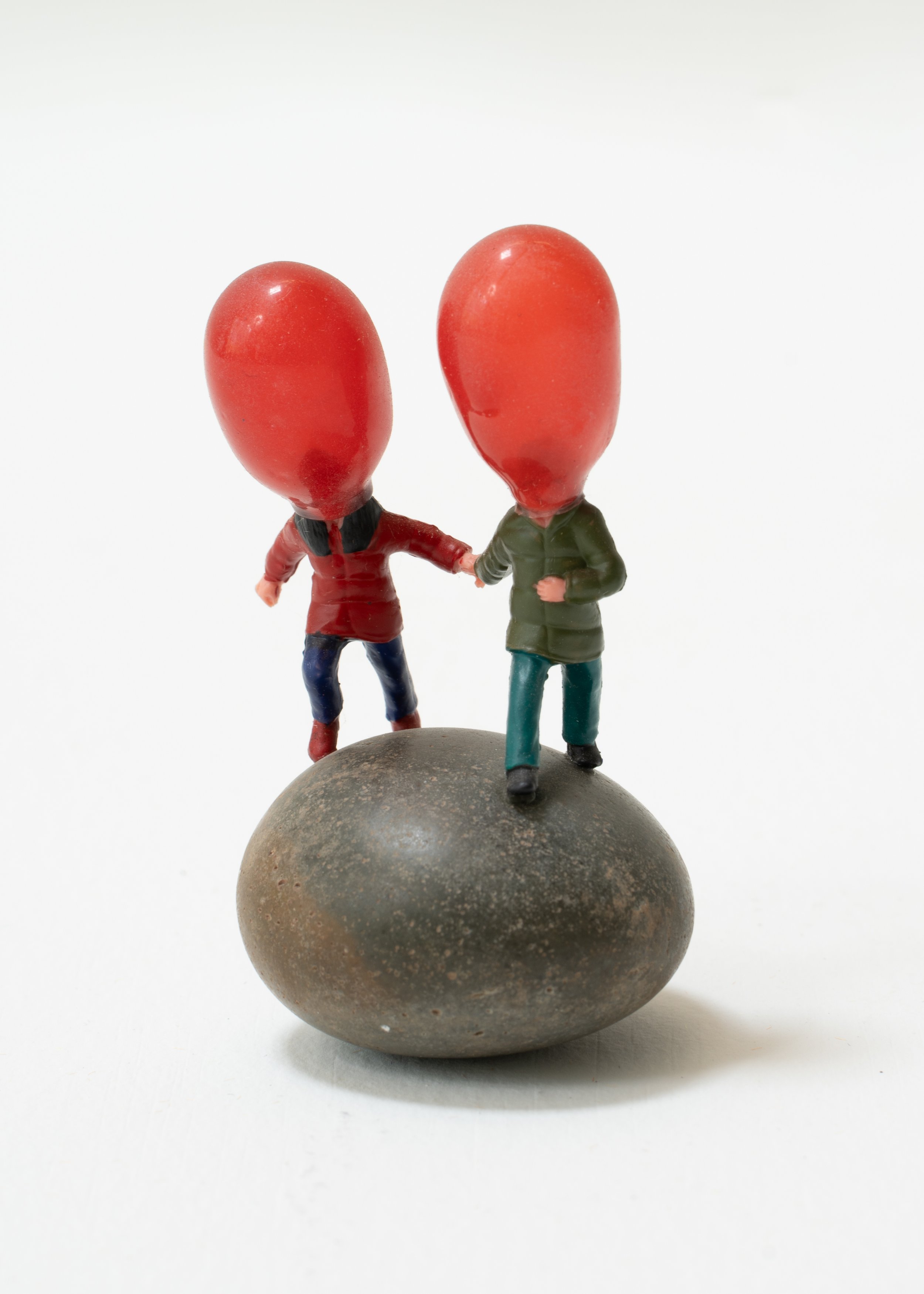
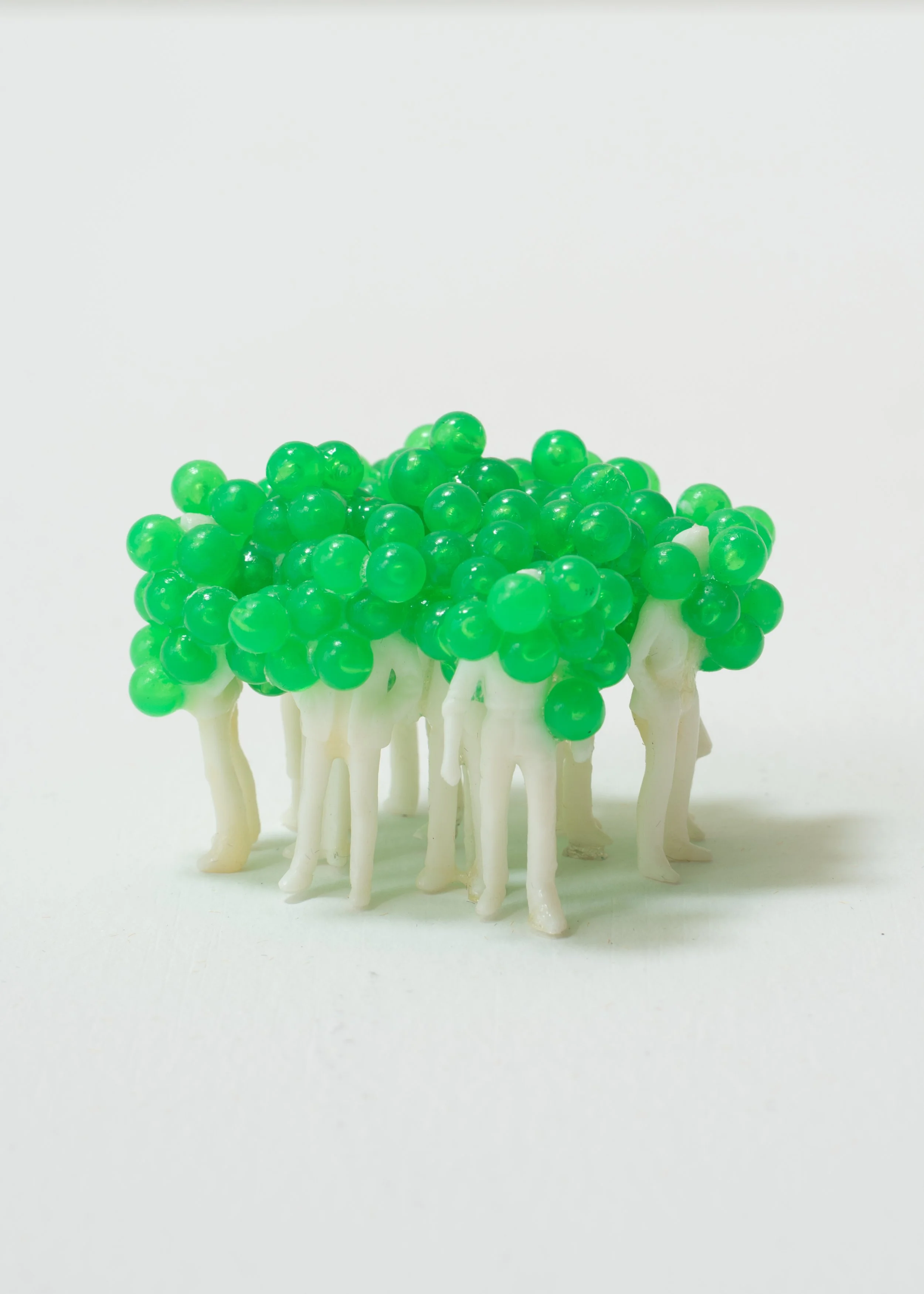
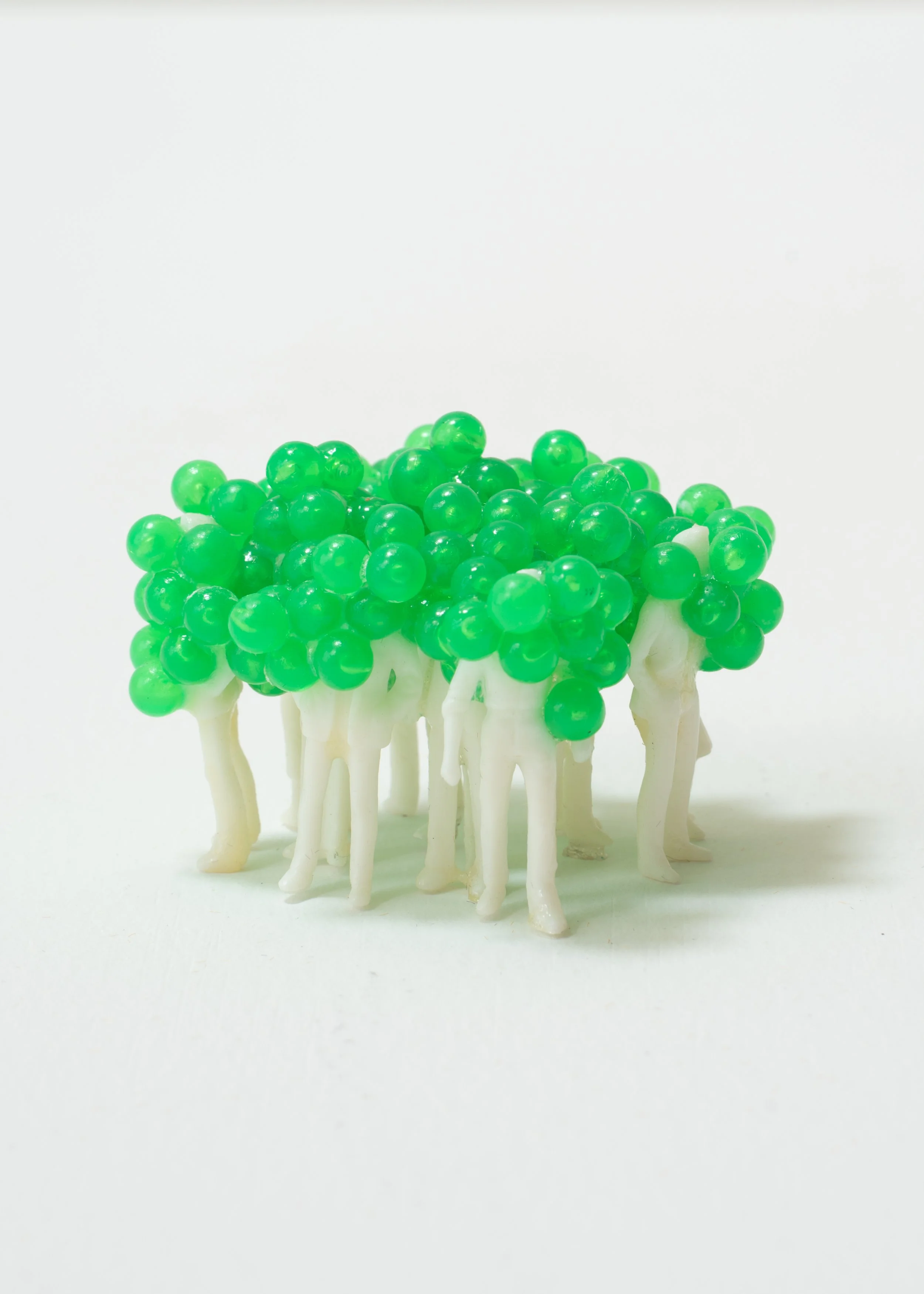
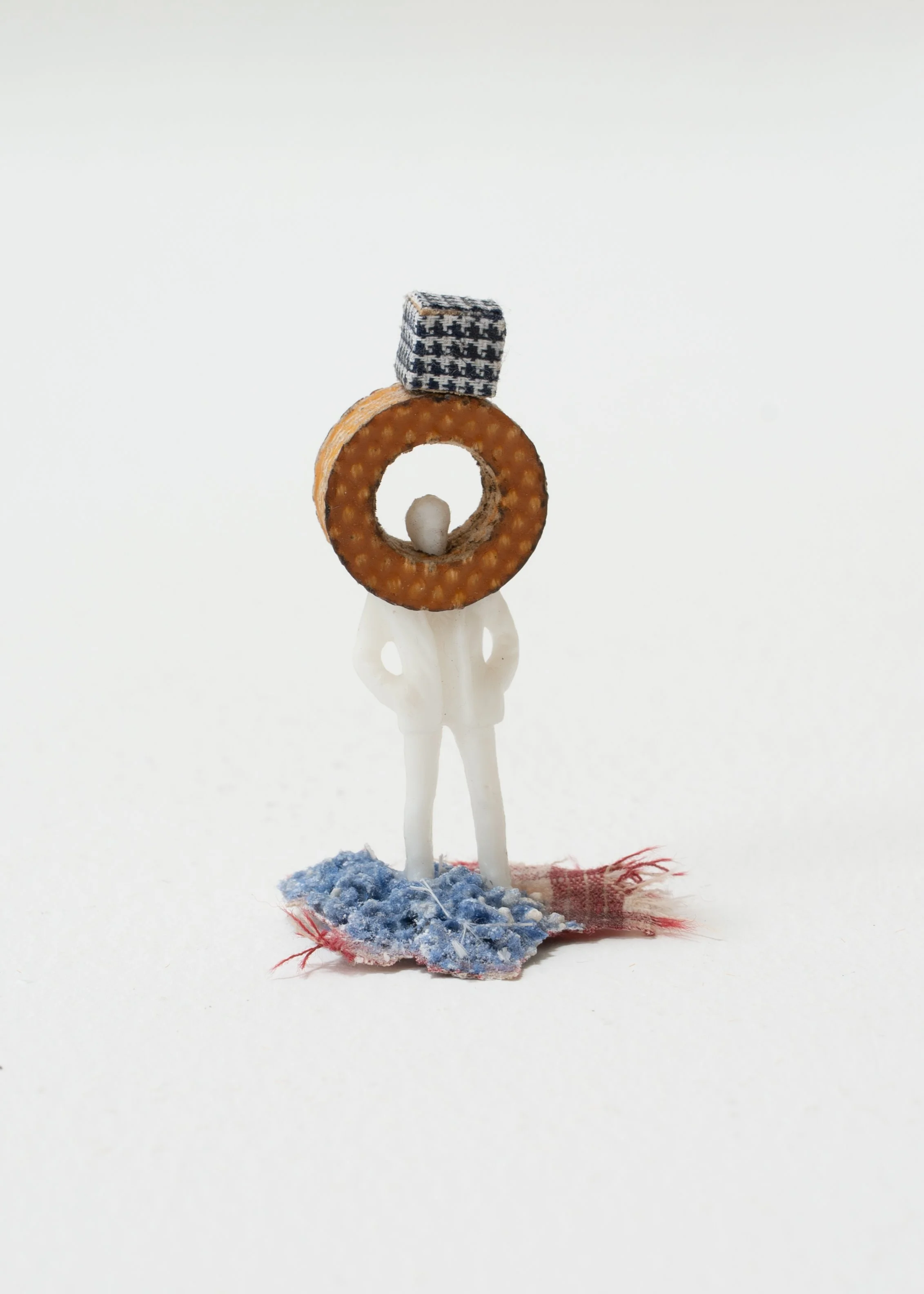
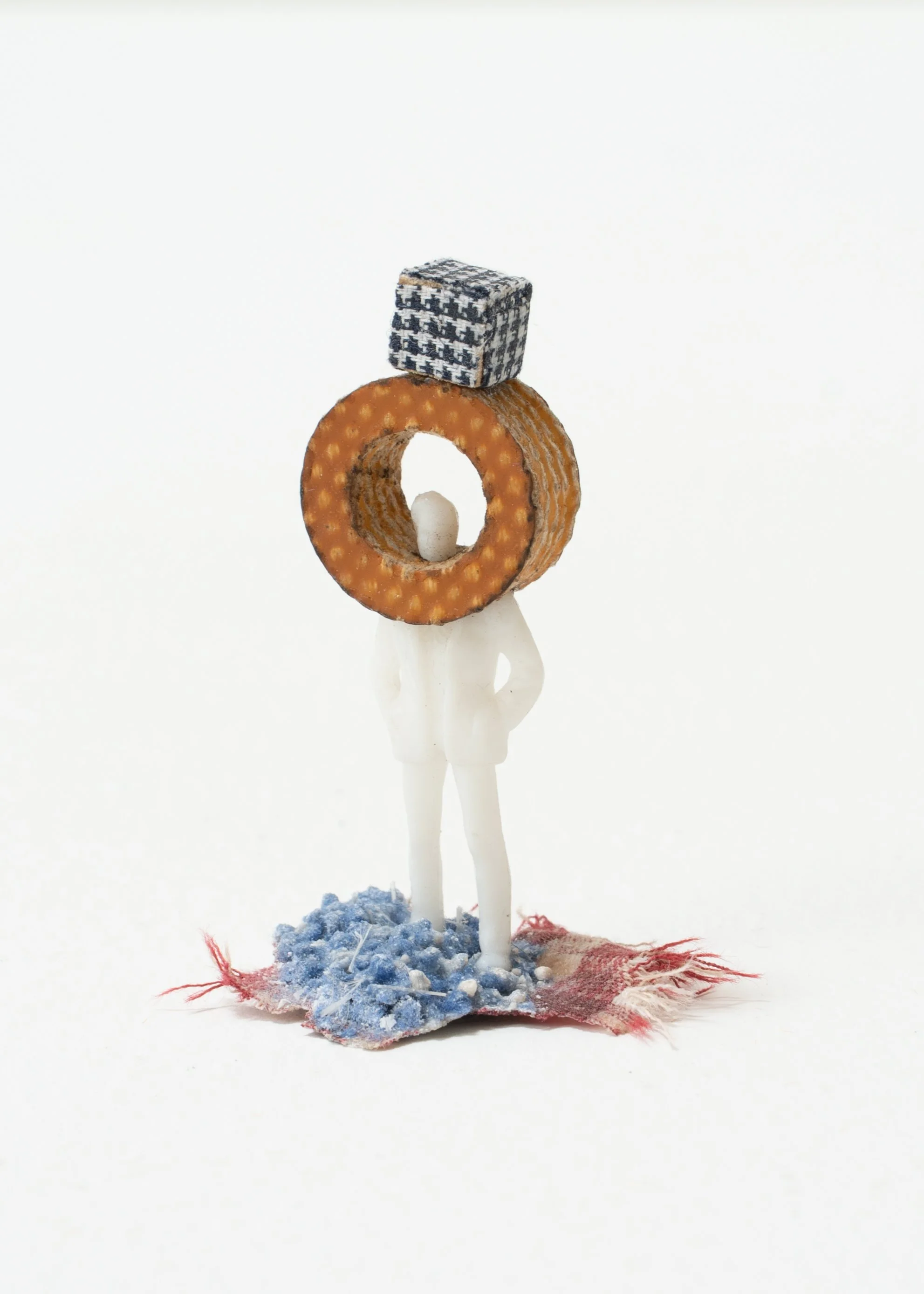
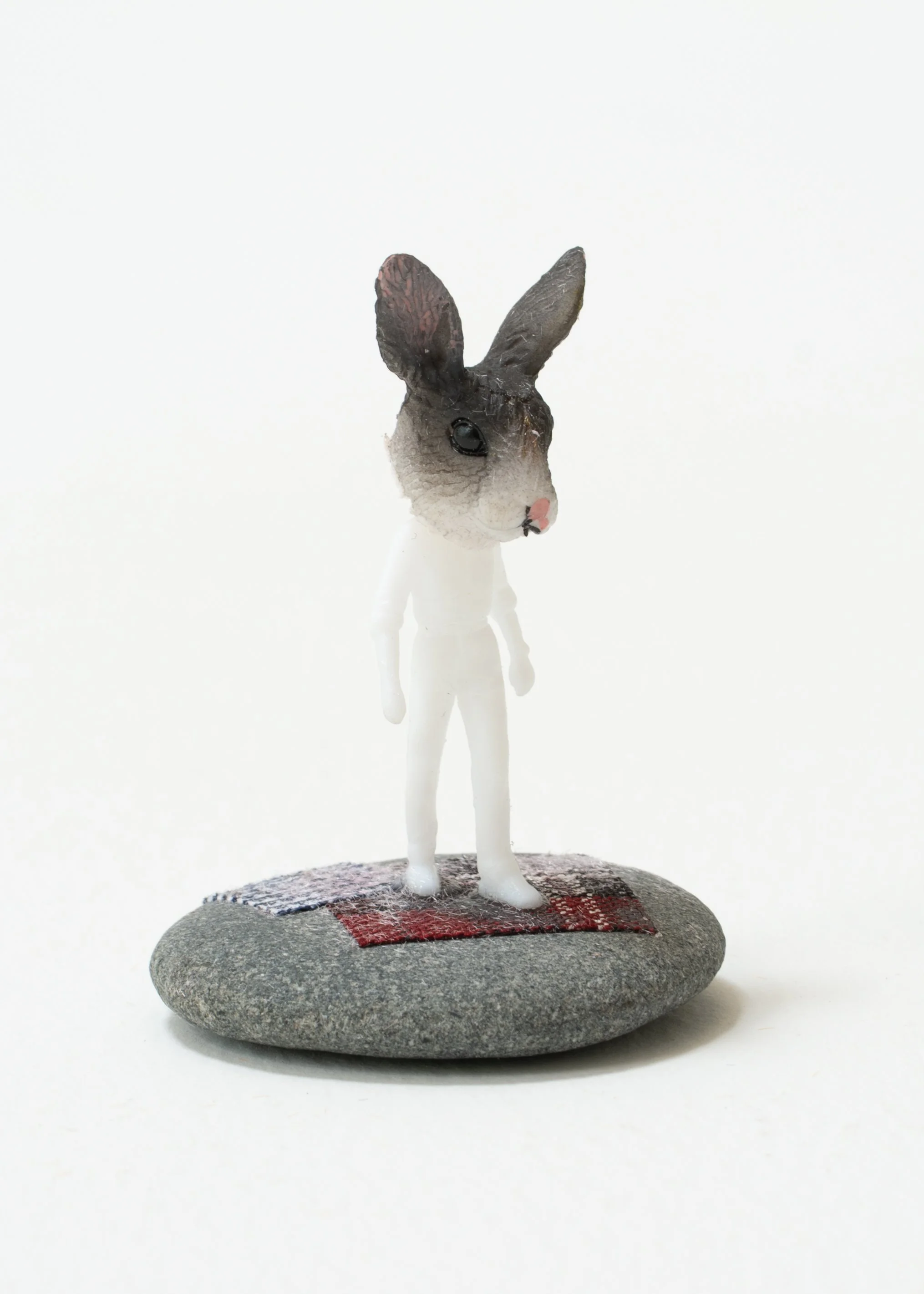
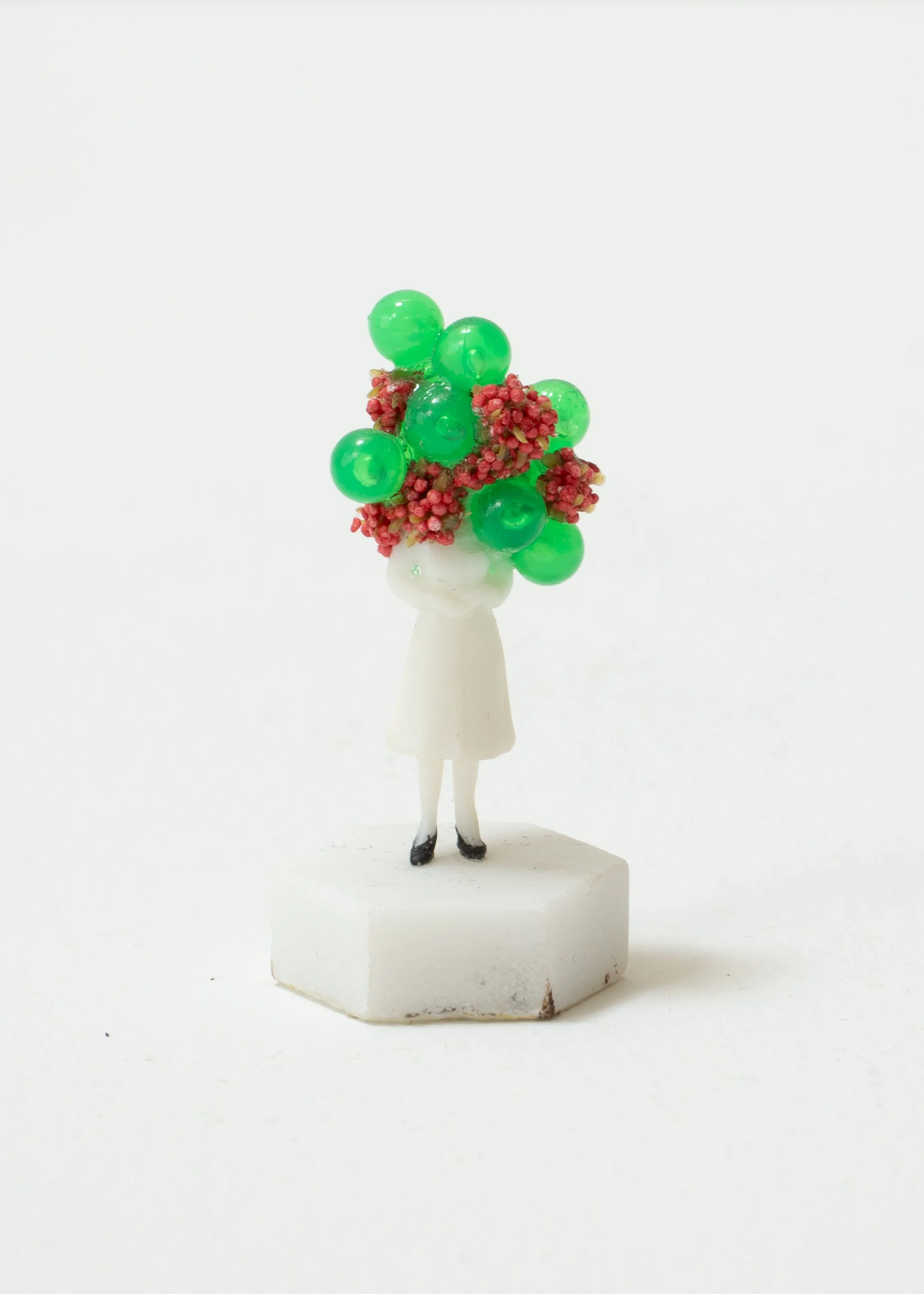
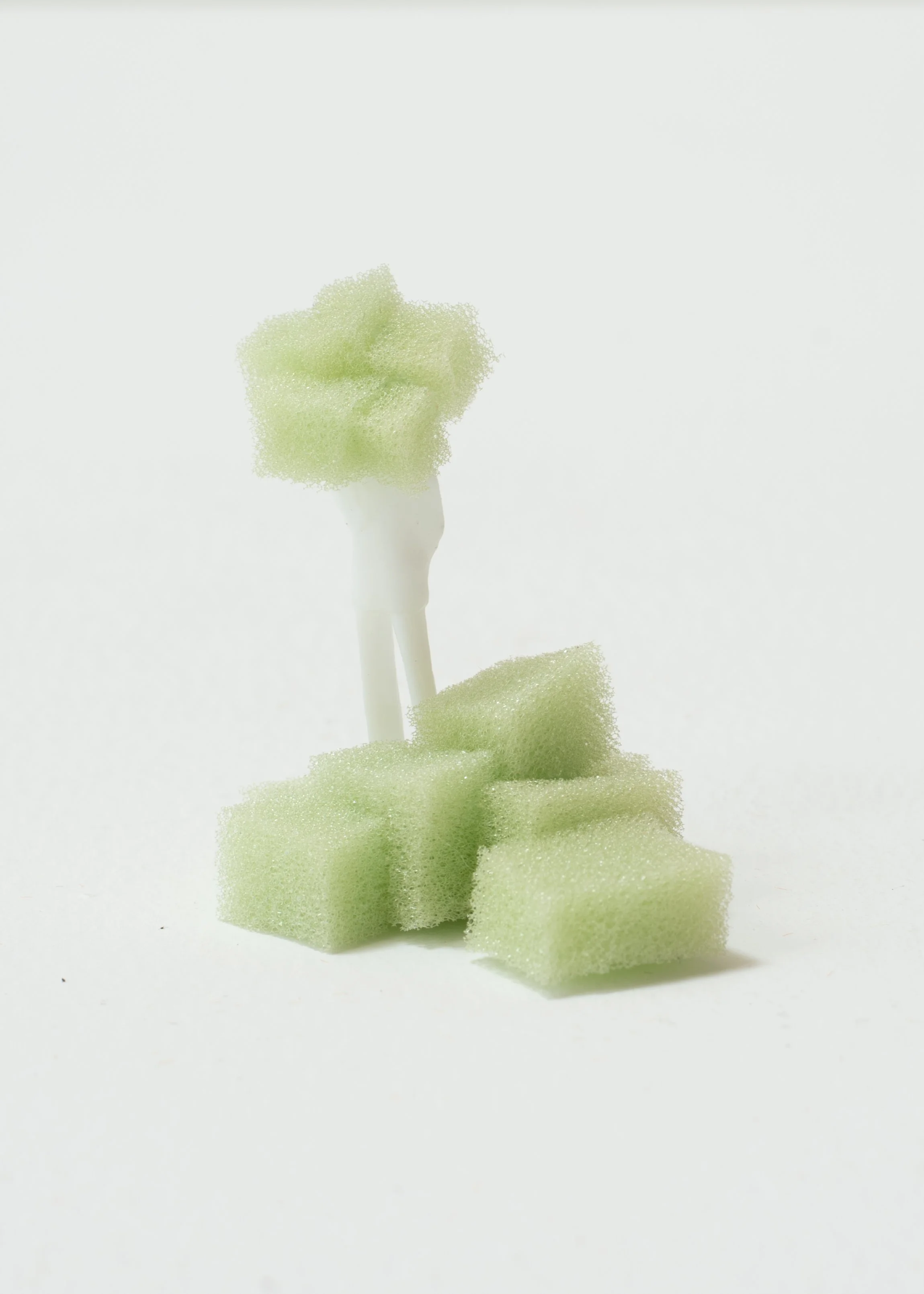
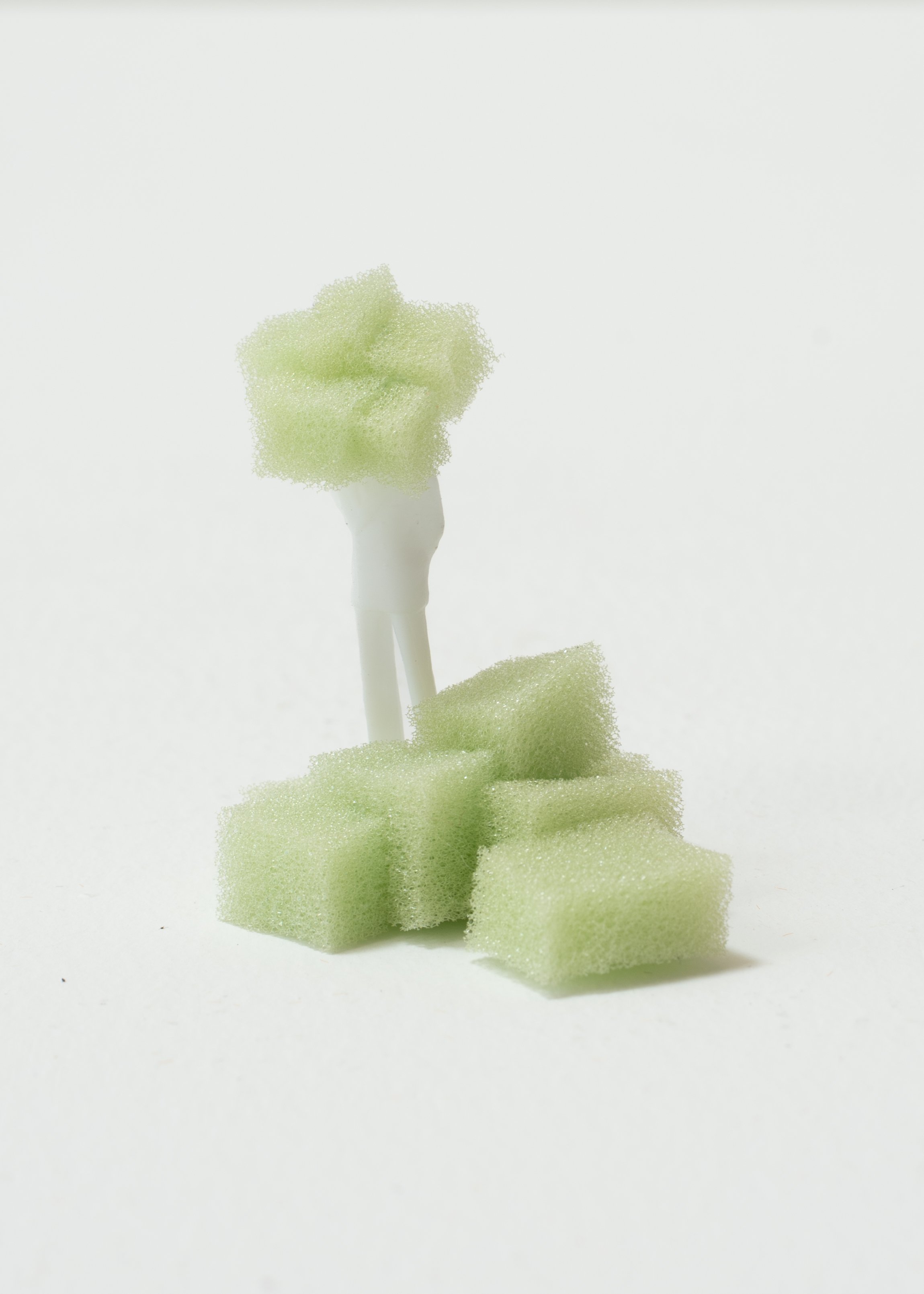
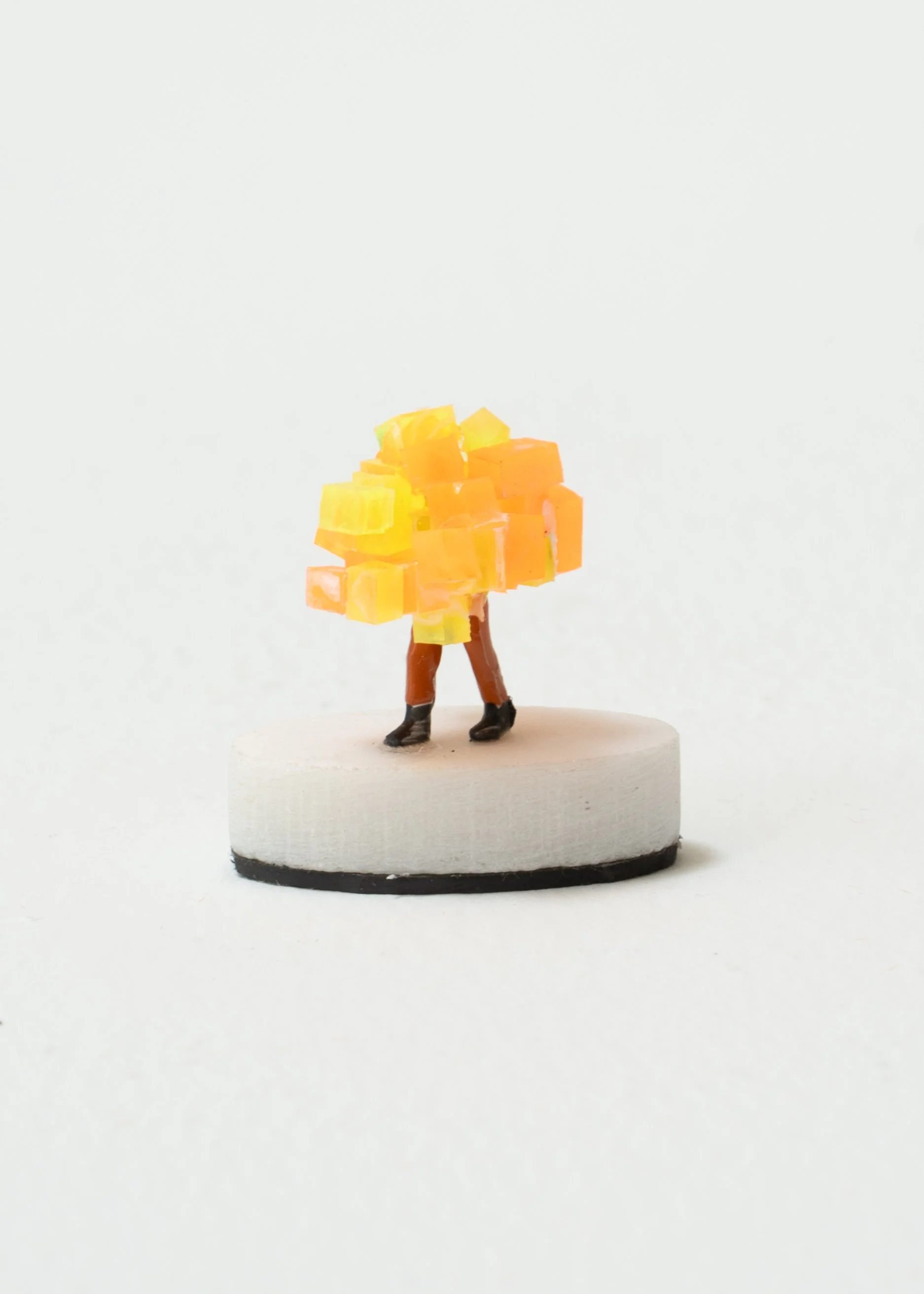
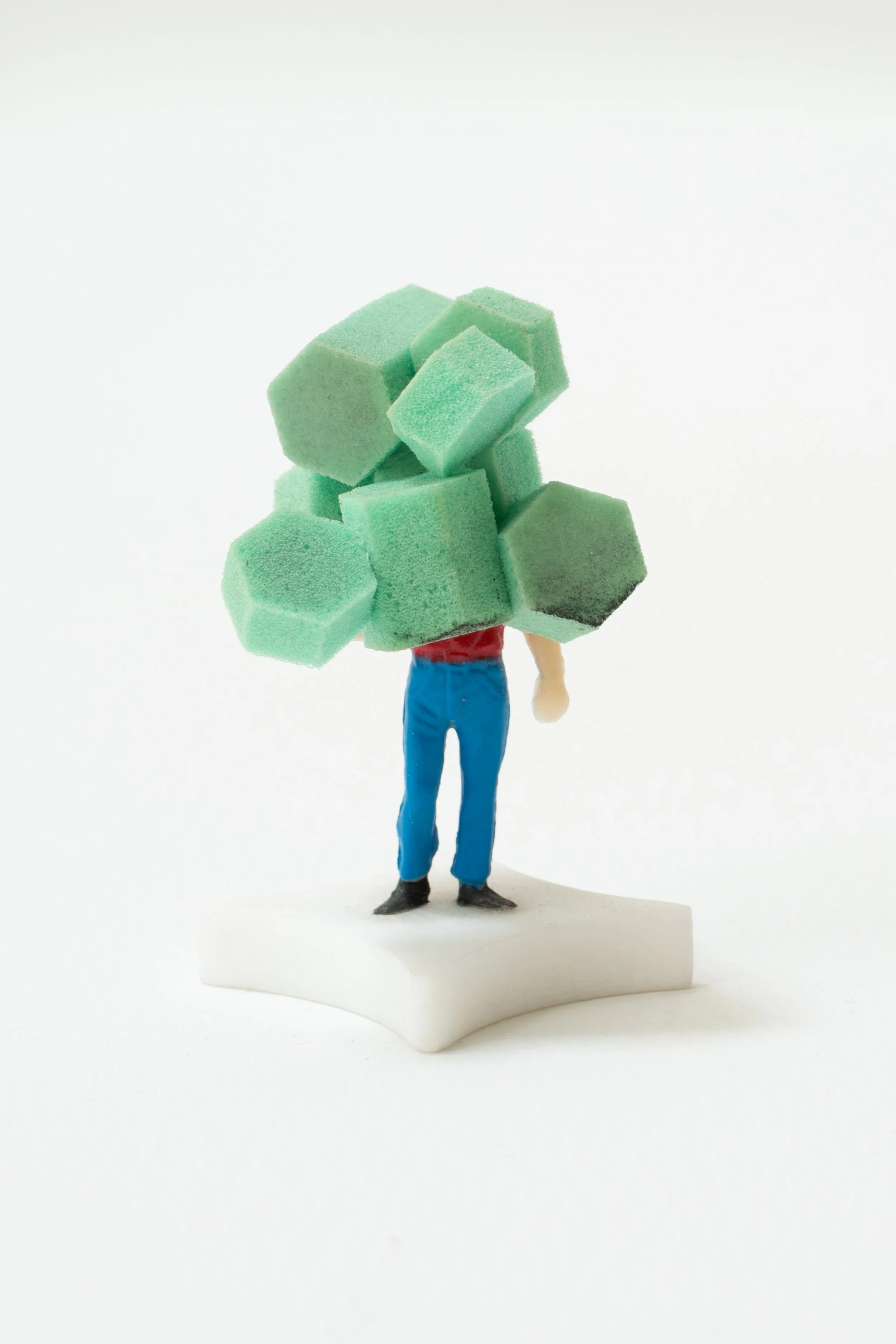
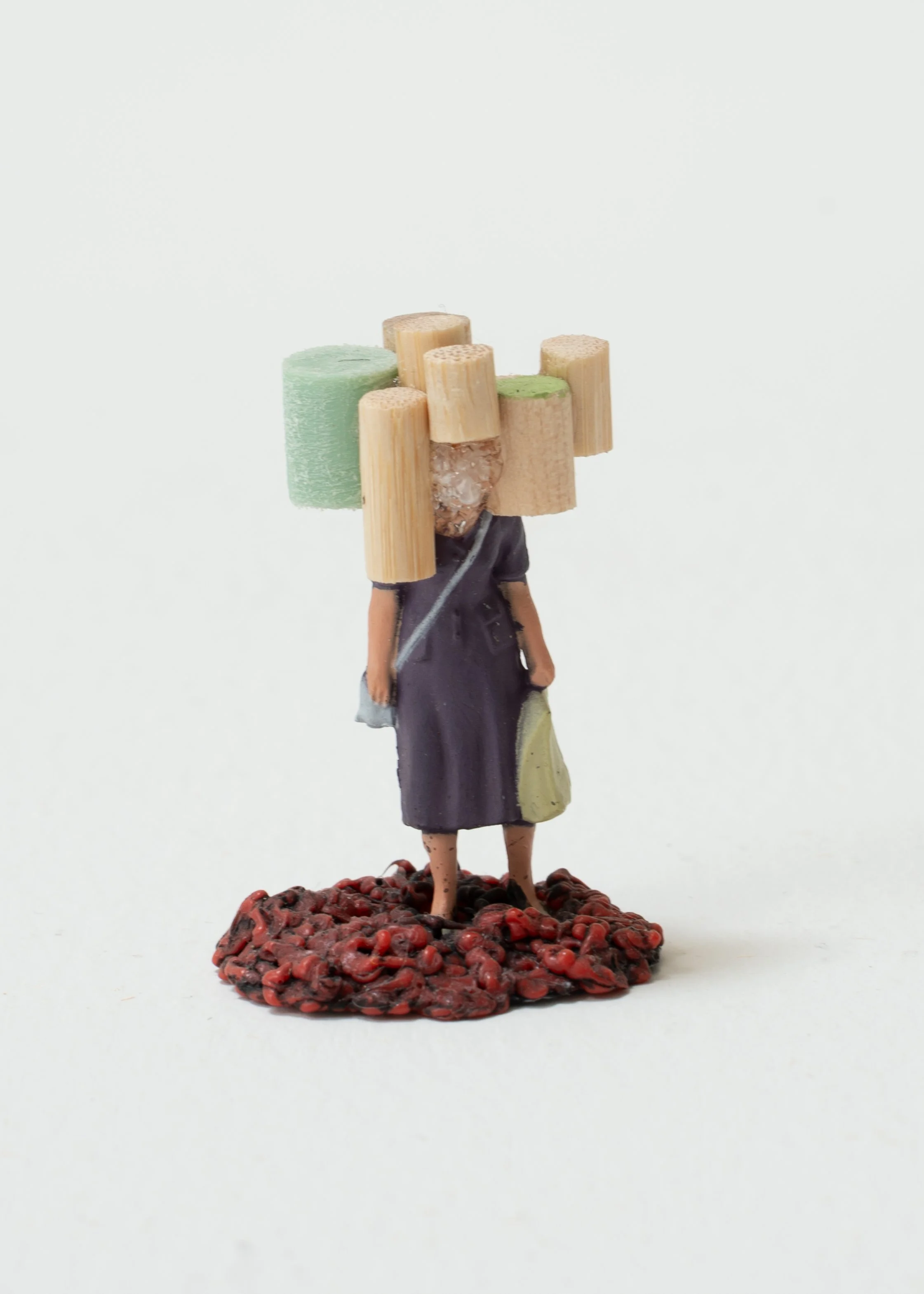
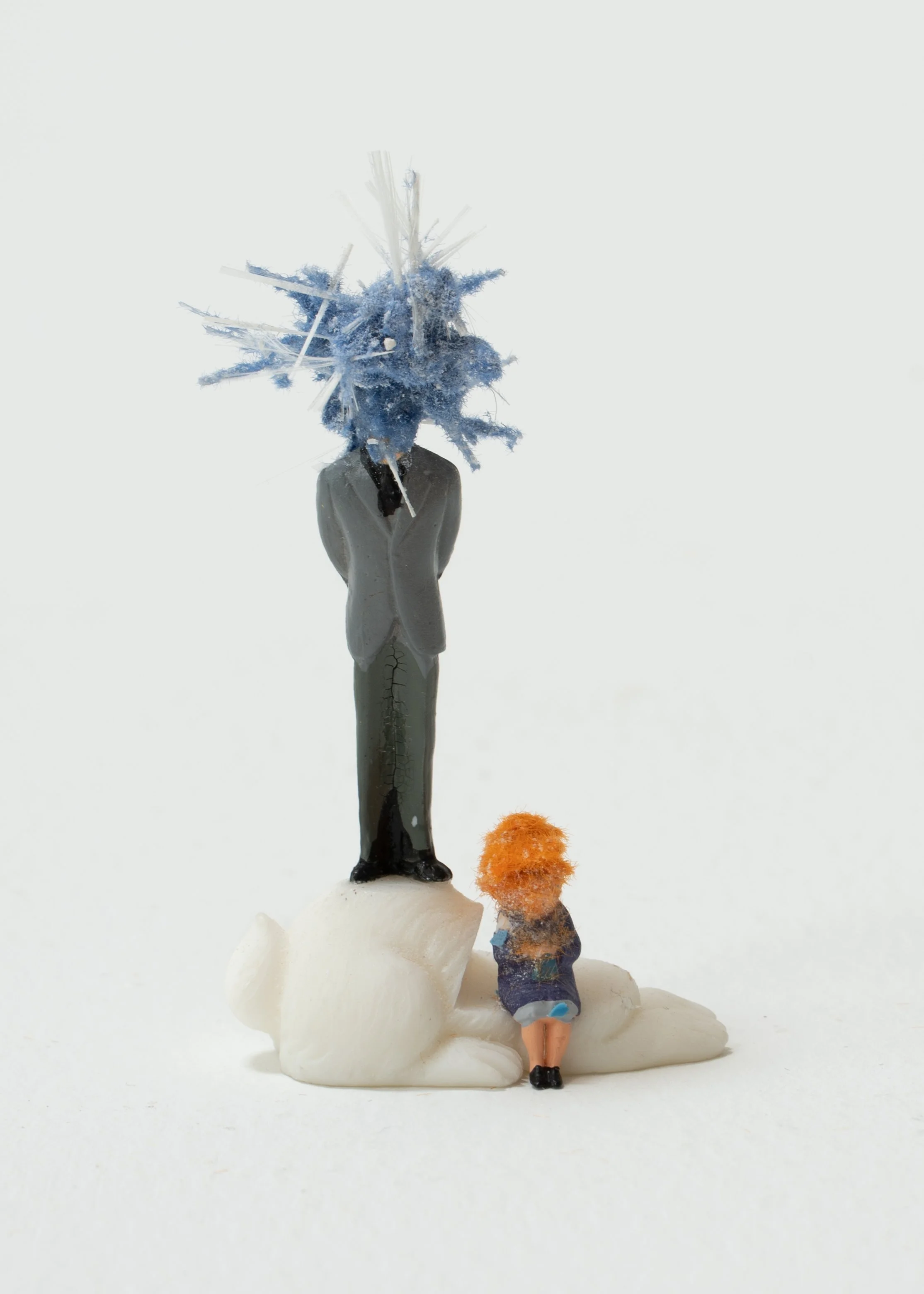
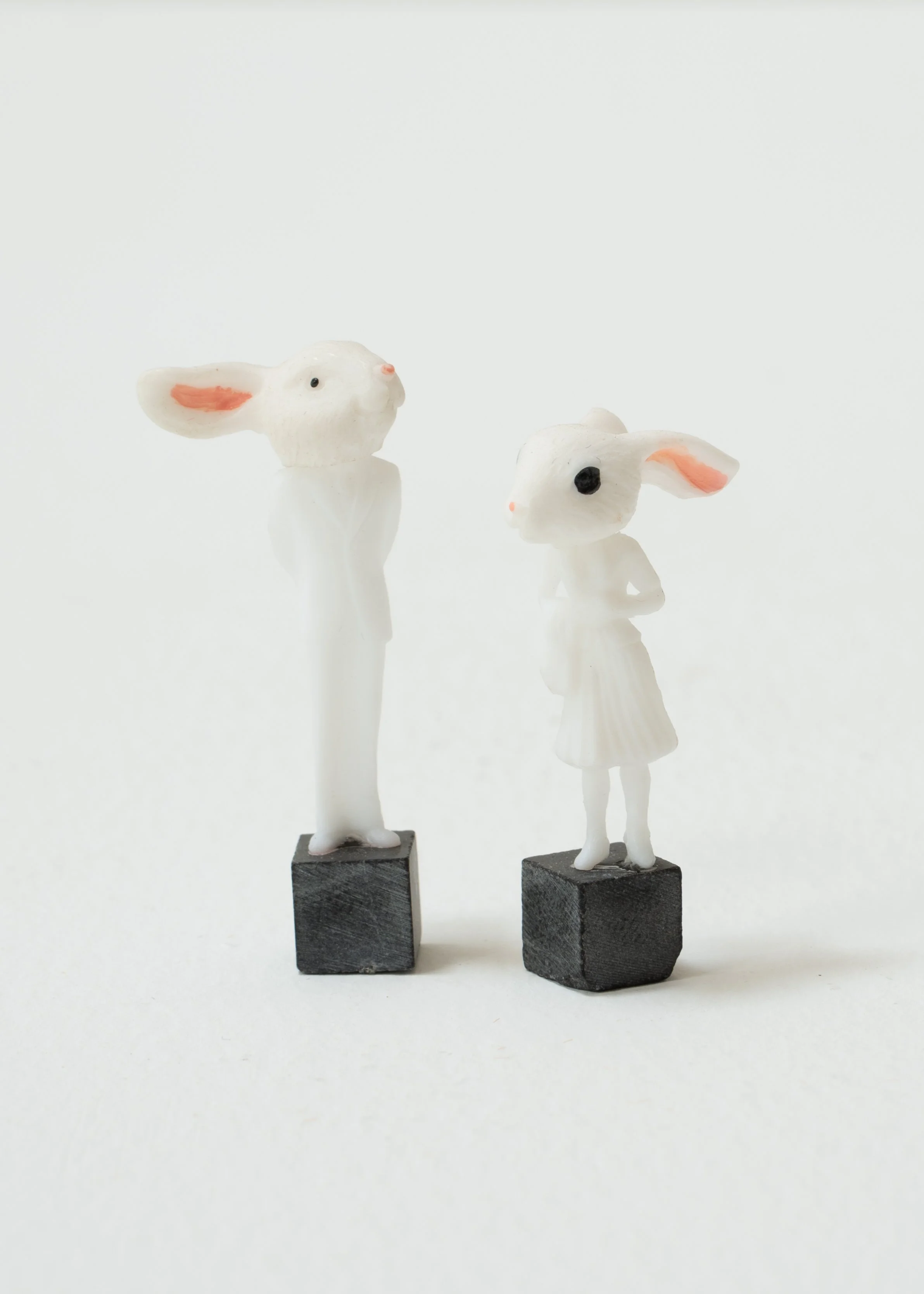
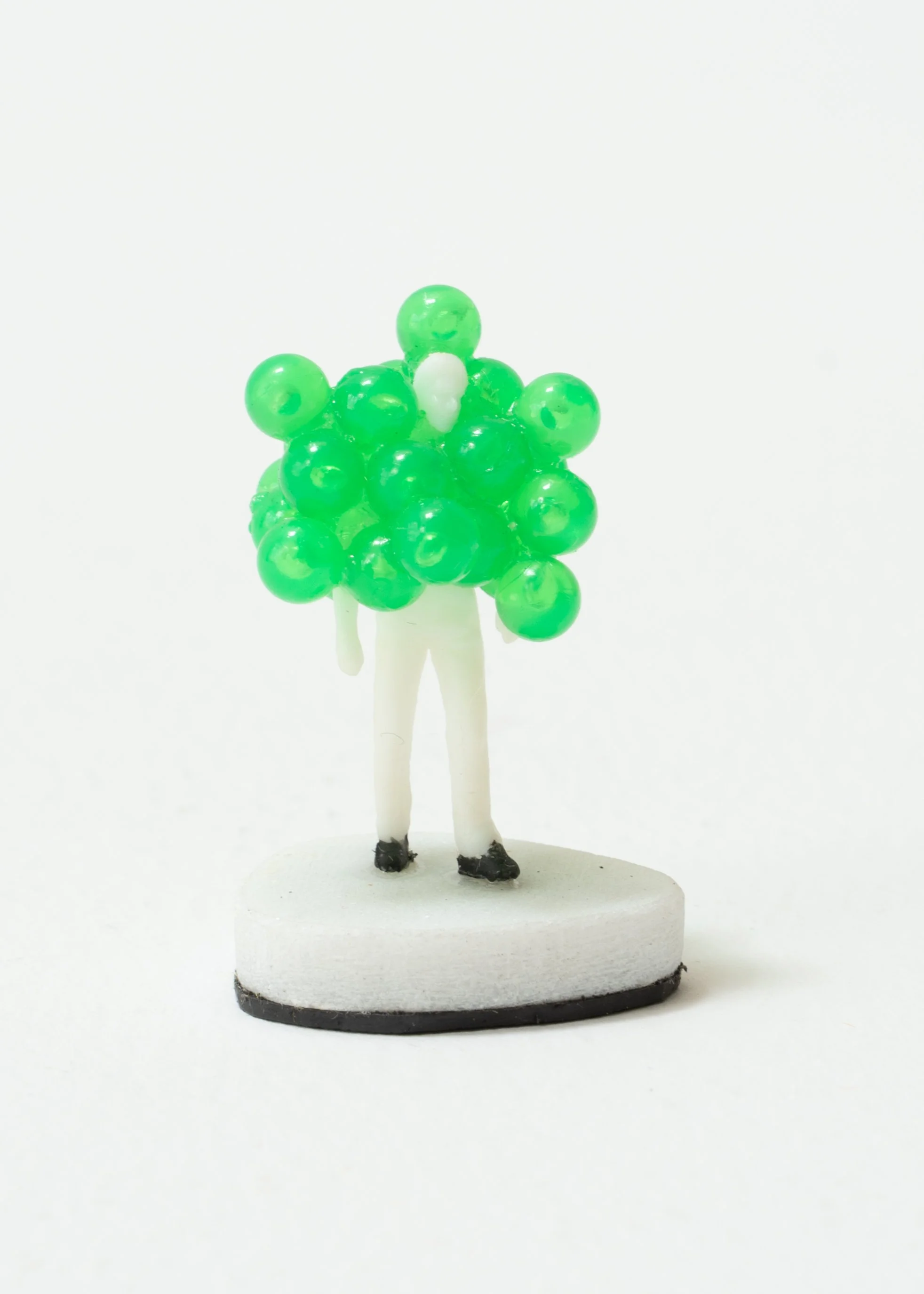
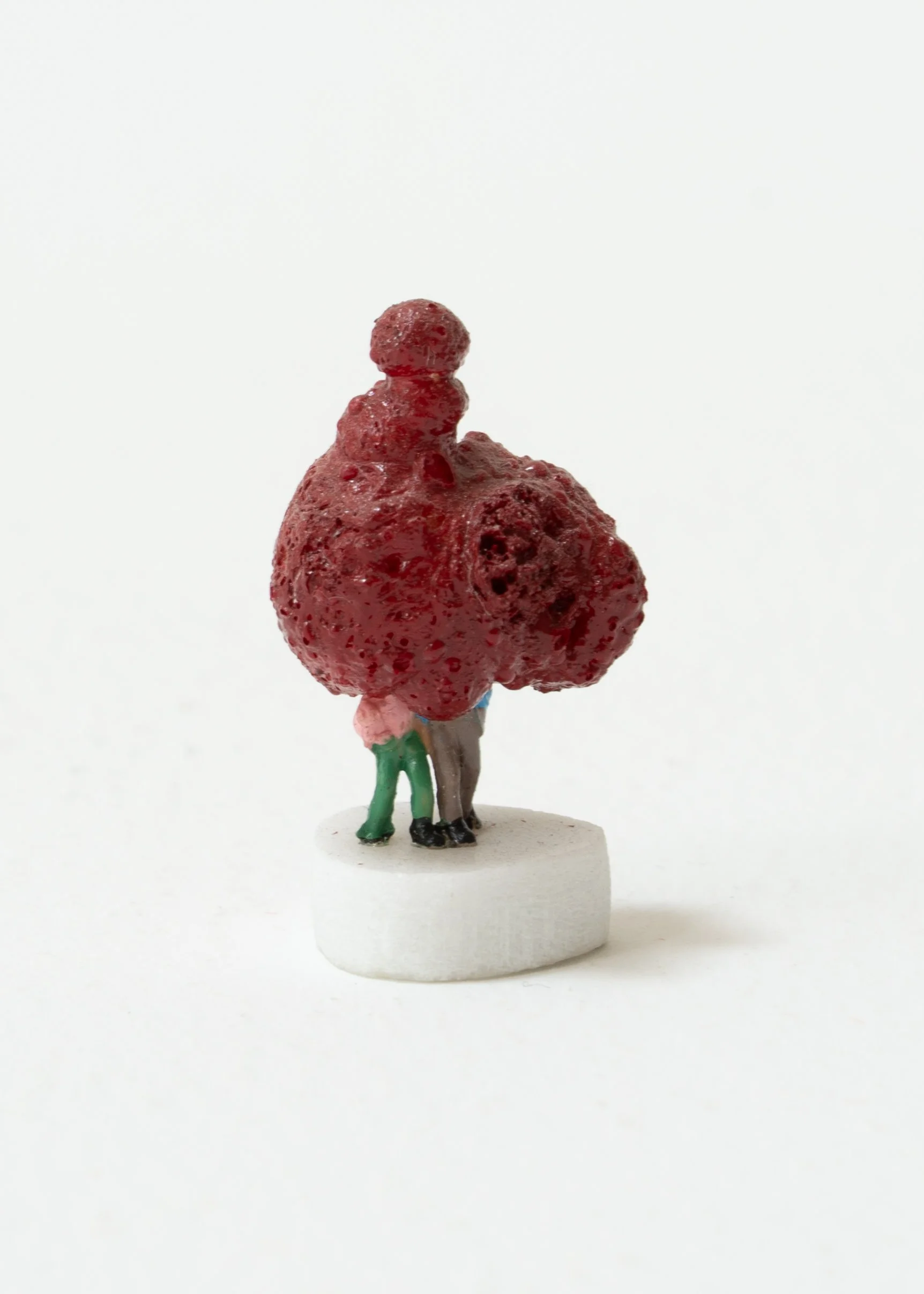
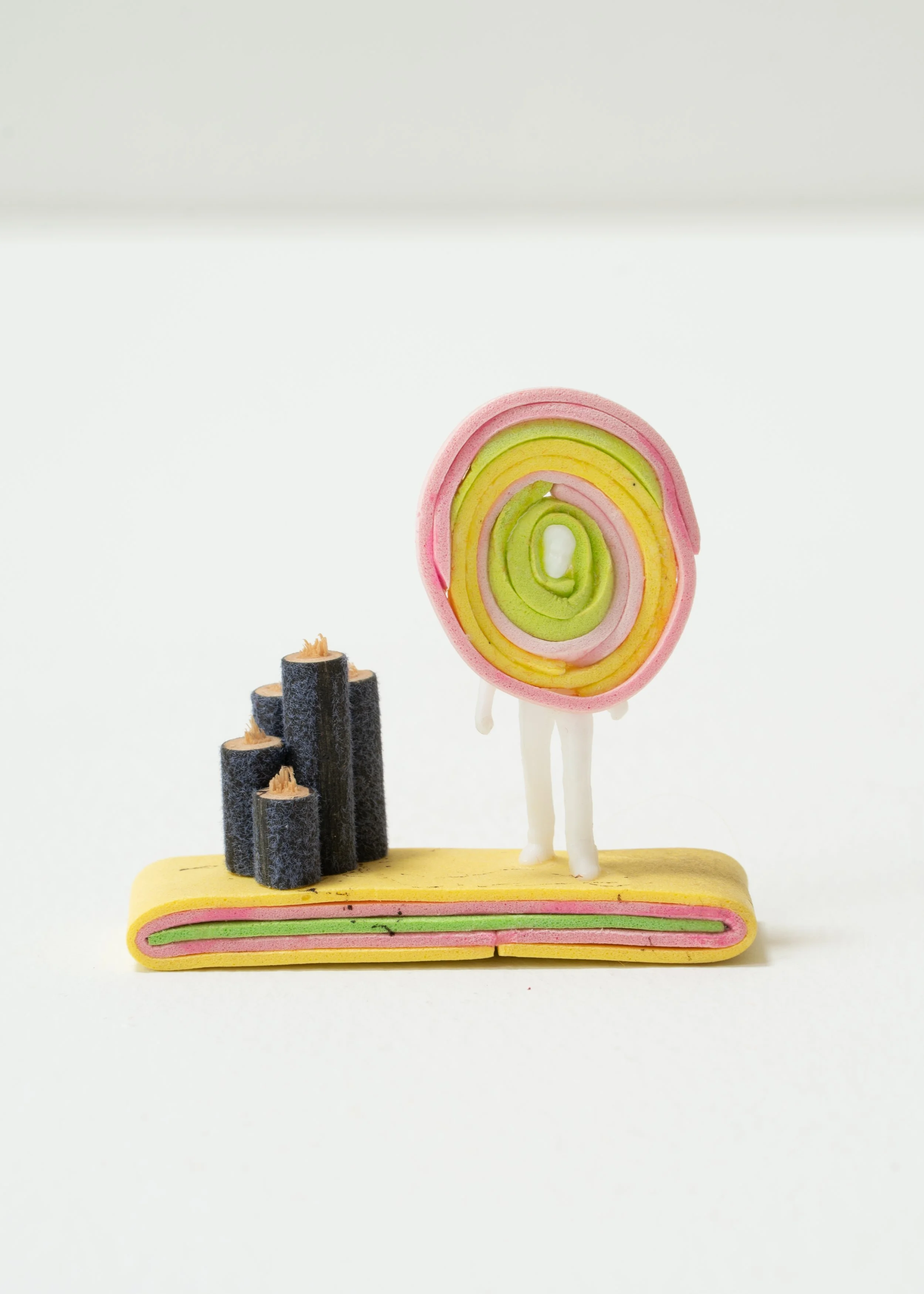
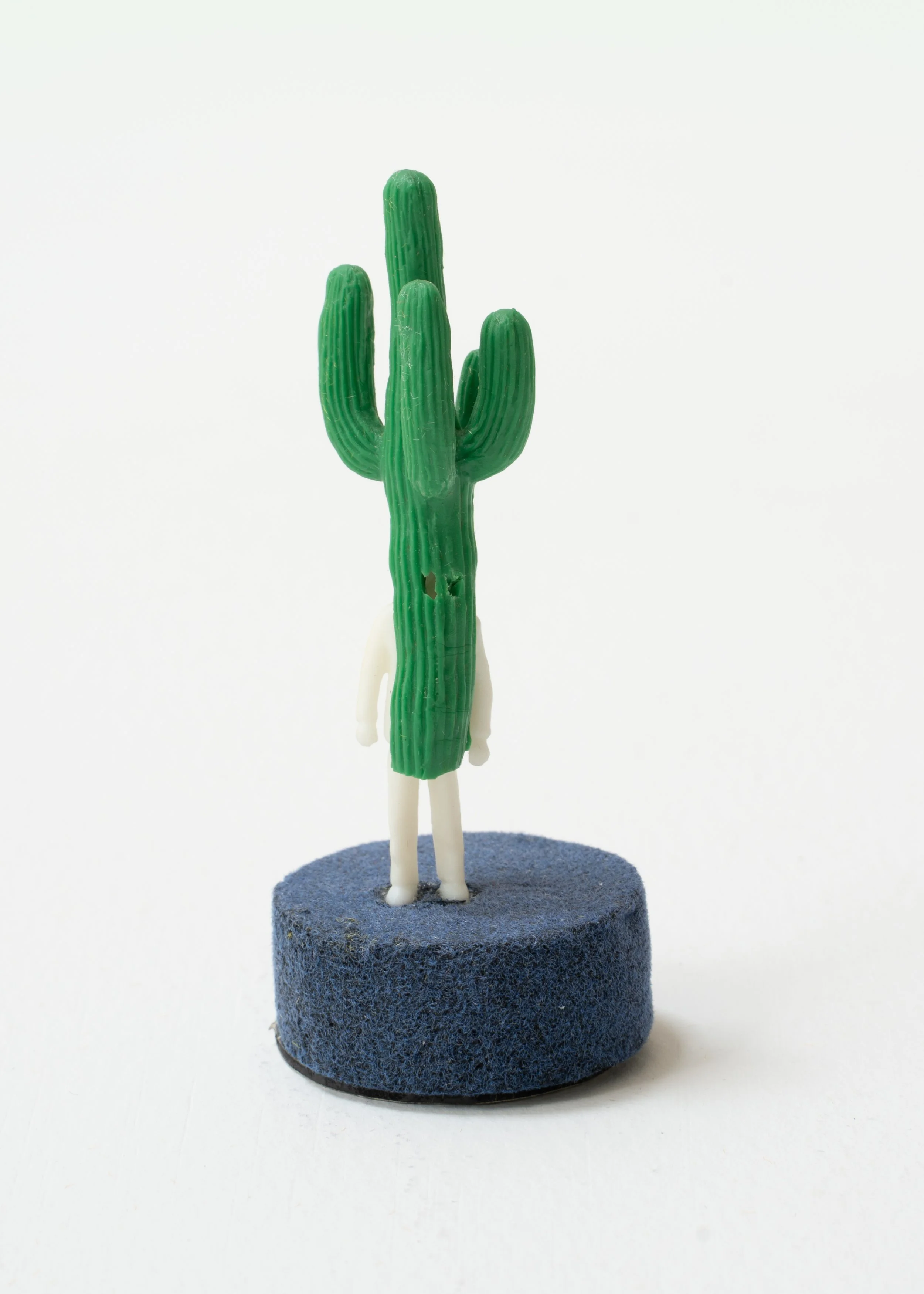
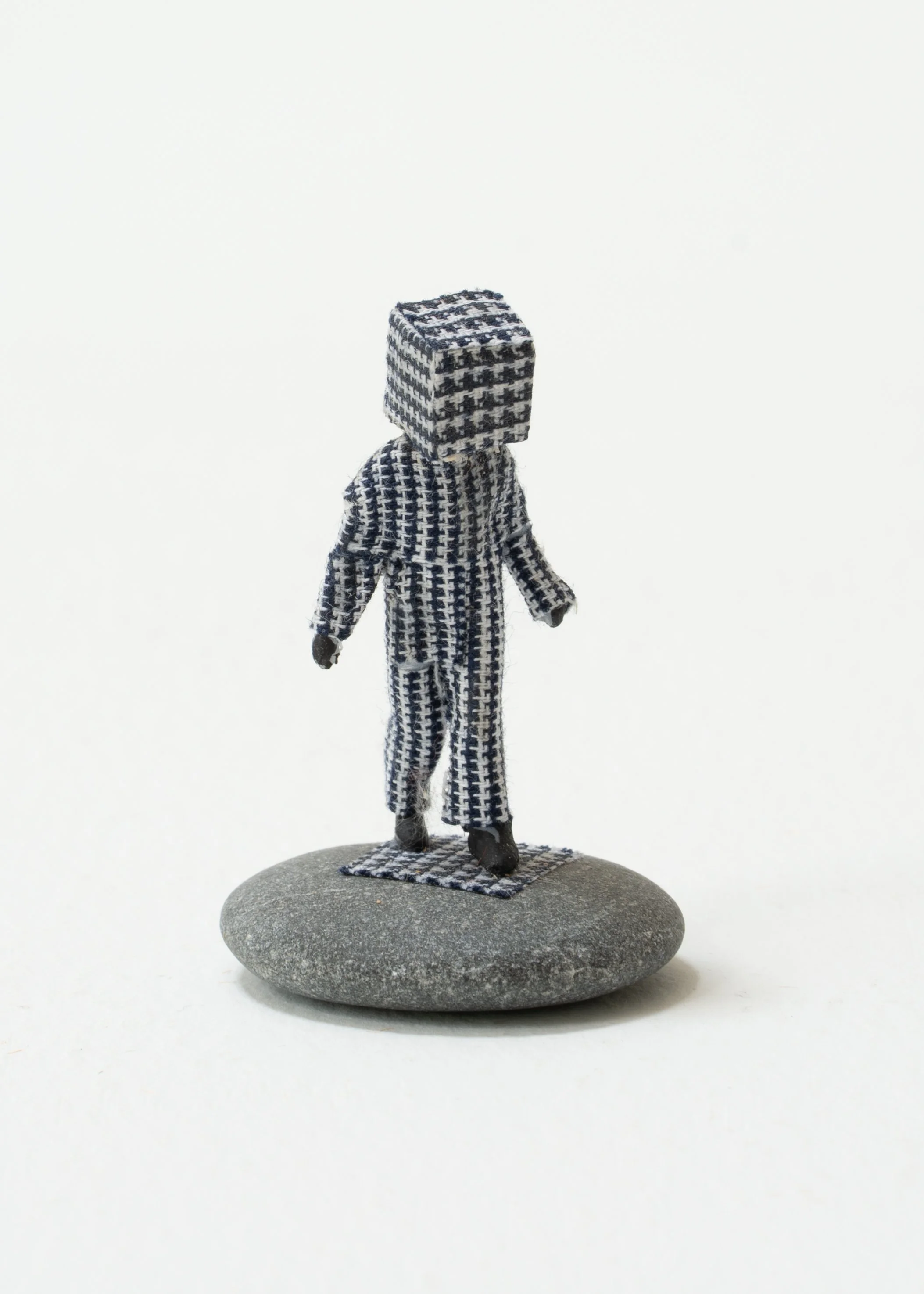
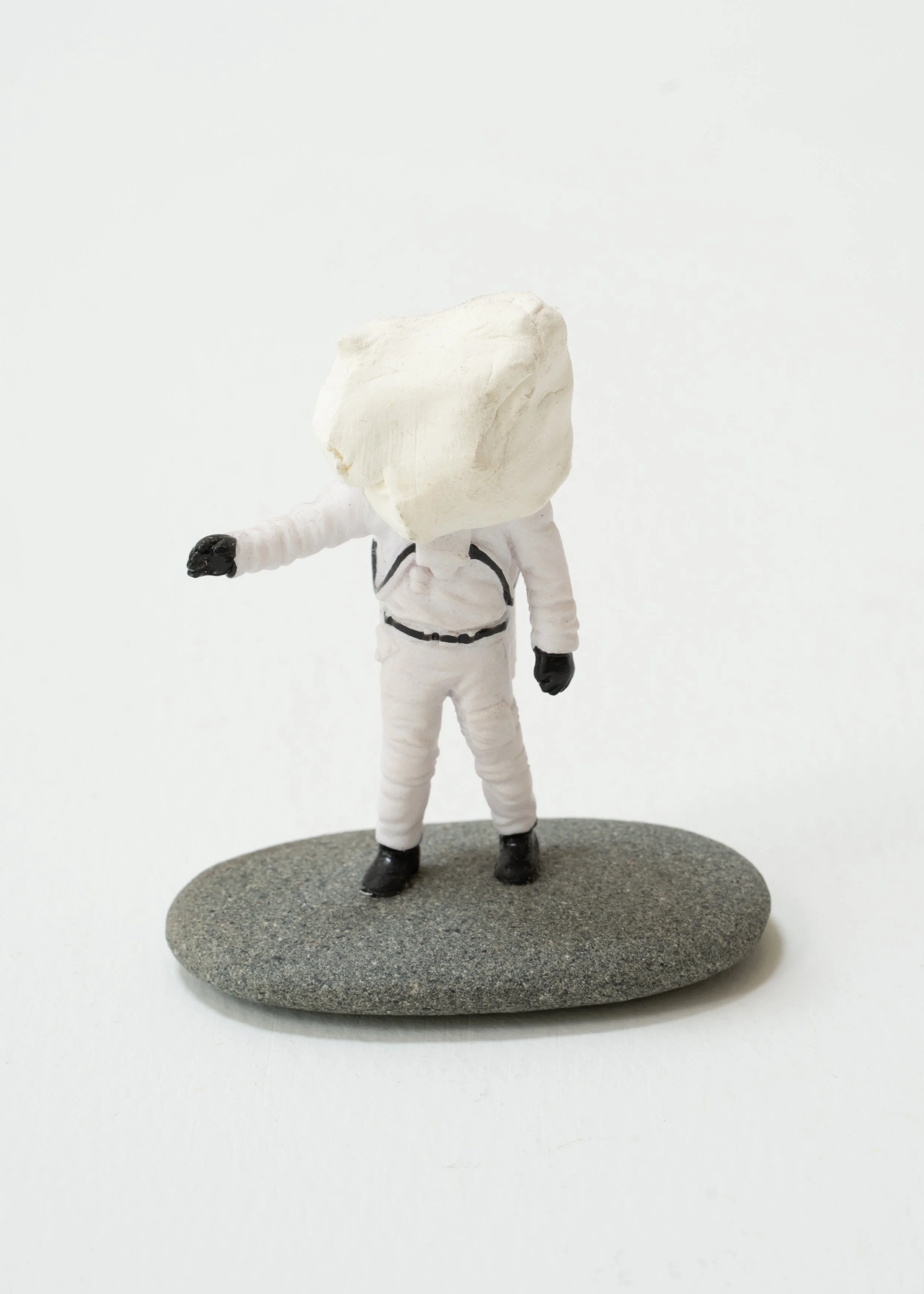
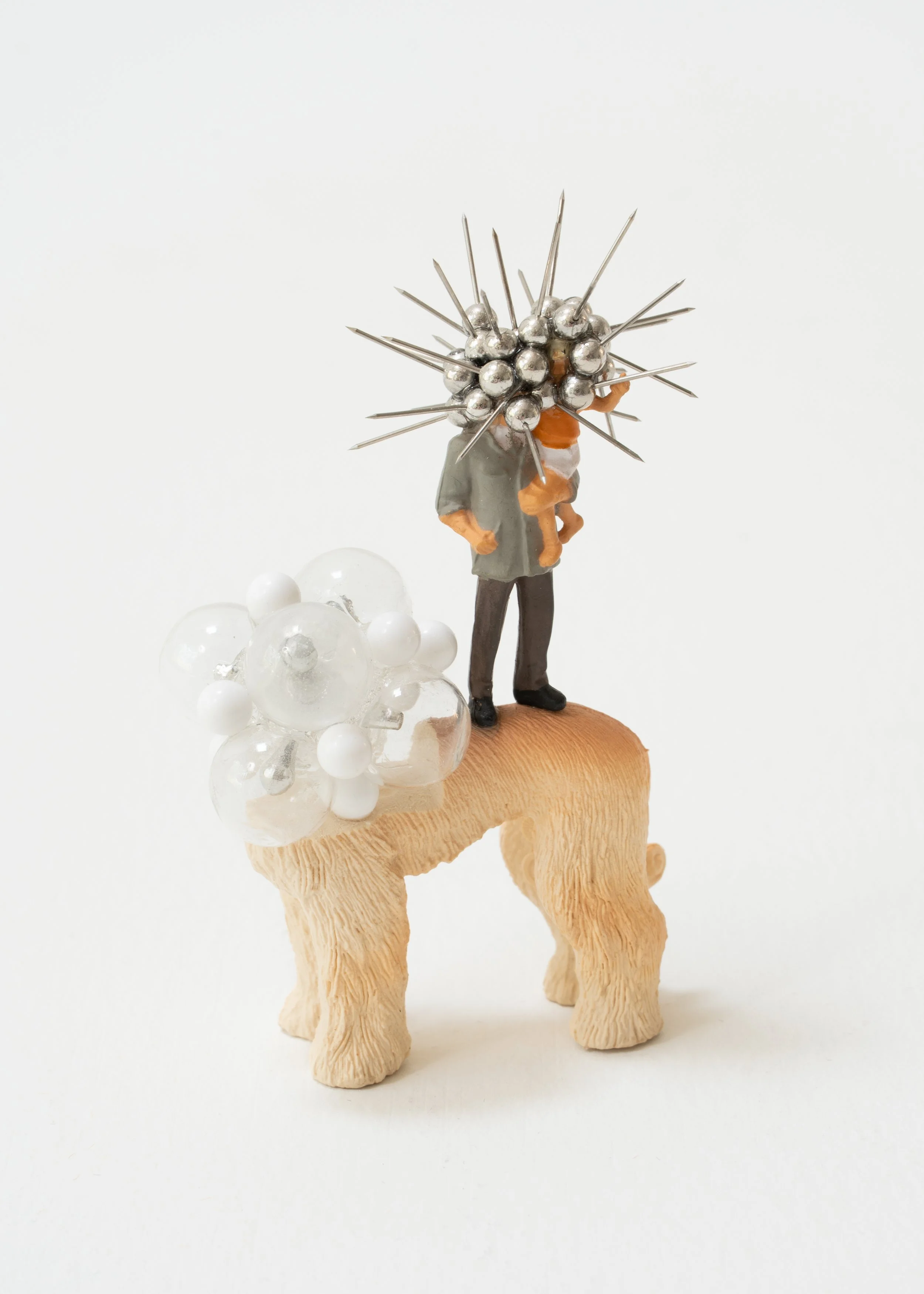
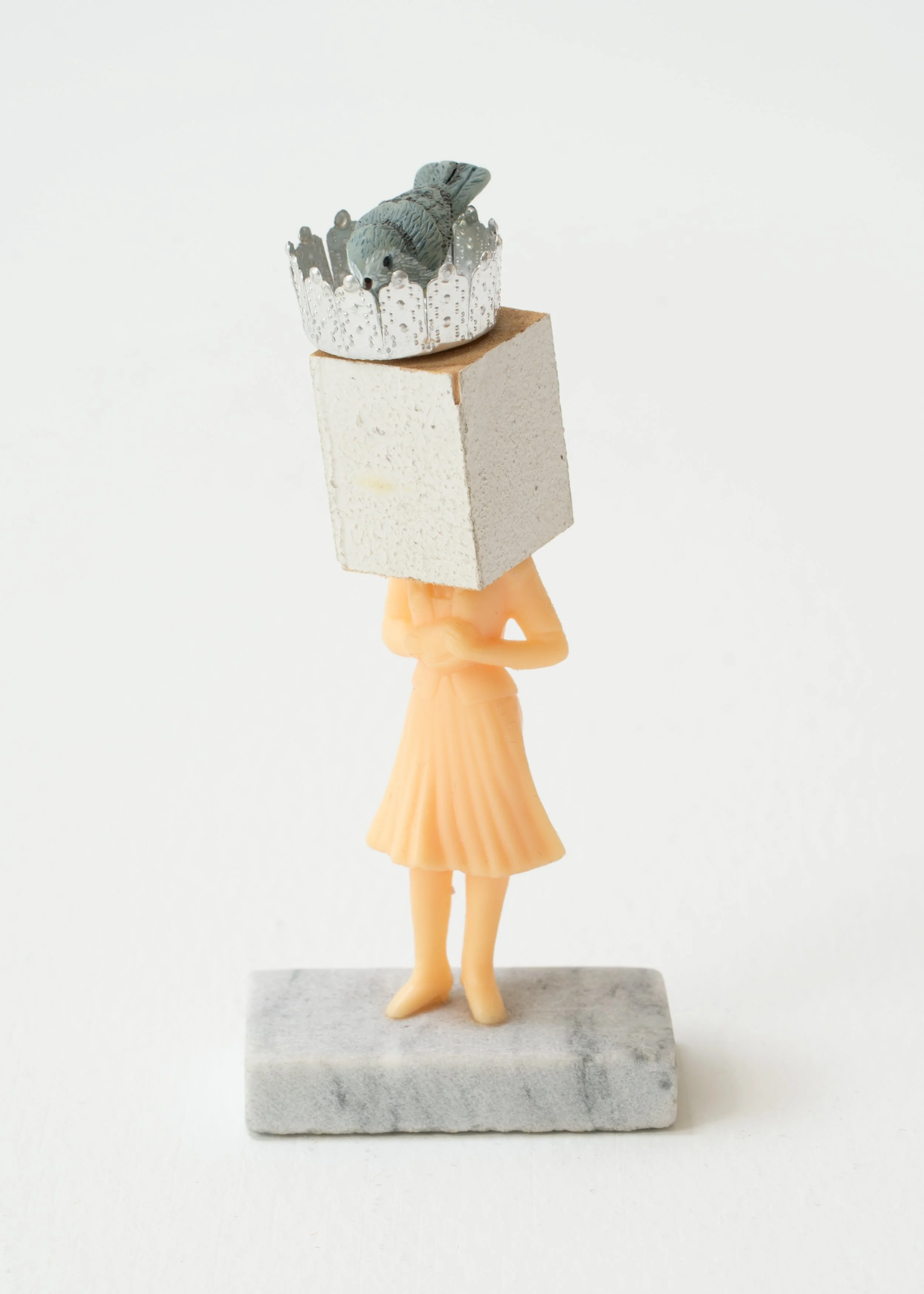
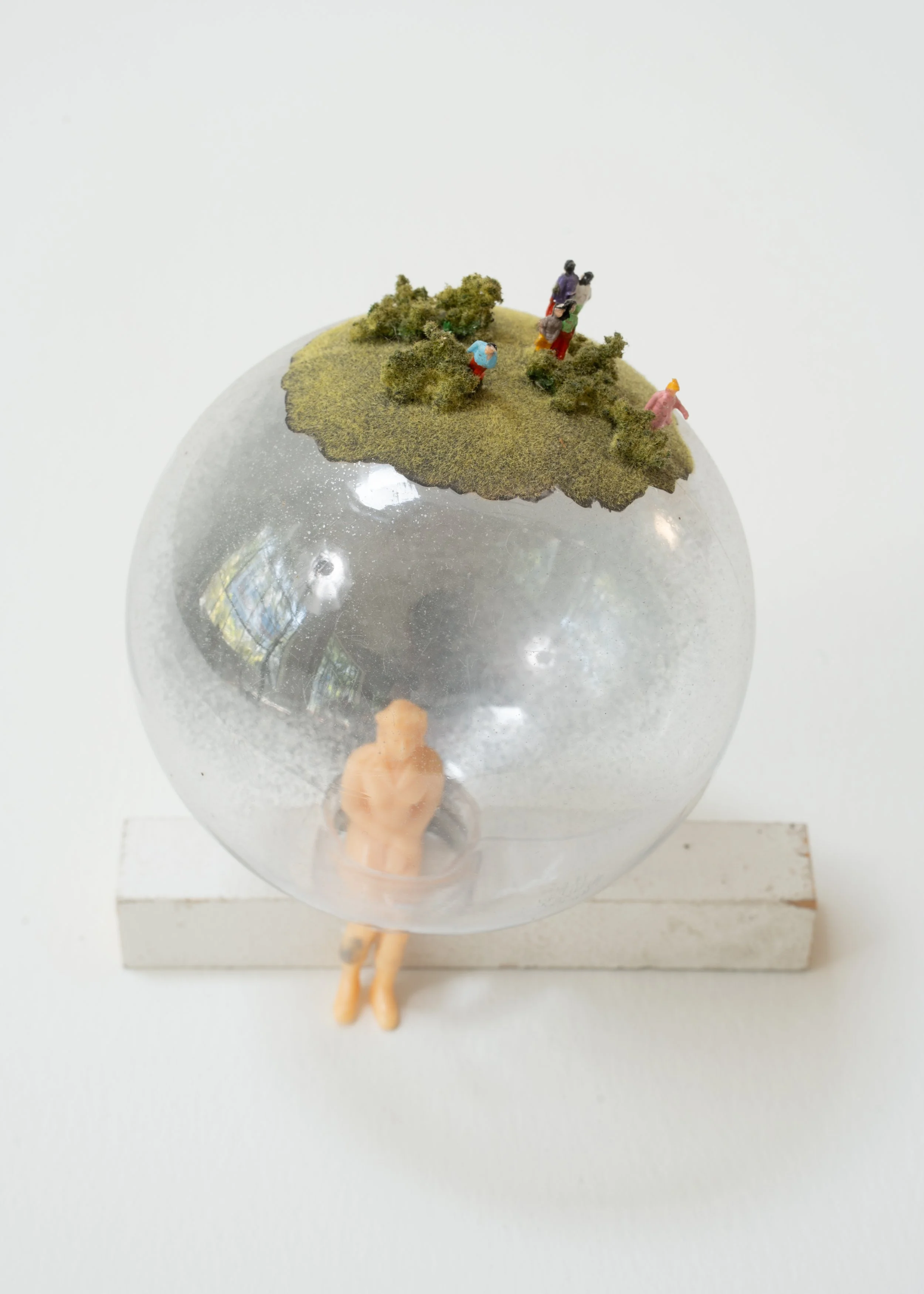
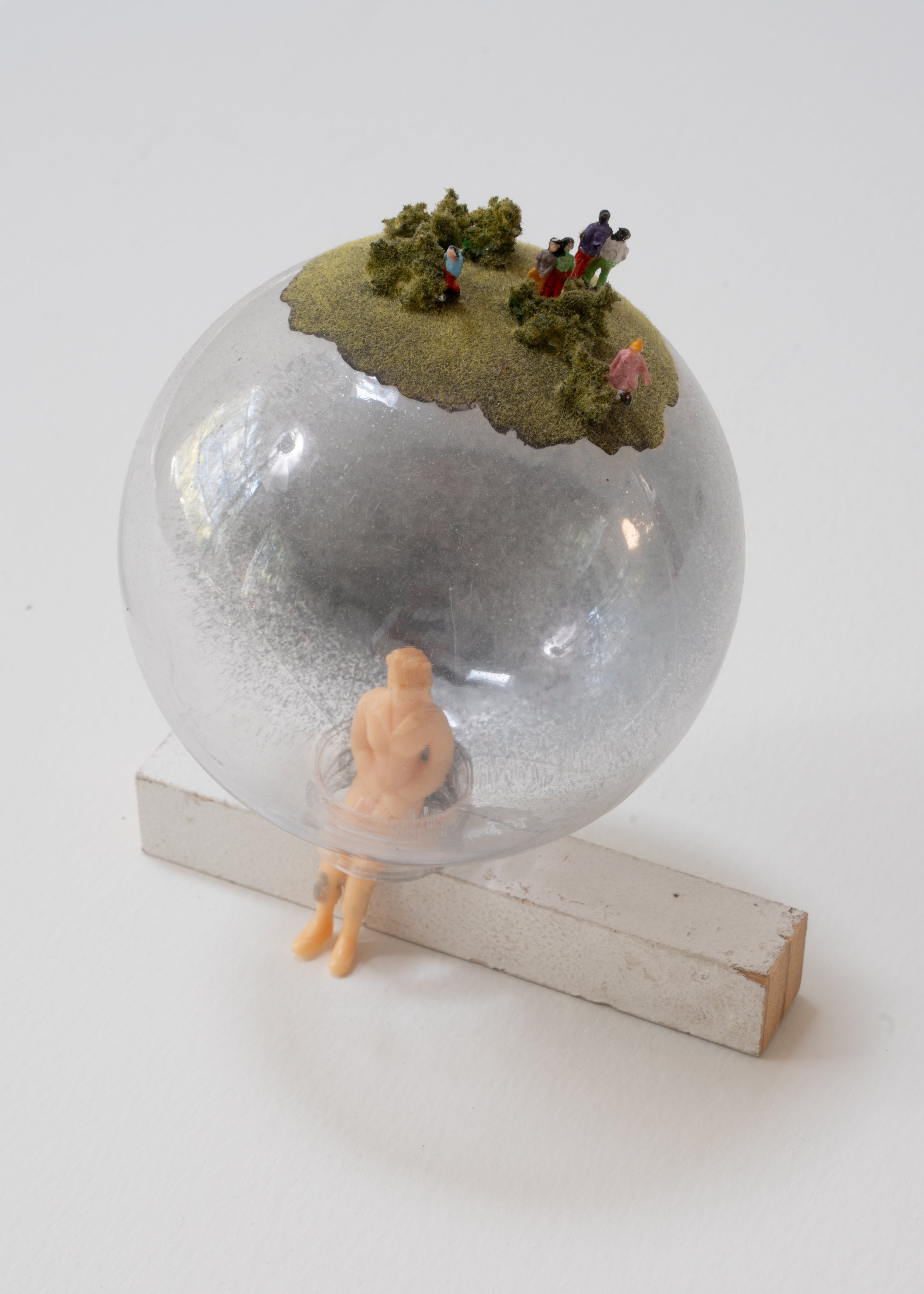
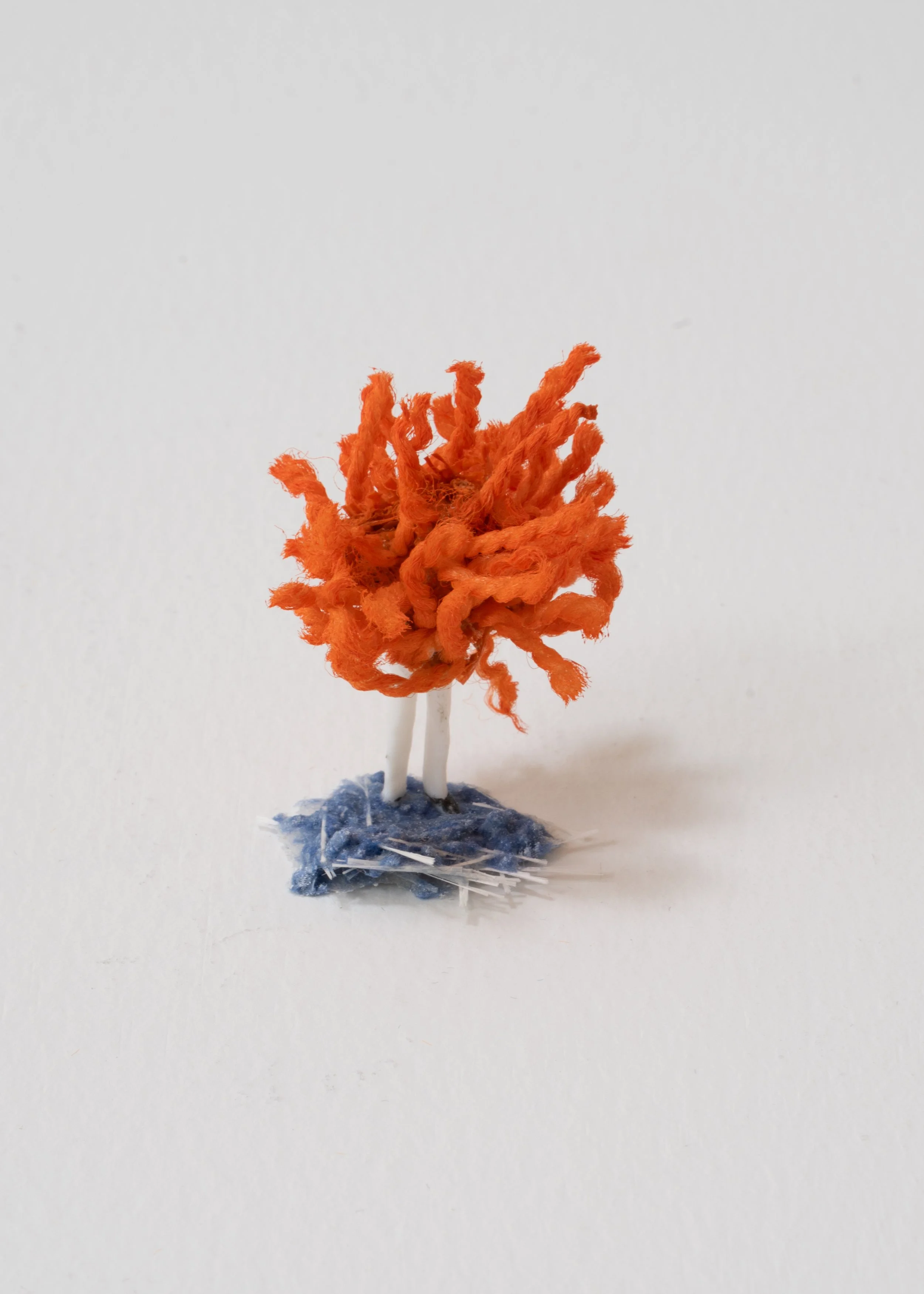
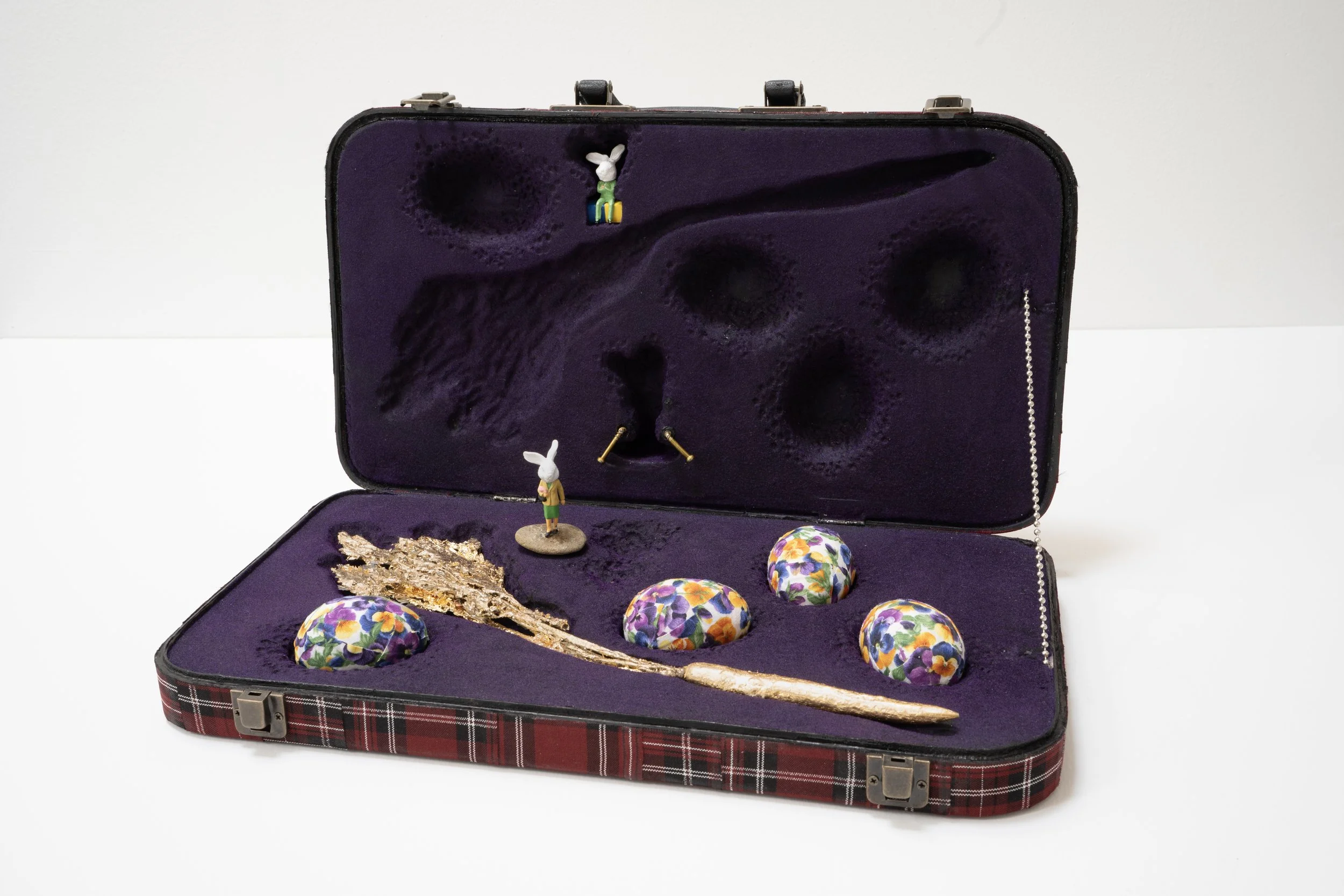
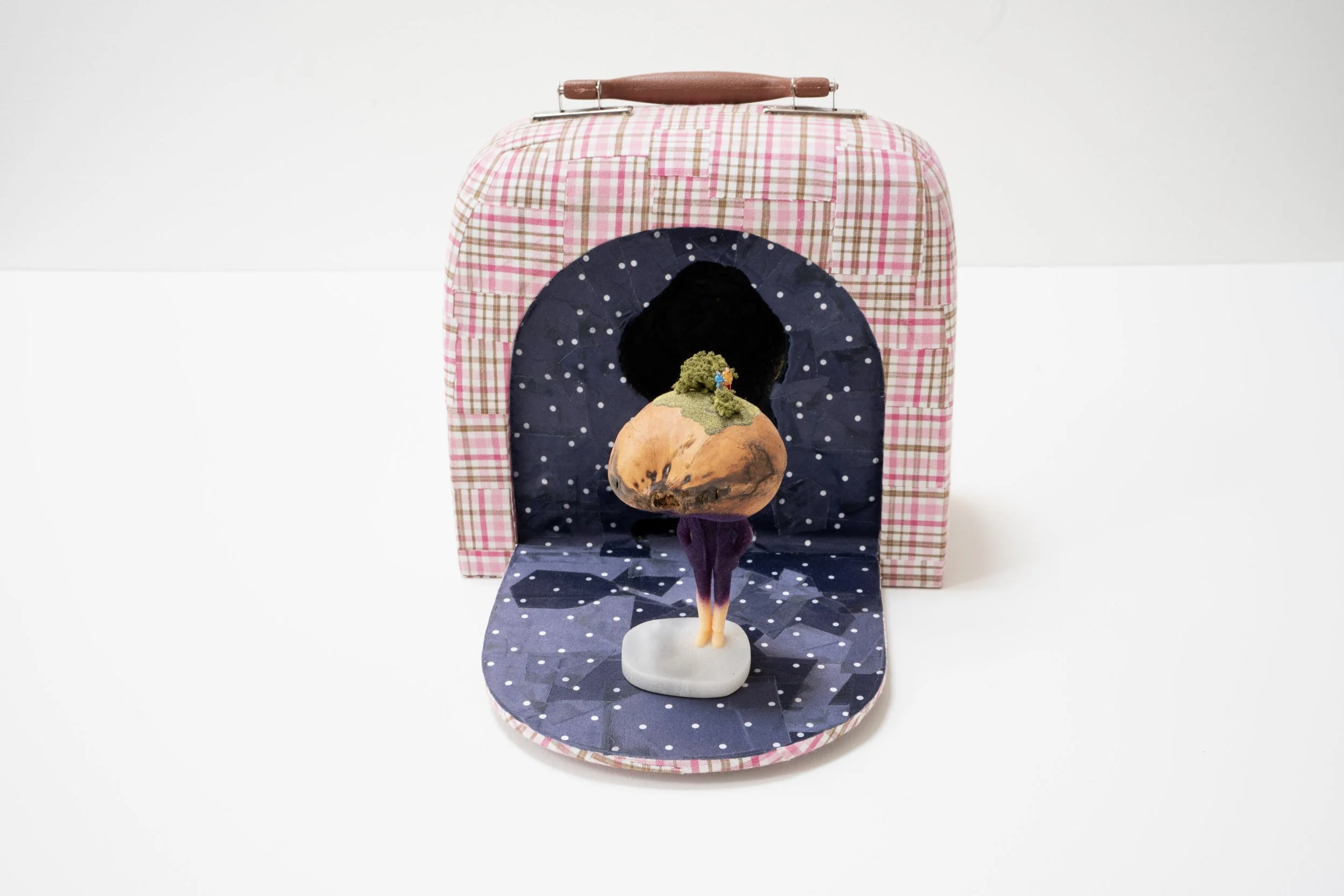
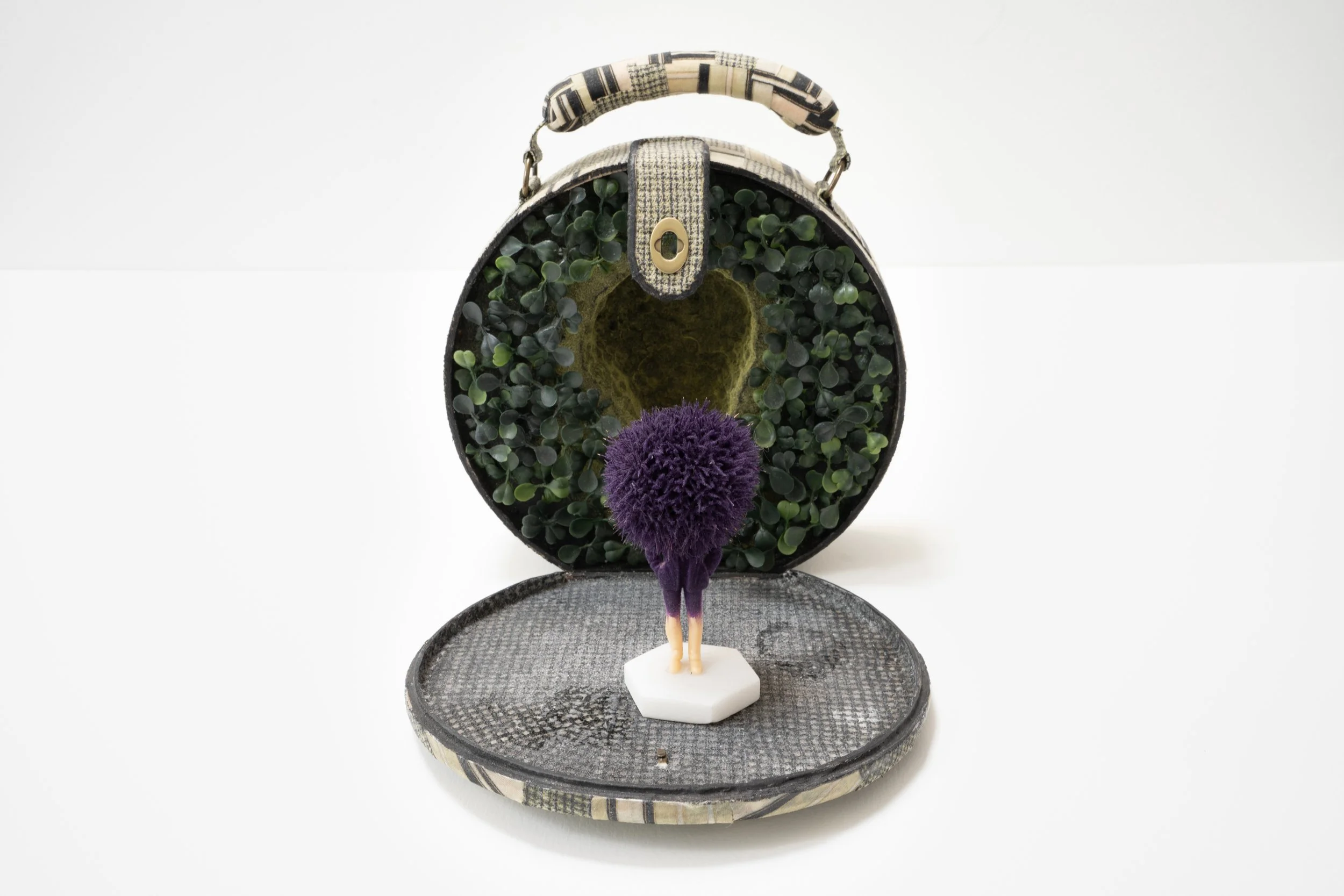
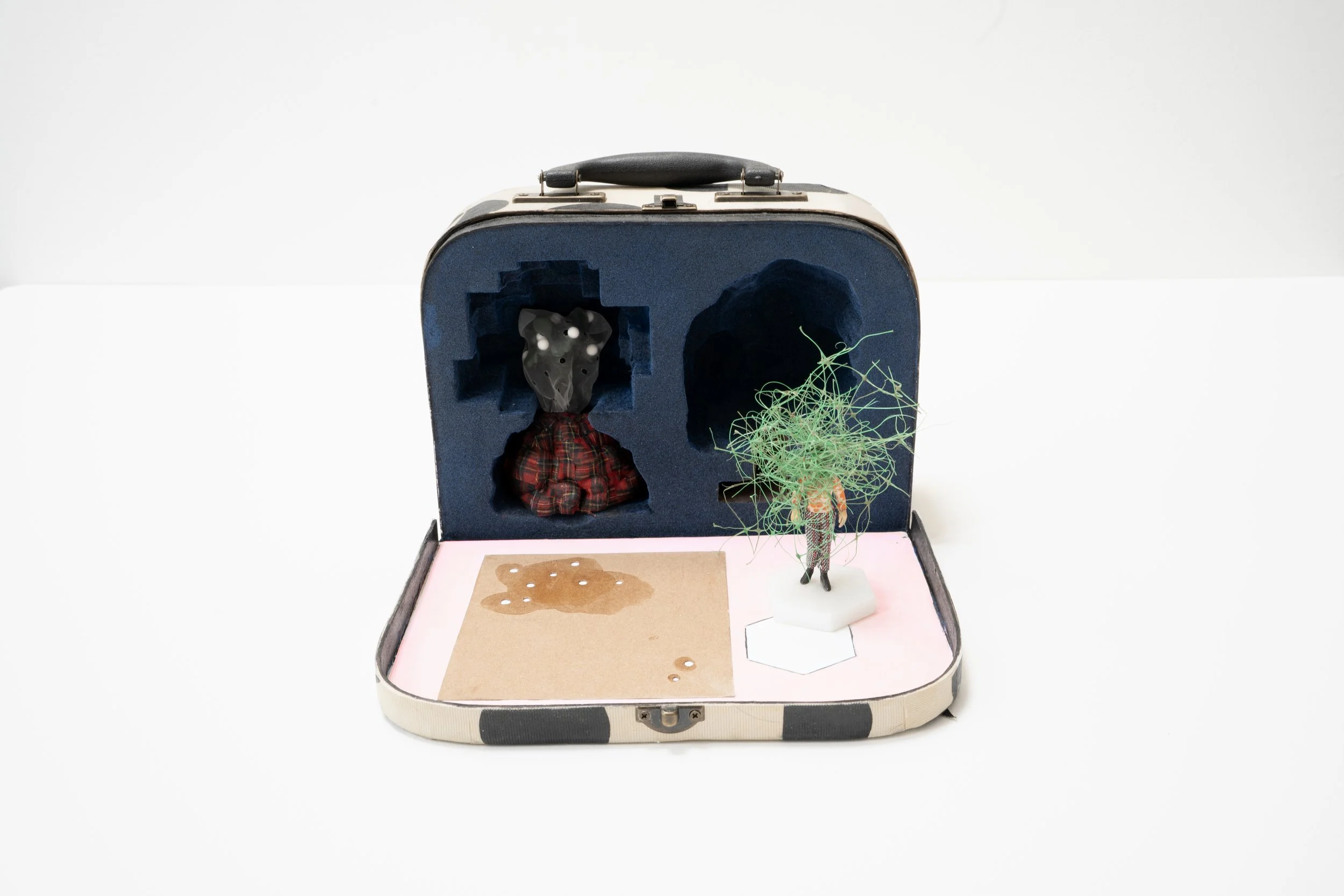
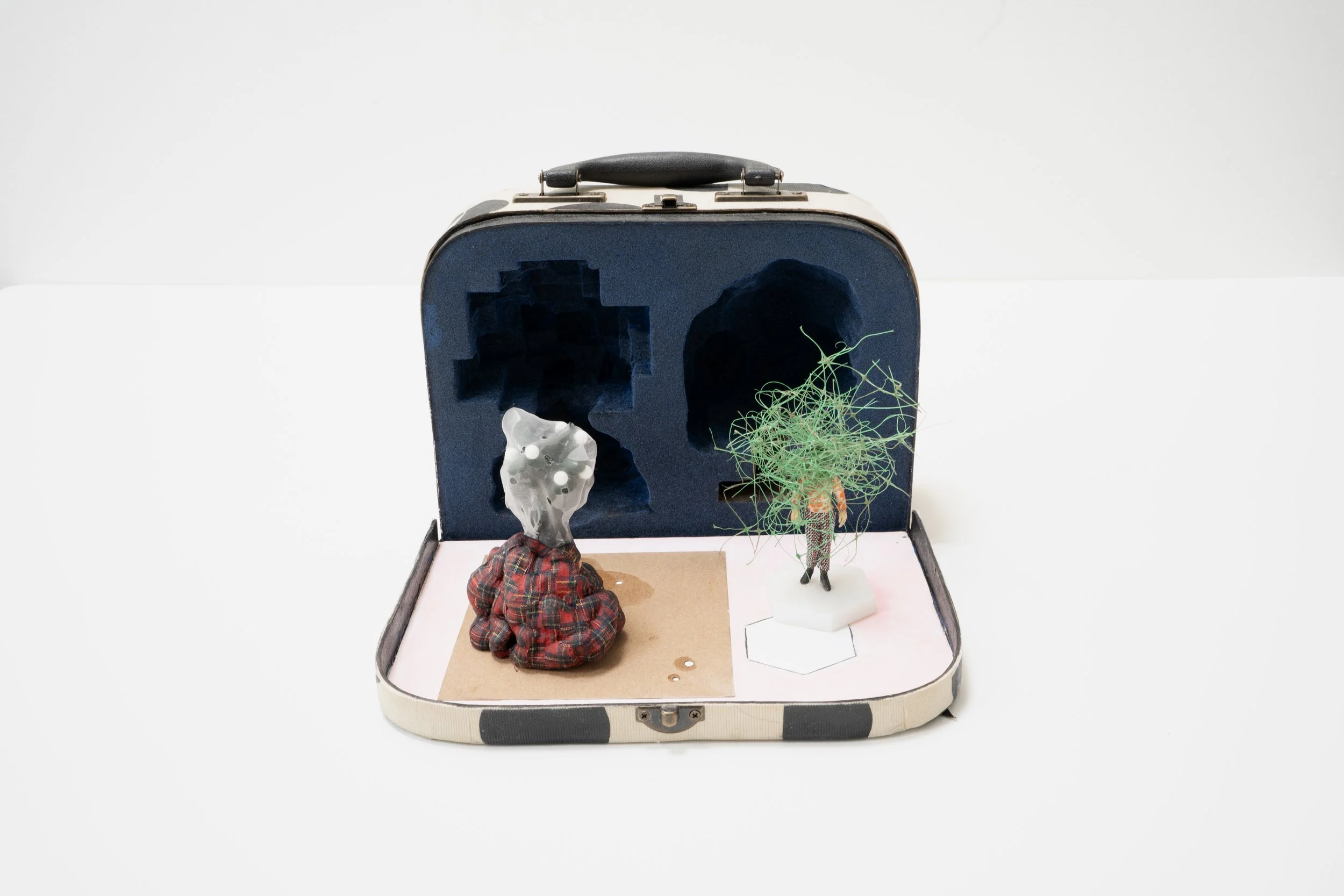
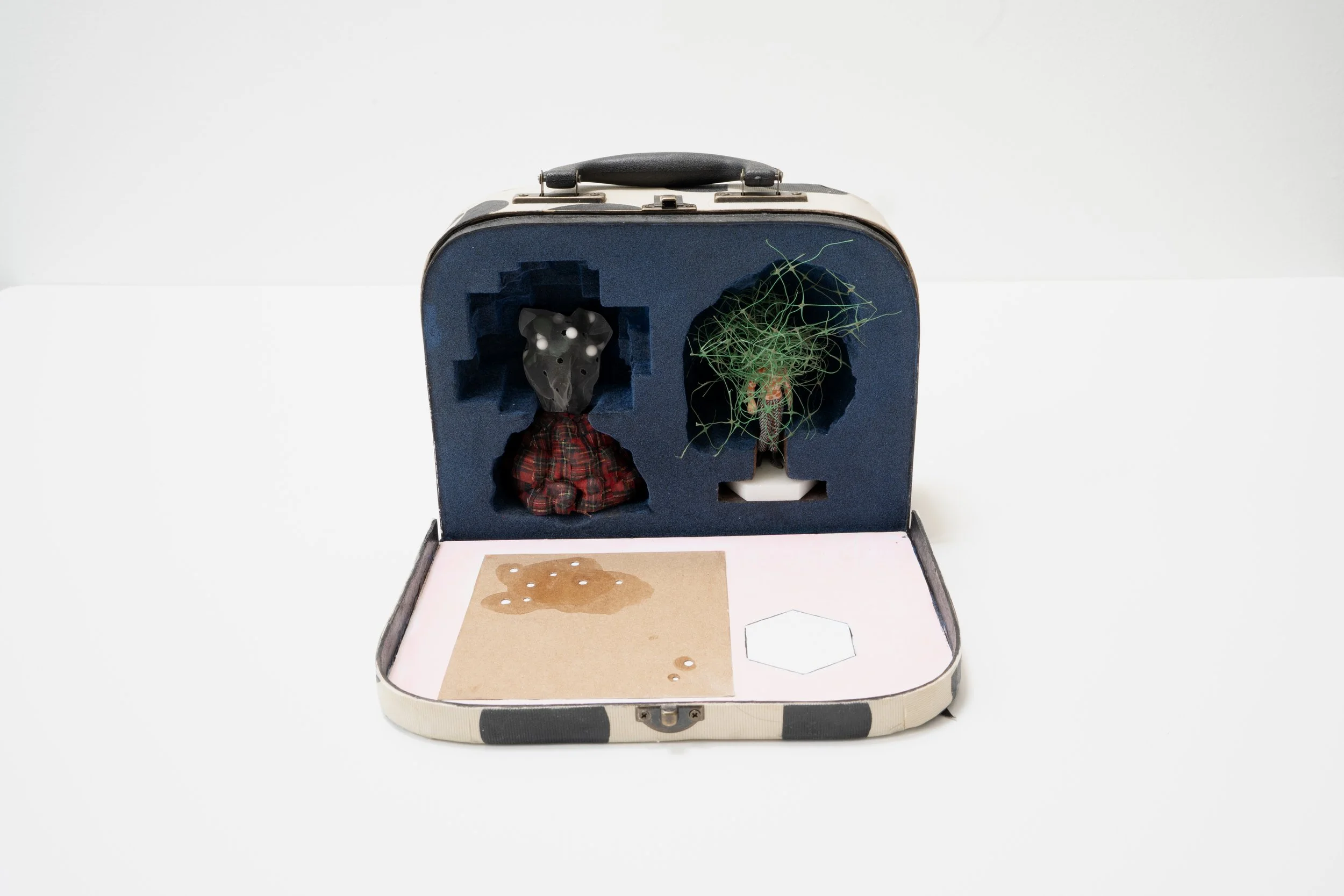
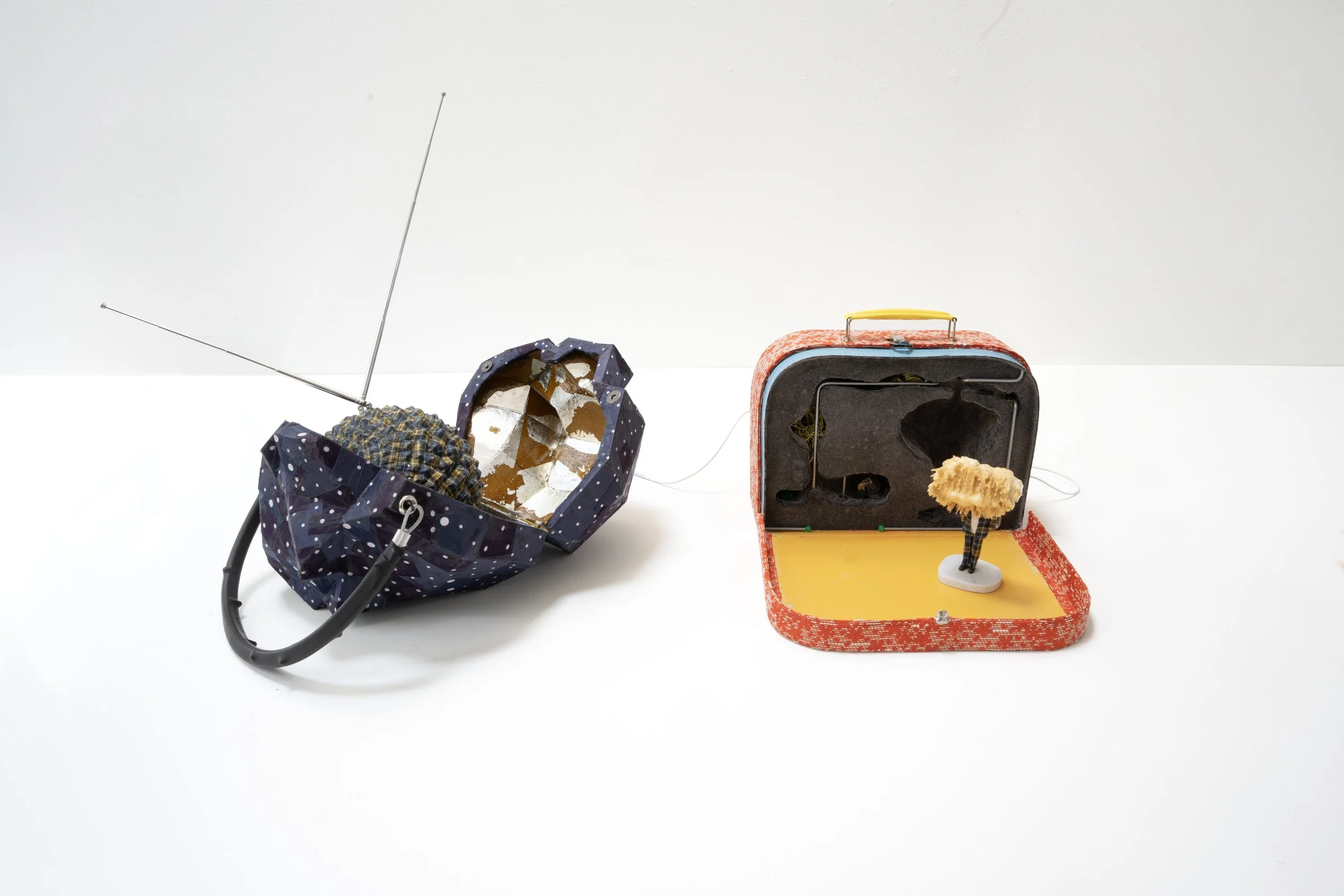
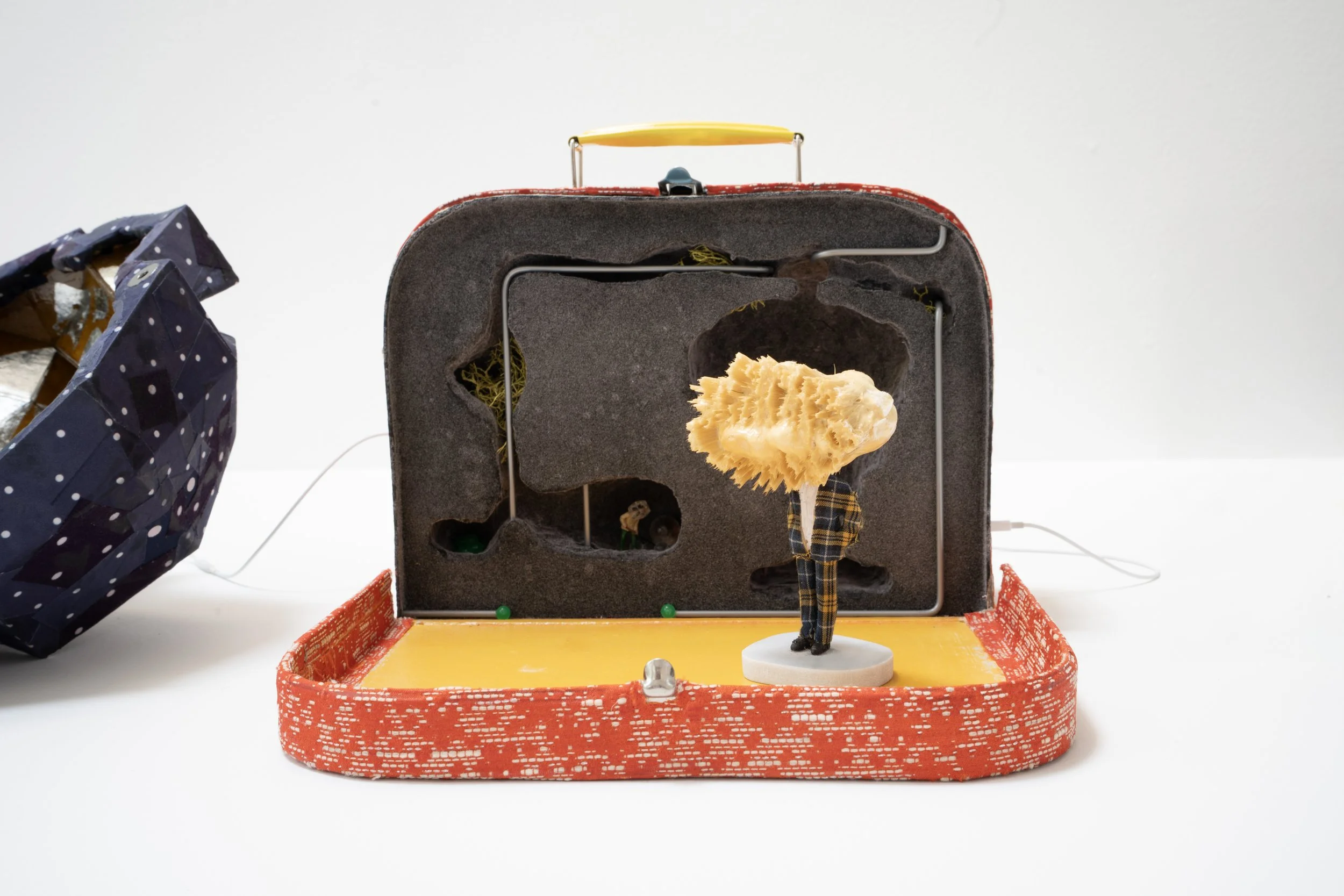
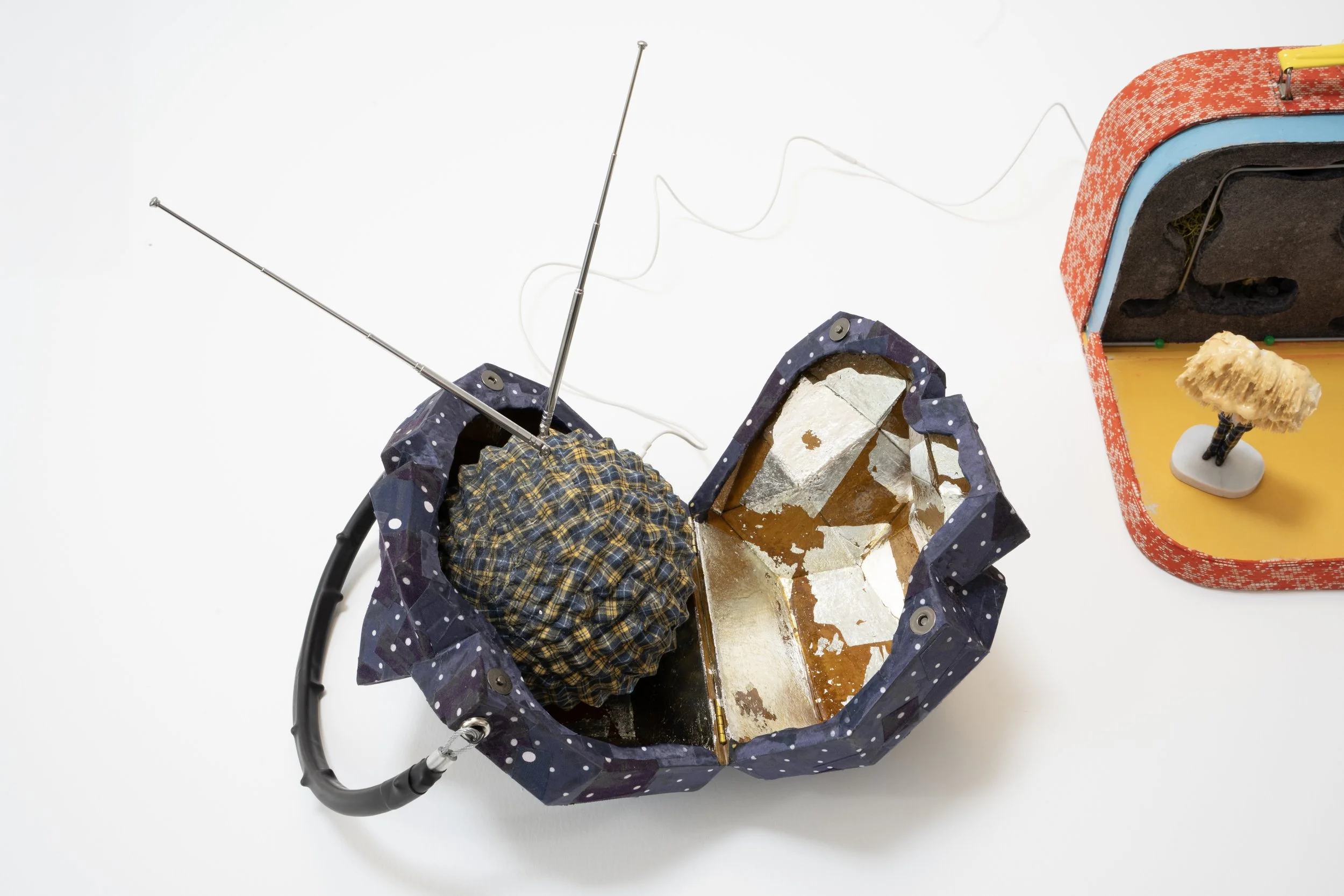
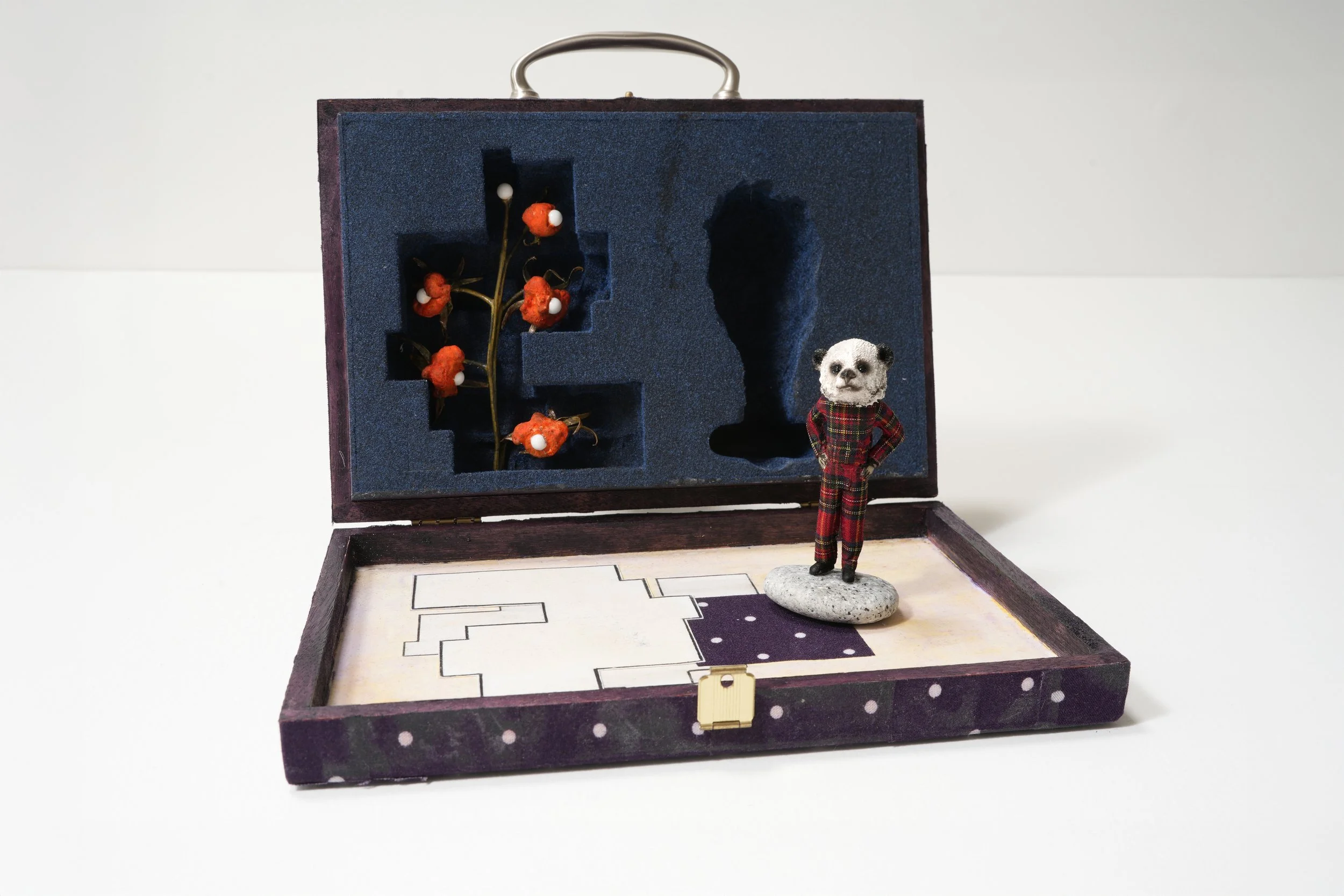
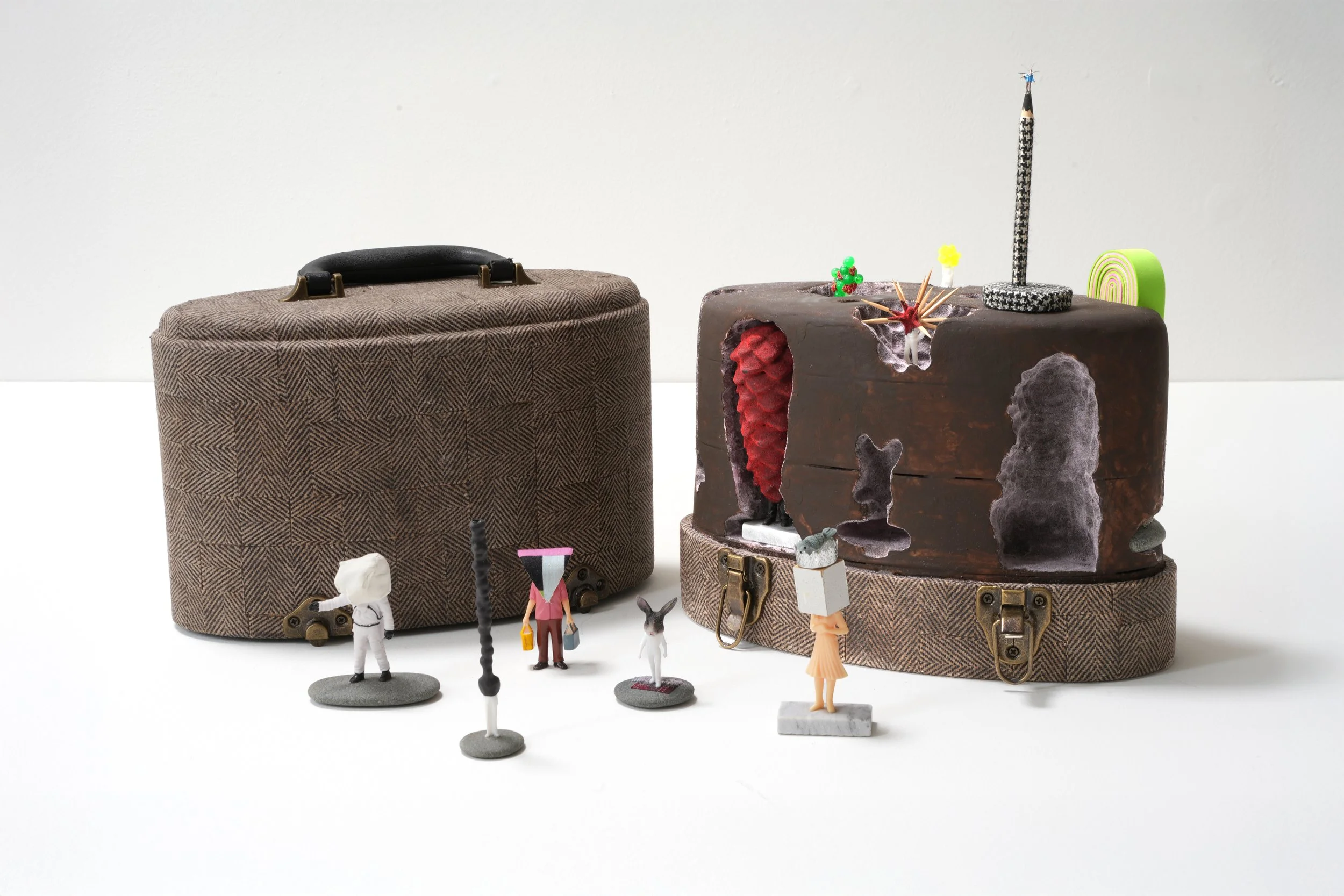
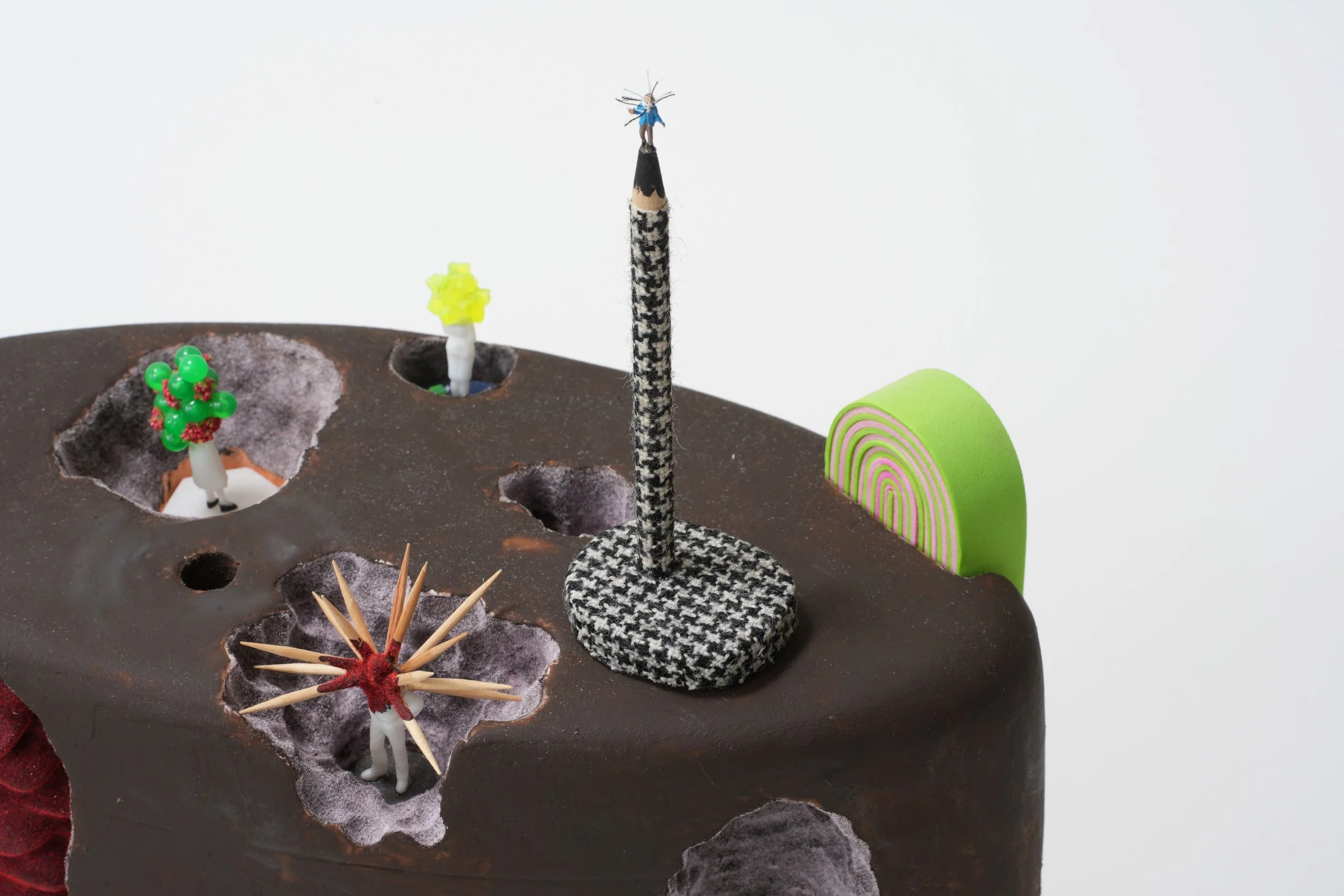
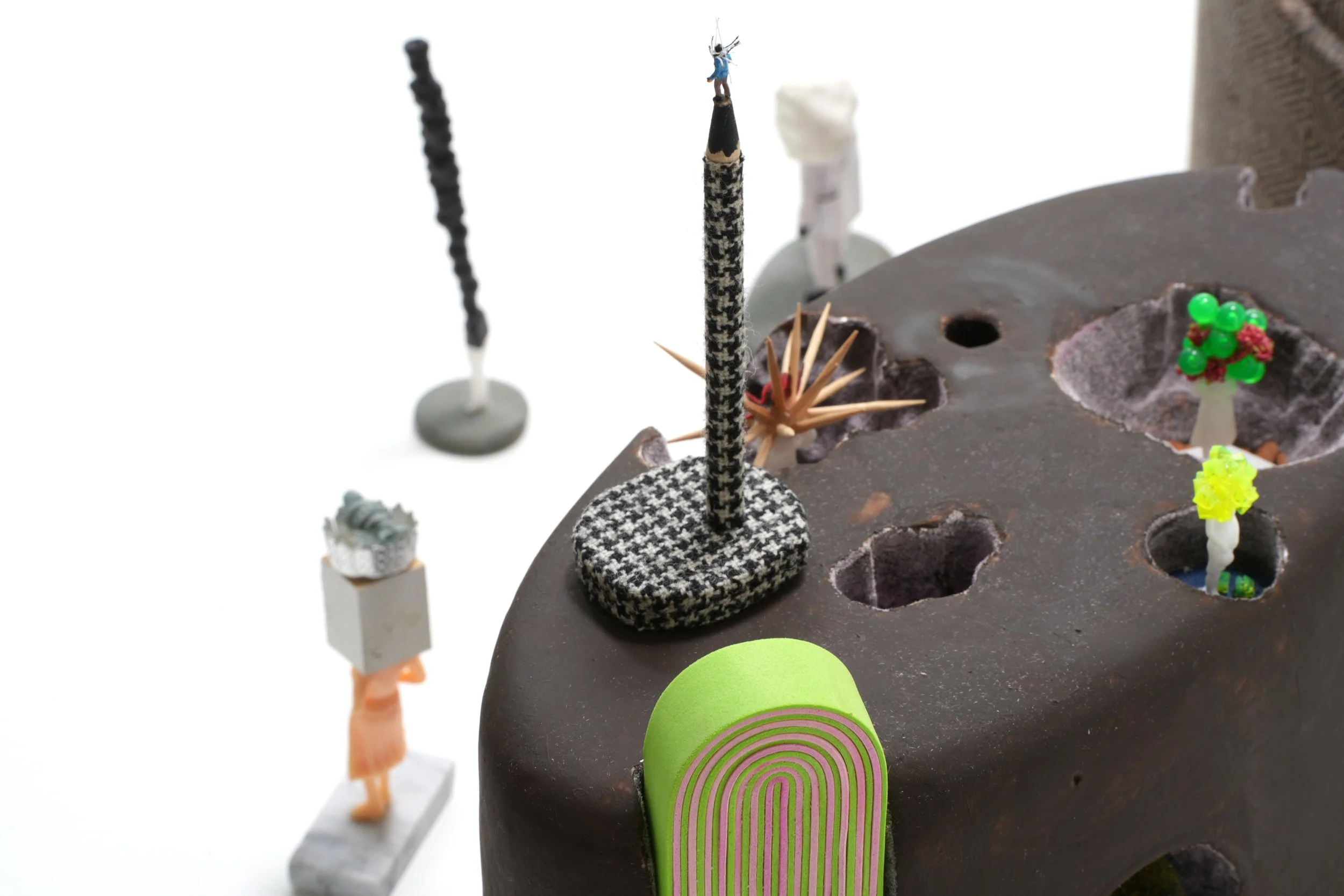
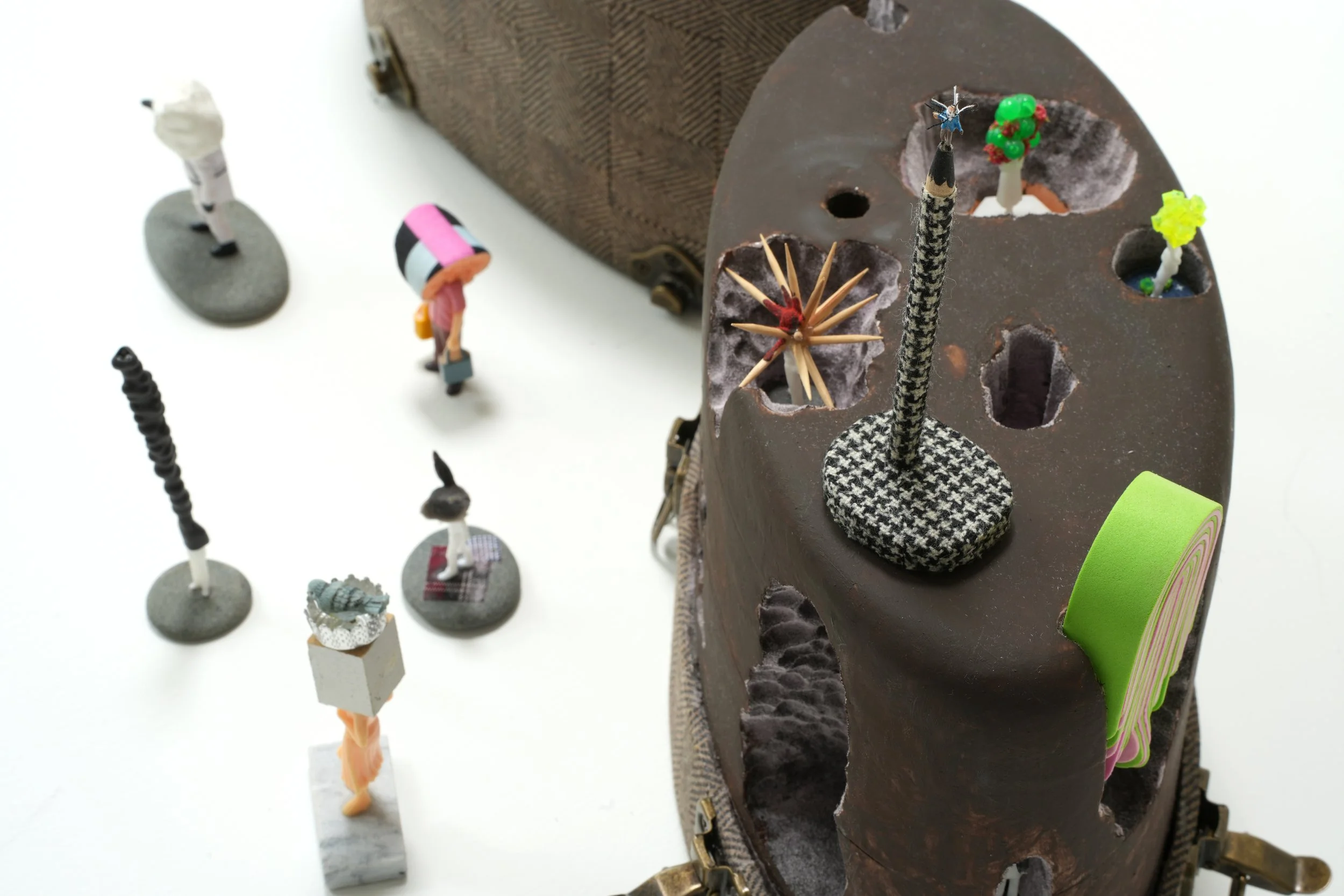
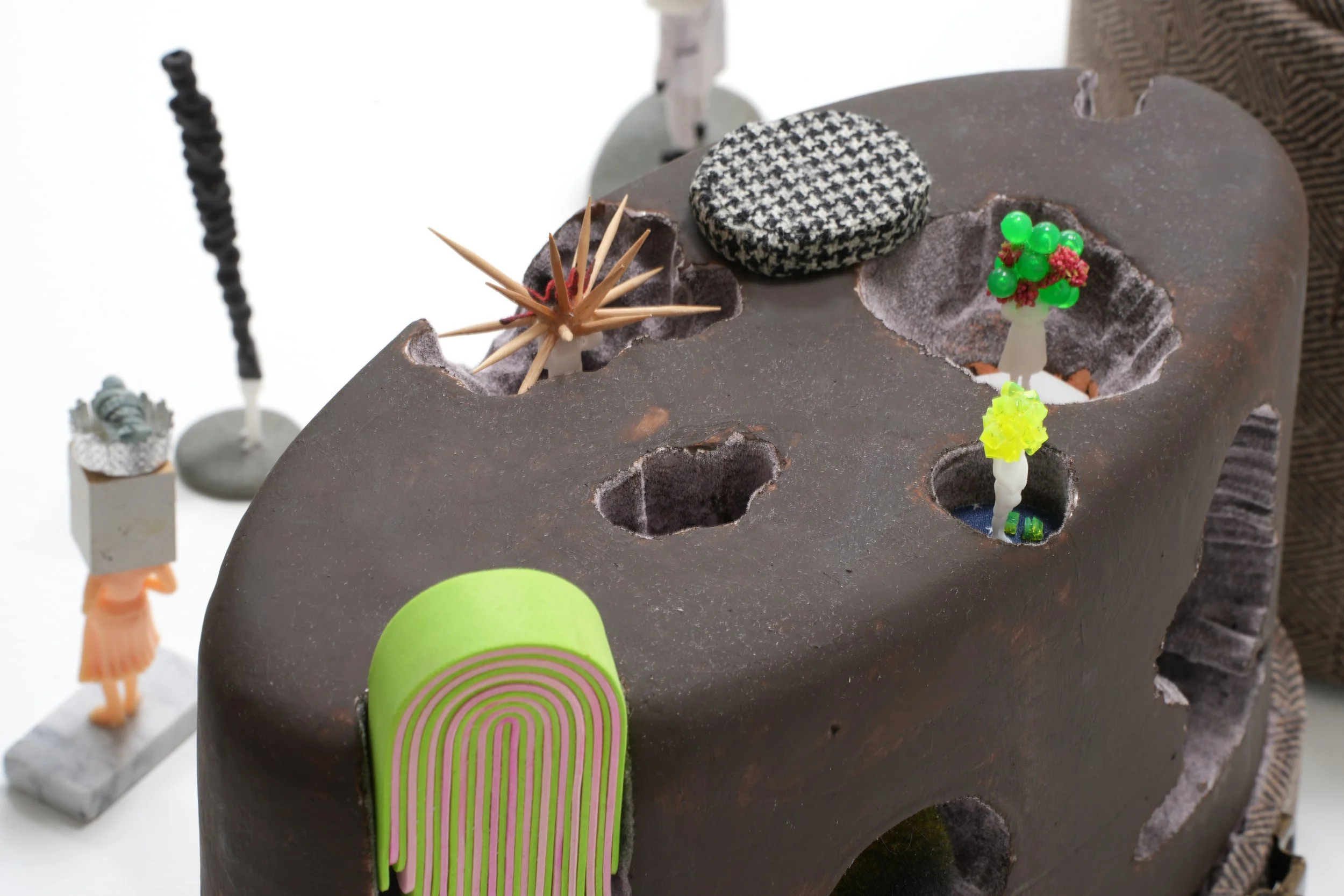
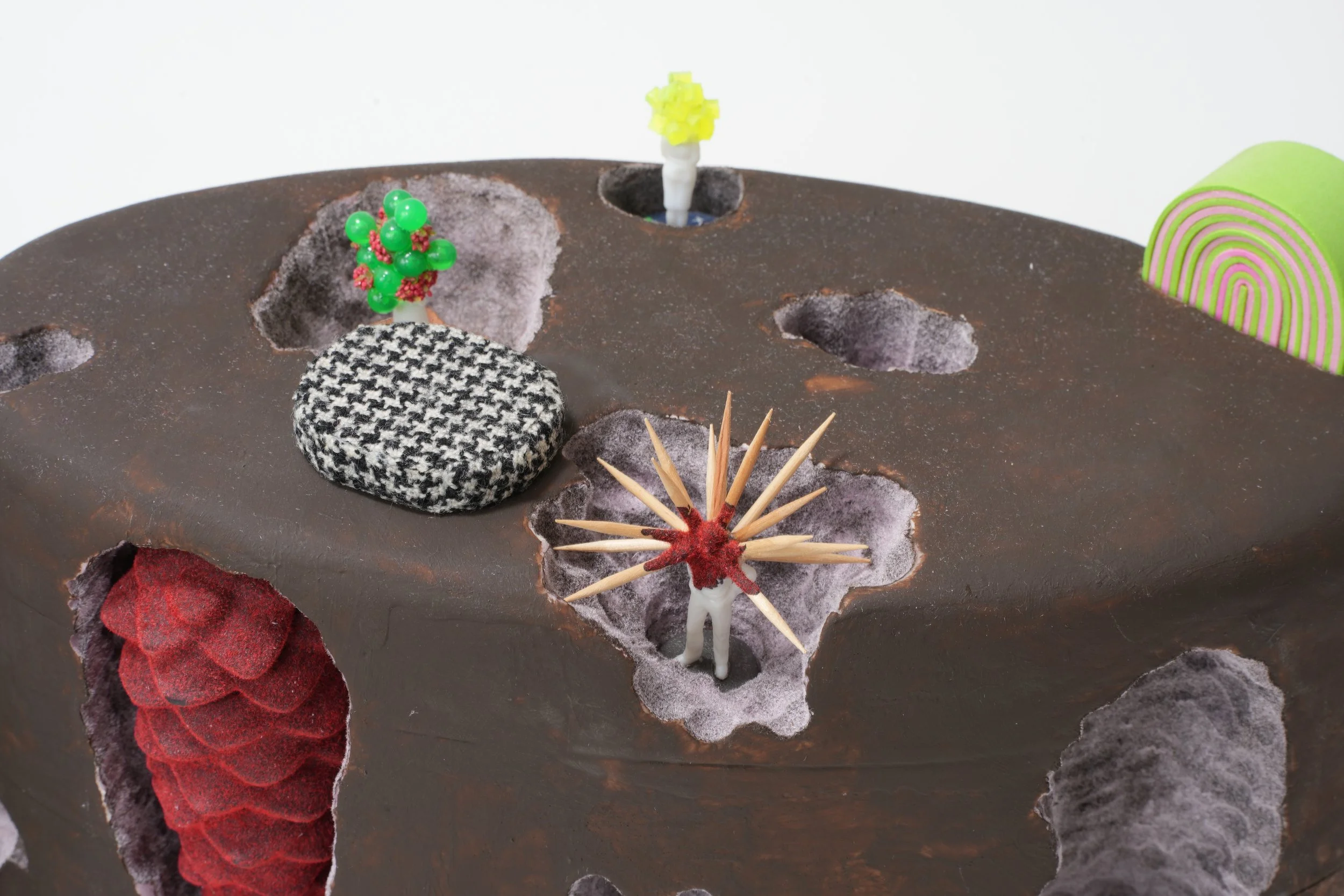
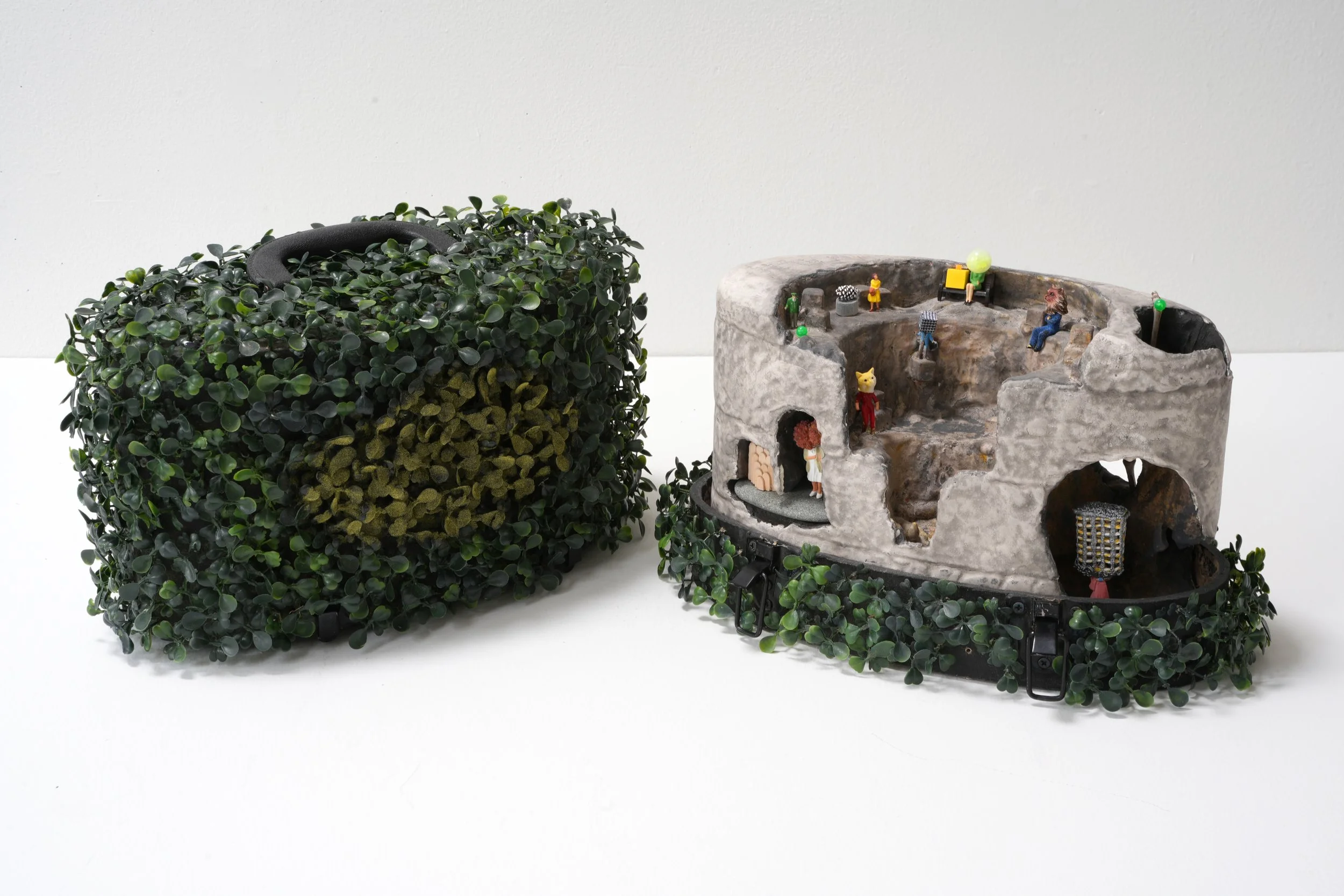
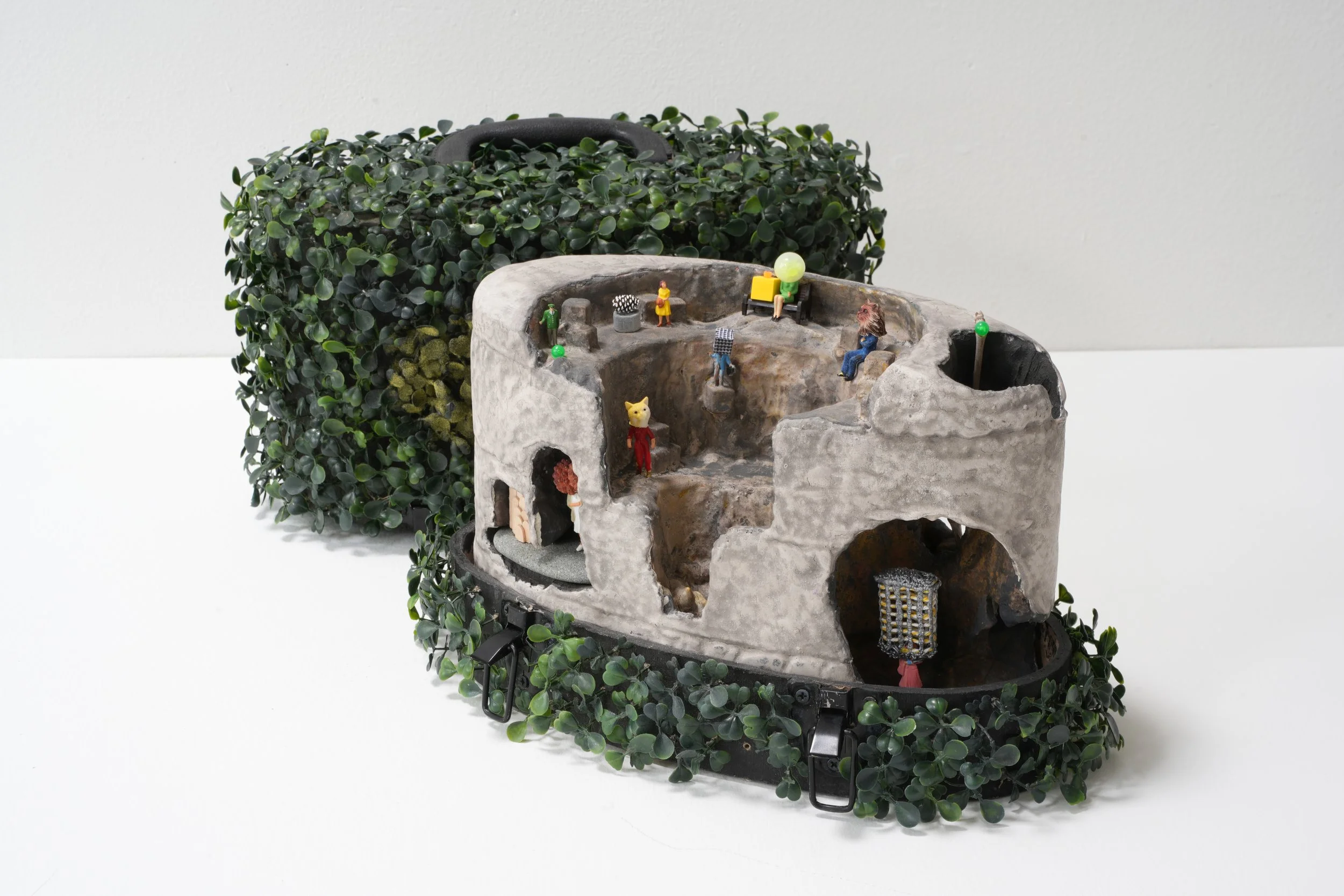
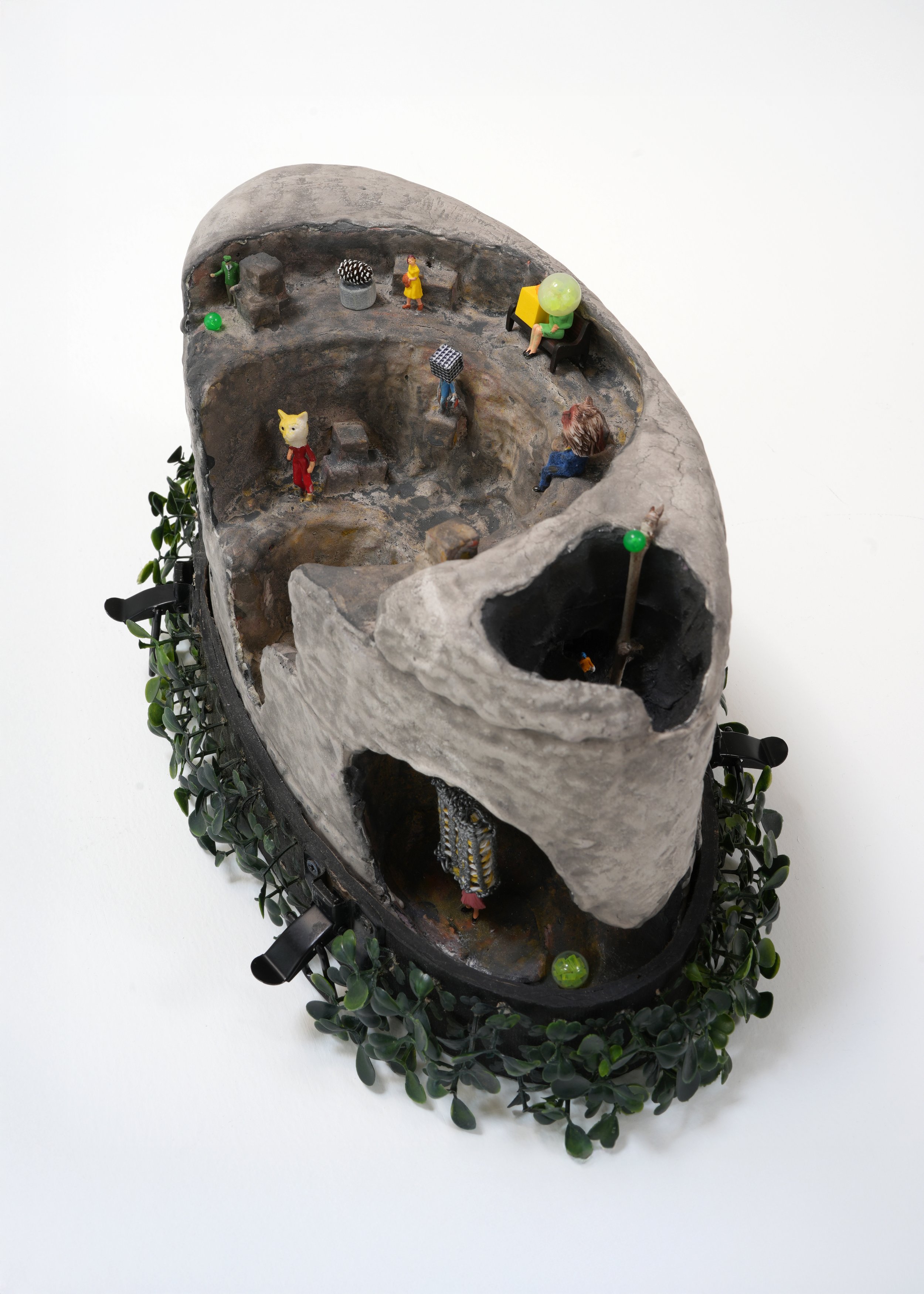
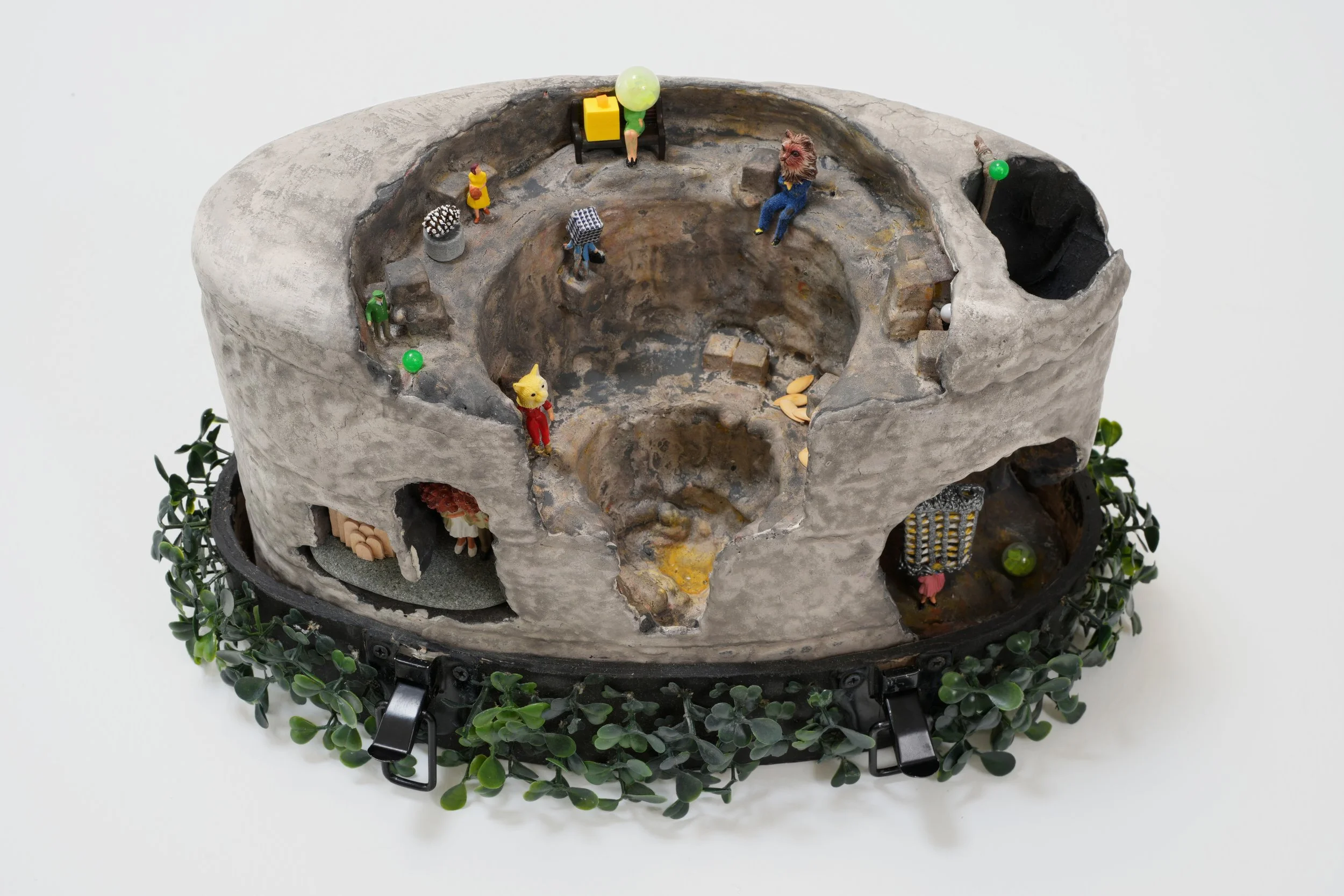
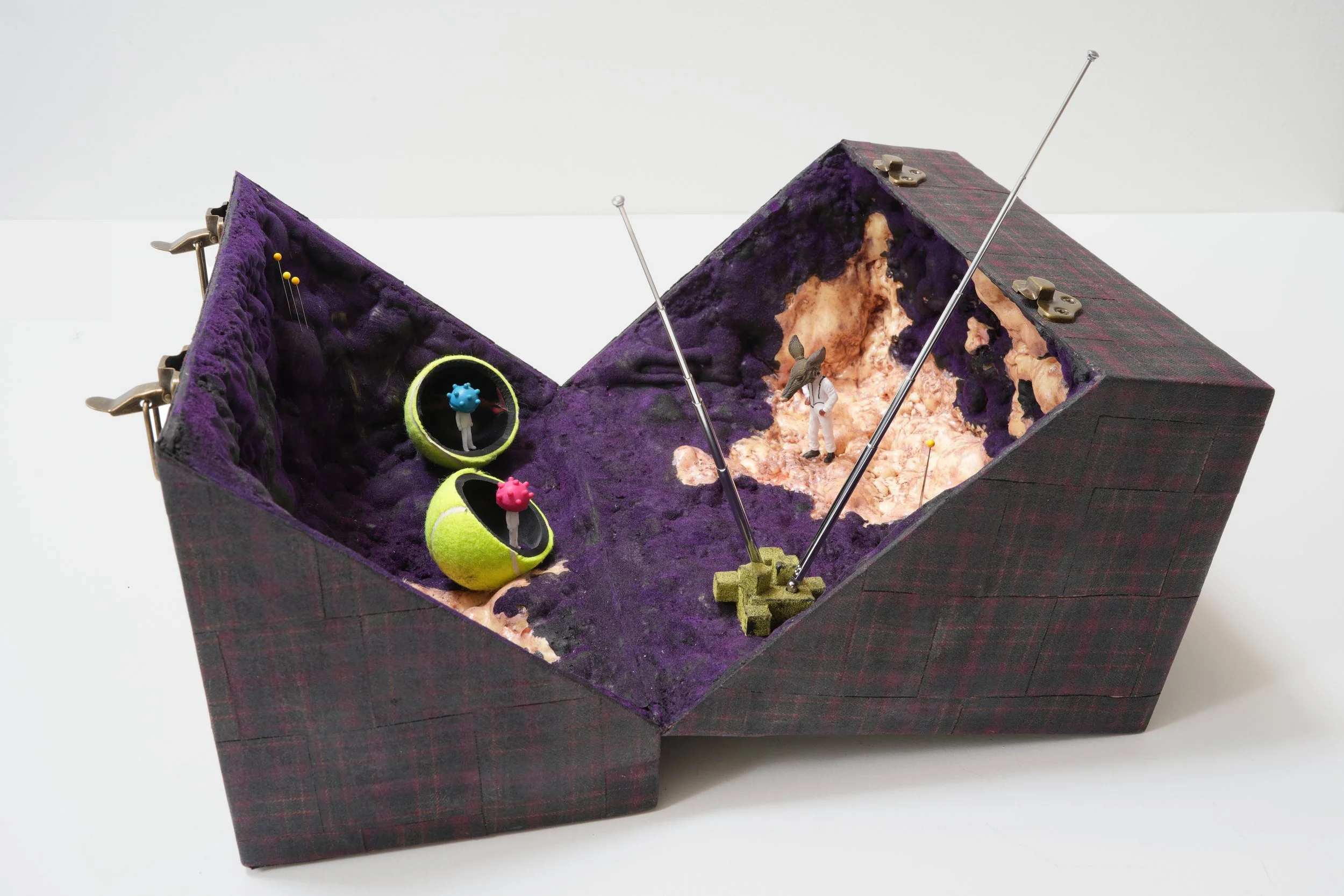
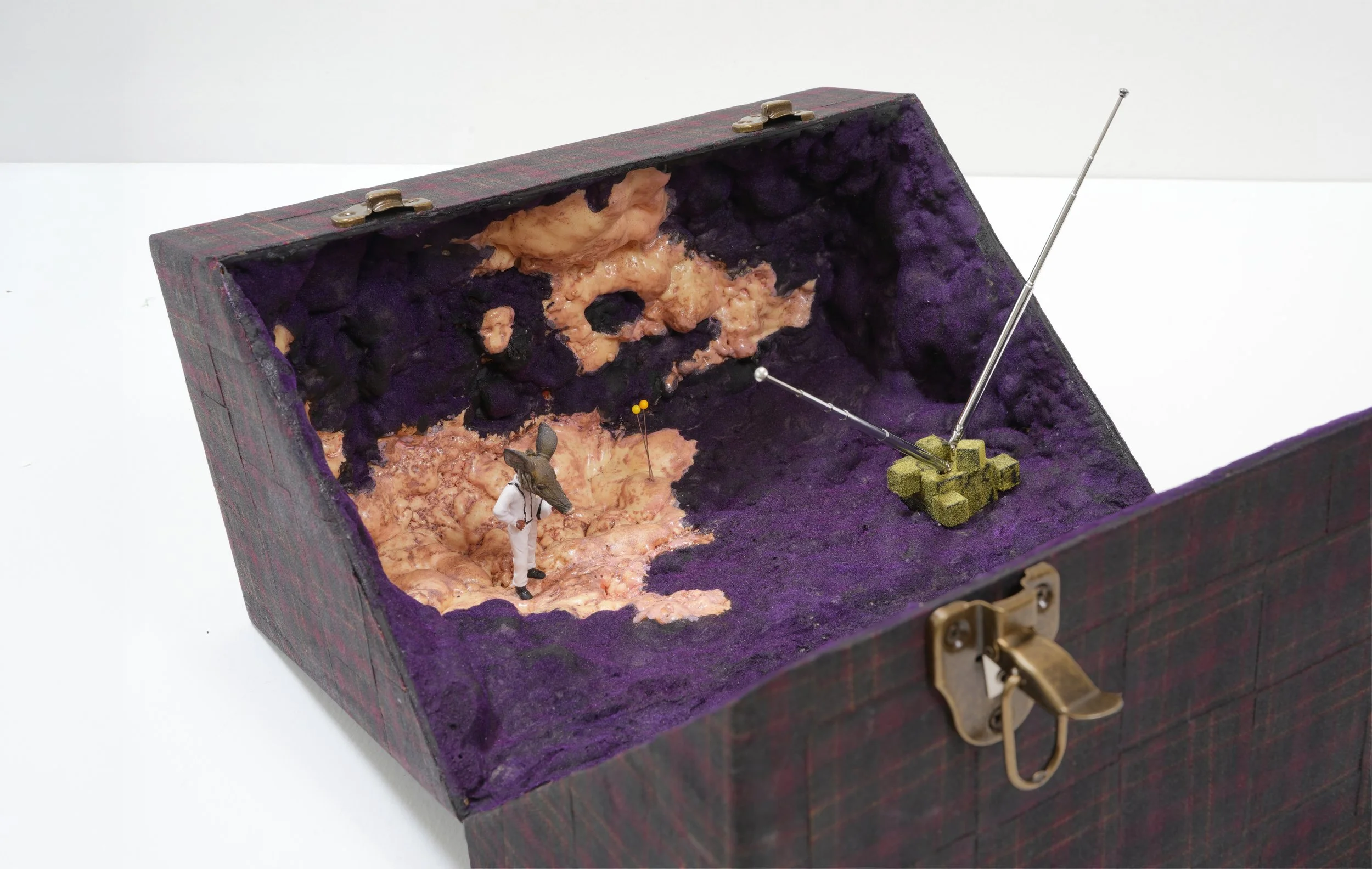
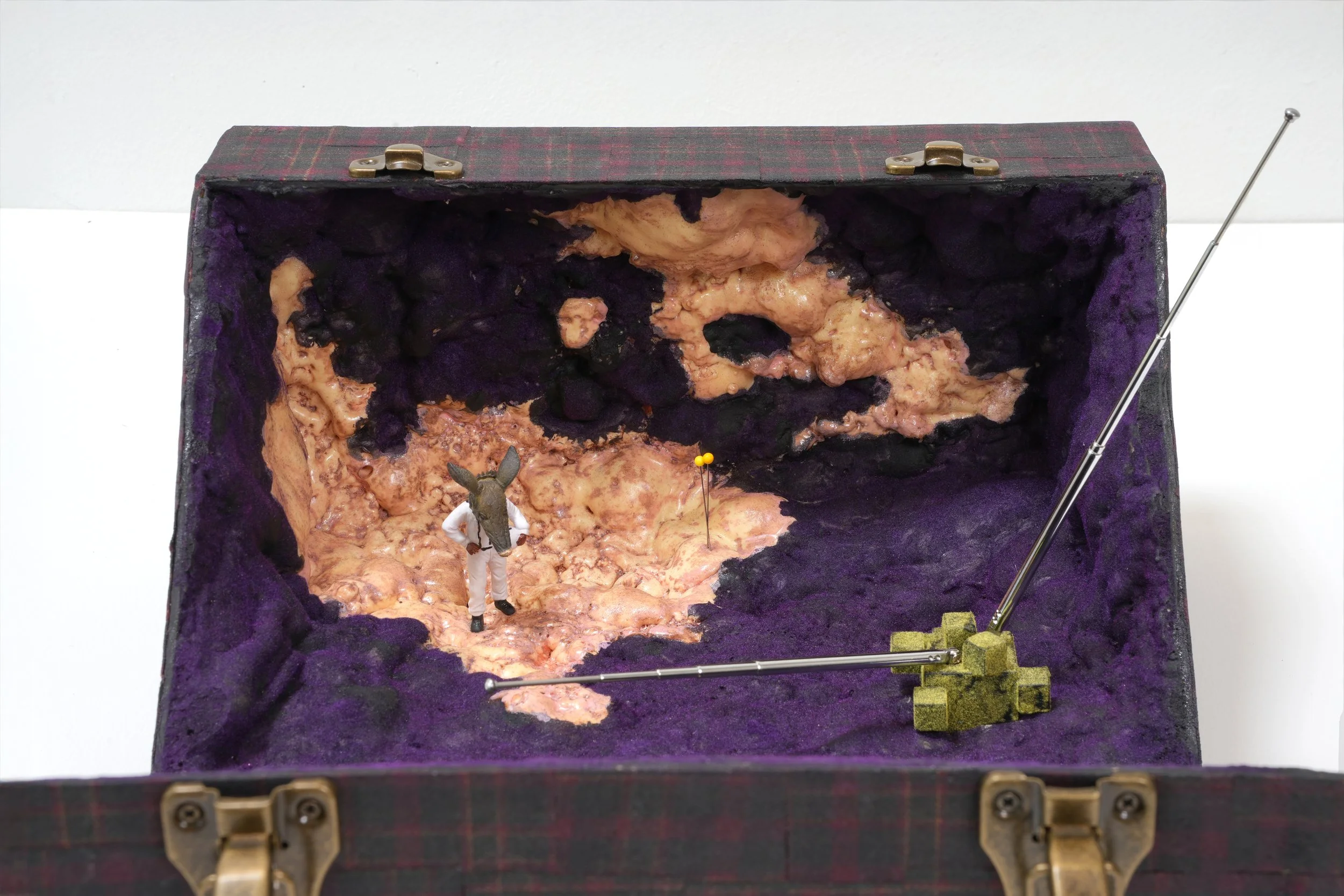
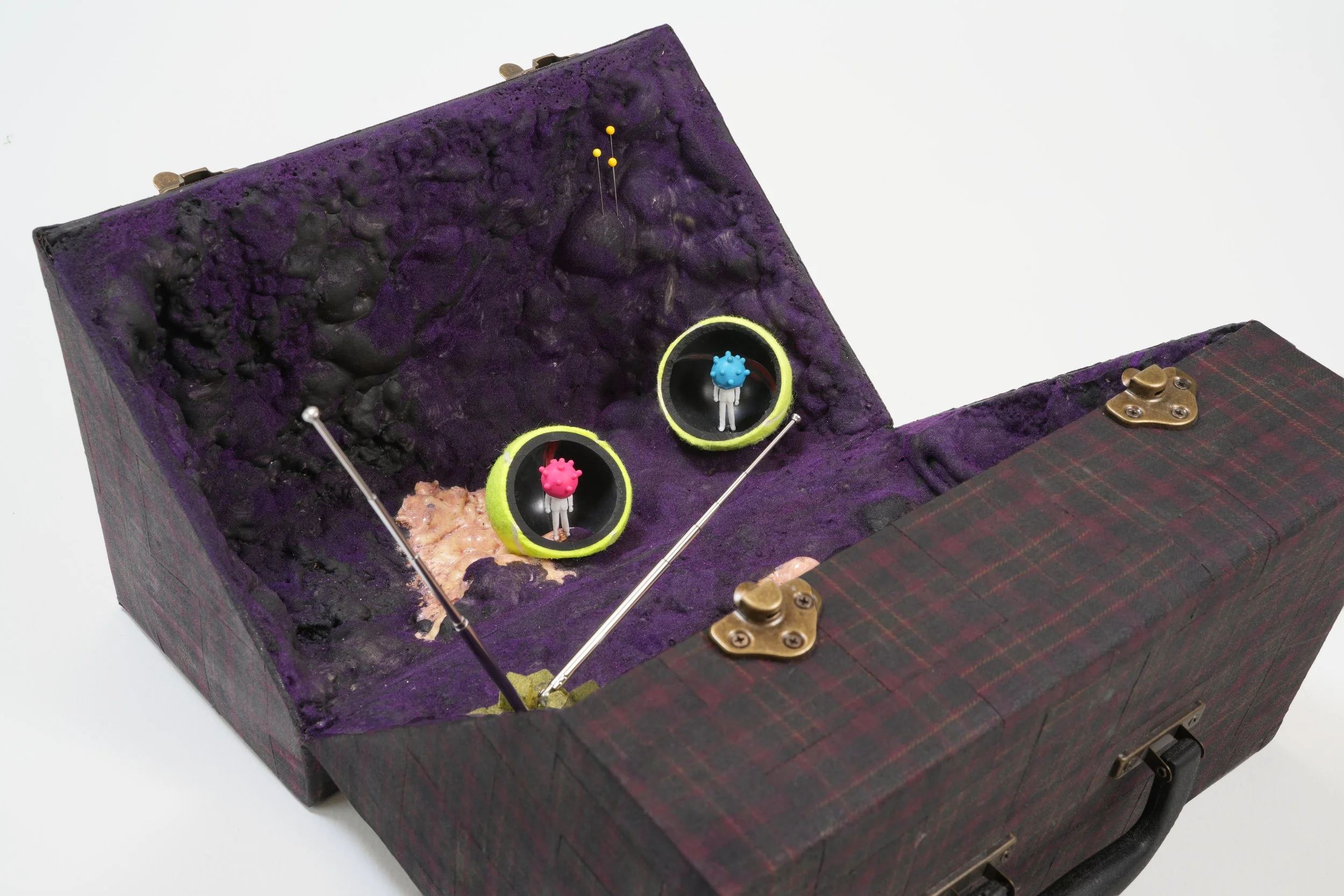
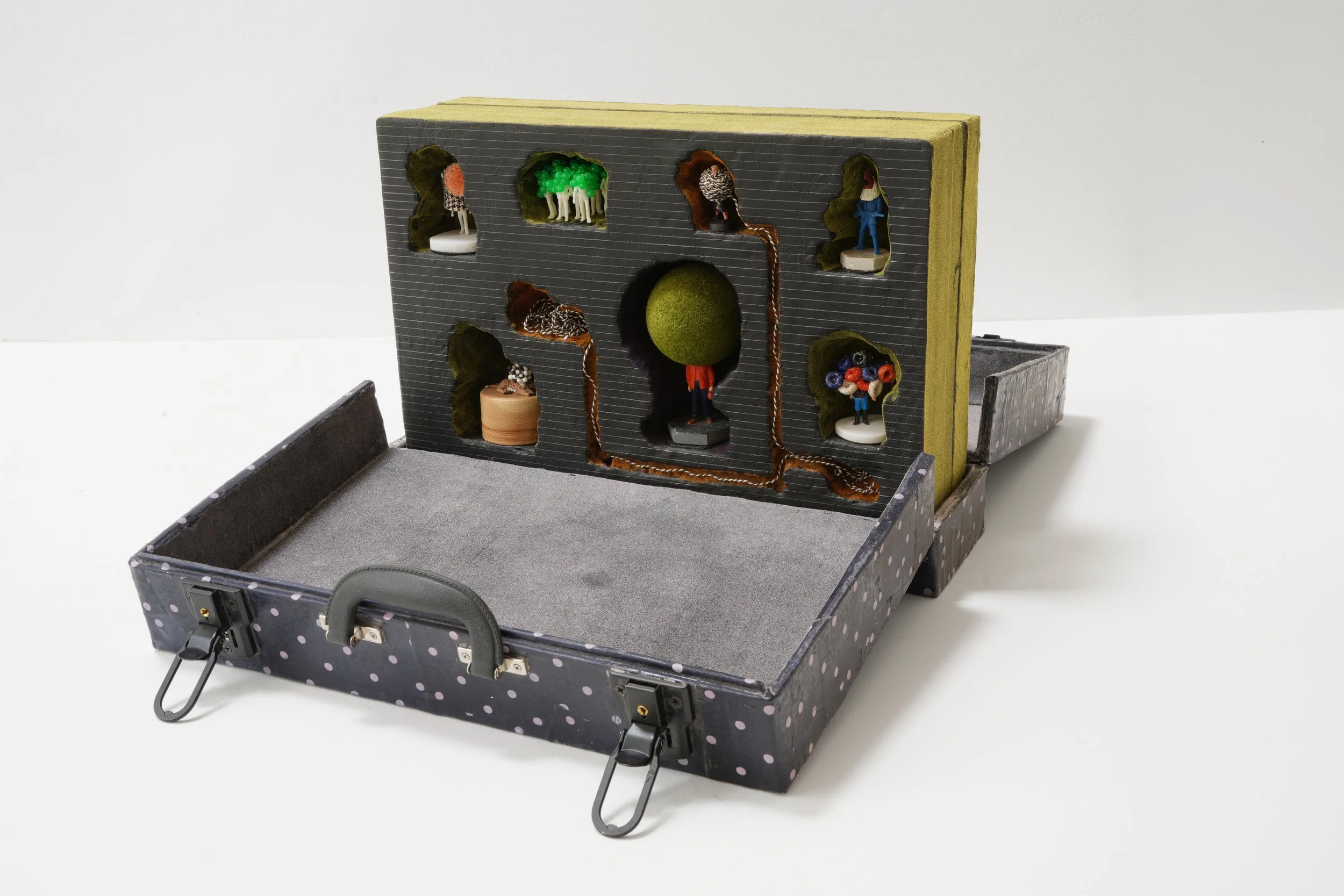
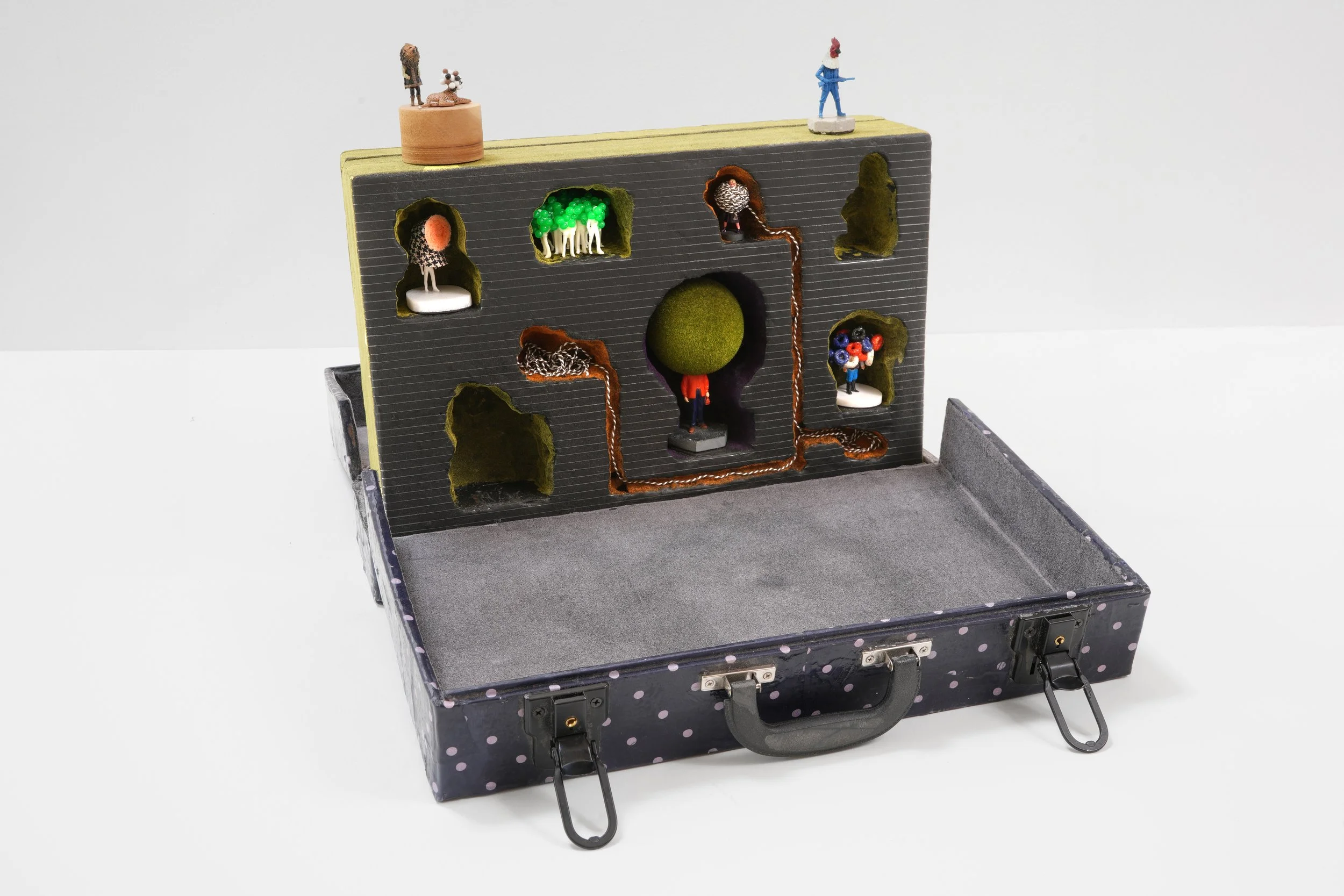
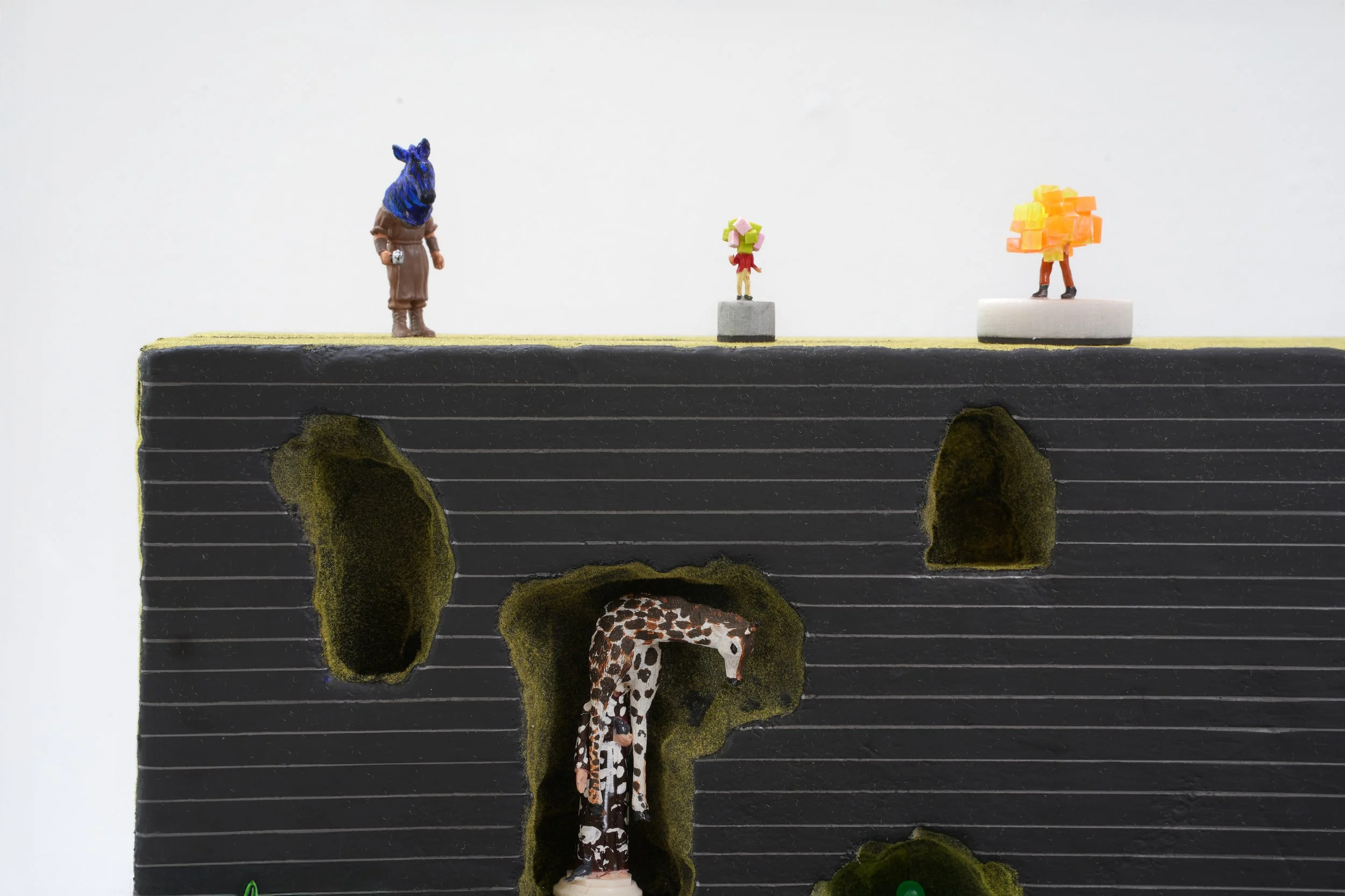
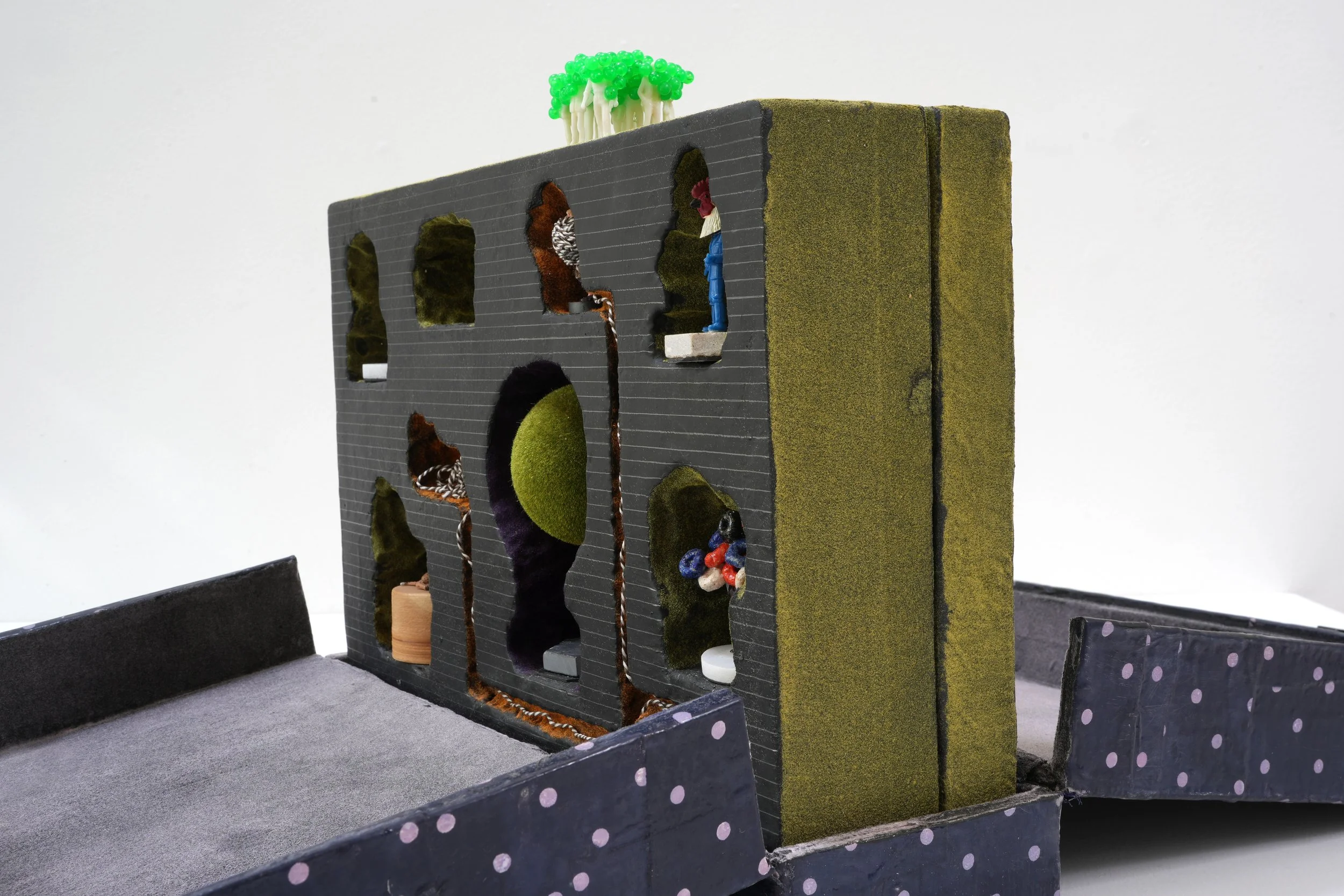
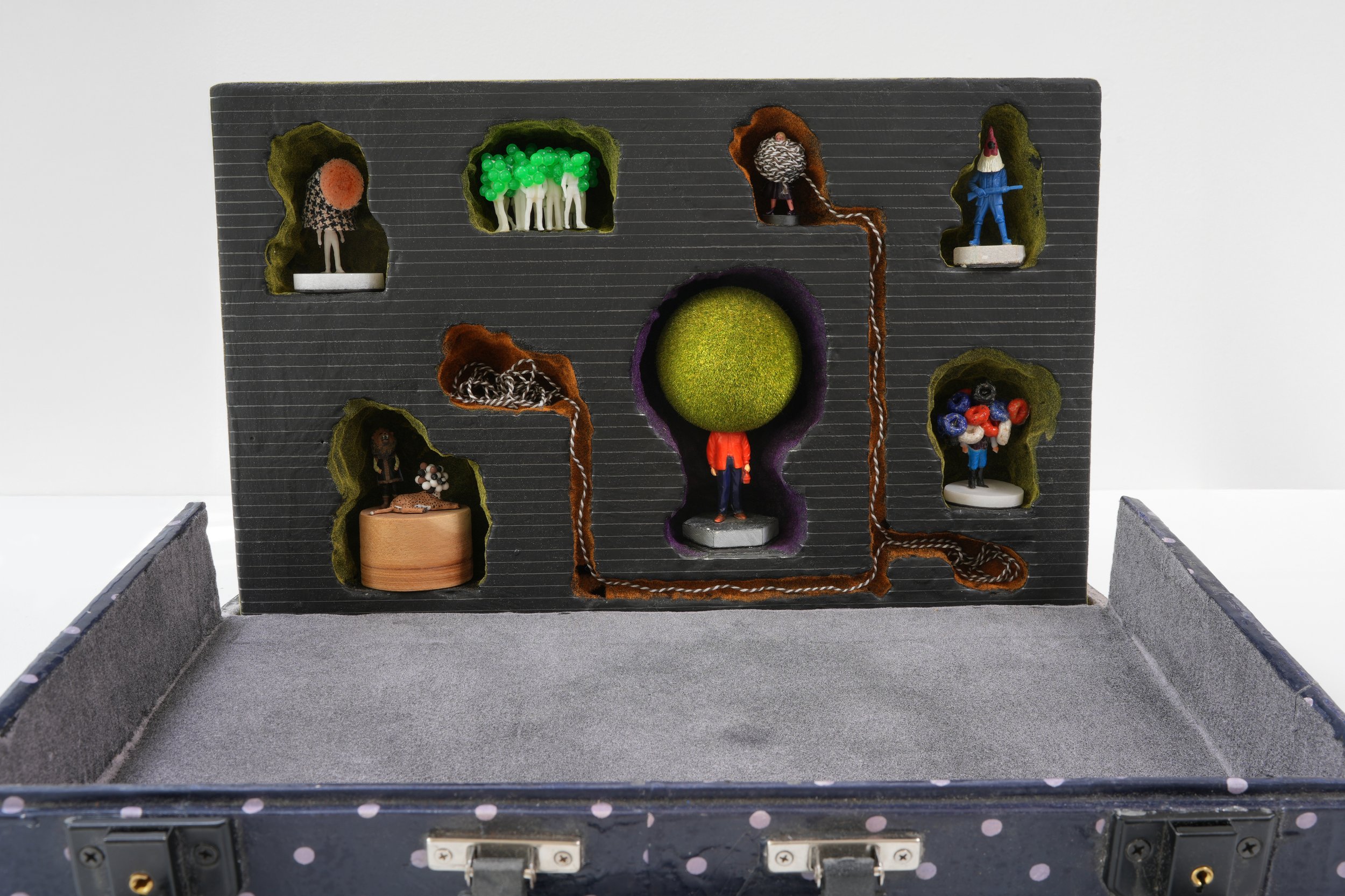
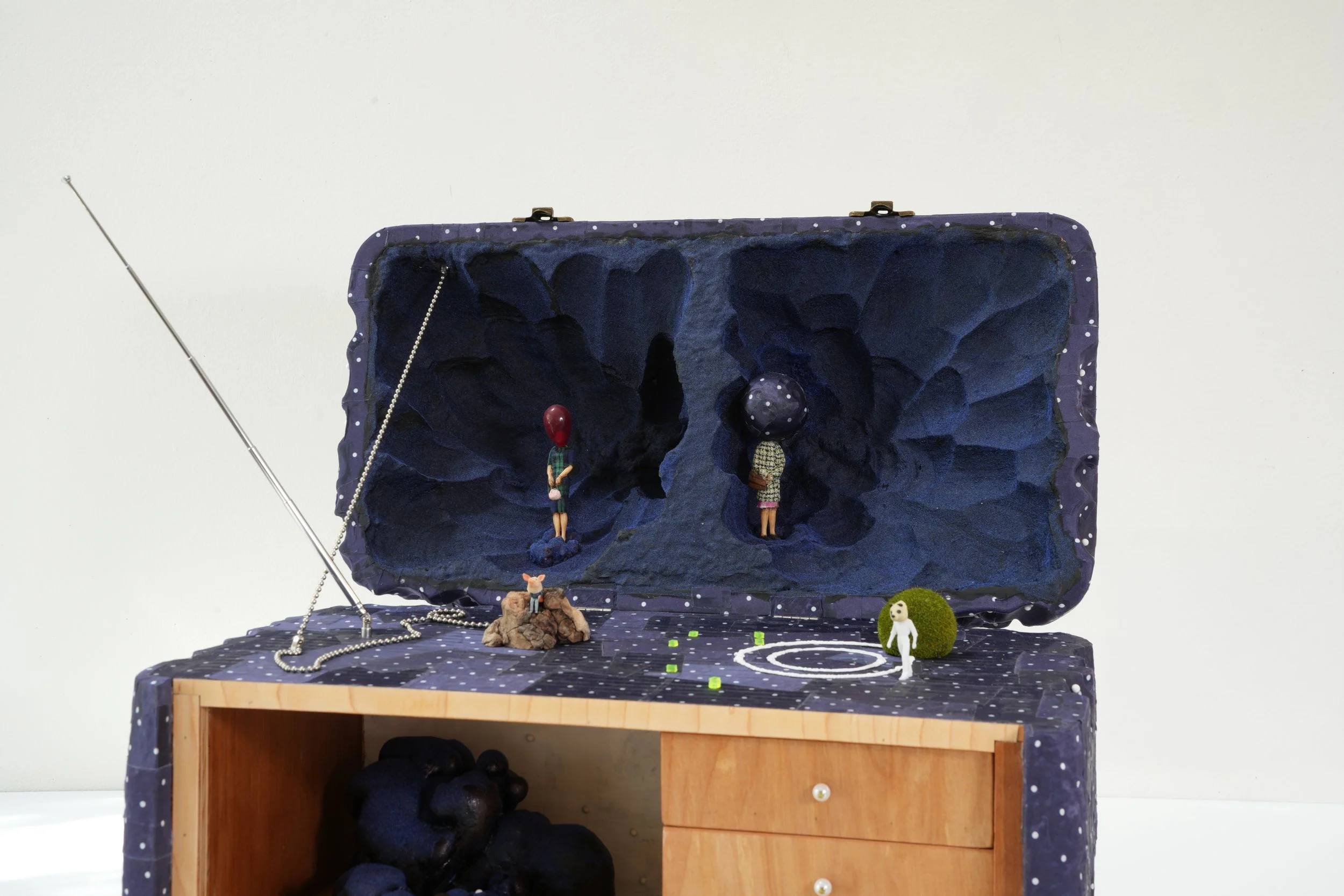
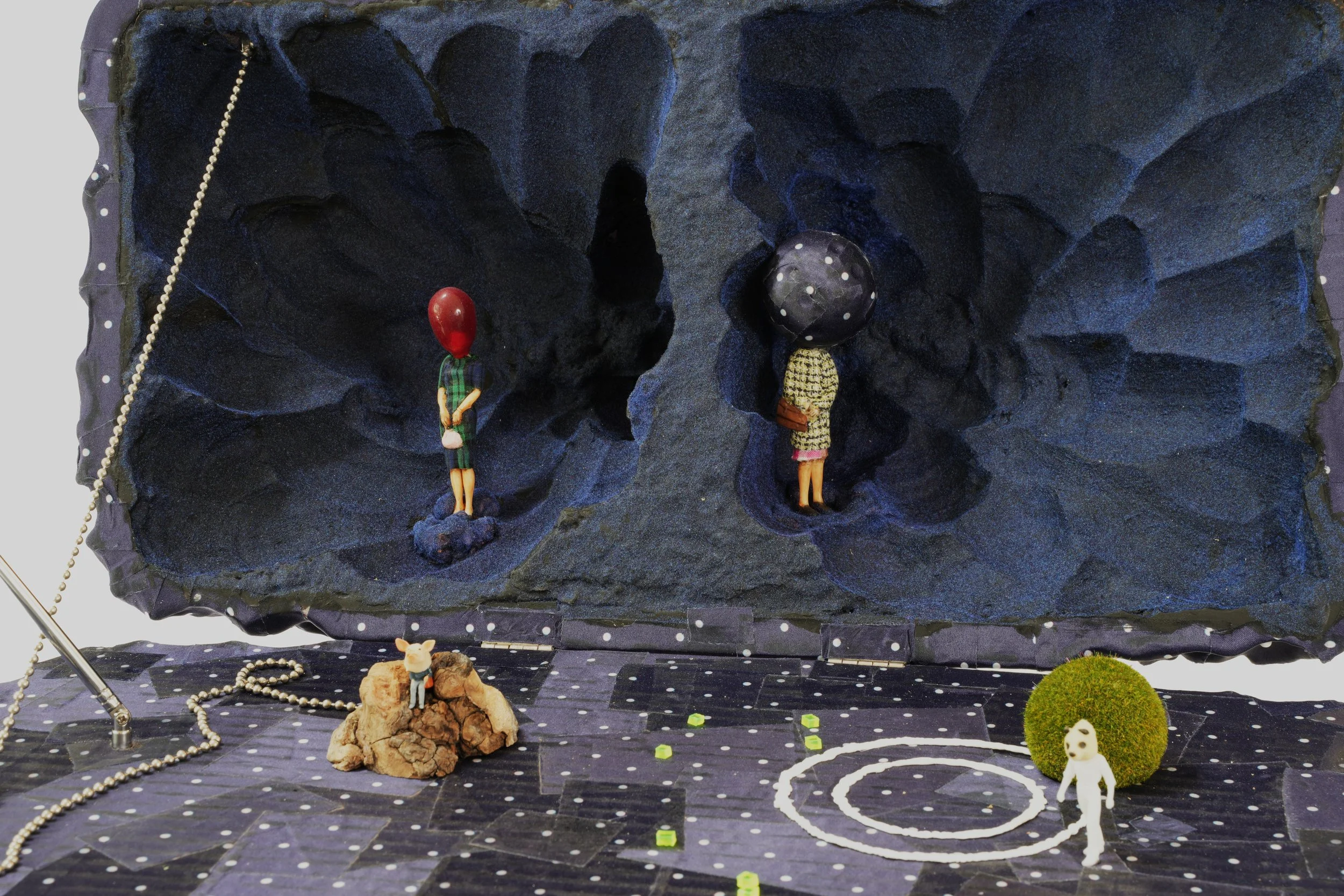
They are impossibly small; Human figures standing two to three inches high, each one topped not with a head but with something else entirely: an orange pinecone, a tangle of green wire, a gray sphere, a fat pink rabbits ear. They wear suits and work clothes and carry small objects, some stand on pebbles, held between two fingers, each one is a complete world.
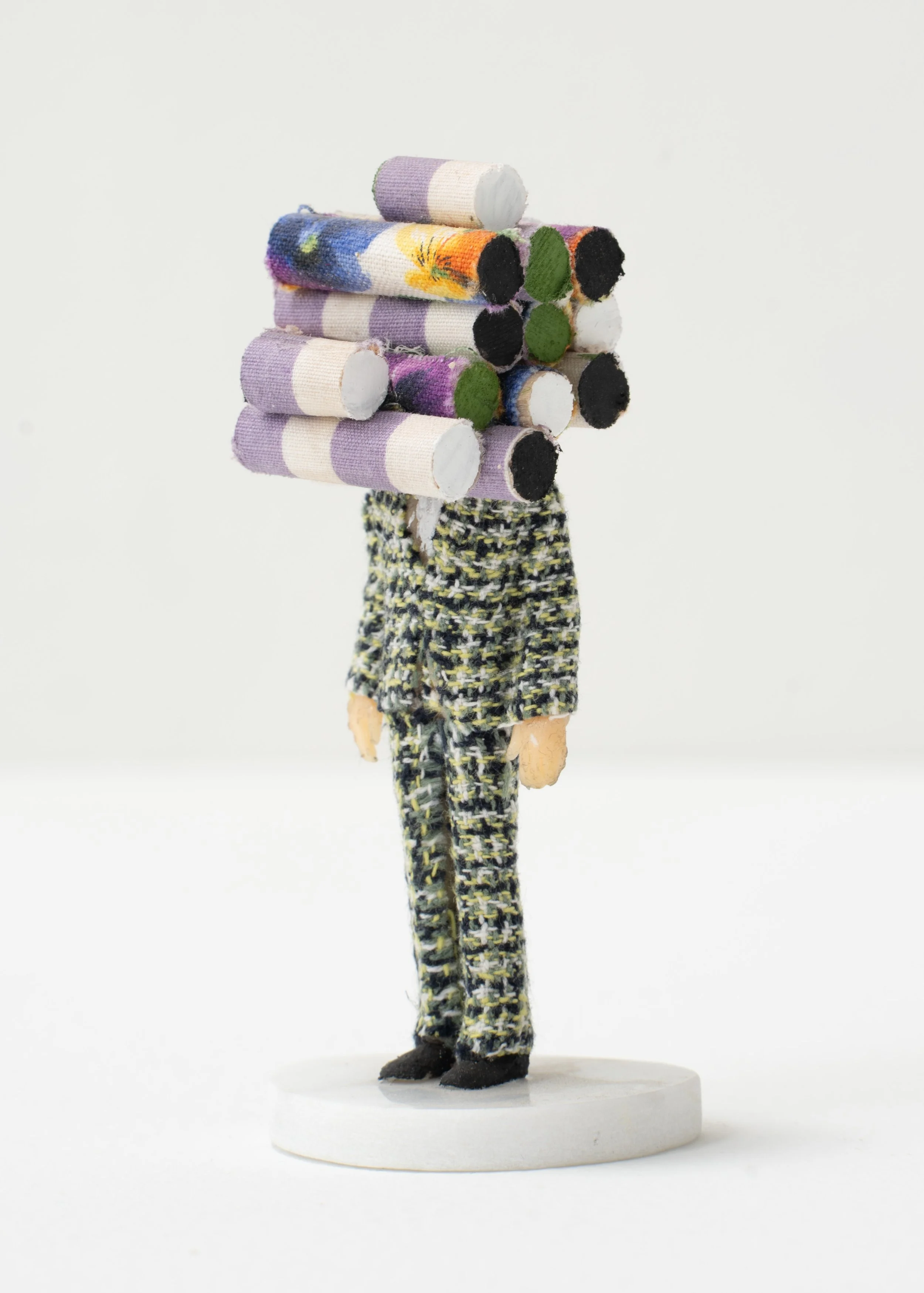
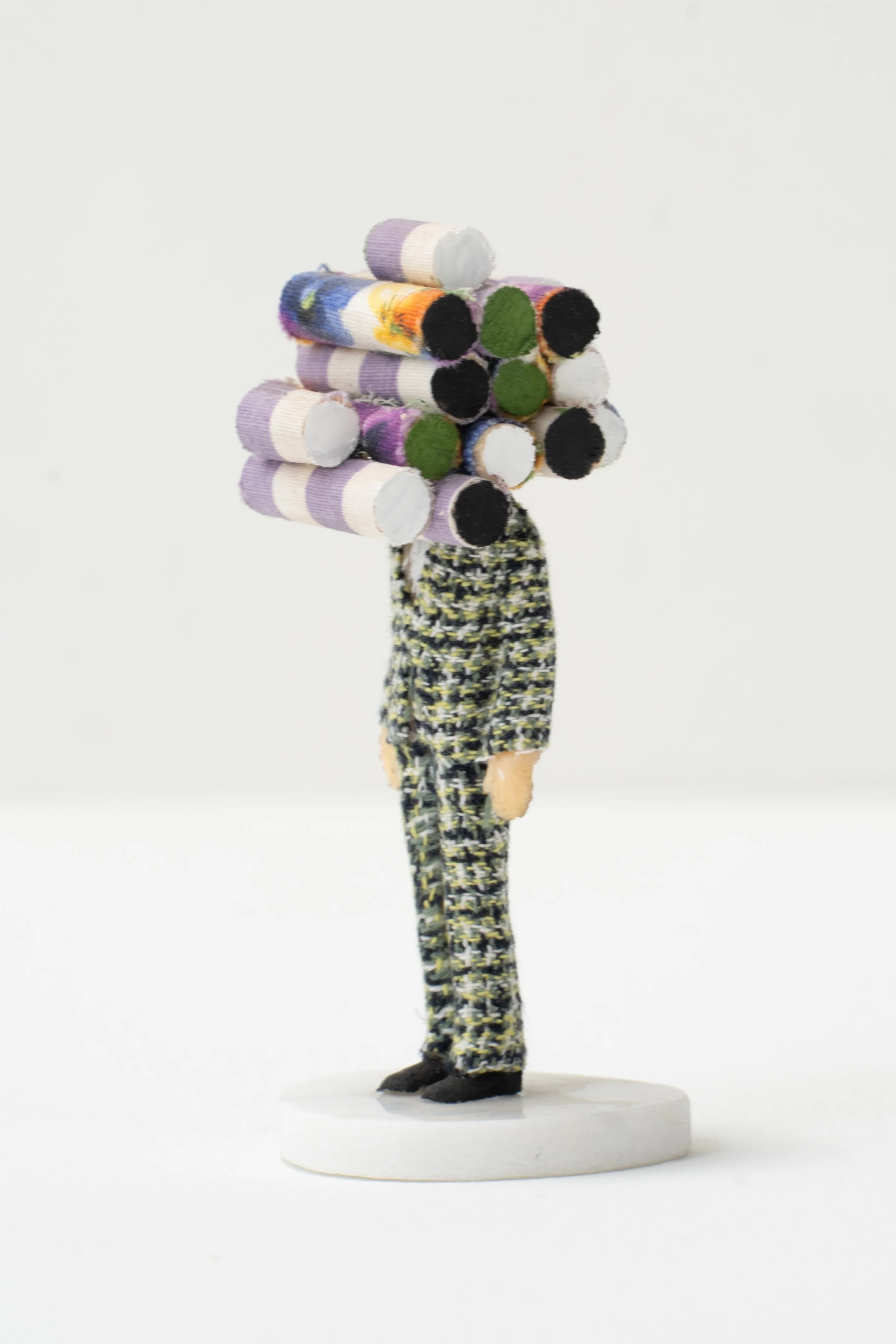
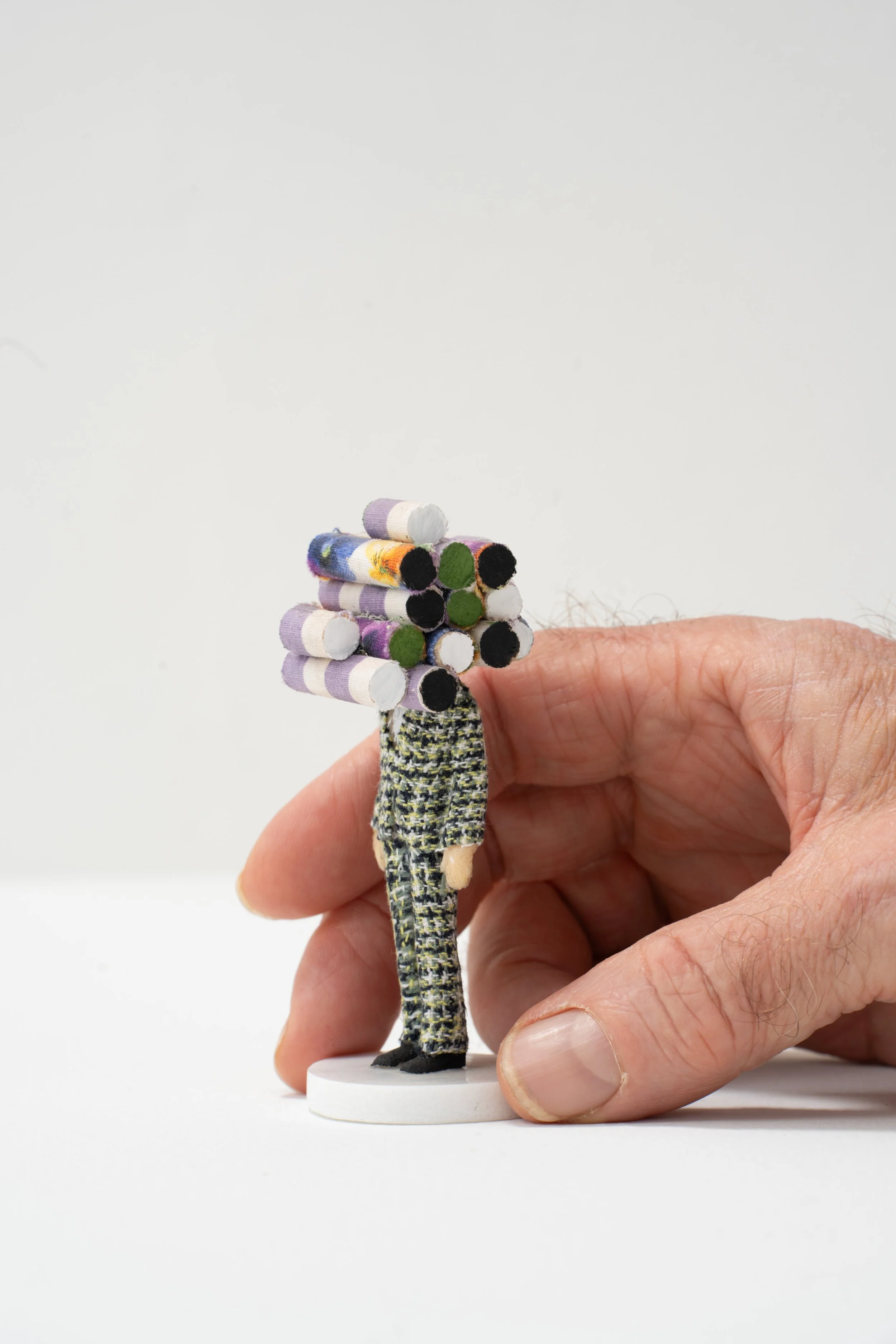
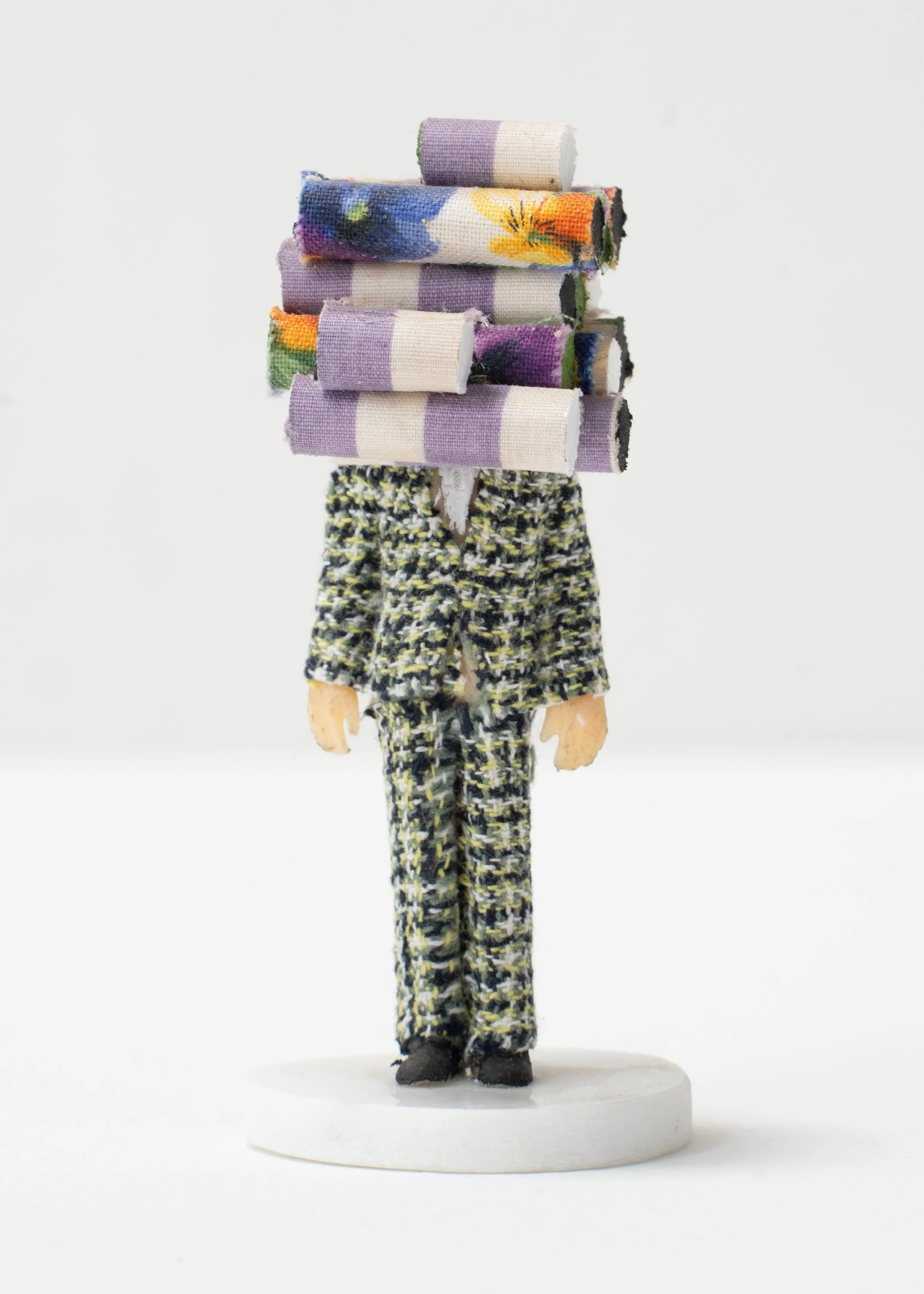
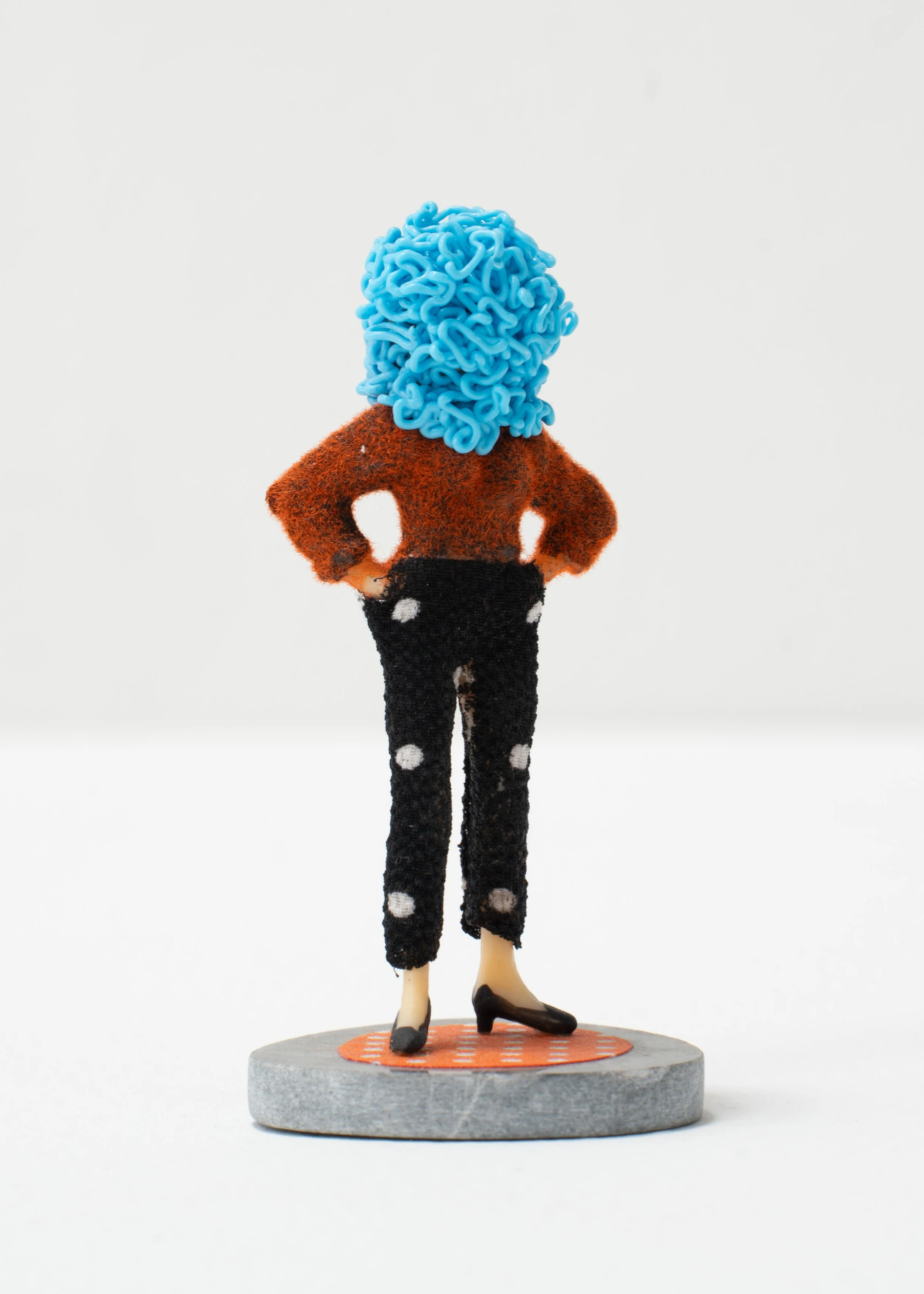
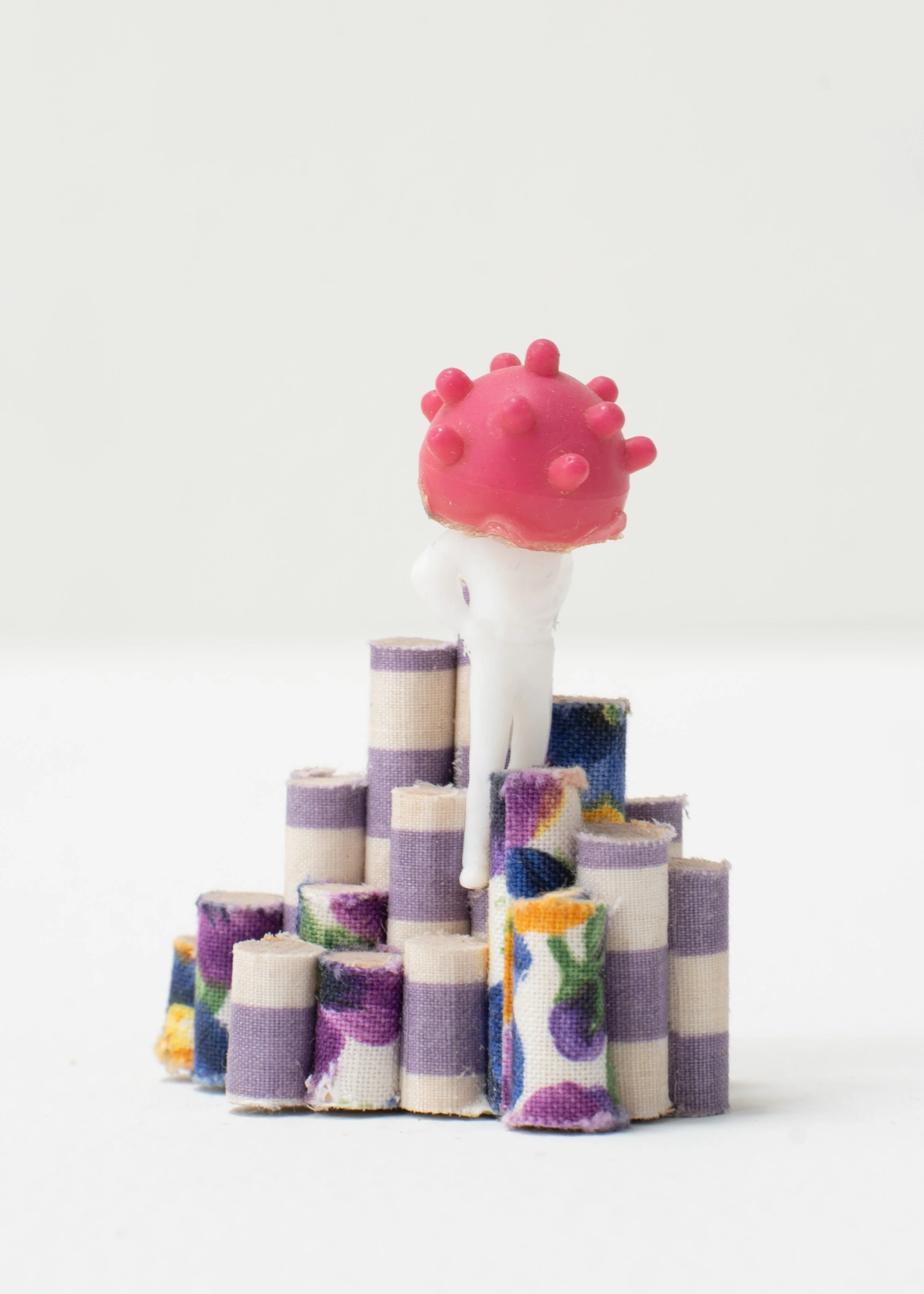
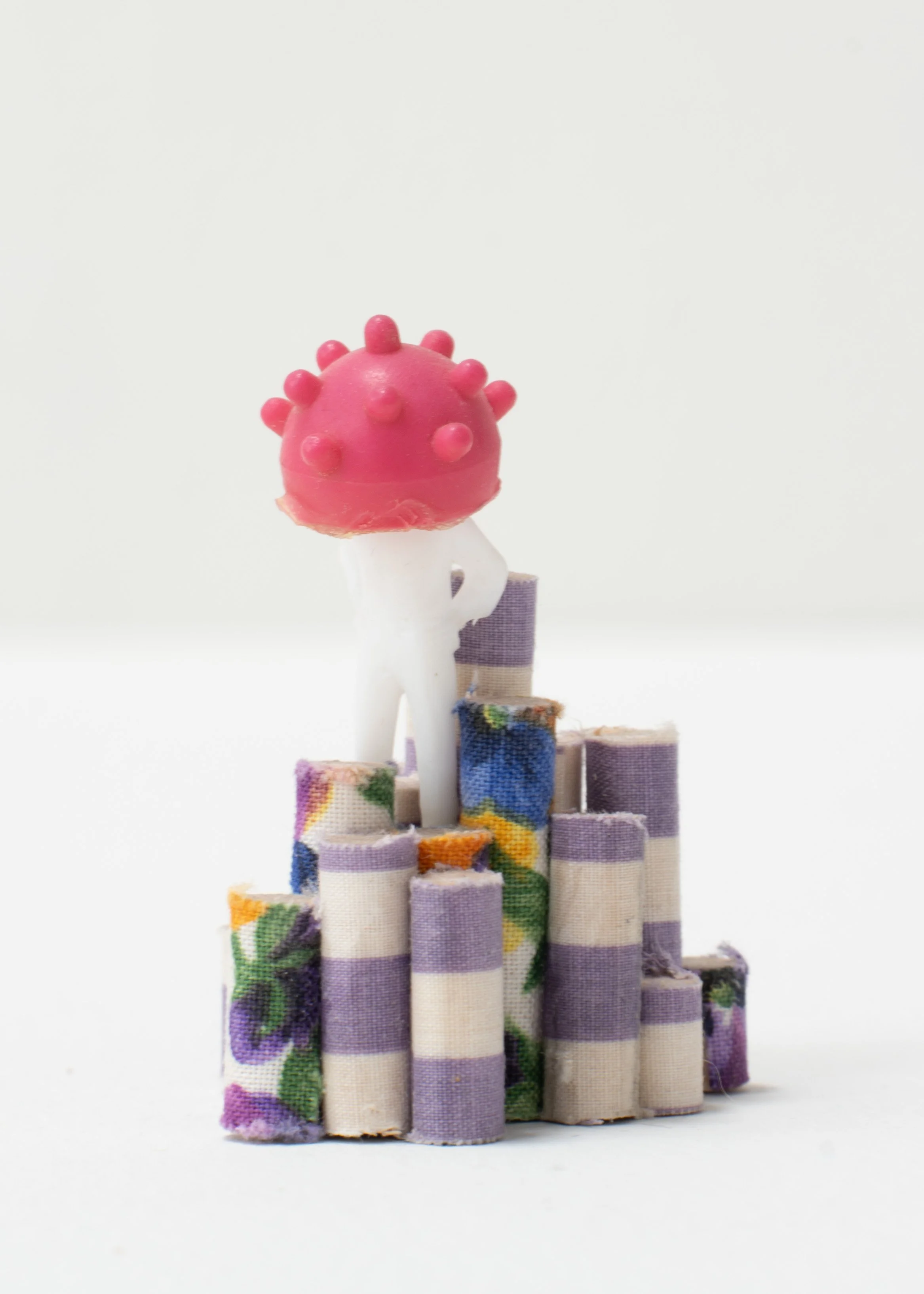
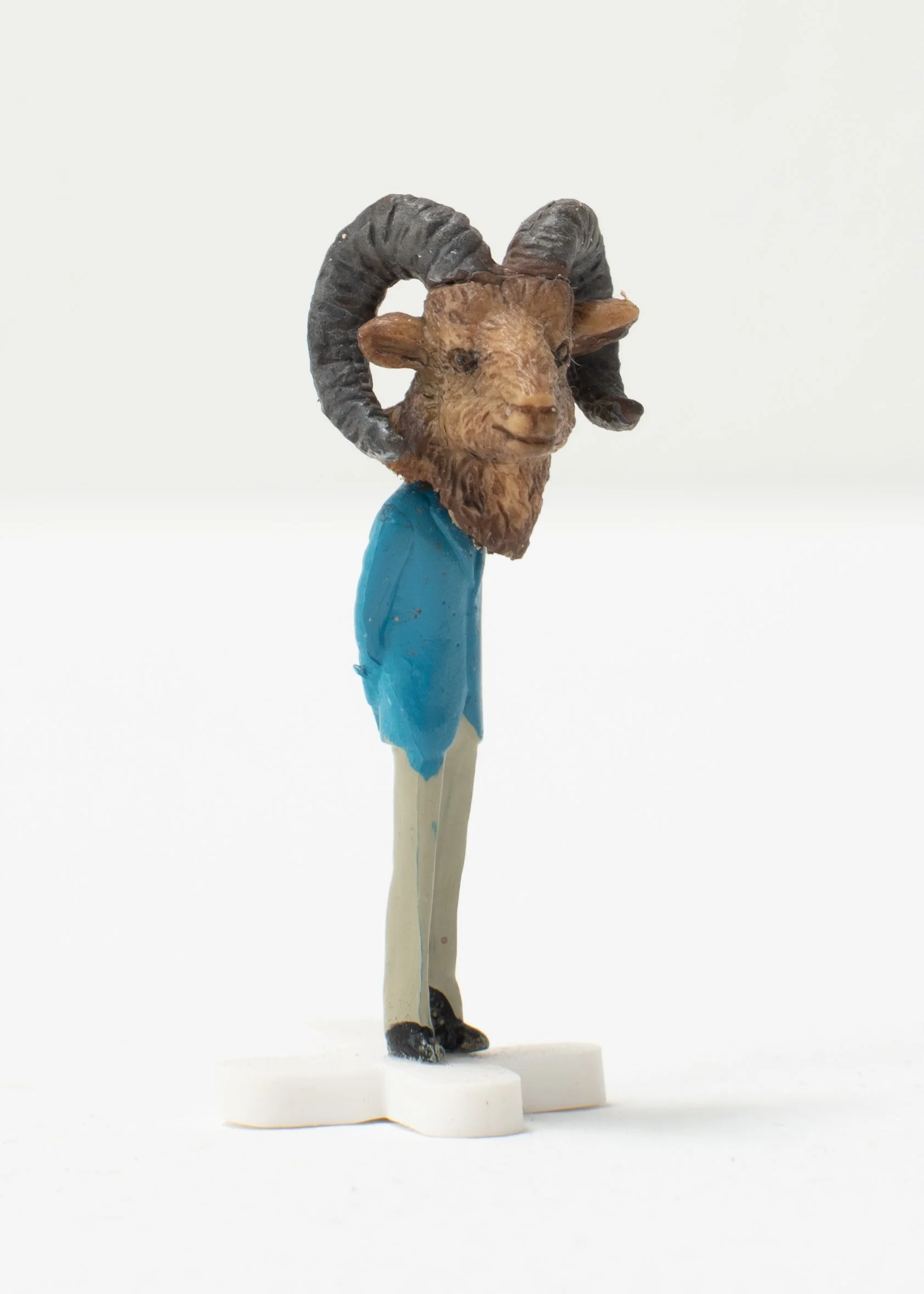
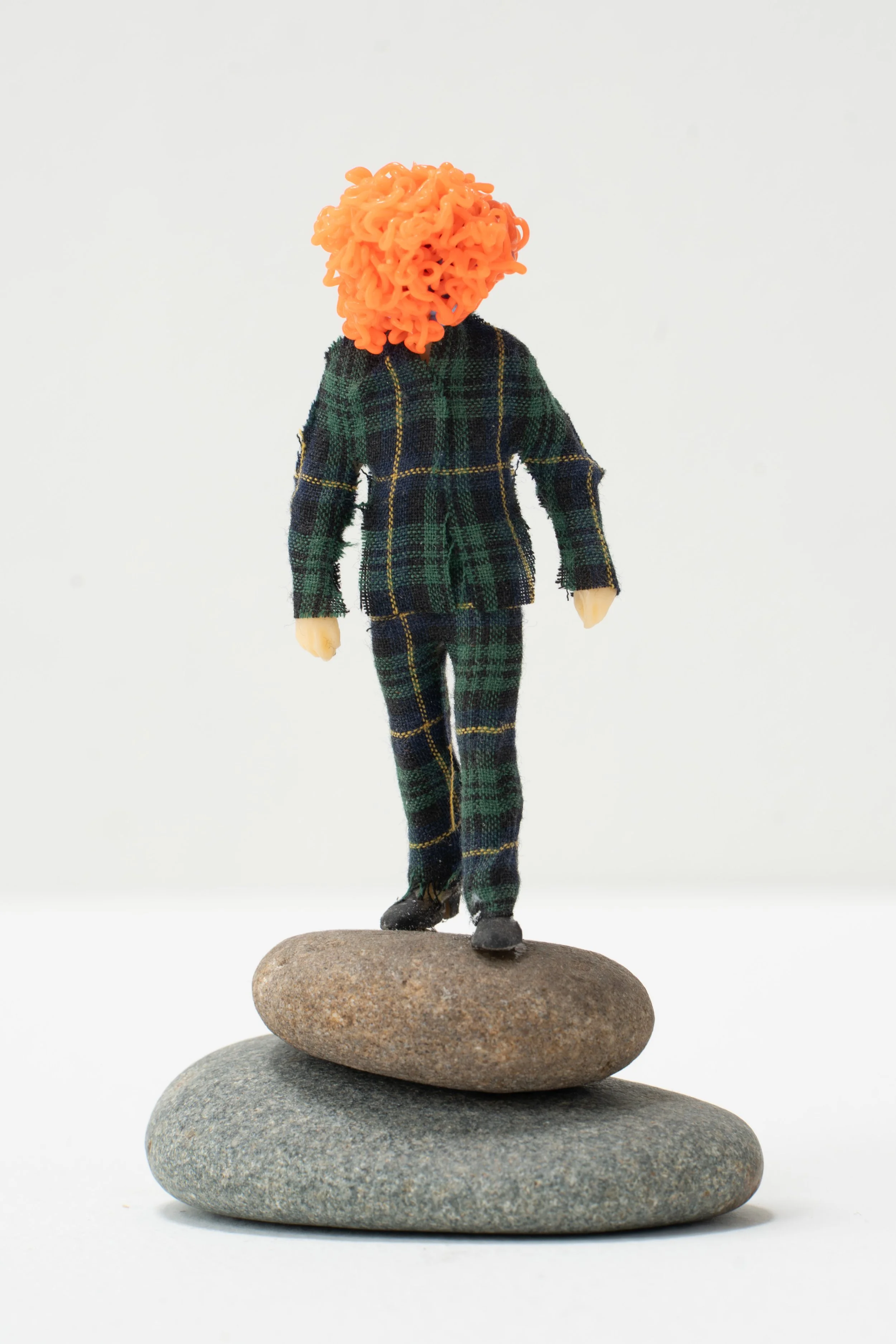
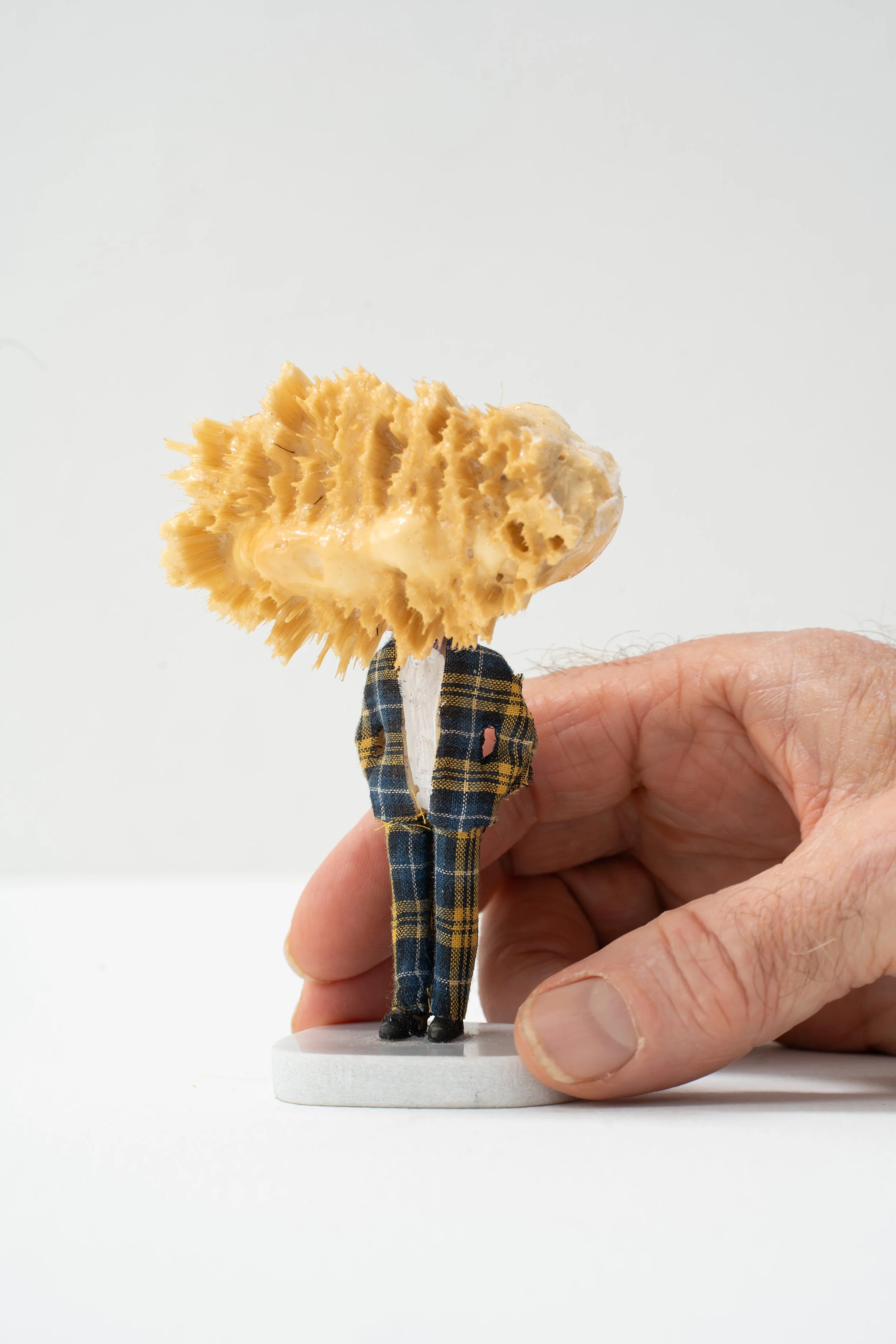
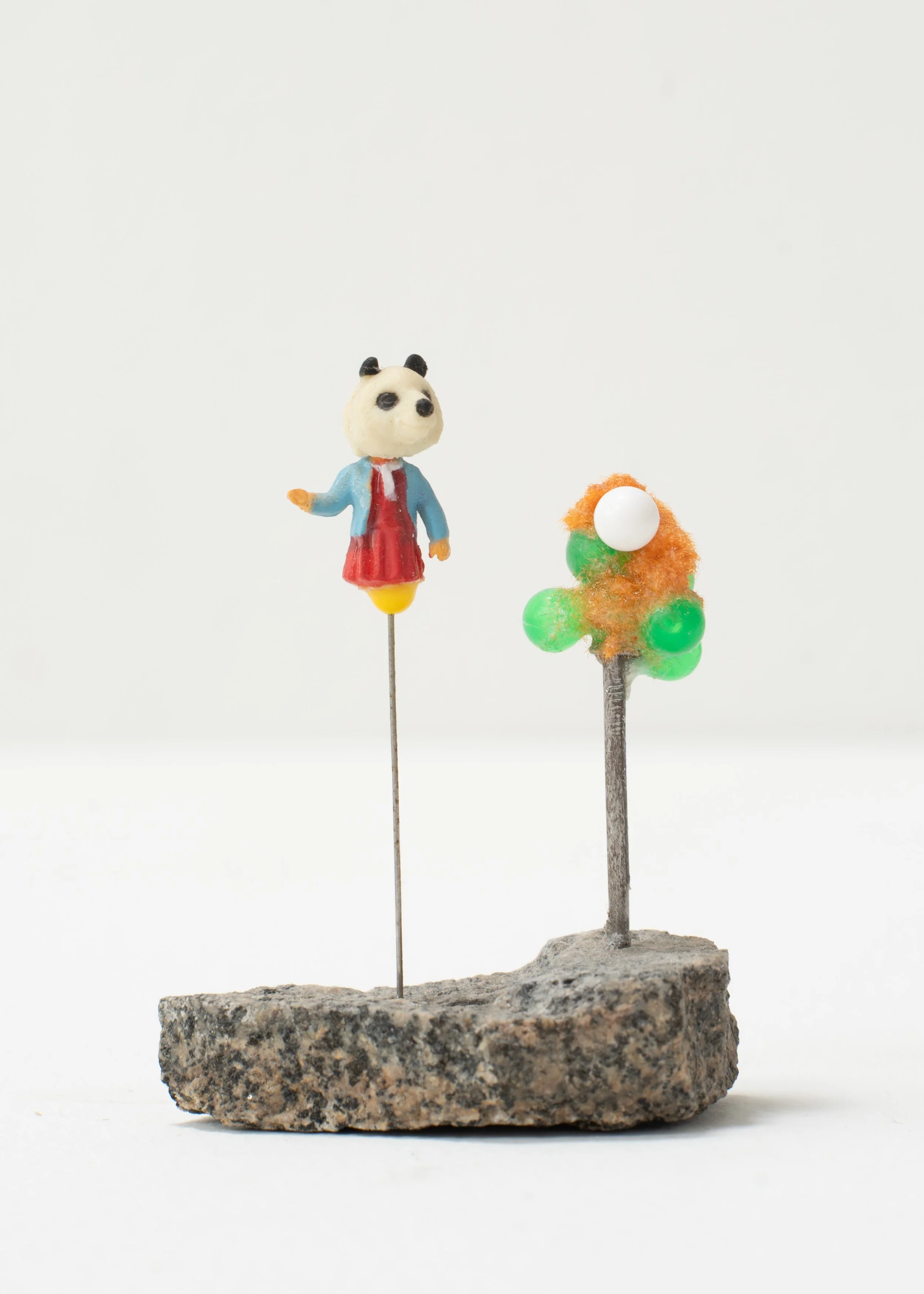
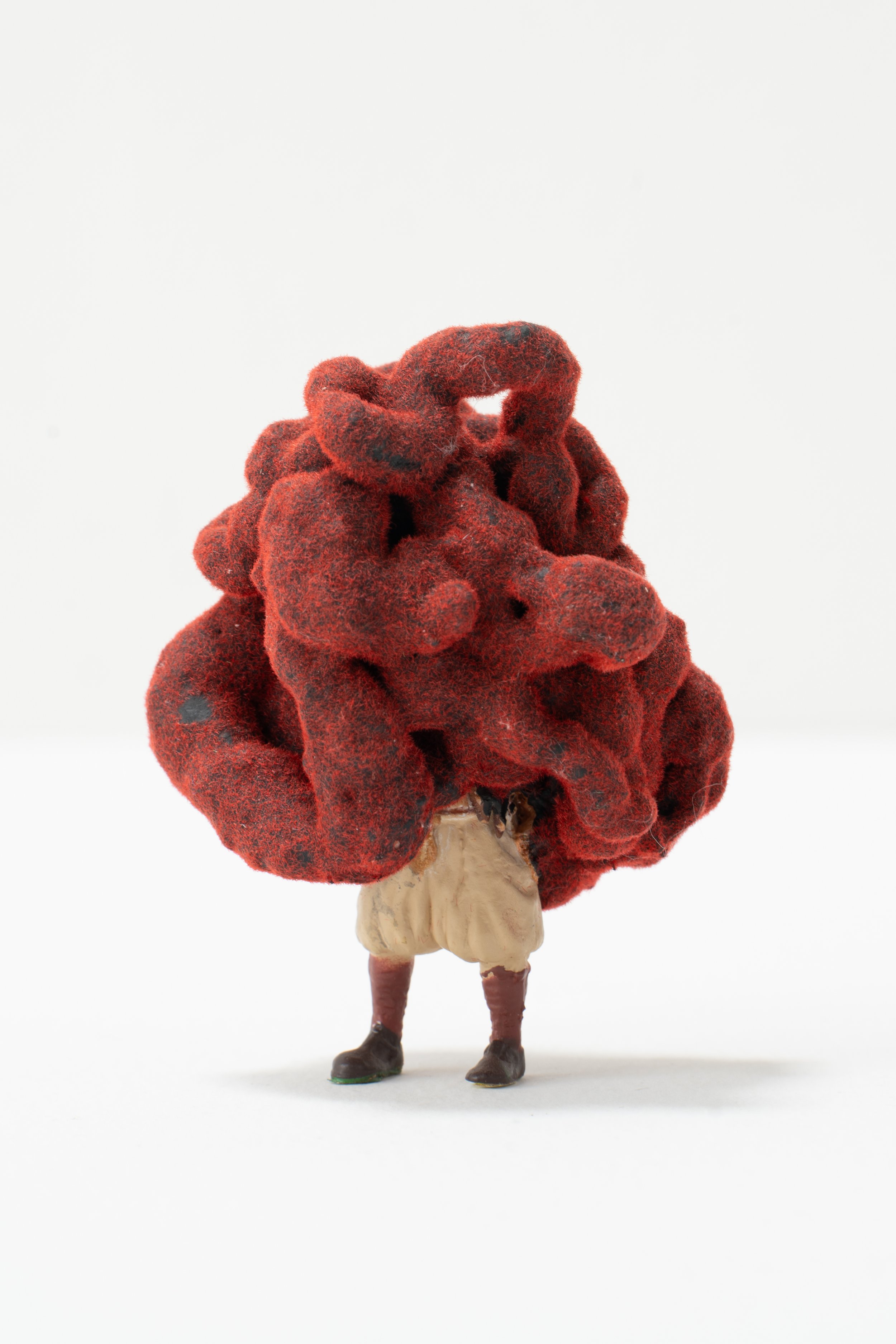
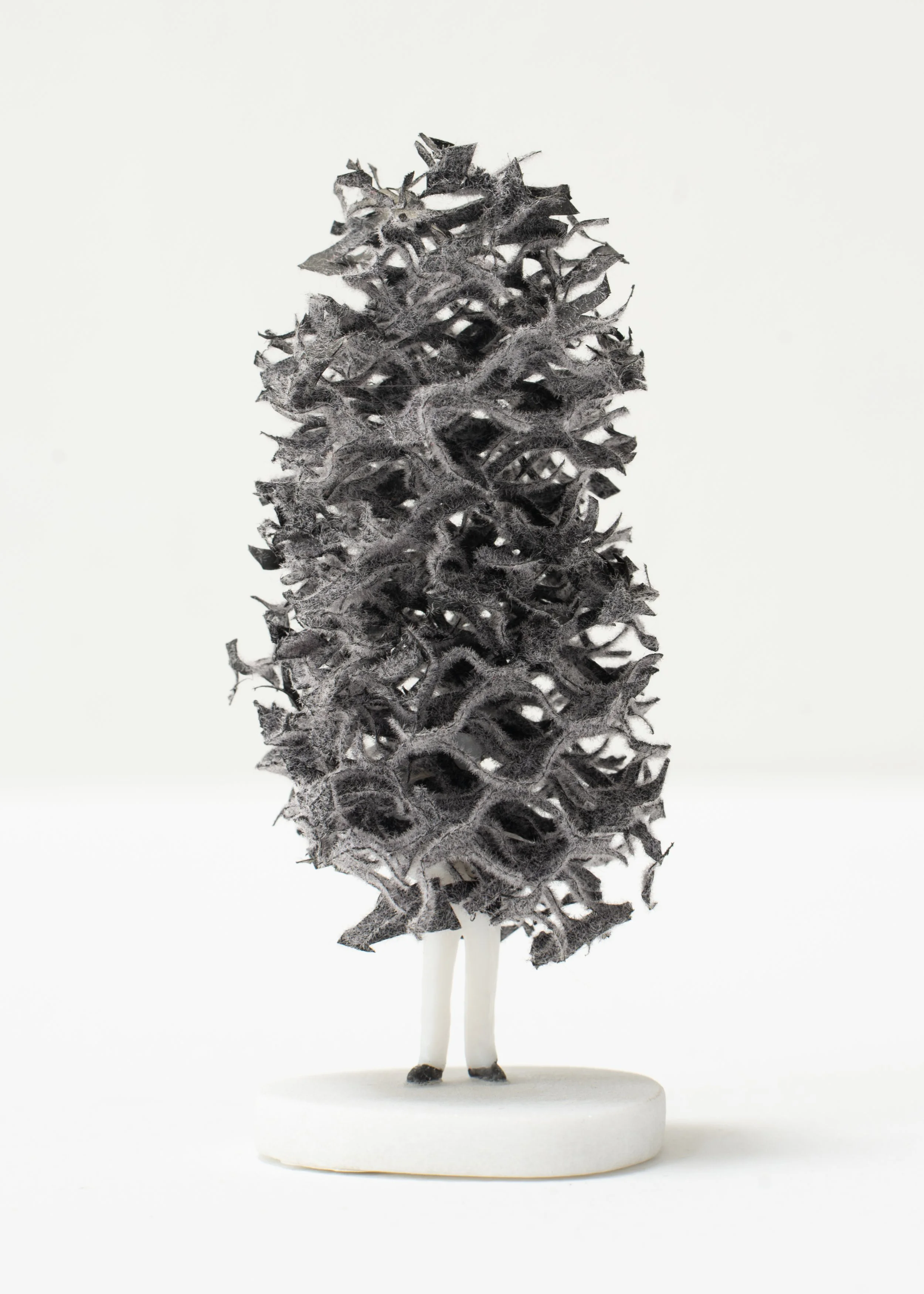
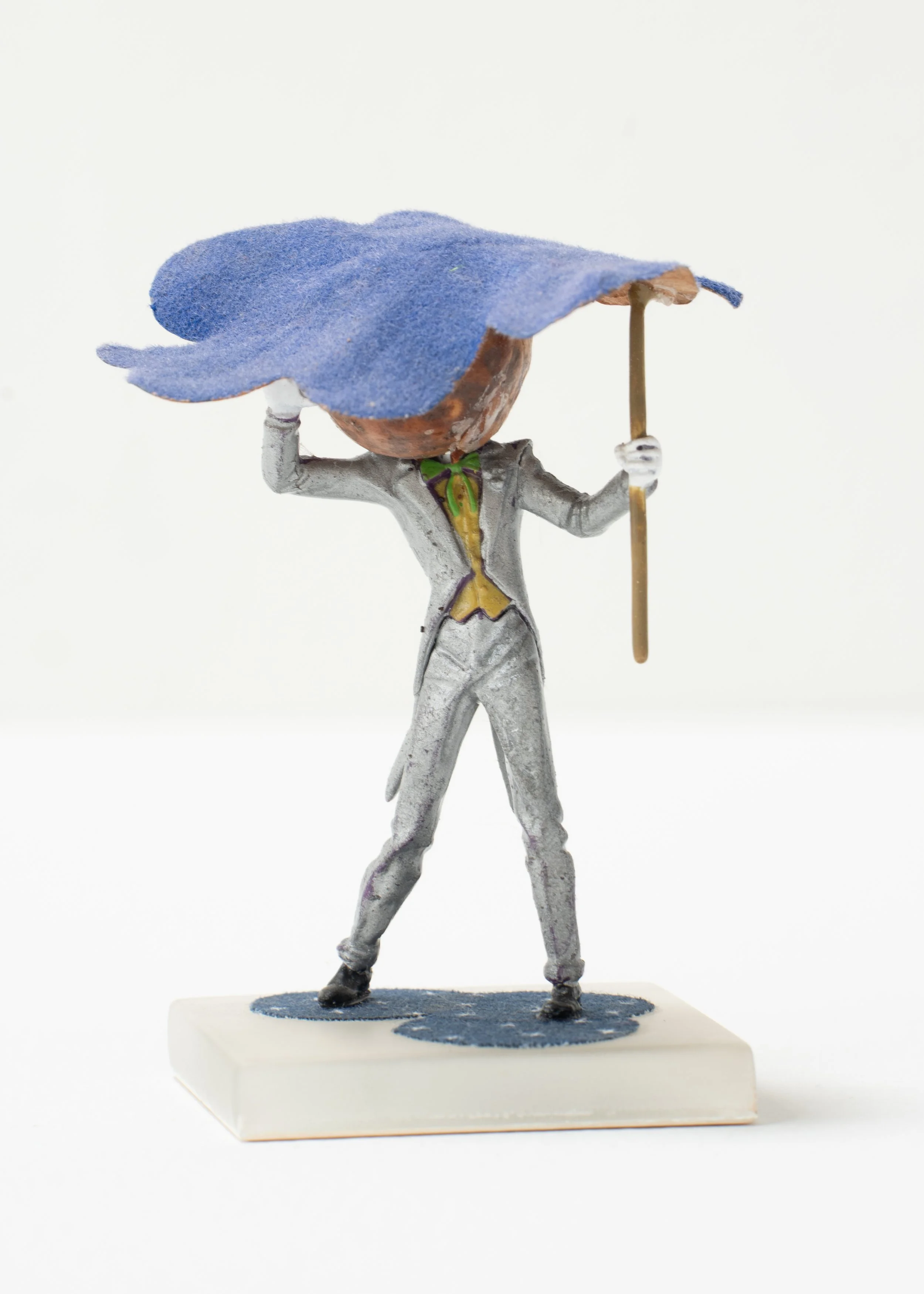
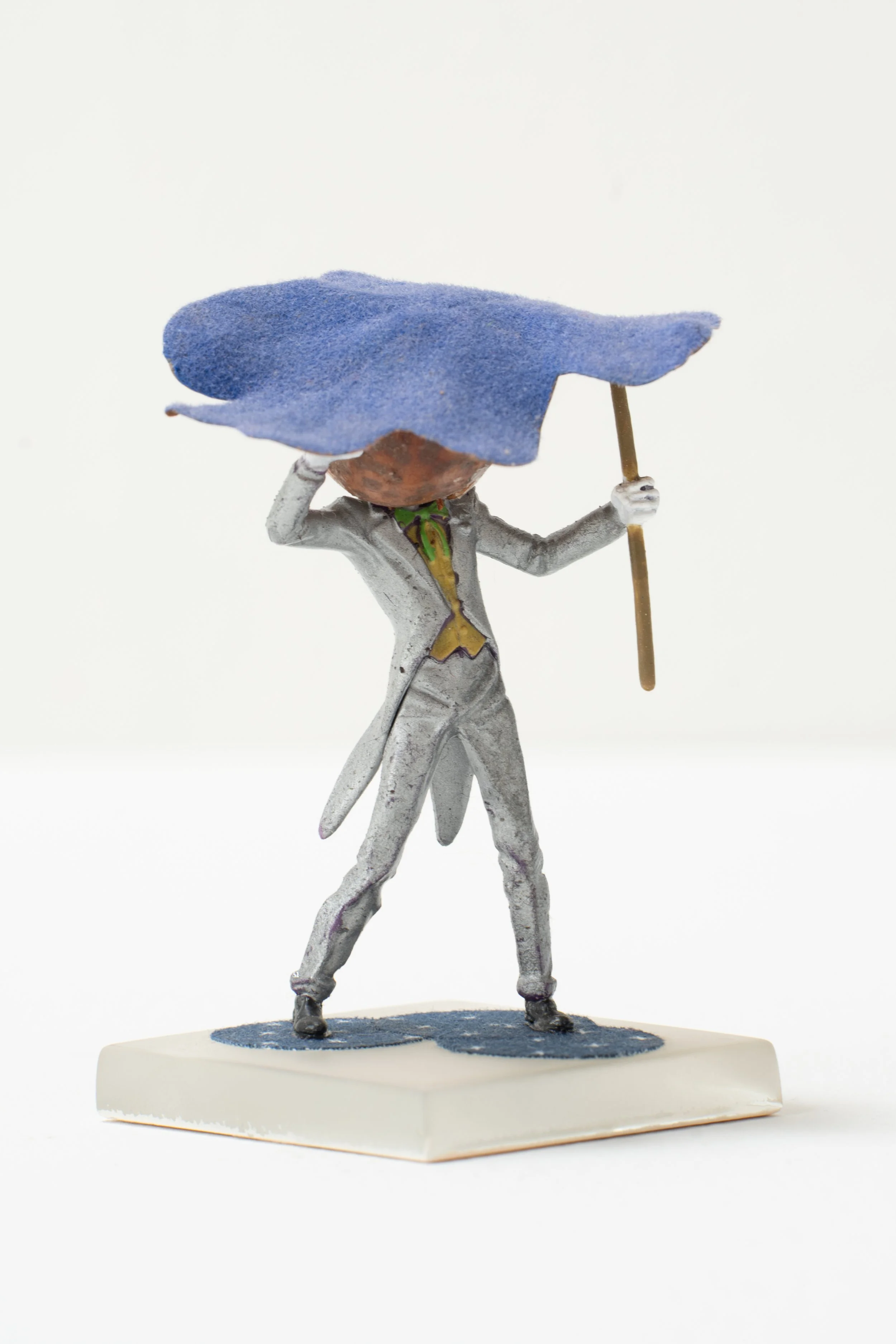
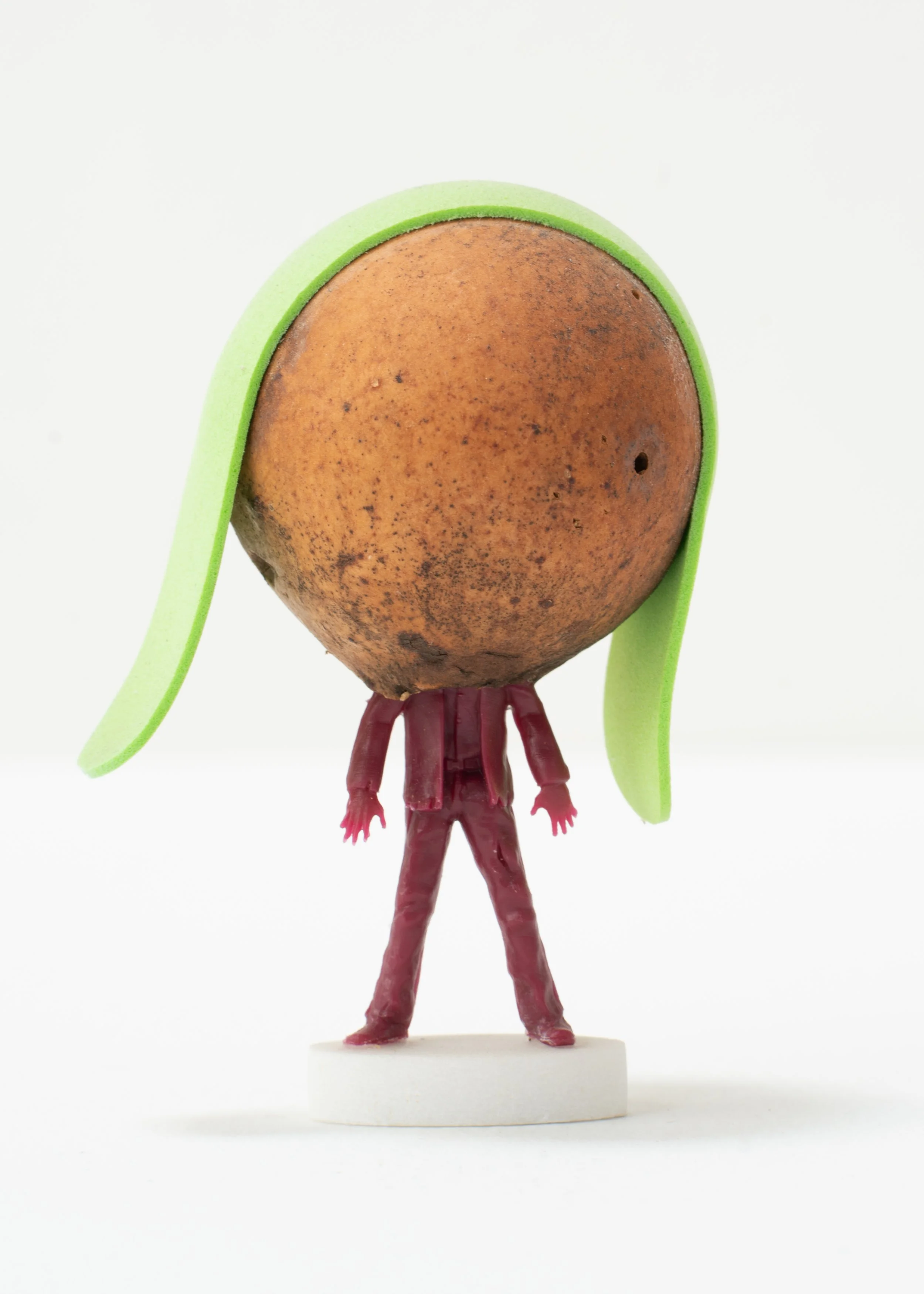
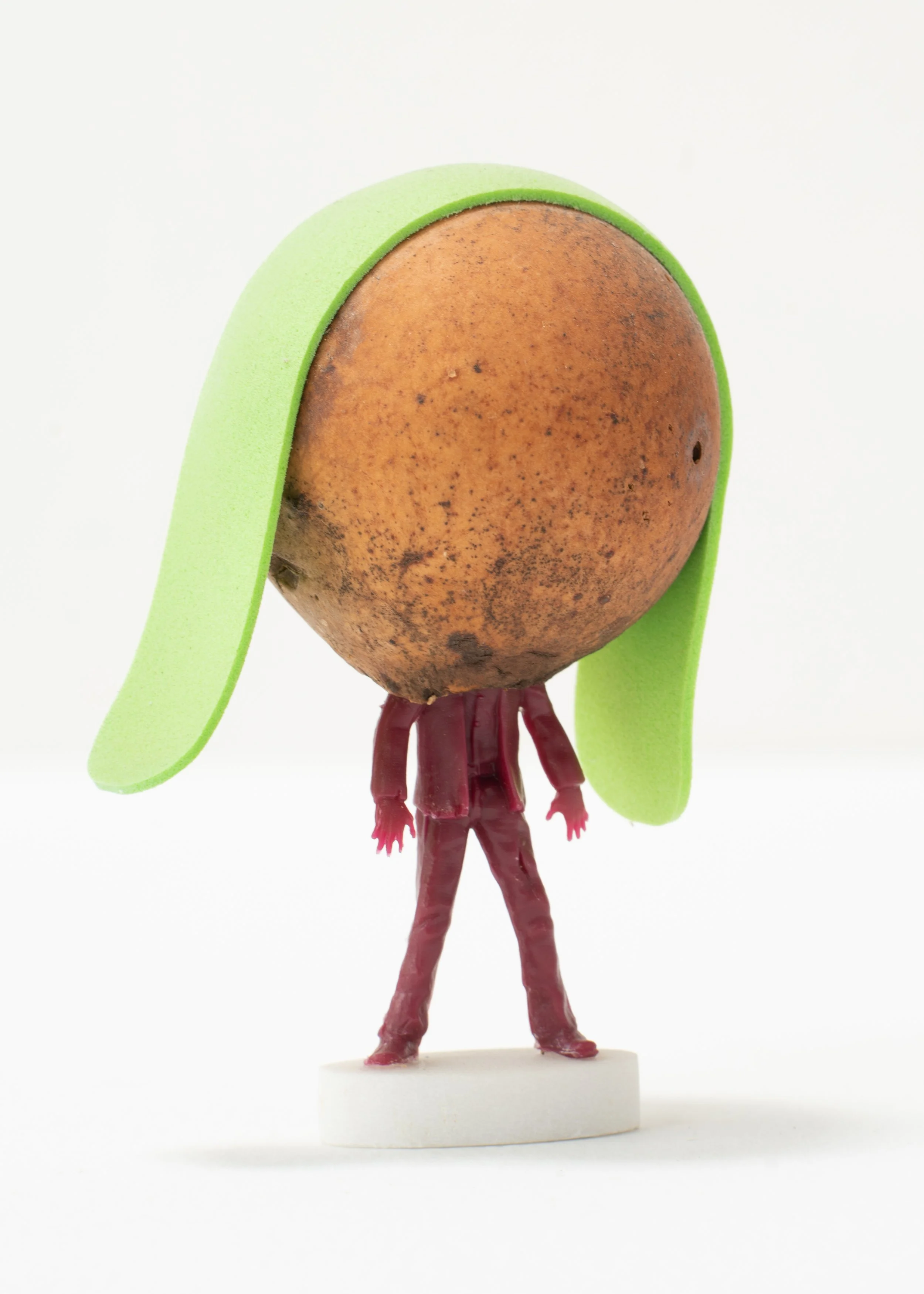
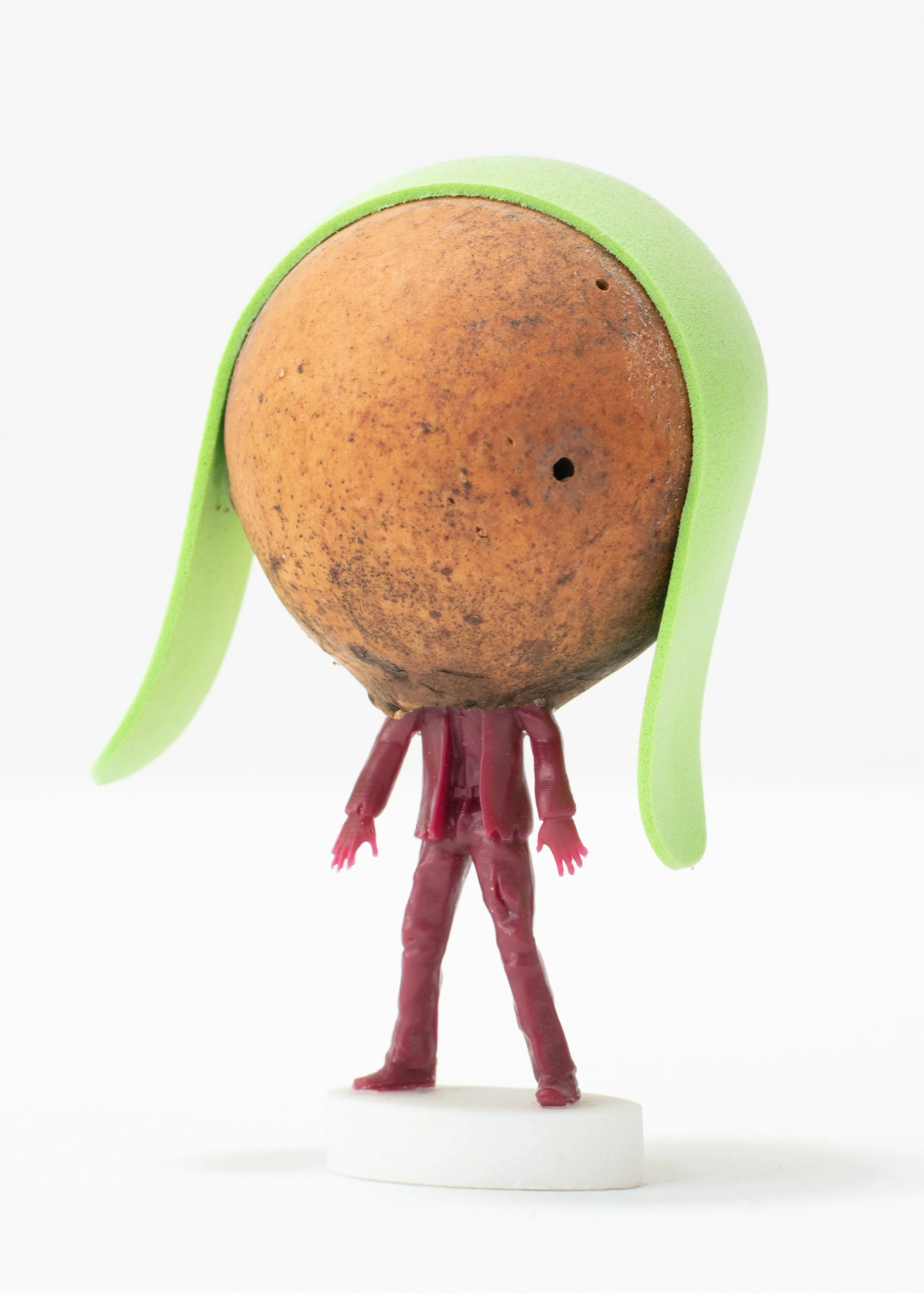
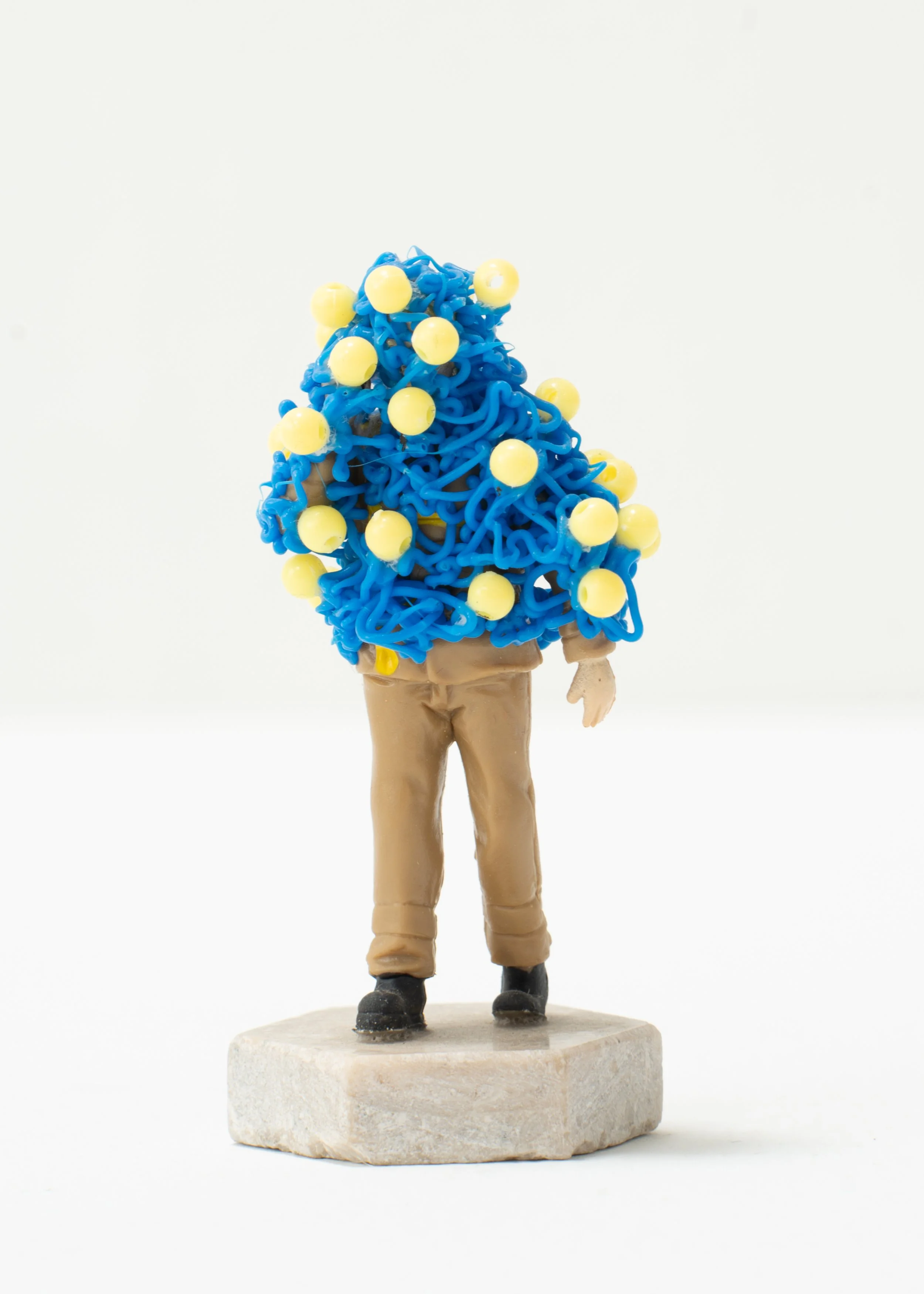
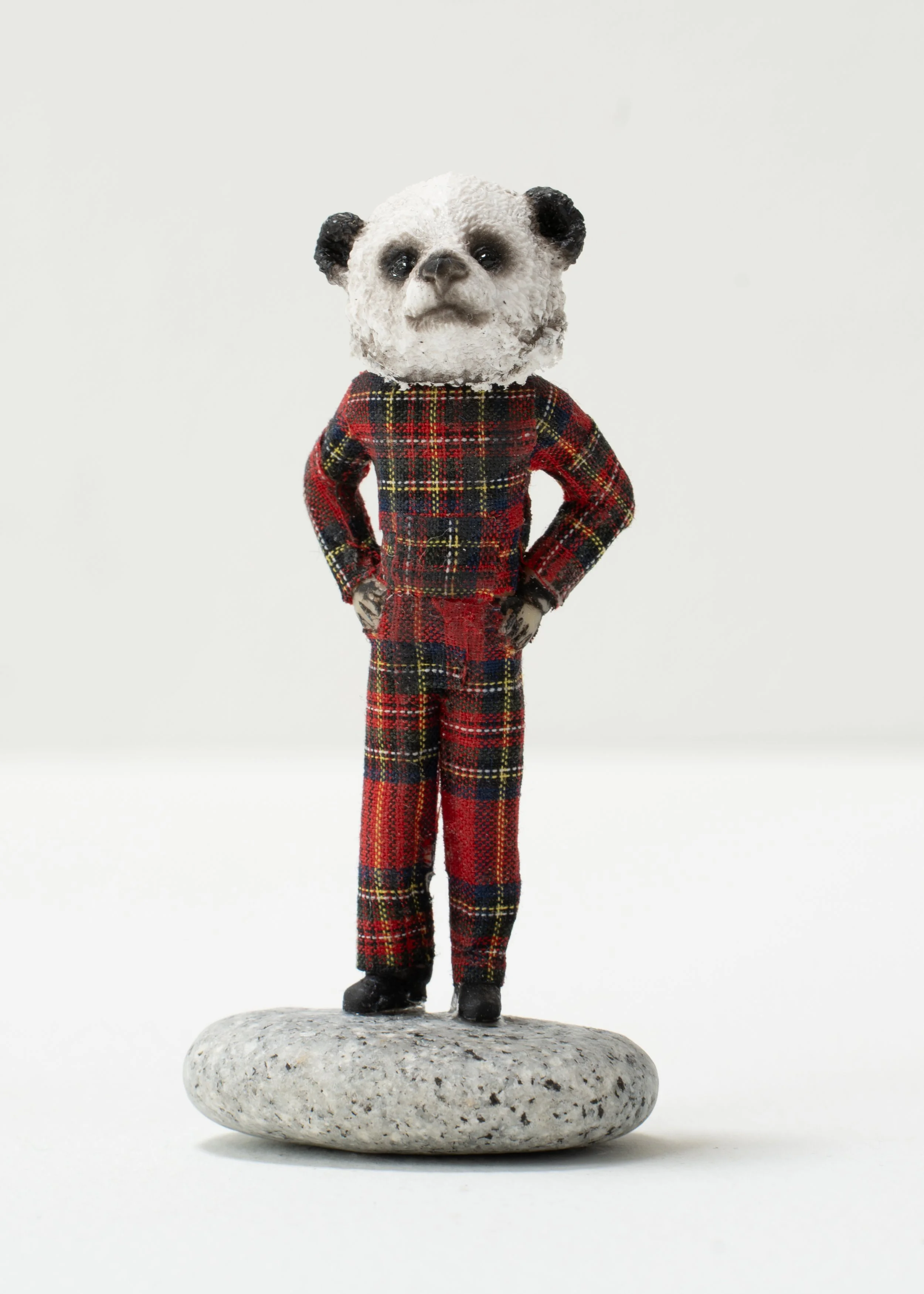
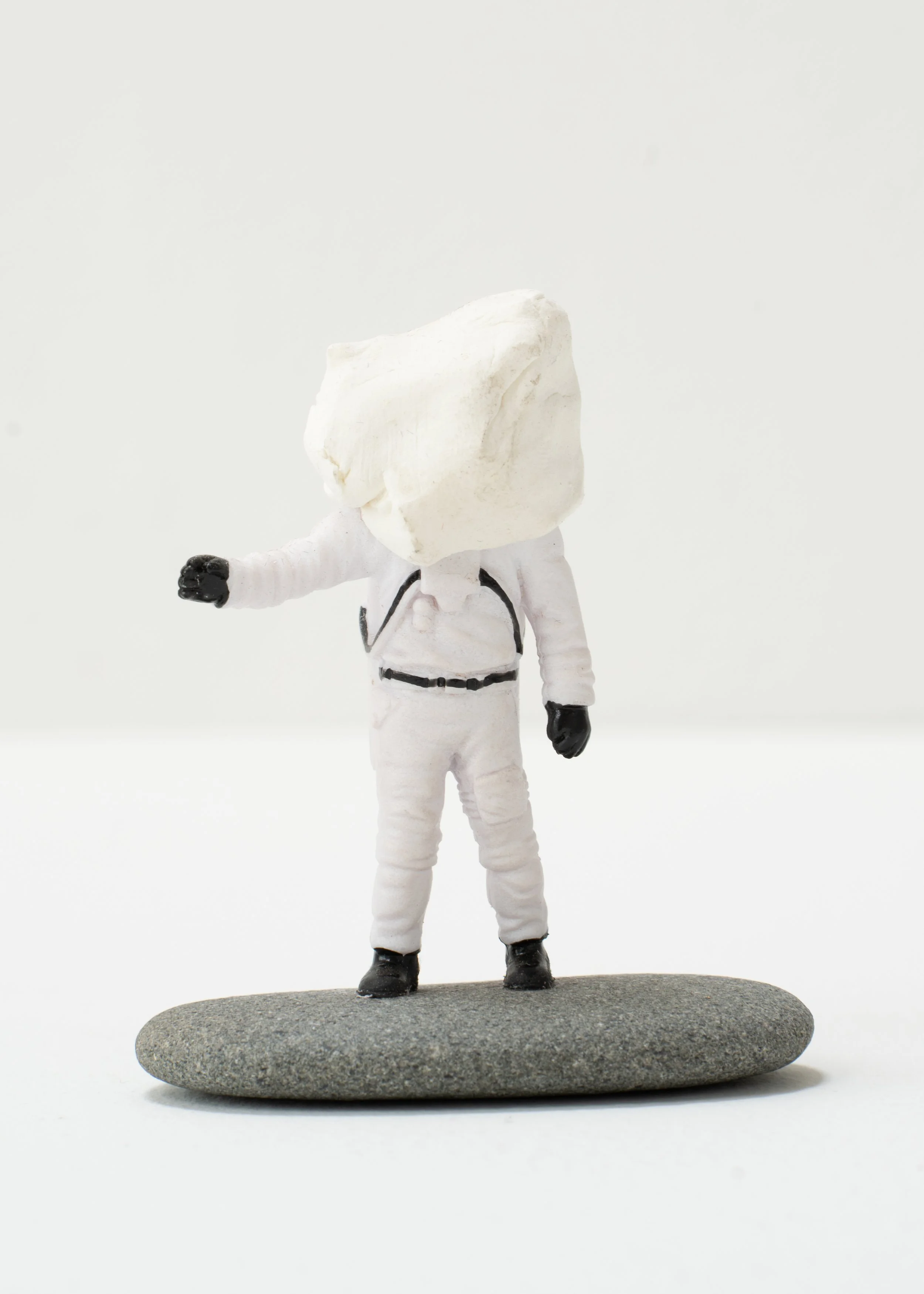
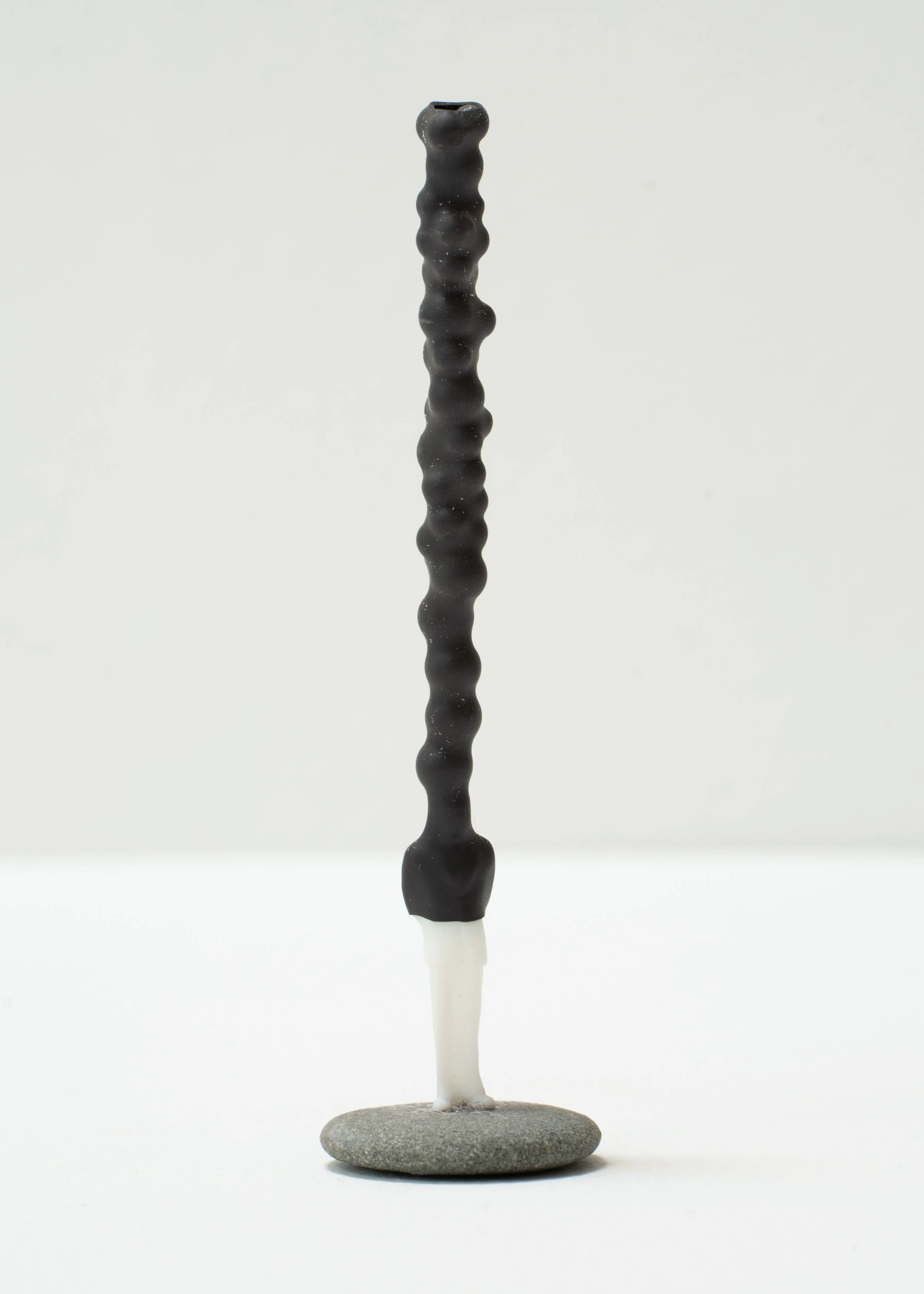
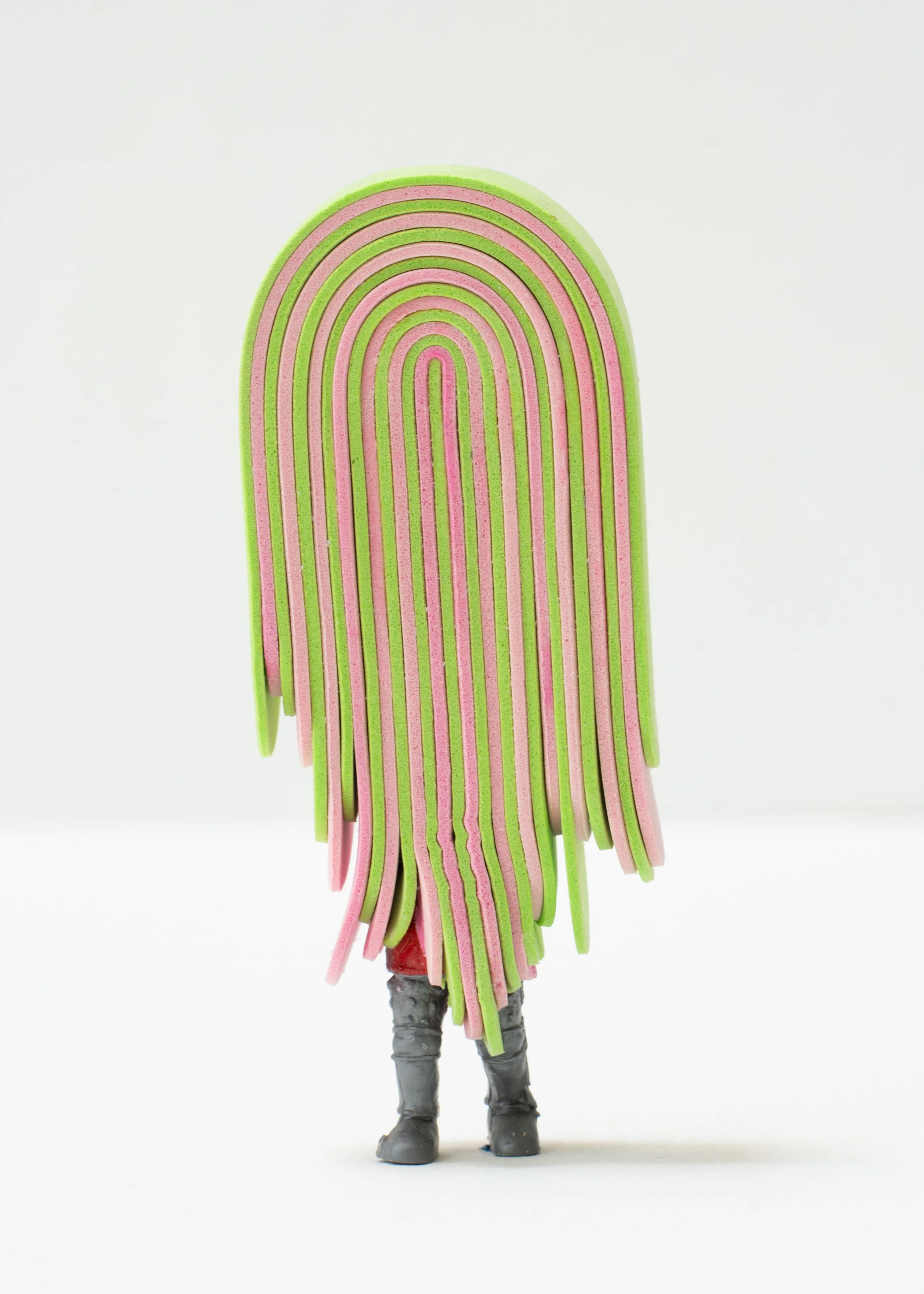
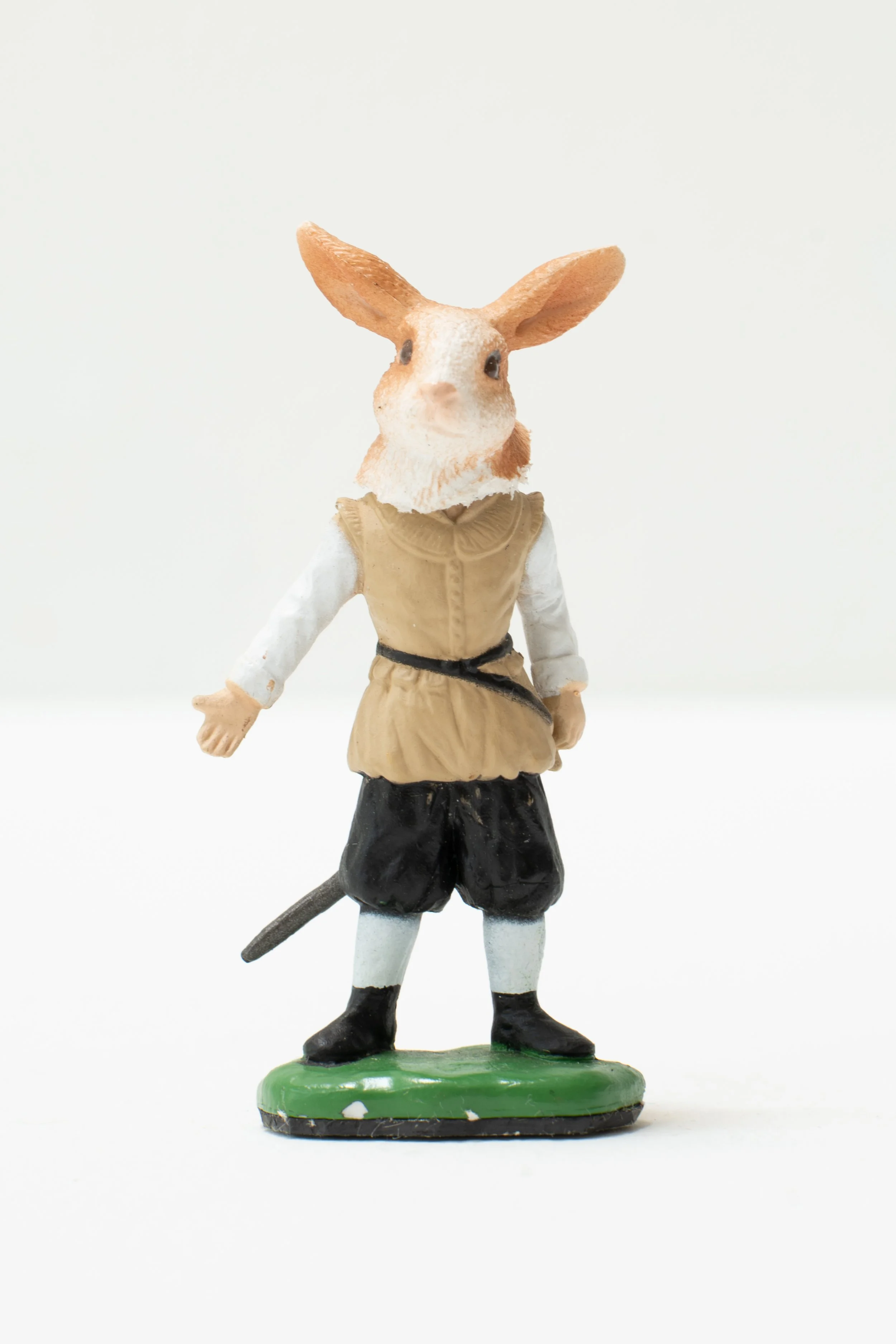
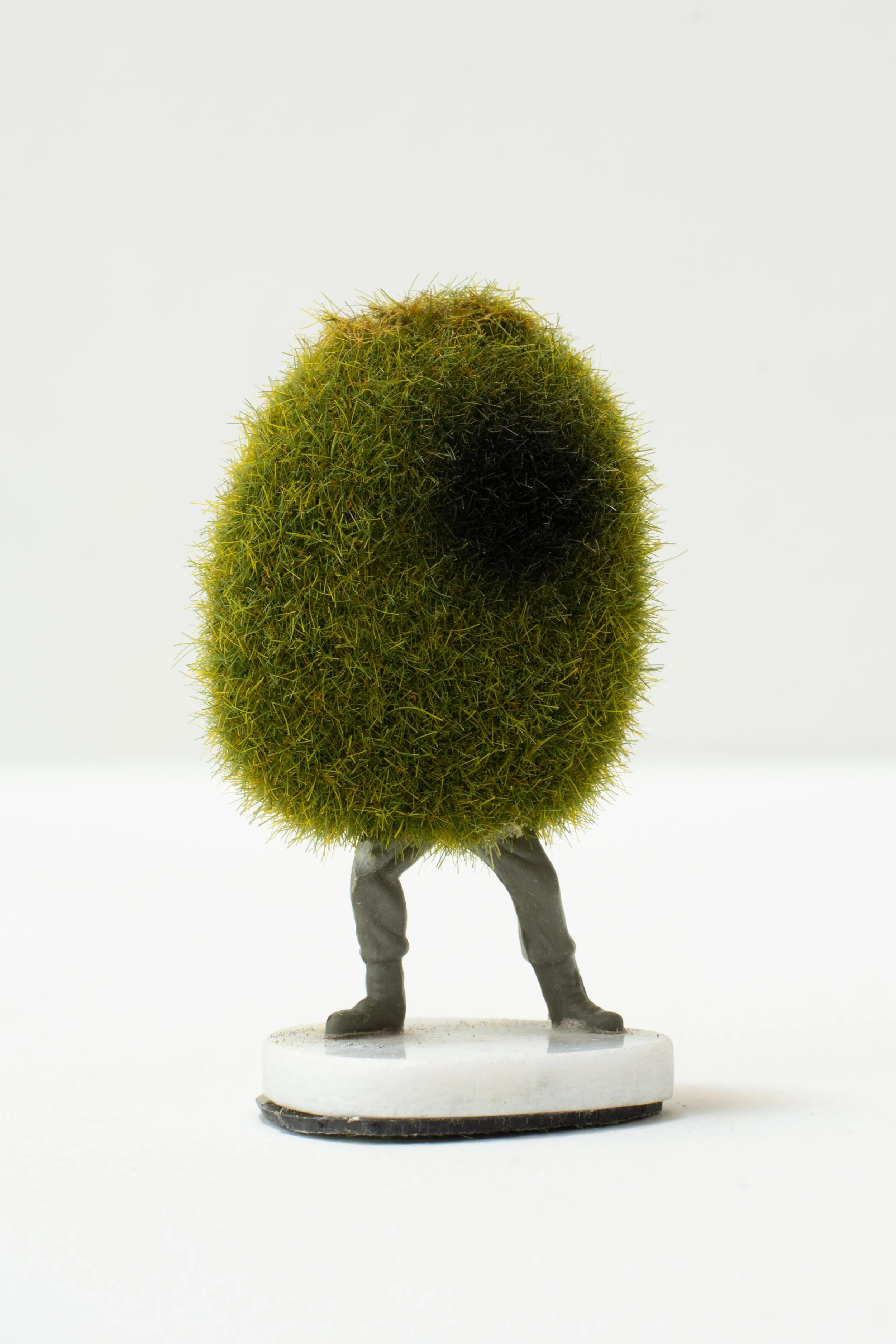
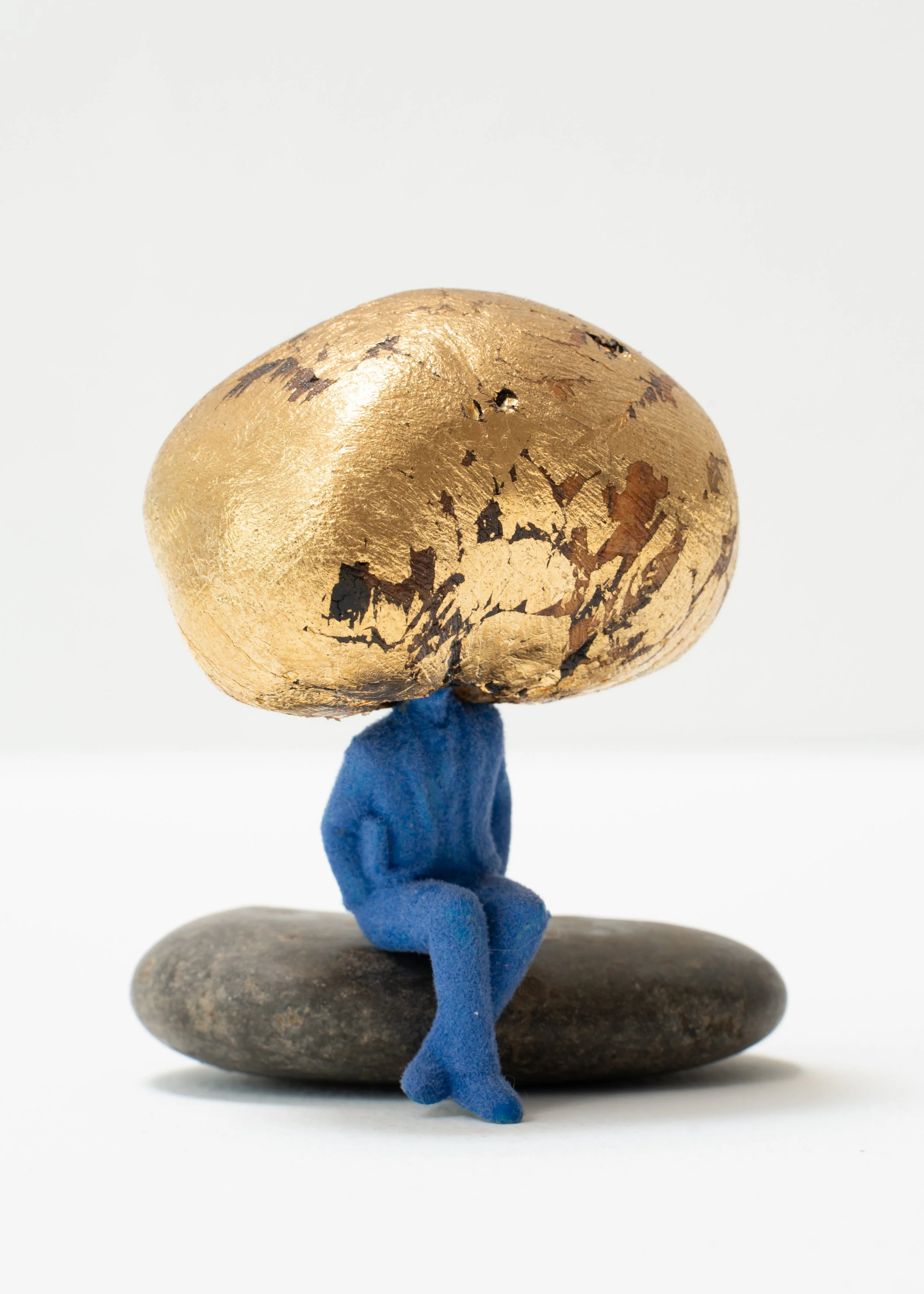
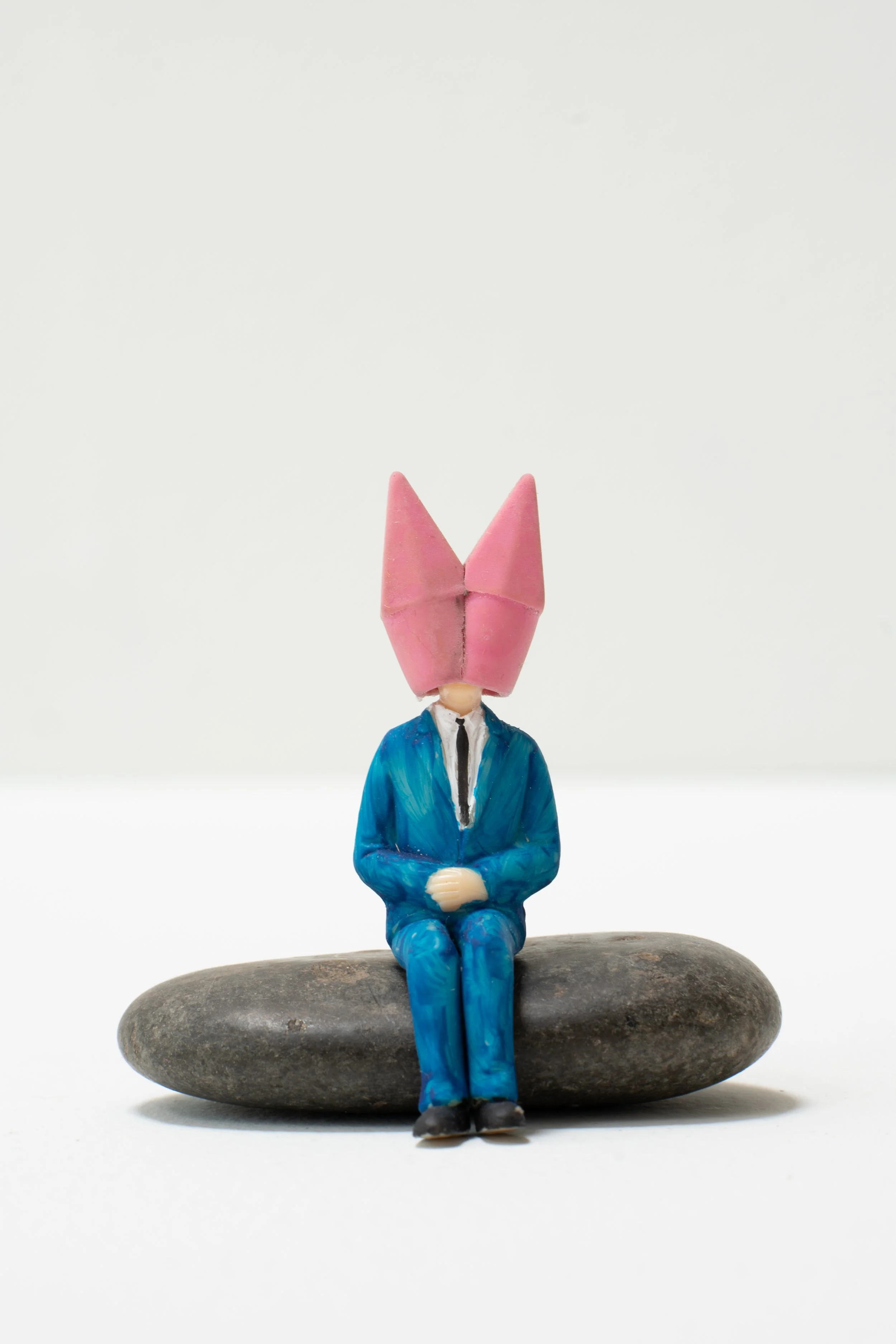
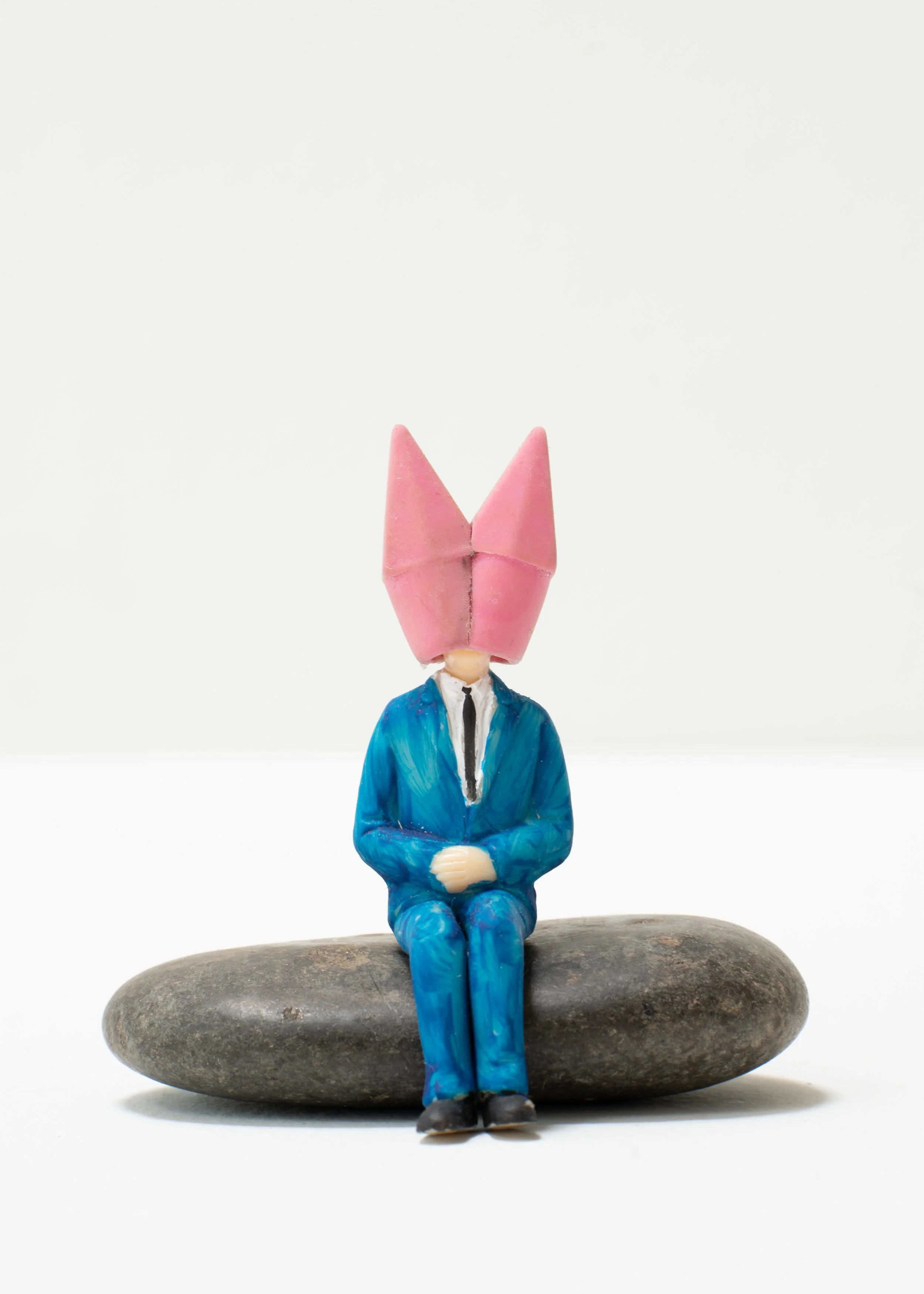
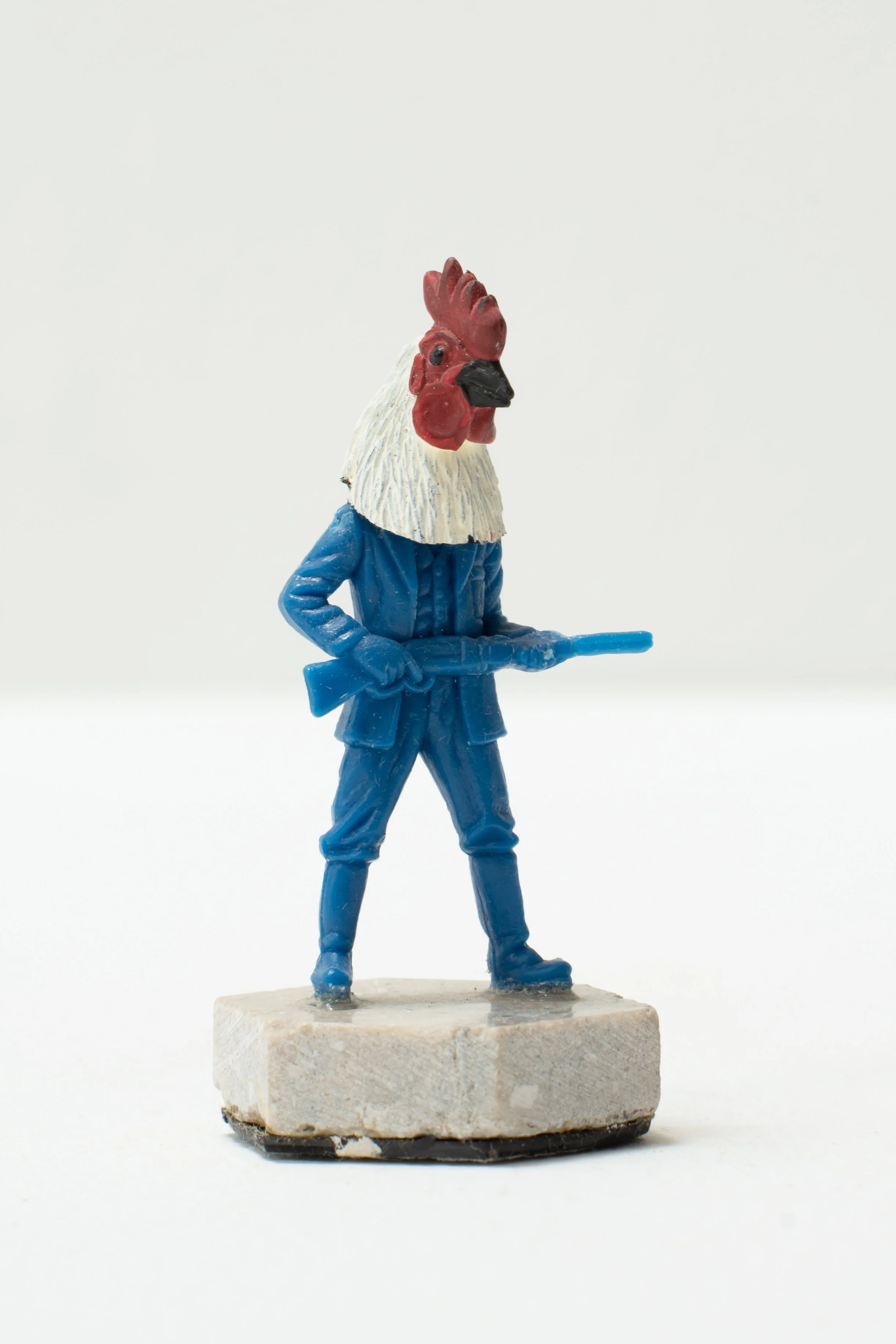
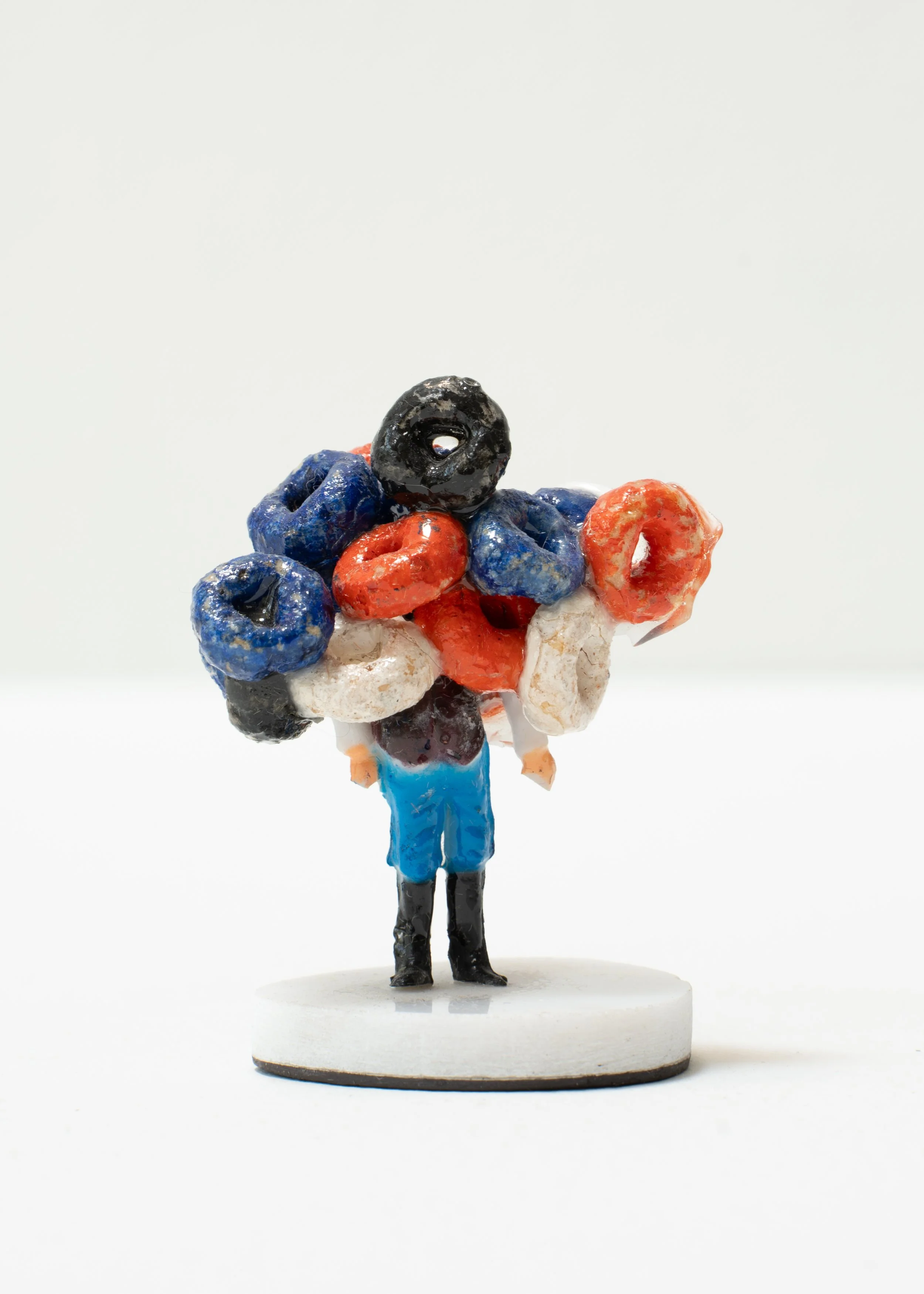
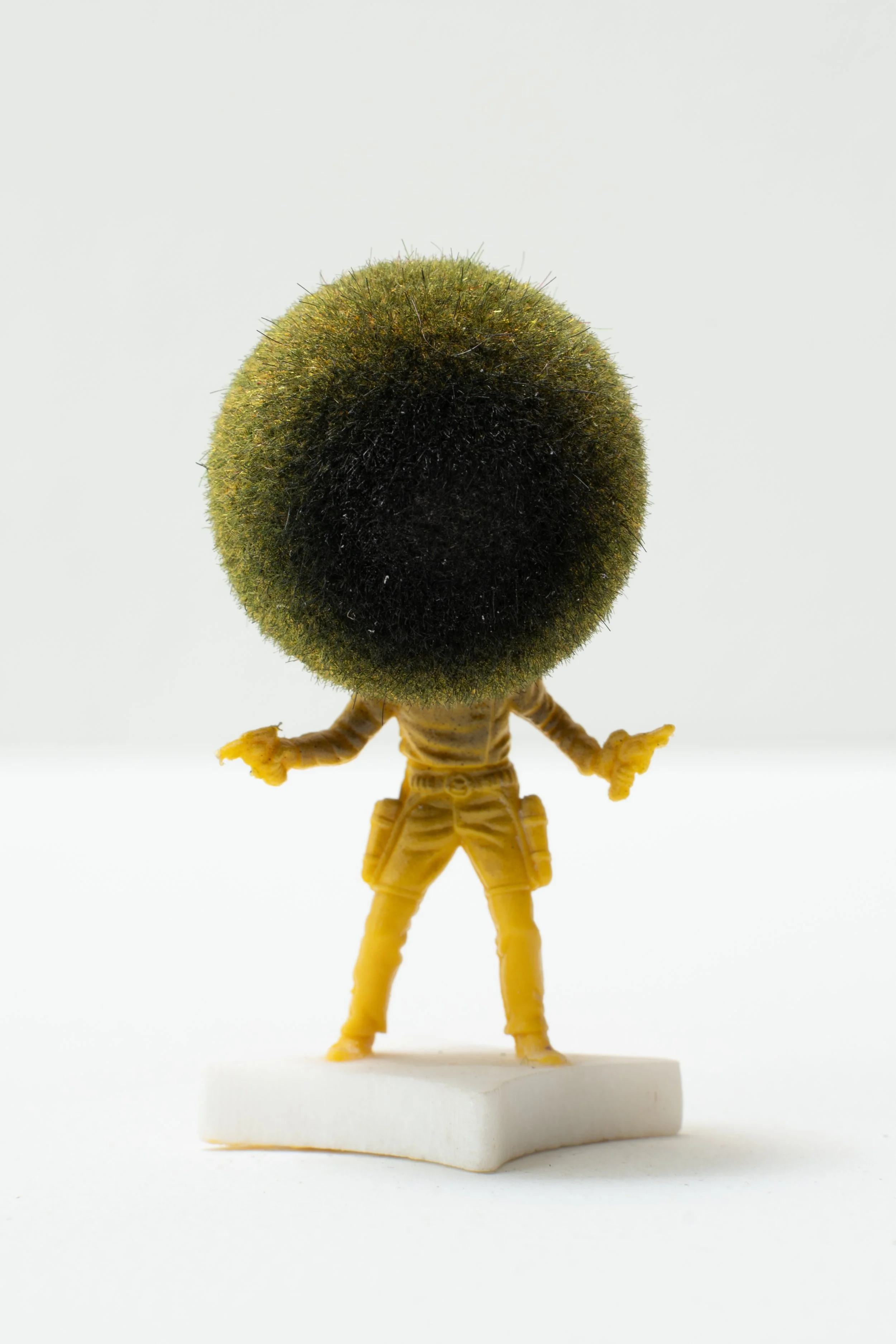
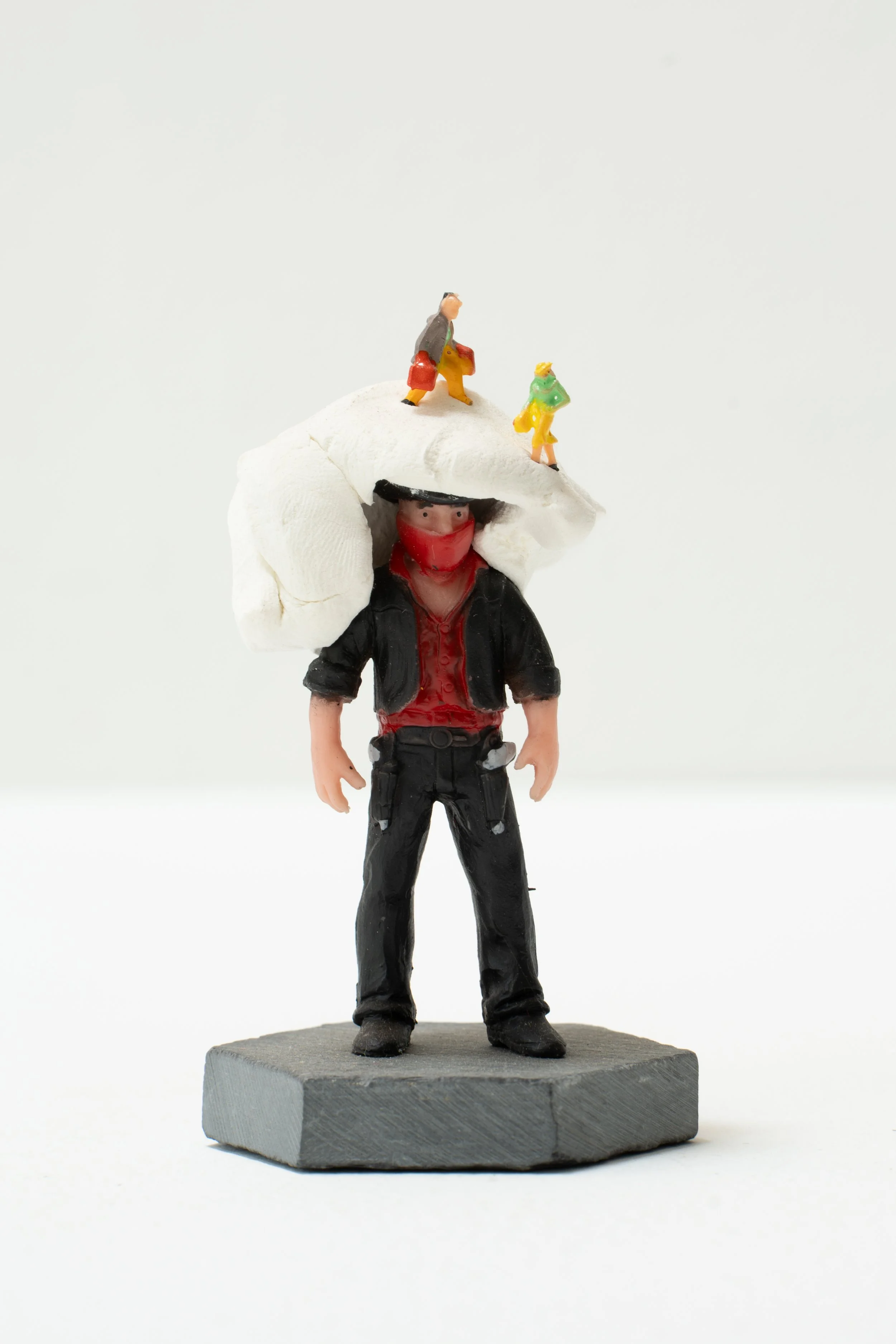
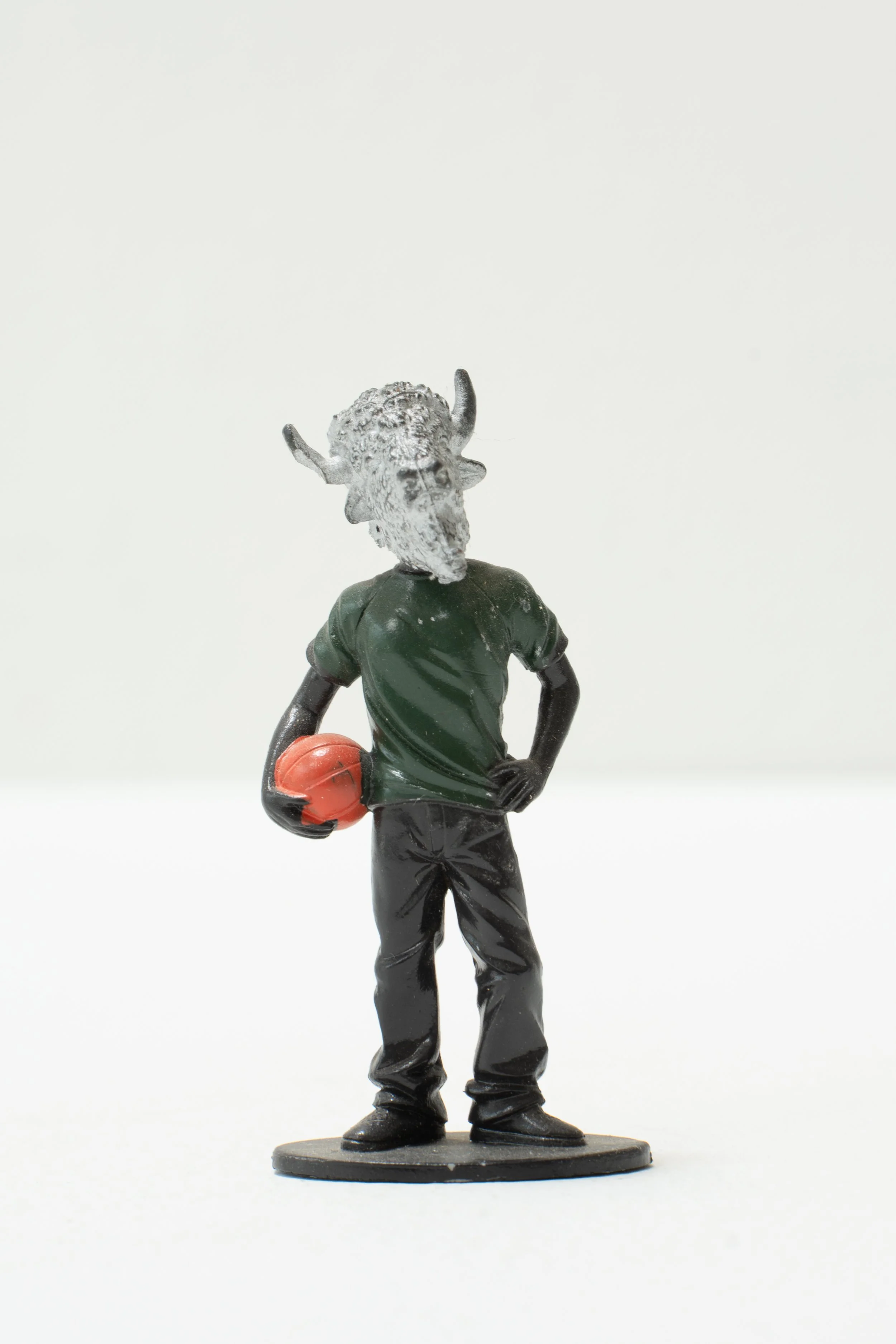
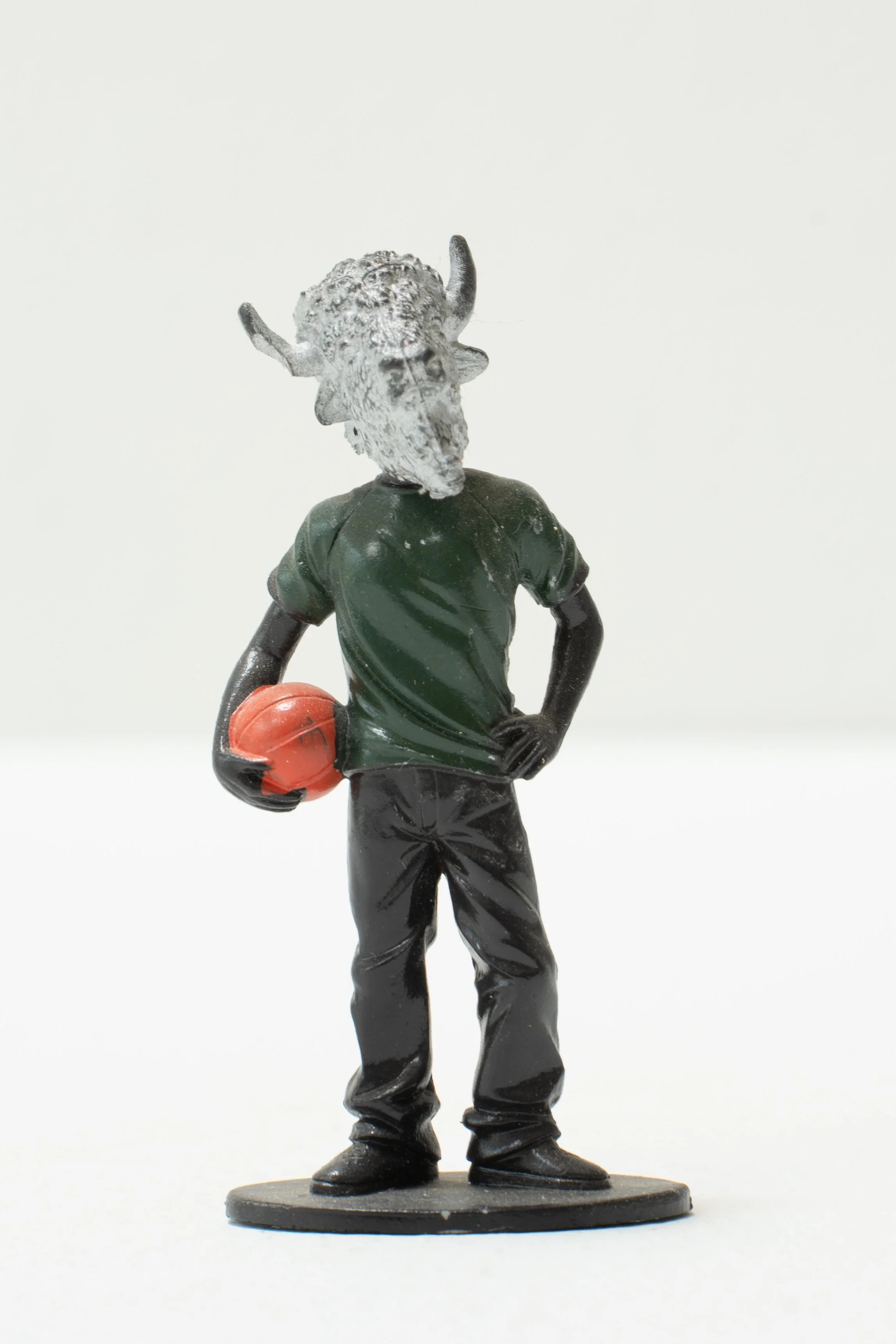
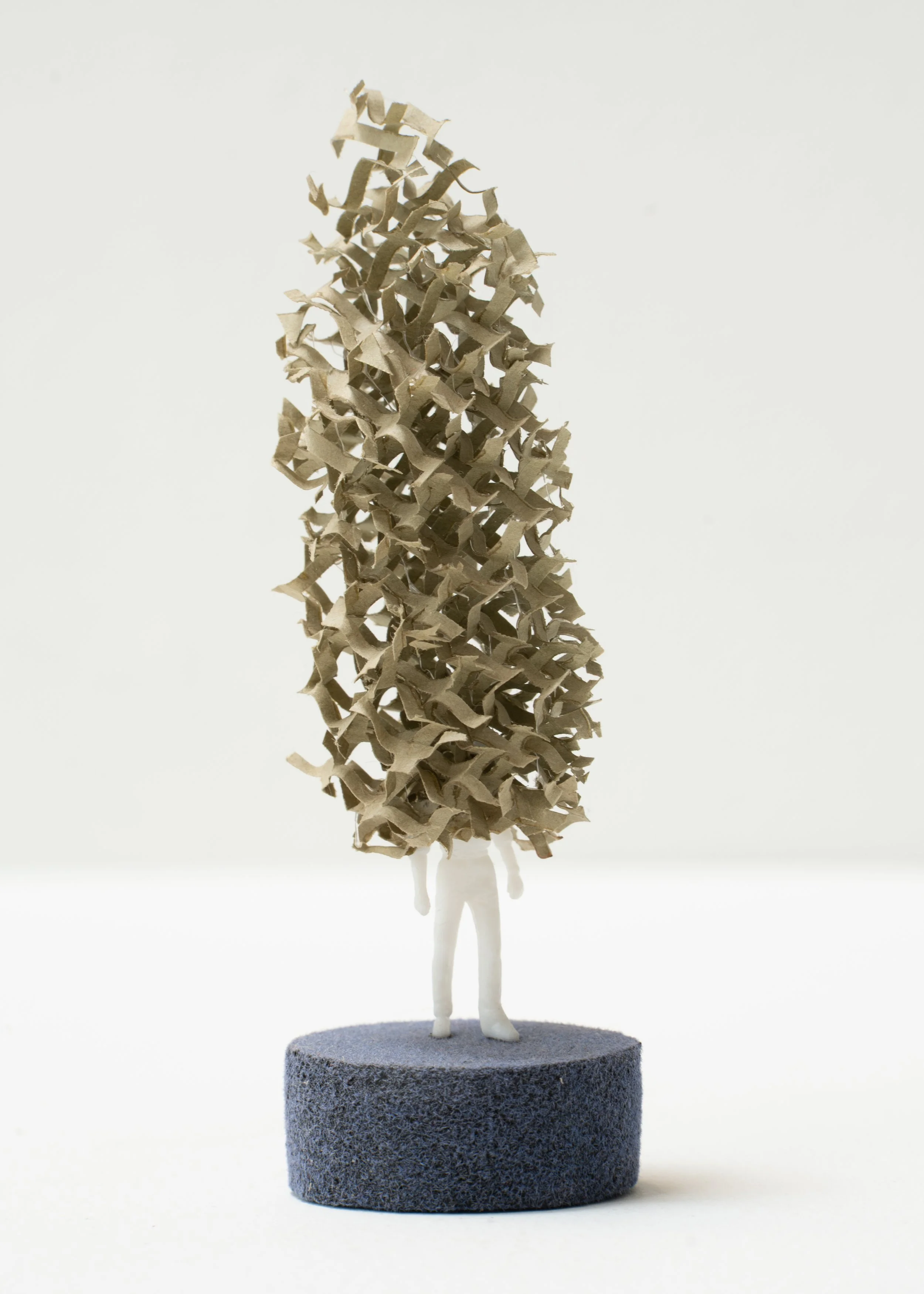
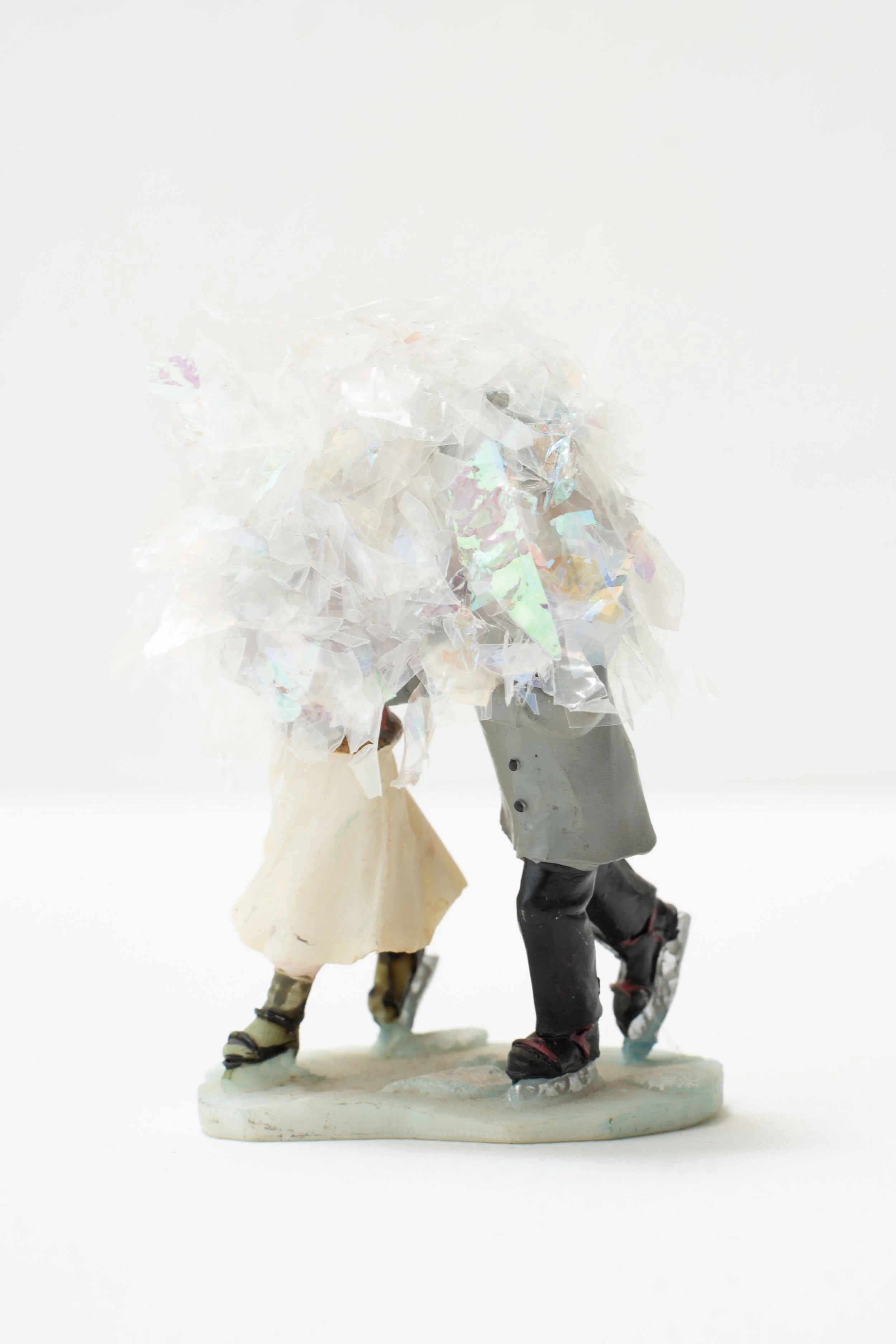
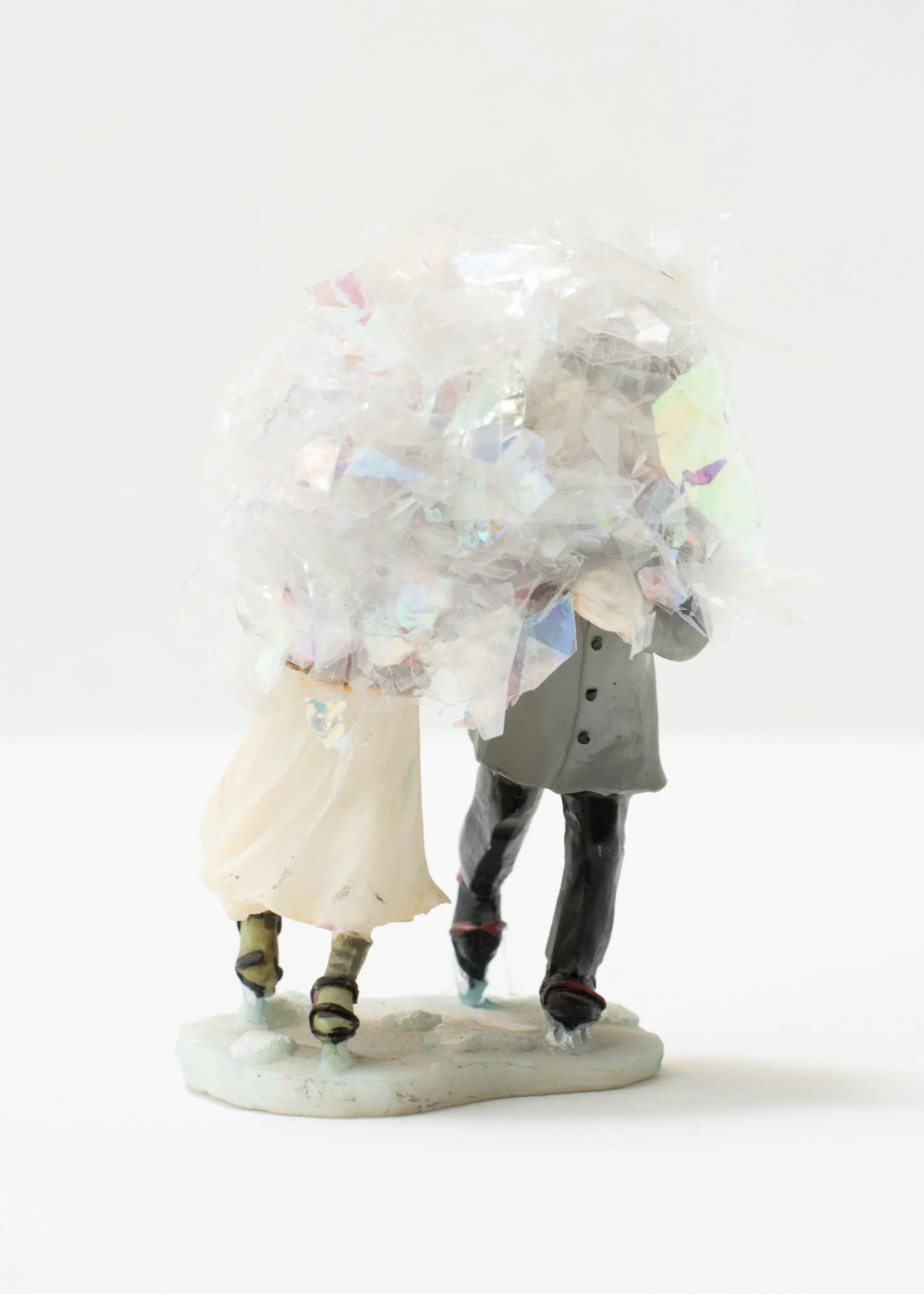
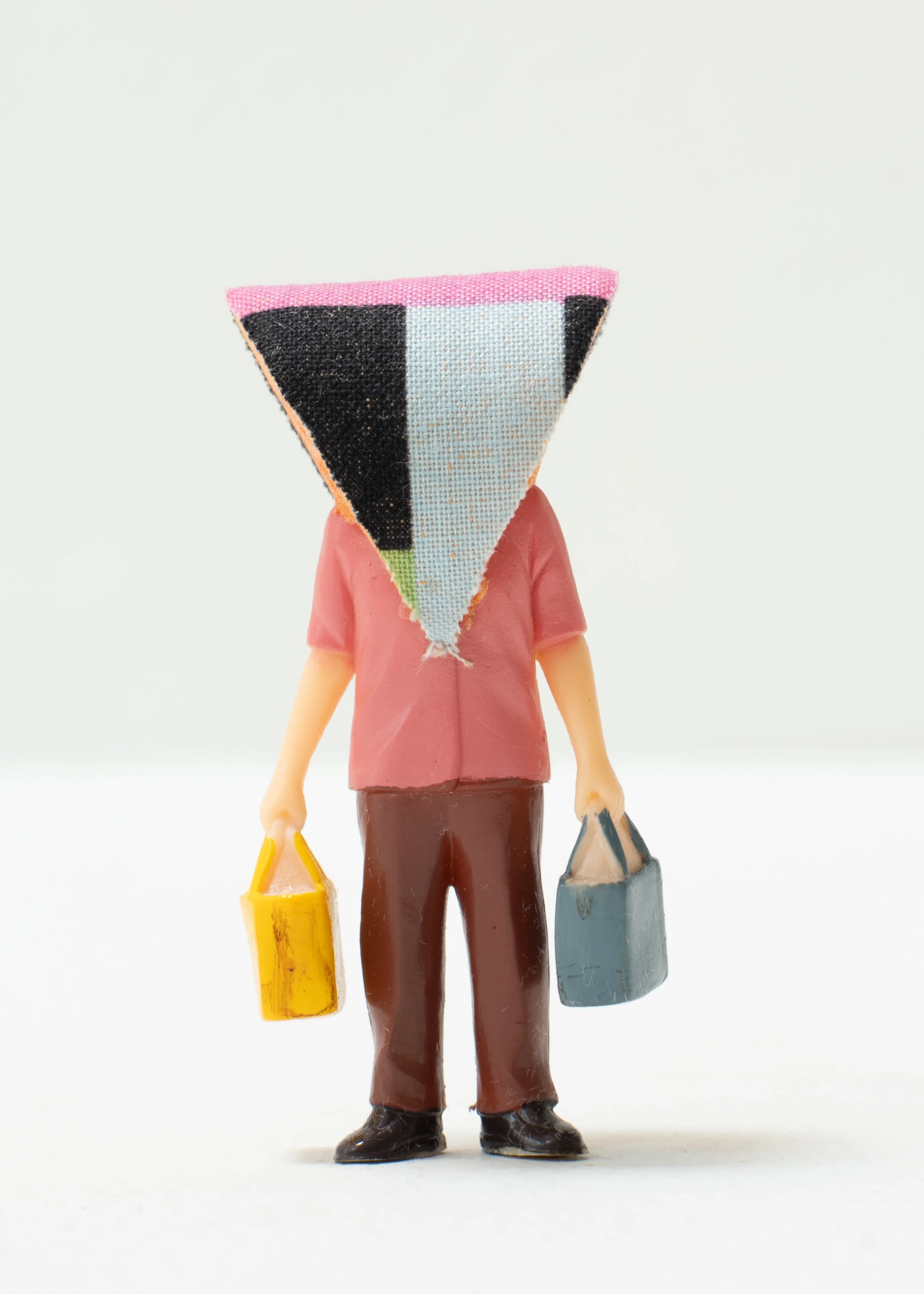
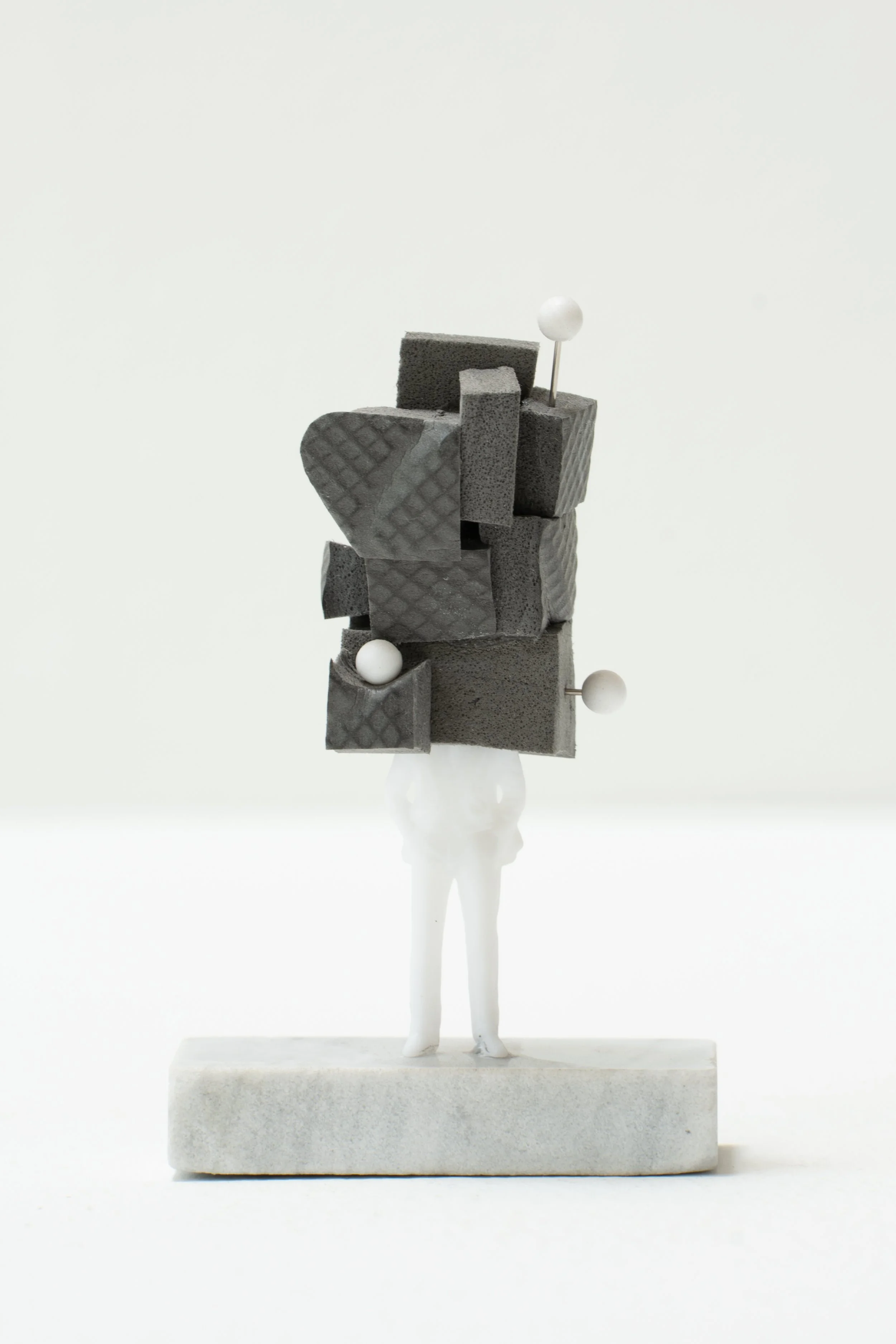
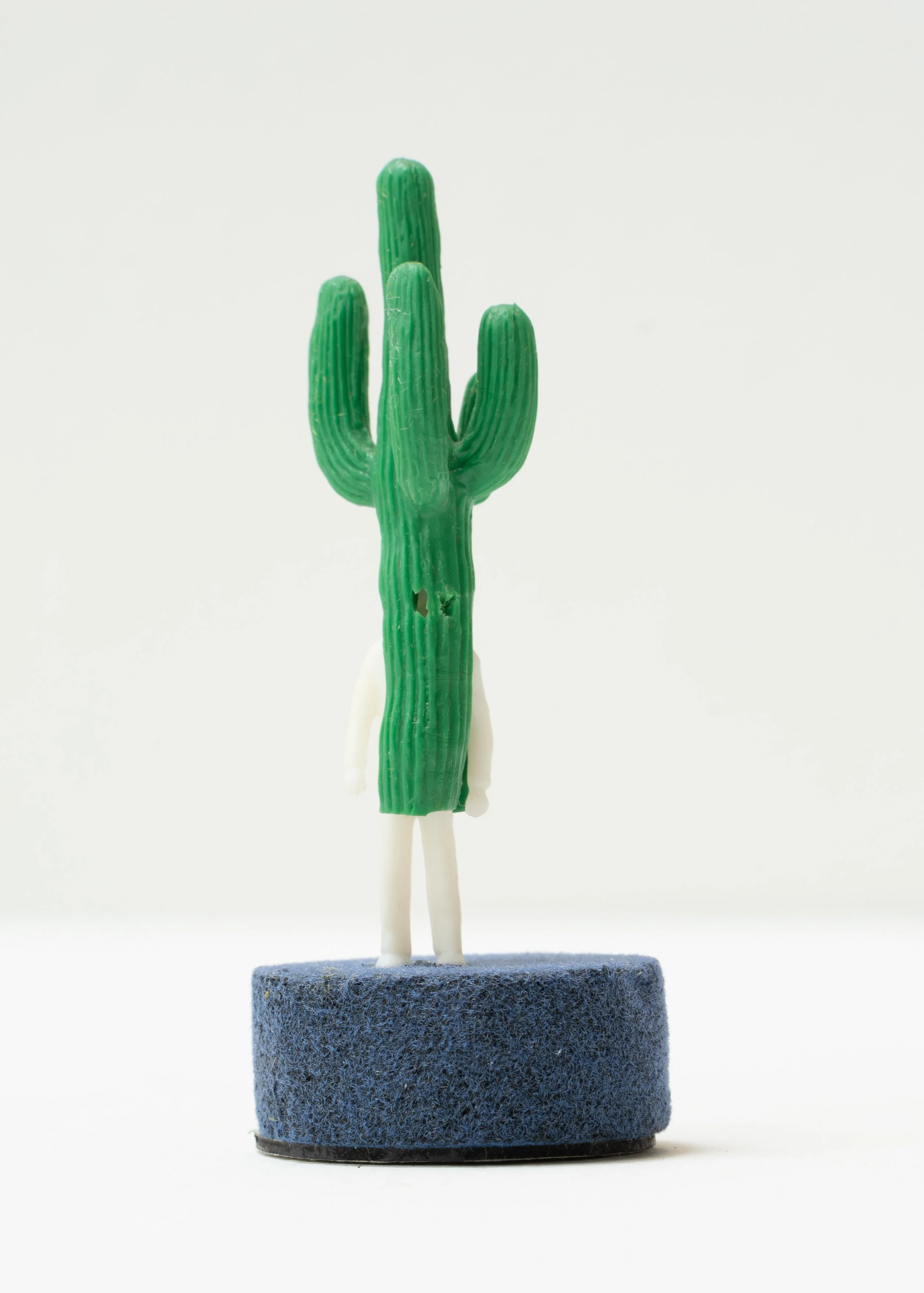
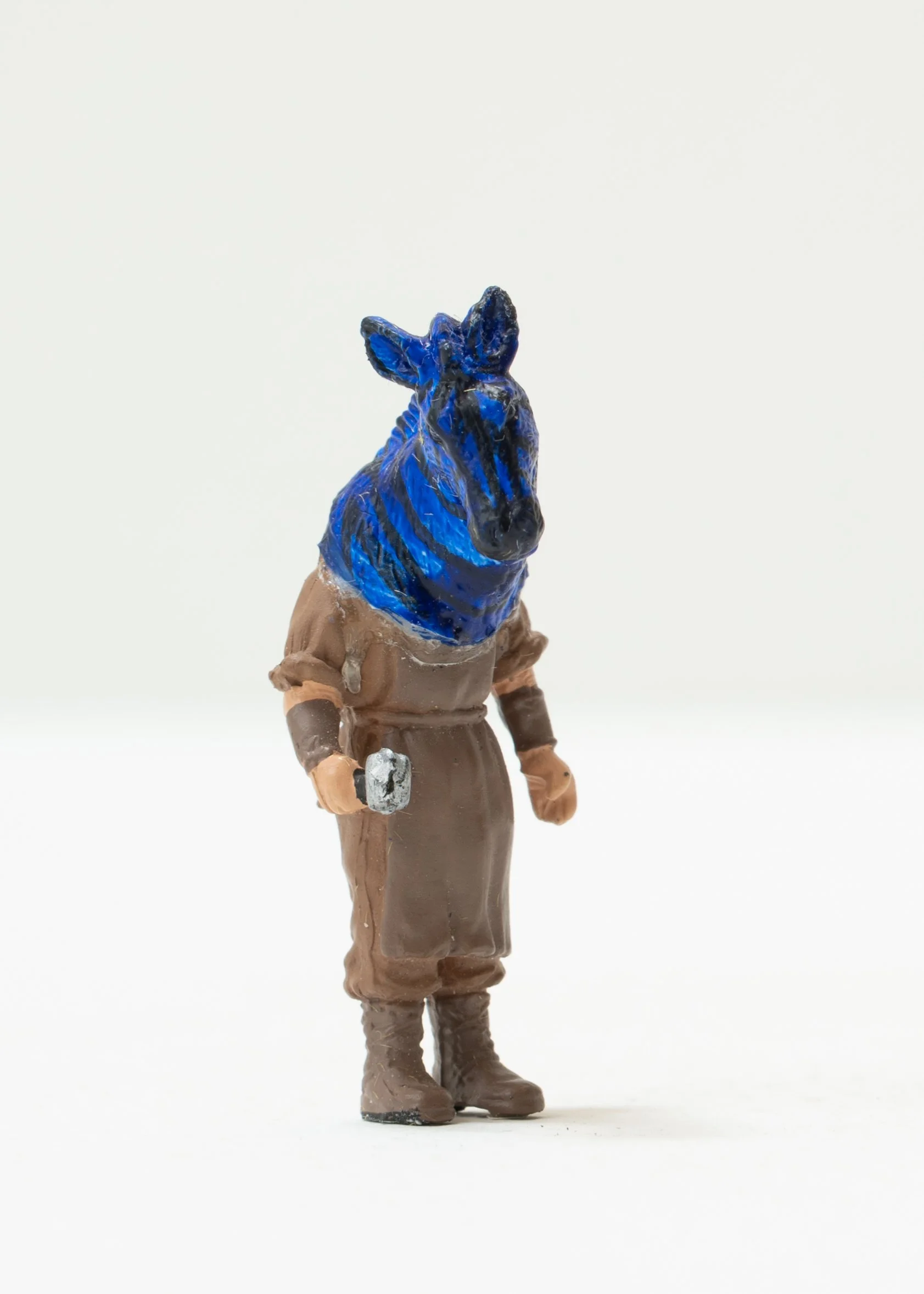
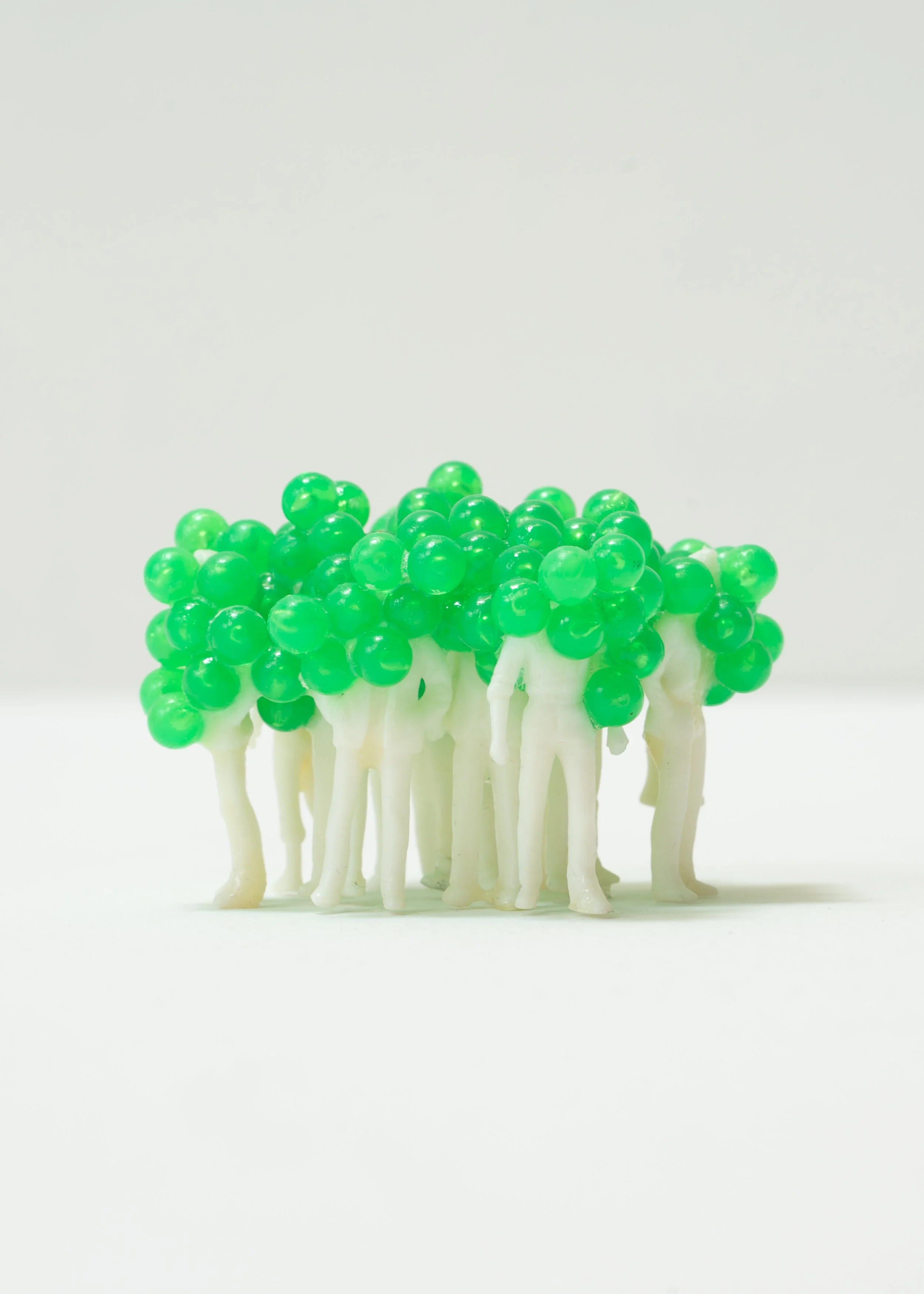
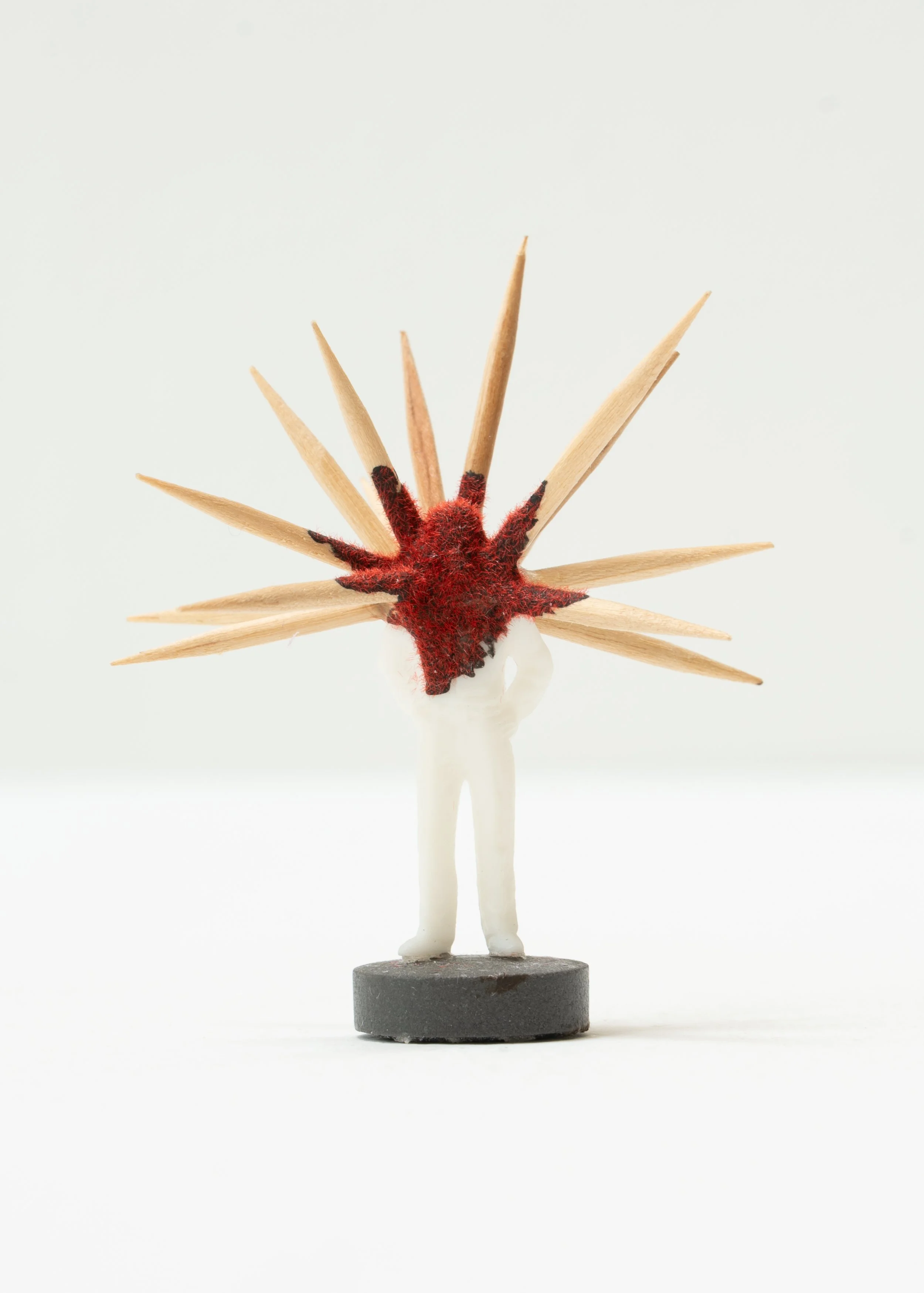
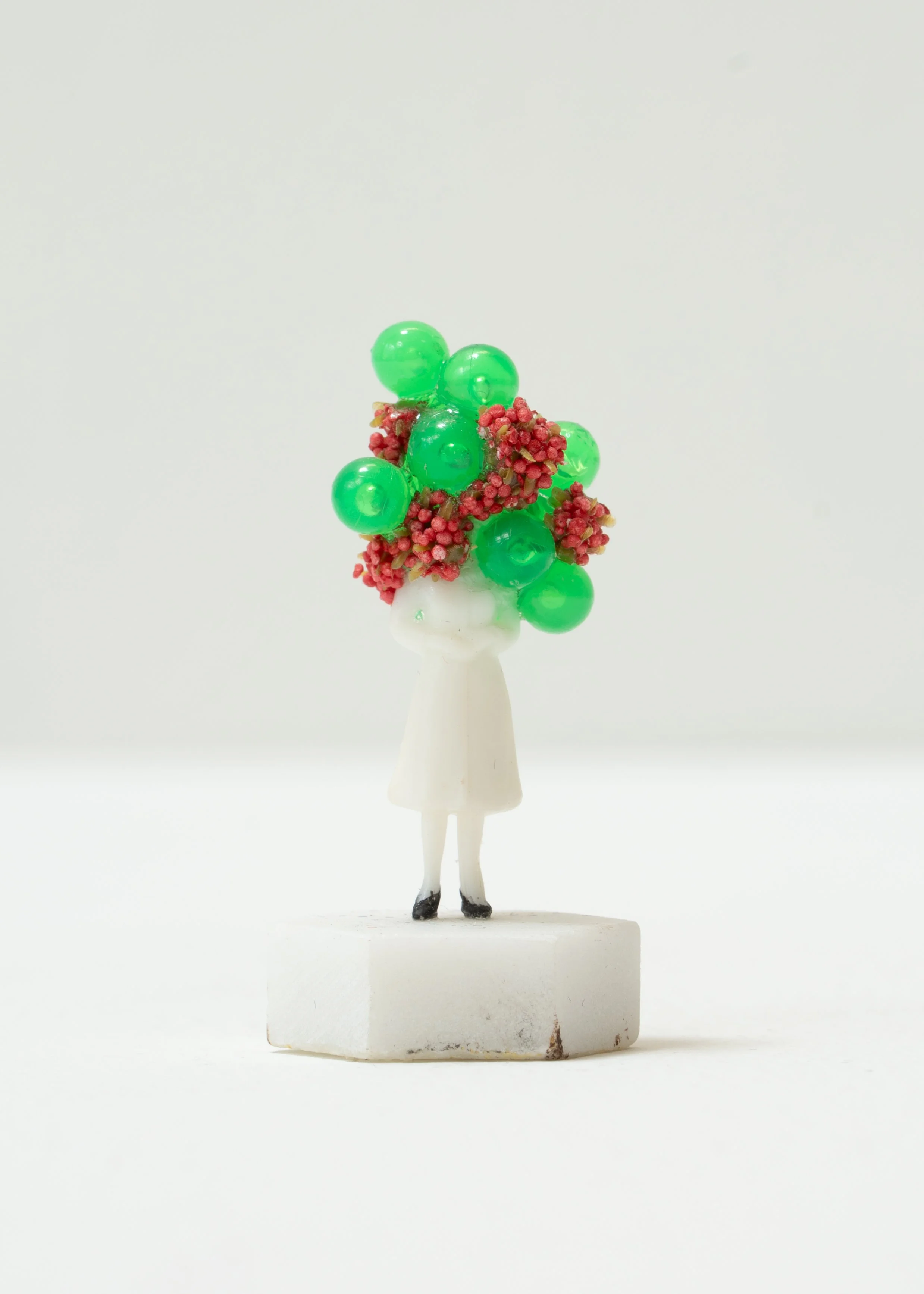
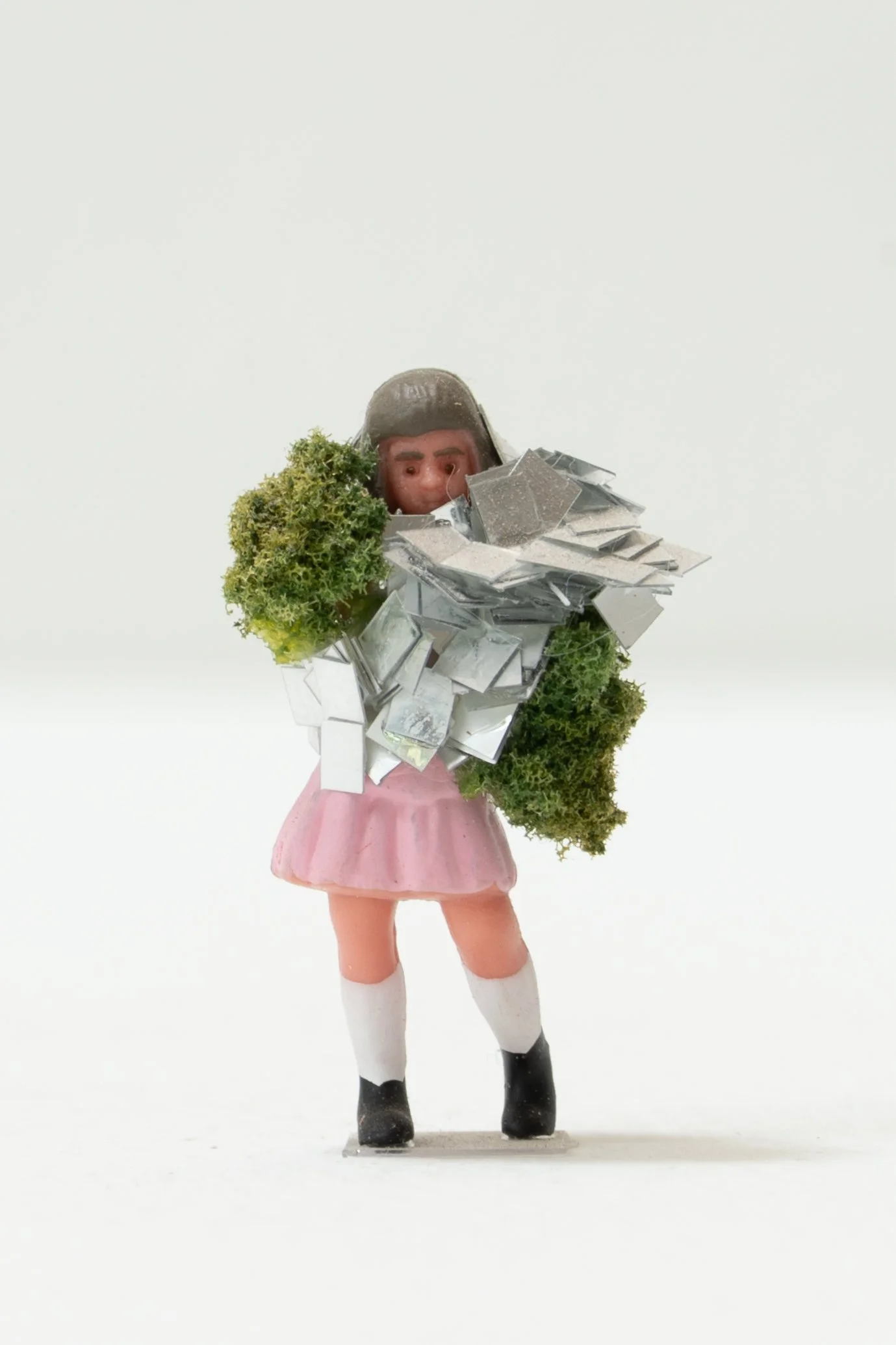
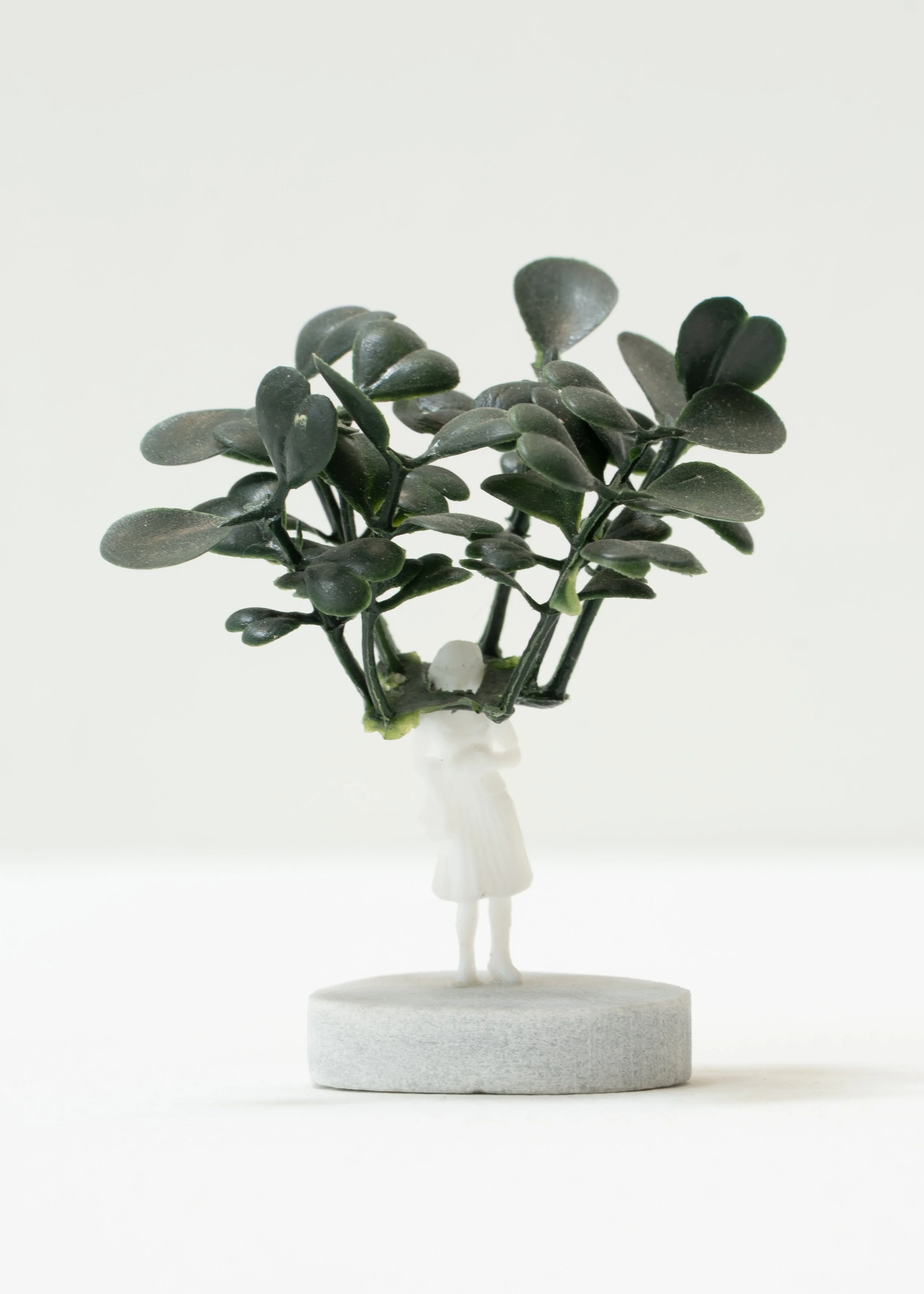
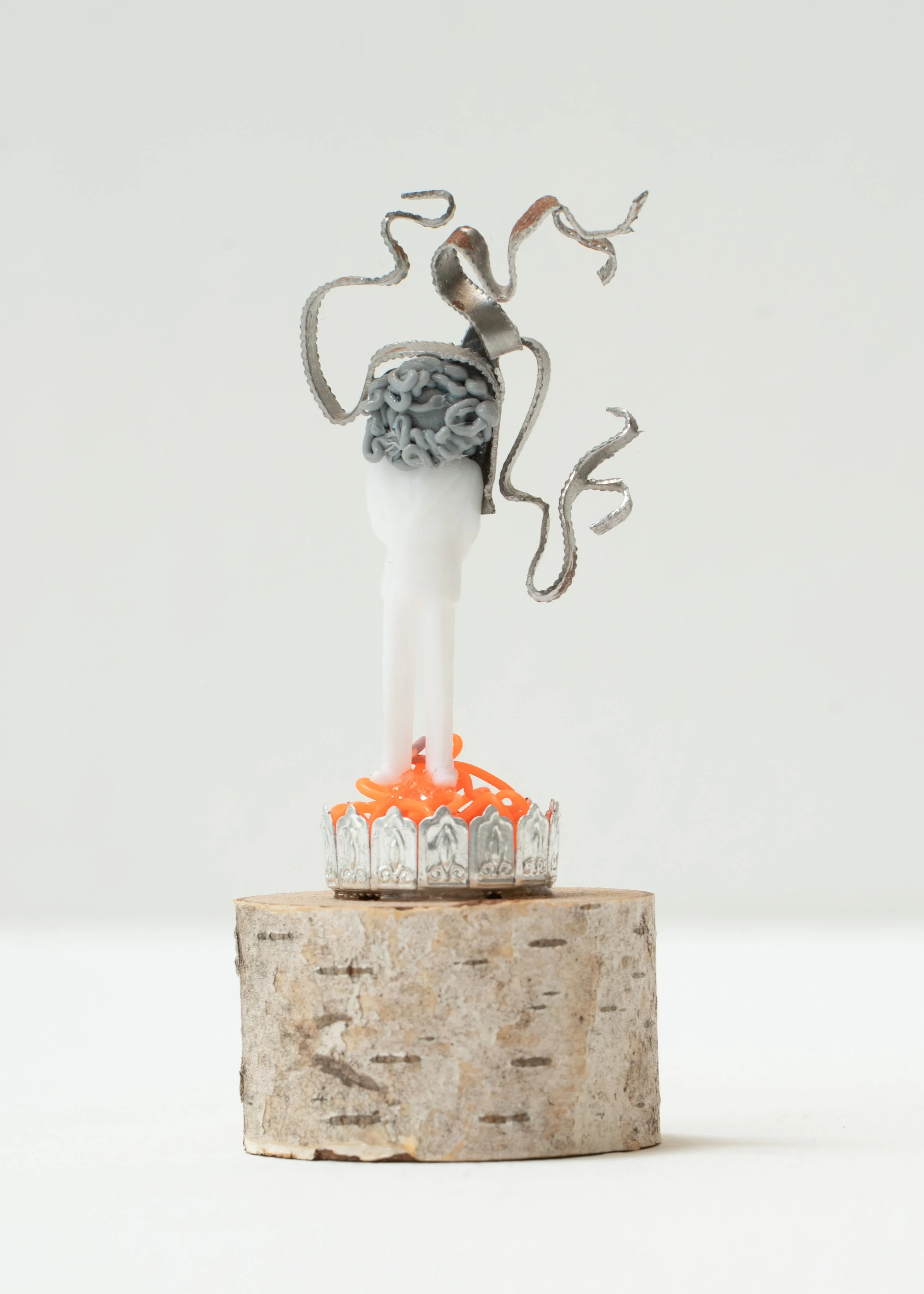
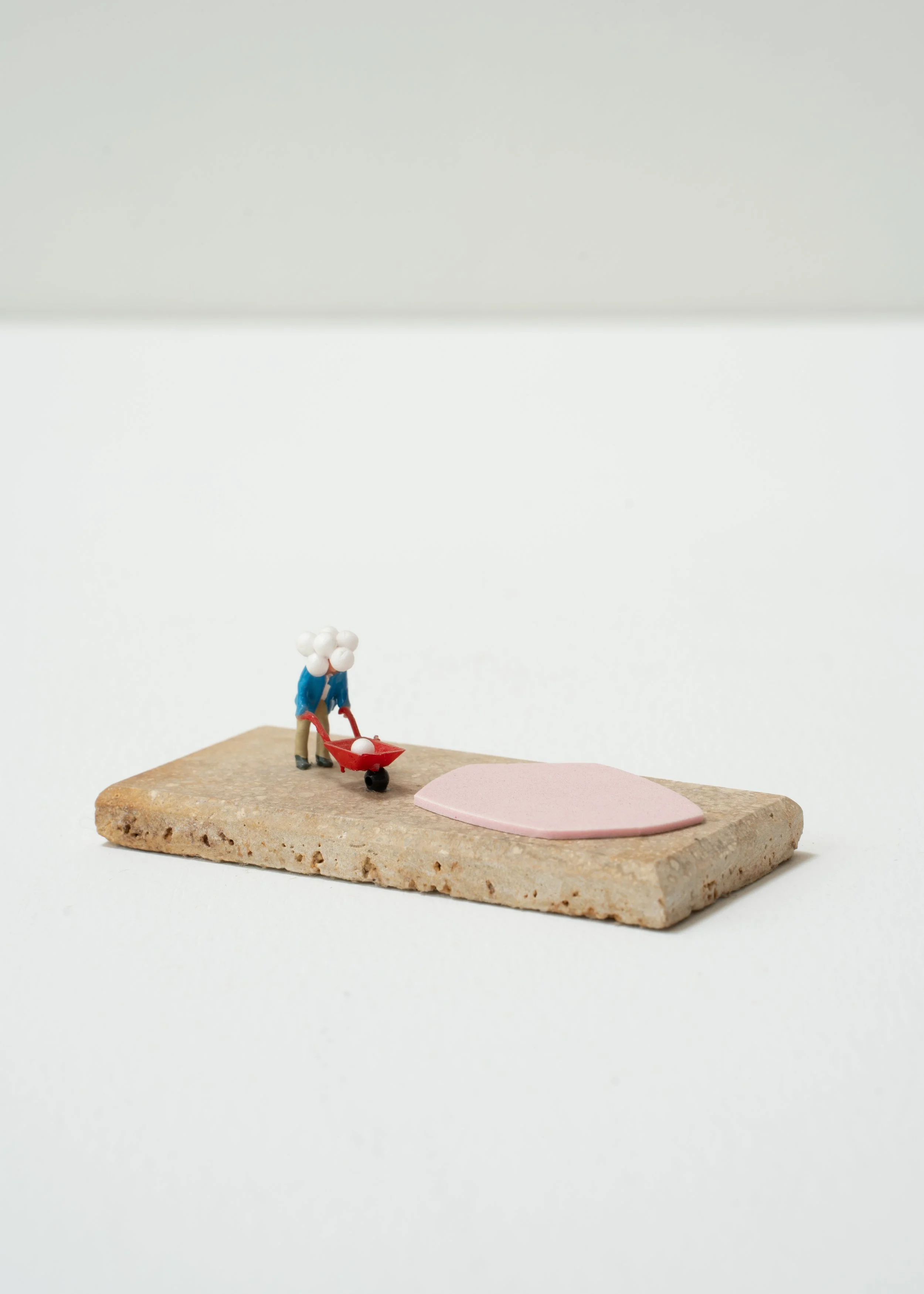
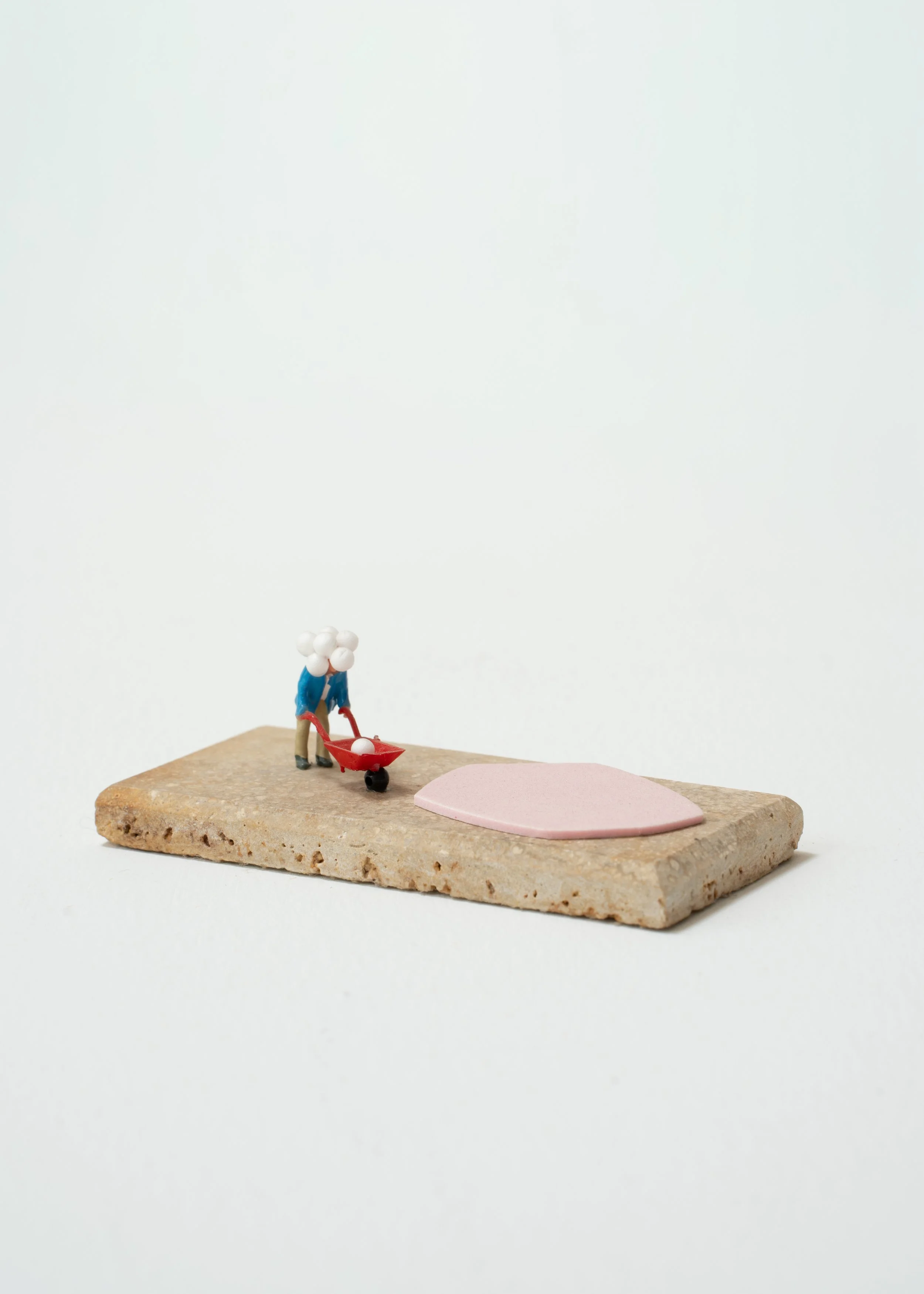
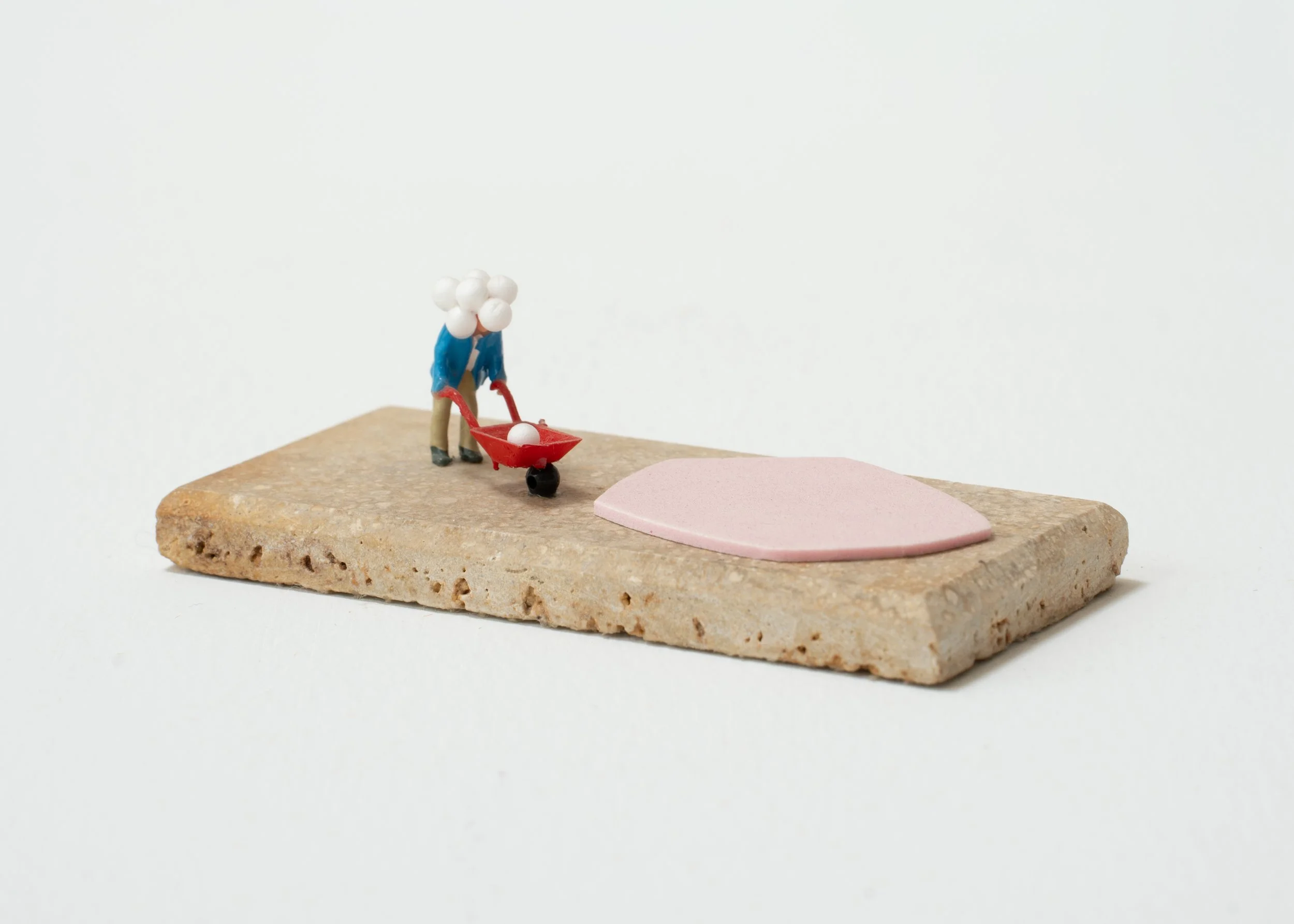
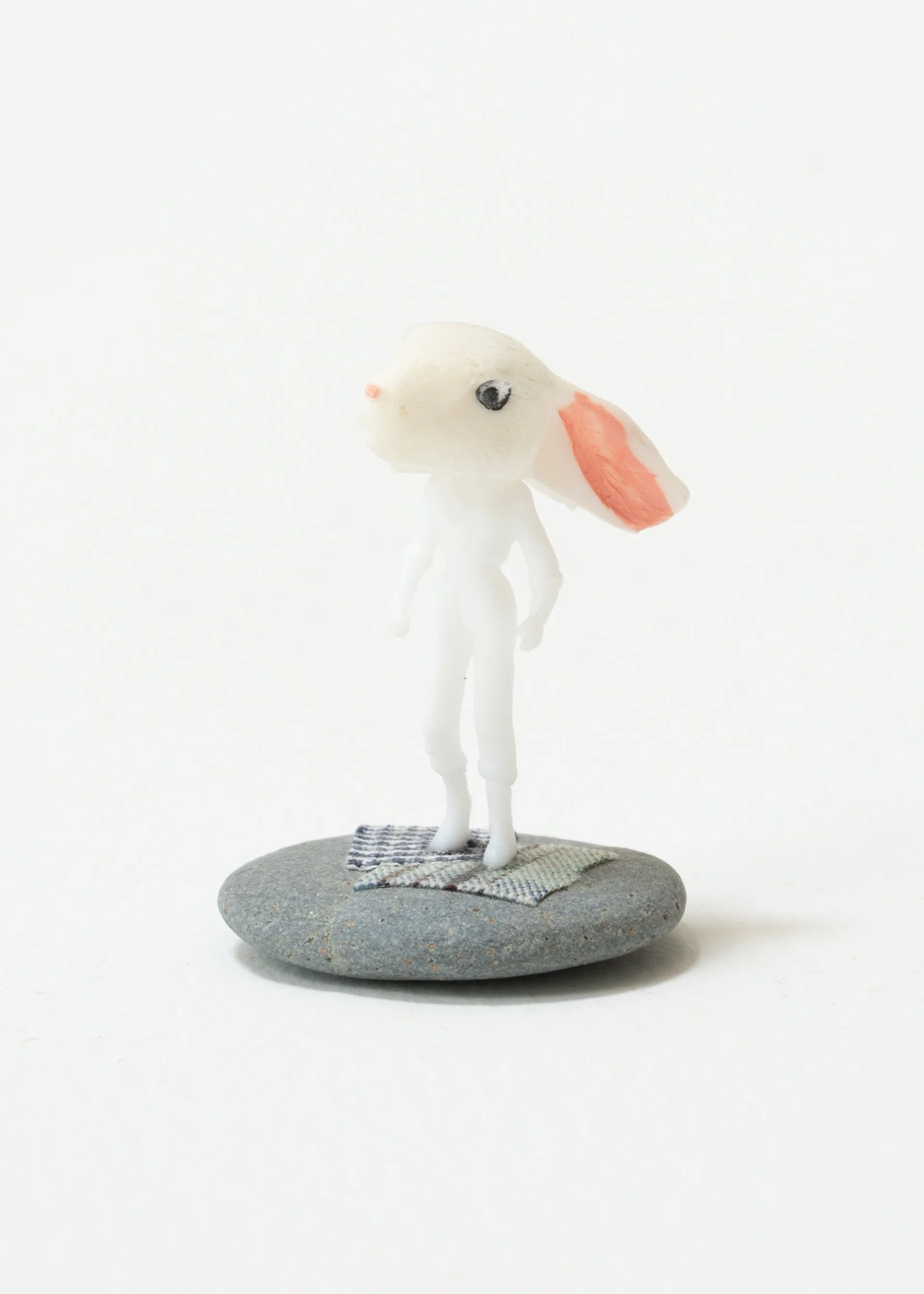
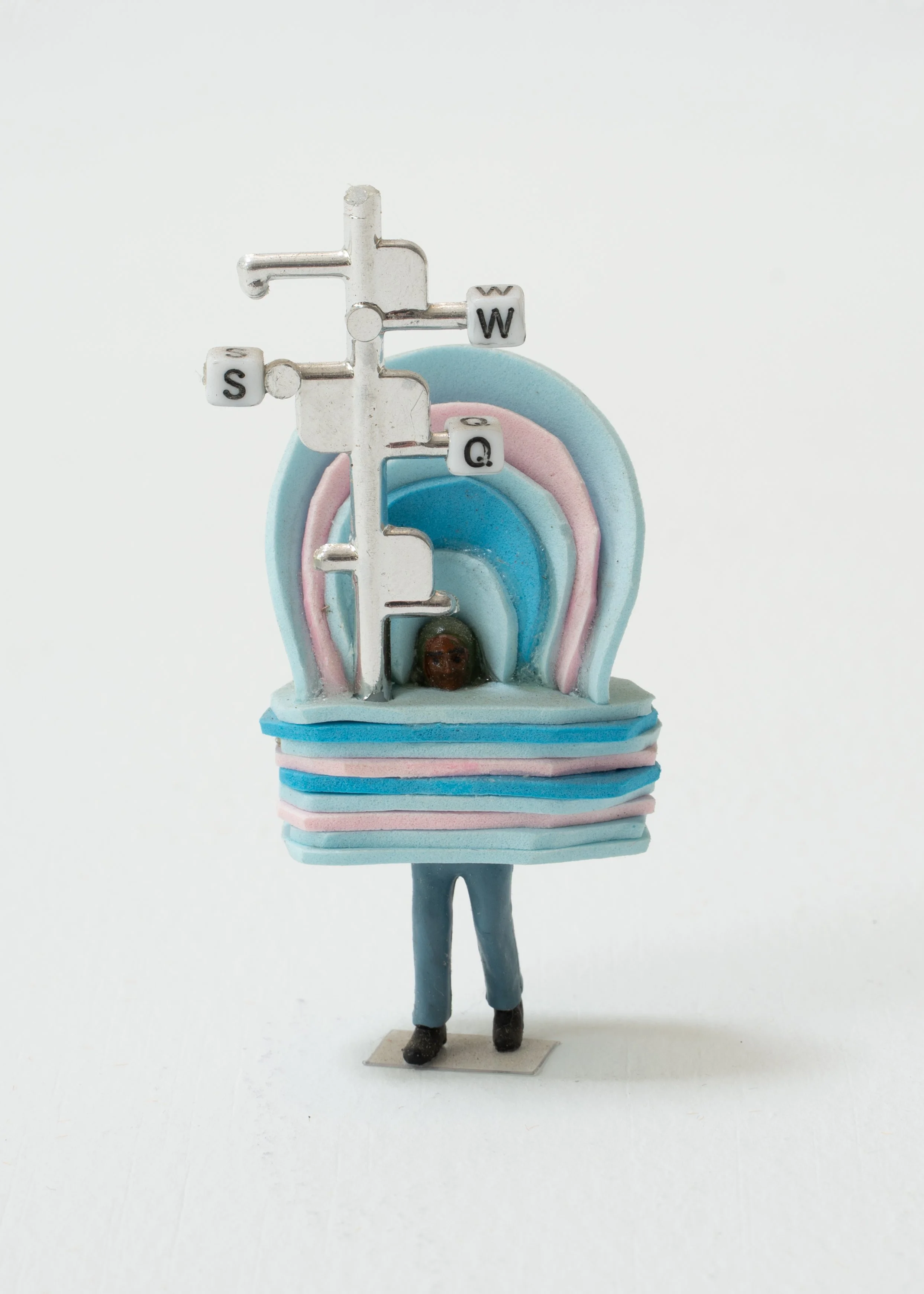
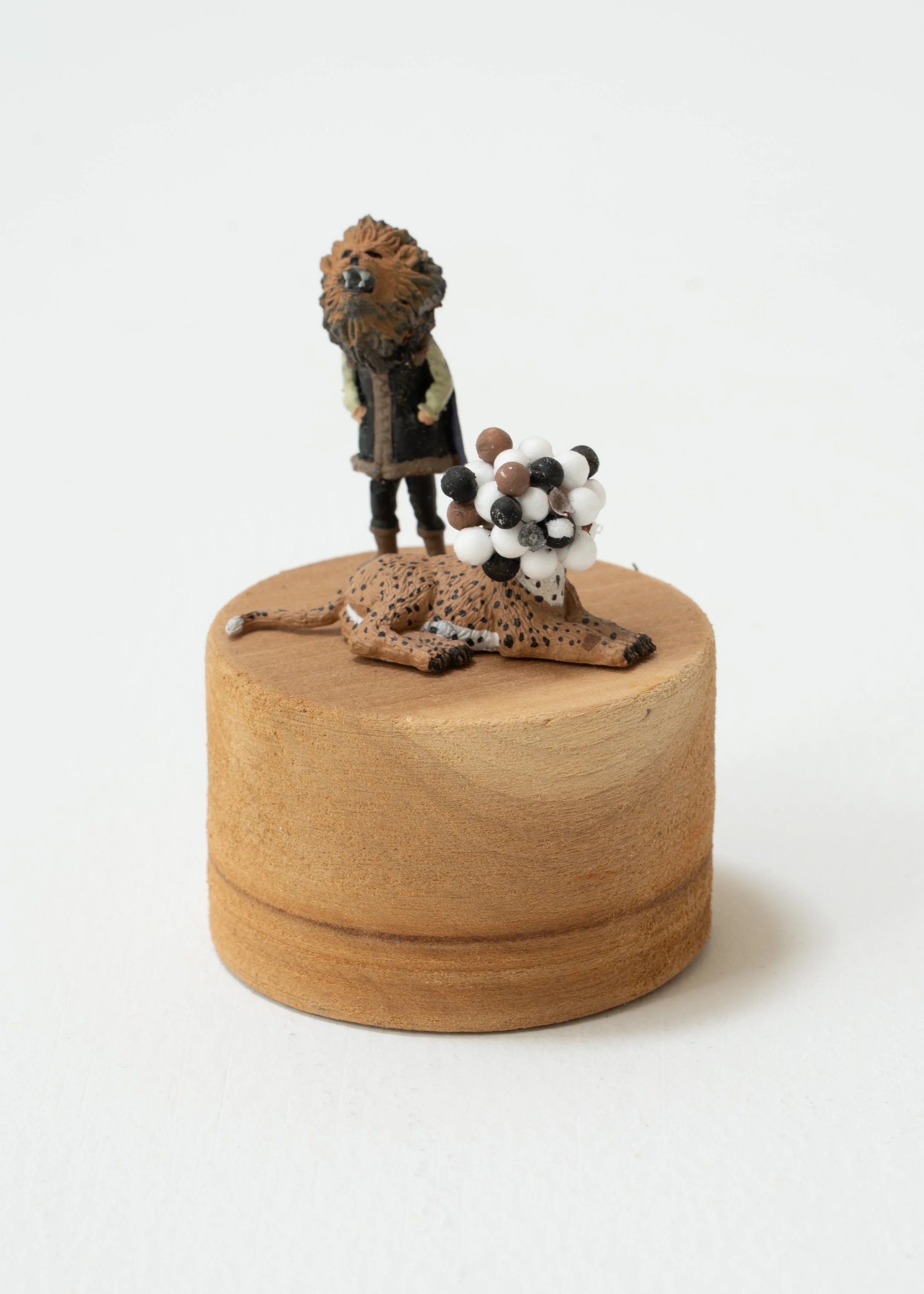
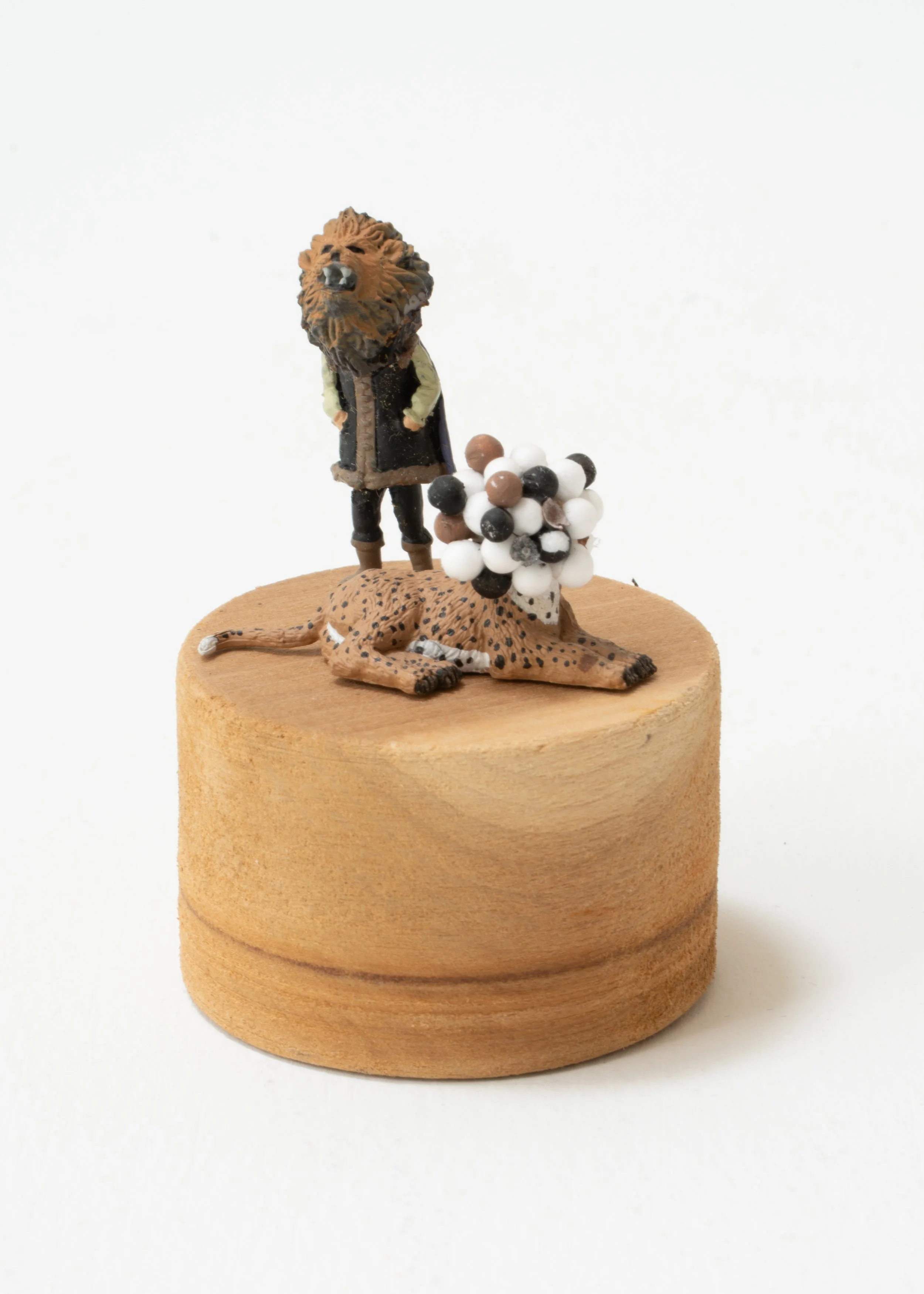
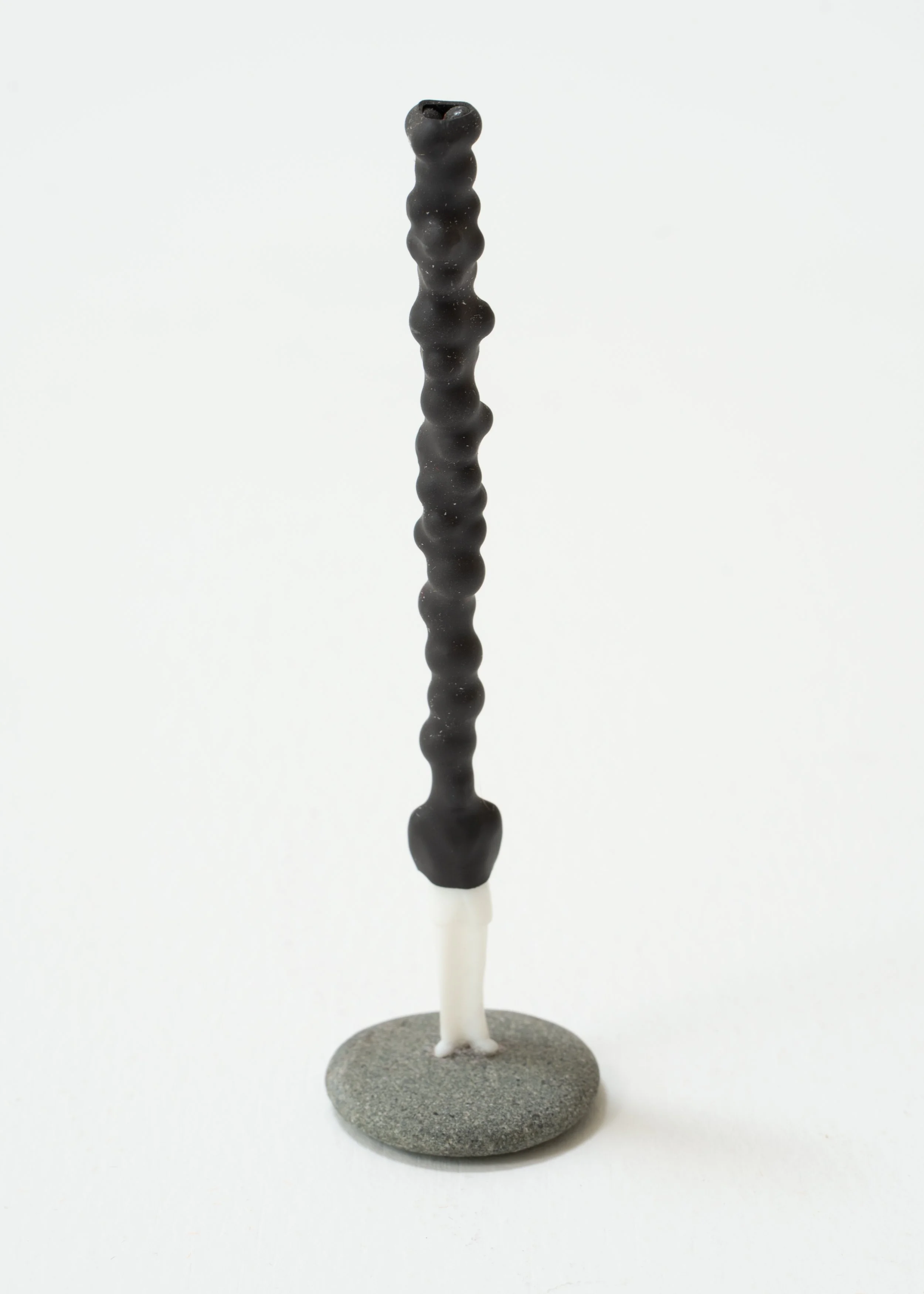
Cases
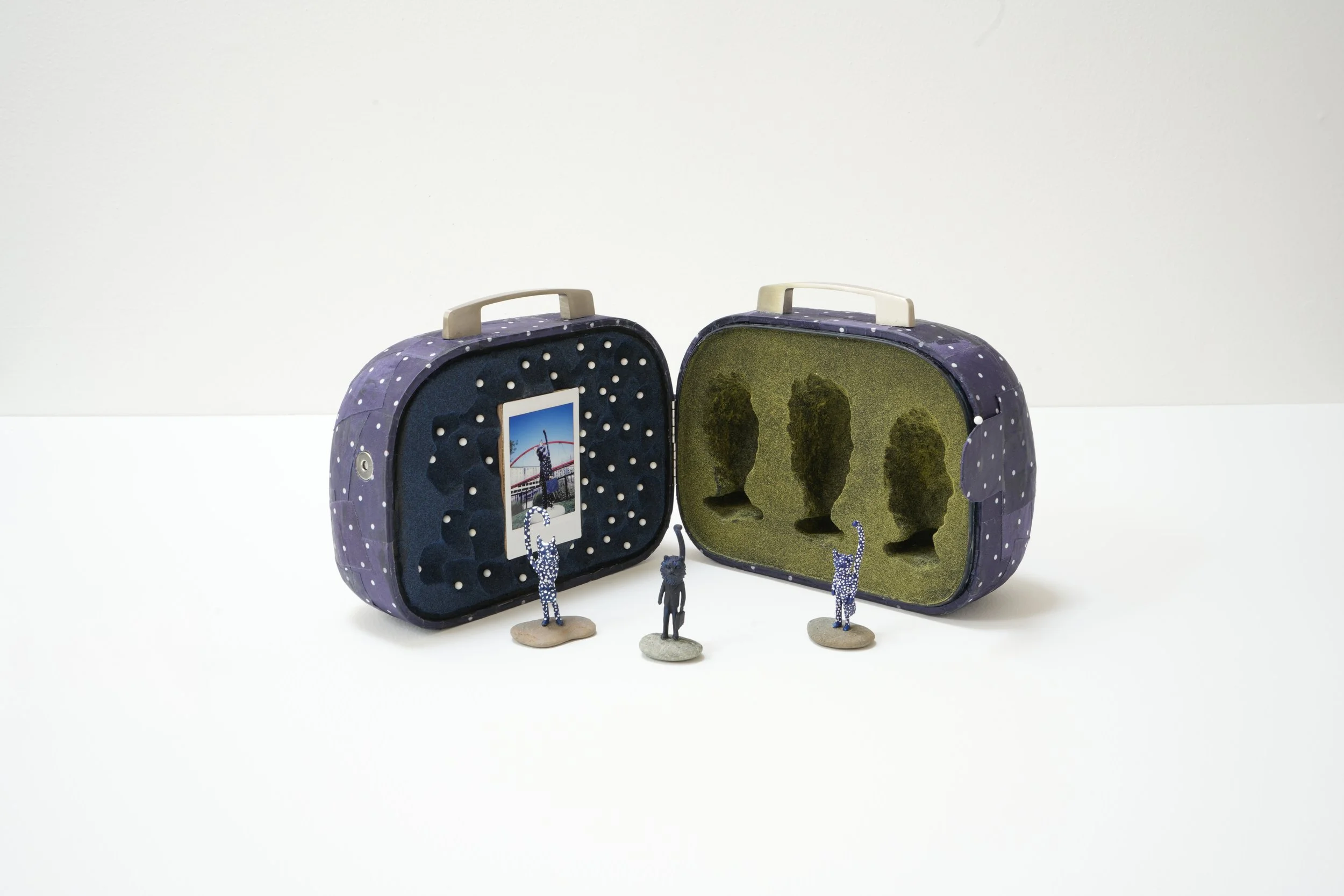
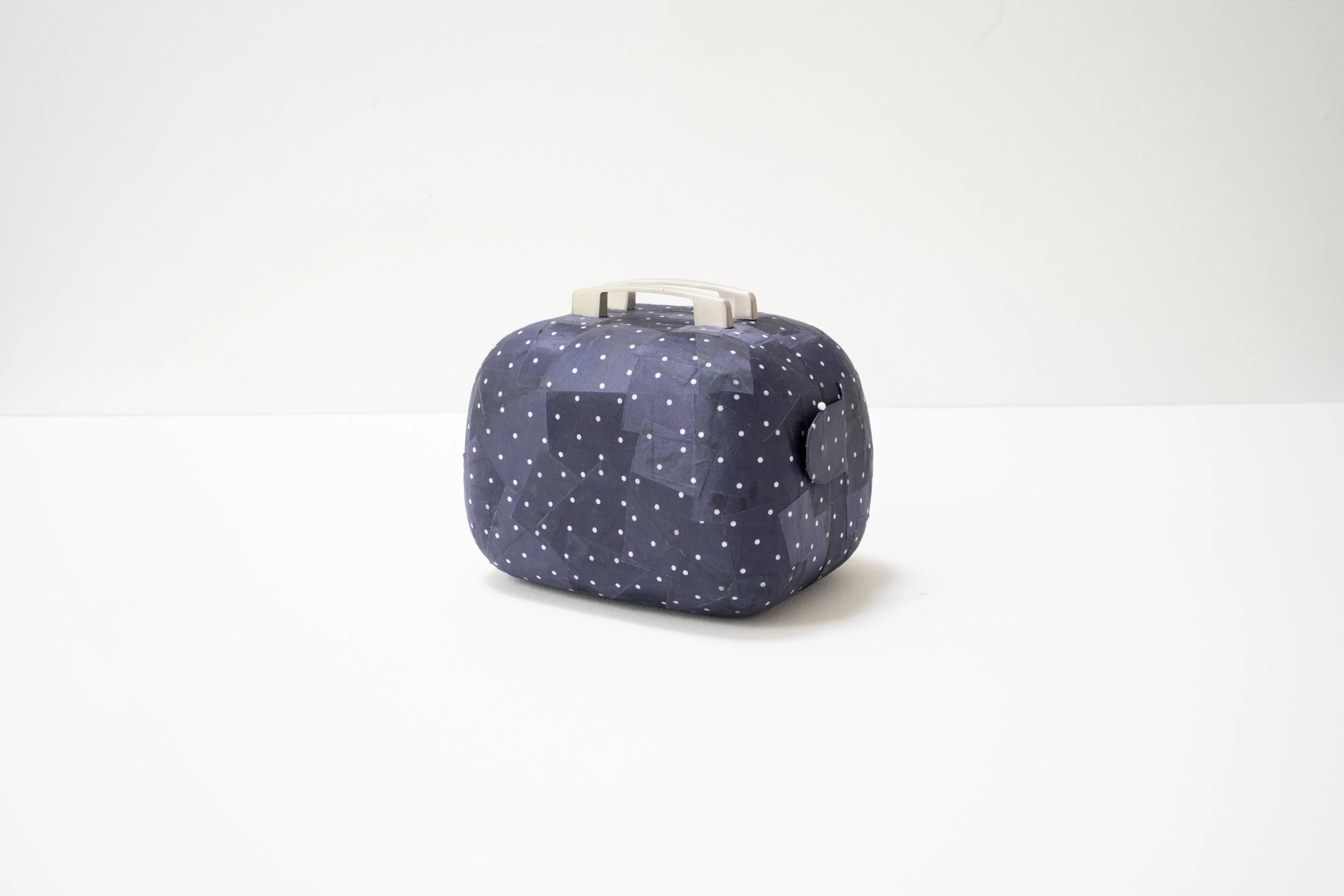
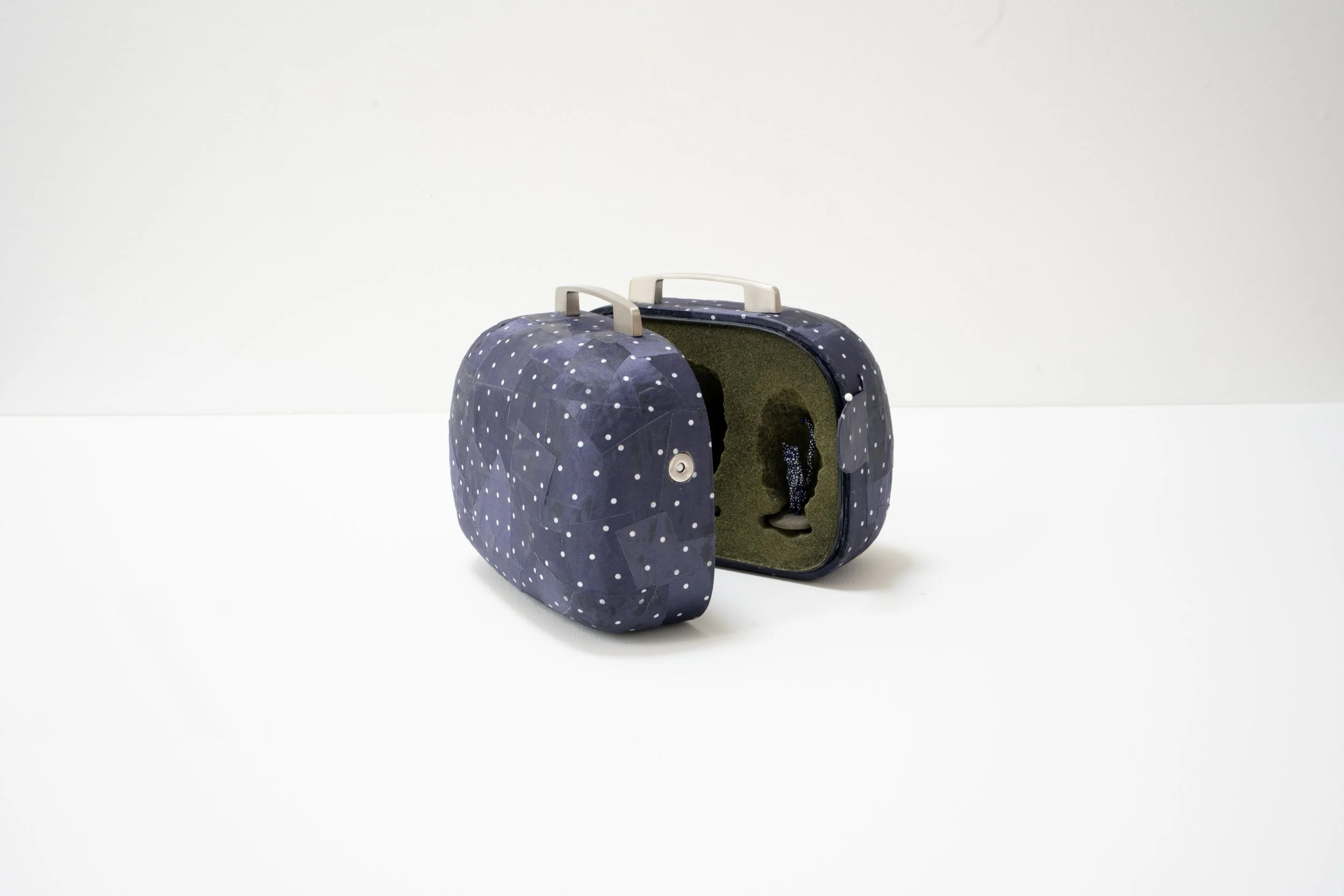
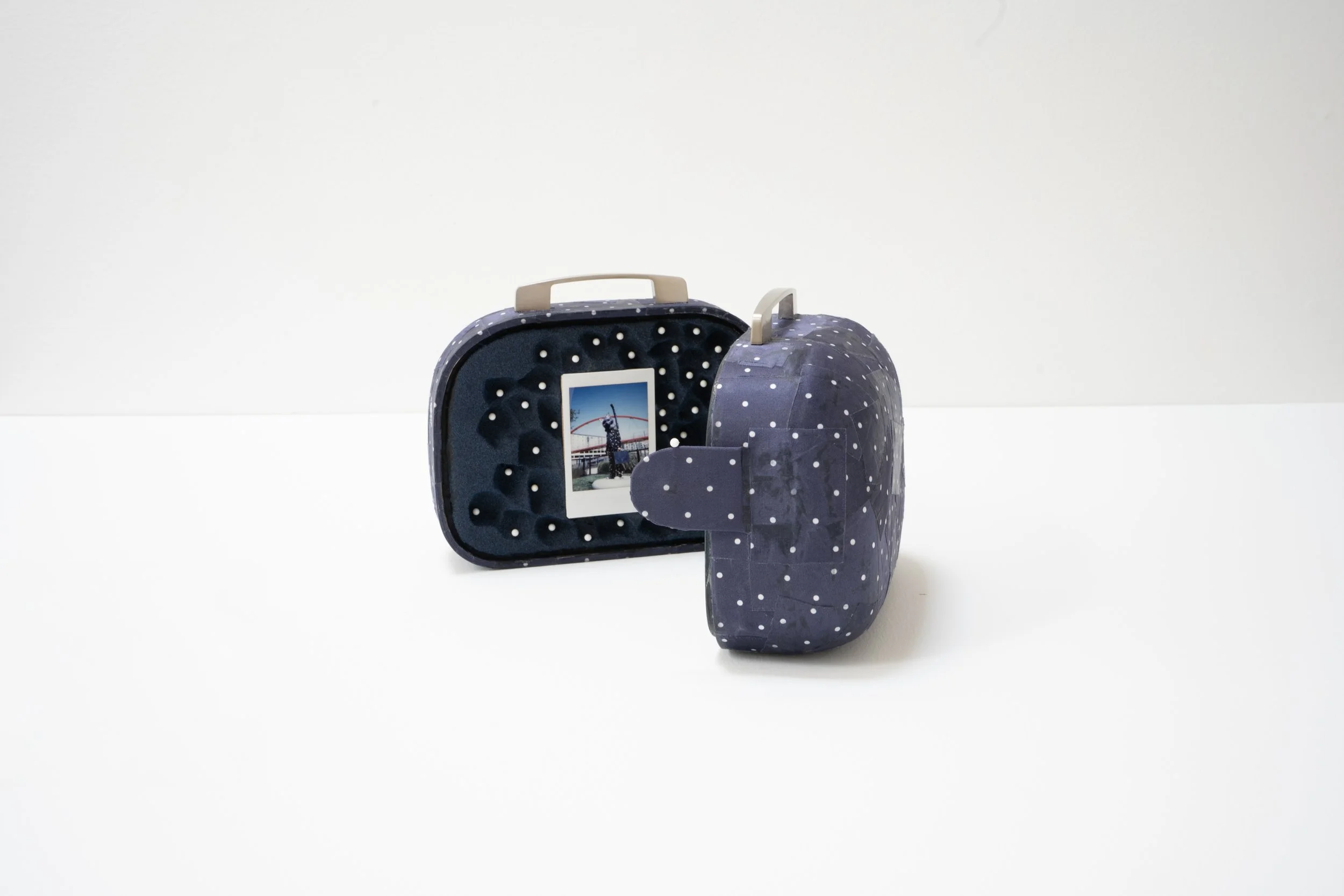
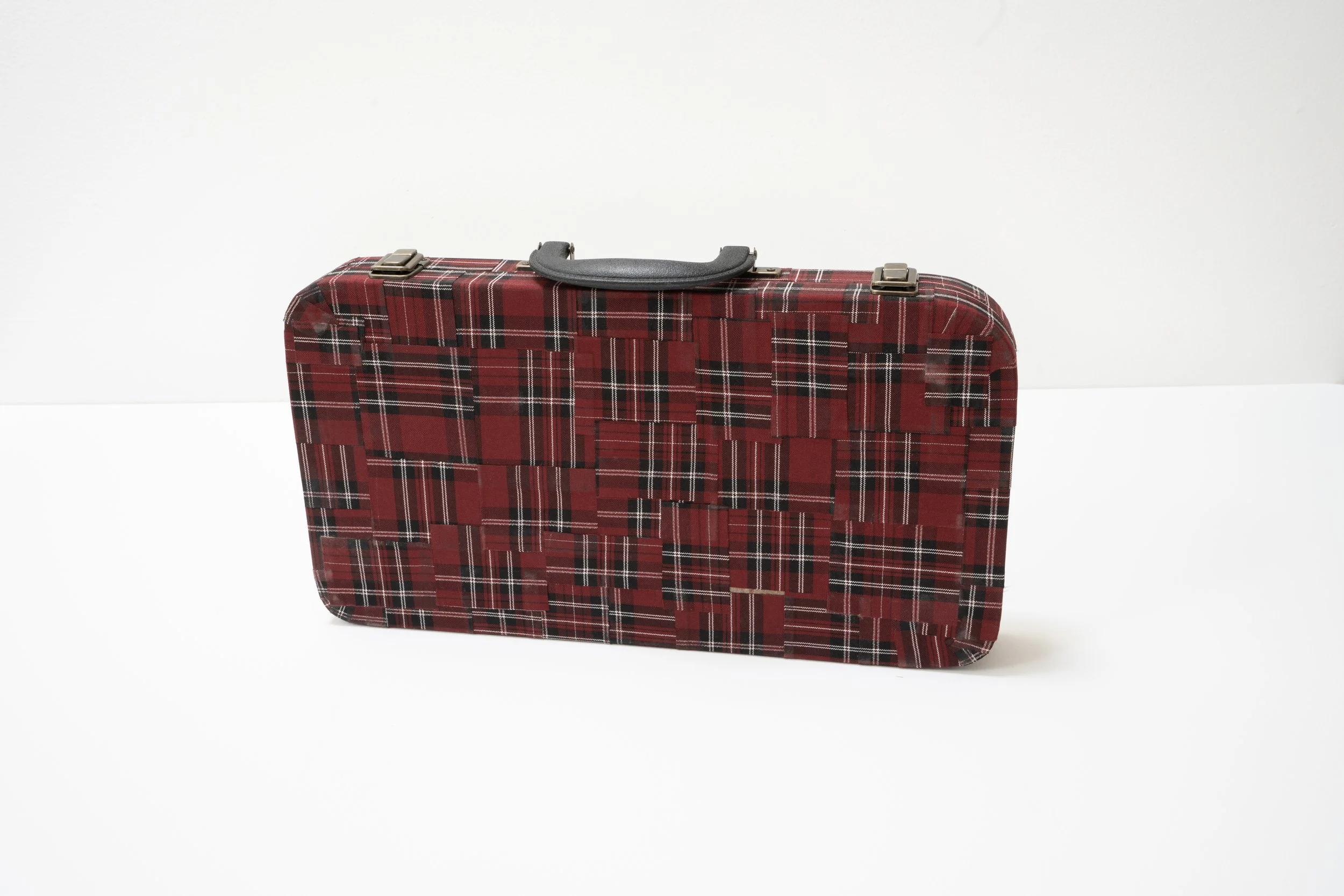
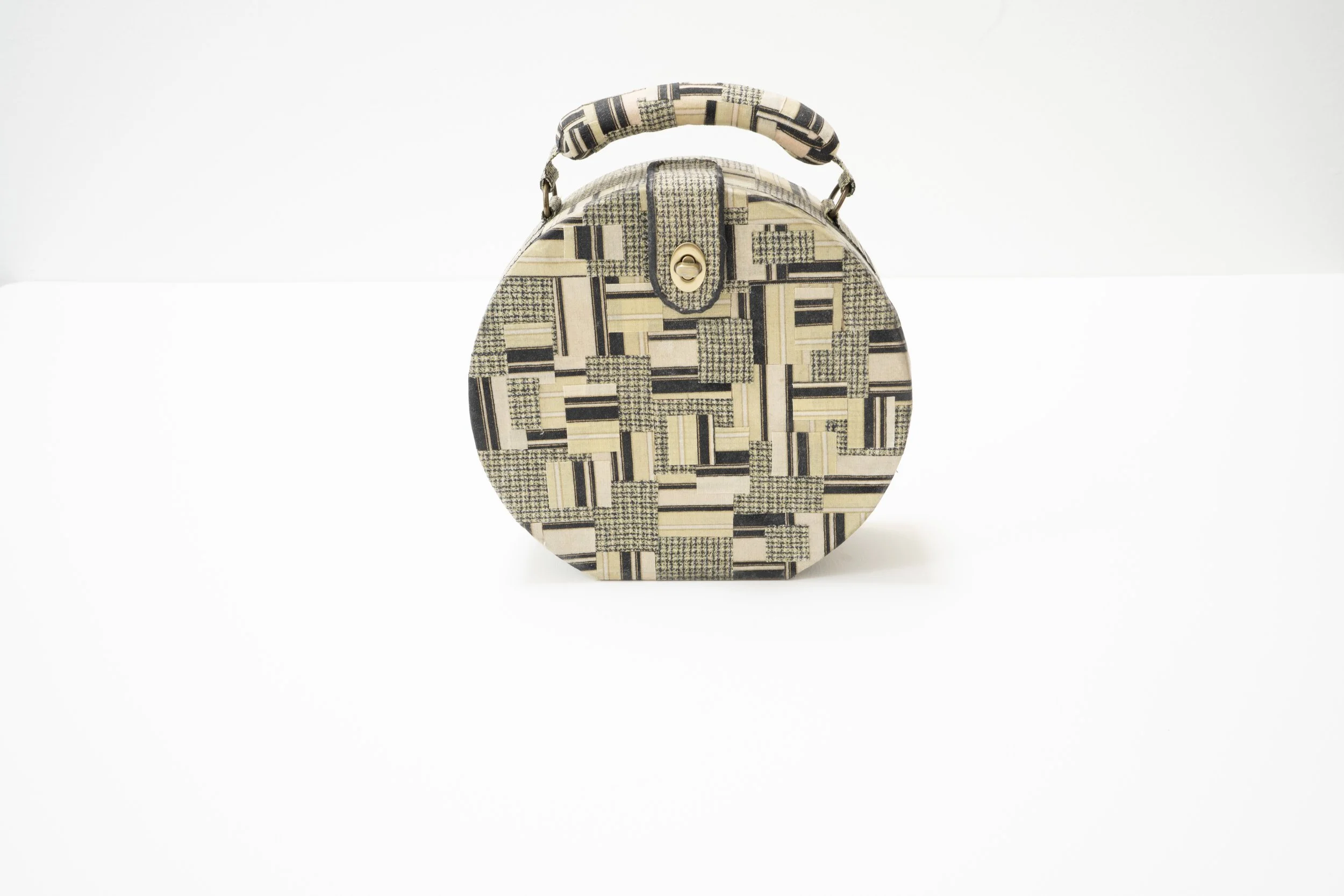
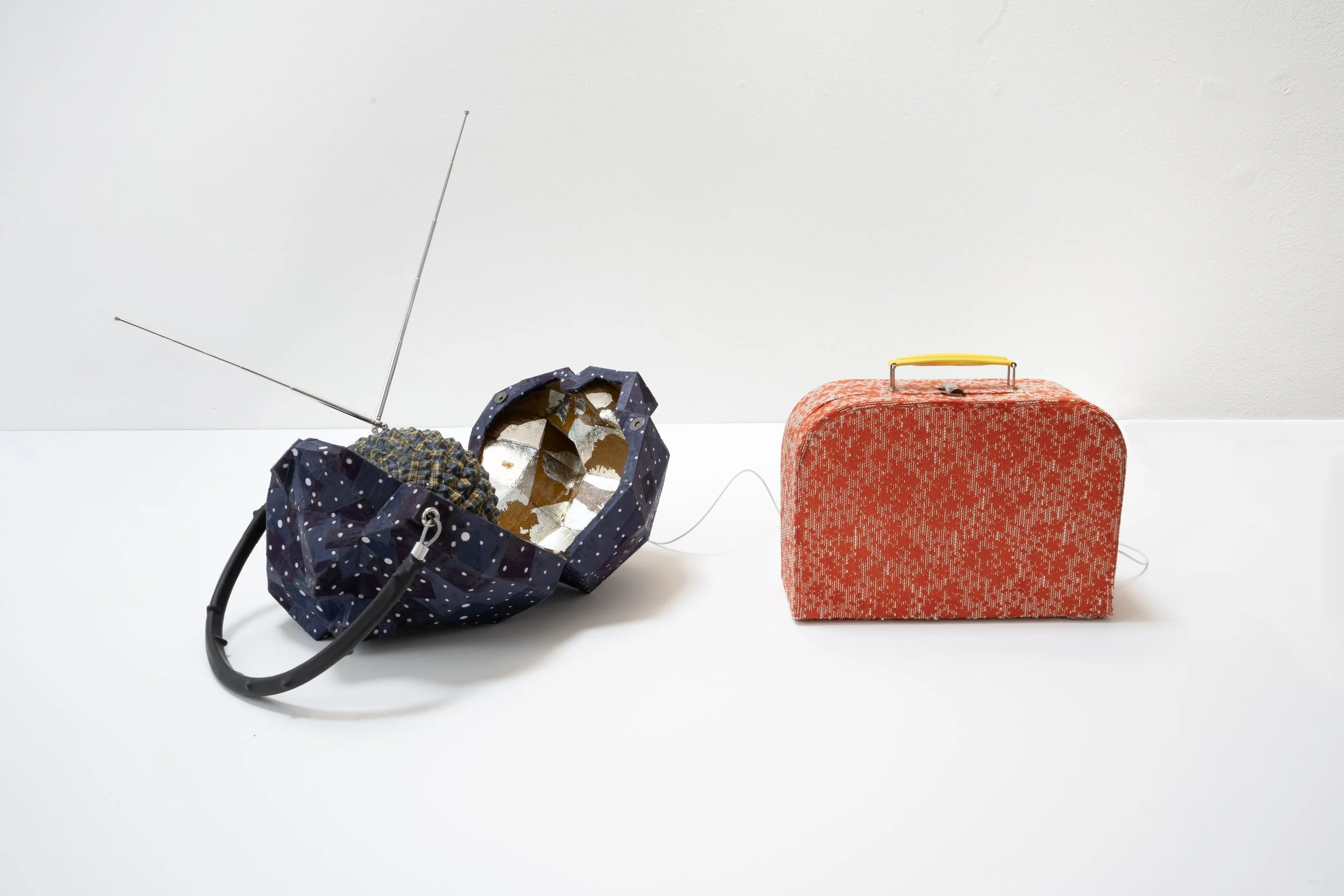
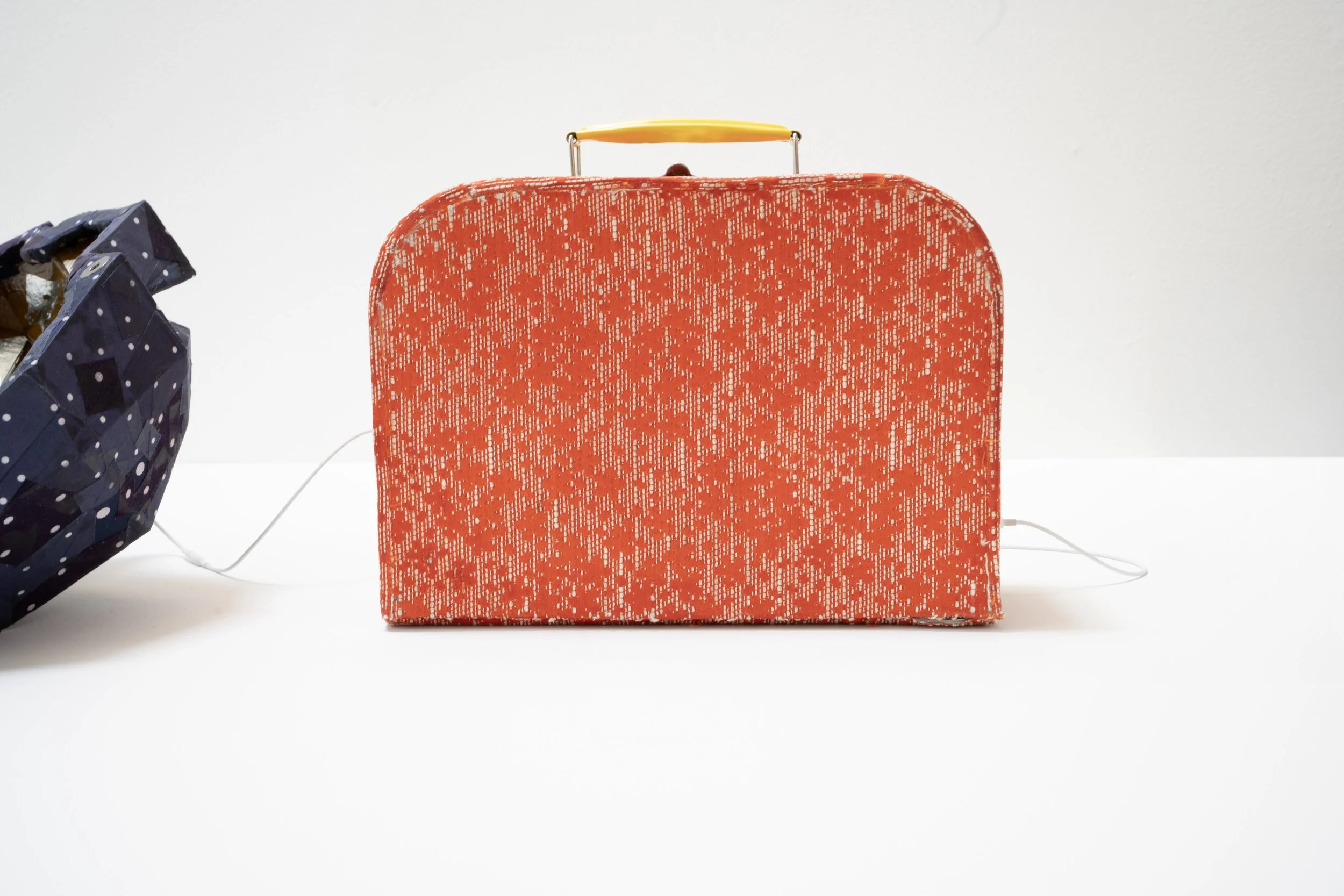
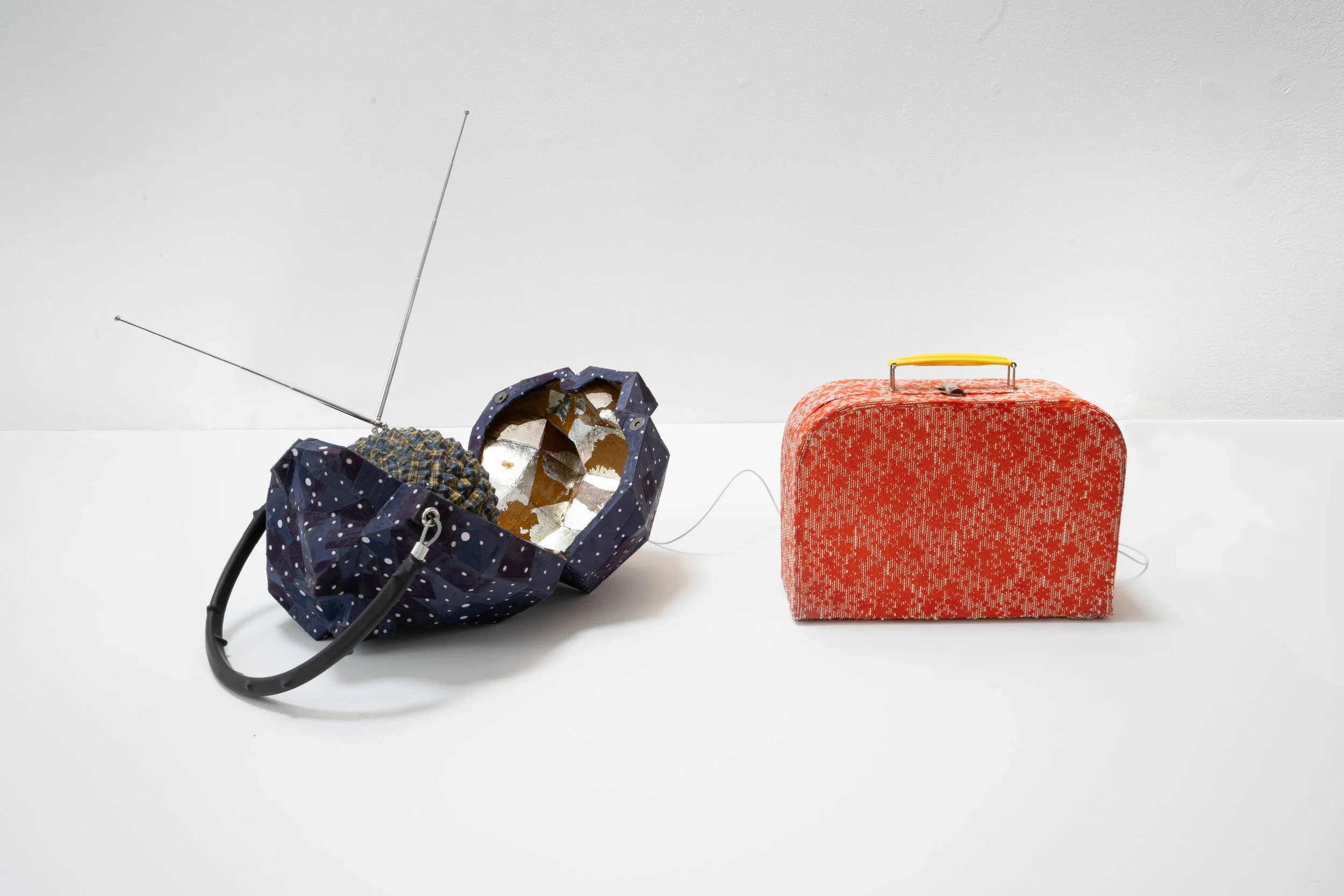
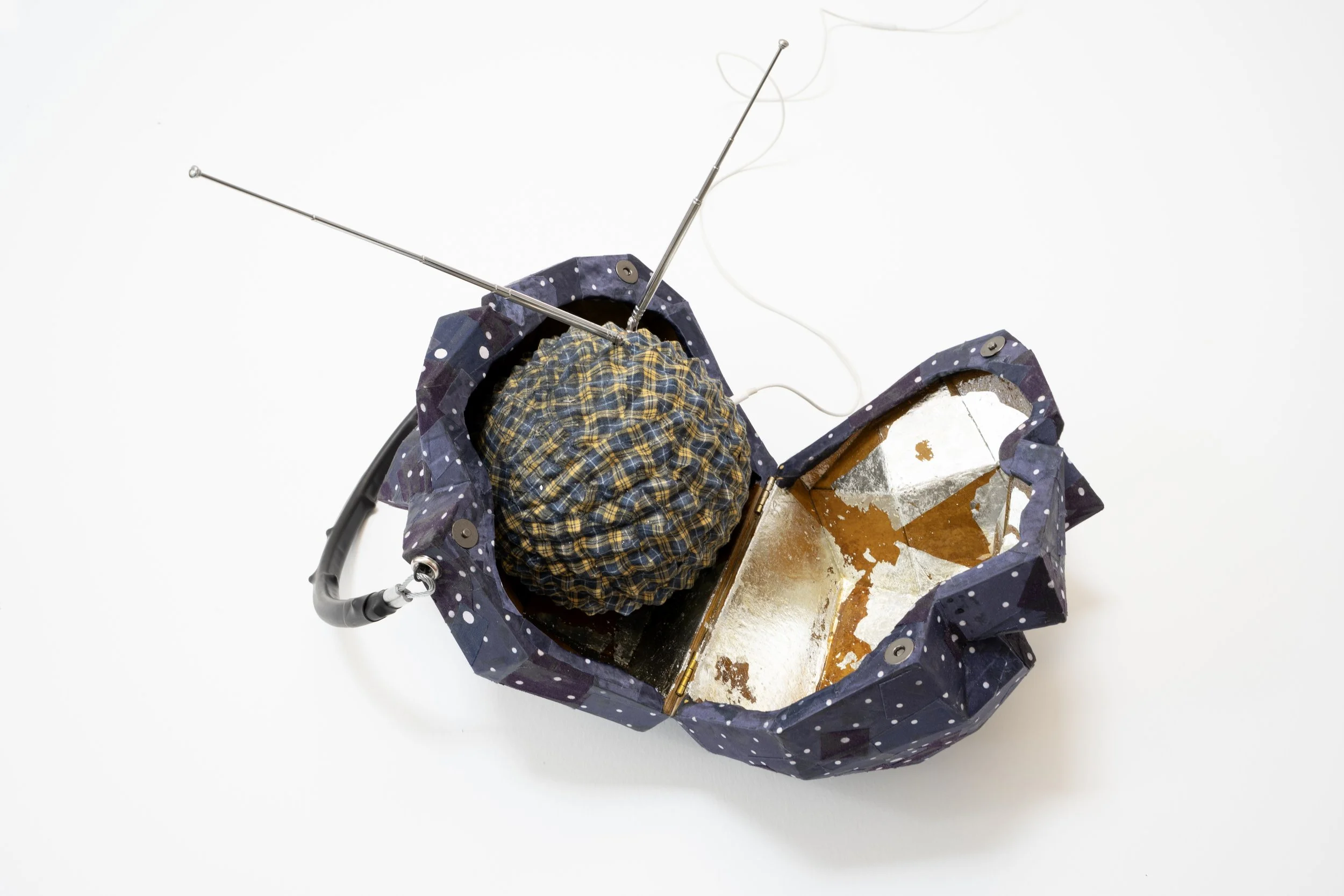
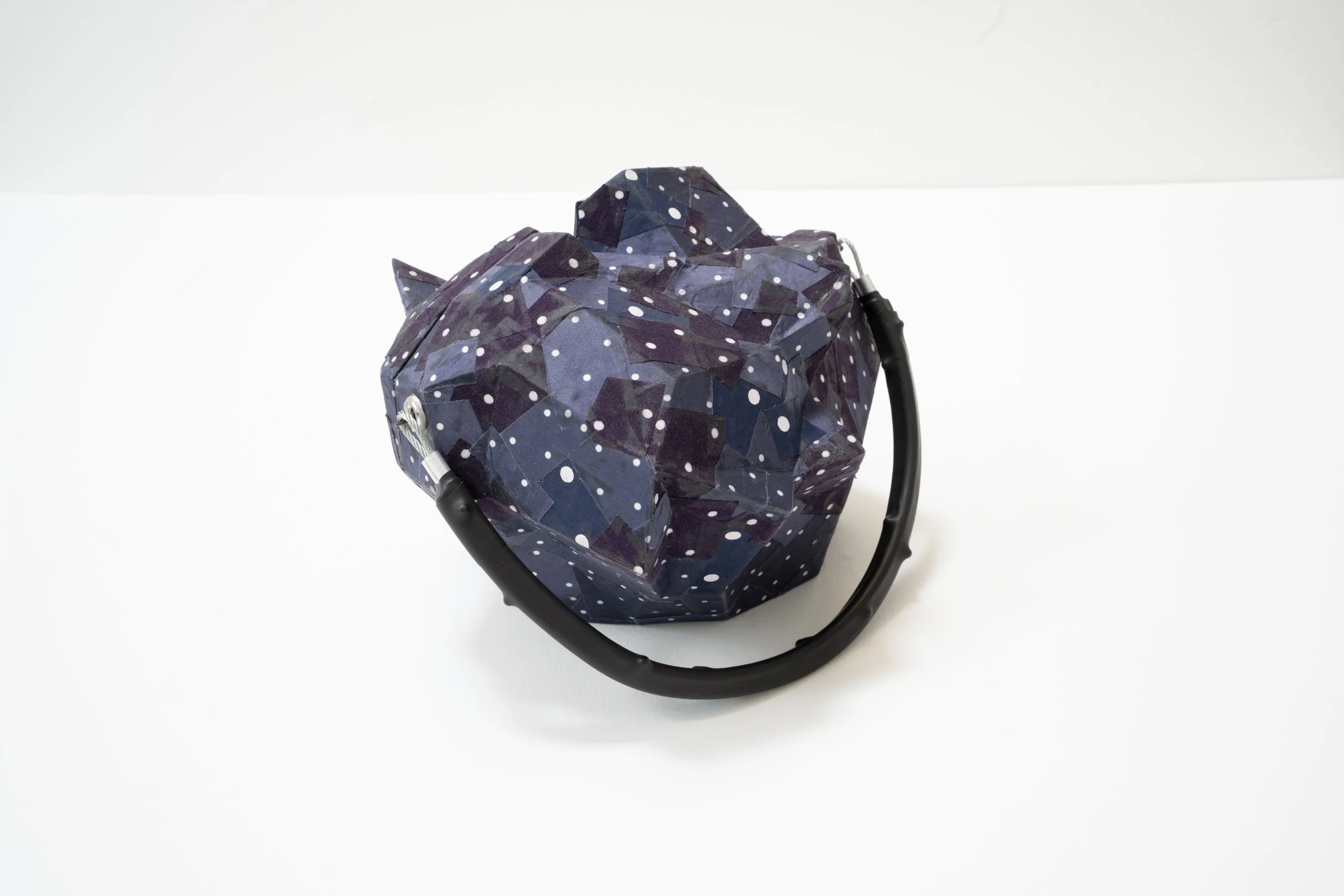
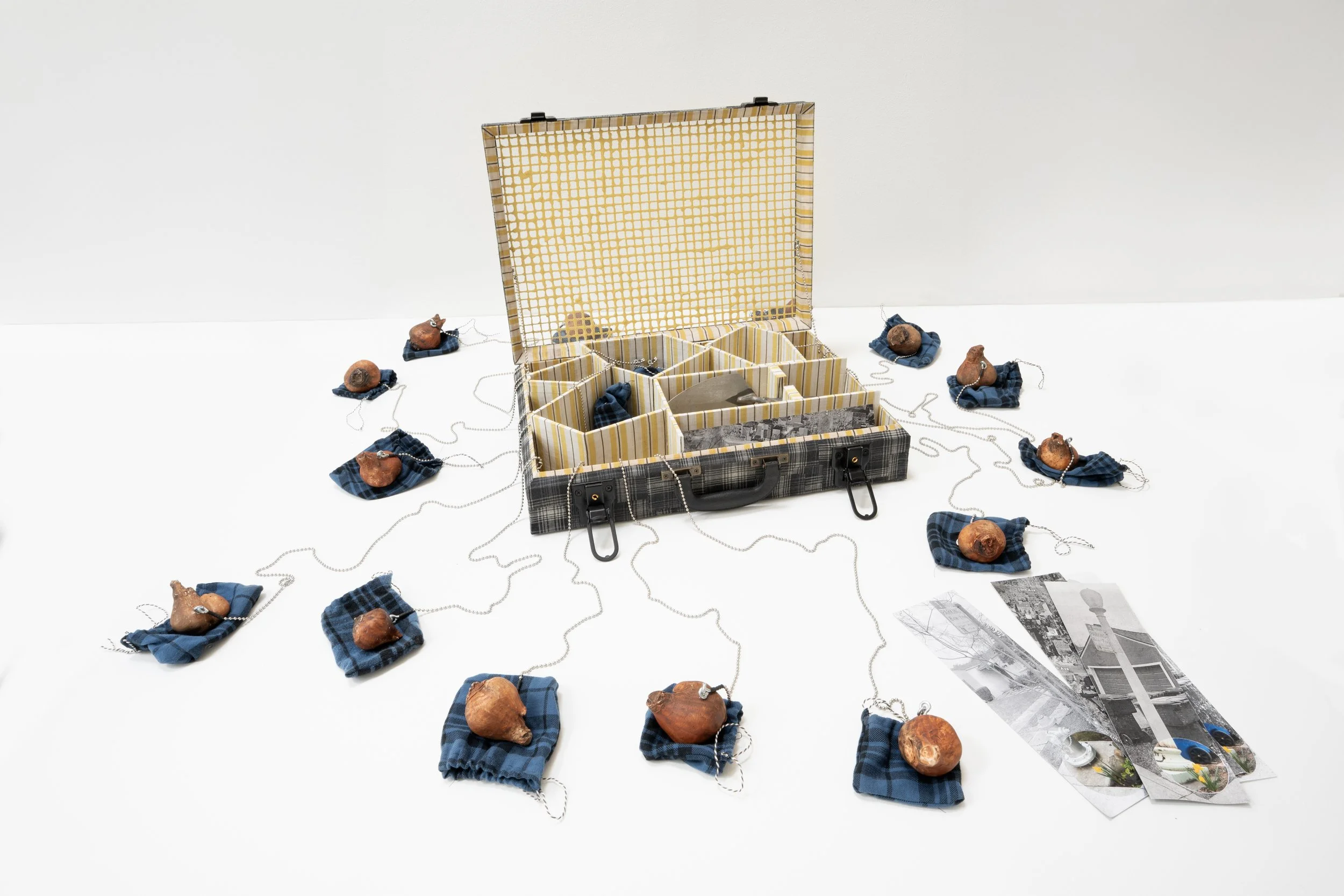
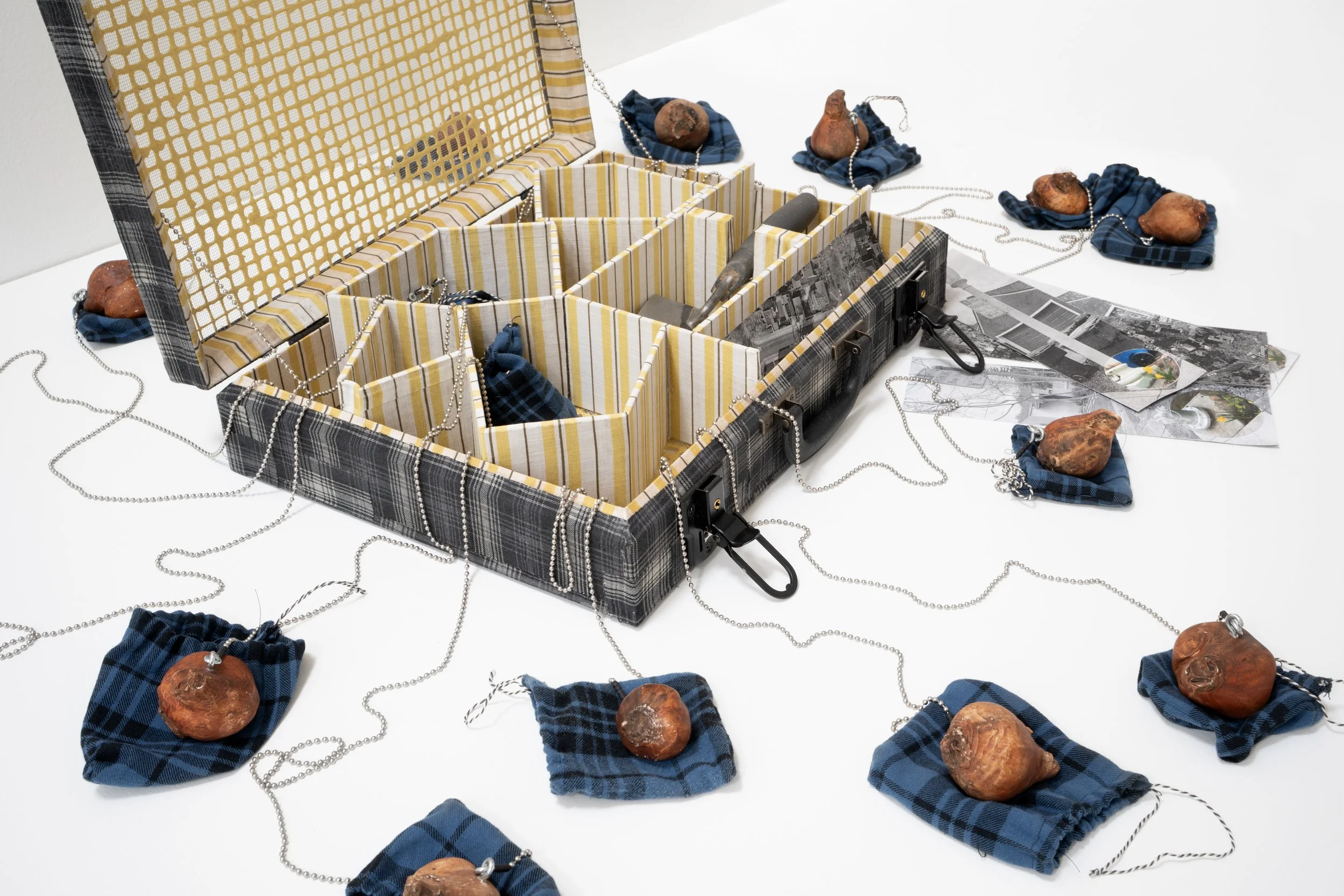
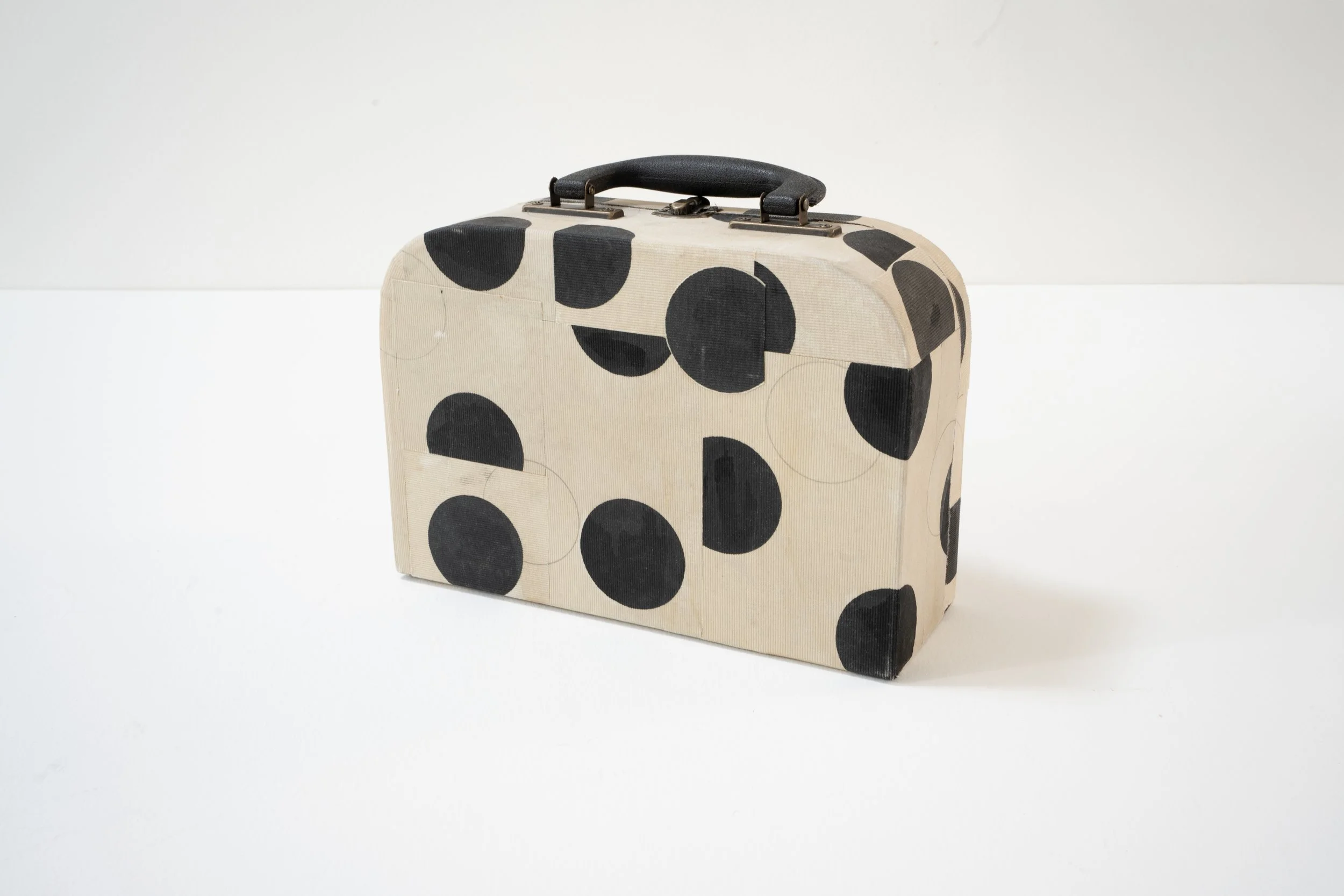
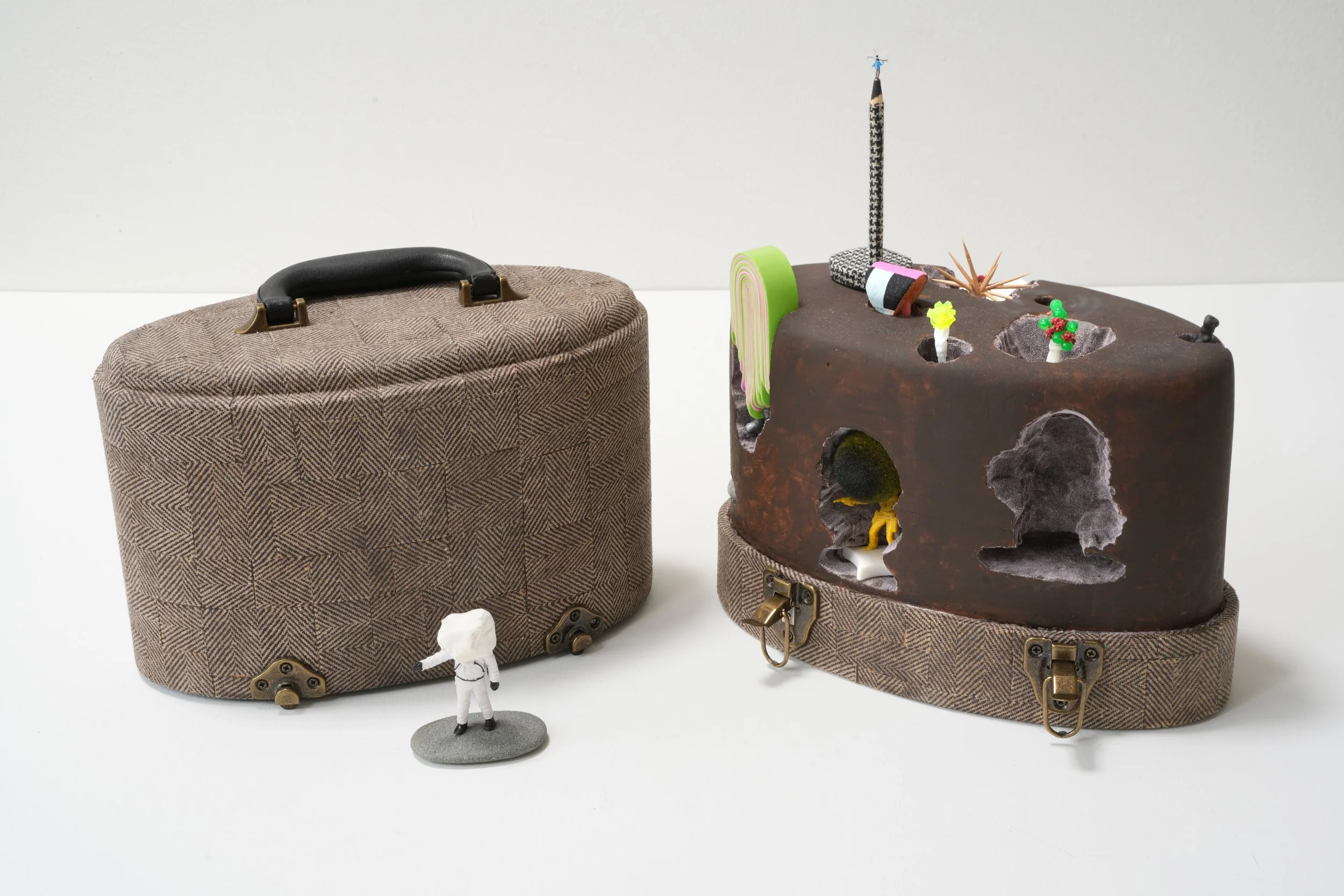
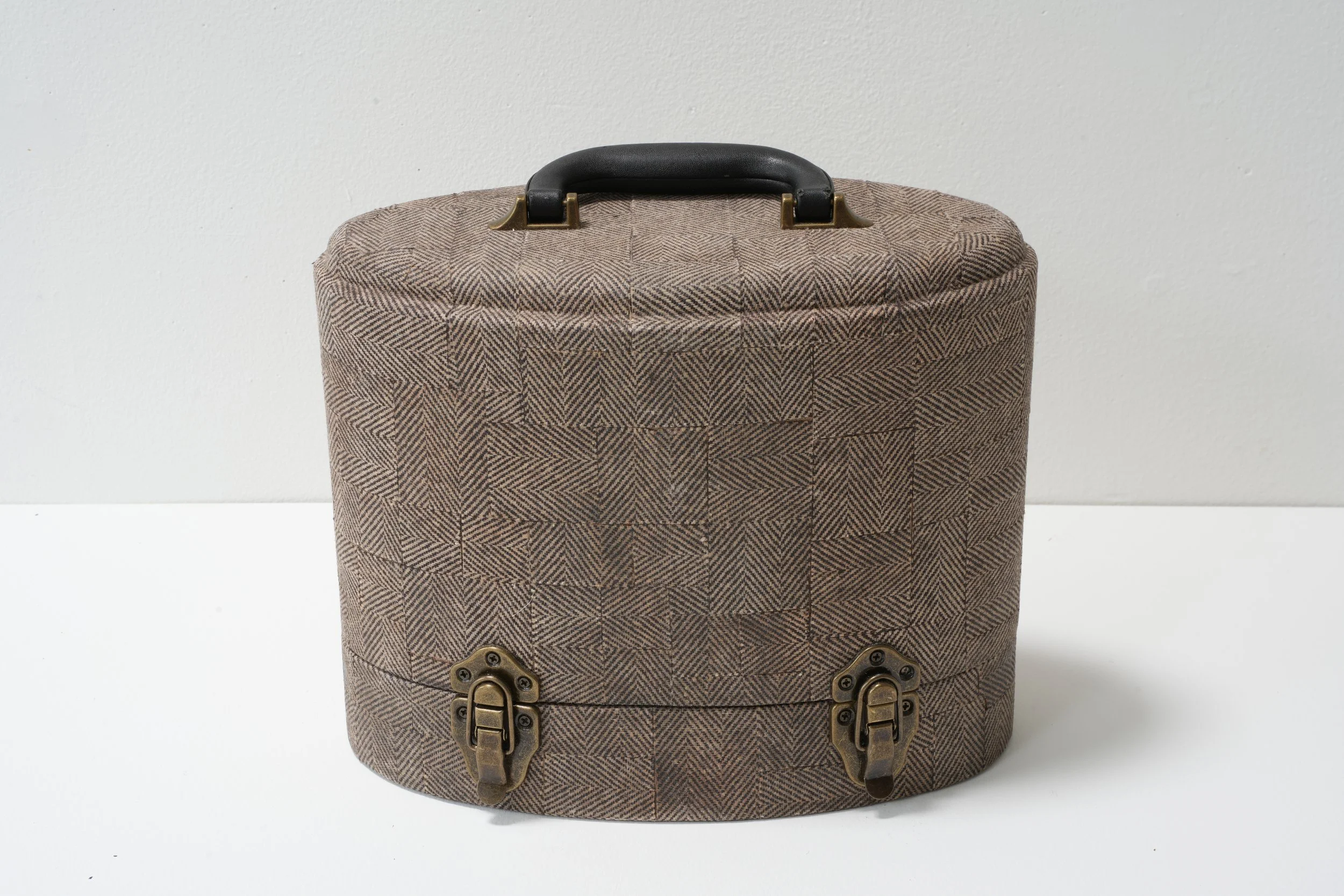
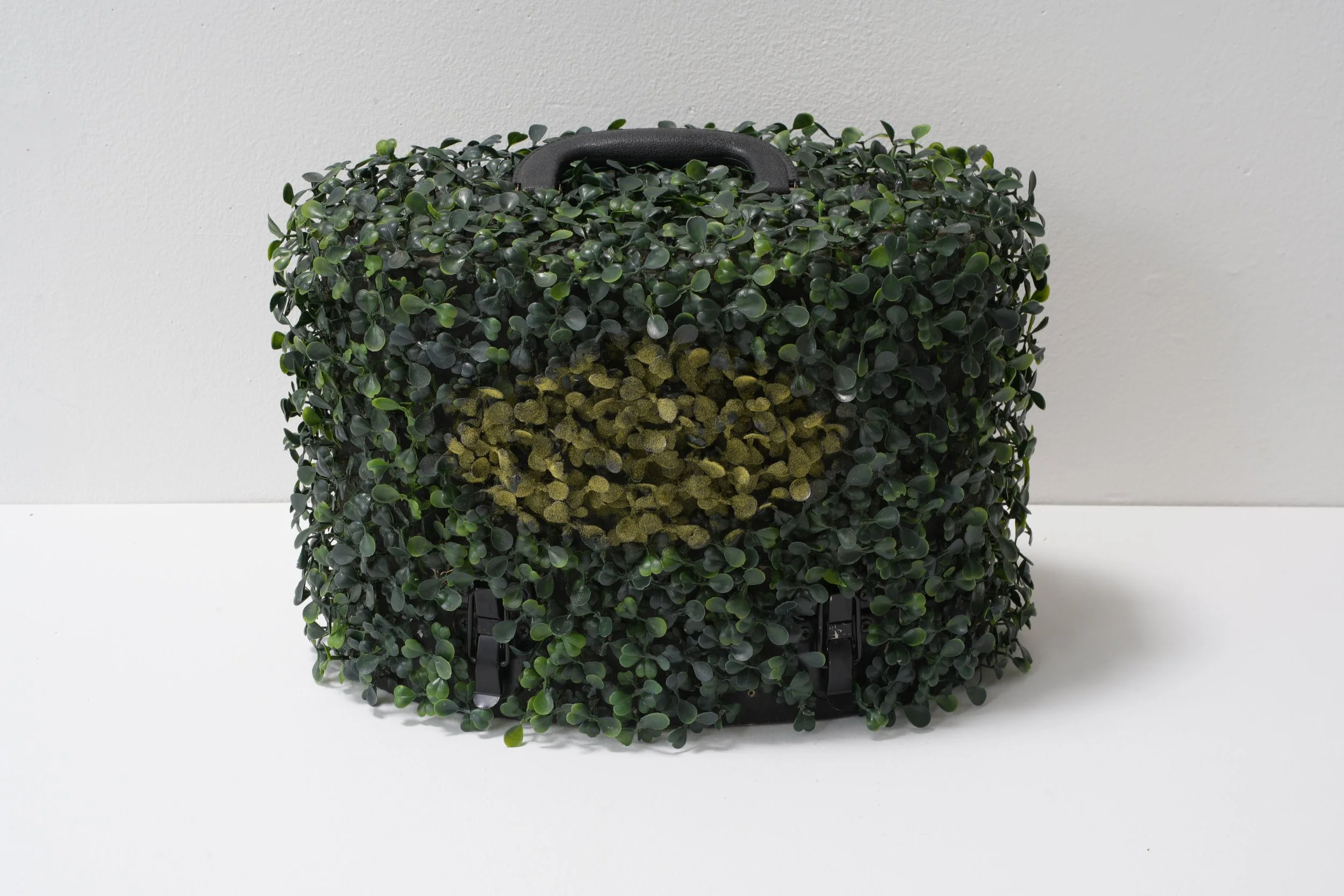
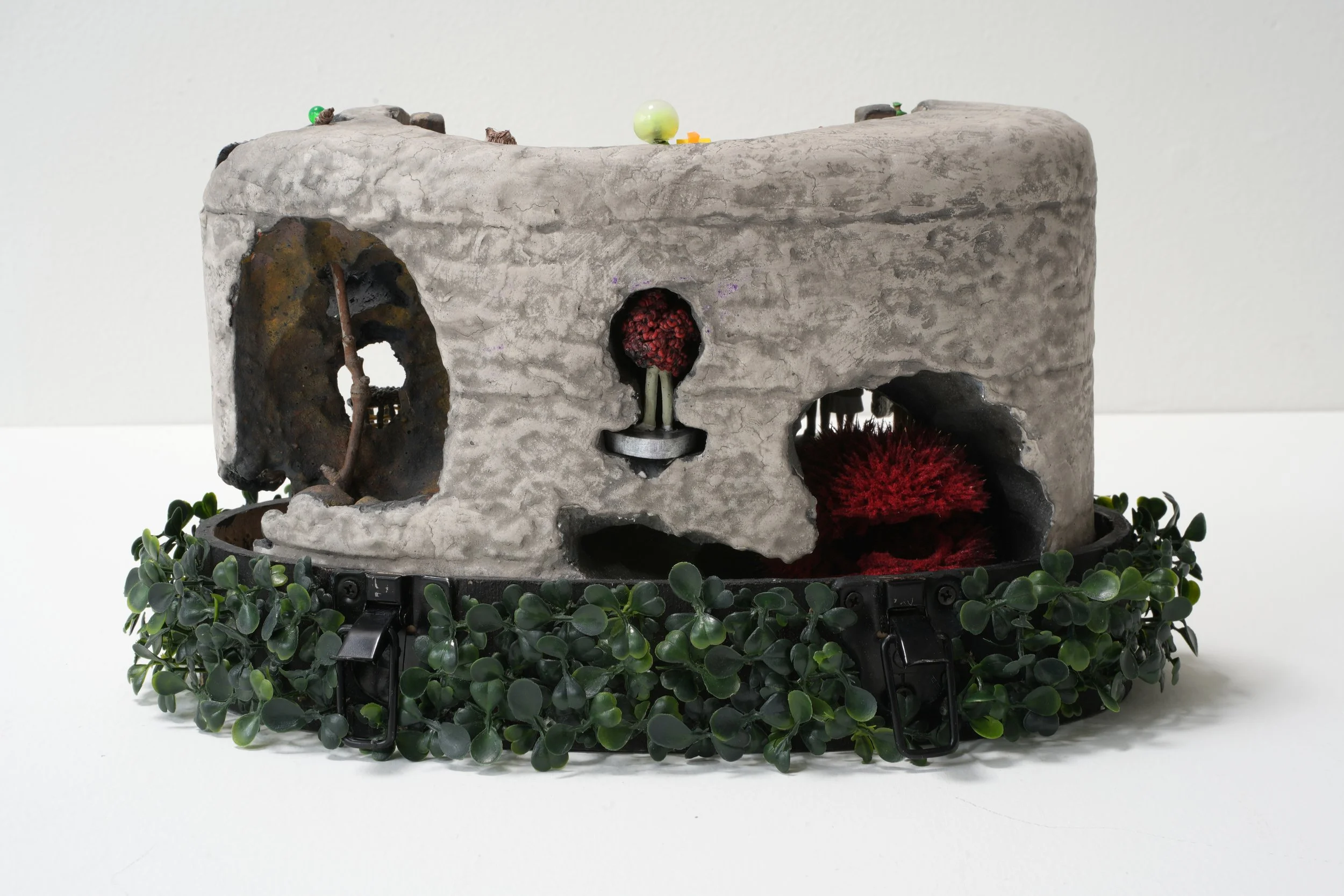
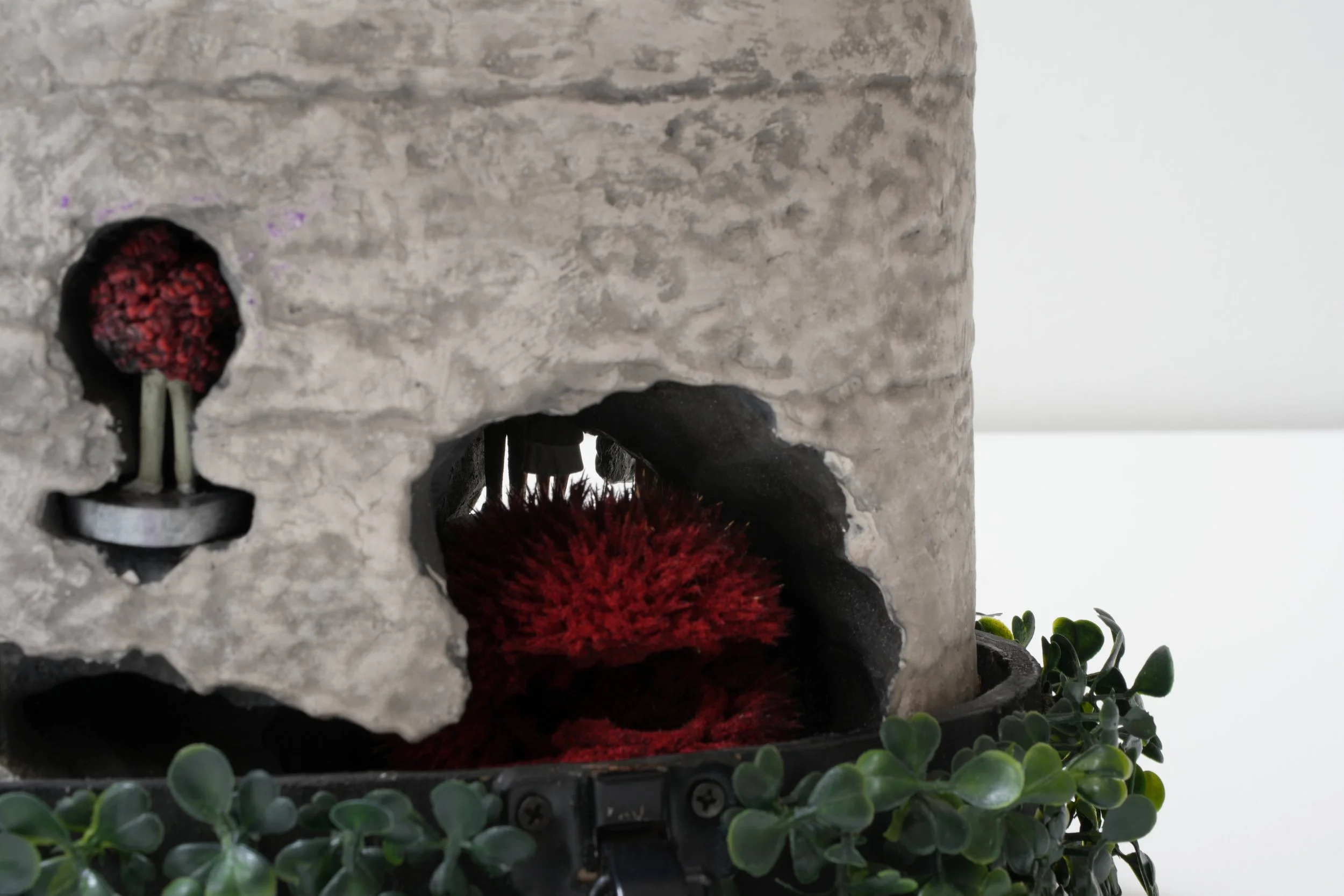
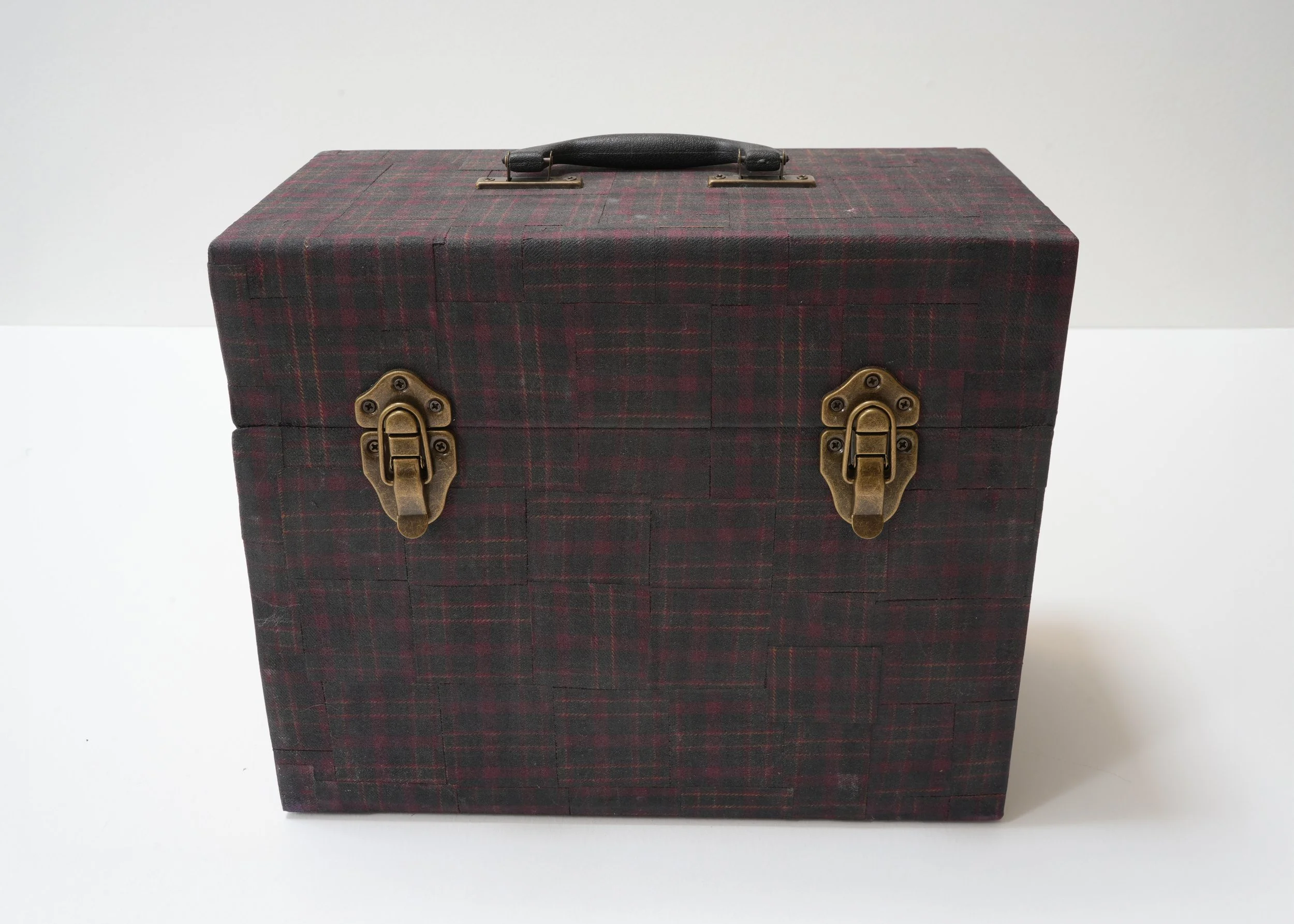
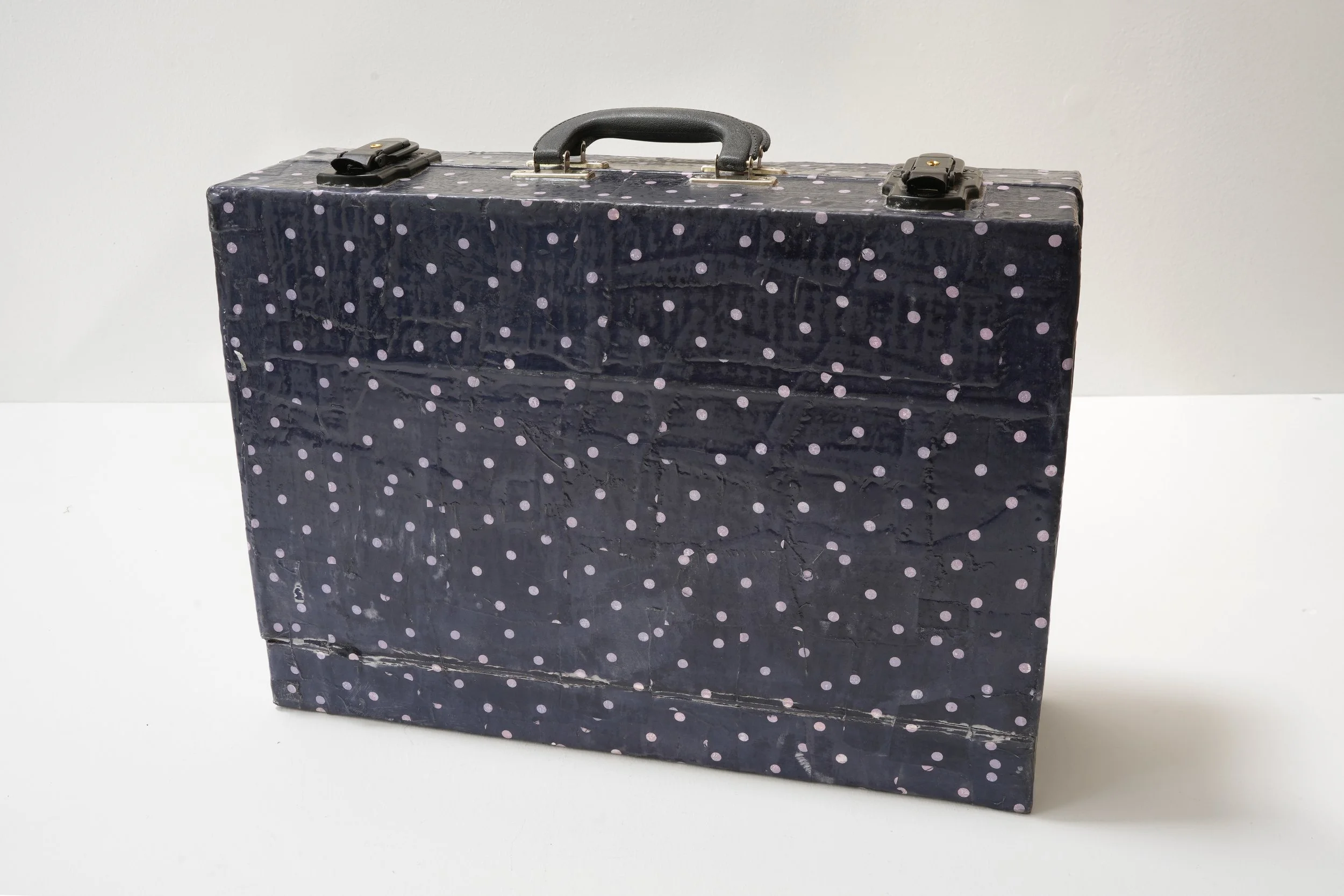
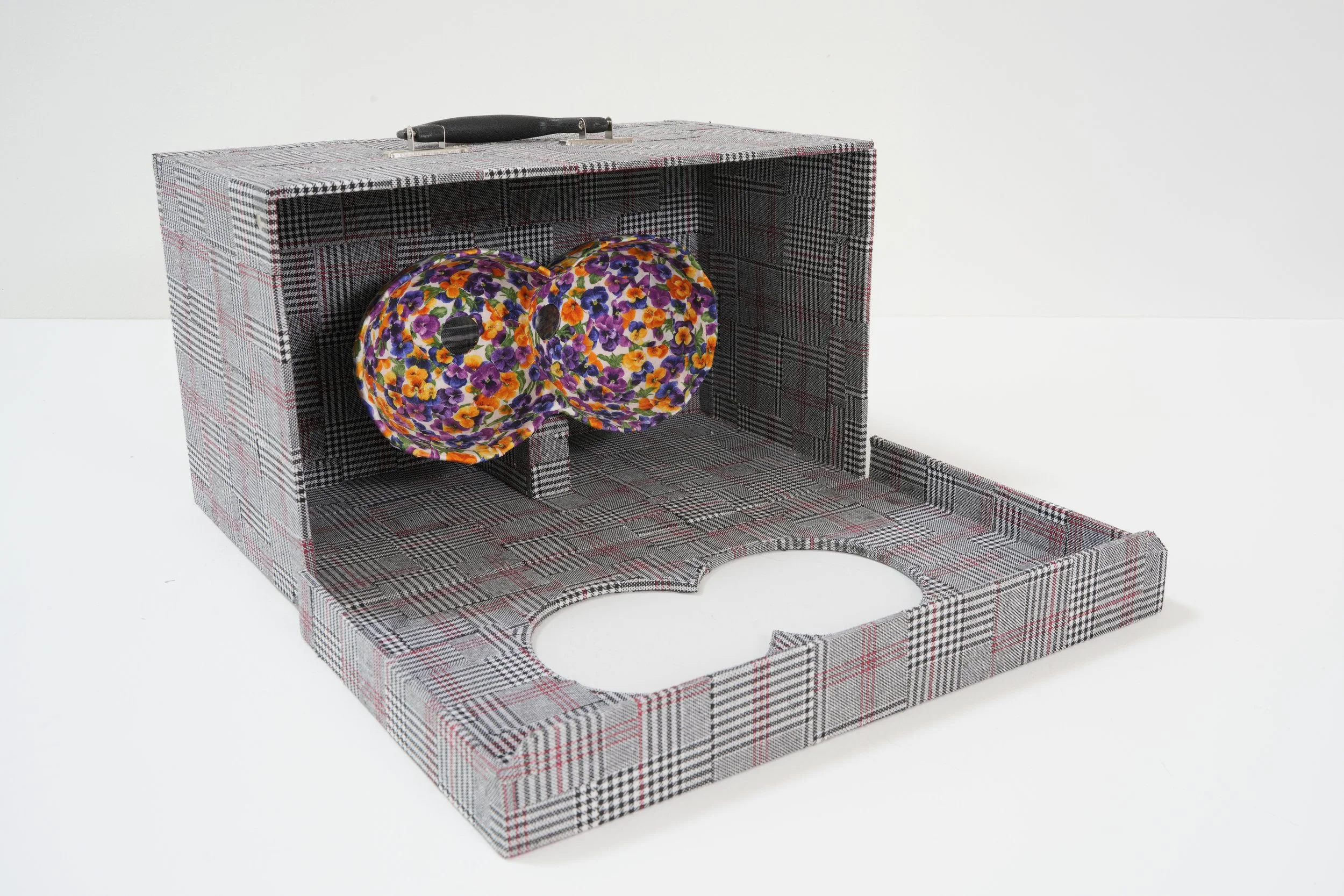
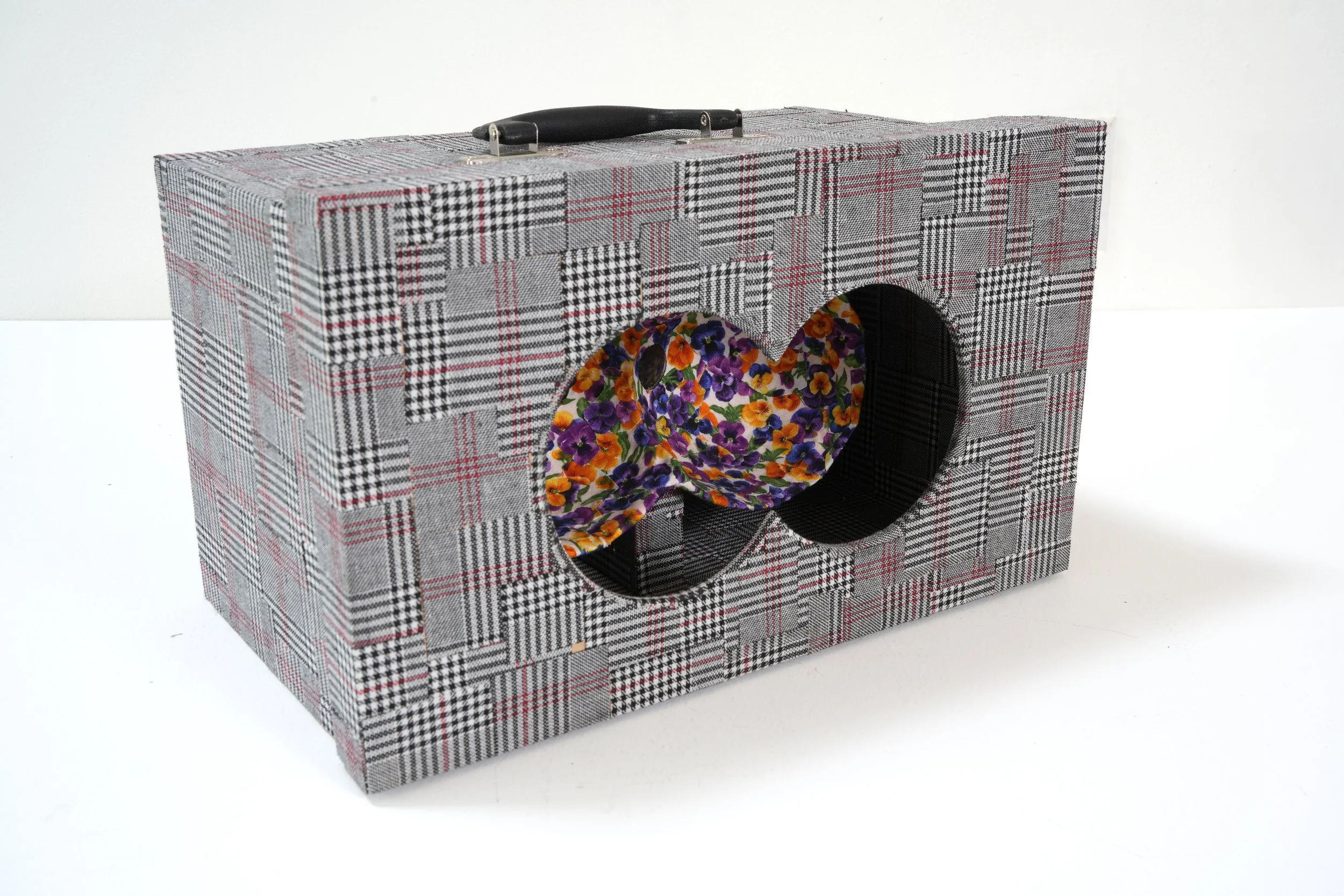
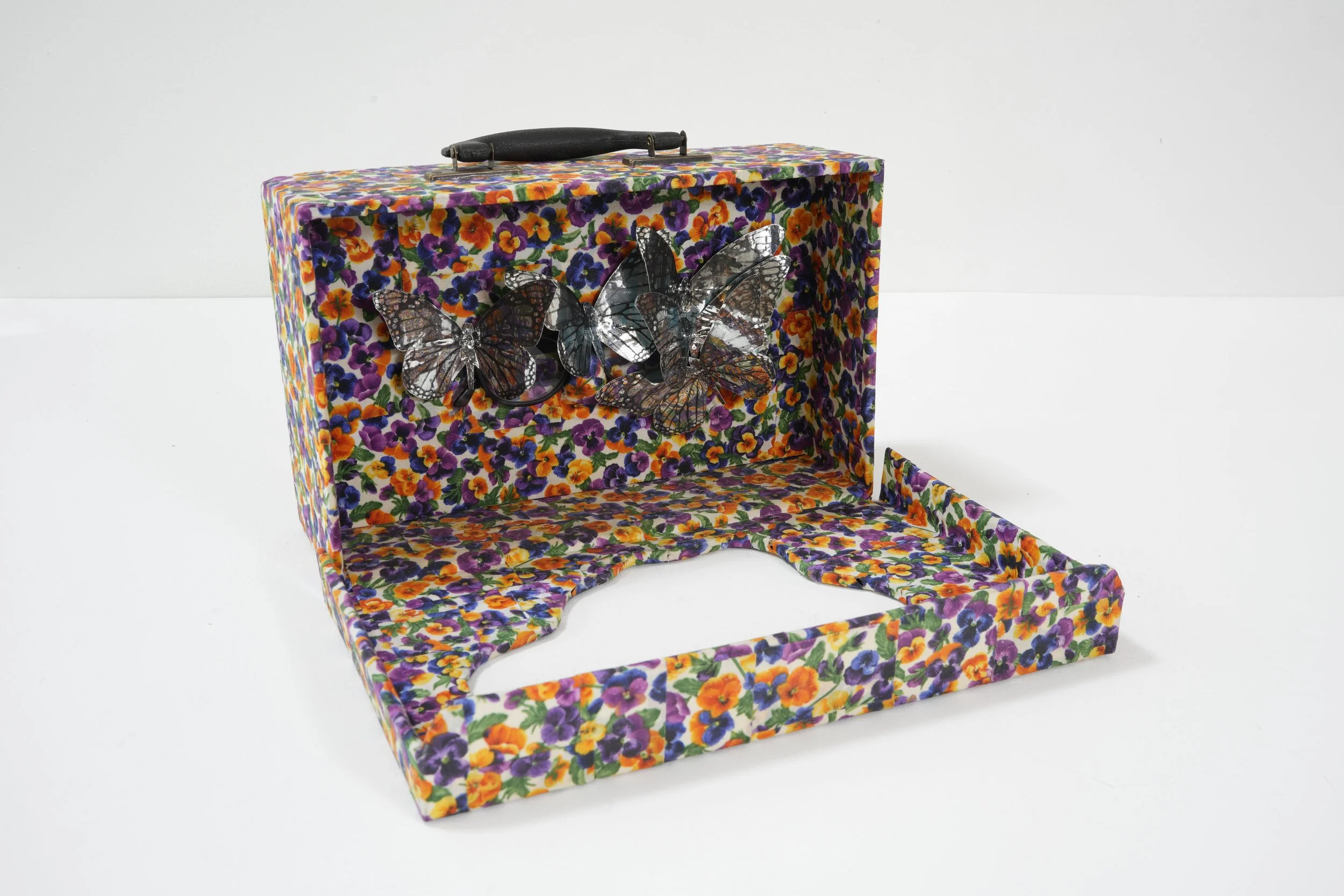
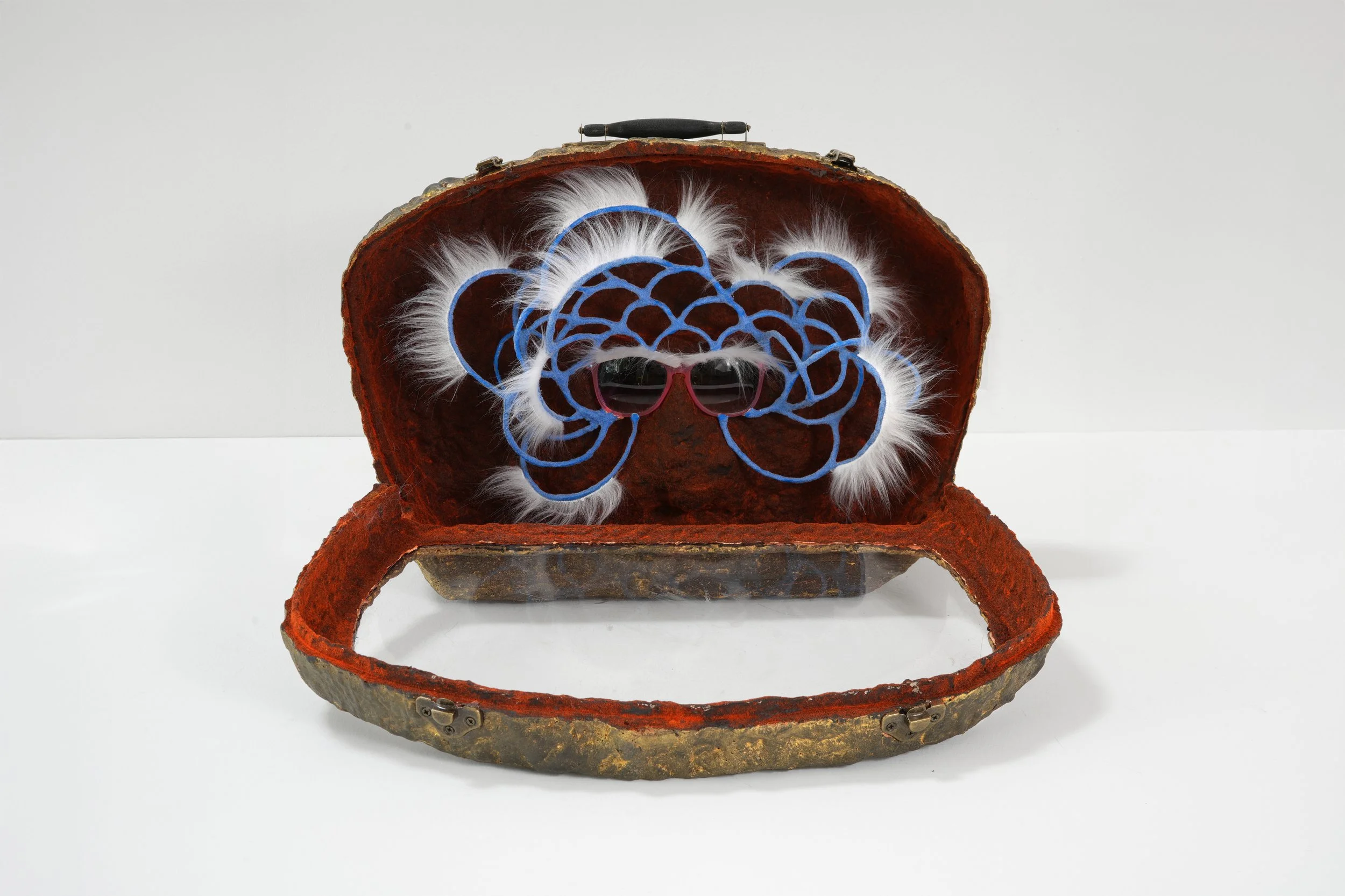
Ortbal displays them in exhibitions and installations and he houses them in traveling cases he fabricates. The cases are clad with patterned fabrics like his old plaid boxer underwear or a favorite worn out shirt; when opened, they reveal a miniature tableaux. Some look like caves inside, others look like strange scientific apparatus, the kind that might measure something that doesn’t exist yet. The cases have handles, they are made to be carried.
The name Samaritan appears without its familiar prefix. No “Good.” Ortbal strips the word of its moral freight deliberately, leaving only the figure itself: a traveler, a stranger, someone passing through from somewhere else. The question of whether they are good is beside the point, what matters is how they appear and are experienced.
Credits
By
Mary Zeran
Interpreatation
Edgar Zhang