

Pink Ribbon by Alisa Valevskaya
Paintings November 30 2025
Intro
This is the story of a closed city in the Urals. Of early coming-of-age. And of the purest, most luminous motive for being.
A desire to be more than just a woman (or girl) in the context of the place where she was born — and where she was supposed to die.
We come into this world with only one true story — our own. An artist can create vast worlds out of nothing, but no matter how hard they try, no matter how much they create, they cannot hide their true self on the canvas. The deepest and most meaningful works of art in human history are infused with the creator’s personal story. In the end, that is the only thing that allows one painting to stand apart from another. Without it, art is meaningless. A stained piece of cloth differs from a world masterpiece only in that it was painted by a person — someone who painted it with their story, their pain or their joy. It is this honesty and directness that turns great art into a living, breathing organism that grows and evolves with every passing second.
An artist can only be interesting in their honesty.
Pink Ribbon

Drank the Mute Water, 2024. 100 x 120 cm

What Was Left to You, 2024. 110 x 120 cm,

Interrupted Conversation, 2024. 150 x 110 cm

A Child’s Loneliness Gives a Doll a Soul, 2024. 100 x 120 cm


Phone Booths, 2024, 50 x 60 cm

Red Corner, 2024. 120 x 90 cm
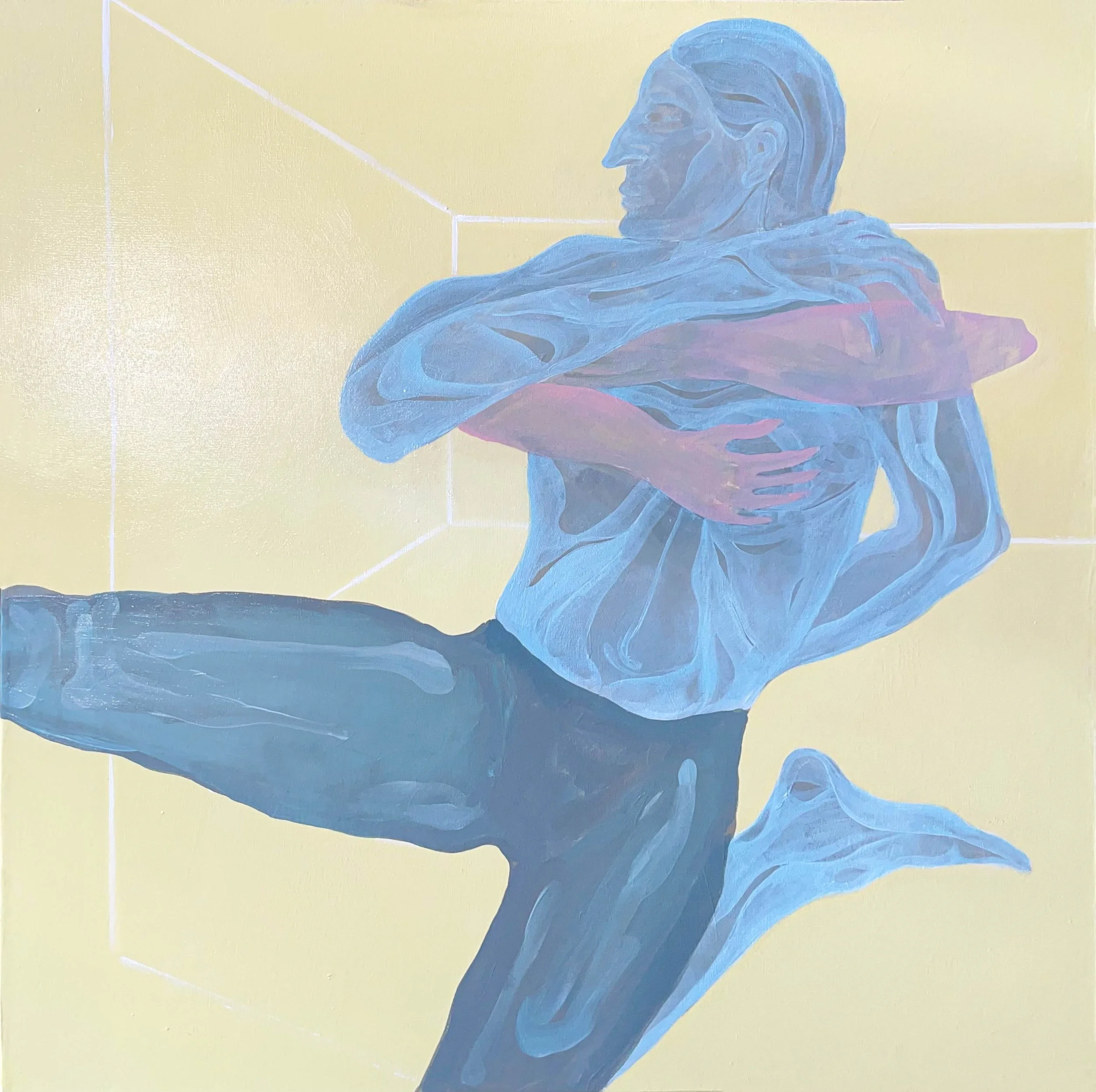
Dollhouse, 2024. 100 x 120 cm

Dad, 2024. 70 x 70 cm
Having Put Death in a Bag, 2024. 110 x 80 cm

Sleepless Night, 2024. 40 x 80 cm

Women from the Malachite Room, 2024. Ceramic panel

When Delusions Come to an End, 2024. Ceramic panel

Round Dance in the Garden, 2024. 50 x 90 cm
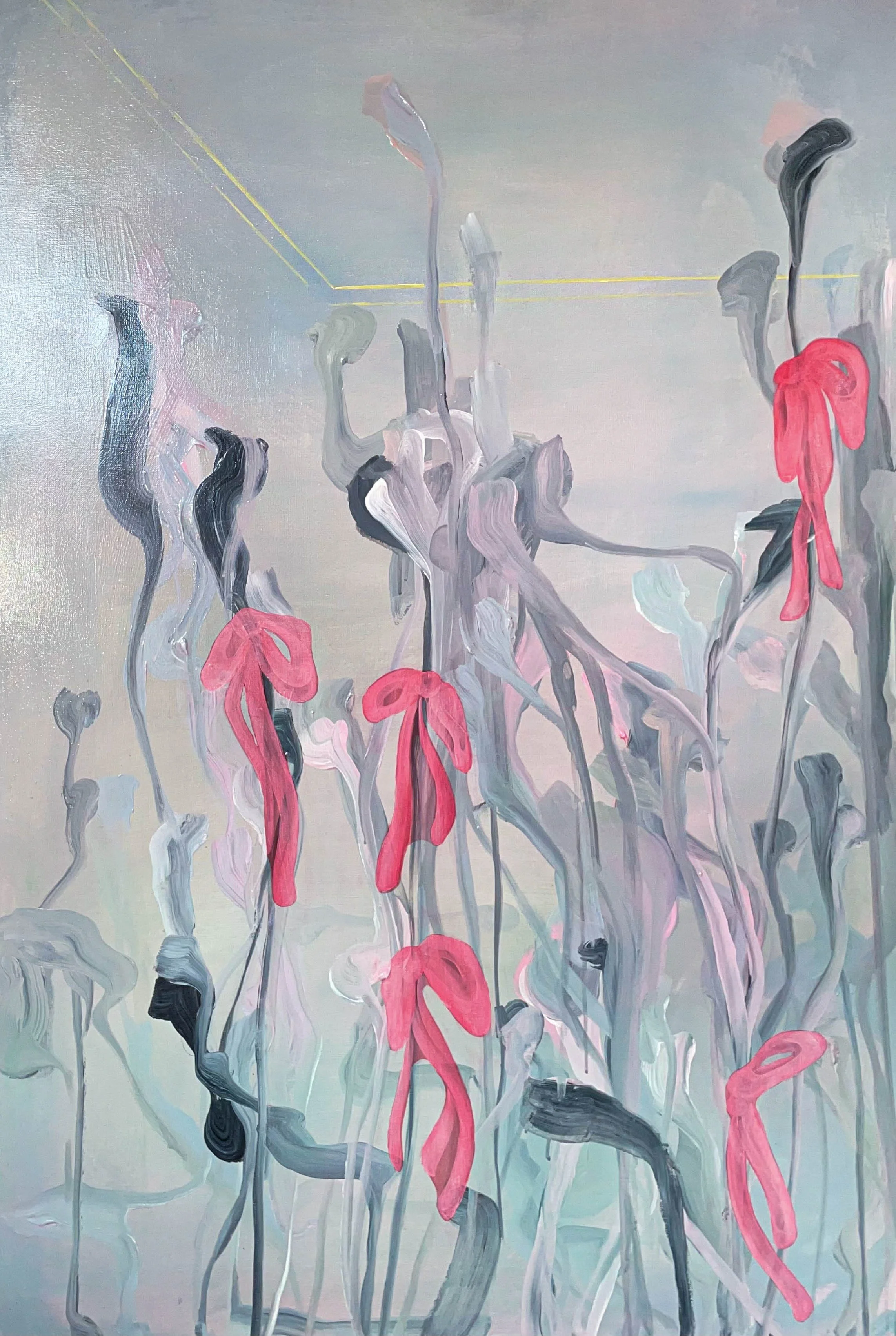
Each Time You Feel a Loss, Tie a Red Ribbon in the Garden, 2024. 120 x 80 cm

Early Morning, 2024. 100 x 70 cm

At the Crossroads, 2024. 150 x 220 cm

Donkey Without a Tail, 2024. 50 x 60 cm
About the Artist
Drawing from the imagery of global mythology and folklore, Alisa Valevskaya builds a visual language that threads together memory, symbolism, and the quiet intimacy of everyday life. Her works reimagine utilitarian objects as vessels of cultural memory—bridging the sacred and the mundane, the ancient and the contemporary.
Through this dialogue between past and future, Valevskaya’s practice invites us to reconsider how meaning persists across time: how even the most ordinary things can hold the weight of history and emotion.