

Her Story by TIANAI
Photography August 16 2026
Intro
In 1950, the Marriage Law was passed, officially ending the practice of purchasing child brides and promoting the idea that women could break free from arranged marriages and abusive husbands. Overnight, the status of women was radically transformed. But when you look deeper, what happened to the lives of those women? The more you dig, the more it feels like reaching into a fog—nothing concrete emerges. These women are the absent witnesses in the grand narrative of history, the anchor points that mark the disappearance of China's feminist movement.
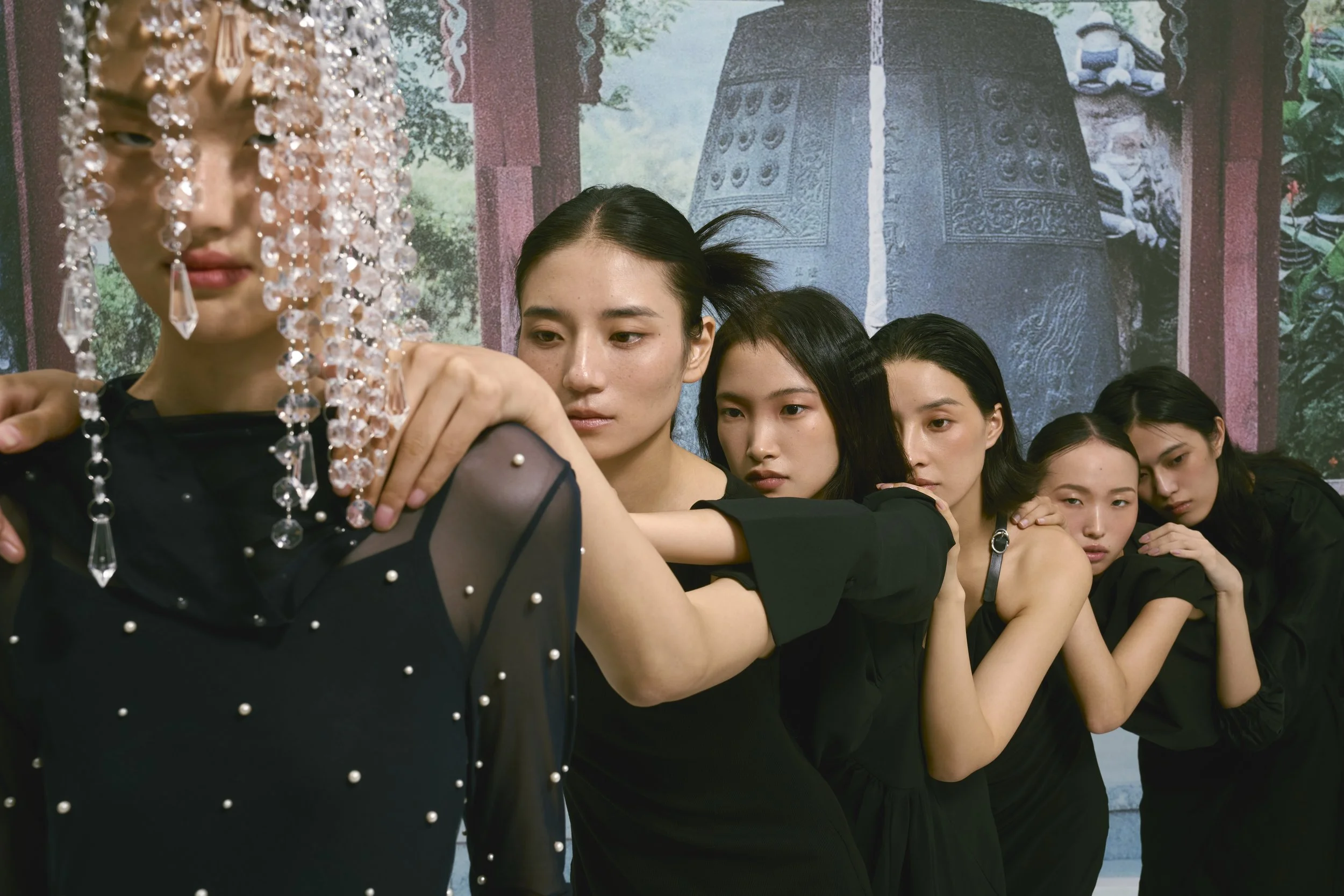
Her Story
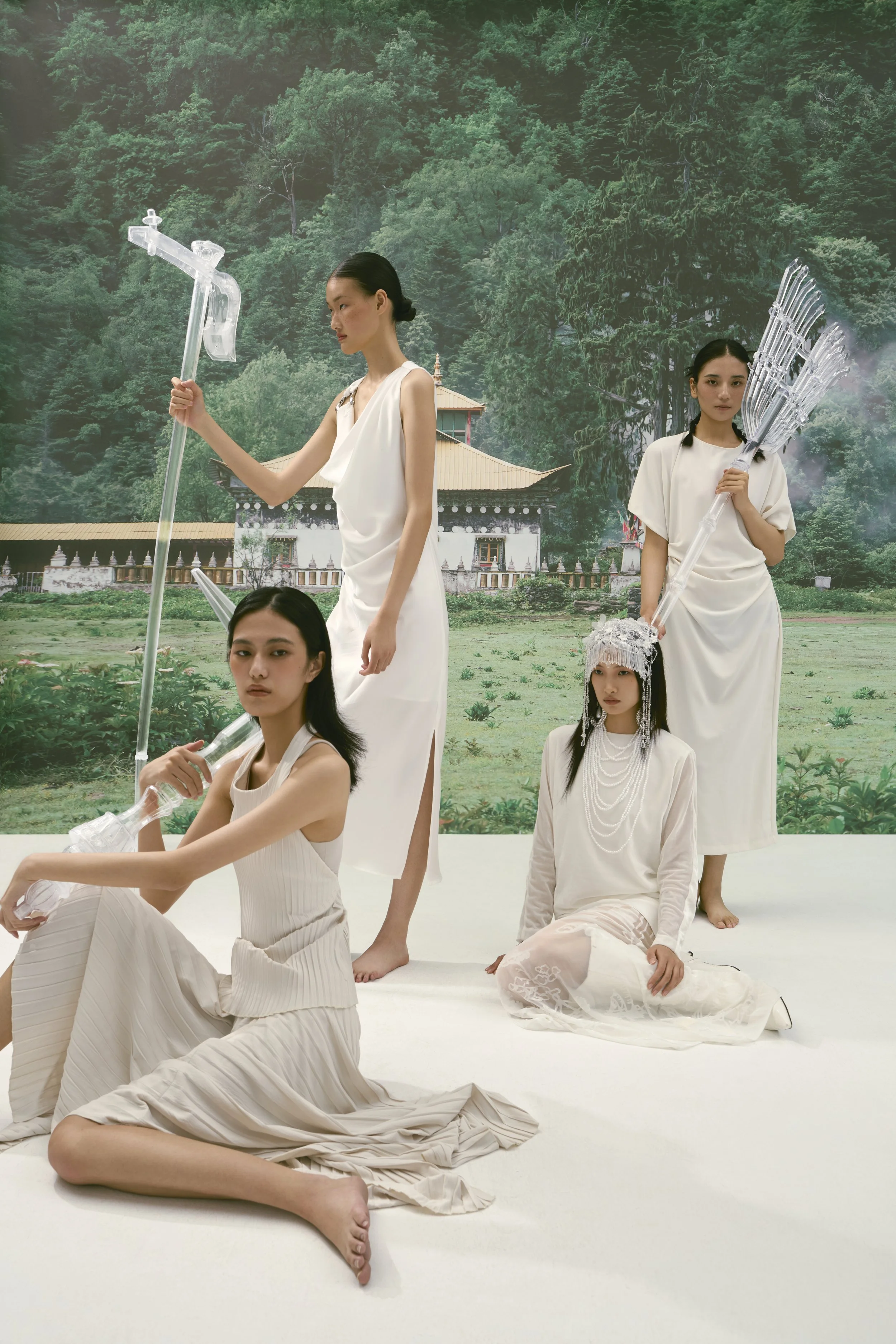
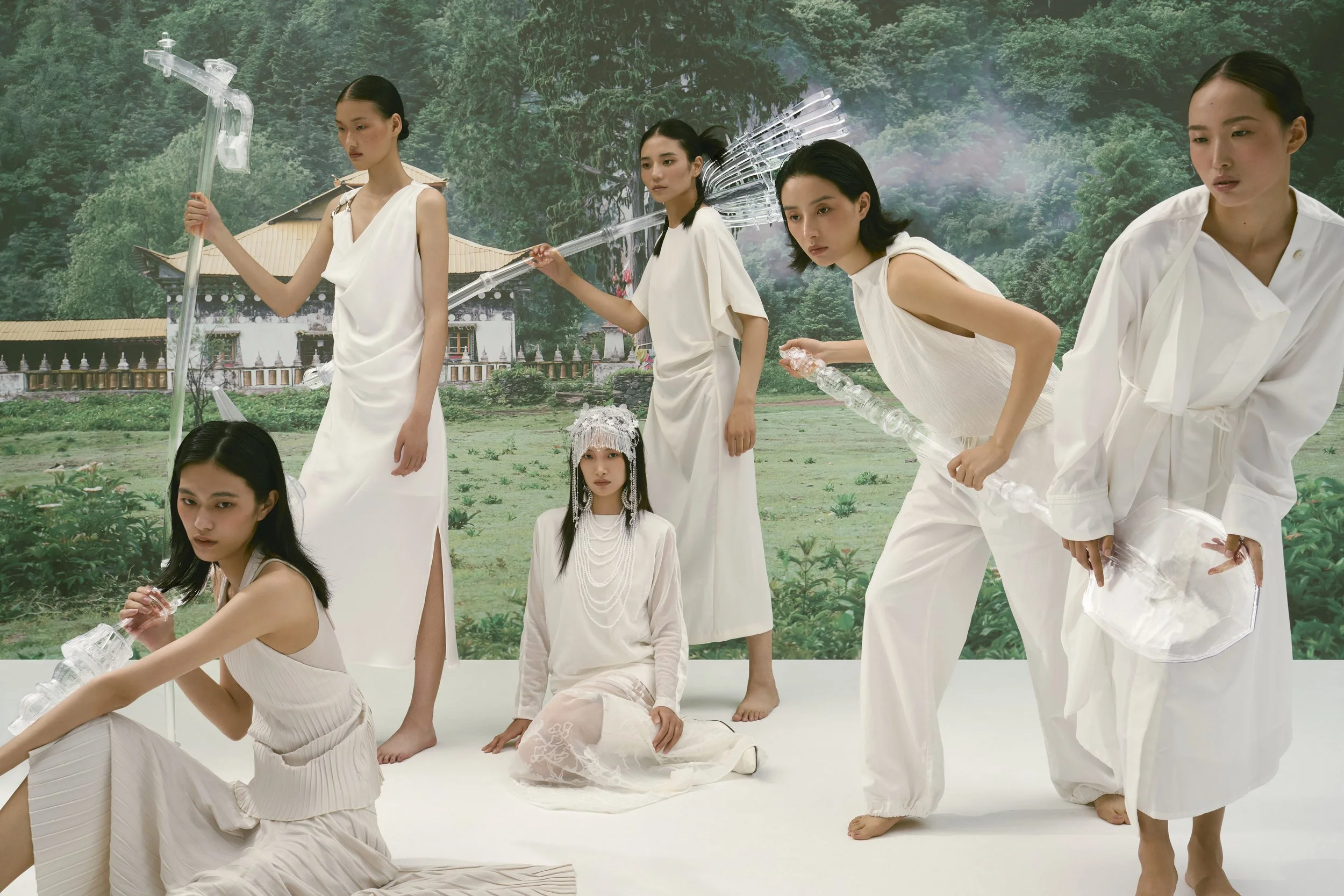
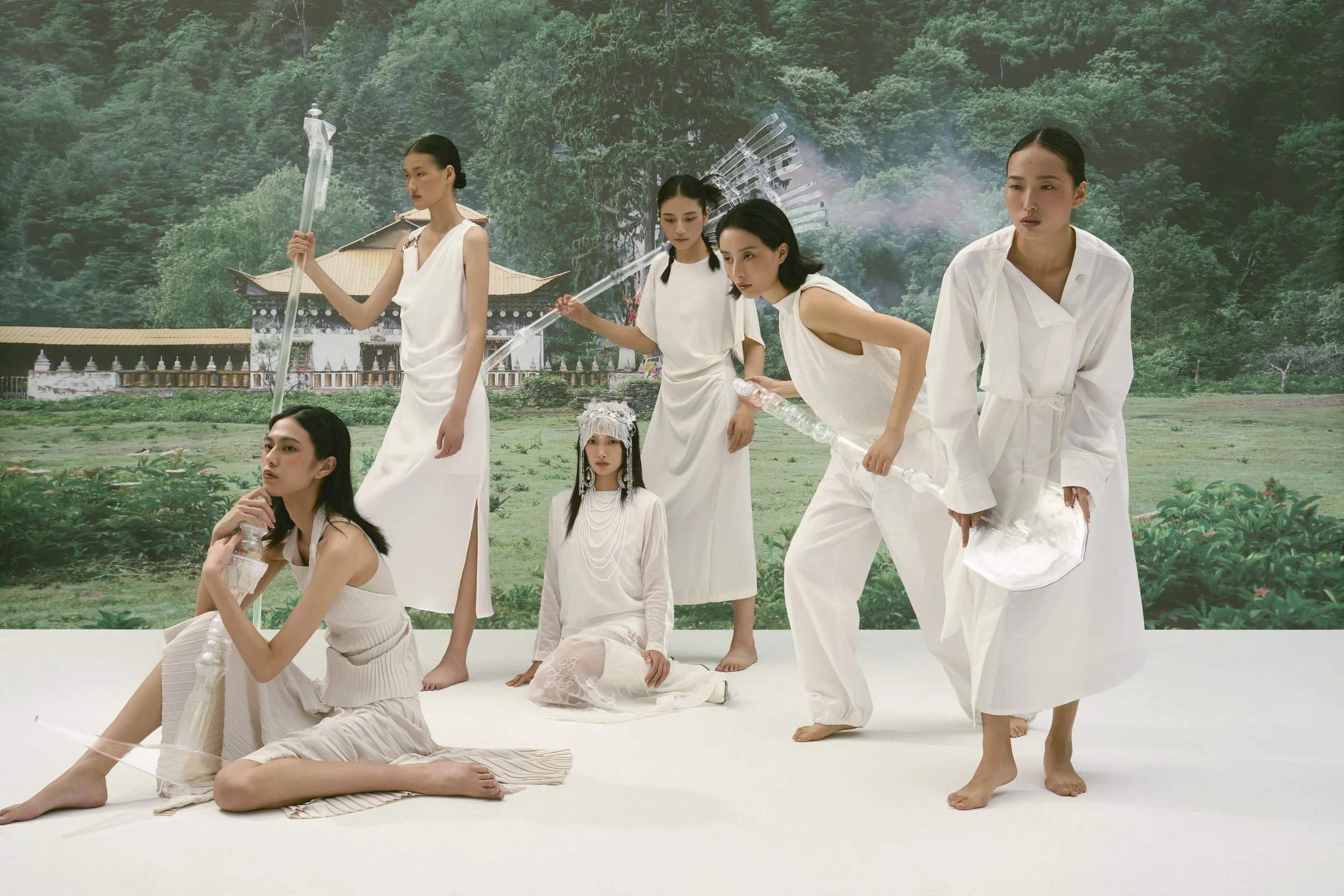
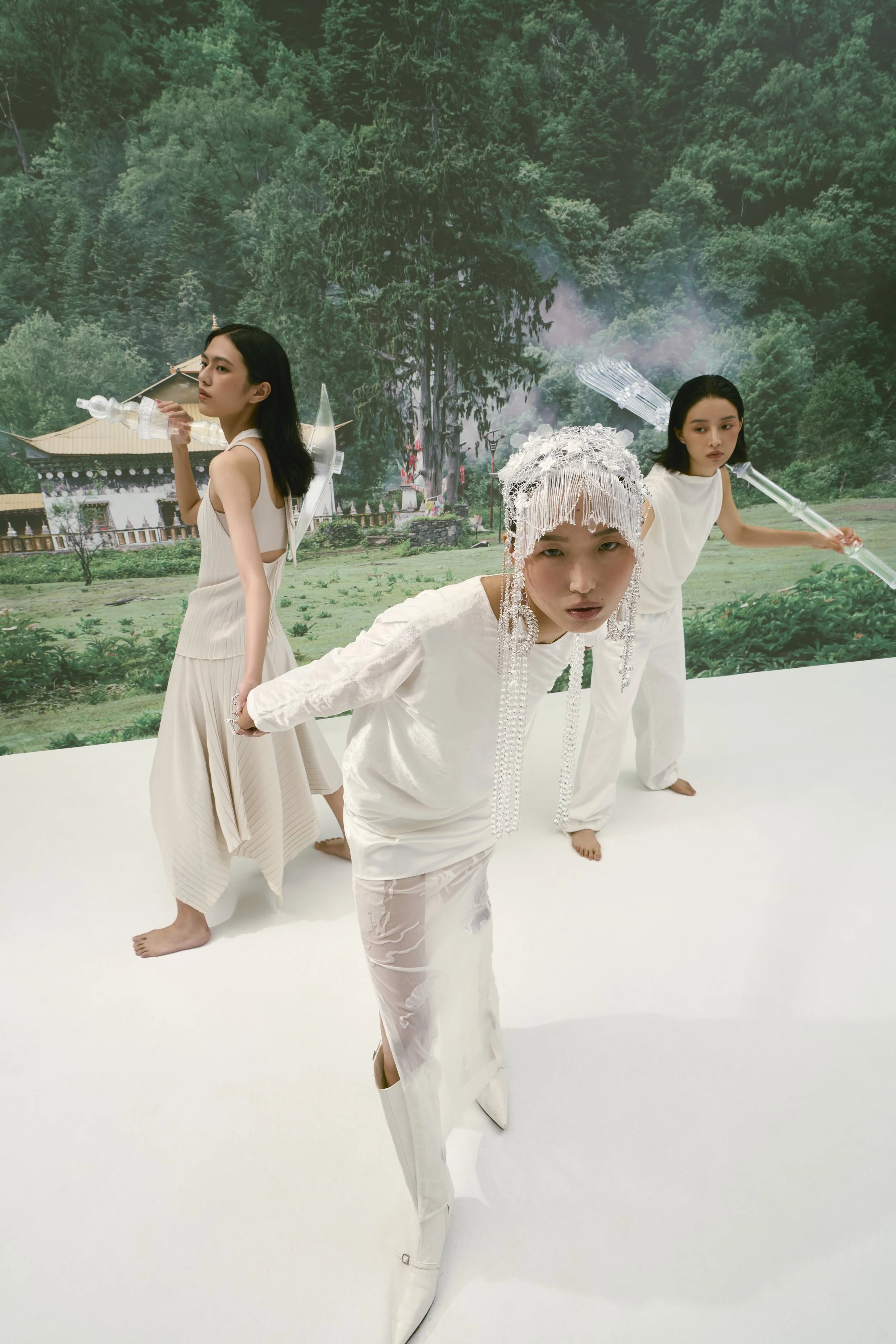
“My own grandmother was a witness to this era. From her accounts, I glimpsed the history from a female perspective at that time. In response to the policy, women actively stepped out of their homes. There were slogans and role models being promoted, but gender division in labor had not changed. They worked in the fields during the day and came home to take care of the household chores at night, relying solely on their own strength to endure the hardships of life. Now, as the memories of those times fade away, my grandmother chooses to both recount her struggles and seek relief in Buddhism.”
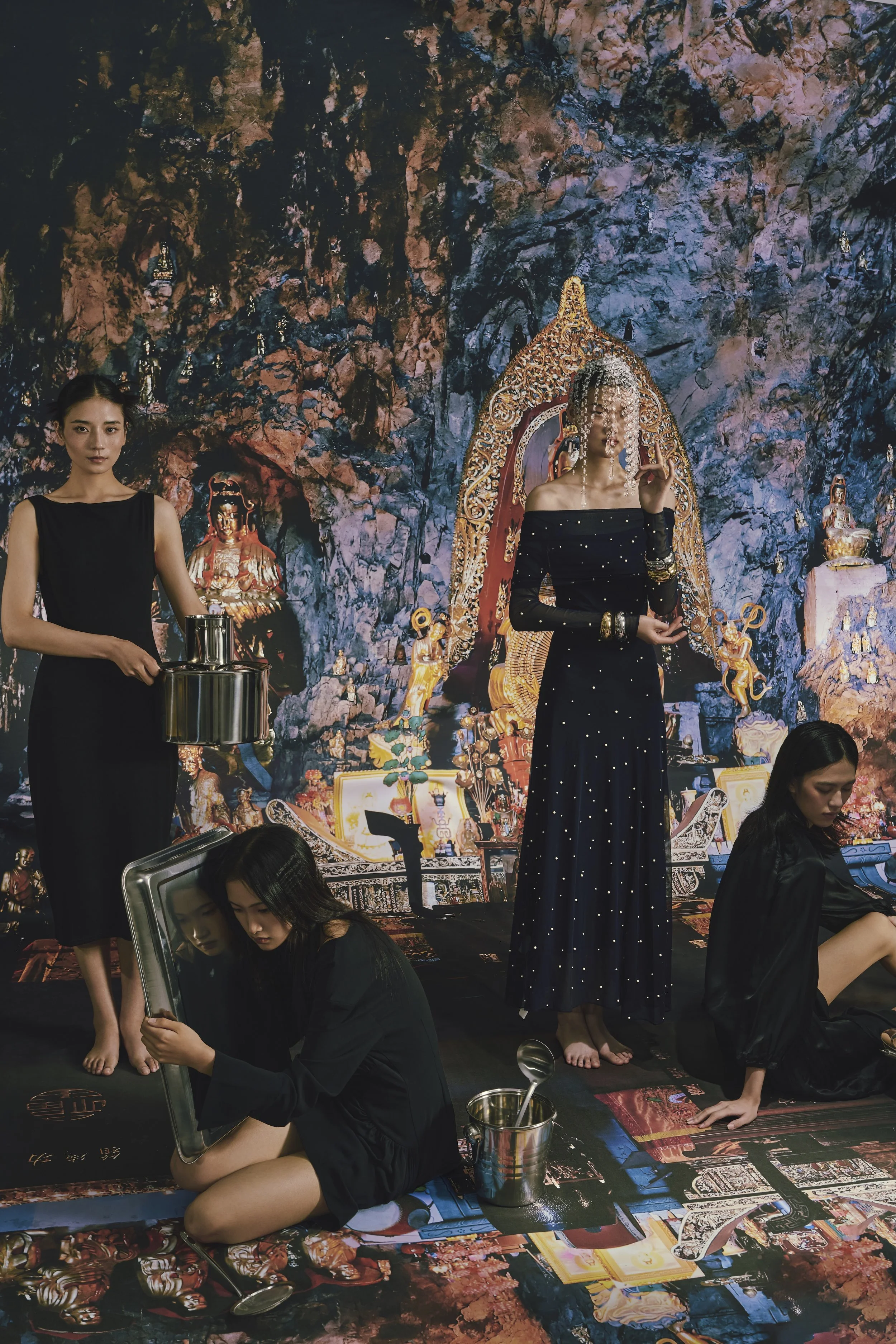
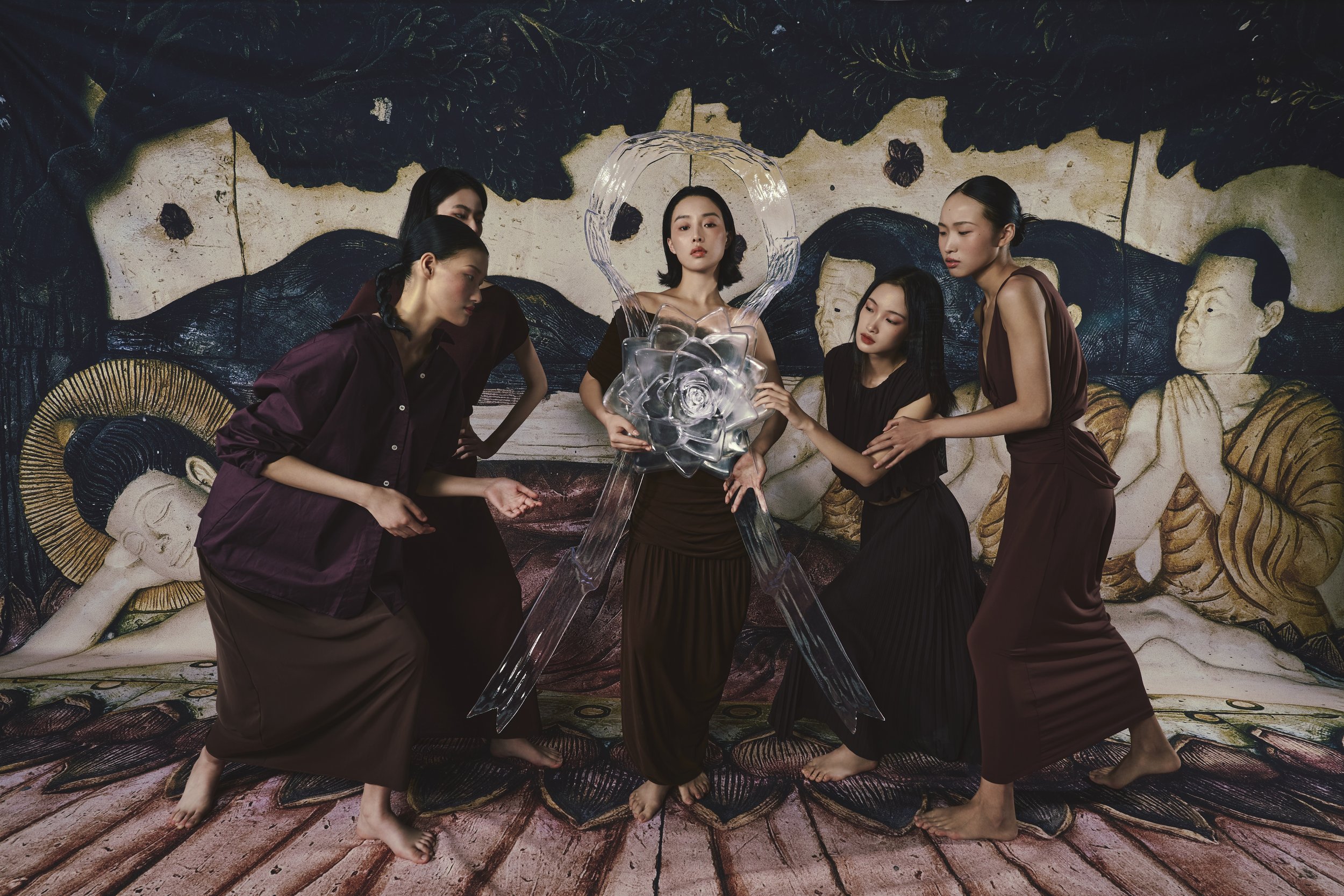
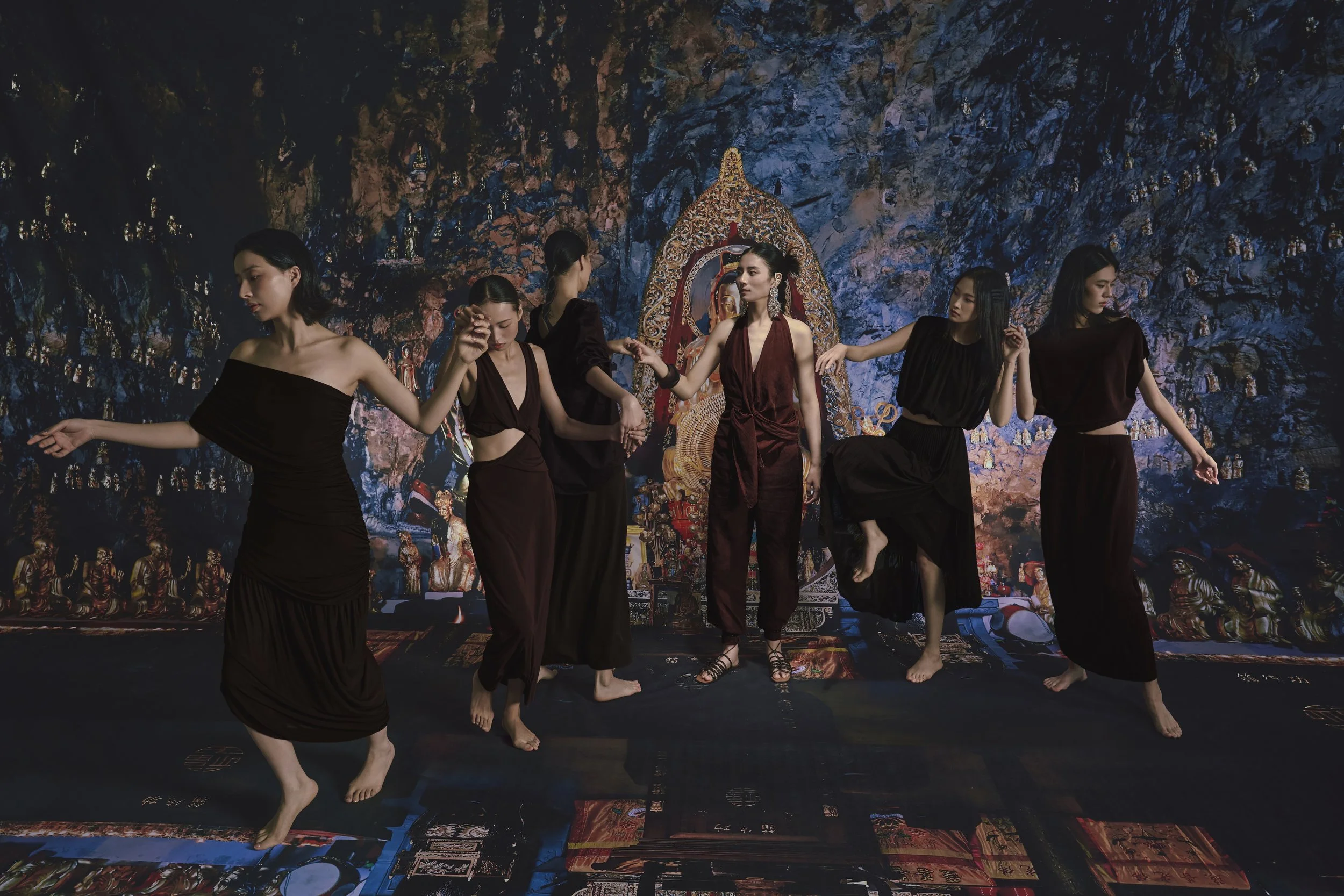
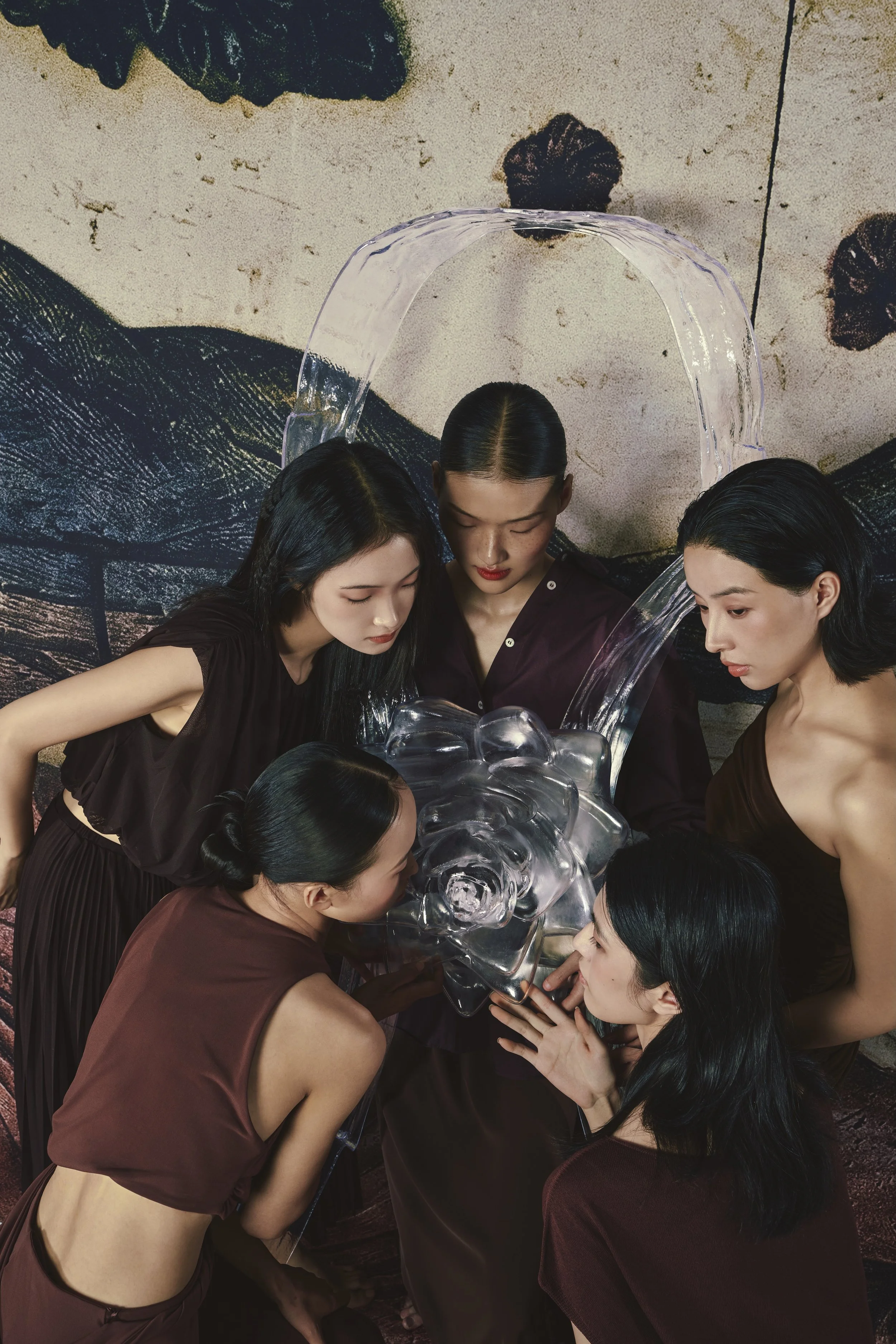
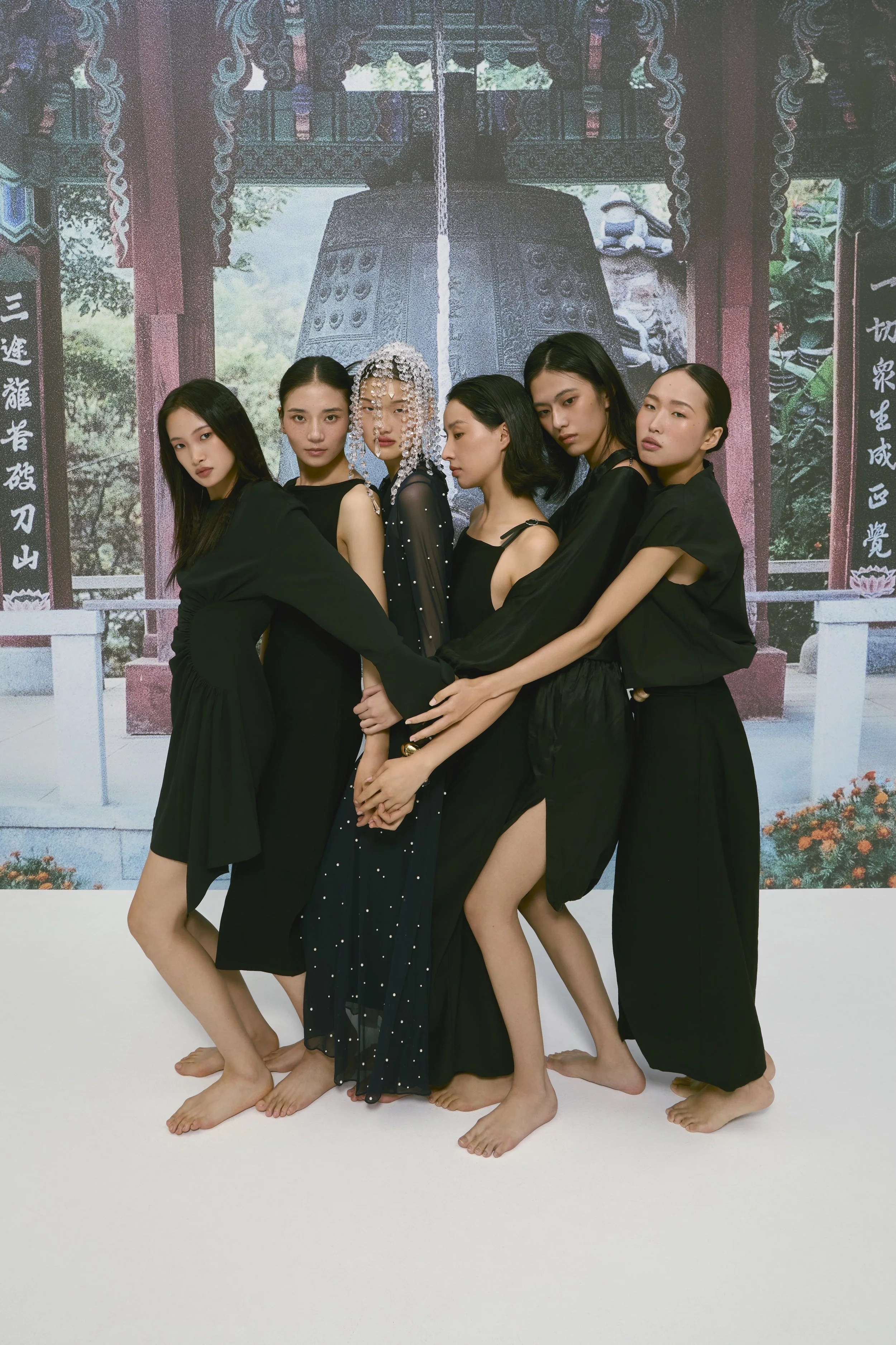

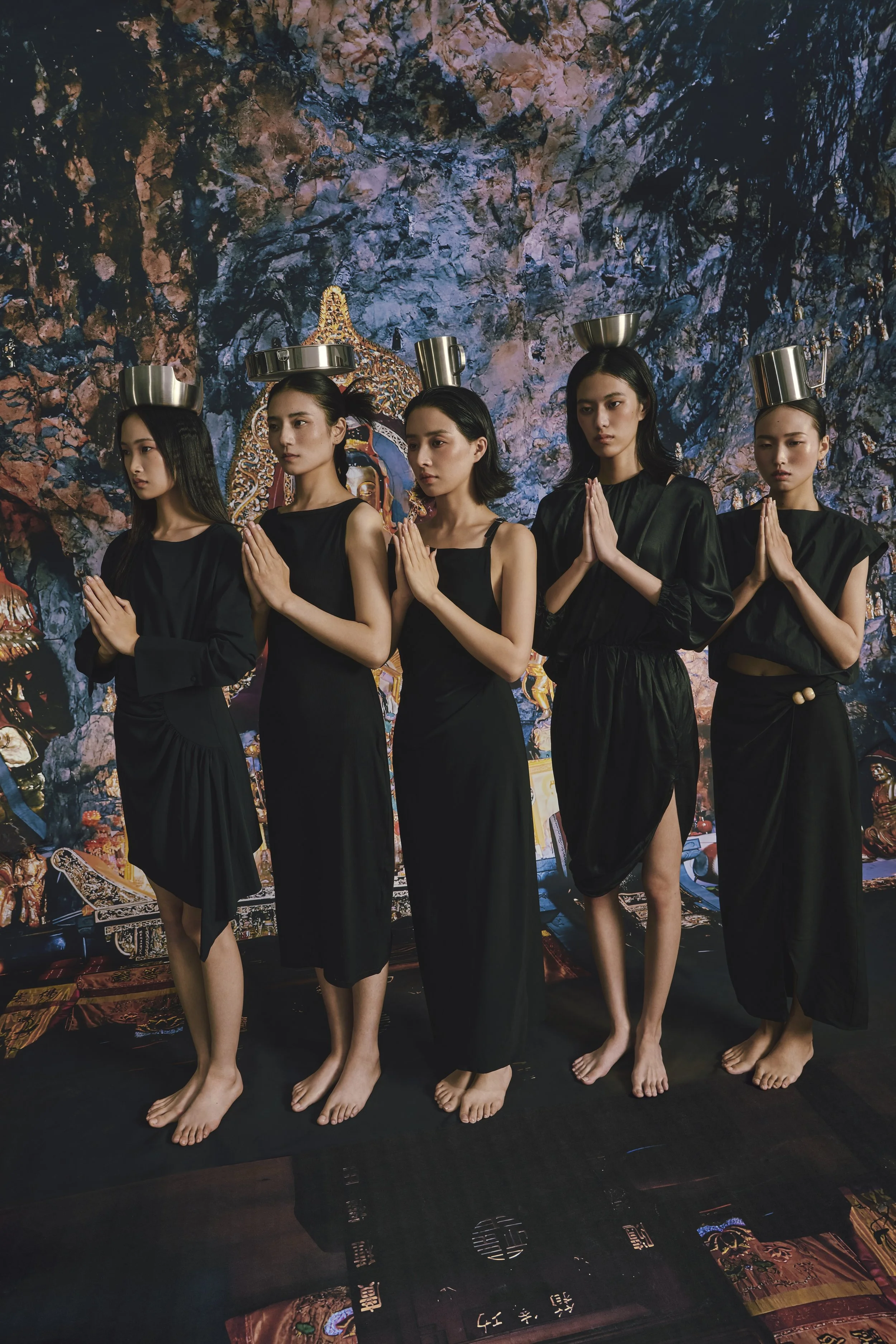

Chinese women’s historian He Xiao said, “Perhaps we shouldn’t ask, 'Did Chinese women have a revolution?'
but rather, ‘Without the visible and invisible labor of Chinese women, could China’s revolution have
happened?’” The stories of my grandmother and countless elderly women in China make a strong call to the
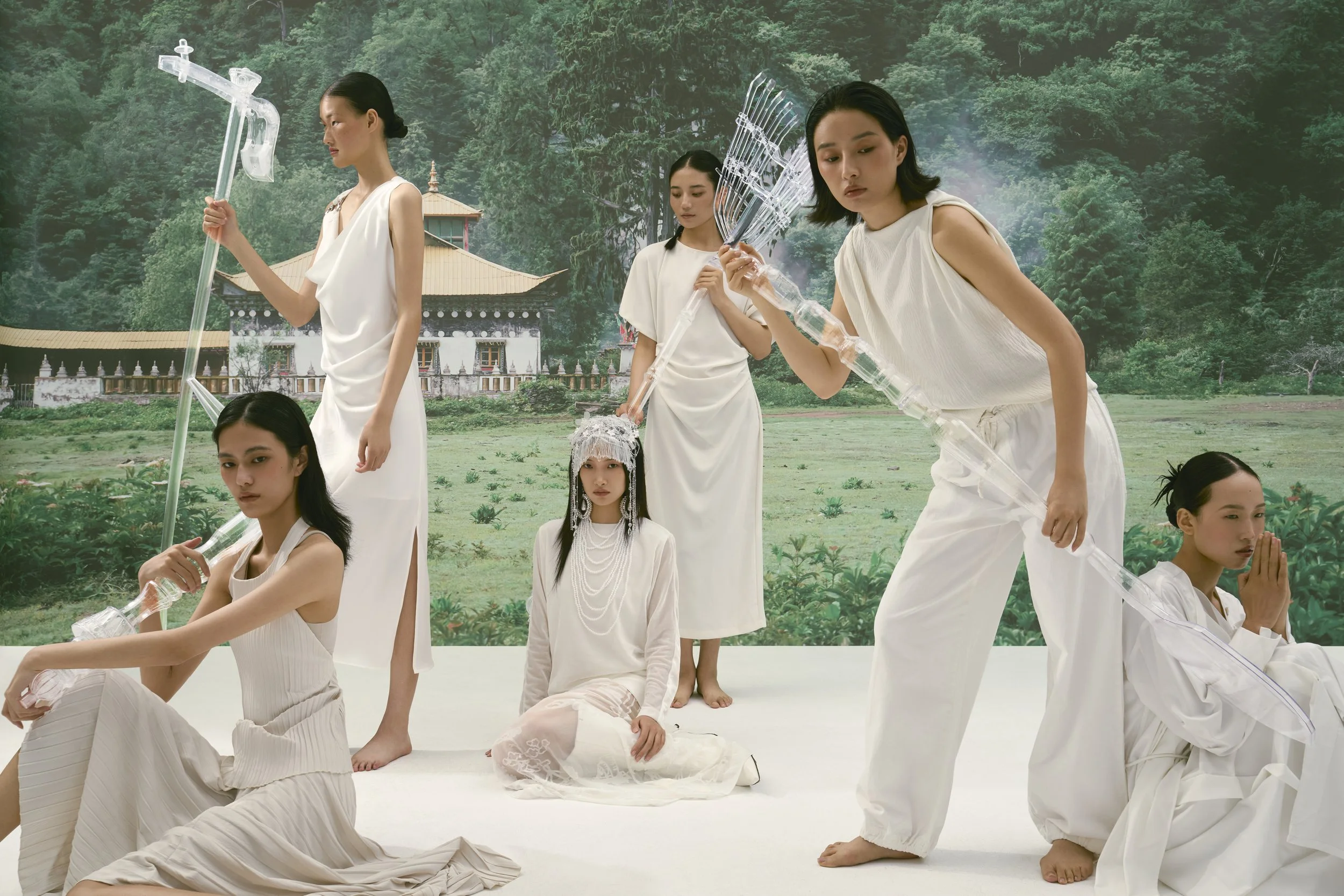
present. Through this project, I aim to use fashion photography to give a foothold to those gradually forgotten
memories and remind people that the fight for women’s revolution is still ongoing.
About the Artist
Sarah Sense (b. 1980, Sacramento, California) is an artist whose practice centers on photo-weaving using traditional basket techniques from her Chitimacha and Choctaw family. She received a BFA from California State University, Chico (2003) and an MFA from Parsons The New School for Design, New York (2005).
Since 2004, Sense has combined weaving with photography, maps, and archival materials to tell stories about Indigenous land, history, and survival. Her work has grown through extensive research and travel across the Americas, Southeast Asia, and the Caribbean, and has been exhibited internationally. She is a British Library Eccles Centre Fellow, and her recent large-scale commissions rework colonial maps through Indigenous weaving patterns to address land, climate, and decolonization.