
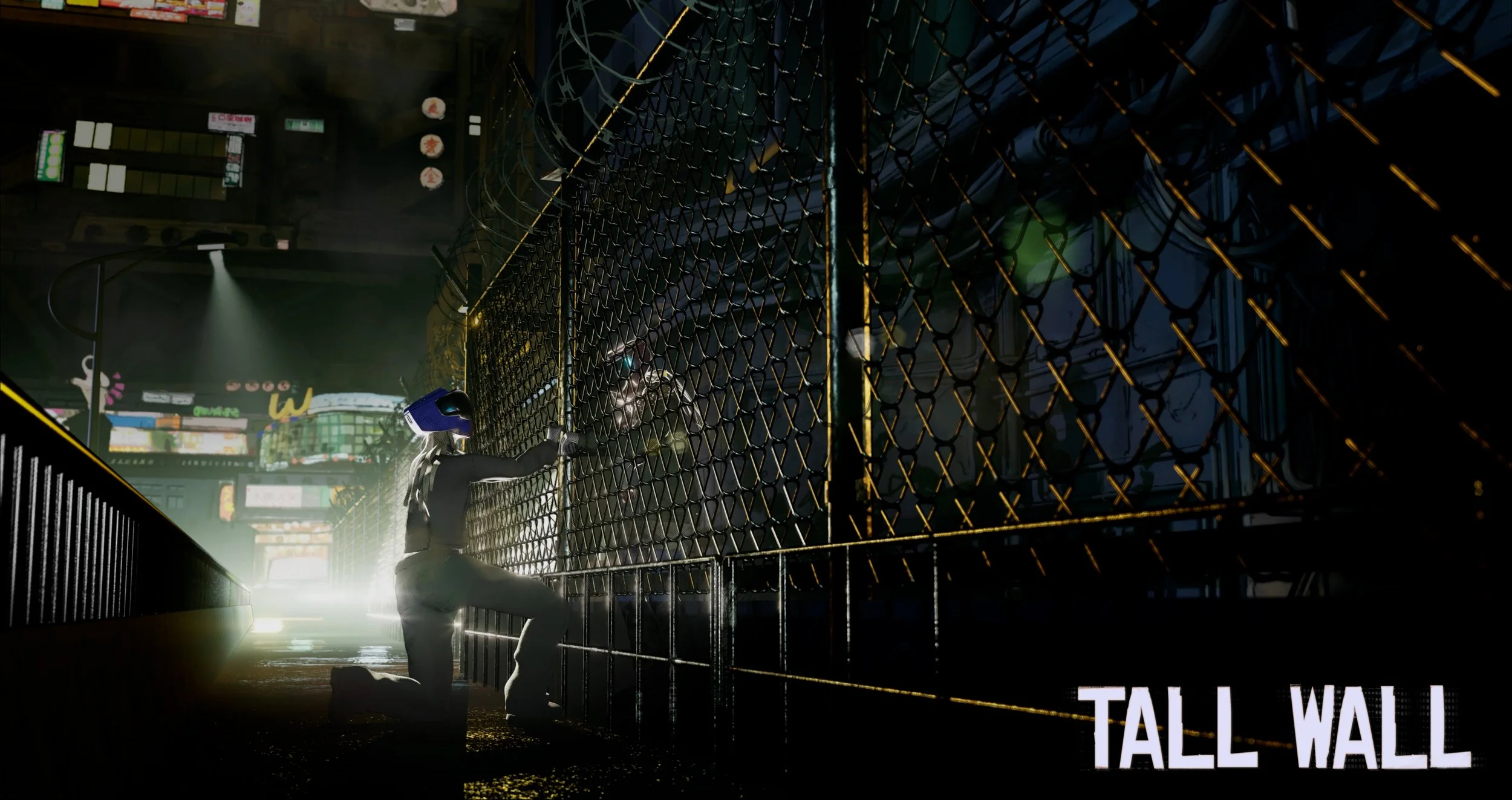
Tall Wall by Fliiip Design
Animation Film September 5 2025
Intro
As a child, Jinchi rose to power with the help of the Black Bear Spirit. But as his status grew, so did his obsession with an ornate kasaya, a monk's robe that came to symbolize his unending desire for power and wealth.
When Tang Sanzang passed by Jinchi Temple wearing a magnificent embroidered kasaya, Jinchi was consumed by greed and attempted to claim the robe for himself…
“I see” is an animated chapter created for the game Black Myth: Wukong, centered around the theme of greed. It tells the tragic story of Elder Jinchi.
About the Studio
FLiiiP Design was founded in 2020 in Shanghai as a studio dedicated to visual and animation content creation. The name “FLiiiP” reflects the studio’s philosophy: to constantly discover new perspectives, maintain a sense of freshness in creative work, push beyond boundaries, and continue producing original and innovative projects.
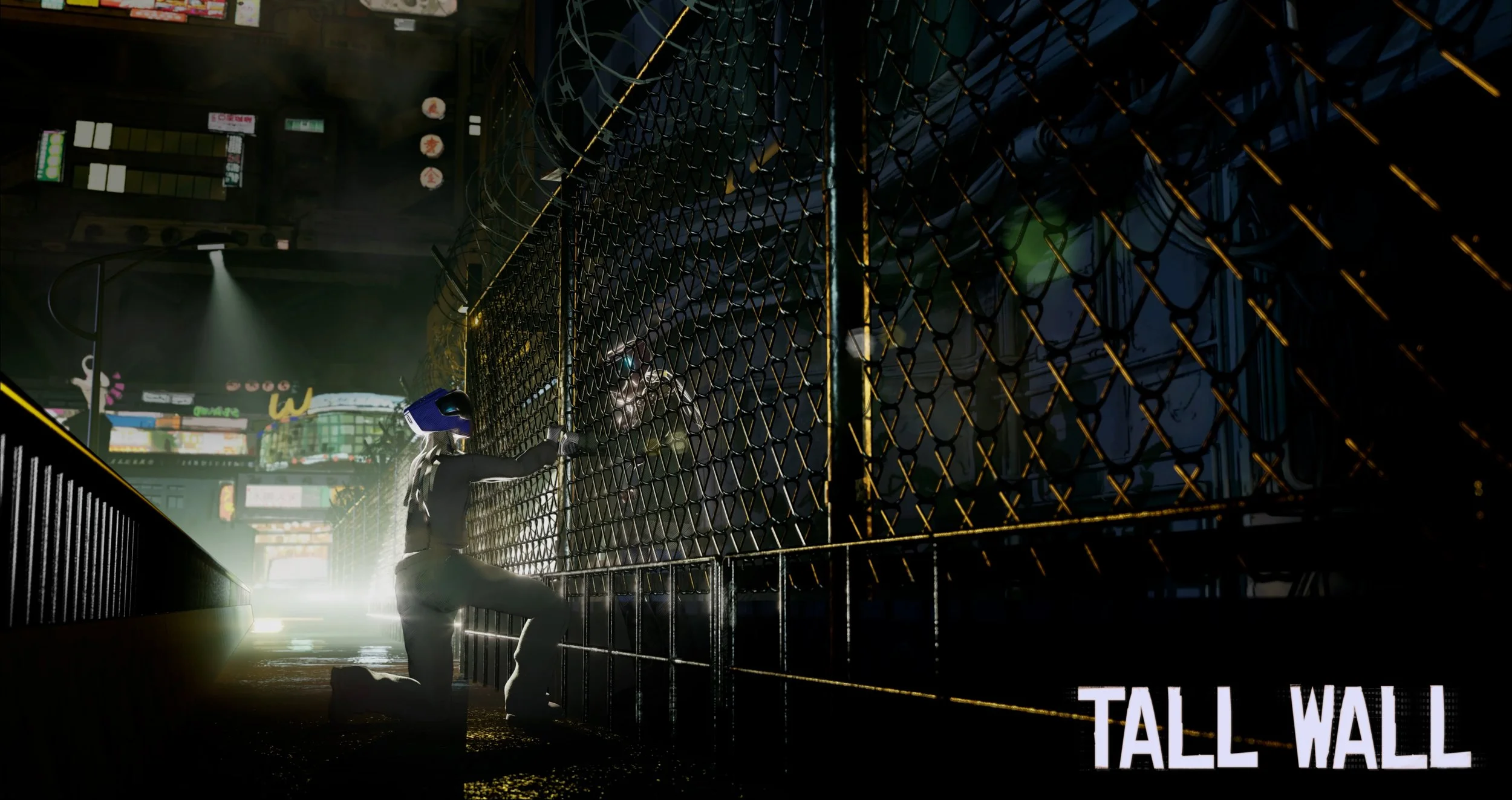
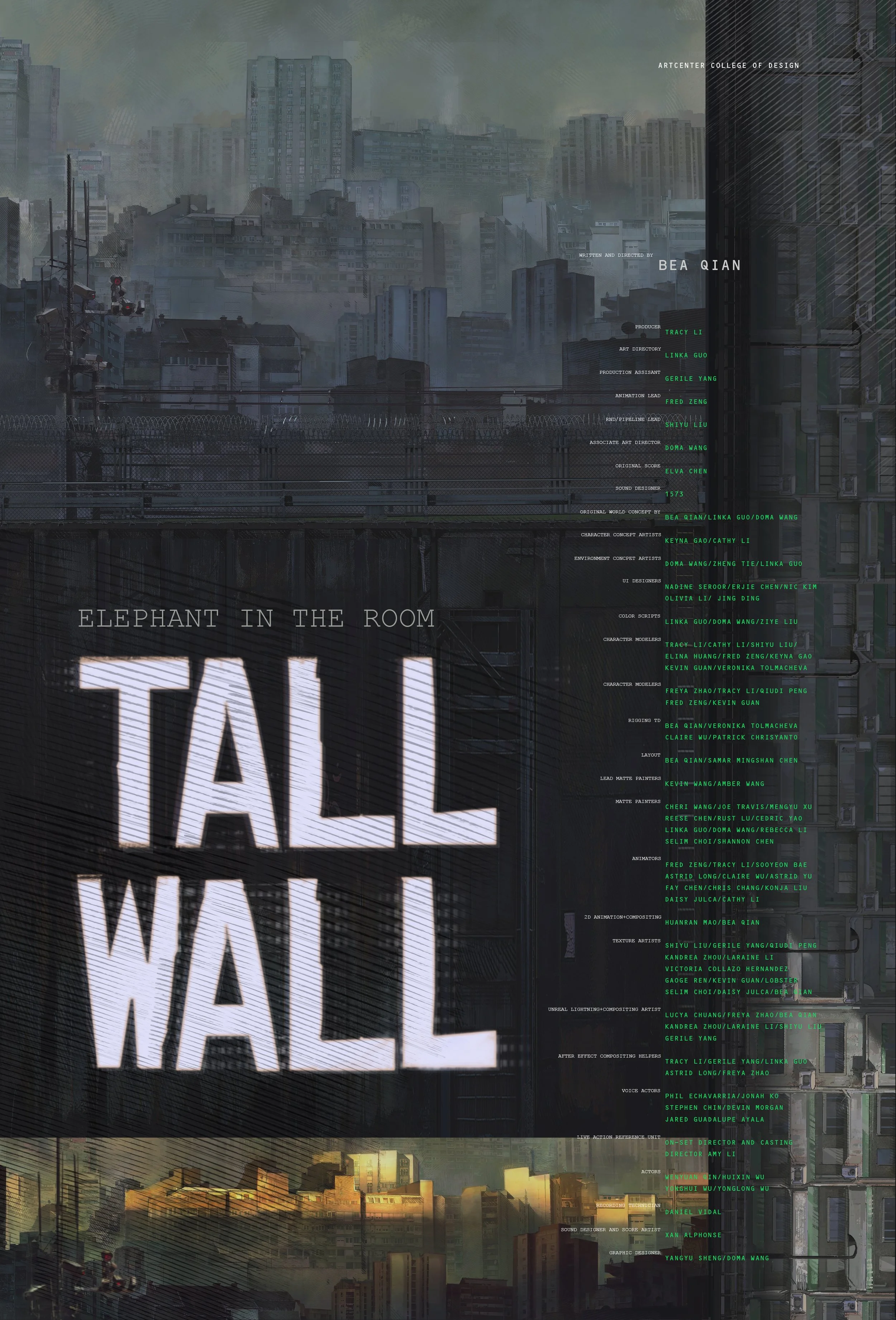
TALL WALL
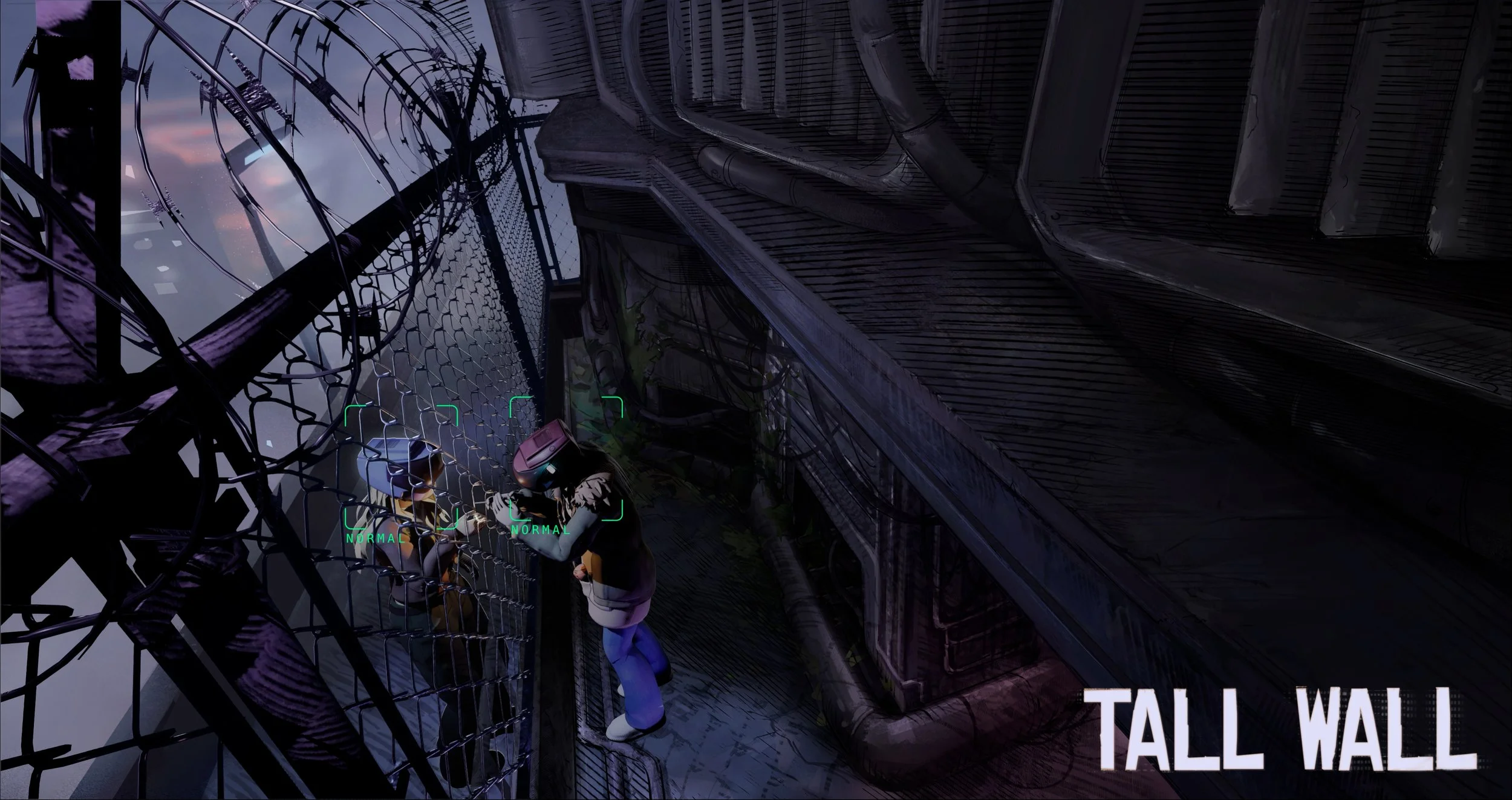
Story
When I was preparing my capstone pitch decks at ArtCenter, I had two stories: one based on a historical trauma I never lived through, and another was Tall Wall. The faculty chose the historical one, but I felt disappointed—I realized how much more I wanted to tell Tall Wall. After talking with my mom, she reminded me to tell the story of my generation’s pain, not just inherit someone else’s. That gave me the confidence to continue.
One key image in my pitch deck was a ruined wall painted with the words: “Without records, it never happened.” During COVID-19, I witnessed how fragile human nature and governance could be, and how easily memories fade. Choosing smallpox as a subject echoed how history repeats itself and how we keep making the same mistakes. Out of that urge to remember, Tall Wall was born.
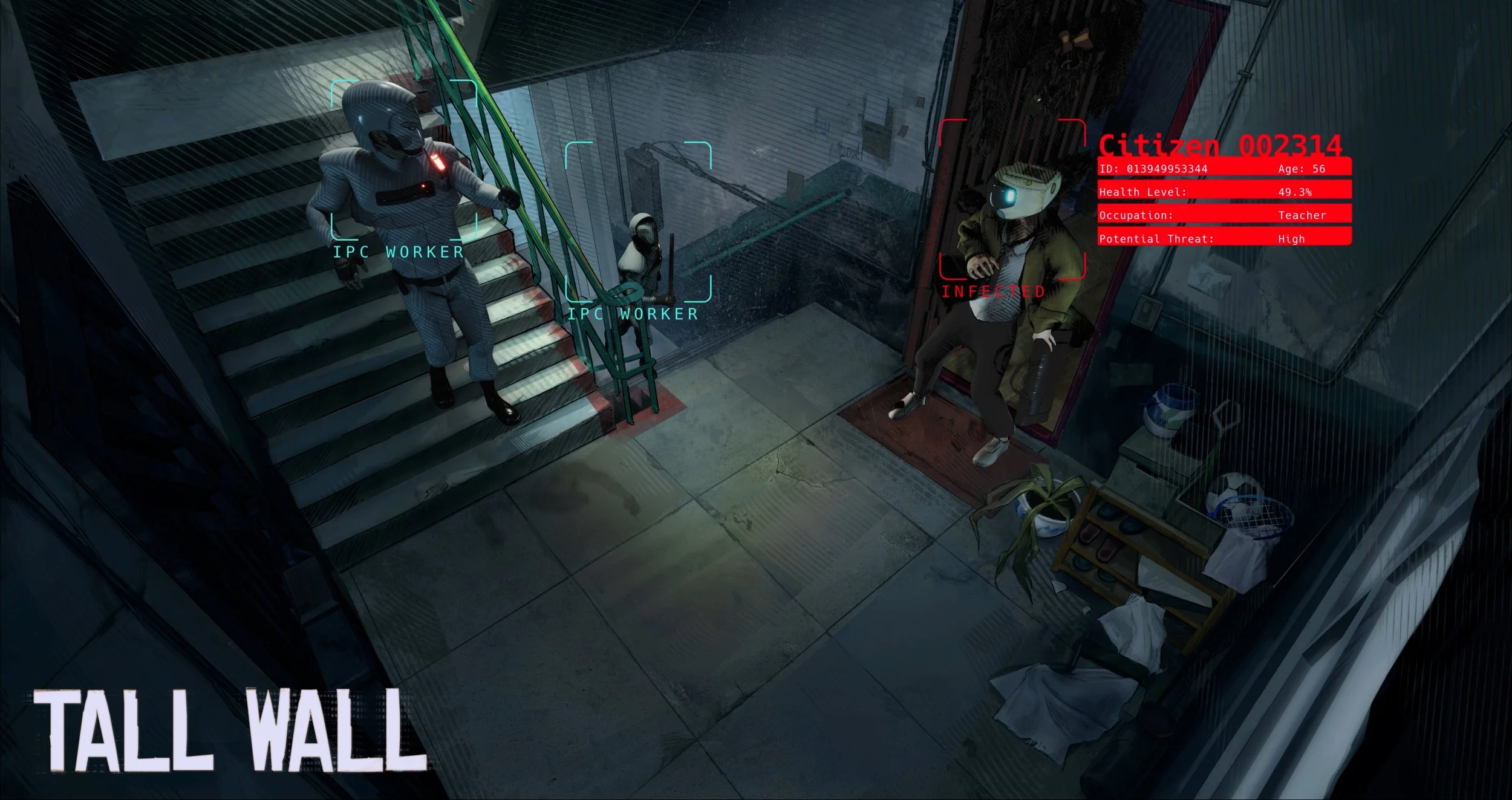
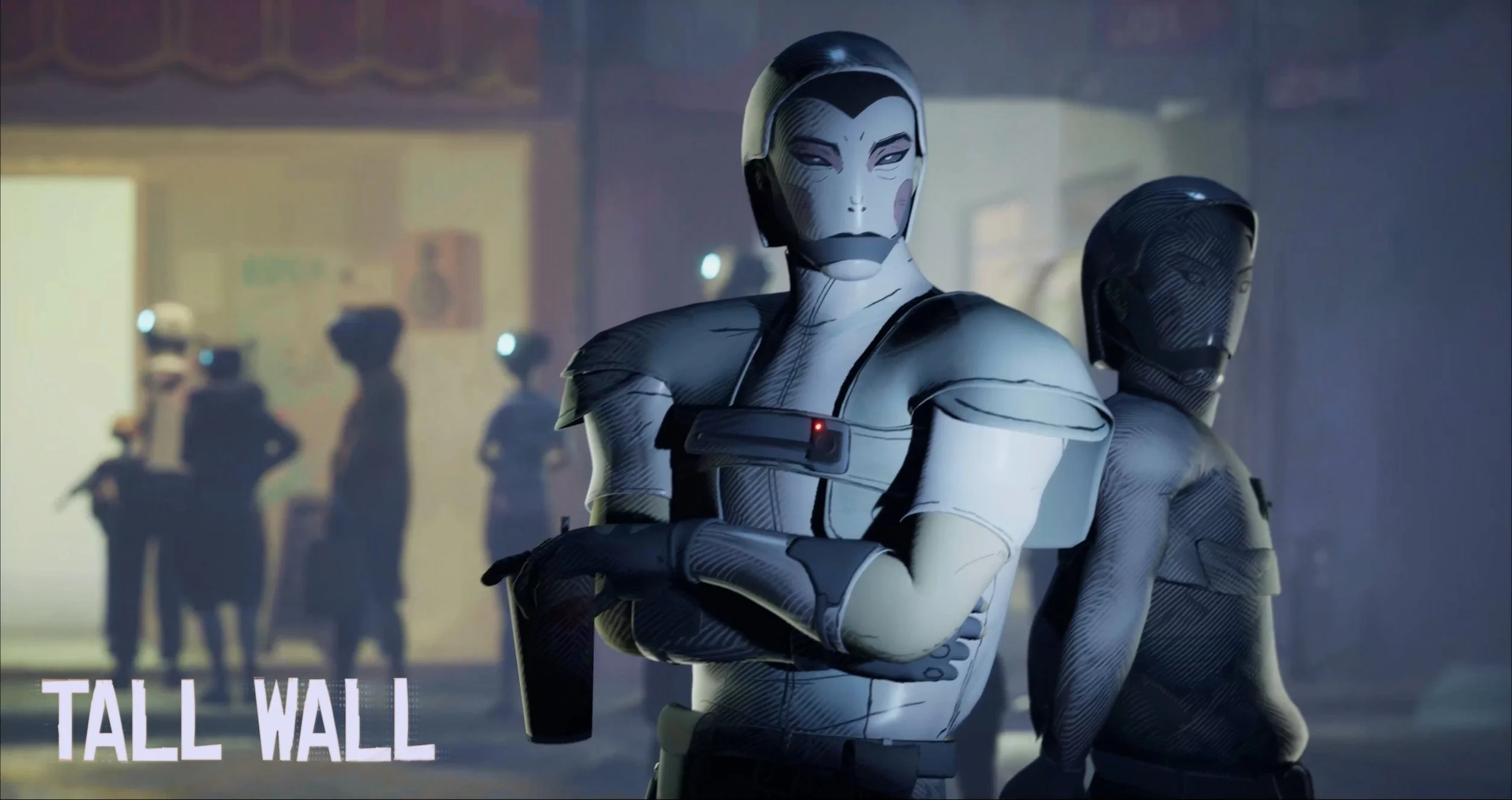
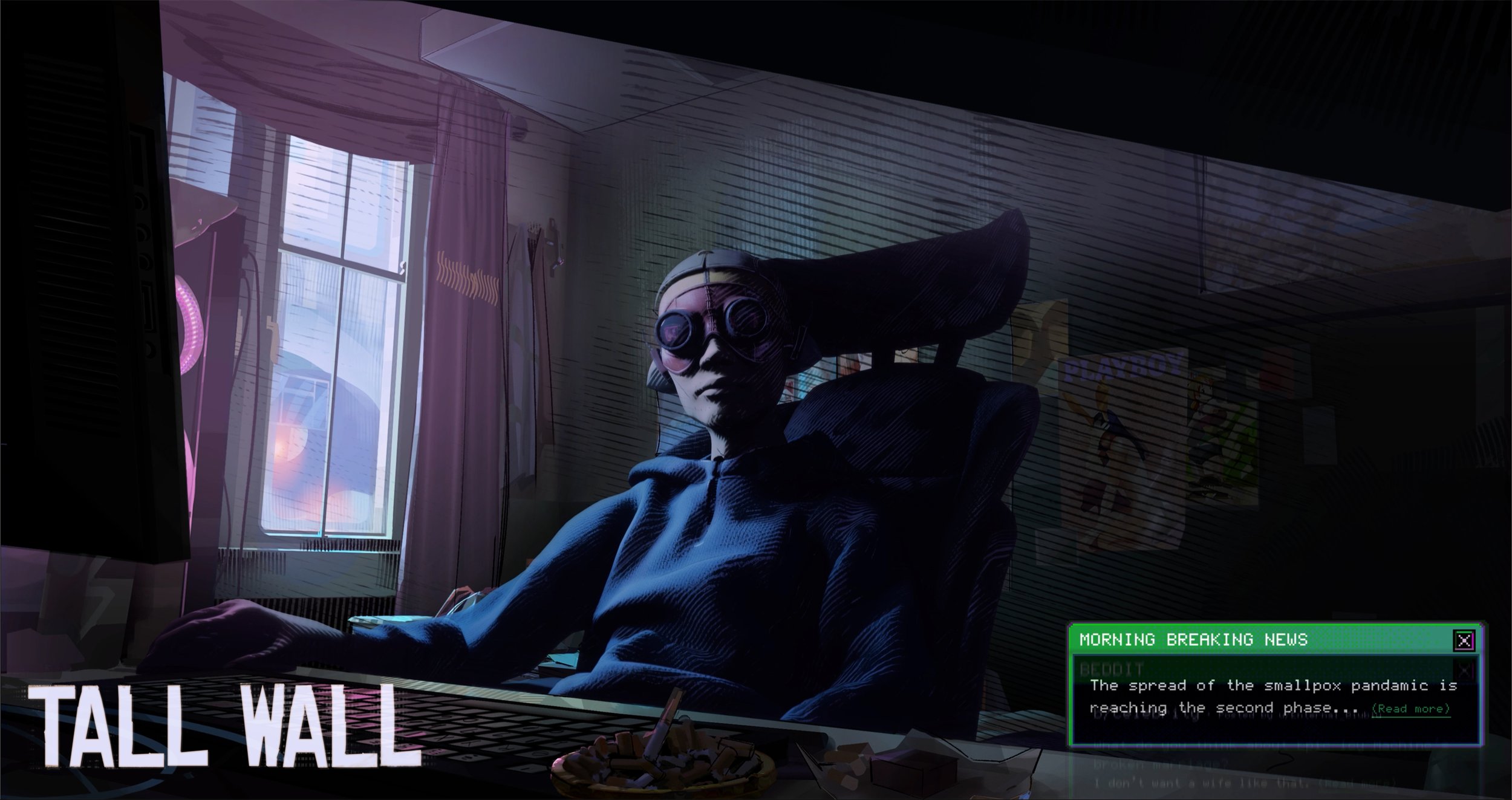
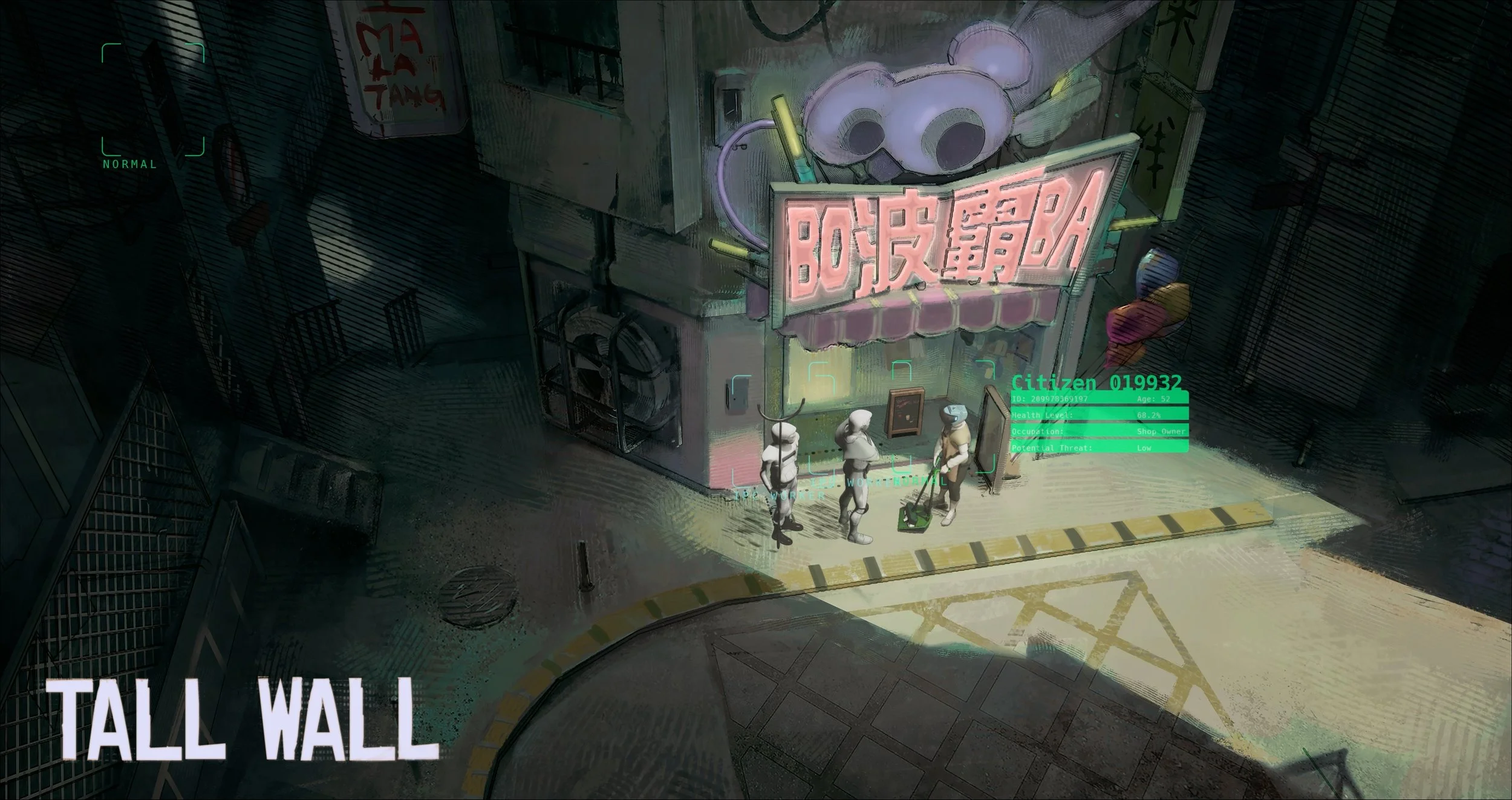
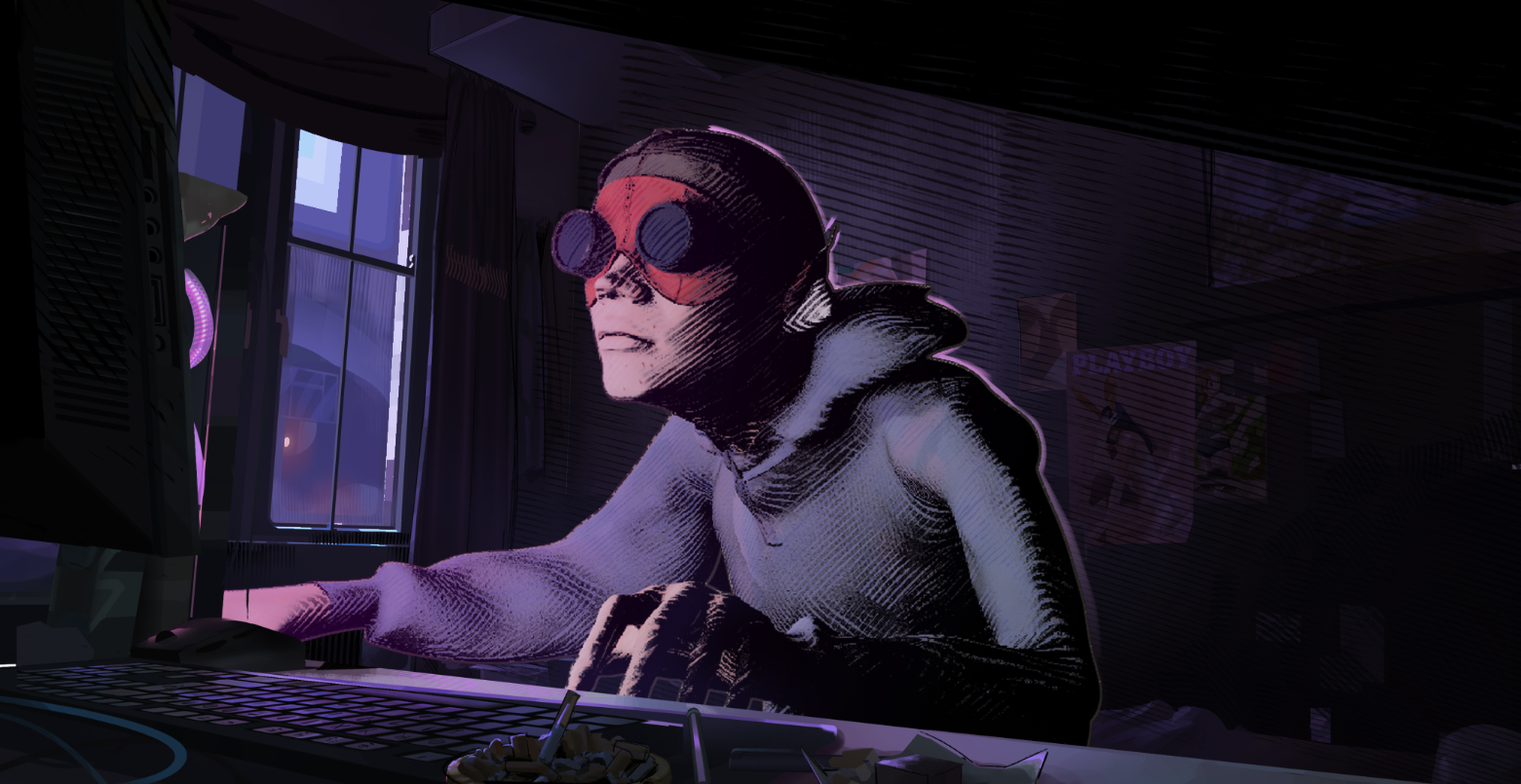
As cliche as it could be, the production design for this film started with “we wanted to do something different”. The story is told entirely through CCTV and webcams—a perspective that feels calm, detached, yet brutally honest. Shows and games like Person of Interest and Watch Dogs inspired me, but for me it was also about intimacy: a camera in someone’s room reveals a side of humanity we usually keep masked. On a practical side, this perspective helped our zero-budget student film by blending matte-painted backgrounds with 3D animation into a unique 2.5D look.
Years passed. After the fall of the Monkey King, Guanyin commanded the Black Bear Spirit to return to Black Wind Mountain and rebuild the temple from 500 years ago. He resurrected the dead demons, including Lingxuzi, using a forbidden ritual he had learned in the Southern Sea.
But the price of resurrection was grim. It wasn’t true revival, it required the essence of the Monkey King and the blood of their own kin. Lingxuzi, unable to bear the burden, hanged himself.
His corpse fades into smoke after the player in the game Black Myth: Wukong defeats the soul of Elder Jinchi.
With Lingxuzi gone, the remaining wolves crowned a new leader: a fierce demon from Lion Camel Ridge, now known as Lingxuzi.
The Black Bear Spirit also attempted to resurrect Elder Jinchi, but his soul was incomplete. What emerged was a mindless monster, a broken fragment of the monk he once was.
ART & DESIGN
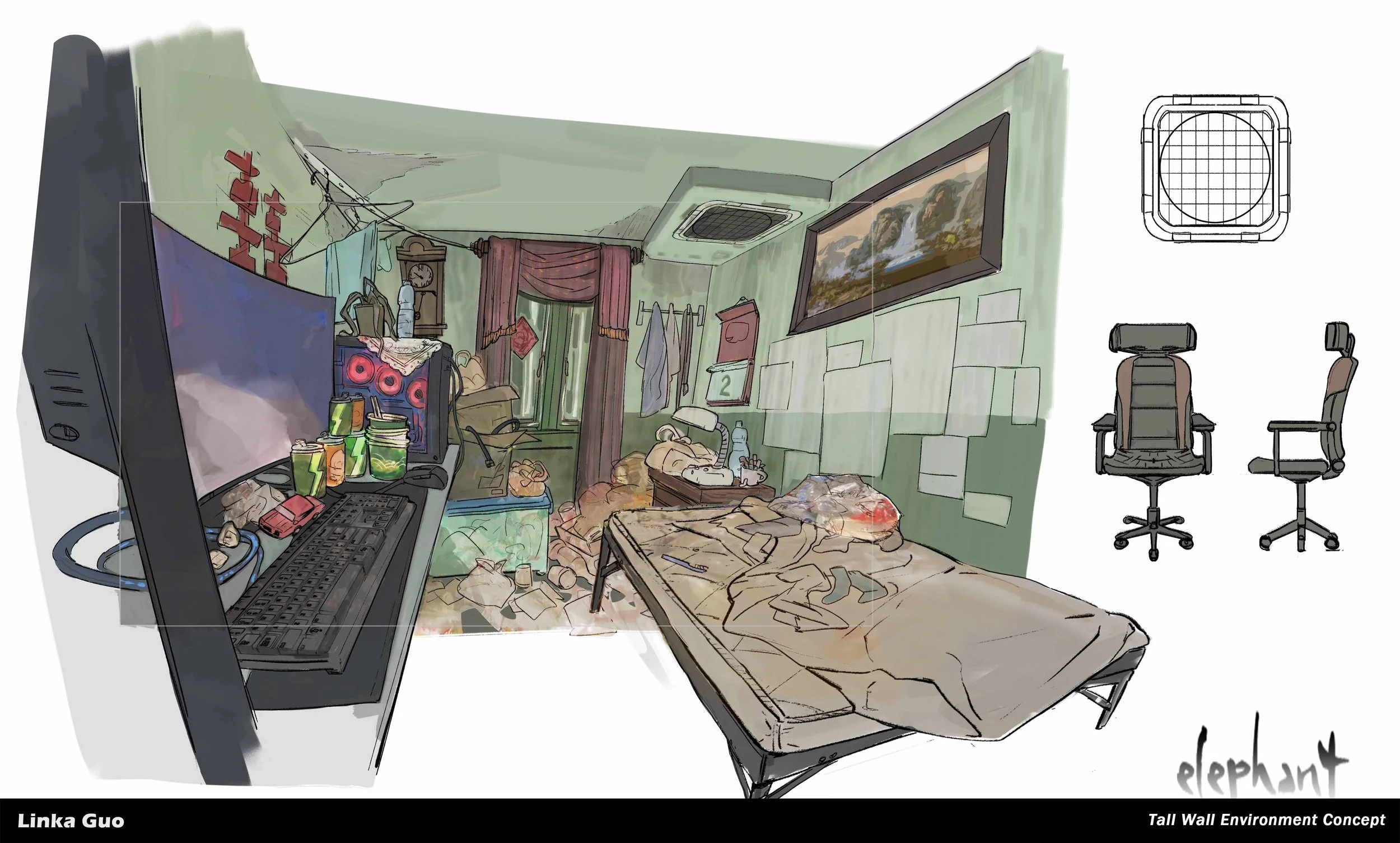
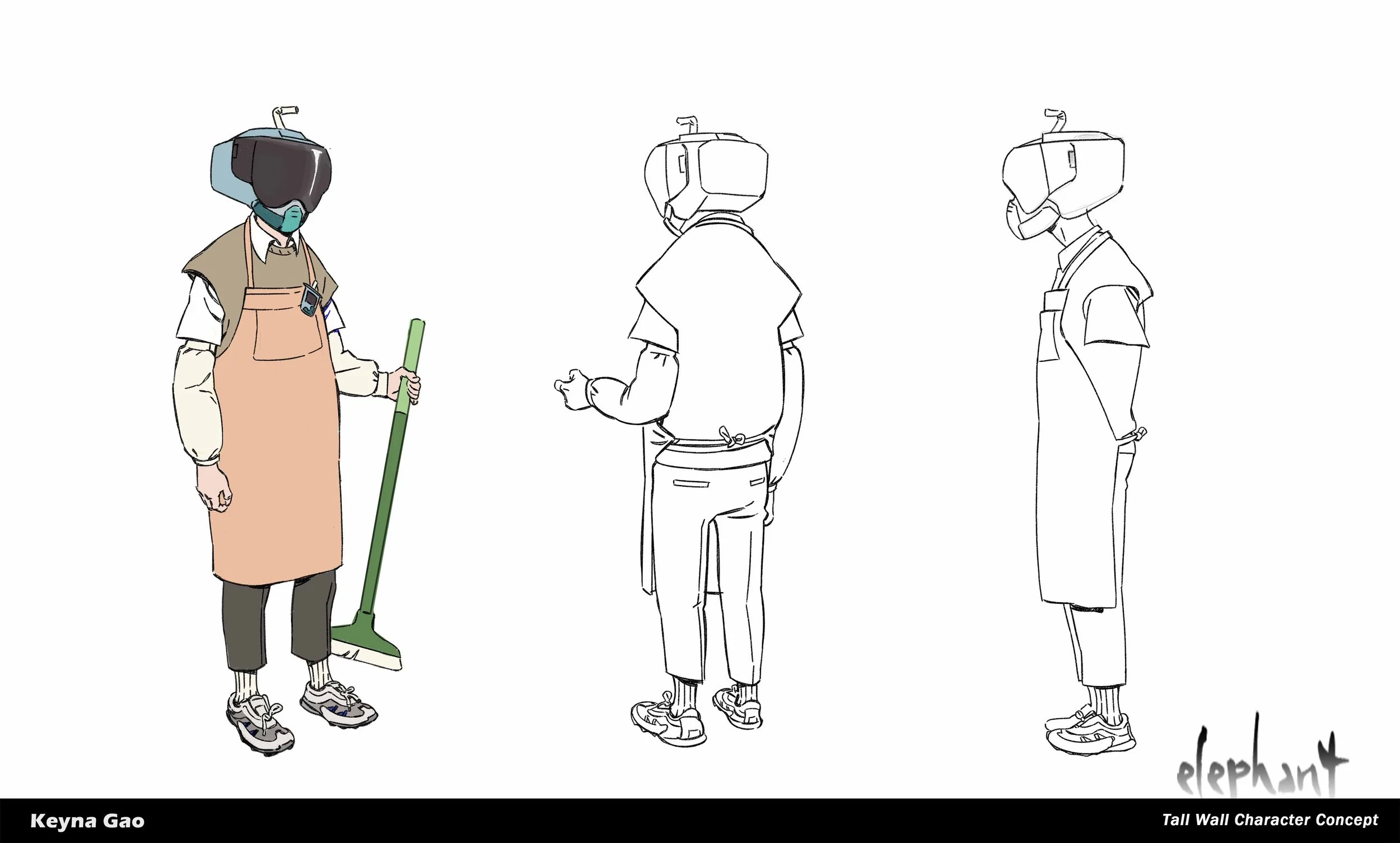
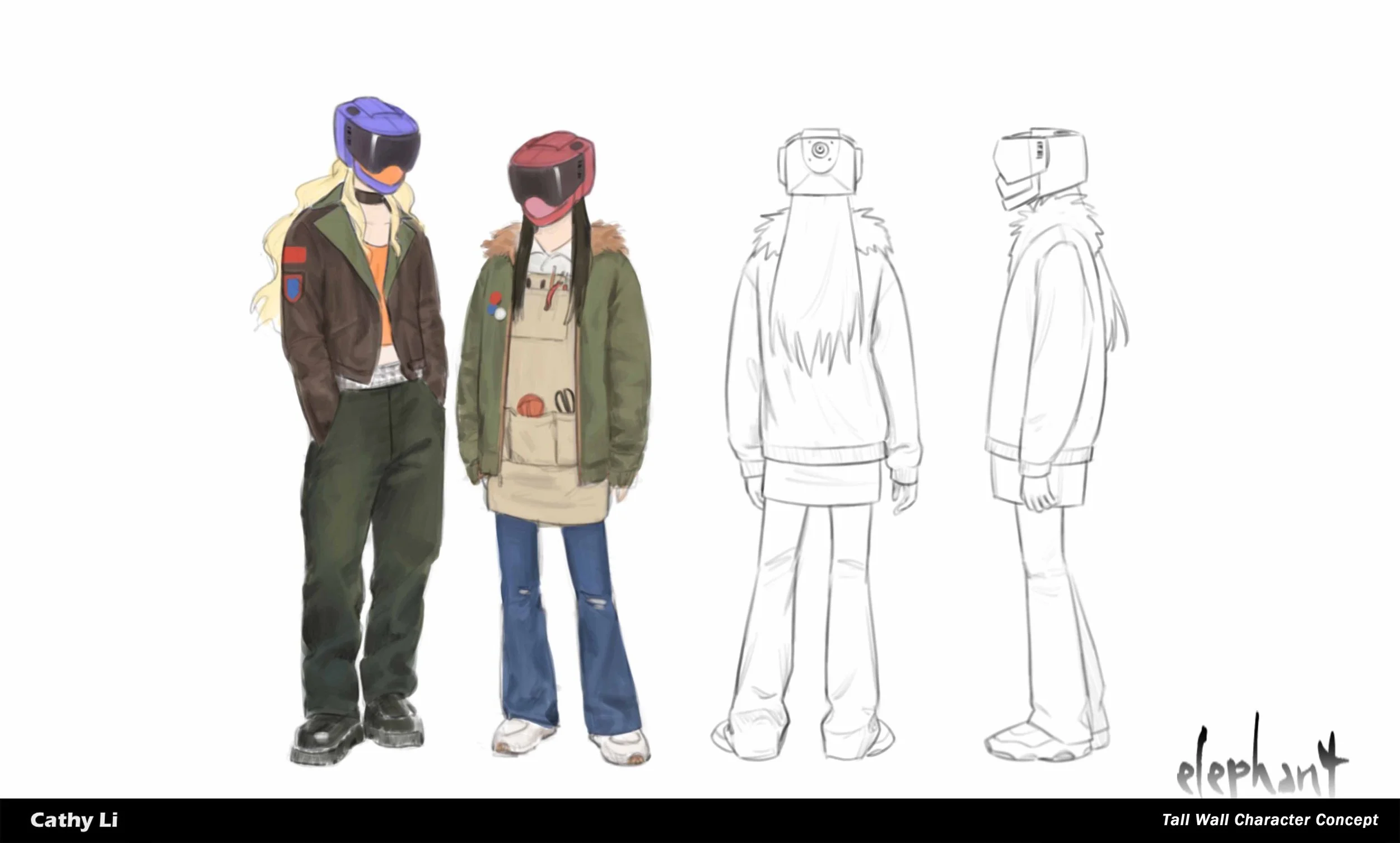
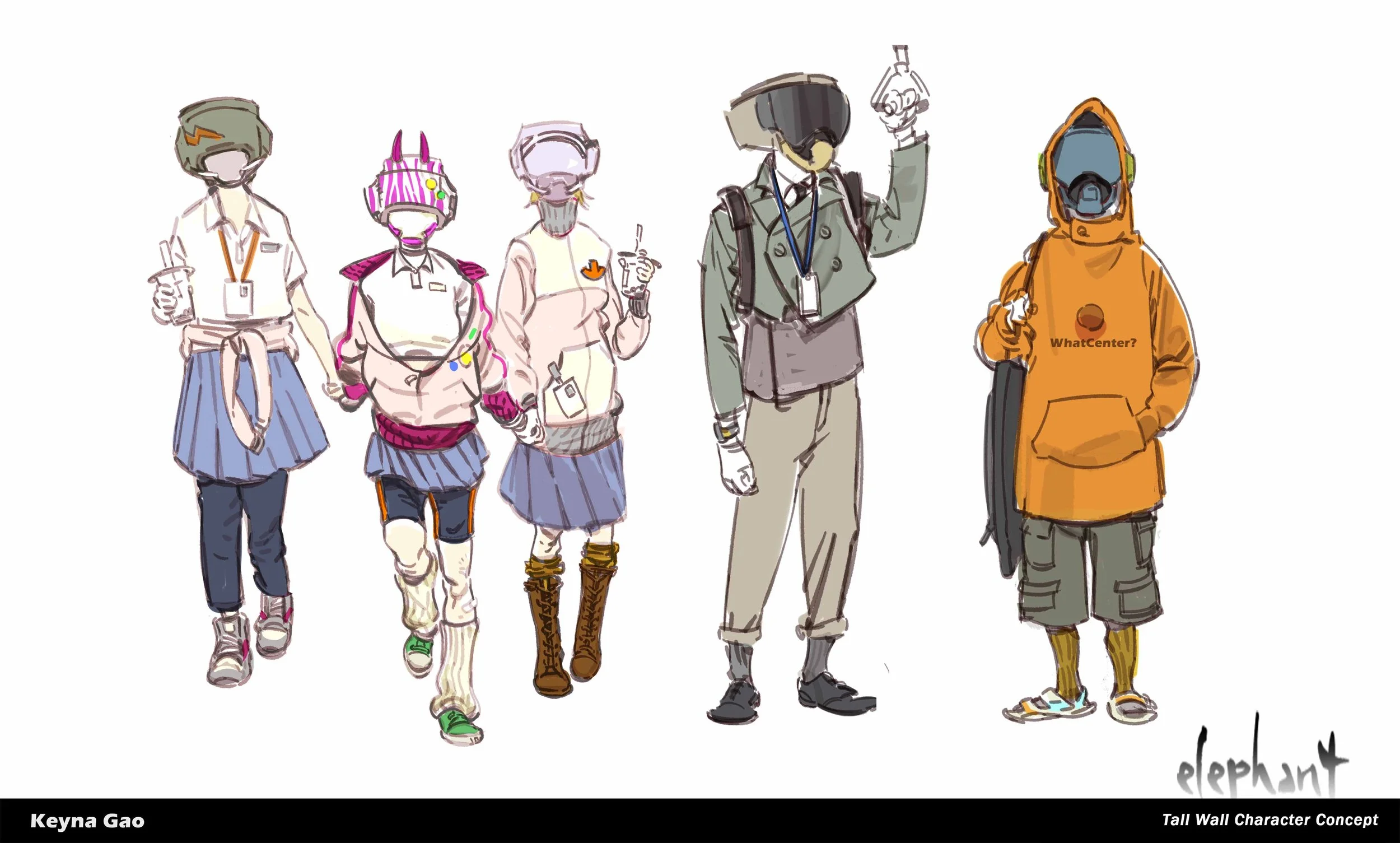
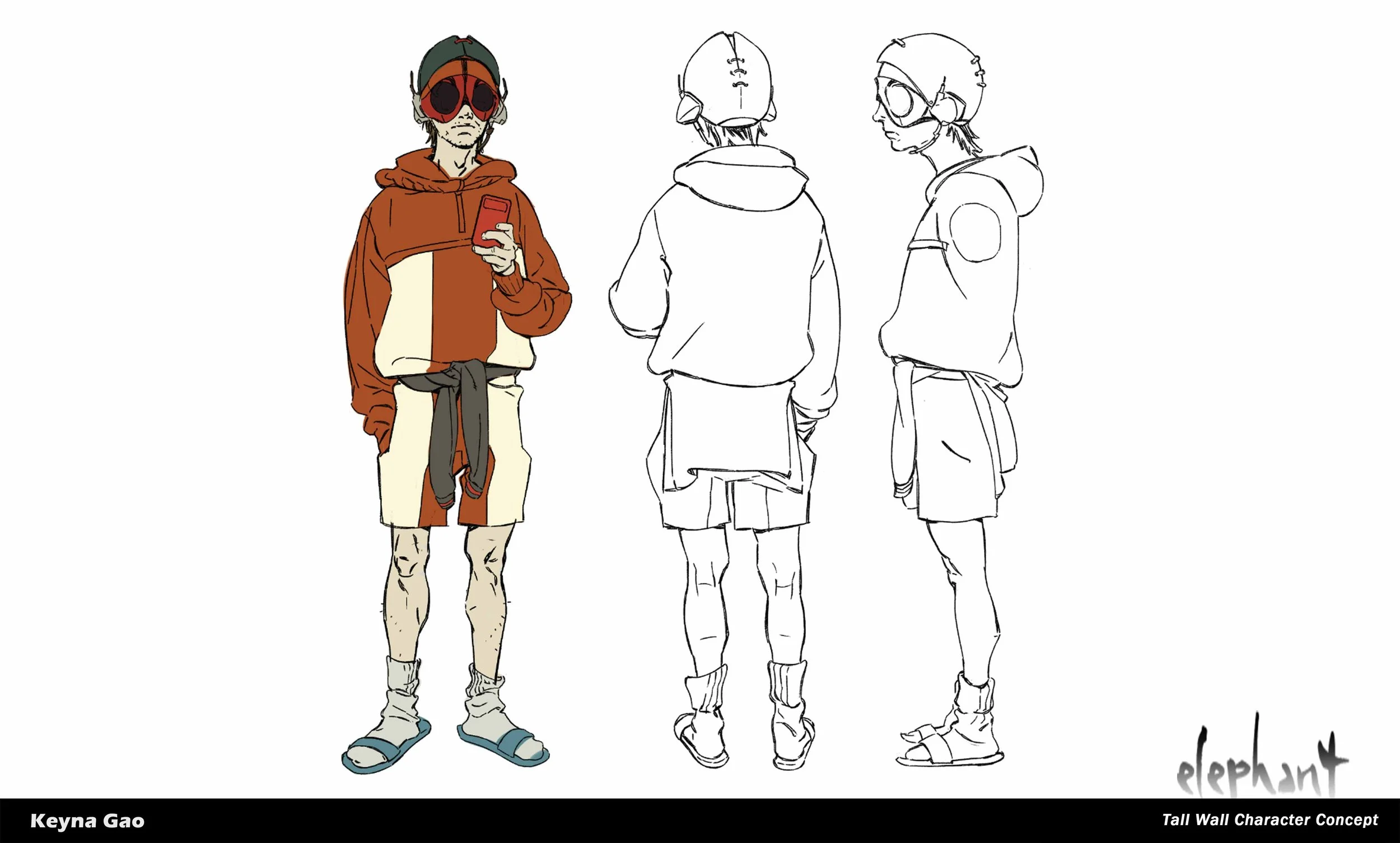
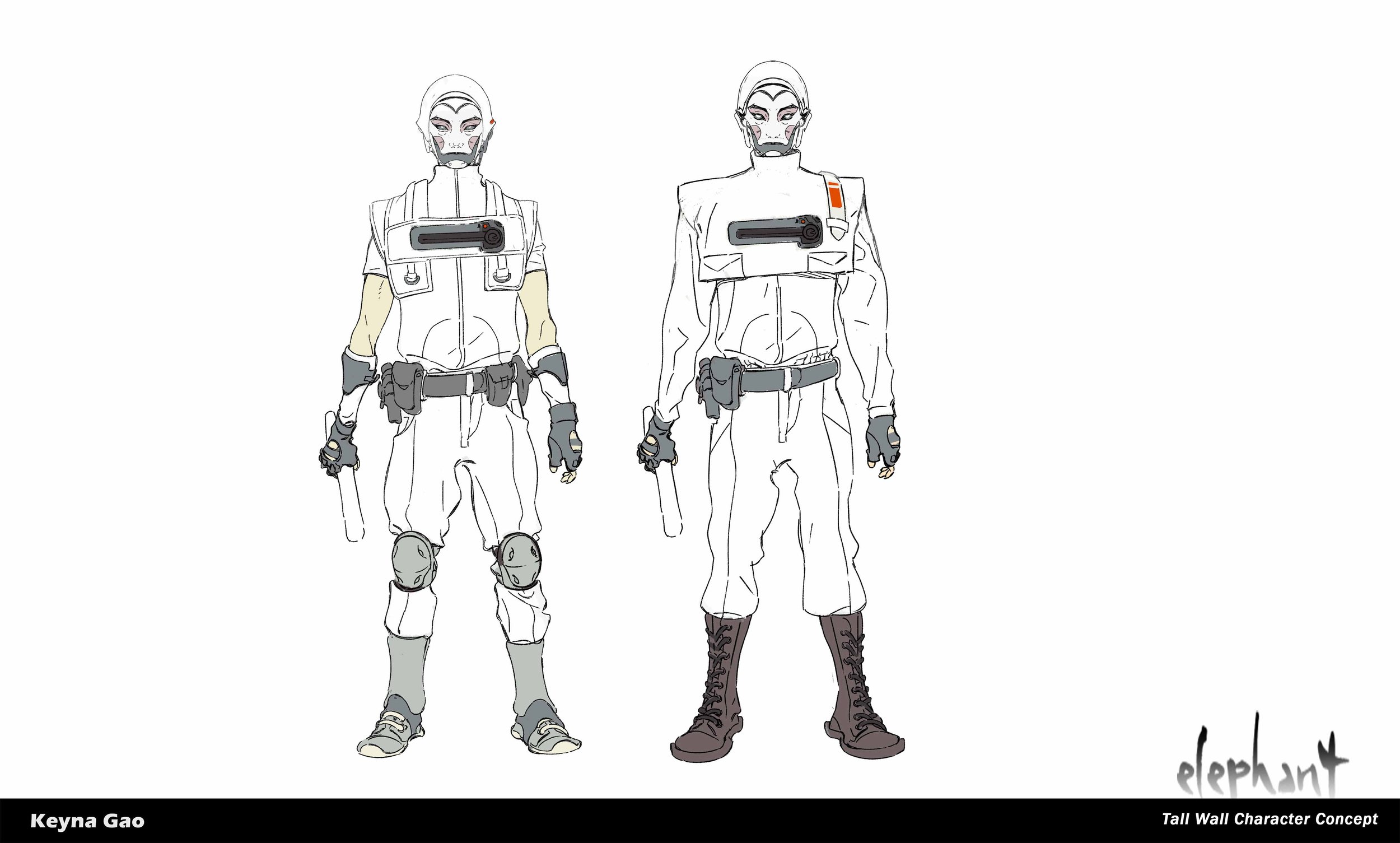
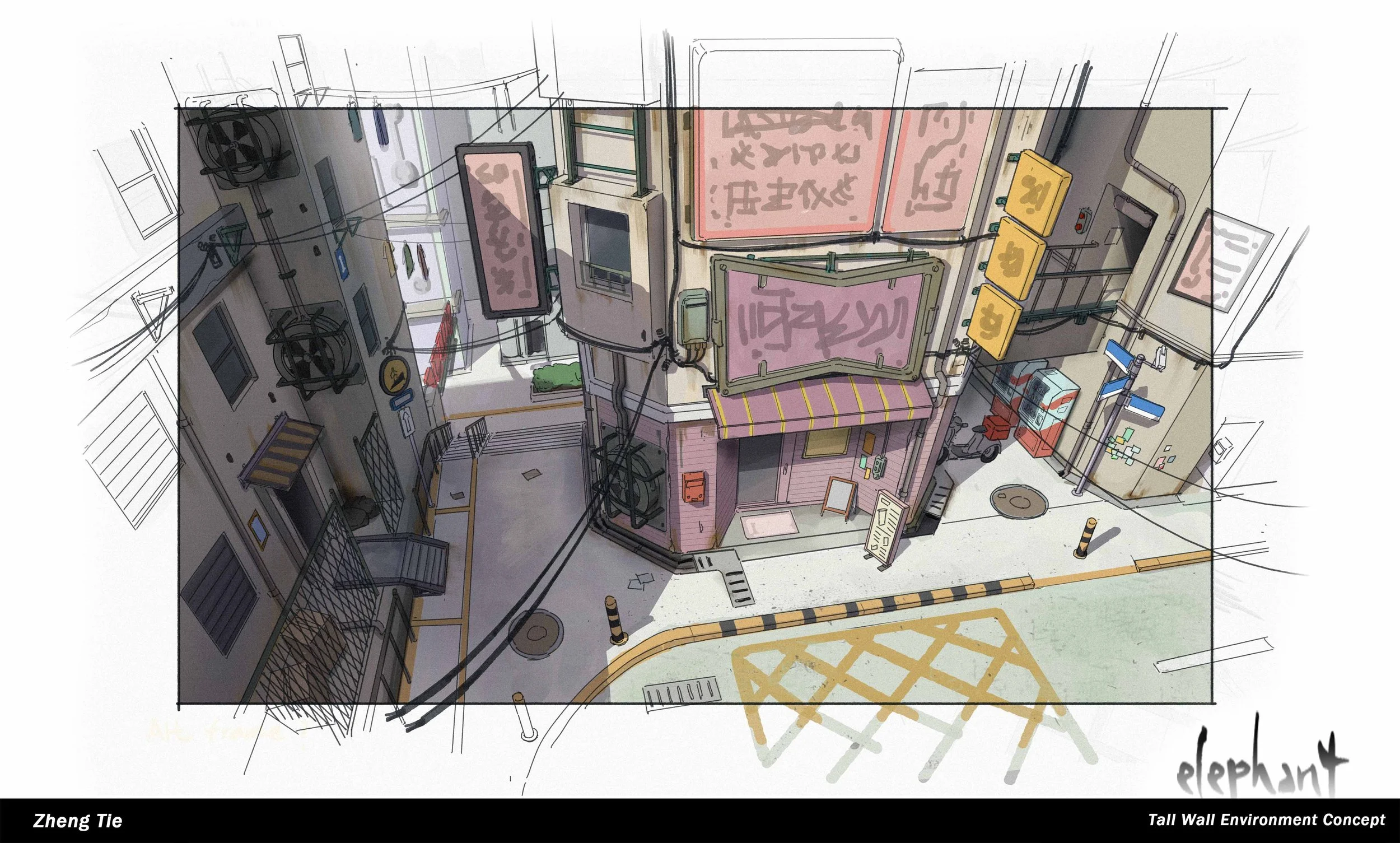
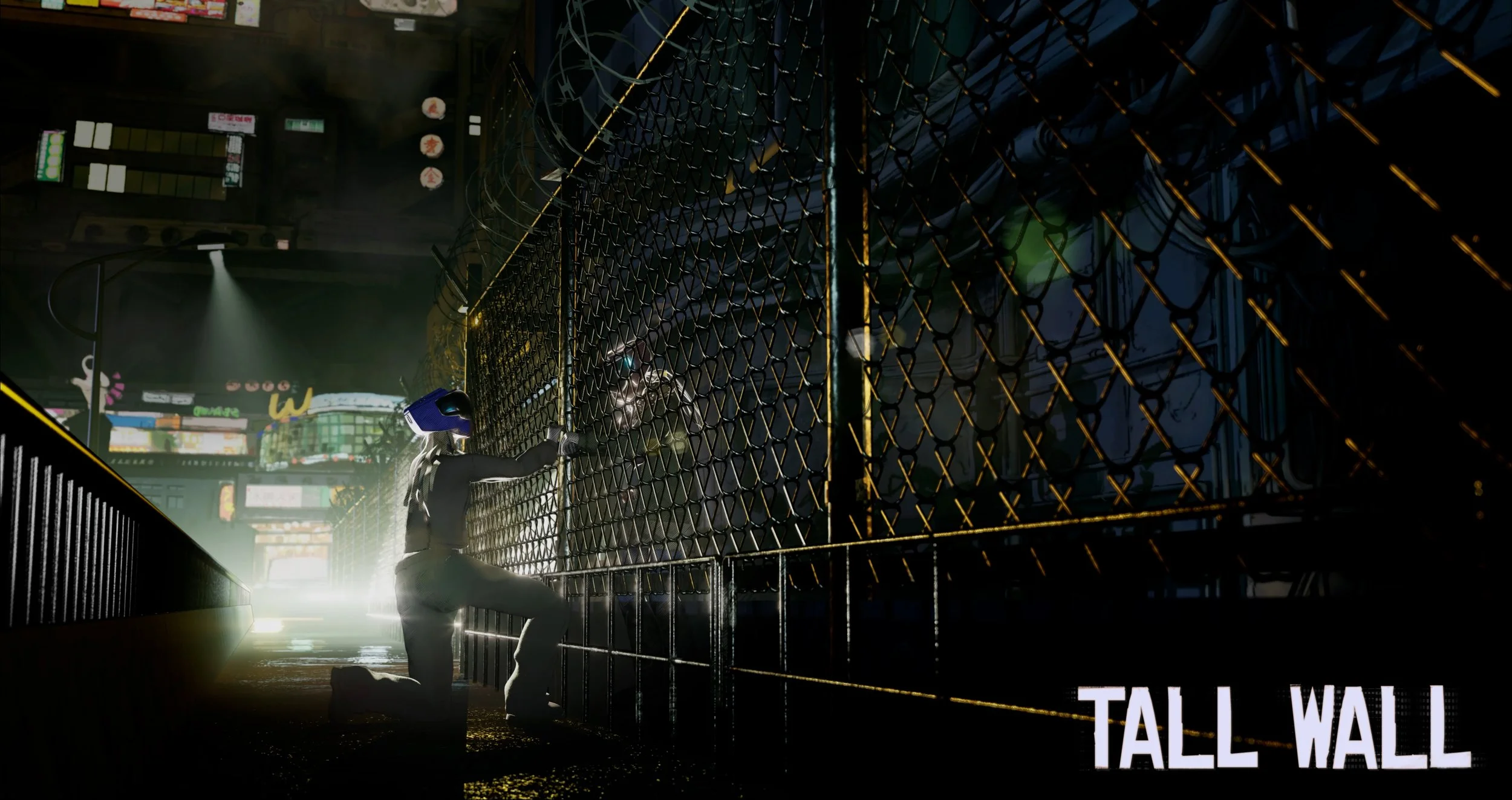
Our art director, Linka Guo, brought her graphic novel-inspired style, and later we were joined by Doma Wang as associate art director and environment lead. Together we built Las Nieves, a multicultural city under a dystopian world. Through its environment design, you can see the impact of overpopulation and the widening gap between rich and poor. Doma was deeply inspired by post-war Japanese “metabolic architecture,” which fused architectural megastructures with ideas of organic growth. We incorporated those ideas into the city—stacked air conditioner units, fences to deter thieves, weathered walls, and water stains along concrete edges. These details gave Las Nieves its lived-in, fragile identity.
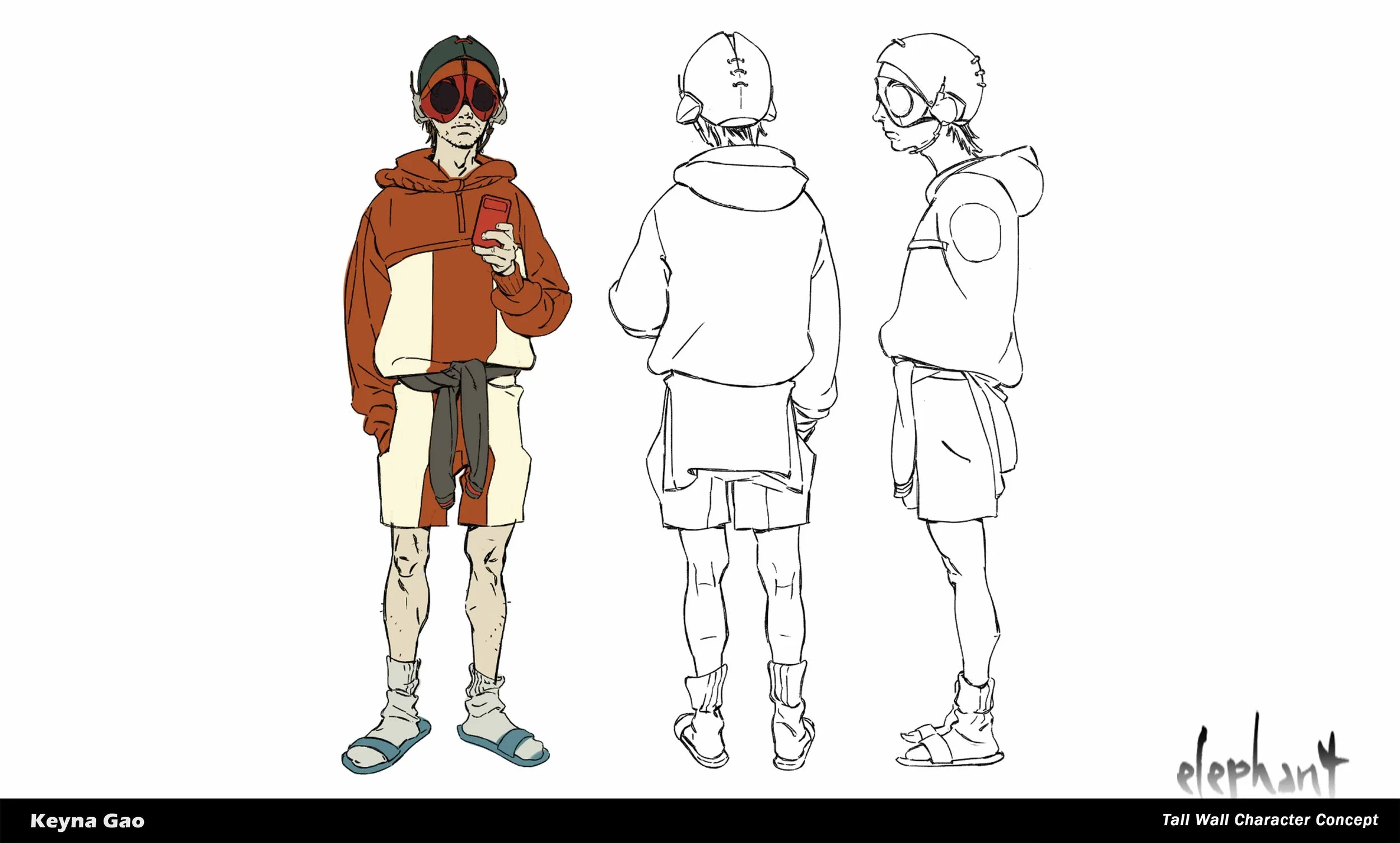
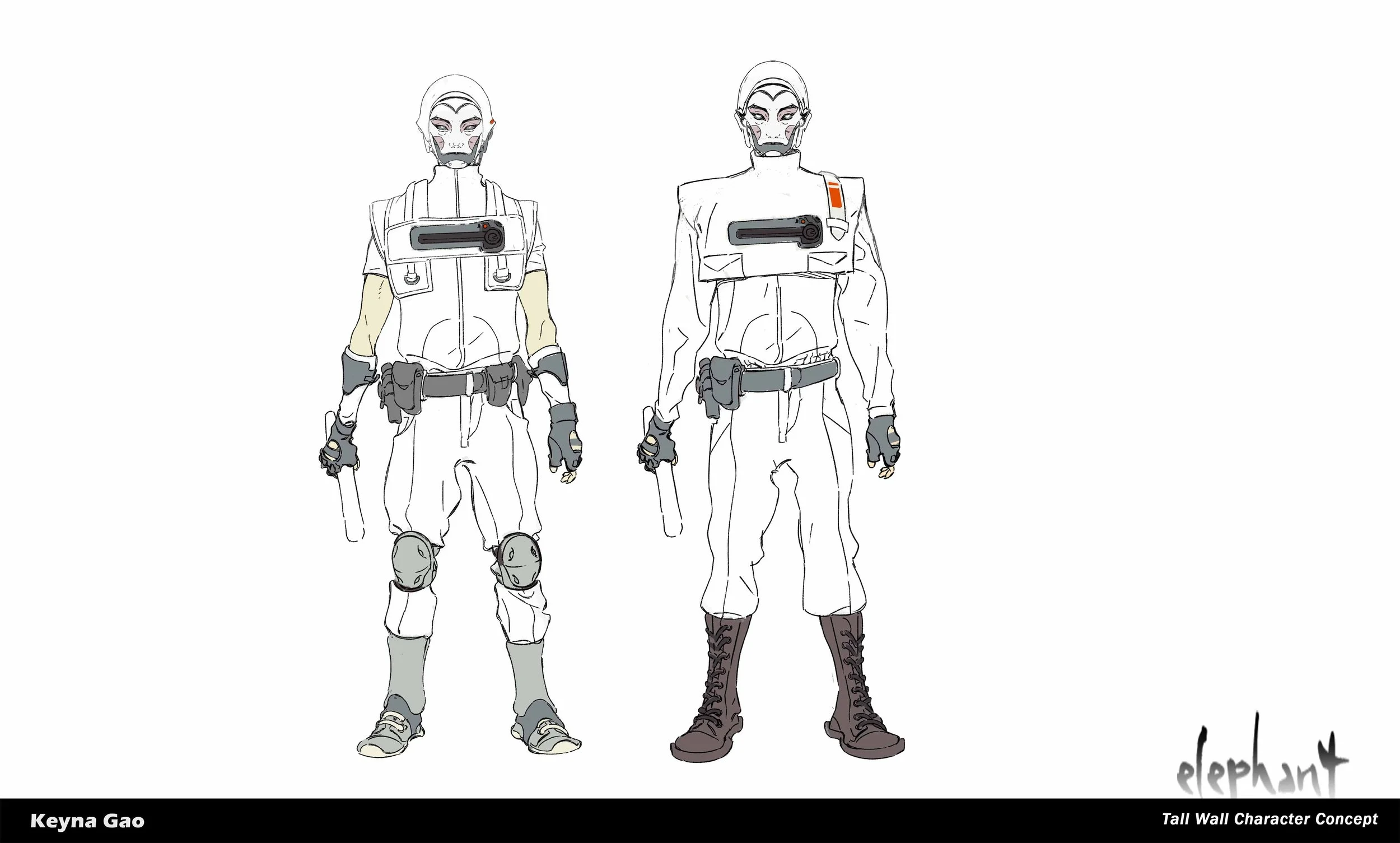
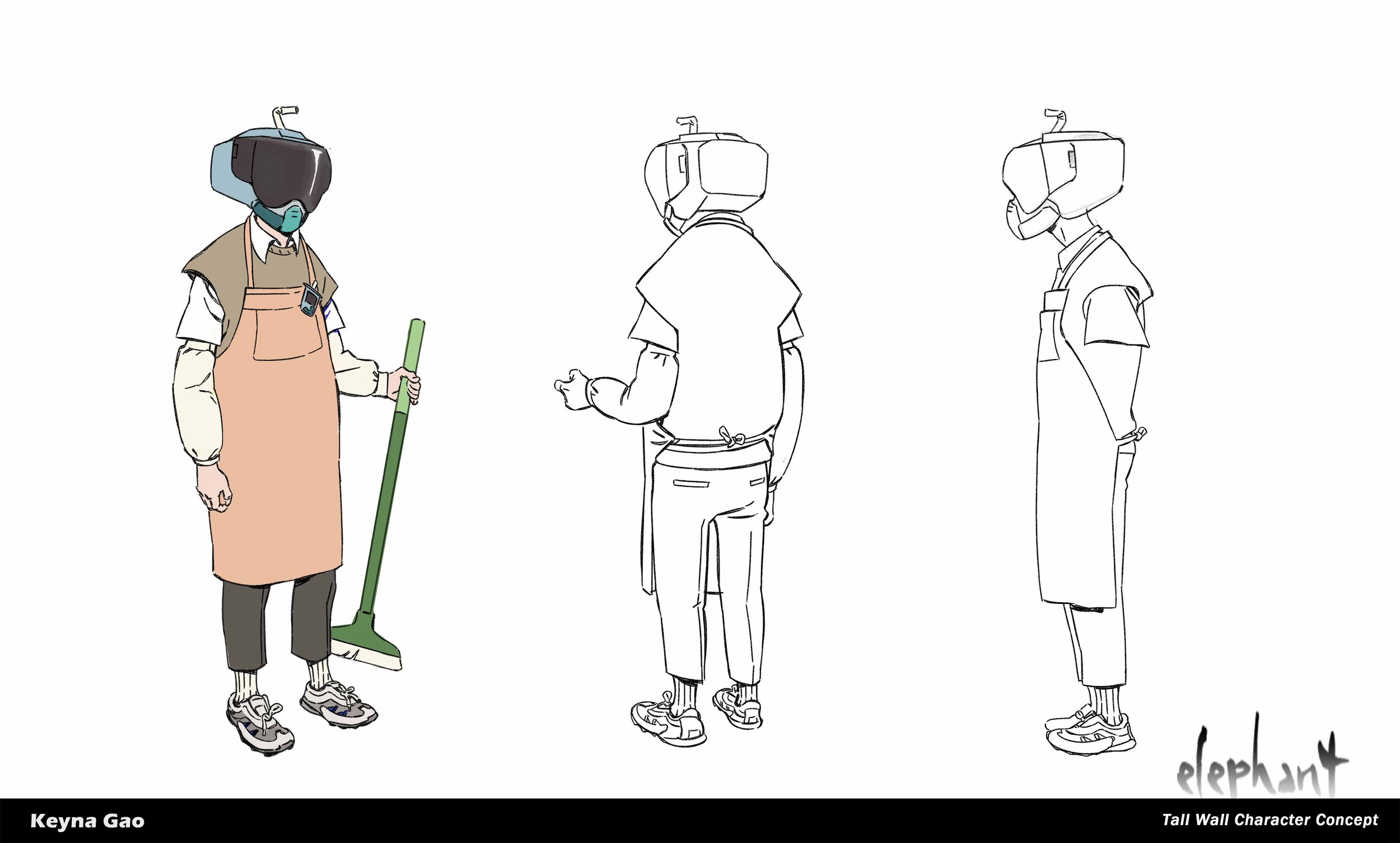
Helmets were also a central part of the design. In my early storyboards I used motorcycle helmets as placeholders, but eventually we redesigned them into practical, story-driven objects. The idea of these helmets started back in 2020, when I created the concept of the “Anonymous helmet,” long before Tall Wall existed. In Asia, masks had been part of daily life long before COVID—used not only for health, but also as a quiet form of protection and social distance. I saw parallels between this and the anonymous culture of the internet, where my generation grew up shielded behind screens and carried that sensitivity into real life. The helmet in Tall Wall represents this shift: a future where people wear helmets both for hygiene and for anonymity. At the same time, every helmet carries an identification chip linked to a personal ID, showing how anonymity and surveillance exist side by side.

3D TECHNICAL ART
For postproduction, we chose Unreal Engine 5. There was a debate between using Blender or UE5 for a 2.5D pipeline, but UE5 won out—mainly because of its strong Maya-to-UE5 workflows already established in the community, and its project management system that allowed us to structure everything like a game project.
We treated the environment modeling pipeline much like a traditional 3D animation film, even though they were not presented in the final film. After the models were done, I worked as cinematographer, placing final cameras inside an untextured 3D model of the sets. From those camera views, we exported screenshots and handed them to matte painters. Their job was to paint over the layouts—keeping perspective and prop placement exact—while also adding textures and lighting details based on concept art and color keys. In this way, their work became a hybrid of texturing and lighting within a 3D workflow.
For characters, all animation was done in 3D, so they needed full textures. The style followed the same painterly strokes as our matte paintings, but at this stage we were still refining the final look. To bridge characters and backgrounds, we built custom UE5 shaders for both characters and props. This let us add bold, stylized light and shadow lines that echoed the painted environments. Once the matte paintings were finished, we projected them back onto simplified 3D models, imported them into UE5 with the final cameras, and had our lighting artists adjust the scenes so the characters blended seamlessly into their painted worlds.
“二三场在短片中承担着金池人生的叙事作用。我们在这个部分将背景弱化了一些,镜头运用的方式也尽量保持简单,是希望让观众在这段人生缩影中更专注于角色和叙事。这部分的节奏也会更平缓,为接下来达到金池人生顶峰的法衣大会做一个情绪铺垫。”
“Act Two and Three in the short film carry the narrative weight of Jinchi’s life story. In this section, we have deliberately softened the background and kept the camera work as simple as possible, aiming to draw the audience’s attention to the characters and the storytelling within this life’s vignette. The pacing here is intentionally more measured, setting an emotional foundation for the upcoming Robe Ceremony, which marks Jinchi’s peak.”
“关于袈裟在是否符合现实宗教中的袈裟上的格纹。
一是技术与工作量:在逐帧动画中,格纹图案的透视变化需要巨大的工作量。考虑到动画中法衣大会和金池与欲望纠缠的部分,我在花纹的复杂程度和动态的表现力间选了后者,这是为什么片中只有少量袈裟保持了格纹。二是在这个故事中袈裟并不是一个写实的表达,金池的变化与欲望相关,对观音禅院想表现的氛围也非一心虔诚向佛,所以意向的表达会更重要一些。
我们脑海中僧众们的袈裟其实会更浮华色彩丰富,但实际做这部分的时候有诸多顾虑,包括工作量还有不同场次袈裟的复杂度对比”
Regarding whether the kasaya in the film matches the grid patterns found in real-life religious kasaya:
First, there is the matter of technique and workload. In frame-by-frame animation, rendering the perspective shifts of checkered patterns requires an enormous amount of work. Considering both the Robe Ceremony and the sequences where Jinchi is entangled with desire, we chose to prioritize dynamic expressiveness over the complexity of the patterns. This is why only a few kasaya in the film retain the grid pattern design.
Second, in this story the kasaya is not meant as a realistic depiction. Jinchi’s transformation is tied to desire, and the atmosphere we wanted to convey for Guanyin Monastery is far from one of pure, devout Buddhism, so more symbolic expression takes precedence.
In our mind, the monks’ kasaya would actually be more flamboyant and richly colored, but when it came to making this part, we had many compromise, like the workload and the visual contrast in complexity between the kasaya in different scenes.
Outro
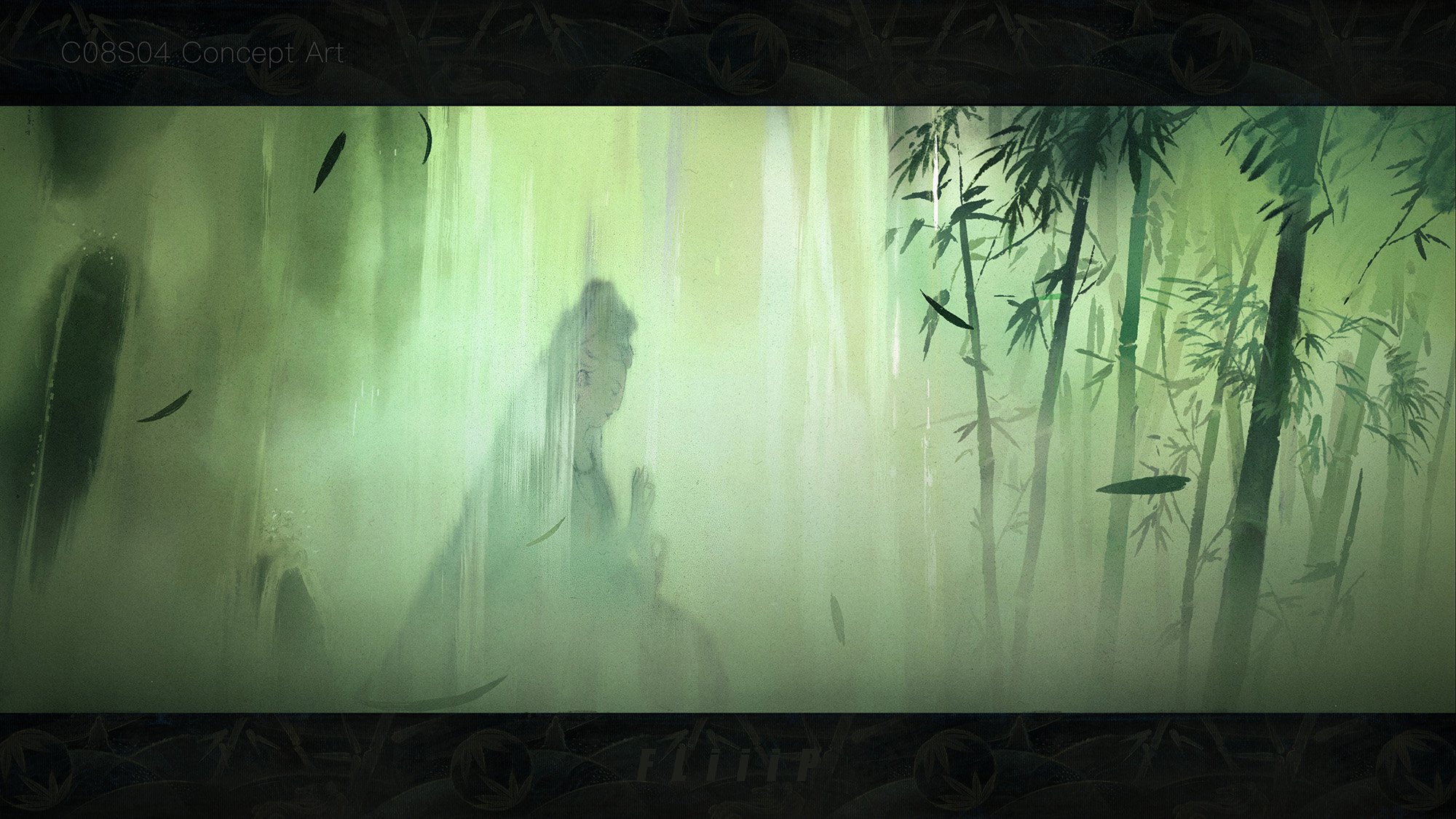
“若不披上这件衣裳,众生又怎知我尘缘已断,金海尽干?”
“Bereft of that kasaya, how shall they show the world their ties are cut, and their lust is quelled?”
The line is a paradox. The robe is meant to symbolize freedom from desire, yet his desire to possess it betrays his failure to transcend.
Jinchi wants the symbol of detachment more than detachment itself.
This is what Buddhist philosophy might call grasping at form instead of essence. Jinchi craves the appearance of enlightenment—he wants others to see him as holy—not necessarily to be holy.
If we don’t show it, did we ever really possess it?
Credits
Client
Production Team
Script Director
Yang Qi
Director
Lin Zhe
Producer
Herbie Han, Bella Jiang
Story
Feng Ji
Character Design
Ruitao She, Lin Zhe, Janelle Feng, Yuanhua Luo
Art Director
Lin Zhe
BACKGROUND ART
Zhuan Peng, Rere Zheng, Yi Liu, Shang Zhang
MOODBOARD
Lin Zhe, Rere Zheng
Art Team
Lin Zhe, Rere Zheng, Zhuan Peng, Shanshan Zou, Yi Liu, Ruitao She, Janelle Feng,
Kerui Zhang, Yuanhua Luo, Zaizai, Yuan Fang, Ruixi Liu, Yixuan Jin
Storyboard
Yuanyuan Zhao, Zheping Xu, Shanshan Zou, Rere Zheng, Lin Zhe
Animation Director
Dorian Lee,Wen Fan
2D Animation
Yuanyuan Zhao, Wen Fan, Shanshan Zou, Yan Li, Janne Lehtonen,
Haiqing Qi, Dorian Lee, Yi Liu, Wang Yu, Jiaxin Huang
Cleanup/Coloring
Wen Fan, Yuanyuan Zhao, Shanshan Zou, Yan Li, Janne Lehtonen, Yi Liu
Kerui Zhang, Yuanhua Luo, Wang Yu, Lin Zhe, Lan Zhou, Ruitao She, Yulin Yue
Character Refinement
Lin Zhe, Kerui Zhang
Letterbox Design
Rere Zheng, CBTD, Lin Zhe, Kipozz
3D Art
Paul Wang Jr., Wingy-T, Siwei Wang
Editing
Fumao Li
Compositing
王猪霸|Paul Wang Jr., 李福毛|Fumao Li, 林哲|Lin Zhe,Stephane Coedel