
螢(Hotaru) by Yū Nakaito
Short Film July 7 2024
Intro
“My name is Yū Nakaito(中絲悠), and I am a filmmaker based in Japan.“
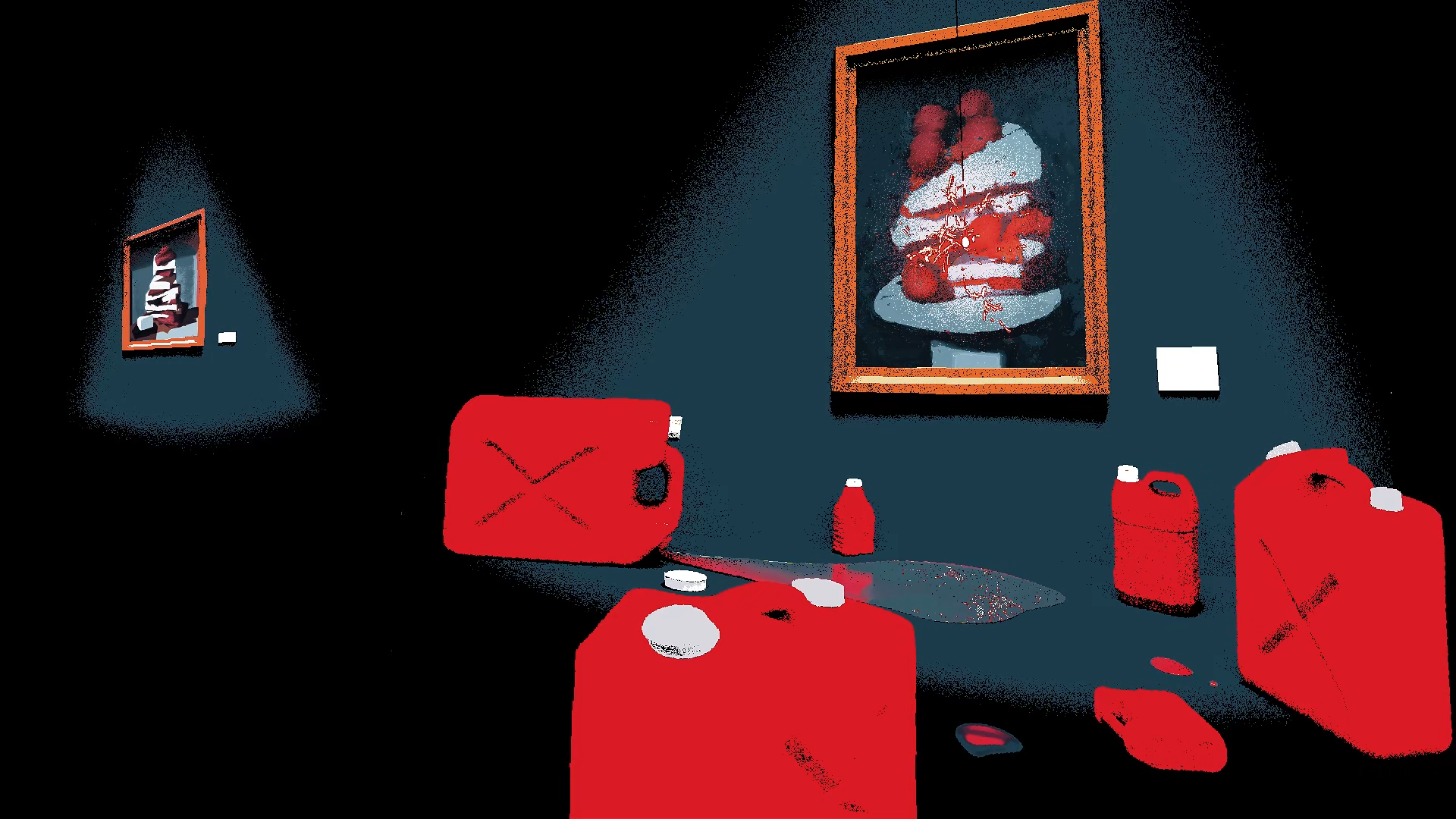
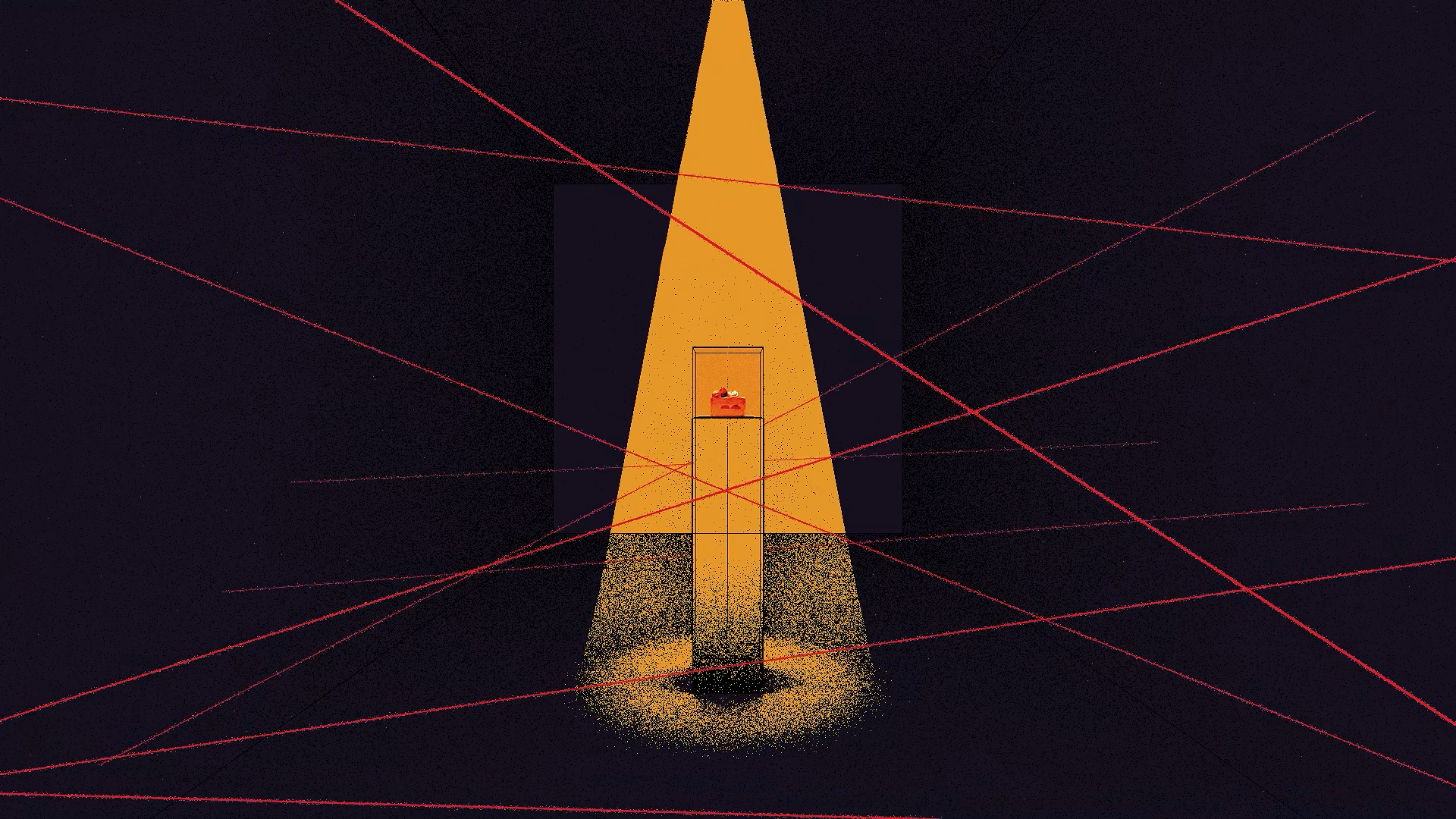
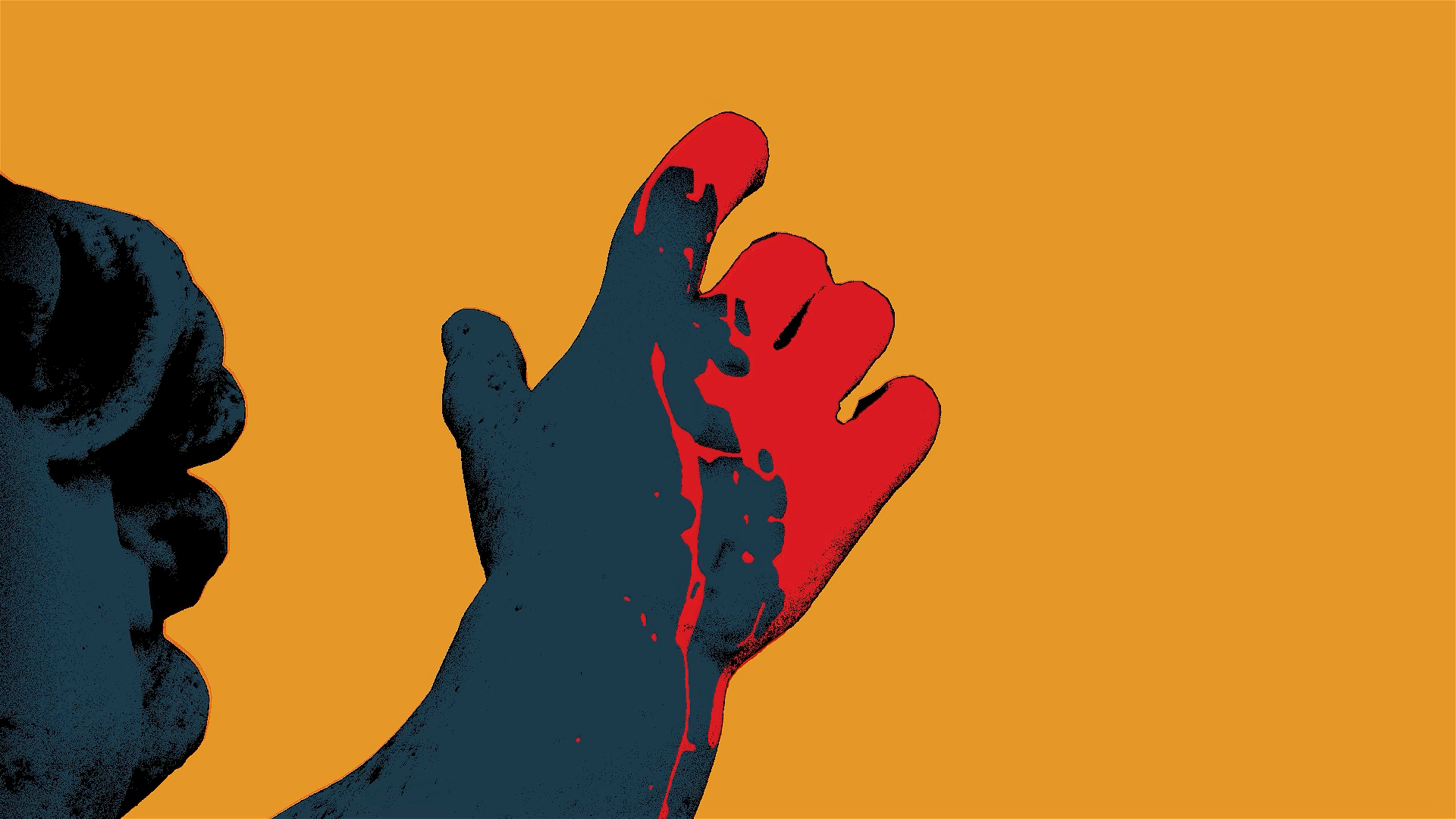
『螢』 (2022) by 中絲悠 Yū Nakaito explores the innocence and unintended cruelty of childhood interactions.
Yū Nakaito evokes emotions of irreversibility and guilt, 『螢』 (2022) invites viewers into a hauntingly nostalgic realm.
螢 (2022)


From the Artist
“『螢』について
2022年に制作された『螢』は、日本の作詞家であり詩人である高野喜久雄の詩『螢』にインスパイアを受ける形で制作が行われました。
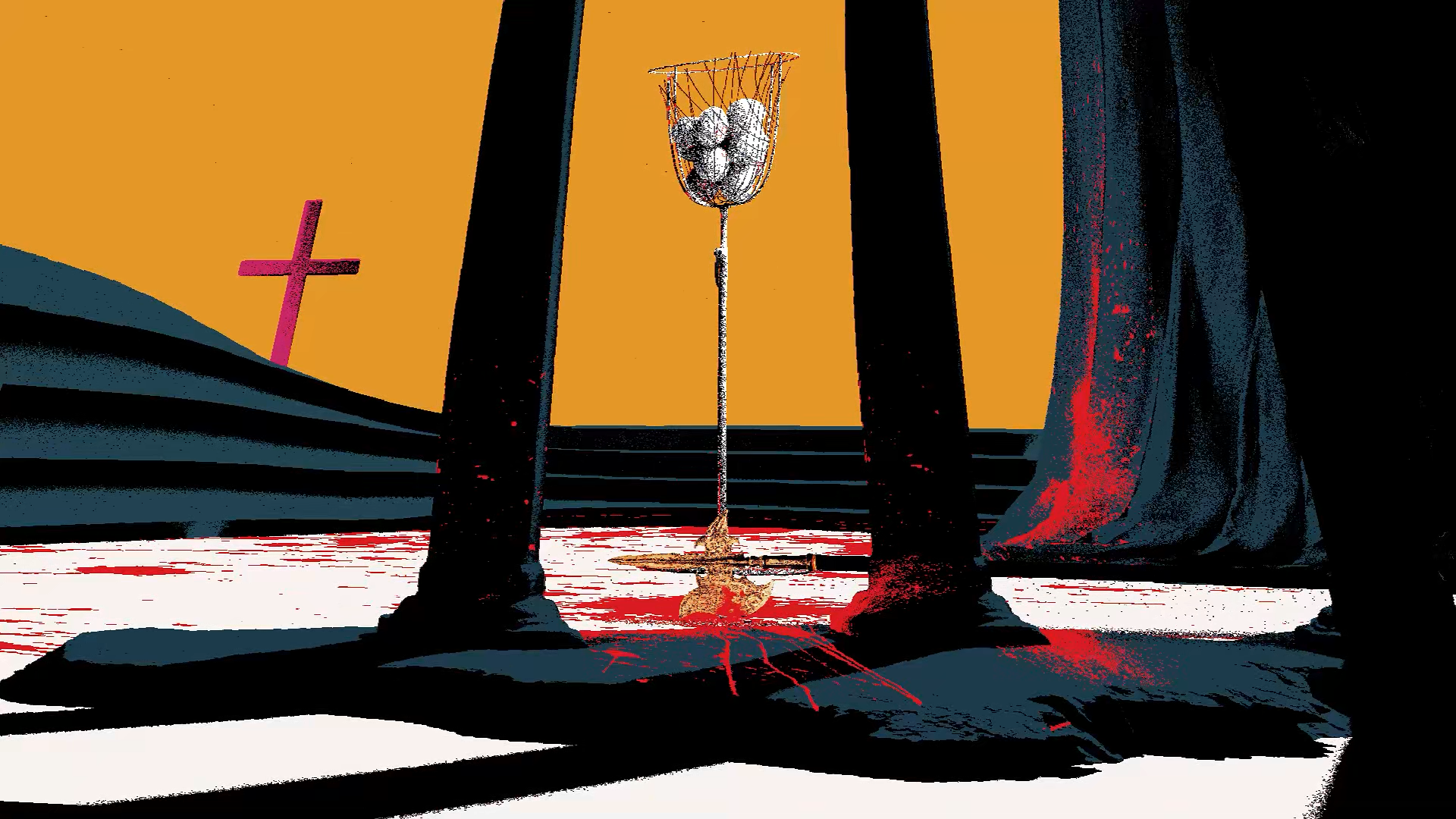
少年期の他の生命への向き合う姿勢は非常にプリミティブなものです。彼らはそのあまりの無垢さ故に、事を犯した後にその罪の深さを知ることになることがしばしばあります。「玉入れかご」(日本の子どもの運動会で用いられる道具)や「こっくりさん」(日本におけるウイジャボードのようなもの)といった少年期特有の記憶群に、そうした取り返しのつかなさやその冷酷さ、罪悪感などの不安が介入してくるような、不穏な心の中をビジュアライズすることを目指しています。加えて、シュールレアリスムからの着想を得て、2D(平面)と3D(立体)の境界線を融解させることもまた、目標の一つでした。”
“『螢』(2022) created in 2022, was inspired by the poem『螢』 by Kikuo Takano(高野喜久雄), a Japanese lyricist and poet.
Children's interactions with other forms of life during their boyhood are incredibly primitive. Due to their sheer innocence, they often realize the gravity of their actions only after committing them. In 『螢』(2022) , I aimed to visualize the unsettling emotions that intervene in such childhood memories, characterized by irreversibility, cruelty, and guilt—memories such as "tamaire-kago" (a tool used in Japanese school sports events) and "Kokkuri-san" (a Japanese version of the Ouija board). Additionally, drawing inspiration from surrealism, I also aimed to blur the boundaries between 2D (flat) and 3D (dimensional) spaces.”
Credits
Video By
中絲悠 Yū Nakaito
Sound By
中絲悠 Yū Nakaito
Contact
More Works on