AI, but “Art Intelligence”
How art shapes the brain, holds and releases trauma, and preserves human feeling in an age of machines
Featuring Your Brain on Art Guest Susan Magsamen
Writer Yuyi Xiong Editor Edgar Zhang
There are moments in life when language is insufficient to carry emotional experience. This is not because we lack words, but because some experiences are felt before they are ever put into language. Music, dance, and visual art often reach emotion more directly and immediately than words do. Language, in this sense, is a secondary tool:One that comes after experience.
Susan Magsamen’s understanding of the intrinsic healing capacity of art began with a personal family experience. When she was twelve, her twin sister was involved in a farming accident that nearly led to loss of her leg. Beyond the severe physical injury, the accident had negative psychological consequences. At a time when trauma was not yet widely recognized or discussed, her sister struggled to process the experience through language.
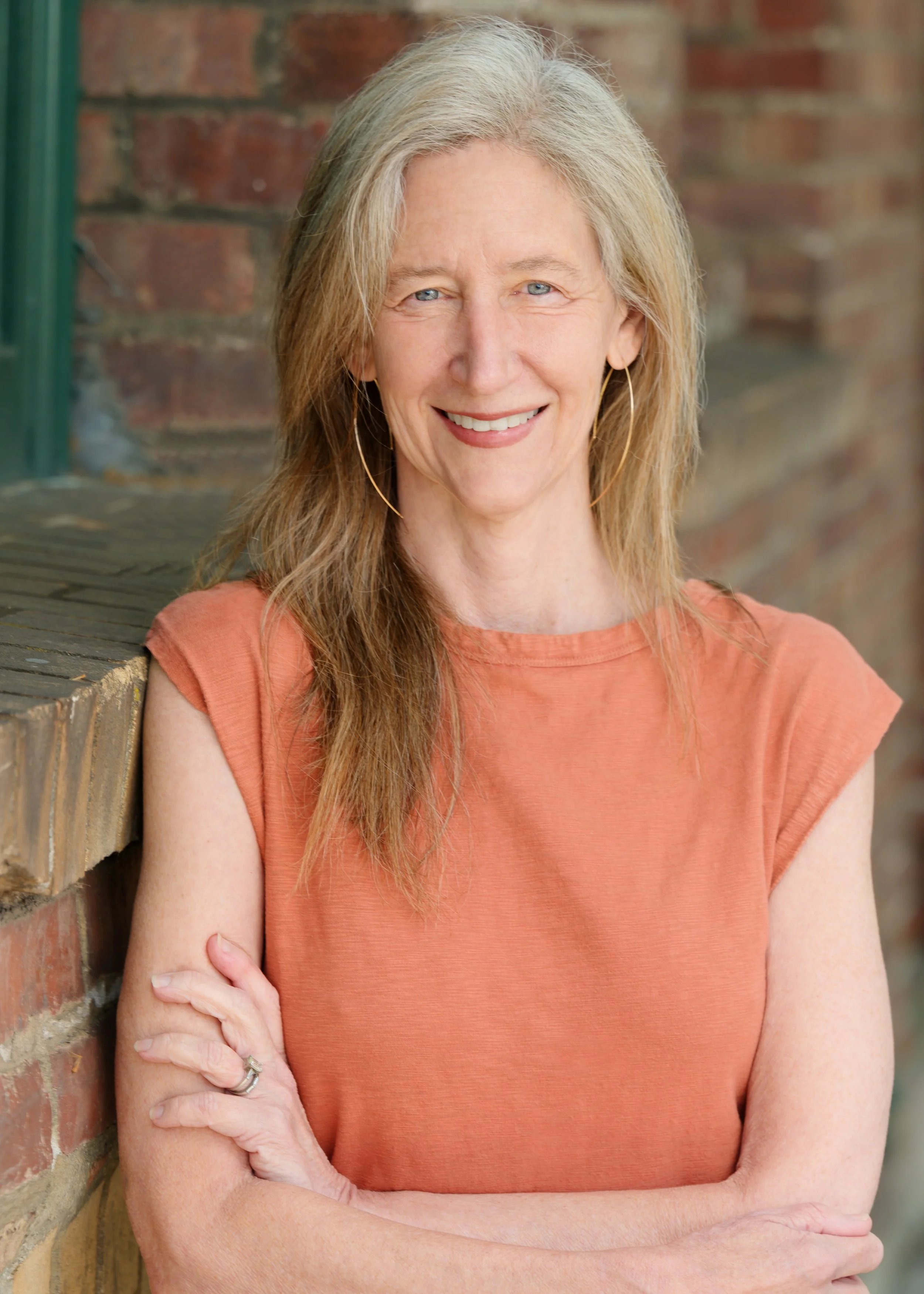
Susan Magsamen
What ultimately helped her go out the dark period was drawing, not therapy. Through images, symbols, and metaphor, she began to construct a narrative space of her own, in which unspoken feelings could be expressed, understood, and held. For Susan, her family’s experience led to a clear realization: art improves quality of life and emotional states.
This early insight later developed into a systematic, and yet scientific question: how does art influence the human mind, brain and body?
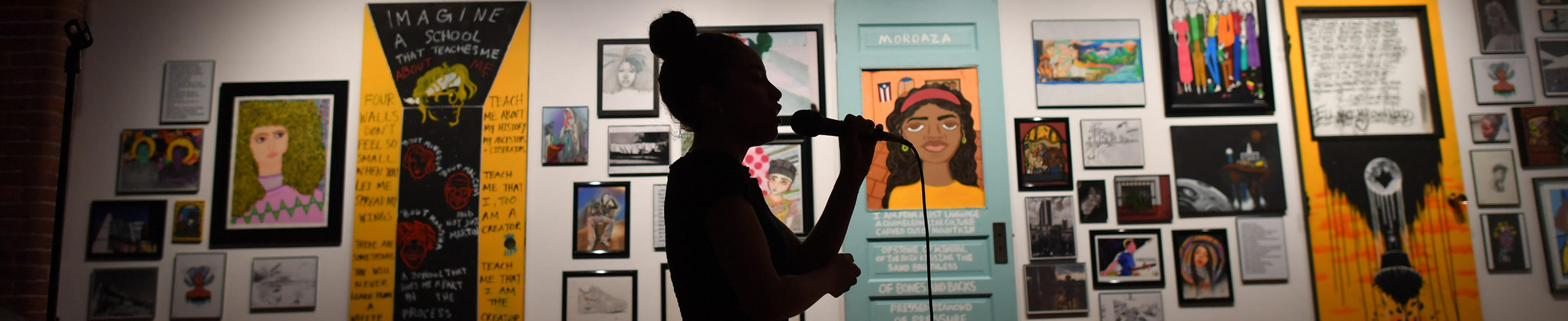
Courtesy of CultureRx Initiative
As neuroscience developed, particularly over the past two decades, with the emergence of non-invasive brain imaging technologies, the relationship between art and the brain became possible to study in a scientific way. Susan’s research path expanded from psychology into neuroaesthetics, and at Johns Hopkins University, she founded the International Arts + Mind Lab Center for Applied Neuroaesthetics. Early research on art and health was often driven by enthusiasm but lacked methodological rigor. Today, the field has evolved into a genuinely interdisciplinary framework, spanning public health, data science, psychology, and neuroscience, and offering increasingly robust insight into how art meaningfully affects health.
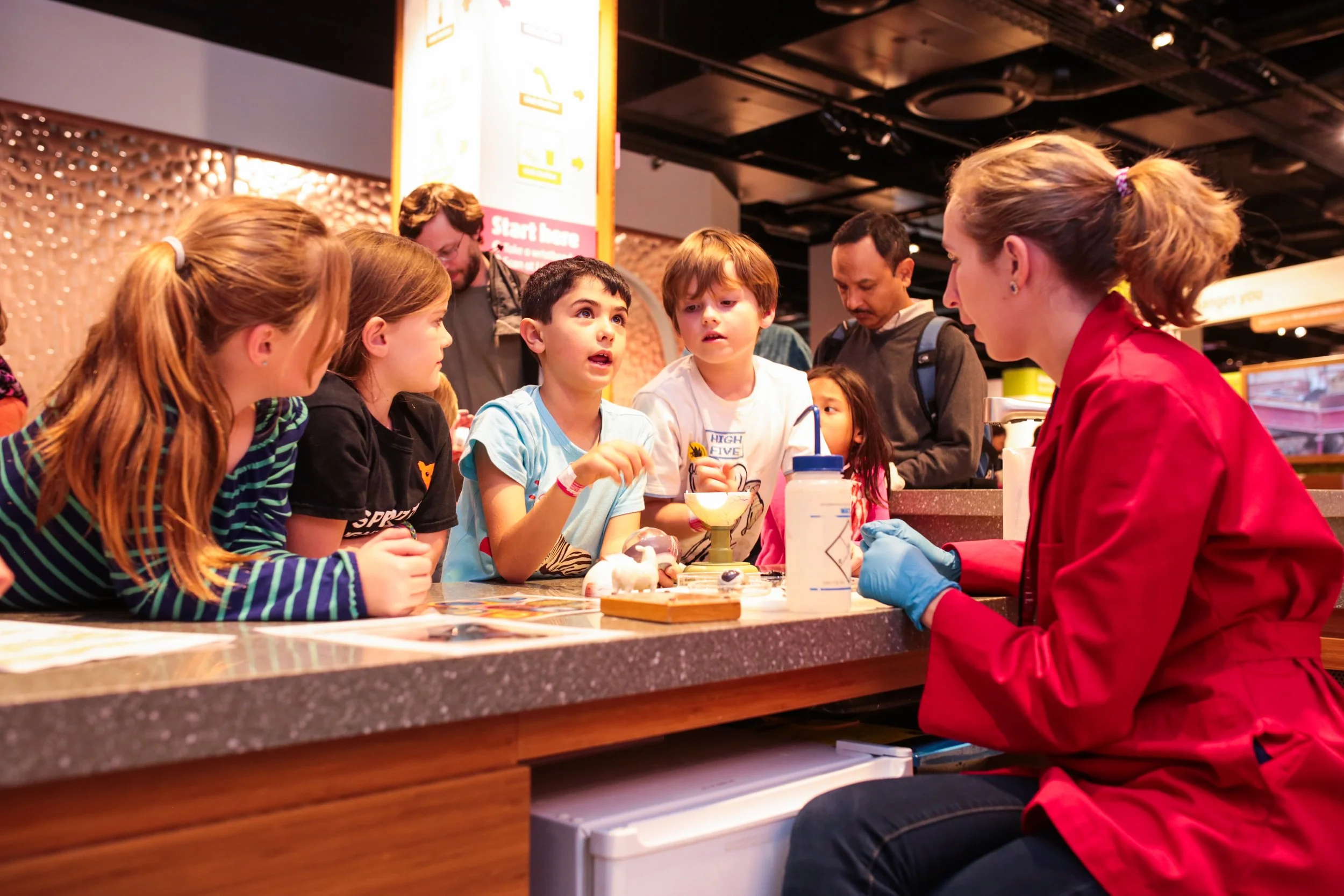
Museum of Science. Photo by Nicolaus Czarnecki. Courtesy of Mass Cultural Council
Even so, Susan mentioned that there will never be a single brain-imaging study capable of fully explaining how art works on the brain. Different art forms operate through different mechanisms, and their effects vary across individuals. With more and more research, however, one key concept has become increasingly clear — Saliency , the property of being particularly noticeable or marked as important by the brain.The human brain cannot process all incoming information at once, instead, it continuously filters which experiences are emotionally or practically important.
Experiences that are tagged as significant tend to form stronger neural pathways, shaping emotion, memory, and behavior over time. Art is one such highly salient experience.

Courtesy of MASS MoCA
Our brains have built-in responses to certain visual cues, such as nature or human faces, which tend to produce similar reactions across people. Art is different from those built-in responses. Instead, it interacts with each person’s unique background and emotional history. Because of this, one artwork can evoke completely different feelings in different viewers. That difference is exactly what gives art its power: it creates room for care and healing that can be personal rather than one-size-fits-all.

Massachusetts Audubon Society, Courtesy of Mass Cultural Council
When it comes to bringing art into real-world healthcare systems, Susan has never confined her work to the theory alone. She mentioned that during the COVID-19 pandemic, her team collaborated with Mass Cultural Council, the state arts agency in Massachusetts, on a practice-based study centered on “Arts on Prescription.” In this program, doctors did not rely only on conventional medication, but instead recommended different forms of artistic and cultural experiences based on patients’ specific needs,in response to issues such as loneliness and depression.
In this arts-on-prescription practice, the impact of art extended far beyond improvements in mood. At a deeper level, it reshaped the way both patients and physicians approached difficult situations.
For patients, art opened up the possibility of regaining an active sense of control over their lives, moving them beyond a purely passive role in treatments.
At the same time, it allowed doctors, especially in moments when medication is limited, to return to a position where they could still act, support, and offer something meaningful.
This practice reveals a more fundamental truth: art does not intervene through a specific method or tool, but through the way people enter a state that they can feel and actively engage in. Once this is understood, the boundaries of art are no longer confined to a particular medium, but naturally extend to any form capable of holding such an experience, such as Immersive technology.
It is from this perspective that Susan has pushed her thinking toward the intersection of art and immersive experiences. In her collaboration with Ivy Ross, immersive experiences are treated as simply as vessels, designed to amplify the depth of perception that art can create, rather than replace authentic artistic experience.
However, the real challenge is not whether technology can enhance artistic perception, but whether people are still willing to continue expanding their capacity for feeling, imagination, and empathy in this world that moves too fast.
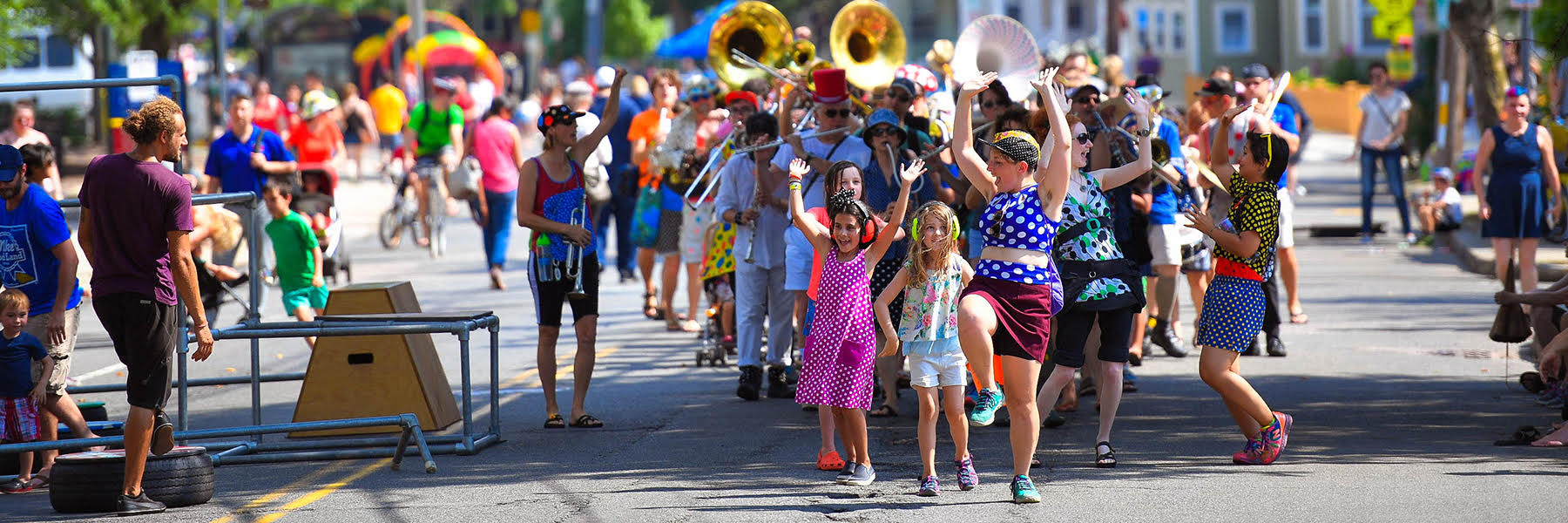
Courtesy of CultureRx Initiative
In an age driven by efficiency and outcomes, the value of art lies in its opposite of purely being instrumental. It does not offer definitive answers, but it allows people to understand themselves and connect with the world. For this reason, when language is no longer enough, art becomes a real and necessary human capacity.